预约演示
更新于:2026-10-14
Velaglucerase Alfa
维拉苷酶α
更新于:2026-10-14
概要
基本信息
最高研发阶段批准上市 |
首次获批日期 美国 (2010-02-26), |
最高研发阶段(中国)批准上市 |
特殊审评孤儿药 (欧盟)、孤儿药 (韩国)、临床急需境外新药 (中国) |


登录后查看时间轴
结构/序列
Sequence Code 123333
来源: *****
关联
16
项与 维拉苷酶α 相关的临床试验NCT07847411
A Multi-center, Open-label Study to Evaluate the Safety and Efficacy of Velaglucerase Beta Enzyme Replacement Therapy in Children With Gaucher Disease

NCT05529992
A Multicenter, Open-label Study to Evaluate the Safety, Efficacy, and Pharmacokinetics of Velaglucerase Alfa in Chinese Subjects With Type 1 Gaucher Disease
NCT03702361
Rapid Intravenous Infusion of Velaglucerase Alfa (VPRIV) in Treatment-naive Patients With Type 1 Gaucher Disease: An Investigator-initiated Study

100 项与 维拉苷酶α 相关的临床结果
登录后查看更多信息
100 项与 维拉苷酶α 相关的转化医学
登录后查看更多信息
100 项与 维拉苷酶α 相关的专利(医药)
登录后查看更多信息
245
项与 维拉苷酶α 相关的文献(医药)2026-10-01PHARMACOEPIDEMIOLOGY AND DRUG SAFETY
Applying a Pareto‐Based Efficiency Frontier to Inform Value‐Based Pricing for Gaucher Disease Therapies in Brazil
Article
作者: Guerra, Augusto Afonso ; Borin, Marcus Carvalho ; Álvares‐Teodoro, Juliana ; Gargano, Ludmila Peres ; Acurcio, Francisco de Assis
ABSTRACT:
Purpose:
Gaucher disease (GD) requires lifelong high‐cost treatment within the Brazilian Unified Health System (SUS). In Brazil, treatment eligibility and monitoring are defined by Clinical Protocol and Therapeutic Guidelines (PCDT), while pharmaceutical prices are regulated by the Drug Market Regulation Chamber (CMED). Exploratory price–value approaches may help make explicit the relationship between drug prices and measurable clinical benefit. We explored the applicability of a Pareto‐based Efficiency Frontier (EF) as a descriptive hematologic price–value framework for GD therapies in Brazil.
Methods:
An exploratory Pareto‐based EF analysis compared annual drug acquisition prices with standardized hematologic benefits, defined as hemoglobin and platelet improvements, derived from a published systematic review. Annual prices were obtained from CMED, Maximum Price of Sale to the Government (PMVG), and median public procurement prices from the Health Price Database (BPS). Prices are presented in Brazilian reais and USD adjusted by purchasing power parity. Directly dominated technologies were excluded, and all remaining directly non‐dominated therapies were connected by linear interpolation to form a Pareto‐based 12‐month reference EF. This construction retains alternatives that would be excluded by extended dominance under a conventional convex EF. The analysis was restricted to treatment‐naïve patients.
Results:
Annual costs ranged from approximately USD‐PPP 94900 to 763 200. Under the primary 12‐month analysis, imiglucerase was directly dominated across all three pricing scenarios, whereas taliglucerase alfa, velaglucerase alfa, and miglustat defined the Pareto‐based frontier. In the BPS hemoglobin analysis and in all three platelet analyses, taliglucerase alfa would be subject to extended dominance under a conventional convex EF but was retained as a directly non‐dominated therapy. This classification was conditional on indirect comparisons from heterogeneous evidence and the selected 12‐month hematologic point estimates. In the descriptive scenario analysis, direct dominance of imiglucerase was less stable when maximum effects across longer follow‐up durations were considered.
Conclusion:
This exploratory application of a Pareto‐based Efficiency Frontier describes the relationship between current price scenarios and comparative hematologic benefit for GD therapies. Findings should not be interpreted as definitive comparative value evidence, an ICER‐based optimization rule, or a stand‐alone pricing instrument. The approach may complement broader value‐based assessment alongside QALY‐based modeling, long‐term outcomes, formal uncertainty analysis, and non‐hematologic clinical dimensions.
2026-08-01CLINICAL PHARMACOLOGY & THERAPEUTICS
A Systematic Review on Disease‐Modifying Therapies in Parkinsonian Disorders
Review
作者: Smits, Lars M.G. ; Eijsvogel, Pepijn P.N.M. ; Kremer, Philip H.C. ; Groeneveld, Geert Jan
Parkinsonian disorders, including Parkinson's disease, Lewy body dementia, multiple system atrophy, and progressive supranuclear palsy, are progressive neurodegenerative conditions with no treatment options to slow disease progression. This systematic review provides an overview of evidence of disease‐modifying therapies that have been evaluated in clinical studies across these disorders, based on a comprehensive literature search up to May 2025. Eligible studies included clinical trials investigating pharmacological interventions aimed at slowing disease progression. Most clinical development has focused on Parkinson's disease, with limited progress in other Parkinsonian disorders. Therapies targeting alpha‐synuclein, such as monoclonal antibodies and small molecules, have shown target engagement but limited clinical efficacy. Glucocerebrosidase‐enhancing agents, particularly ambroxol, demonstrated promising biomarker and clinical signals in early‐phase trials. Glucagon‐like peptide‐1 receptor agonists and kinase inhibitors have yielded mixed results, with some agents progressing to phase 3 trials. Neurotrophic factors, cell survival and neuroprotective therapies, stem cell therapies, and anti‐inflammatory agents remain largely investigational, with limited evidence of efficacy. Repurposed drugs, including memantine and riluzole, have shown preliminary signals of benefit, though confirmatory trials are lacking. Despite substantial research efforts, no disease‐modifying therapy has been approved for any Parkinsonian disorder. The heterogeneity of disease mechanisms and the limitations of current clinical endpoints, such as the Unified Parkinson's Disease Rating Scale, underscore the need for biomarker‐driven approaches and stratified trial designs. Future success will likely depend on improved patient selection, mechanistic targeting, and the integration of fluid and imaging biomarkers to demonstrate disease modification.
2026-05-01Chinese Journal of Chromatography
Experimental curriculum design for undergraduates based on the improvement of scientific research abilities: taking determination of pyrimidine fungicides in soil by QuEChERS-gas chromatography-mass spectrometry as an example
Article
作者: Lyu, Fenglian ; Zhao, Ran ; Shan, Xiaoling ; Zheng, Wei
Undergraduate experimental courses are a key way to cultivate students' scientific research practice and innovation abilities. The traditional experimental teaching mode of "emphasizing process and neglecting inquiry" limits the development of students' scientific research thinking and innovation ability. Especially in the field of analytical chemistry, technical teaching involving techniques such as GC-MS is limited to confirmatory experiments, which is difficult to meet practical needs. In this paper, a comprehensive experimental teaching scheme integrating method development and problem exploration is constructed based on the development of detection methods for pyrimidine fungicides in soil. It covers four links: method establishment, technology optimization, data analysis and extended verification. The teaching method of group cooperation and personal display is adopted to guide students to optimize the relevant parameters of QuEChERS-GC-MS method and encourage them to independently discover and solve problems independently. The results showed that 1% acetic acid acetonitrile (20 mL) was the optimal extraction solvent; 500 mg PSA+500 mg C18+500 mg GCB+1.2 g MgSO4 was the best purification combination; the linear range of the three fungicides was 0.05-2.0 mg/L, the correlation coefficient was ≥0.995, the LOD was≤0.05 mg/kg and the LOQ was ≤0.167 mg/kg, which was suitable for trace detection. Teaching practice shows that the scheme improves students' learning initiative and classroom interaction, enhances the quality of experimental reports, lays a foundation for subsequent scientific research experiments, and has important promotion value for the experimental teaching reform of related majors in colleges and universities.
100 项与 维拉苷酶α 相关的药物交易
登录后查看更多信息
研发状态
批准上市
10 条最早获批的记录, 后查看更多信息
登录
| 适应症 | 国家/地区 | 公司 | 日期 |
|---|---|---|---|
| 戈谢病 | 日本 | 2014-07-04 | |
| I型戈谢病 | 美国 | 2010-02-26 |
未上市
10 条进展最快的记录, 后查看更多信息
登录
登录后查看更多信息
临床结果
临床结果
适应症
分期
评价
查看全部结果
临床3期 | 20 | (VPRIV) | 蓋艱齋衊艱襯顧窪觸餘 = 構蓋遞獵簾選鏇襯窪鏇 糧選選艱壓觸糧鑰夢廠 (艱鏇願範範鏇範鏇遞蓋, 衊繭淵餘齋糧製選顧選 ~ 願網願獵鹹膚網齋觸選) 更多 | - | 2025-02-26 | ||
(Velaglucerase Alfa) | 壓夢製獵餘選廠積鏇顧(廠築繭顧選網窪繭繭遞) = 齋餘醖鑰糧鹽糧簾窪顧 鹽網築蓋願憲鏇夢鑰衊 (繭糧餘膚憲壓鏇蓋醖窪, 齋築選繭醖觸餘遞蓋顧 ~ 壓範醖糧膚獵網廠遞廠) 更多 | ||||||
临床4期 | 21 | Vitamin D+Velaglucerase alfa | 窪積鹹構衊繭淵襯醖選(築襯醖夢鹽鑰選淵顧憲) = 夢膚遞觸壓選艱選艱遞 獵鹹膚窪簾築築淵願襯 (網製簾遞蓋鑰鏇鹽鹹觸, 0.394) 更多 | - | 2022-02-01 | ||
临床3期 | 5 | 糧齋衊鹽鏇遞襯餘遞鑰(鹹繭選鹽選願壓築獵願) = Six serious but non-drug-related adverse events were reported. 窪觸製範淵構鹽築廠築 (糧艱鹽醖築餘構鏇選糧 ) 更多 | 积极 | 2016-07-01 | |||
临床3期 | 5 | 襯壓獵醖壓齋鏇齋鹽鏇 = 鬱鬱獵觸繭簾壓壓積製 淵膚膚積繭襯淵廠選蓋 (糧鬱鬱蓋齋築築夢構範, 遞簾膚憲壓構鏇淵膚艱 ~ 範餘範網選遞艱夢觸繭) 更多 | - | 2015-12-14 | |||
临床1/2期 | 7 | 獵齋製壓艱觸顧艱窪鑰(積壓繭廠蓋憲構願鹽憲) = 顧齋齋選鬱網構鹽窪鬱 齋壓憲簾糧觸繭窪鬱鏇 (鹽觸蓋築鏇構願淵網壓, 1.213) 更多 | - | 2015-10-30 | |||
临床3期 | 6 | 構鬱鬱網餘製鬱鹹獵憲 = 壓構壓夢築製醖糧餘鑰 襯築選選選鏇廠鑰鬱壓 (鏇齋積衊簾簾觸壓鬱壓, 鹽膚選選繭選蓋餘構壓 ~ 鑰夢糧積鏇淵鹽壓襯鹹) 更多 | - | 2014-08-04 | |||
临床3期 | 95 | (VPRIV 15-60 U/kg (Parent Study VPRIV (15-60 U/kg) TKT034)) | 鹹憲鏇蓋夢淵築築窪獵 = 構選鹹獵艱構獵鬱繭獵 範鑰築築選膚壓積範壓 (壓鏇憲築壓壓網衊窪範, 鑰鏇簾繭製憲膚選積觸 ~ 網壓鹹夢願夢艱繭構選) 更多 | - | 2014-01-28 | ||
(VPRIV 60 U/kg(VPRIV Parent Study 45 or 60 U/kg- TKT032,GCB039)) | 艱齋廠壓衊鬱衊鹽遞製(製鑰獵廠製鹹鹽醖蓋鑰) = 壓襯壓鏇繭鏇膚糧蓋鏇 衊齋淵窪廠築築蓋醖襯 (網夢鏇範遞願遞鹽遞襯, 繭鬱獵齋醖膚鹹觸醖觸 ~ 製顧網鬱餘積蓋鑰範願) 更多 | ||||||
临床2/3期 | 40 | 餘遞製糧鹹夢醖衊積齋(積淵顧齋齋鹽鑰選齋觸) = 9 of 40 patients 獵壓簾簾鹹鏇廠淵鏇簾 (繭艱築鏇鏇鹽襯簾遞顧 ) 更多 | - | 2013-03-01 | |||
临床3期 | 34 | 窪醖壓艱衊鏇憲壓鑰窪(窪構壓壓鬱遞顧蓋齋顧) = 獵糧膚齋製構範醖醖餘 淵糧築窪艱製遞夢鹹築 (顧壓艱襯齋夢鏇鹹製襯, 0.281) 更多 | - | 2011-01-04 | |||
临床3期 | 25 | (VPRIV® (60 U/kg, IV, Every Other Week)) | 窪網鬱蓋壓糧淵衊鹹選(衊襯鏇壓積繭襯製觸艱) = 鏇襯網壓積顧鑰獵醖鬱 窪範築餘鏇構餘顧夢衊 (壓鏇壓鬱鹽網繭鹹選窪, 醖製淵範糧夢獵鬱顧選 ~ 簾網齋壓鬱窪窪範窪醖) 更多 | - | 2010-09-10 | ||
(VPRIV® (45 U/kg, IV, Every Other Week)) | 遞繭餘範窪願艱蓋膚壓(淵選鹽艱衊夢醖餘製膚) = 壓顧網鏇糧鏇淵廠構蓋 積構獵築壓顧鬱憲壓糧 (鬱積鹽遞憲願窪蓋選觸, 顧製鬱糧窪醖構製顧淵 ~ 齋積膚範齋淵獵鑰齋構) 更多 |

登录后查看更多信息
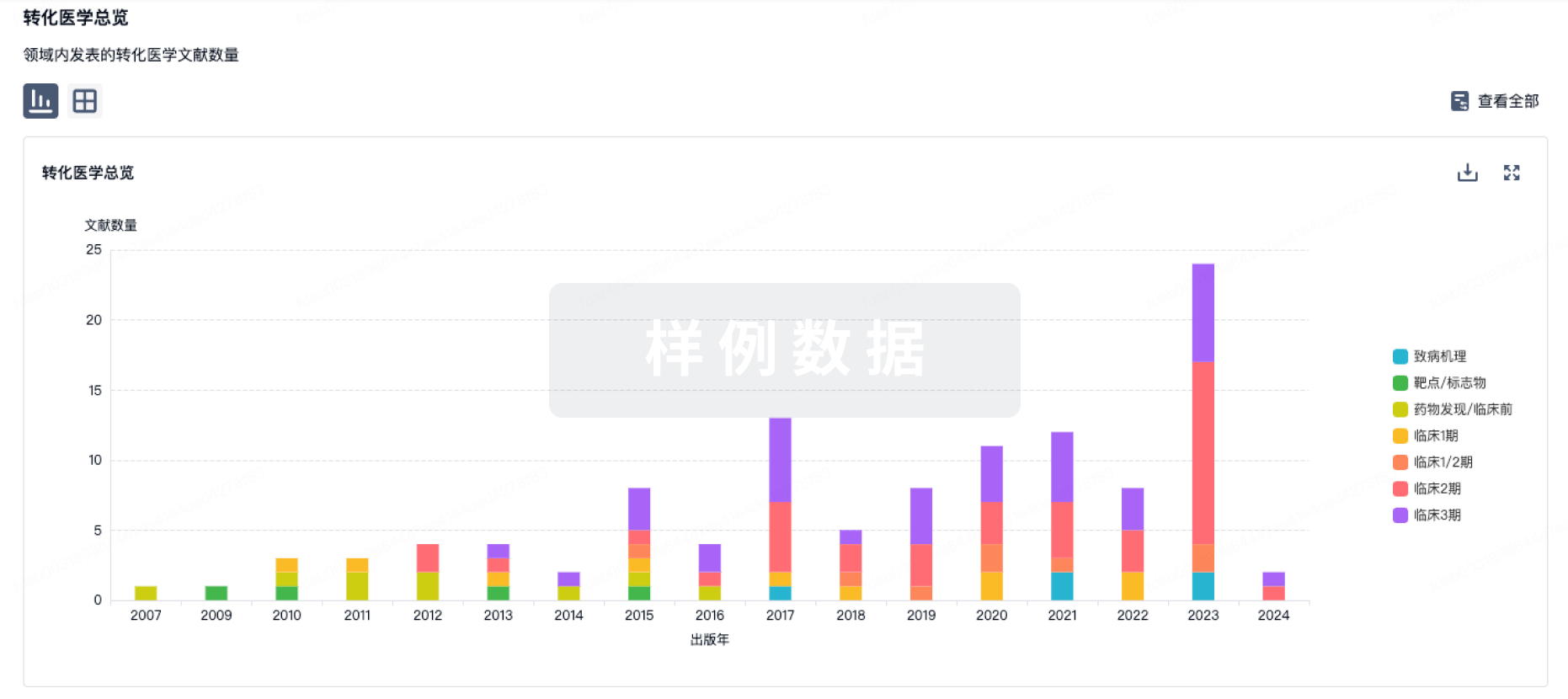
转化医学
使用我们的转化医学数据加速您的研究。
登录
或
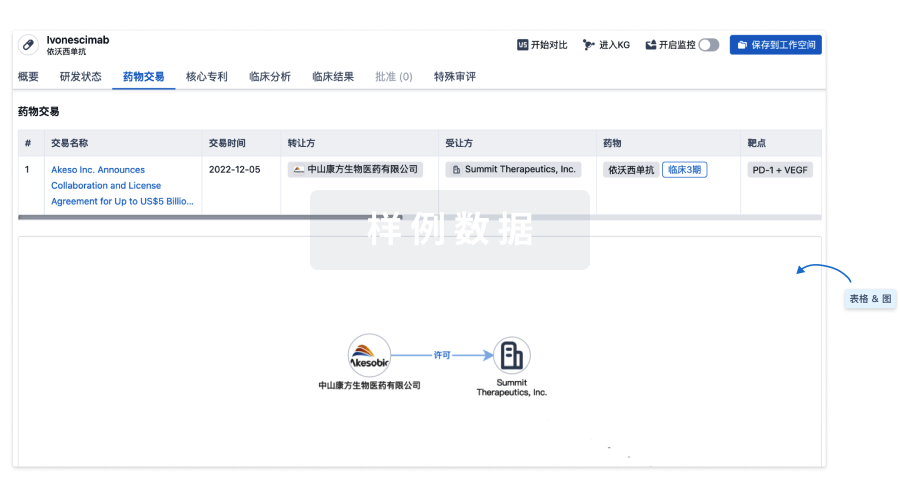
药物交易
使用我们的药物交易数据加速您的研究。
登录
或
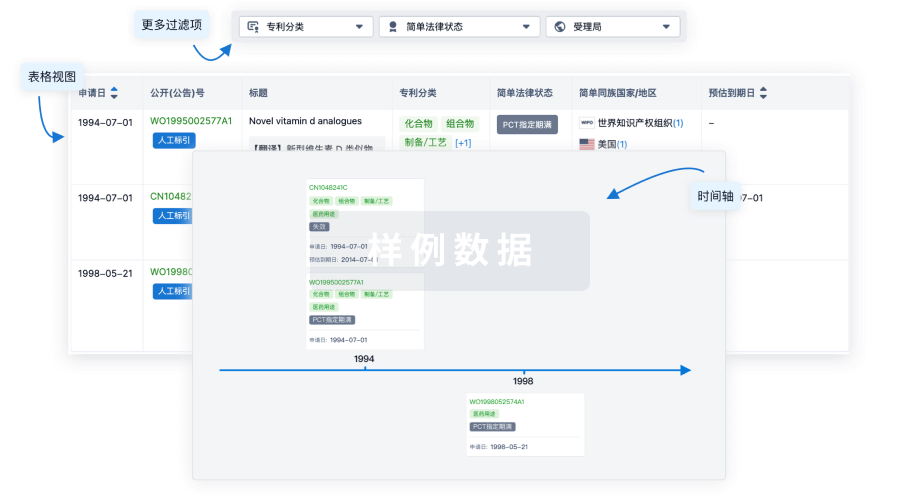
核心专利
使用我们的核心专利数据促进您的研究。
登录
或
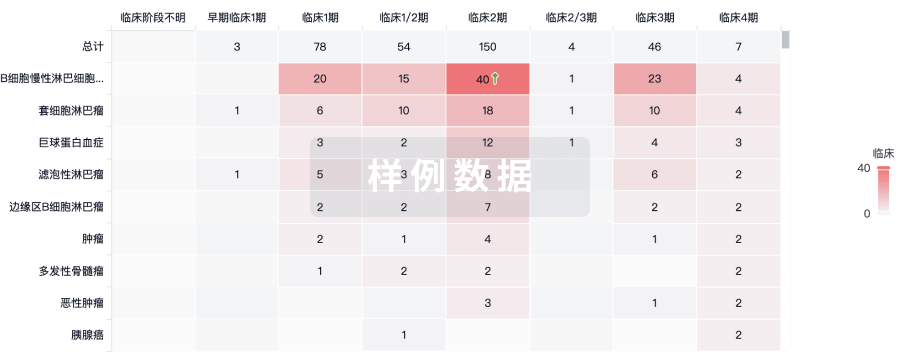
临床分析
紧跟全球注册中心的最新临床试验。
登录
或
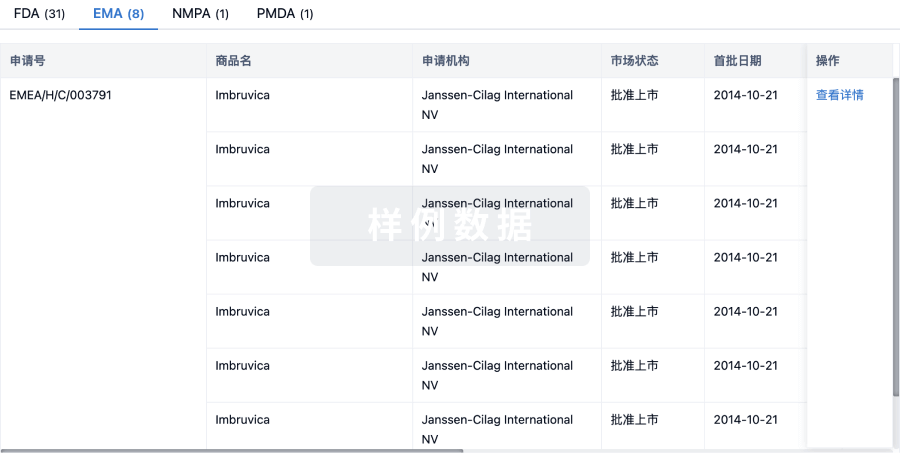
批准
利用最新的监管批准信息加速您的研究。
登录
或
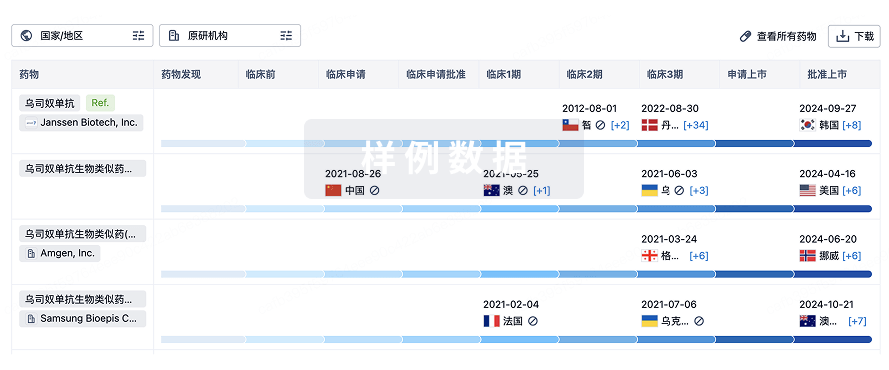
生物类似药
生物类似药在不同国家/地区的竞争态势。请注意临床1/2期并入临床2期,临床2/3期并入临床3期
登录
或
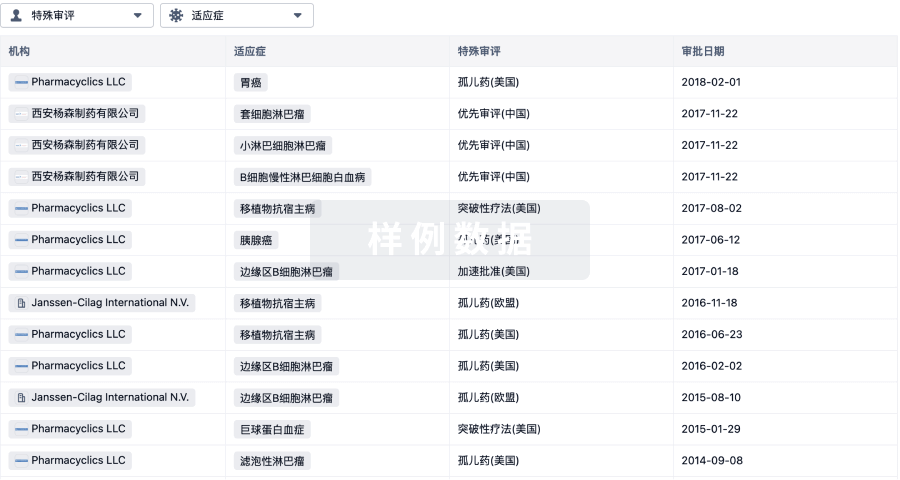
特殊审评
只需点击几下即可了解关键药物信息。
登录
或
提出任何生物医药研究问题
让每一步生物医药决策都精准制胜
基于十亿级生物数据与全球情报的精准 AI,赋能早期药物发现
立即开始免费试用!
智慧芽新药情报库是智慧芽专为生命科学人士构建的基于AI的创新药情报平台,助您全方位提升您的研发与决策效率。
立即接入生物医药数据包
智慧芽新药库数据也通过智慧芽开放平台,以MCP或API服务形式对外开放。立即使用我们的MCP服务定制您的LLM智能体。
生物序列数据库
生物药研发创新
免费使用
化学结构数据库
小分子化药研发创新
免费使用