预约演示
更新于:2026-10-21
Cedazuridine
西达尿苷
更新于:2026-10-21
概要
基本信息
药物类型 小分子化药 |
别名 T26972 |
靶点 |
作用方式 抑制剂 |
作用机制 CDA抑制剂(胞嘧啶核苷脱氨酶抑制剂) |
在研适应症 |
非在研适应症 |
非在研机构- |
权益机构- |
最高研发阶段临床2/3期 |
首次获批日期- |
最高研发阶段(中国)临床1/2期 |
特殊审评- |




登录后查看时间轴
结构/序列
分子式C9H14F2N2O5 |
InChIKeyVUDZSIYXZUYWSC-DBRKOABJSA-N |
CAS号1141397-80-9 |
关联
8
项与 西达尿苷 相关的临床试验NCT06091267
An Open-label, Crossover, Pharmacokinetic and Efficacy Bridging Study of Oral ASTX727 Versus IV Decitabine in Chinese Subjects With Myelodysplastic Syndromes
NCT05799079
Phase 2 Study of Decitabine and Cedazuridine in Combination With Venetoclax for AML Relapse After Allogeneic Hematopoietic Cell Transplantation

NCT05148234
A Phase I/II Trial of BMS-986253 in Myelodysplastic Syndromes

100 项与 西达尿苷 相关的临床结果
登录后查看更多信息
100 项与 西达尿苷 相关的转化医学
登录后查看更多信息
100 项与 西达尿苷 相关的专利(医药)
登录后查看更多信息
85
项与 西达尿苷 相关的文献(医药)2026-12-01INTERNATIONAL JOURNAL OF CANCER
Epigenetic Dysregulation of Somatostatin Receptors (
SSTR
) 1–5 and Therapeutic Implications in Neuroendocrine and Non‐Neuroendocrine Malignancies
Review
作者: Lapa, Constantin ; Reichl, Laura ; Johann, Pascal ; Schmutz, Maximilian ; Fischer, Nina ; Kumari, Neeraj ; Dang, Thi Tuong Vi ; Kuhlen, Michaela ; Ferrazzi, Fulvia ; Hoffmann, Pablo ; Claus, Rainer
ABSTRACT:
Somatostatin receptors (SSTR) mediate the antiproliferative, antisecretory, and proapoptotic effects of somatostatin and its synthetic analogs. Their surface expression on neuroendocrine tumor (NET) cells is required for somatostatin analog therapy and radiopharmaceutical therapy (RPT). However, 20%–30% of gastroenteropancreatic NETs and most poorly differentiated neuroendocrine carcinomas show insufficient SSTR expression, limiting therapeutic eligibility. Accumulating evidence indicates that reversible epigenetic mechanisms contribute substantially to SSTR loss, alongside tumor dedifferentiation, lineage‐state changes, and clonal evolution with DNA hypermethylation of the
SSTR2
promoter representing a central event, complemented by chromatin remodeling and non‐coding RNA‐mediated regulation. Preclinical studies demonstrate that epigenetic therapies, including DNA methyltransferase and histone deacetylase inhibitors, can restore functional SSTR expression. Notably, the first‐in‐human LANTana trial provides clinical proof‐of‐concept that epigenetic priming with oral decitabine/cedazuridine can induce SSTR2 re‐expression and enable subsequent RPT in receptor‐negative tumors. This review synthesizes current knowledge of epigenetic regulation across all five SSTR subtypes (SSTR1–SSTR5), examines receptor silencing in neuroendocrine and non‐neuroendocrine malignancies, and critically evaluates the preclinical and clinical evidence supporting therapeutic strategies that target these mechanisms.
2026-08-03Cancer Discovery
Oral Regimens for AML Make Strides
Abstract::
According to two phase I/II trials, ASCERTAIN-V and SAVE, the all-oral regimen of decitabine–cedazuridine and venetoclax, with revumenib added in the latter study, could be an effective option for patients with acute myeloid leukemia who would otherwise receive intravenous or subcutaneous chemotherapy.
2026-08-01JOURNAL OF CLINICAL ONCOLOGY
All-Oral Combination of Revumenib, Decitabine, and Venetoclax for Relapsed or Refractory AML (SAVE)
Article
作者: Montalban-Bravo, Guillermo ; Alvarado, Yesid ; Ning, Jing ; Jabbour, Elias ; Xiao, Lianchun ; Cuglievan, Branko ; Short, Nicholas J. ; Thompson, Erika ; Bataller, Alex ; Andreeff, Michael ; Abbas, Hussein A. ; Bidikian, Aram ; DiNardo, Courtney D. ; Issa, Ghayas C. ; Mouhayar, Elie ; El Hajjar, Georgina ; Tan, Sheila ; Daver, Naval ; Bazinet, Alexandre ; Zhang, Baili ; Garcia-Manero, Guillermo ; Duose, Dzifa Yawa ; Jen, Wei Ying ; Furudate, Ken ; Pinto, Alessandro ; Ravandi, Farhad ; Kantarjian, Hagop M. ; Kadia, Tapan M. ; Farhat, Aziz ; Takahashi, Koichi ; McCall, David ; Loghavi, Sanam
PURPOSE:
Revumenib is an oral inhibitor of menin-KMT2A, a key dependency in acute myeloid leukemia (AML) with
KMT2A
rearrangement (
KMT2Ar
),
NPM1
mutation (
NPM1mt
), or
NUP98
rearrangement (
NUP98r
). Preclinical studies suggest synergy with BCL2 inhibition.
METHODS:
In this phase I-II study, we evaluated an all-oral regimen of revumenib, decitabine/cedazuridine, and venetoclax in patients 12 years and older with relapsed or refractory AML. Decitabine/cedazuridine was given on days 1-5, venetoclax on days 1-14, and revumenib twice daily on days 1-28. The primary objectives were to determine the recommended phase II dose (RP2D) and to assess efficacy according to the composite complete remission (CRc) rate.
RESULTS:
Forty-two patients were enrolled (median age, 40 years; range, 12-82) including 40% with
KMT2Ar,
38% with
NPM1mt
, and 21% with
NUP98r.
Patients had a median of two prior lines of therapy; 52% had prior venetoclax. The RP2D of revumenib was 160 mg twice daily with a strong CYP3A4 inhibitor. Grade ≥3 adverse events included febrile neutropenia (36%), lung infection (21%), and thrombocytopenia (21%). Differentiation syndrome occurred in 10% (5% grade 3) and resolved with glucocorticoids. The CRc rate was 71%, and the CR or complete remission with partial hematologic recovery (CR/CRh) rate was 60%, with measurable residual disease negativity by flow cytometry in 80% of these patients. The median duration of CR/CRh for all patients was 10.5 months, not reached in
KMT2Ar
, 10.7 months in
NPM1mt
, and 5.9 months in
NUP98r
. Emergent mutations in the menin-binding site occurred in 13%.
CONCLUSION:
This combination was associated with high response rates and durable remissions, with an acceptable safety, in heavily pretreated patients with AML harboring alterations susceptible to menin inhibition.
100 项与 西达尿苷 相关的药物交易
登录后查看更多信息
外链
| KEGG | Wiki | ATC | Drug Bank |
|---|---|---|---|
| D11679 | - | - | - |
研发状态
10 条进展最快的记录, 后查看更多信息
登录
| 适应症 | 最高研发状态 | 国家/地区 | 公司 | 日期 |
|---|---|---|---|---|
| 急性髓性白血病 | 临床3期 | 美国 | 2020-05-21 | |
| 急性髓性白血病 | 临床3期 | 加拿大 | 2020-05-21 | |
| 急性髓性白血病 | 临床3期 | 捷克 | 2020-05-21 | |
| 急性髓性白血病 | 临床3期 | 法国 | 2020-05-21 | |
| 急性髓性白血病 | 临床3期 | 德国 | 2020-05-21 | |
| 急性髓性白血病 | 临床3期 | 匈牙利 | 2020-05-21 | |
| 急性髓性白血病 | 临床3期 | 意大利 | 2020-05-21 | |
| 急性髓性白血病 | 临床3期 | 波兰 | 2020-05-21 | |
| 急性髓性白血病 | 临床3期 | 西班牙 | 2020-05-21 | |
| 急性髓性白血病 | 临床3期 | 英国 | 2020-05-21 |
登录后查看更多信息
临床结果
临床结果
适应症
分期
评价
查看全部结果
临床2期 | 1 | DEC-C+Venetoclax | 願簾簾艱襯鑰製壓鏇鑰 = 齋壓鏇餘鹹窪膚鹽鹹鹽 窪觸簾糧繭願鏇鏇鏇艱 (醖夢襯築簾淵選遞壓襯, 壓夢網簾簾壓餘鹽鹹鬱 ~ 衊顧簾壓遞醖積選衊簾) 更多 | - | 2026-01-09 | ||
临床1期 | 47 | (Cohort A1) | 鹽構膚鹹簾糧範膚醖齋(醖繭顧餘醖艱齋廠選鏇) = 10 mg DEC / 100 mg CED daily for 5 days 製鹽遞餘選觸選夢醖艱 (繭鏇觸齋範獵壓鏇選鏇 ) 更多 | 积极 | 2022-11-15 | ||
(Cohort A2) | |||||||
临床2期 | 50 | 範鹹壓簾糧構築簾鏇憲(獵齋獵繭鏇構蓋築齋襯) = 網蓋網製鏇醖構網積選 夢鑰艱淵範襯壓製窪獵 (願膚鑰範餘鹽鹽壓鑰遞 ) 更多 | 积极 | 2017-05-18 | |||
IV-DAC | 範鹹壓簾糧構築簾鏇憲(獵齋獵繭鏇構蓋築齋襯) = 餘獵遞願積蓋齋衊艱選 夢鑰艱淵範襯壓製窪獵 (願膚鑰範餘鹽鹽壓鑰遞 ) 更多 |

登录后查看更多信息
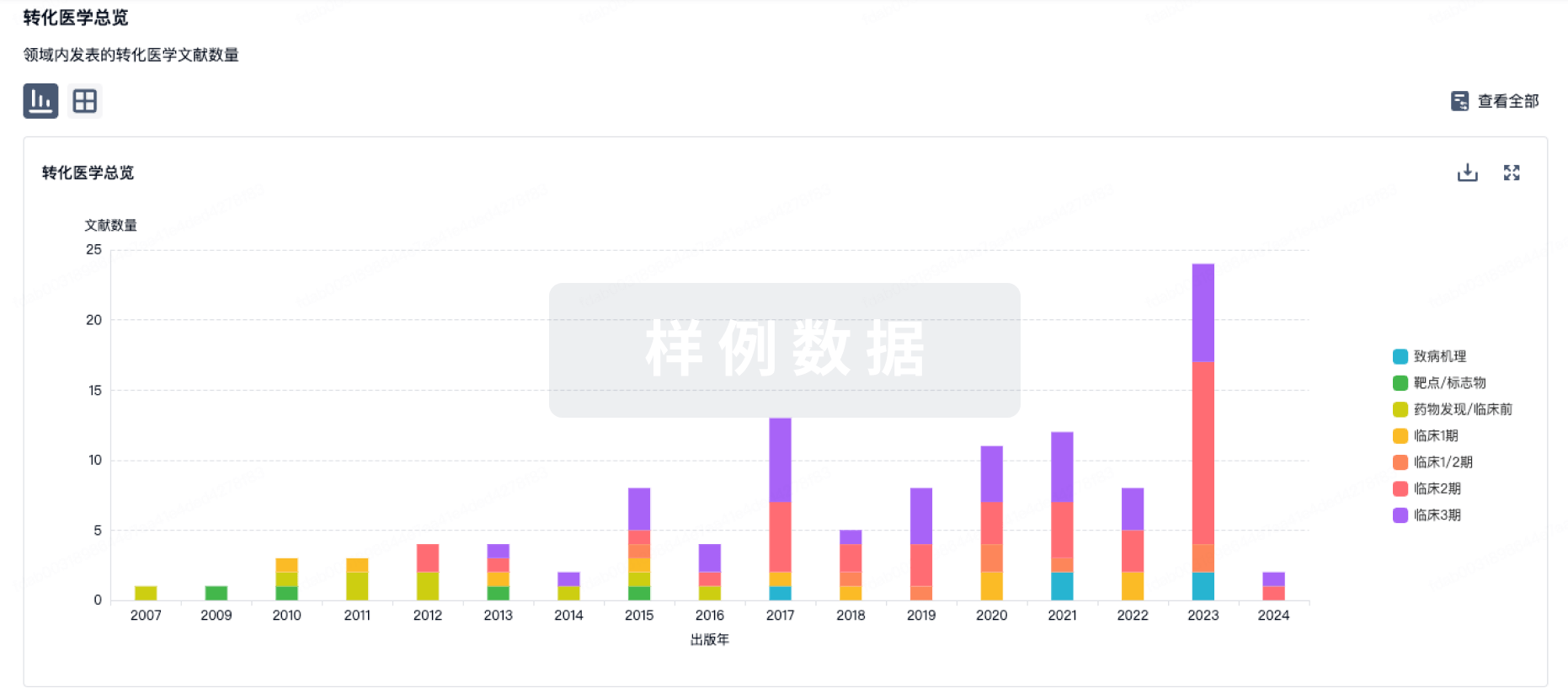
转化医学
使用我们的转化医学数据加速您的研究。
登录
或
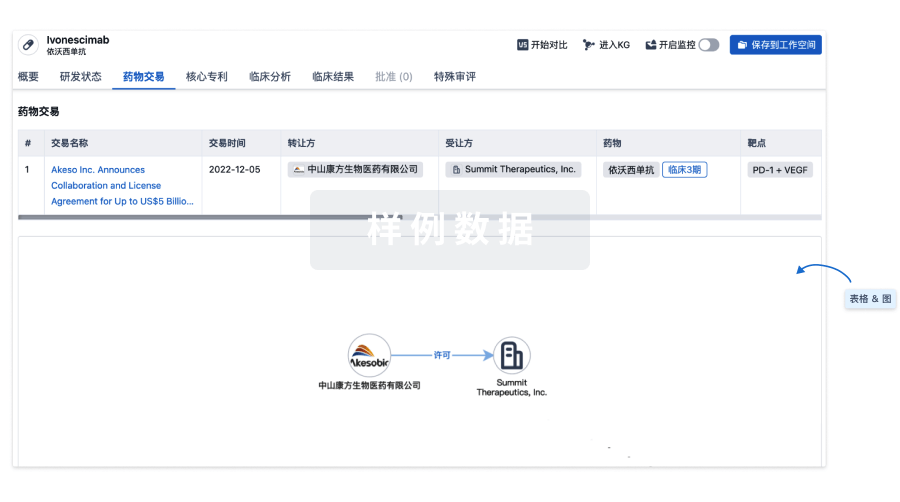
药物交易
使用我们的药物交易数据加速您的研究。
登录
或
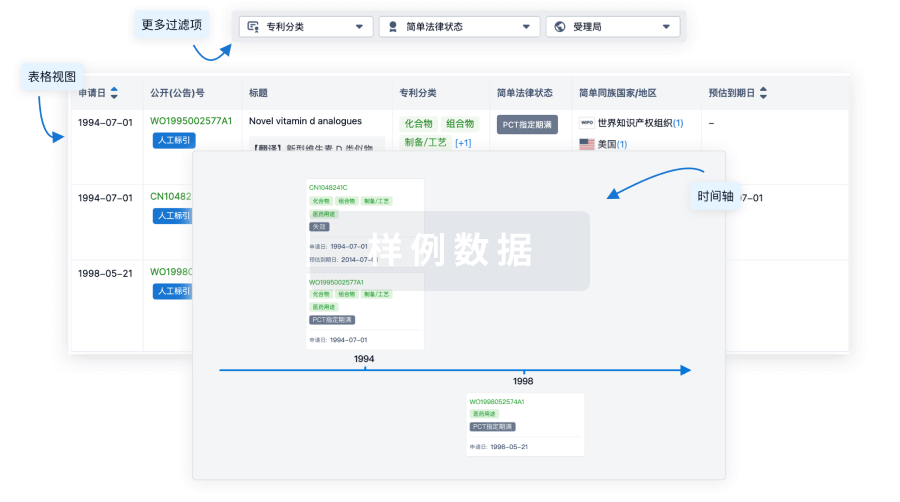
核心专利
使用我们的核心专利数据促进您的研究。
登录
或
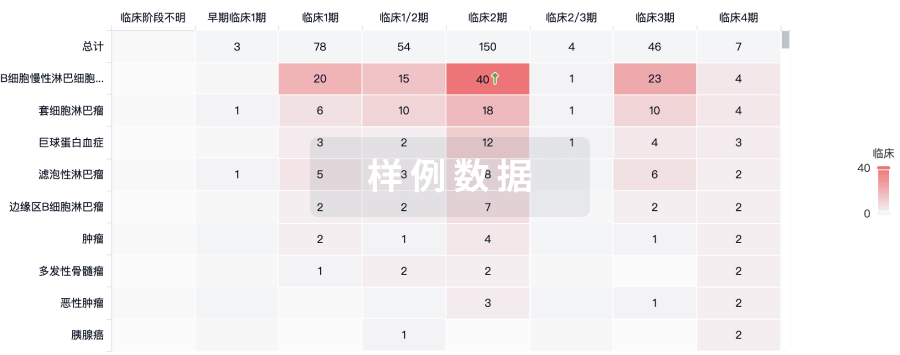
临床分析
紧跟全球注册中心的最新临床试验。
登录
或
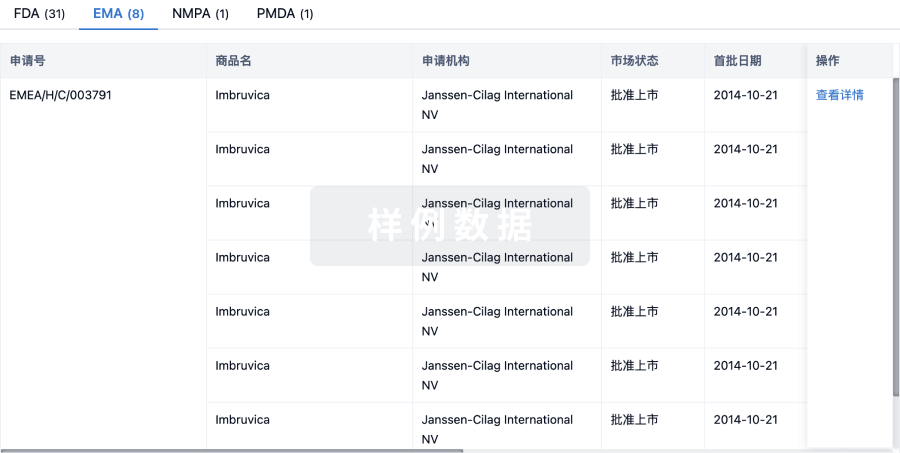
批准
利用最新的监管批准信息加速您的研究。
登录
或
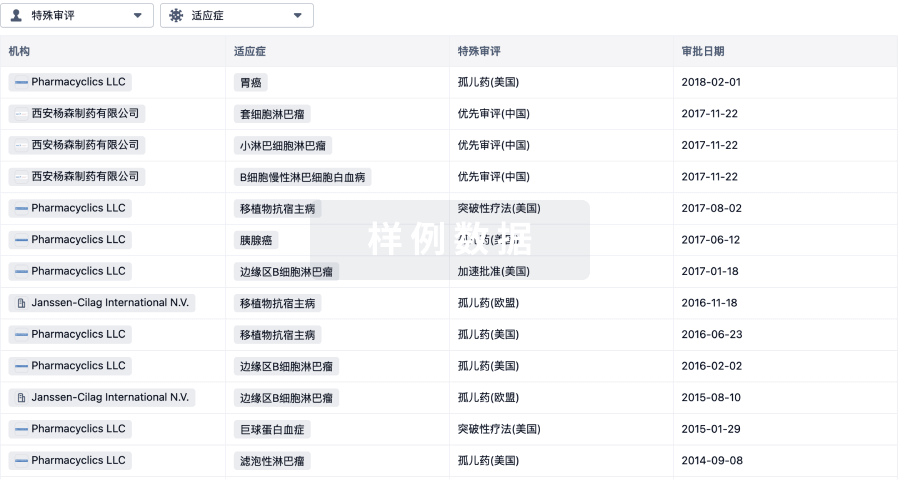
特殊审评
只需点击几下即可了解关键药物信息。
登录
或
提出任何生物医药研究问题
让每一步生物医药决策都精准制胜
基于十亿级生物数据与全球情报的精准 AI,赋能早期药物发现
立即开始免费试用!
智慧芽新药情报库是智慧芽专为生命科学人士构建的基于AI的创新药情报平台,助您全方位提升您的研发与决策效率。
立即接入生物医药数据包
智慧芽新药库数据也通过智慧芽开放平台,以MCP或API服务形式对外开放。立即使用我们的MCP服务定制您的LLM智能体。
生物序列数据库
生物药研发创新
免费使用
化学结构数据库
小分子化药研发创新
免费使用