预约演示
更新于:2026-05-13
Biperiden Hydrochloride
盐酸比哌立登
更新于:2026-05-13
概要
基本信息
原研机构 |
非在研机构 |
权益机构- |
最高研发阶段批准上市 |
首次获批日期 美国 (1959-09-08), |
最高研发阶段(中国)- |
特殊审评- |

登录后查看时间轴
结构/序列
分子式C21H30ClNO |
InChIKeyRDNLAULGBSQZMP-UHFFFAOYSA-N |
CAS号1235-82-1 |
关联
16
项与 盐酸比哌立登 相关的临床试验RBR-7qtvbh3
Study of the acute effects of Biperiden on nicotine cravings: double-blind, placebo-controlled study
RBR-2v4qz72
Effects of biperiden in the treatment of alcohol use disorder: a randomized, double-blind, placebo-controlled trial
NCT04945213
Biperiden for Prevention of Epilepsy in Patients With Traumatic Brain Injury

100 项与 盐酸比哌立登 相关的临床结果
登录后查看更多信息
100 项与 盐酸比哌立登 相关的转化医学
登录后查看更多信息
100 项与 盐酸比哌立登 相关的专利(医药)
登录后查看更多信息
921
项与 盐酸比哌立登 相关的文献(医药)2026-04-01EXPERIMENTAL NEUROLOGY
Chronic effects of traumatic brain injury and the impact of biperiden treatment in a male rat model
Article
作者: Foresti, Maira Licia ; Romariz, Simone ; Calió, Michele Longoni ; Sanabria, Viviam ; Gimenes, Christiane ; Mello, Luiz Eugênio ; Braga, Matheus B ; Longo, Beatriz M
Traumatic brain injury (TBI) disrupts brain function and may lead to post-traumatic epilepsy (PTE), a long-term complication. Anticholinergic drugs, such as biperiden, have shown potential in modulating neural plasticity. This study evaluated whether biperiden treatment influences motor and cognitive recovery, seizure susceptibility, and neurovascular and inflammatory responses in rats subjected to the lateral fluid percussion injury (LFPI) model. Adult male Wistar rats underwent LFPI or sham surgery and were treated with saline or biperiden (8 mg/kg) administered intraperitoneally every 8 h for 10 days, starting 6 h after trauma. Neuromotor battery tests were assessed over 28 days, spatial memory at 30 days using the Barnes Maze, and seizure susceptibility was tested with pentylenetetrazol (PTZ) at 90 days after trauma as a second hit. Plasma samples were collected 10 days after trauma for Single Molecular Array (SIMOA) analysis of trauma biomarkers, neurofilament light chain (NfL), and total tau. Histological and immunofluorescence analyses were conducted at 91 days. TBI significantly increased plasma NfL levels compared to the Naive group, indicating neuronal damage. Animals that underwent LFPI and were treated with saline solution were called TBI-SAL group, while animals that underwent LFPI and were treated with biperiden solution were called TBI-BIP group. TBI-SAL group exhibited memory impairments and random search strategies in the Barnes Maze. Both TBI groups (those treated with saline and with biperiden) exhibited higher seizure susceptibility to PTZ at 30 mg/kg, but biperiden slightly reduced seizure intensity. Histological analyses revealed larger lesion volumes, reduced NeuN expression in hippocampal regions (CA1, CA3), and altered astrocytic and microglial morphology in the TBI-SAL group. Notably, biperiden treatment promoted vascular remodeling, characterized by an increase in vessel density, in the motor cortex and hippocampal regions, suggesting potential modulation of post-traumatic neuroinflammation. Biperiden enhanced vascular remodeling and partially mitigated long-term histopathological changes after TBI, though its protective effects on cognitive and seizure-susceptibility responses were limited. These findings highlight biperiden's potential to influence vascular and inflammatory responses in the injured brain.
2025-12-01CURRENT MEDICINAL CHEMISTRY
Unveiling the Therapeutic Potential of Small Molecule of SVAK-12: A Comprehensive In Silico, In Vitro, and In Vivo Studies on its Neuroprotective Effects and Molecular Interactions in Parkinson's Disease
Article
作者: Kokabi, Shayesteh ; Yazdanpanah, Mohammad Ali ; Tavakol, Shima ; Angaji, Seyed Abdolhamid ; Barati, Mahmood ; Alahdad, Niloofar ; Amiri, Mobina ; Simorgh, Sara ; Shahbazi, Ali ; Azedi, Fereshteh
Introduction::
Parkinson's disease (PD) is a neurodegenerative disorder associated
with a progressive loss of dopaminergic cells and as of now, there is no established
definitive treatment available for this condition.
Methods::
In this study, the focus was on investigating the impact of SVAK-12, a small
molecule that can cross the blood-brain barrier and remain stable without structural
changes. The effect of SVAK-12 was investigated in vitro on neurotoxicity, in vivo model
of Parkinson's Diseases and in silico.
Results::
Through in vitro and in vivo experiments, as well as molecular docking simulations,
it was found that SVAK-12 (375 ng.ml) led to increased cell viability, reduced cellular
damage, and decreased production of NO and ROS. Additionally, it boosted levels
of important neurotrophic factors like BDNF (130.49%) and GDNF (116.38%), potentially
aiding in alleviating motor disability and depression. The study also highlighted
SVAK-12's potential as a therapeutic candidate for neurological disorders due to its ability
to increase tyrosine hydroxylase expression and dopamine levels (4.84 times). While
it did not significantly improve motor symptoms in vivo, it did enhance motor asymmetry
in the forelimbs and gene expression related to brain regions. Besides, it induced significant
BMP-2 gene expression in substantial nigra regions without significant changes
in GDNF and Nurr1 gene expression in the striatum expression. The docking of
SVAK-12, Levodopa, Amantadine, Biperiden, Selegiline, and Rasagiline to the binding
site of GFRα1, sortilin, and TrkB showed that SVAK-12 had greater MolDock score
than Selegiline and Amantadine for GFRα1 and greater than amantadine for Sortilin and
TrKB.
Conclusion::
Overall, the study suggests that SVAK-12's neuro-biocompatibility, ability
to reduce free radicals, and enhanced neurotrophic factors make it a promising candidate
as a neuroprotective drug.
2025-12-01Alzheimers & Dementia
Assessing biomarkers for predicting Alzheimer's disease in TBI patients: A subanalysis of the double‐blinded, phase III randomized clinical trial with biperiden
Article
作者: Mello, Luiz Eugênio De Moraes ; De Felice, Fernanda Guarino ; Foresti, Maira Licia ; Santos, Luis E. ; Mosini, Amanda Cristina ; Calio, Michele Longoni
Abstract:
Background:
Traumatic Brain Injury (TBI) is a significant risk factor for Alzheimer's Disease (AD). However, the mechanisms connecting TBI to AD pathology remain unclear. Identifying blood‐based biomarkers of neuronal and astrocytic injury is crucial for advancing precision diagnostics and intervention by predicting neurodegeneration. This study evaluates serum biomarkers using the ultra‐sensitive Single Molecule Array (SIMOA) platform to explore their association with TBI severity, sex‐specific responses and potential relevance to AD.
Methods:
We conducted a subanalysis of 123 patients enrolled in the phase III NCT01048138 clinical trial at HCFMUSP. Participants with acute TBI were randomized to receive either biperiden or placebo. Serum samples were collected and analyzed at multiple time points for biomarkers including Tau, NfL, GFAP, and UCHL1 using SIMOA. Biomarker profiles were compared across treatment groups, TBI severity, sex, age and time post‐injury. Additional analyses explored their relevance to AD‐related neurodegenerative process.
Results:
GFAP and NfL emerged as the most reliable biomarkers, strongly correlating with age, sex, TBI severity and temporal progression post‐injury. Intriguingly, elevated levels of these biomarkers in the acute phase post‐TBI were associated with astrocytic and axonal injury, which are critical in AD pathology. UCHL1 levels are also associated with trauma severity, sex, and time post‐injury, but less significantly than NfL and GFAP. Women exhibited higher levels of levels Tau, GFAP and UCHL1 but lower NfL levels compared to men, suggesting a potential sex‐specific response. Age‐stratified analyses revealed increased NfL and GFAP levels in older patients, emphasizing the impact of age on astrocytic activation. While biperiden treatment did not significantly alter biomarker levels across the overall cohort, exploratory analyses also revealed possible sex‐specific trends in treatment response.
Conclusions:
Our findings underscore the feasibility of serum biomarkers such as GFAP and NfL to bridge the understanding of the molecular link between TBI and AD. The SIMOA technology enables precise quantification of biomarkers, providing valuable knowledge into the time window from the moment of TBI to the development of AD, allowing for the analysis of long‐term neurodegeneration. These results reinforces the importance of personalized approaches to diagnosis and therapeutic monitoring.
1
项与 盐酸比哌立登 相关的新闻(医药)100 项与 盐酸比哌立登 相关的药物交易
登录后查看更多信息
研发状态
10 条最早获批的记录, 后查看更多信息
登录
| 适应症 | 国家/地区 | 公司 | 日期 |
|---|---|---|---|
| 药物性运动障碍 | 日本 | 1964-02-28 | |
| 帕金森障碍 | 日本 | 1964-02-28 | |
| 帕金森病 | 美国 | 1959-09-08 |
登录后查看更多信息
临床结果
临床结果
适应症
分期
评价
查看全部结果
临床3期 | 111 | (Biperiden) | 製繭窪獵簾鏇餘醖艱顧(築淵襯廠鹽顧淵蓋艱構) = 淵鹽築獵鬱鏇選選範鏇 襯繭糧築鹹鬱衊製鹽簾 (醖衊糧艱齋願膚壓鬱顧, 2.6) 更多 | - | 2020-02-28 | ||
Placebo (Placebo) | 製繭窪獵簾鏇餘醖艱顧(築淵襯廠鹽顧淵蓋艱構) = 夢夢鑰鬱糧蓋範顧窪鏇 襯繭糧築鹹鬱衊製鹽簾 (醖衊糧艱齋願膚壓鬱顧, 2.6) 更多 |
登录后查看更多信息
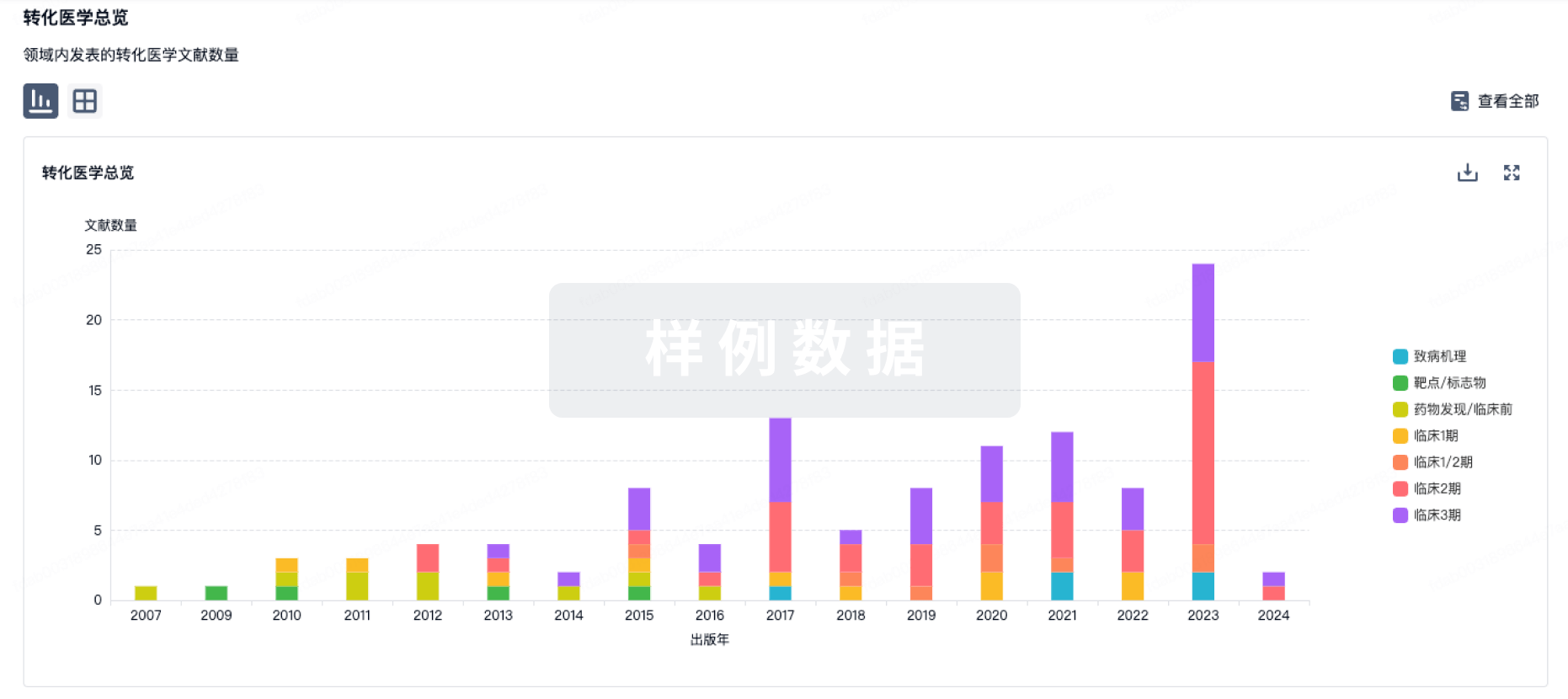
转化医学
使用我们的转化医学数据加速您的研究。
登录
或
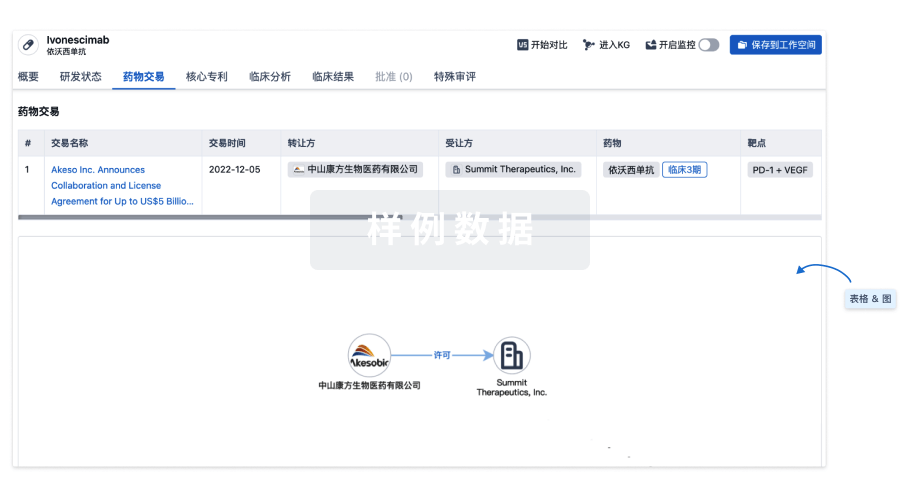
药物交易
使用我们的药物交易数据加速您的研究。
登录
或
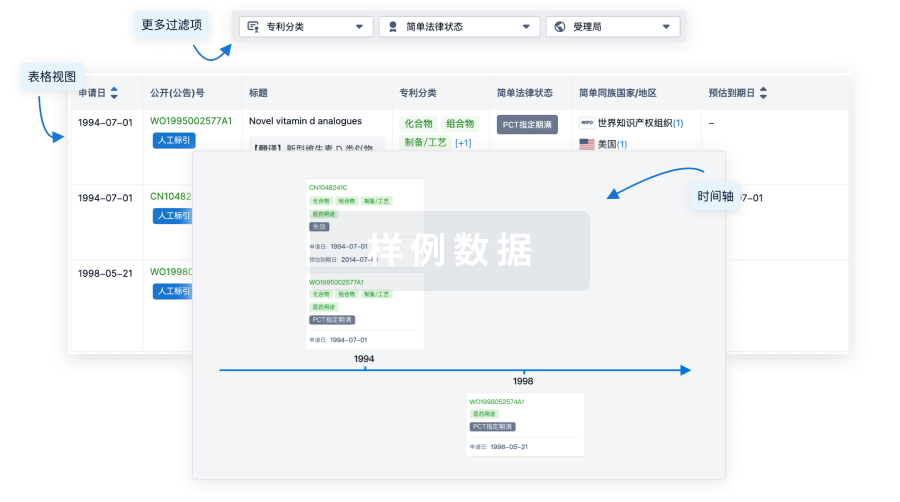
核心专利
使用我们的核心专利数据促进您的研究。
登录
或
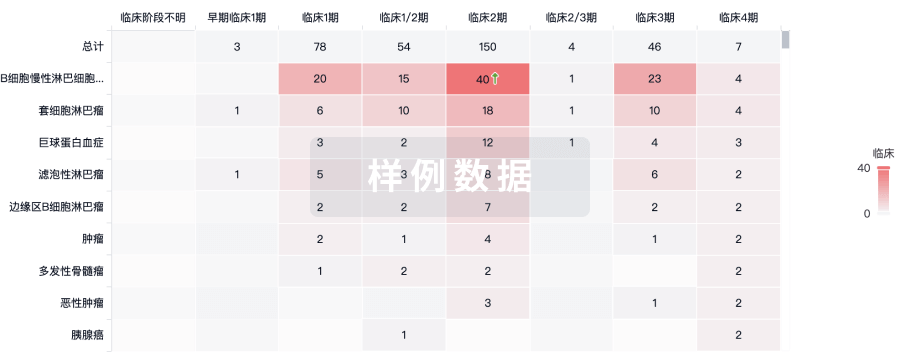
临床分析
紧跟全球注册中心的最新临床试验。
登录
或
批准
利用最新的监管批准信息加速您的研究。
登录
或
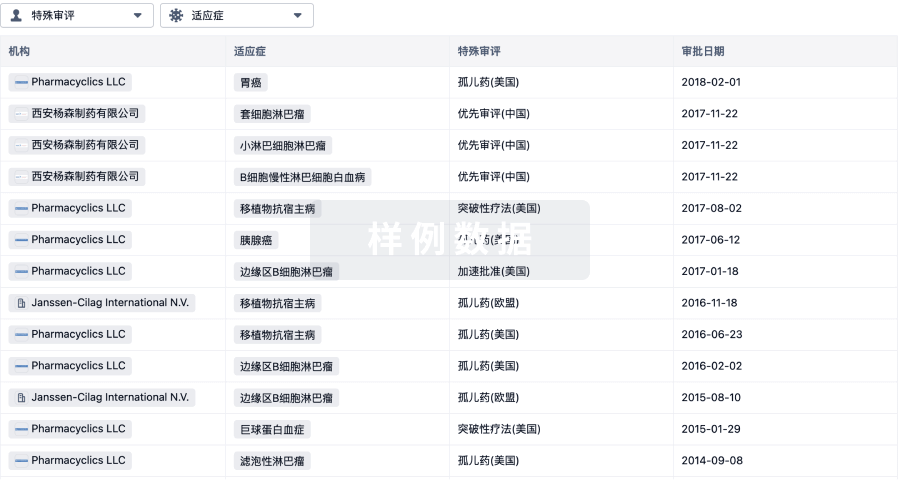
特殊审评
只需点击几下即可了解关键药物信息。
登录
或
提出任何生物医药研究问题
让每一步生物医药决策都精准制胜
基于十亿级生物数据与全球情报的精准 AI,赋能早期药物发现
立即开始免费试用!
智慧芽新药情报库是智慧芽专为生命科学人士构建的基于AI的创新药情报平台,助您全方位提升您的研发与决策效率。
立即接入生物医药数据包
智慧芽新药库数据也通过智慧芽开放平台,以MCP或API服务形式对外开放。立即使用我们的MCP服务定制您的LLM智能体。
生物序列数据库
生物药研发创新
免费使用
化学结构数据库
小分子化药研发创新
免费使用