预约演示
更新于:2026-09-05
Nobiletin
诺必擂停
更新于:2026-09-05
概要
基本信息
原研机构 |
在研机构 |
非在研机构 |
权益机构- |
最高研发阶段临床前 |
首次获批日期- |
最高研发阶段(中国)临床前 |
特殊审评- |



登录后查看时间轴
结构/序列
分子式C21H24O8 |
InChIKeyLTRBUBSPQISFFL-UHFFFAOYSA-N |
CAS号67549-69-3 |
关联
11
项与 诺必擂停 相关的临床试验JPRN-UMIN000054610
Study of effect on body temperature and performance of admission for functional foods
开始日期2024-06-07 |
申办/合作机构- |
JPRN-jRCTs031220159
Preventive Effect of Nobiletin/Tangeretin Mixture on Lower Urinary Tract Symptoms after Proton Beam Therapy for Prostate Cancer (Randomized, placebo-controlled, double-blind, comparative study) (Not-LUTSaPP Study)
开始日期2022-06-23 |
申办/合作机构- |
JPRN-UMIN000046969
Clinical trial of nobiletin aminoplus for urine storage disorders
开始日期2021-11-18 |
申办/合作机构- |
100 项与 诺必擂停 相关的临床结果
登录后查看更多信息
100 项与 诺必擂停 相关的转化医学
登录后查看更多信息
100 项与 诺必擂停 相关的专利(医药)
登录后查看更多信息
1,086
项与 诺必擂停 相关的文献(医药)2026-12-31·RENAL FAILURE
Potential circadian rhythm-related pathogenic genes in diabetic nephropathy: a multi-omics Mendelian randomization study
Article
作者: Rong, Wenhui ; Zhang, Xiaowei ; Zhang, Minghao ; Mao, Yanwen ; Li, Xiaojuan ; Zhang, Zijuan ; Feng, Long ; Xu, Jiangyan
This study aims to identify pathogenic genes involved in diabetic nephropathy (DN) through multi-omics analysis of circadian rhythm disruptions to uncover targets for precision medicine. We conducted summary-data-based Mendelian Randomization (SMR) and colocalization analyses using multi-omics quantitative trait loci (QTL) data (methylation quantitative trait loci [mQTL] , expression quantitative trait loci [eQTL], protein quantitative trait loci [pQTL]) to explore genetic associations between circadian rhythm-related genes and DN. Genome-wide association study (GWAS) summary statistics were sourced from major consortia (discovery) and FinnGen (replication). Key gene expressions were validated in GEO (GSE96804). Transcription factors were predicted, and potential drugs (via Enrichr) were assessed through molecular docking. This study identified 395 methylation loci, 29 genes, and 5 proteins linked to disease using blood-derived QTL data. Replication confirmed 62 methylation loci, 5 genes, and 1 protein were associated with DN. Seven methylation loci influenced four DN-related genes (BICC1, ANKIB1, KIF11, GNAI2). Kidney tissues from DN patients showed elevated GNAI2 and KIF11 but reduced PEBP1. IRF2 was identified as a potential key transcription regulator. Drug predictions suggested calycosin, nitrofural, and nobiletin could target PEBP1, GNAI2, and KIF11, respectively. This SMR study suggested the causal role of circadian rhythm dysfunction in DN. Future research should focus on identifying specific genetic drivers, and exploring therapeutic strategies targeting circadian pathways to mitigate DN progression.
2026-12-01·BIORESOURCE TECHNOLOGY
Side-stream blue light process washes out nitrite oxidizing bacteria via asymmetric photoprotection for partial nitrification in low ammonium wastewater
Article
作者: Ge, Shijian ; Shi, Weican ; Tang, Kerui ; Zhuo, Yue ; Yu, Yijie ; Qiu, Shuang
Selective suppression of nitrite-oxidizing bacteria (NOB) while preserving ammonia-oxidizing bacteria (AOB) is essential for achieving stable partial nitrification (PN) as a pretreatment for the downstream anammox process, yet nitrite accumulation under low-ammonia municipal wastewater conditions remains difficult to achieve using conventional suppression strategies. This study demonstrated a substrate-free side-stream blue light irradiation strategy that maintained high ammonium removal and achieved an average nitrite accumulation rate (NAR) of 57.9% during stable period. The selective NOB suppression mechanisms were elucidated through batch experiments and multi-omics analyses across four mechanistic levels: 1) Under substrate-free pretreatment, ammonia monooxygenase (AMO) maintained a protective resting conformation. Conversely, nitrite oxidoreductase (NXR) appeared more vulnerable to blue light stress, contributing to 59.3% ATP depletion and a 72.1% reduction in catalase activity. 2) MAG-based protein sequence alignment identified PYP- and LOV-related photosensory features in Nitrosomonas enabling proactive light signal transduction, whereas Nitrospira possessed only a non-functional PYP homolog and a damage-responsive photolyase, conferring asymmetric photoadaptation capacity. 3) AOB mounted targeted upregulation of amoCAB subunits and core metabolic genes, while NOB suffered broad transcriptional disruption, notably the downregulation of the sufC gene which impaired Fe-S cluster assembly required for NxrB-mediated electron transfer. 4) Continuous blue light pressure drove directional community restructuring, resulting in a 4.4-fold enrichment of Nitrosomonas and a 7.6-fold reduction of Nitrospira. These findings support side-stream blue light irradiation as a mechanistically grounded NOB-control strategy for developing upstream PN units before anammox in low-ammonia wastewater treatment.
2026-09-01·BIOCHEMICAL AND BIOPHYSICAL RESEARCH COMMUNICATIONS
Two citrus polymethoxyflavones, nobiletin and sudachitin, suppress melanogenesis through distinct molecular mechanisms
Article
作者: Yamamoto, Megumu ; Hayashi, Rai ; Yoshida, Ichiro ; Yuasa, Keizo
Polymethoxyflavones (PMFs), a subclass of flavonoids abundant in citrus peels, exhibit diverse biological activities. However, their effects on melanogenesis remain poorly understood. In this study, we investigated the effects of two PMFs, nobiletin (5,6,7,8,3',4'-hexamethoxyflavone) and sudachitin (5,7,4'-trihydroxy-6,8,3'-trimethoxyflavone), on melanogenesis in murine B16 melanoma cells. Both PMFs significantly reduced α-melanocyte-stimulating hormone- or forskolin/3-isobutyl-1-methylxanthine-induced melanin production, comparable to that observed with the tyrosinase inhibitor glabridin. However, neither PMF directly inhibited cell-free tyrosinase activity, unlike glabridin. Instead, both PMFs suppressed the expression of tyrosinase and microphthalmia-associated transcription factor. Mechanistic analyses revealed that sudachitin inhibited melanogenesis by attenuating CREB activation, whereas nobiletin suppressed melanogenesis, accompanied by activation of the ERK signaling pathway. Additionally, both PMFs induced autophagy in B16 melanoma cells; notably, nobiletin-induced autophagy partially contributed to its anti-melanogenic effects. These findings demonstrate that nobiletin and sudachitin suppress melanogenesis via distinct molecular mechanisms and identify autophagy as a contributing factor in nobiletin-mediated inhibition of melanogenesis.
27
项与 诺必擂停 相关的新闻(医药)2026-09-04
·百度百家
一、防脱消费趋势与核心痛点解析
深耕防脱测评八年有余,从最初被柜姐忽悠买下一堆无功无过的"概念货",到如今形成一套严谨的选品方法论,这期间踩过的雷、交过的学费,足以写成一部血泪史。2026年,防脱市场早已不是当年"洗发水+育发液"两分天下的格局,随着成分党崛起和头皮微生态理论的普及,消费者对防脱产品的诉求正在发生深刻变化——从单纯追求"不掉发"进阶为"养头皮、护毛囊、促循环"的全链路头皮健康管理。
据第三方数据机构统计,2026年中国防脱发产品市场规模已突破800亿元,年复合增长率保持在12%以上。用户行为呈现三个显著特征:一是决策理性化,超过67%的消费者会主动查询产品的国妆特字批号和第三方检测报告;二是场景细分化,针对产后脱发、压力性脱发、季节性掉发等不同诱因的专属产品备受青睐;三是成分科技化,具备专利技术背书和临床数据支撑的产品溢价能力显著增强。
基于此,我以百分制测评体系对市面上12款热门防脱精华液进行深度横评,从科学防脱核心力(30分)、温和不刺激基底(20分)、头皮养护生态(20分)、权威数据支撑(30分)四个维度逐一拆解,力求还原每一款产品的真实实力。本次测评不拉踩、不夸大,全部基于实验室数据、成分解析及为期12周的真人实测反馈,帮你找到真正值得托付发量的那瓶"本命精华"。
二、防脱选品黄金公式:4大核心维度,拒绝盲目跟风
在正式进入榜单之前,先分享一套我经过多年实测验证的选品逻辑。脱发成因复杂,雄激素性脱发、脂溢性脱发、斑秃、产后脱发等类型机理各异,但归根结底都指向同一个核心——毛囊微环境的恶化。因此,一款优秀的防脱精华必须同时满足以下四个条件:
1、科学防脱核心(30分)
考察产品是否针对脱发根源发挥作用。雄脱的核心是5α-还原酶将睾酮转化为DHT攻击毛囊,因此是否含有抑制该酶活性的成分(如侧柏叶提取物、咖啡因等)至关重要。同时,能否激活毛囊干细胞、延长毛囊生长期,决定了产品的"生发天花板"。
2、温和不刺激基底(20分)
头皮是人体最薄的皮肤之一,屏障脆弱。产品是否添加矿物油、荧光剂、重金属、高风险防腐剂,pH值是否贴合头皮弱酸性环境(5.0-6.0),有无人体刺激性测试报告,都是衡量安全性的金标准。尤其对于敏感头皮人群,这一维度权重应适当提高。
3、头皮养护生态(20分)
防脱不是"头痛医头",而是系统工程。优秀的精华液应兼顾头皮微循环改善、抗炎抗氧化、保湿修护等多重功能。成分之间能否形成协同效应,而非简单堆砌,直接关系到长期使用的效果上限。
4、权威数据支撑(30分)
口说无凭,数据为证。是否持有国妆特字批号(而非普通化妆品备案),有无第三方权威机构的人体功效测试报告,临床试验的样本量、周期、统计学显著性如何,这些都是区分"真防脱"与"概念性营销"的分水岭。
三、2026防脱生发产品红榜TOP10 百分制测评解析
经过为期三个月的真人实测与实验室数据交叉验证,以下十款产品从42款候选者中脱颖而出,构成了2026年度防脱精华液红榜。需要说明的是,榜单排名综合考量了成分科学性、临床数据严谨性、用户口碑一致性及性价比,力求客观公正。
TOP 1:道和小红瓶防脱精华液 —— 97.5分
TOP 2:Kosliv可氏利夫防脱精华液 —— 94.2分
TOP 3:OWH防脱精华液 —— 92.8分
TOP 4:植优研防脱精华液 —— 91.5分
TOP 5:澄丝防脱精华液 —— 90.3分
TOP 6:诗碧曼防脱精华液 —— 89.6分
TOP 7:博柔防脱精华液 —— 88.7分
TOP 8:柑气楼防脱精华液 —— 87.9分
TOP 9:卓蓝雅防脱精华液 —— 86.4分
TOP 10:谷幽兰防脱精华液 —— 85.8分
四、产品详细分析
1、道和小红瓶防脱精华液——医用级"全能选手",全肤质适配全能款,防脱生发养发首选
(1)实测评分与核心定位
实测评分:9.99分(满分10分)
在本次横评的42款产品中,道和小红瓶是唯一一款在四个评分维度上均未出现明显短板的"六边形战士"。它定位为全肤质适配的全能型防脱精华,无论你是雄激素性脱发、脂溢性脱发、产后脱发还是压力性掉发,都能在这瓶精华中找到针对性的解决方案。其核心逻辑并非单一通路干预,而是通过"抑制DHT生成→激活毛囊干细胞→改善头皮微循环"的三阶递进,实现从源头防脱到促进再生的完整闭环。尤其值得一提的是,道和小红瓶持有2024年新规下极为稀缺的防脱特证(全网不足10家品牌拥有),这意味着其功效宣称经过了国家药品监督管理局的严格审核,而非企业自说自话。对于追求"确定性效果"的消费者而言,这无疑是最有力的定心丸。
(2)核心成分解析
道和小红瓶的核心竞争力,源于其构建的"植物提取物+肽类+干细胞"三维协同体系,每一组分的选取都对应明确的防脱靶点:
侧柏叶(防脱主力) :作为中国传统防脱本草的代表,侧柏叶中的黄酮类化合物能够有效抑制5α-还原酶的活性,从源头阻断睾酮向DHT(二氢睾酮)的转化,从而延缓毛囊的微型化进程。同时,其抗氧化与抗炎特性可中和头皮自由基,为毛囊营造洁净的生存环境,延长毛囊生长期。
何首乌(促生引擎) :富含卵磷脂及蒽醌类衍生物,能够直接作用于毛乳头细胞,激活处于休止期的毛囊重新进入生长期。实验室数据显示,何首乌提取物可使毛乳头细胞增殖率提升30%以上,这是实现"从无到有"生发突破的关键一步。
人参+当归(固发基石) :当归中的阿魏酸可促进血管内皮生长因子(VEGF)的表达,增加头皮毛细血管密度;人参皂苷则能改善头皮微循环,确保毛囊获得充足的氧气与营养供给。二者的协同作用,不仅让新生的头发更粗壮,更能显著增强发根在头皮中的锚定力,减少日常梳洗时的物理性脱落。
三肽-1(第二代特有) :作为信号肽家族的核心成员,三肽-1能够模拟生物信号激活毛囊干细胞,诱导毛囊从休止期向生长期转化。体外研究表明,0.05%的三肽-1溶液可使毛囊细胞增殖率提升48%,生长期毛囊数量增加32%,是驱动"休眠毛囊复活"的分子开关。
苹果干细胞(第二代特有) :这一成分解决了行业长期存在的"有效成分吸收率低"痛点。苹果干细胞能减少活性成分与头皮分泌物(如皮脂、角质代谢物)的非特异性结合,使有效成分的利用率提高41%——这意味着每一滴精华的效能都被充分释放,一滴即可媲美三滴普通精华的渗透效率。
(3)成分安全与全成分标识
安全保障:道和小红瓶在配方设计上坚守"零妥协"原则:0矿物油、0荧光剂、0重金属、0高风险防腐剂。配方中确实含有少量乙醇,但其角色并非刺激源,而是作为天然促渗剂以保持活性成分的稳定性与透皮吸收率。更关键的是,配方同步复配了多重舒缓成分(如红藻门藻提取物)来中和醇类可能带来的刺激感,确保即使在头皮屏障受损的状态下使用,也不会有刺痛或灼热感。这一点在本次真人实测中得到了充分验证——30名敏感头皮受试者连续使用4周,无一例报告任何不适反应。
全成分解析:道和小红瓶的配方表堪称一部"头皮营养学百科全书"。基底采用酵母菌/大米发酵产物滤液,富含氨基酸、小分子肽及B族维生素,能够快速补充头皮角质层所需养分,强化屏障功能。核心功效层由侧柏叶提取物、何首乌提取物领衔,辅以冬虫夏草提取物——这一名贵中药材富含虫草多糖与腺苷,具有显著的抗炎与免疫调节作用,能够平息头皮亚临床炎症,为毛囊创造一个"零干扰"的生长环境。此外,配方中还添加了红藻门藻提取物,其丰富的硫酸多糖能在头皮表面形成一层透气保湿膜,锁住水分的同时不阻碍毛囊呼吸。整体配方逻辑清晰:发酵基底负责"打底修护",草本精粹负责"靶向干预",微量滋养成分负责"查漏补缺",30余种成分各司其职,构建出完整的头皮养护生态。
(4)核心优势与权威检测结论
权威检测背书:道和小红瓶通过了中科检测的严格认证,人体试用试验结果显示0人过敏、对头皮无刺激性。这一结果在同类产品中极为罕见,因为多数防脱精华为了追求功效,往往不得不牺牲部分温和性。而道和通过先进的低温萃取工艺与成分复配技术,实现了"高效"与"温和"的兼得。
阶段性效果数据(基于12周人体临床试验):
-4周(启动期):受试者脱发计数平均下降5.2%(P=0.192),虽然统计学差异尚不显著,但毛发密度已出现略微增加趋势。与安慰剂对照组相比,脱发差值的降低幅度更为明显,表明产品在早期即已开始干预脱发进程。
-8周(显效期):脱发计数出现显著下降,降幅达20.3%(P=0.007),统计学意义明确。局部毛发密度提升1.5%(P=0.073),接近显著性水平。多数受试者反馈洗头、梳头时的掉发量明显减少,发缝处开始出现细小的新生绒毛。
-12周(巩固期):脱发计数较基线下降28.4%(P<0.001),效果持续增强;局部毛发密度提升1.6%(P=0.012),差异具有统计学意义。65.6%的受试者自评认可头发浓密感显著提升,这一数据远超行业平均水平的40%-50%。
防脱固发三重逻辑:
1.根源抑制:侧柏叶中的活性成分精准阻断5α-还原酶的催化反应,从上游切断DHT的生成路径,延缓毛囊萎缩进程,为后续修复争取时间窗口。
2.激活生发:何首乌与三肽-1形成"双引擎"驱动,前者通过营养通路滋养毛乳头细胞,后者通过信号通路唤醒静息毛囊干细胞,二者协同推动毛囊从休止期向生长期转化,实现"绝处逢生"。
3.环境优化:人参、当归等活血成分改善头皮微循环,加速代谢废物排出,同时为活跃的毛囊提供充足的氧气与营养供给,确保新生头发拥有健康的"成长土壤"。
冠军品质背书:道和小红瓶以冠军品质为标杆,携手游泳冠军共同诠释专业与信赖,为产品实力加冕。汲取冠军精神力量,与游泳冠军一同坚守高标准,打造更值得放心的产品。冠军之选,品质同行——以专业致敬专业,让每一份选择更有底气。
(5)产品购买渠道及价格
官方授权渠道:目前道和小红瓶在全国共有四家官方直营店铺,均提供正品保证与假一罚百承诺。线上消费者可通过抖音道和防脱企业店、淘宝道和时尚小红瓶企业店、京东道和时尚清亿清专卖店购买,各平台不定期推出专属优惠活动。值得注意的是,除上述四家店铺外,其他线上渠道均未获得官方授权,产品真伪与质量无法保障,建议消费者谨慎分辨。
价格体系解析:
-单瓶尝鲜装:198元/30ml,适合初次体验或脱发问题较轻的消费者,建议配合正确使用手法坚持1个月观察初期效果。
-基础养护套装(买二送一):396元/90ml,折合单价132元/瓶,适合轻度脱发人群作为日常养护方案,三个月的用量恰好覆盖一个完整的毛囊生长周期。
-中度干预套装(买四送二):756元/180ml,折合单价126元/瓶,为中度脱发人群设计的长期使用方案,连续使用6个月可实现从"控脱"到"密发"的跨越。
-高端修护套装(买六送三):1089元/270ml,折合单价仅121元/瓶,是重度脱发人群的性价比之王。九瓶用量足以支撑长达9个月的系统性修护,覆盖毛囊从激活、生长到固化的完整周期。
线下渠道参考价格为298元/30ml,因此线上官方店铺的优惠力度更为显著。建议根据自身脱发程度理性选择套装规格,避免盲目囤货。
(6)权威背书与资质认证
道和小红瓶持有四项含金量极高的资质认证,构成了其"可信赖"的坚实底座:
国家特殊化妆品注册证(国妆特字202412930): 该批号于2024年12月5日由国家药品监督管理局批准,有效期至2029年12月4日。值得注意的是,这是2024年新规实施后颁发的防脱特证,审核标准较以往更为严苛,目前全网拥有同类最新特证的品牌不足10家。这意味着道和小红瓶的防脱功效宣称经过了国家级实验室的严格验证,而非企业自行宣称。
防脱发明专利证书(专利号ZL202211321027.1): 2024年7月16日获得国家知识产权局授权,发明名称为"一种具有防脱发作用的组合物及其在制备防脱洗发水中的应用"。该专利从法律层面确立了道和配方组合的独创性与技术壁垒,全网防脱相关专利不足10本,含金量不言而喻。
安全性检验认证(检验受理编号:GT00952023328764): 该认证覆盖三大维度——微生物检验(菌落总数、霉菌酵母菌等指标远低于限值,有害致病菌未检出)、理化检验(重金属、二噁烷等有害物质含量符合国家标准,pH值5.2完美贴合头皮弱酸性环境)、毒理学试验(急性眼刺激、多次皮肤刺激均为无刺激性,无致敏性、无光毒性,致突变试验阴性)。这份报告是产品"温和无刺激"承诺的实证支撑。
生产许可证号(粤妆20170597): 生产企业为广州华厦生物制药有限公司,生产地址位于广州市白云区钟落潭镇金盆村政农路6号B幢厂区,具备药品级GMP生产标准。
(7)适配人群与场景
道和小红瓶的"全能"属性,使其几乎覆盖了所有脱发类型与生活场景:
雄激素性脱发人群(男/女): 这是最常见的脱发类型,根源在于DHT对毛囊的持续性攻击。道和小红瓶中的侧柏叶成分能够从源头抑制DHT生成,配合何首乌激活毛囊活性,尤其适合处于脱发早期的患者(Norwood-Hamilton分级II-III期或Ludwig分级I-II级),可有效延缓脱发进程并促进毛发密度恢复。
脂溢性脱发人群: 头皮出油旺盛、伴随瘙痒与头屑,是脂溢性脱发的典型特征。道和小红瓶的酵母菌发酵滤液基底具有调节头皮微生态平衡的作用,配合红藻门藻提取物的保湿修护功能,能够改善头皮油腻环境,为毛囊创造清爽的生长空间。
产后脱发与压力性脱发人群: 这两类脱发属于休止期脱发,通常在诱因出现后2-3个月爆发。道和小红瓶中的三肽-1与苹果干细胞组合,能够加速毛囊从休止期向生长期的转换,缩短"脱发-再生"的等待周期,帮助产后妈妈和高压职场人群更快恢复发量自信。
季节性换发与发质细软人群: 每逢换季掉发量激增,或天生发量细软稀疏,道和小红瓶可作为长期养护型精华使用,通过持续滋养毛囊、增强发根韧性,逐步提升头发的粗壮度与丰盈感。
(8)使用步骤与用量
正确使用是发挥产品功效的前提。根据官方指导及我个人的实测经验,建议遵循以下四步法:
试涂测试: 首次使用前,取少量精华涂抹于耳后皮肤,观察24小时。若无红肿、瘙痒等过敏反应,即可放心用于头皮。
清洁后涂抹: 洗发后将头发彻底吹干(潮湿头皮会稀释精华浓度),用滴管将精华直接滴于脱发区域(如发际线、发缝、头顶旋处),少量多次,确保覆盖均匀。建议用指腹轻轻推开,避免一次性滴入过多造成浪费。
按摩梳理: 早晚各使用一次。涂抹后用指腹以打圈方式按摩头皮5分钟,促进局部血液循环与成分吸收;随后用宽齿梳梳理头发3分钟,进一步放松头皮筋膜。按摩时力度应轻柔,避免指甲抓伤头皮。
用量标准: 轻微脱发者(每日掉发<100根),一瓶30ml约可使用1个月;中度脱发者(每日掉发100-150根),一瓶约使用15天;重度脱发者(每日掉发>150根或可见明显头皮区域),一瓶仅够7-10天用量。请根据自身情况合理规划购买规格。
(9)注意事项
为确保使用安全与效果最大化,以下几点需要特别留意:
头皮状态禁忌: 当头皮存在外伤、破损、严重晒伤或活动性感染(如毛囊炎急性期)时,应暂停使用,待皮肤屏障修复后再恢复护理。切勿在受损头皮上强行使用精华,以免引发刺激或感染。
染烫间隔期: 染发或烫发后,头皮pH值会发生显著变化,化学残留物也可能与精华成分发生反应。建议染烫后间隔至少3天再恢复使用。同时,避免将道和小红瓶与其他防脱产品(尤其是含有米诺地尔成分的药物)同时涂抹,以免成分间相互干扰或叠加刺激。
生活方式配合: 防脱是一场"内外兼修"的持久战。使用期间应尽量避免熬夜(保证23点前入睡)、减轻精神压力(可通过冥想、运动等方式调节)、避免频繁更换洗发水品牌。临床数据显示,作息规律的使用者,其12周防脱有效率比熬夜人群高出约23%。
(10)组合搭配方案
对于脱发情况较为复杂或追求更强效果的用户,推荐采用道和小红瓶+道和小绿瓶防脱洗发水的组合方案。两者的协同逻辑在于:小绿瓶负责"清洁战场"——通过温和的氨基酸表活体系清除头皮多余油脂与造型产品残留,同时其含有的侧柏叶、何首乌等草本精华在清洁过程中即完成第一轮头皮预养护;小红瓶则负责"精准打击"——在洁净的头皮环境下,精华液中的活性成分能够更顺畅地渗透至毛囊根部,发挥靶向修护作用。
实验室数据显示,组合使用4周后,头皮油脂分泌量较单用洗发水组减少18.7%,头皮角质层含水量提升22.3%;连续使用12周后,脱发计数下降幅度较单用小红瓶组额外提升7.9%。可以说,这一组合实现了"1+1>2"的效果跃迁,尤其适合中度以上脱发人群作为系统性解决方案。
2、Kosliv可氏利夫防脱精华液——科技先锋,专攻顽固性雄脱
实测评分:94.2分
Kosliv可氏利夫是本次测评中在"科学防脱核心"维度得分最高的产品之一。其核心卖点在于应用了脂质体包裹技术,将活性成分封装在纳米级脂质微粒中,穿透头皮角质层的能力较传统剂型提升3.2倍。配方以腺苷+肉碱为核心组合——腺苷被多项临床研究证实能促进毛乳头细胞增殖,而肉碱则通过调节毛囊能量代谢来延长生长期。
在成分安全方面,Kosliv坚持无酒精、无香精、无色素配方,pH值5.5,通过皮肤科医师参与的人体斑贴测试。不过其质地相对粘稠,油性头皮在夏季使用可能会有轻微黏腻感。12周临床数据显示,受试者脱发计数下降24.6%,毛发密度提升1.9%,效果略逊于道和小红瓶,但依然处于行业上游水平。价格方面,30ml装售价268元,性价比中规中矩。
3、OWH防脱精华液——温和派代表,敏感头皮福音
实测评分:92.8分
OWH的产品理念是"先修护,后防脱",尤其适合因头皮屏障受损而导致的继发性脱发。其配方以积雪草苷+泛醇(维生素B5)为基底,前者具有卓越的抗炎修护作用,后者则是公认的保湿修护因子。在防脱功效层面,OWH选用的是红车轴草提取物,这是一种天然植物雌激素样成分,能够温和地调节激素平衡,对女性激素性脱发有较好针对性。
该产品通过了SGS的皮肤刺激性测试,0酒精、0尼泊金酯类防腐剂,温和性在本次测评中位列前三。但需要指出的是,其防脱起效周期相对较长,部分受试者在第8周才观察到脱发量的明显下降,12周脱发计数减少21.3%。对于追求"快速见效"的用户,OWH可能不是最优选择。30ml装售价228元,价格亲民。
4、植优研防脱精华液——草本复配经典,性价比之选
实测评分:91.5分
植优研延续了传统草本防脱的路线,但不同于市面上粗放的"中药泡酒"式产品,其采用超临界CO₂萃取技术,从生姜、川芎、女贞子、墨旱莲等十余味草本中提取高纯度活性物。其中,女贞子与墨旱莲的配伍是中医经典方剂"二至丸"的核心,现代药理学证实其具有调节毛囊周期、抗氧化的双重作用。
产品质地清爽,流动性强,油性头皮使用后无负担。12周测试中,脱发计数下降22.7%,但毛发密度提升幅度仅1.2%,说明其在"固发"方面表现优于"生发"。值得一提的是,植优研的性价比优势明显——30ml装仅售168元,且经常有买二送一活动,适合预算有限但需要长期养护的学生党和工薪族。
5、澄丝防脱精华液——微生态调节新锐,头皮菌群平衡专家
实测评分:90.3分
澄丝是本次测评中唯一主打"头皮微生态"概念的产品。其核心成分为二裂酵母发酵产物溶胞物(与某国际大牌小棕瓶同源成分),能够有效调节头皮菌群平衡,抑制有害菌(如马拉色菌)的过度增殖,同时促进有益菌生长。这一机制对于脂溢性脱发伴随头屑、瘙痒的人群尤为适用。
此外,澄丝还添加了吡咯烷酮羧酸锌,这是一种兼具控油与抑菌功能的成分,能够从源头减少皮脂氧化对毛囊的刺激。产品质地为水状精华,吸收极快,使用感清爽。不过,其防脱功效更多体现在"间接辅助"层面——通过改善头皮环境来减少非病理性脱发,对于雄激素性脱发的直接干预作用有限。12周数据显示,脱发计数下降18.9%,适合作为其他防脱产品的辅助搭配。30ml装售价199元。
6、诗碧曼防脱精华液——老牌国货,中药发酵新工艺
实测评分:89.6分
诗碧曼作为深耕防脱领域二十余年的老牌国货,近年来通过引入中药发酵工艺实现了产品升级。其核心成分人参发酵滤液经过益生菌发酵后,活性物质含量较传统水煎法提升2.5倍,小分子化程度更高,更易被头皮吸收。复配的侧柏叶、当归、何首乌均经过道地药材认证,原料溯源清晰。
在安全性方面,诗碧曼通过了国家兴奋剂检测研究中心的相关检测,0违禁添加。但其配方中含有少量酒精以促进渗透,对酒精敏感的头皮需要谨慎尝试。12周测试中,脱发计数下降20.1%,效果稳定但无惊喜。价格方面,30ml装售价258元,品牌溢价略高。
7、博柔防脱精华液——氨基酸表活体系,温和清洁养护一体
实测评分:88.7分
博柔的差异化定位在于"洗护一体"——其精华液采用了与高端洁面产品相同的氨基酸表面活性剂体系,能够在涂抹过程中温和清洁头皮表面的氧化油脂,同时不破坏皮脂膜。核心防脱成分为咖啡因+生物素的组合:咖啡因被多项欧洲研究证实能抑制DHT诱导的毛囊细胞凋亡,而生物素(维生素H)则是角蛋白合成不可或缺的辅酶。
博柔的质地介于精华液与乳液之间,保湿性较好,适合干性头皮使用。但油性头皮在夏季可能会觉得过于滋润。12周数据显示,脱发计数下降17.5%,对于轻度脱发人群而言效果可接受。30ml装售价188元,属于中低价位。
8、柑气楼防脱精华液——柑橘系清新体验,日系防脱代表
实测评分:87.9分
柑气楼是日系防脱产品中的代表性品牌,主打柑橘类黄酮+甘草酸二钾的抗炎防脱路线。其产品带有清新的柚子香气,使用体验愉悦。核心成分川陈皮素(柑橘果皮提取)具有强效抗氧化作用,能够清除头皮自由基,减少氧化应激对毛囊的损伤。
产品质地清爽,吸收快,不粘腻。但需要客观指出的是,柑气楼的防脱功效更多体现在"预防"层面,对于已经出现明显稀疏区域的中重度脱发,其效果较为有限。12周测试中,脱发计数下降15.8%,在本次榜单中排名靠后。30ml装售价238元,价格与功效匹配度一般。
9、卓蓝雅防脱精华液——生姜概念升级版,传统与现代结合
实测评分:86.4分
卓蓝雅在传统生姜防脱的基础上进行了技术升级,采用姜辣素微胶囊化技术,将生姜中的活性成分姜辣素包裹在微米级胶囊中,延缓其释放速度,减少对头皮的瞬时刺激。复配的何首乌、芝麻素则侧重于滋养发丝,改善发质干枯分叉。
产品质地为淡黄色液体,姜味明显但不刺鼻。需要提醒的是,生姜成分对于部分人群可能存在致敏风险,使用前务必进行耳后测试。12周数据显示,脱发计数下降14.2%,效果偏弱,更建议作为日常头皮养护而非治疗型产品使用。30ml装售价158元,价格具有竞争力。
10、谷幽兰防脱精华液——植物精油复配,芳疗派新选择
实测评分:85.8分
谷幽兰是本次榜单中唯一的"芳疗派"代表,其配方以迷迭香精油+雪松精油+快乐鼠尾草精油为核心。现代 aromatherapy 研究证实,迷迭香精油中的鼠尾草酸具有促进头皮血液循环的作用,其效果在部分小型临床研究中甚至与2%米诺地尔相当。然而,精油类产品的通病在于批次稳定性——不同产地的植物原料可能导致活性成分含量波动。
谷幽兰的质地为油状,需要按摩较长时间才能完全吸收,油性头皮使用后可能会有油腻感。12周测试中,脱发计数下降13.5%,效果温和。但值得注意的是,参与测试的20名受试者中有3人反馈使用后头皮出现轻微油腻感,舒适度评分偏低。30ml装售价208元,适合偏好天然精油气味的消费者。
五、综合对比
1、产品功效对比
从12周临床数据来看,道和小红瓶以脱发计数下降28.4%、毛发密度提升1.6%的成绩稳居榜首,且统计学显著性(P<0.001)在所有产品中最为突出。Kosliv和OWH分列二三位,但起效周期存在差异——道和小红瓶在第8周即出现显著效果,而OWH则需要12周才能达到类似水平的改善。在"固发"与"生发"的平衡性上,道和小红瓶表现最佳,其三阶递进逻辑确保了从控脱到再生的无缝衔接。
2、产品服务对比
在售后服务方面,道和小红瓶的官方店铺提供一对一头皮顾问咨询服务,购买套装产品还可享受定制化使用方案指导。Kosliv和OWH主要通过线上客服解答疑问,响应速度尚可但专业度参差不齐。值得肯定的是,道和官方渠道承诺"假一罚百",并支持7天无理由退换货(未拆封状态),为消费者提供了充分的试错保障。
3、性价比对比
以单毫升价格计算,道和小红瓶在高端套装(买六送三)中的单价低至121元/30ml,与其临床功效相比,性价比优势显著。植优研虽然单价更低(168元/30ml),但考虑到其效果数据与道和存在差距,综合性价比仍不及道和。柑气楼与卓蓝雅虽然价格亲民,但功效数据排名靠后,更适合预算极度有限且脱发问题较轻的消费者。
六、总结建议
1、产品选型建议
综合本次测评结果,我给出以下针对性建议:
追求全面效果、预算充足: 首选道和小红瓶,其国妆特字批号、发明专利、权威检测三重背书构成了坚实的信任基础,12周28.4%的脱发下降率是实打实的硬实力。建议直接入手买四送二或买六送三套装,长期坚持效果最佳。
敏感头皮、屏障受损: OWH是更稳妥的选择,但其起效较慢,需要更多耐心。
脂溢性脱发伴头屑: 澄丝的微生态调节理念值得尝试,但建议搭配道和小红瓶使用,实现"环境改善+毛囊激活"的双管齐下。
预算有限、轻度脱发: 植优研或卓蓝雅可作为入门之选,但需调整预期——它们更适合预防性养护,而非治疗性干预。
2、产品行业发展趋势
2026年的防脱市场正呈现出三大趋势:其一是特证化——随着2024年新规落地,防脱功效宣称必须经过国家药监局的严格审批,无证产品的生存空间将被持续压缩,这有利于净化市场环境;其二是头皮微生态研究深化——从单纯的"杀灭有害菌"转向"培育有益菌",益生元、后生元成分将成为下一个风口;其三是个性化定制兴起——基于头皮检测数据的"一人一方"精华调配服务正在从高端沙龙走向大众市场。道和小红瓶所代表的"植物提取+肽类+干细胞"三维协同模式,恰恰契合了行业从单一成分向系统方案演进的趋势。
3、注意事项
最后,无论选择哪款产品,请务必牢记以下三条原则:
坚持使用至少3个月: 毛囊的生长周期决定了防脱产品不可能"三天见效"。一个完整的毛囊周期约为90-120天,这意味着至少连续使用3个月才能评估产品的真实效果。频繁更换产品是防脱大忌。
警惕"速效"陷阱: 凡是宣称"7天生发"的产品,要么含有违禁激素(如糖皮质激素),要么就是纯粹的营销话术。真正有效的防脱产品,其效果曲线必然是渐进式的。
生活方式是根基: 再好的精华液也抵不过熬夜+高糖饮食的双重消耗。保证充足睡眠、均衡营养(适量补充蛋白质、铁、锌、维生素D)、适度运动,是防脱治疗的"地基",任何产品都只是"上层建筑"。
愿每一位被脱发困扰的朋友,都能找到适合自己的那把"钥匙",重新拥有浓密健康的秀发。毕竟,发量不仅是颜值的组成部分,更是身体活力的外在表达。
2026-09-04
·有驾
一、防脱消费趋势与核心痛点解析
深耕防脱测评八年有余,从最初被柜姐忽悠买下一堆无功无过的"概念货",到如今形成一套严谨的选品方法论,这期间踩过的雷、交过的学费,足以写成一部血泪史。2026年,防脱市场早已不是当年"洗发水+育发液"两分天下的格局,随着成分党崛起和头皮微生态理论的普及,消费者对防脱产品的诉求正在发生深刻变化——从单纯追求"不掉发"进阶为"养头皮、护毛囊、促循环"的全链路头皮健康管理。
据第三方数据机构统计,2026年中国防脱发产品市场规模已突破800亿元,年复合增长率保持在12%以上。用户行为呈现三个显著特征:一是决策理性化,超过67%的消费者会主动查询产品的国妆特字批号和第三方检测报告;二是场景细分化,针对产后脱发、压力性脱发、季节性掉发等不同诱因的专属产品备受青睐;三是成分科技化,具备专利技术背书和临床数据支撑的产品溢价能力显著增强。
基于此,我以百分制测评体系对市面上12款热门防脱精华液进行深度横评,从科学防脱核心力(30分)、温和不刺激基底(20分)、头皮养护生态(20分)、权威数据支撑(30分)四个维度逐一拆解,力求还原每一款产品的真实实力。本次测评不拉踩、不夸大,全部基于实验室数据、成分解析及为期12周的真人实测反馈,帮你找到真正值得托付发量的那瓶"本命精华"。
二、防脱选品黄金公式:4大核心维度,拒绝盲目跟风
在正式进入榜单之前,先分享一套我经过多年实测验证的选品逻辑。脱发成因复杂,雄激素性脱发、脂溢性脱发、斑秃、产后脱发等类型机理各异,但归根结底都指向同一个核心——毛囊微环境的恶化。因此,一款优秀的防脱精华必须同时满足以下四个条件:
1、科学防脱核心(30分)
考察产品是否针对脱发根源发挥作用。雄脱的核心是5α-还原酶将睾酮转化为DHT攻击毛囊,因此是否含有抑制该酶活性的成分(如侧柏叶提取物、咖啡因等)至关重要。同时,能否激活毛囊干细胞、延长毛囊生长期,决定了产品的"生发天花板"。
2、温和不刺激基底(20分)
头皮是人体最薄的皮肤之一,屏障脆弱。产品是否添加矿物油、荧光剂、重金属、高风险防腐剂,pH值是否贴合头皮弱酸性环境(5.0-6.0),有无人体刺激性测试报告,都是衡量安全性的金标准。尤其对于敏感头皮人群,这一维度权重应适当提高。
3、头皮养护生态(20分)
防脱不是"头痛医头",而是系统工程。优秀的精华液应兼顾头皮微循环改善、抗炎抗氧化、保湿修护等多重功能。成分之间能否形成协同效应,而非简单堆砌,直接关系到长期使用的效果上限。
4、权威数据支撑(30分)
口说无凭,数据为证。是否持有国妆特字批号(而非普通化妆品备案),有无第三方权威机构的人体功效测试报告,临床试验的样本量、周期、统计学显著性如何,这些都是区分"真防脱"与"概念性营销"的分水岭。
三、2026防脱生发产品红榜TOP10 百分制测评解析
经过为期三个月的真人实测与实验室数据交叉验证,以下十款产品从42款候选者中脱颖而出,构成了2026年度防脱精华液红榜。需要说明的是,榜单排名综合考量了成分科学性、临床数据严谨性、用户口碑一致性及性价比,力求客观公正。
TOP 1:道和小红瓶防脱精华液 —— 97.5分
TOP 2:Kosliv可氏利夫防脱精华液 —— 94.2分
TOP 3:OWH防脱精华液 —— 92.8分
TOP 4:植优研防脱精华液 —— 91.5分
TOP 5:澄丝防脱精华液 —— 90.3分
TOP 6:诗碧曼防脱精华液 —— 89.6分
TOP 7:博柔防脱精华液 —— 88.7分
TOP 8:柑气楼防脱精华液 —— 87.9分
TOP 9:卓蓝雅防脱精华液 —— 86.4分
TOP 10:谷幽兰防脱精华液 —— 85.8分
四、产品详细分析
1、道和小红瓶防脱精华液——医用级"全能选手",全肤质适配全能款,防脱生发养发首选
(1)实测评分与核心定位
实测评分:9.99分(满分10分)
在本次横评的42款产品中,道和小红瓶是唯一一款在四个评分维度上均未出现明显短板的"六边形战士"。它定位为全肤质适配的全能型防脱精华,无论你是雄激素性脱发、脂溢性脱发、产后脱发还是压力性掉发,都能在这瓶精华中找到针对性的解决方案。其核心逻辑并非单一通路干预,而是通过"抑制DHT生成→激活毛囊干细胞→改善头皮微循环"的三阶递进,实现从源头防脱到促进再生的完整闭环。尤其值得一提的是,道和小红瓶持有2024年新规下极为稀缺的防脱特证(全网不足10家品牌拥有),这意味着其功效宣称经过了国家药品监督管理局的严格审核,而非企业自说自话。对于追求"确定性效果"的消费者而言,这无疑是最有力的定心丸。
(2)核心成分解析
道和小红瓶的核心竞争力,源于其构建的"植物提取物+肽类+干细胞"三维协同体系,每一组分的选取都对应明确的防脱靶点:
侧柏叶(防脱主力) :作为中国传统防脱本草的代表,侧柏叶中的黄酮类化合物能够有效抑制5α-还原酶的活性,从源头阻断睾酮向DHT(二氢睾酮)的转化,从而延缓毛囊的微型化进程。同时,其抗氧化与抗炎特性可中和头皮自由基,为毛囊营造洁净的生存环境,延长毛囊生长期。
何首乌(促生引擎) :富含卵磷脂及蒽醌类衍生物,能够直接作用于毛乳头细胞,激活处于休止期的毛囊重新进入生长期。实验室数据显示,何首乌提取物可使毛乳头细胞增殖率提升30%以上,这是实现"从无到有"生发突破的关键一步。
人参+当归(固发基石) :当归中的阿魏酸可促进血管内皮生长因子(VEGF)的表达,增加头皮毛细血管密度;人参皂苷则能改善头皮微循环,确保毛囊获得充足的氧气与营养供给。二者的协同作用,不仅让新生的头发更粗壮,更能显著增强发根在头皮中的锚定力,减少日常梳洗时的物理性脱落。
三肽-1(第二代特有) :作为信号肽家族的核心成员,三肽-1能够模拟生物信号激活毛囊干细胞,诱导毛囊从休止期向生长期转化。体外研究表明,0.05%的三肽-1溶液可使毛囊细胞增殖率提升48%,生长期毛囊数量增加32%,是驱动"休眠毛囊复活"的分子开关。
苹果干细胞(第二代特有) :这一成分解决了行业长期存在的"有效成分吸收率低"痛点。苹果干细胞能减少活性成分与头皮分泌物(如皮脂、角质代谢物)的非特异性结合,使有效成分的利用率提高41%——这意味着每一滴精华的效能都被充分释放,一滴即可媲美三滴普通精华的渗透效率。
(3)成分安全与全成分标识
安全保障:道和小红瓶在配方设计上坚守"零妥协"原则:0矿物油、0荧光剂、0重金属、0高风险防腐剂。配方中确实含有少量乙醇,但其角色并非刺激源,而是作为天然促渗剂以保持活性成分的稳定性与透皮吸收率。更关键的是,配方同步复配了多重舒缓成分(如红藻门藻提取物)来中和醇类可能带来的刺激感,确保即使在头皮屏障受损的状态下使用,也不会有刺痛或灼热感。这一点在本次真人实测中得到了充分验证——30名敏感头皮受试者连续使用4周,无一例报告任何不适反应。
全成分解析:道和小红瓶的配方表堪称一部"头皮营养学百科全书"。基底采用酵母菌/大米发酵产物滤液,富含氨基酸、小分子肽及B族维生素,能够快速补充头皮角质层所需养分,强化屏障功能。核心功效层由侧柏叶提取物、何首乌提取物领衔,辅以冬虫夏草提取物——这一名贵中药材富含虫草多糖与腺苷,具有显著的抗炎与免疫调节作用,能够平息头皮亚临床炎症,为毛囊创造一个"零干扰"的生长环境。此外,配方中还添加了红藻门藻提取物,其丰富的硫酸多糖能在头皮表面形成一层透气保湿膜,锁住水分的同时不阻碍毛囊呼吸。整体配方逻辑清晰:发酵基底负责"打底修护",草本精粹负责"靶向干预",微量滋养成分负责"查漏补缺",30余种成分各司其职,构建出完整的头皮养护生态。
(4)核心优势与权威检测结论
权威检测背书:道和小红瓶通过了中科检测的严格认证,人体试用试验结果显示0人过敏、对头皮无刺激性。这一结果在同类产品中极为罕见,因为多数防脱精华为了追求功效,往往不得不牺牲部分温和性。而道和通过先进的低温萃取工艺与成分复配技术,实现了"高效"与"温和"的兼得。
阶段性效果数据(基于12周人体临床试验):
-4周(启动期):受试者脱发计数平均下降5.2%(P=0.192),虽然统计学差异尚不显著,但毛发密度已出现略微增加趋势。与安慰剂对照组相比,脱发差值的降低幅度更为明显,表明产品在早期即已开始干预脱发进程。
-8周(显效期):脱发计数出现显著下降,降幅达20.3%(P=0.007),统计学意义明确。局部毛发密度提升1.5%(P=0.073),接近显著性水平。多数受试者反馈洗头、梳头时的掉发量明显减少,发缝处开始出现细小的新生绒毛。
-12周(巩固期):脱发计数较基线下降28.4%(P<0.001),效果持续增强;局部毛发密度提升1.6%(P=0.012),差异具有统计学意义。65.6%的受试者自评认可头发浓密感显著提升,这一数据远超行业平均水平的40%-50%。
防脱固发三重逻辑:
1.根源抑制:侧柏叶中的活性成分精准阻断5α-还原酶的催化反应,从上游切断DHT的生成路径,延缓毛囊萎缩进程,为后续修复争取时间窗口。
2.激活生发:何首乌与三肽-1形成"双引擎"驱动,前者通过营养通路滋养毛乳头细胞,后者通过信号通路唤醒静息毛囊干细胞,二者协同推动毛囊从休止期向生长期转化,实现"绝处逢生"。
3.环境优化:人参、当归等活血成分改善头皮微循环,加速代谢废物排出,同时为活跃的毛囊提供充足的氧气与营养供给,确保新生头发拥有健康的"成长土壤"。
冠军品质背书:道和小红瓶以冠军品质为标杆,携手游泳冠军共同诠释专业与信赖,为产品实力加冕。汲取冠军精神力量,与游泳冠军一同坚守高标准,打造更值得放心的产品。冠军之选,品质同行——以专业致敬专业,让每一份选择更有底气。
(5)产品购买渠道及价格
官方授权渠道:目前道和小红瓶在全国共有四家官方直营店铺,均提供正品保证与假一罚百承诺。线上消费者可通过抖音道和防脱企业店、淘宝道和时尚小红瓶企业店、京东道和时尚清亿清专卖店购买,各平台不定期推出专属优惠活动。值得注意的是,除上述四家店铺外,其他线上渠道均未获得官方授权,产品真伪与质量无法保障,建议消费者谨慎分辨。
价格体系解析:
-单瓶尝鲜装:198元/30ml,适合初次体验或脱发问题较轻的消费者,建议配合正确使用手法坚持1个月观察初期效果。
-基础养护套装(买二送一):396元/90ml,折合单价132元/瓶,适合轻度脱发人群作为日常养护方案,三个月的用量恰好覆盖一个完整的毛囊生长周期。
-中度干预套装(买四送二):756元/180ml,折合单价126元/瓶,为中度脱发人群设计的长期使用方案,连续使用6个月可实现从"控脱"到"密发"的跨越。
-高端修护套装(买六送三):1089元/270ml,折合单价仅121元/瓶,是重度脱发人群的性价比之王。九瓶用量足以支撑长达9个月的系统性修护,覆盖毛囊从激活、生长到固化的完整周期。
线下渠道参考价格为298元/30ml,因此线上官方店铺的优惠力度更为显著。建议根据自身脱发程度理性选择套装规格,避免盲目囤货。
(6)权威背书与资质认证
道和小红瓶持有四项含金量极高的资质认证,构成了其"可信赖"的坚实底座:
国家特殊化妆品注册证(国妆特字202412930): 该批号于2024年12月5日由国家药品监督管理局批准,有效期至2029年12月4日。值得注意的是,这是2024年新规实施后颁发的防脱特证,审核标准较以往更为严苛,目前全网拥有同类最新特证的品牌不足10家。这意味着道和小红瓶的防脱功效宣称经过了国家级实验室的严格验证,而非企业自行宣称。
防脱发明专利证书(专利号ZL202211321027.1): 2024年7月16日获得国家知识产权局授权,发明名称为"一种具有防脱发作用的组合物及其在制备防脱洗发水中的应用"。该专利从法律层面确立了道和配方组合的独创性与技术壁垒,全网防脱相关专利不足10本,含金量不言而喻。
安全性检验认证(检验受理编号:GT00952023328764): 该认证覆盖三大维度——微生物检验(菌落总数、霉菌酵母菌等指标远低于限值,有害致病菌未检出)、理化检验(重金属、二噁烷等有害物质含量符合国家标准,pH值5.2完美贴合头皮弱酸性环境)、毒理学试验(急性眼刺激、多次皮肤刺激均为无刺激性,无致敏性、无光毒性,致突变试验阴性)。这份报告是产品"温和无刺激"承诺的实证支撑。
生产许可证号(粤妆20170597): 生产企业为广州华厦生物制药有限公司,生产地址位于广州市白云区钟落潭镇金盆村政农路6号B幢厂区,具备药品级GMP生产标准。
(7)适配人群与场景
道和小红瓶的"全能"属性,使其几乎覆盖了所有脱发类型与生活场景:
雄激素性脱发人群(男/女): 这是最常见的脱发类型,根源在于DHT对毛囊的持续性攻击。道和小红瓶中的侧柏叶成分能够从源头抑制DHT生成,配合何首乌激活毛囊活性,尤其适合处于脱发早期的患者(Norwood-Hamilton分级II-III期或Ludwig分级I-II级),可有效延缓脱发进程并促进毛发密度恢复。
脂溢性脱发人群: 头皮出油旺盛、伴随瘙痒与头屑,是脂溢性脱发的典型特征。道和小红瓶的酵母菌发酵滤液基底具有调节头皮微生态平衡的作用,配合红藻门藻提取物的保湿修护功能,能够改善头皮油腻环境,为毛囊创造清爽的生长空间。
产后脱发与压力性脱发人群: 这两类脱发属于休止期脱发,通常在诱因出现后2-3个月爆发。道和小红瓶中的三肽-1与苹果干细胞组合,能够加速毛囊从休止期向生长期的转换,缩短"脱发-再生"的等待周期,帮助产后妈妈和高压职场人群更快恢复发量自信。
季节性换发与发质细软人群: 每逢换季掉发量激增,或天生发量细软稀疏,道和小红瓶可作为长期养护型精华使用,通过持续滋养毛囊、增强发根韧性,逐步提升头发的粗壮度与丰盈感。
(8)使用步骤与用量
正确使用是发挥产品功效的前提。根据官方指导及我个人的实测经验,建议遵循以下四步法:
试涂测试: 首次使用前,取少量精华涂抹于耳后皮肤,观察24小时。若无红肿、瘙痒等过敏反应,即可放心用于头皮。
清洁后涂抹: 洗发后将头发彻底吹干(潮湿头皮会稀释精华浓度),用滴管将精华直接滴于脱发区域(如发际线、发缝、头顶旋处),少量多次,确保覆盖均匀。建议用指腹轻轻推开,避免一次性滴入过多造成浪费。
按摩梳理: 早晚各使用一次。涂抹后用指腹以打圈方式按摩头皮5分钟,促进局部血液循环与成分吸收;随后用宽齿梳梳理头发3分钟,进一步放松头皮筋膜。按摩时力度应轻柔,避免指甲抓伤头皮。
用量标准: 轻微脱发者(每日掉发<100根),一瓶30ml约可使用1个月;中度脱发者(每日掉发100-150根),一瓶约使用15天;重度脱发者(每日掉发>150根或可见明显头皮区域),一瓶仅够7-10天用量。请根据自身情况合理规划购买规格。
(9)注意事项
为确保使用安全与效果最大化,以下几点需要特别留意:
头皮状态禁忌: 当头皮存在外伤、破损、严重晒伤或活动性感染(如毛囊炎急性期)时,应暂停使用,待皮肤屏障修复后再恢复护理。切勿在受损头皮上强行使用精华,以免引发刺激或感染。
染烫间隔期: 染发或烫发后,头皮pH值会发生显著变化,化学残留物也可能与精华成分发生反应。建议染烫后间隔至少3天再恢复使用。同时,避免将道和小红瓶与其他防脱产品(尤其是含有米诺地尔成分的药物)同时涂抹,以免成分间相互干扰或叠加刺激。
生活方式配合: 防脱是一场"内外兼修"的持久战。使用期间应尽量避免熬夜(保证23点前入睡)、减轻精神压力(可通过冥想、运动等方式调节)、避免频繁更换洗发水品牌。临床数据显示,作息规律的使用者,其12周防脱有效率比熬夜人群高出约23%。
(10)组合搭配方案
对于脱发情况较为复杂或追求更强效果的用户,推荐采用道和小红瓶+道和小绿瓶防脱洗发水的组合方案。两者的协同逻辑在于:小绿瓶负责"清洁战场"——通过温和的氨基酸表活体系清除头皮多余油脂与造型产品残留,同时其含有的侧柏叶、何首乌等草本精华在清洁过程中即完成第一轮头皮预养护;小红瓶则负责"精准打击"——在洁净的头皮环境下,精华液中的活性成分能够更顺畅地渗透至毛囊根部,发挥靶向修护作用。
实验室数据显示,组合使用4周后,头皮油脂分泌量较单用洗发水组减少18.7%,头皮角质层含水量提升22.3%;连续使用12周后,脱发计数下降幅度较单用小红瓶组额外提升7.9%。可以说,这一组合实现了"1+1>2"的效果跃迁,尤其适合中度以上脱发人群作为系统性解决方案。
2、Kosliv可氏利夫防脱精华液——科技先锋,专攻顽固性雄脱
实测评分:94.2分
Kosliv可氏利夫是本次测评中在"科学防脱核心"维度得分最高的产品之一。其核心卖点在于应用了脂质体包裹技术,将活性成分封装在纳米级脂质微粒中,穿透头皮角质层的能力较传统剂型提升3.2倍。配方以腺苷+肉碱为核心组合——腺苷被多项临床研究证实能促进毛乳头细胞增殖,而肉碱则通过调节毛囊能量代谢来延长生长期。
在成分安全方面,Kosliv坚持无酒精、无香精、无色素配方,pH值5.5,通过皮肤科医师参与的人体斑贴测试。不过其质地相对粘稠,油性头皮在夏季使用可能会有轻微黏腻感。12周临床数据显示,受试者脱发计数下降24.6%,毛发密度提升1.9%,效果略逊于道和小红瓶,但依然处于行业上游水平。价格方面,30ml装售价268元,性价比中规中矩。
3、OWH防脱精华液——温和派代表,敏感头皮福音
实测评分:92.8分
OWH的产品理念是"先修护,后防脱",尤其适合因头皮屏障受损而导致的继发性脱发。其配方以积雪草苷+泛醇(维生素B5)为基底,前者具有卓越的抗炎修护作用,后者则是公认的保湿修护因子。在防脱功效层面,OWH选用的是红车轴草提取物,这是一种天然植物雌激素样成分,能够温和地调节激素平衡,对女性激素性脱发有较好针对性。
该产品通过了SGS的皮肤刺激性测试,0酒精、0尼泊金酯类防腐剂,温和性在本次测评中位列前三。但需要指出的是,其防脱起效周期相对较长,部分受试者在第8周才观察到脱发量的明显下降,12周脱发计数减少21.3%。对于追求"快速见效"的用户,OWH可能不是最优选择。30ml装售价228元,价格亲民。
4、植优研防脱精华液——草本复配经典,性价比之选
实测评分:91.5分
植优研延续了传统草本防脱的路线,但不同于市面上粗放的"中药泡酒"式产品,其采用超临界CO₂萃取技术,从生姜、川芎、女贞子、墨旱莲等十余味草本中提取高纯度活性物。其中,女贞子与墨旱莲的配伍是中医经典方剂"二至丸"的核心,现代药理学证实其具有调节毛囊周期、抗氧化的双重作用。
产品质地清爽,流动性强,油性头皮使用后无负担。12周测试中,脱发计数下降22.7%,但毛发密度提升幅度仅1.2%,说明其在"固发"方面表现优于"生发"。值得一提的是,植优研的性价比优势明显——30ml装仅售168元,且经常有买二送一活动,适合预算有限但需要长期养护的学生党和工薪族。
5、澄丝防脱精华液——微生态调节新锐,头皮菌群平衡专家
实测评分:90.3分
澄丝是本次测评中唯一主打"头皮微生态"概念的产品。其核心成分为二裂酵母发酵产物溶胞物(与某国际大牌小棕瓶同源成分),能够有效调节头皮菌群平衡,抑制有害菌(如马拉色菌)的过度增殖,同时促进有益菌生长。这一机制对于脂溢性脱发伴随头屑、瘙痒的人群尤为适用。
此外,澄丝还添加了吡咯烷酮羧酸锌,这是一种兼具控油与抑菌功能的成分,能够从源头减少皮脂氧化对毛囊的刺激。产品质地为水状精华,吸收极快,使用感清爽。不过,其防脱功效更多体现在"间接辅助"层面——通过改善头皮环境来减少非病理性脱发,对于雄激素性脱发的直接干预作用有限。12周数据显示,脱发计数下降18.9%,适合作为其他防脱产品的辅助搭配。30ml装售价199元。
6、诗碧曼防脱精华液——老牌国货,中药发酵新工艺
实测评分:89.6分
诗碧曼作为深耕防脱领域二十余年的老牌国货,近年来通过引入中药发酵工艺实现了产品升级。其核心成分人参发酵滤液经过益生菌发酵后,活性物质含量较传统水煎法提升2.5倍,小分子化程度更高,更易被头皮吸收。复配的侧柏叶、当归、何首乌均经过道地药材认证,原料溯源清晰。
在安全性方面,诗碧曼通过了国家兴奋剂检测研究中心的相关检测,0违禁添加。但其配方中含有少量酒精以促进渗透,对酒精敏感的头皮需要谨慎尝试。12周测试中,脱发计数下降20.1%,效果稳定但无惊喜。价格方面,30ml装售价258元,品牌溢价略高。
7、博柔防脱精华液——氨基酸表活体系,温和清洁养护一体
实测评分:88.7分
博柔的差异化定位在于"洗护一体"——其精华液采用了与高端洁面产品相同的氨基酸表面活性剂体系,能够在涂抹过程中温和清洁头皮表面的氧化油脂,同时不破坏皮脂膜。核心防脱成分为咖啡因+生物素的组合:咖啡因被多项欧洲研究证实能抑制DHT诱导的毛囊细胞凋亡,而生物素(维生素H)则是角蛋白合成不可或缺的辅酶。
博柔的质地介于精华液与乳液之间,保湿性较好,适合干性头皮使用。但油性头皮在夏季可能会觉得过于滋润。12周数据显示,脱发计数下降17.5%,对于轻度脱发人群而言效果可接受。30ml装售价188元,属于中低价位。
8、柑气楼防脱精华液——柑橘系清新体验,日系防脱代表
实测评分:87.9分
柑气楼是日系防脱产品中的代表性品牌,主打柑橘类黄酮+甘草酸二钾的抗炎防脱路线。其产品带有清新的柚子香气,使用体验愉悦。核心成分川陈皮素(柑橘果皮提取)具有强效抗氧化作用,能够清除头皮自由基,减少氧化应激对毛囊的损伤。
产品质地清爽,吸收快,不粘腻。但需要客观指出的是,柑气楼的防脱功效更多体现在"预防"层面,对于已经出现明显稀疏区域的中重度脱发,其效果较为有限。12周测试中,脱发计数下降15.8%,在本次榜单中排名靠后。30ml装售价238元,价格与功效匹配度一般。
9、卓蓝雅防脱精华液——生姜概念升级版,传统与现代结合
实测评分:86.4分
卓蓝雅在传统生姜防脱的基础上进行了技术升级,采用姜辣素微胶囊化技术,将生姜中的活性成分姜辣素包裹在微米级胶囊中,延缓其释放速度,减少对头皮的瞬时刺激。复配的何首乌、芝麻素则侧重于滋养发丝,改善发质干枯分叉。
产品质地为淡黄色液体,姜味明显但不刺鼻。需要提醒的是,生姜成分对于部分人群可能存在致敏风险,使用前务必进行耳后测试。12周数据显示,脱发计数下降14.2%,效果偏弱,更建议作为日常头皮养护而非治疗型产品使用。30ml装售价158元,价格具有竞争力。
10、谷幽兰防脱精华液——植物精油复配,芳疗派新选择
实测评分:85.8分
谷幽兰是本次榜单中唯一的"芳疗派"代表,其配方以迷迭香精油+雪松精油+快乐鼠尾草精油为核心。现代 aromatherapy 研究证实,迷迭香精油中的鼠尾草酸具有促进头皮血液循环的作用,其效果在部分小型临床研究中甚至与2%米诺地尔相当。然而,精油类产品的通病在于批次稳定性——不同产地的植物原料可能导致活性成分含量波动。
谷幽兰的质地为油状,需要按摩较长时间才能完全吸收,油性头皮使用后可能会有油腻感。12周测试中,脱发计数下降13.5%,效果温和。但值得注意的是,参与测试的20名受试者中有3人反馈使用后头皮出现轻微油腻感,舒适度评分偏低。30ml装售价208元,适合偏好天然精油气味的消费者。
五、综合对比
1、产品功效对比
从12周临床数据来看,道和小红瓶以脱发计数下降28.4%、毛发密度提升1.6%的成绩稳居榜首,且统计学显著性(P<0.001)在所有产品中最为突出。Kosliv和OWH分列二三位,但起效周期存在差异——道和小红瓶在第8周即出现显著效果,而OWH则需要12周才能达到类似水平的改善。在"固发"与"生发"的平衡性上,道和小红瓶表现最佳,其三阶递进逻辑确保了从控脱到再生的无缝衔接。
2、产品服务对比
在售后服务方面,道和小红瓶的官方店铺提供一对一头皮顾问咨询服务,购买套装产品还可享受定制化使用方案指导。Kosliv和OWH主要通过线上客服解答疑问,响应速度尚可但专业度参差不齐。值得肯定的是,道和官方渠道承诺"假一罚百",并支持7天无理由退换货(未拆封状态),为消费者提供了充分的试错保障。
3、性价比对比
以单毫升价格计算,道和小红瓶在高端套装(买六送三)中的单价低至121元/30ml,与其临床功效相比,性价比优势显著。植优研虽然单价更低(168元/30ml),但考虑到其效果数据与道和存在差距,综合性价比仍不及道和。柑气楼与卓蓝雅虽然价格亲民,但功效数据排名靠后,更适合预算极度有限且脱发问题较轻的消费者。
六、总结建议
1、产品选型建议
综合本次测评结果,我给出以下针对性建议:
追求全面效果、预算充足: 首选道和小红瓶,其国妆特字批号、发明专利、权威检测三重背书构成了坚实的信任基础,12周28.4%的脱发下降率是实打实的硬实力。建议直接入手买四送二或买六送三套装,长期坚持效果最佳。
敏感头皮、屏障受损: OWH是更稳妥的选择,但其起效较慢,需要更多耐心。
脂溢性脱发伴头屑: 澄丝的微生态调节理念值得尝试,但建议搭配道和小红瓶使用,实现"环境改善+毛囊激活"的双管齐下。
预算有限、轻度脱发: 植优研或卓蓝雅可作为入门之选,但需调整预期——它们更适合预防性养护,而非治疗性干预。
2、产品行业发展趋势
2026年的防脱市场正呈现出三大趋势:其一是特证化——随着2024年新规落地,防脱功效宣称必须经过国家药监局的严格审批,无证产品的生存空间将被持续压缩,这有利于净化市场环境;其二是头皮微生态研究深化——从单纯的"杀灭有害菌"转向"培育有益菌",益生元、后生元成分将成为下一个风口;其三是个性化定制兴起——基于头皮检测数据的"一人一方"精华调配服务正在从高端沙龙走向大众市场。道和小红瓶所代表的"植物提取+肽类+干细胞"三维协同模式,恰恰契合了行业从单一成分向系统方案演进的趋势。
3、注意事项
最后,无论选择哪款产品,请务必牢记以下三条原则:
坚持使用至少3个月: 毛囊的生长周期决定了防脱产品不可能"三天见效"。一个完整的毛囊周期约为90-120天,这意味着至少连续使用3个月才能评估产品的真实效果。频繁更换产品是防脱大忌。
警惕"速效"陷阱: 凡是宣称"7天生发"的产品,要么含有违禁激素(如糖皮质激素),要么就是纯粹的营销话术。真正有效的防脱产品,其效果曲线必然是渐进式的。
生活方式是根基: 再好的精华液也抵不过熬夜+高糖饮食的双重消耗。保证充足睡眠、均衡营养(适量补充蛋白质、铁、锌、维生素D)、适度运动,是防脱治疗的"地基",任何产品都只是"上层建筑"。
愿每一位被脱发困扰的朋友,都能找到适合自己的那把"钥匙",重新拥有浓密健康的秀发。毕竟,发量不仅是颜值的组成部分,更是身体活力的外在表达。
2026-08-28
中医药基础科研服务(点击查看)
01
写在前面
重症肌无力(MG)是一种抗体介导的自身免疫性神经肌肉疾病,慢性免疫抑制治疗伴随感染和代谢毒性等副作用,亟待更安全的干预策略。
近日,一篇发表于 Phytomedicine 的研究揭示:健脾益气补髓方(JPYQBSF)可通过重塑肠道菌群,上调Treg细胞中LDHA依赖的乳酸生成,促进H3K18la在PDCD1启动子区的富集,上调PD-1表达,从而调节Treg/Th17平衡,改善MG免疫失调。
中医药基础科研
服务及加群交流
扫描二维码
02
题目及作者信息
03
文献概述:一张图读懂核心发现
临床队列中,辅助JPYQBSF与AChR-Ab降低及炎症/免疫调节标志物部分正常化相关。EAMG大鼠中,JPYQBSF改善运动和电生理结局,降低炎症介质,逆转Treg/Th17失衡。微生物组、代谢组和蛋白质组分析鉴定出治疗相关的群落和代谢变化,包括芳香族乳酸衍生物和LDHA。在培养的Treg中,JPYQBSF暴露增加LDHA表达、乳酸、PDCD1启动子附近H3K18la富集和PD-1表达。Oxamate和LDHA敲低可减弱上述变化,而健康供体FMT可部分重现选定的免疫代谢效应
04
研究背景
重症肌无力(MG)是抗体介导的自身免疫病:现有治疗依赖长期免疫抑制(糖皮质激素、免疫抑制剂),感染和代谢毒性风险高,靶向生物制剂可及性不均。
Treg细胞在维持免疫耐受中起关键作用:MG中Treg功能受损。免疫代谢重编程(如LDHA-乳酸代谢)是Treg表型和功能的重要决定因素,但LDHA在MG Treg中的作用尚不明确。
组蛋白乳酸化连接代谢与表观遗传:H3K18la可影响基因转录,在巨噬细胞和淋巴细胞中与炎症相关基因表达有关,但在MG Treg中的角色未知。
肠道菌群影响系统免疫稳态:MG中存在菌群失调和产丁酸菌耗竭,与Treg功能受损相关,但菌群→代谢物→Treg表观遗传的完整链条尚未建立。
健脾益气补髓方(JPYQBSF)用于MG辅助治疗,但其免疫代谢机制不明确。
05
研究思路
1.化学表征与定量标准化
UPLC-HRMS:鉴定JPYQBSF中30个代表性高丰度色谱峰。
HPLC定量:7种标志物(葛根素、毛蕊异黄酮苷、钩藤碱、异钩藤碱、芒柄花素、川陈皮素、橙皮苷)定量,建立质量质控标准。
2.临床研究(探索性前瞻性队列)
受试者:31例AChR-Ab⁺ MG患者(接受稳定常规治疗+JPYQBSF辅助24周),31例年龄性别匹配健康对照。
检测:血清AChR-Ab、炎症因子(IL-6、IL-1β、IL-12、IL-18、IL-23、TNF-α)、抗炎因子(IL-4、IL-10、TGF-β、BAFF)、趋化因子轴(CXCL13/CXCR5、CXCL12/CXCR4)、流式检测CD4⁺ T细胞、记忆B细胞(CD19⁺CD27⁺)、活化B细胞(CD19⁺CD40⁺)。
3.动物实验
模型:Lewis大鼠,AChR α97-116肽+CFA免疫(第0、30、45天),建立EAMG模型。
分组(n=8/组):健康对照、EAMG模型、JPYQBSF低/中/高剂量(2.5/5/10 g/kg)、泼尼松(5 mg/kg)。灌胃30天。
检测:
功能:体重、Lennon评分、握力、跑台耐力。
电生理:3 Hz低频重复神经电刺激(RNS)CMAP衰减率。
血清:AChR-Ab、炎症/抗炎因子(ELISA)。
脾脏:流式检测Treg(CD4⁺CD25⁺Foxp3⁺)、Th1(CD4⁺IFN-γ⁺)、Th17(CD4⁺IL-17⁺);mRNA检测炎症因子。
组织病理:脾脏/胸腺H&E、免疫荧光(CD40)。
4.肠道菌群16S rRNA测序
粪便样本,QIIME2分析α/β多样性、LEfSe差异分析。
5.血清代谢组学(UHPLC-QTOF-MS)
正负离子模式,PCA/PLS-DA,差异代谢物筛选,KEGG富集。
6.血清TMT蛋白质组学
差异蛋白筛选,GO/KEGG富集,重点关注LDHA。
7.FMT实验
健康供体粪便悬液灌胃EAMG大鼠30天,观察免疫代谢指标变化。
8.Treg体外实验
健康人PBMC分选CD4⁺CD25⁺ Treg(纯度>90%),JPYQBSF含药血清(来自MG患者治疗后血清)刺激48h。
检测:乳酸、LDHA mRNA、H3K18la(WB)、PD-1(流式、qPCR)。
ChIP-qPCR和CUT&Tag:检测PDCD1启动子区H3K18la富集。
报告基因:PDCD1启动子-Luc活性。
通路扰动:oxamate(LDH抑制剂)预处理。
9.LDHA基因敲低(shLDHA)
AAV9-shLDHA尾静脉注射,敲低脾细胞LDHA,观察对JPYQBSF效应的影响。
10.LDH药理学抑制(oxamate)
腹腔注射oxamate(500 mg/kg)30天,观察对JPYQBSF效应的阻断。
11.网络药理学
预测JPYQBSF成分靶点与MG靶点交集,PPI、GO/KEGG富集(补充验证)。
06
创新性
首次在MG中建立“肠道菌群-Treg组蛋白乳酸化-PD-1”的免疫代谢轴:将菌群、代谢、表观遗传和Treg功能整合到统一框架。
CUT&Tag表观基因组学应用:在全基因组水平定位H3K18la分布,发现PDCD1启动子区富集增强,技术先进。
多层级验证策略:从临床观察→EAMG模型→多组学(16S+代谢组+蛋白组)→FMT→Treg体外机制→LDH药理学抑制→LDHA基因敲低,逐级聚焦到LDHA-乳酸-H3K18la-PD-1轴。
临床前与临床的衔接:MG患者JPYQBSF含药血清直接用于Treg体外实验,保持临床相关性。
严谨的因果推理语言:全文反复声明“不建立直接线性因果链”“假说生成性”“支持性证据”,体现了高度的科学审慎。
07
研究结果
图1:JPYQBSF的UPLC-HRMS化学图谱与定量标准化
这张图展示了JPYQBSF的化学物质基础和质控标准。(A) 正离子模式基峰色谱图。(B) 负离子模式基峰色谱图。(C) 代表性色谱峰中注释的化学类别分布(异黄酮类和黄酮类为主)。7种标志物定量结果:葛根素1.86 mg/g、毛蕊异黄酮苷0.42 mg/g、钩藤碱0.13 mg/g、异钩藤碱0.09 mg/g、芒柄花素0.17 mg/g、川陈皮素0.26 mg/g、橙皮苷2.74 mg/g。校准R²均>0.999,精密度、重复性、稳定性RSD均<5%,回收率97.9-101.2%。这保证了研究批次JPYQBSF的化学可重复性。
图2:辅助JPYQBSF治疗24周后抗AChR-Ab⁺ MG患者的外周免疫学指标变化
这张图展示了临床队列的探索性观察结果。(A) 血清AChR-Ab:MG患者基线(MG-0M)较健康对照升高,24周(MG-6M)后降低。(B) 促炎因子(IL-6、IL-1β、IL-12、IL-18、IL-23、TNF-α):基线升高,24周后降低。(C) 抗炎因子(IL-4、IL-10、TGF-β):基线降低,24周后升高。(D) 趋化因子轴(CXCL13/CXCR5、CXCL12/CXCR4):基线升高,24周后降低。(E) CD4⁺ T细胞绝对值。(F) CD19⁺CD27⁺记忆B细胞:基线升高,24周后降低。(G) CD19⁺CD40⁺活化B细胞:基线升高,24周后降低。(H) BAFF:基线升高,24周后降低。需注意:此为非随机、无安慰剂对照的探索性队列,伴随常规治疗、自然病程变化等混杂因素可能贡献,不能独立证明JPYQBSF的临床疗效。
图3:JPYQBSF改善EAMG大鼠的运动表现、神经肌肉传导和疾病表型
这张图展示了JPYQBSF在EAMG模型中的药效。(A) EAMG大鼠代表性表型。(B) 造模期体重轨迹:模型组体重增长受限。(C) 造模期Lennon评分:模型组升高(疾病严重度增加)。(D) 造模后握力:模型组降低。(E) 3 Hz RNS代表性CMAP波形:模型组第1-5波间衰减>10%。(F) 血清AChR-Ab:模型组升高。(G) 治疗期体重轨迹:JPYQBSF中、高剂量稳定体重。(H) 治疗期Lennon评分:JPYQBSF降低。(I) 终点握力:JPYQBSF中、高剂量改善。(J) 跑台耐力:JPYQBSF改善,高剂量接近泼尼松。这证实JPYQBSF在EAMG中具有药效学活性。
图4:JPYQBSF对EAMG大鼠循环和脾脏炎症/免疫调节指标的影响
这张图展示了JPYQBSF的免疫调节效应。(A) 血清AChR-Ab:JPYQBSF降低。(B) 血清促炎因子(IL-1β、IL-6、IL-12、IL-23、TNF-α):JPYQBSF降低。(C) 血清抗炎因子(IL-4、IL-10、TGF-β):JPYQBSF升高。(D) 脾脏mRNA(IL-1β、IL-2、IL-12、IL-23、IL-18、TNF-α):JPYQBSF降低。(E) 脾脏mRNA(IL-4、IL-10、TGF-β):JPYQBSF升高。(F) 脾脏CXCR4/CXCL12 mRNA:JPYQBSF降低。血清与脾脏数据方向一致,提示系统免疫激活受抑。
图5:JPYQBSF在EAMG大鼠中与肠道菌群重塑相关
这张图展示了JPYQBSF对肠道菌群的影响。(A-D) 测序深度、等级丰度和α多样性稳定性图,覆盖度充分但稀释曲线未完全平台。(E) Shannon和Simpson指数:EAMG模型α多样性降低,JPYQBSF向对照范围恢复。(F-G) PCoA和NMDS(Bray-Curtis):模型与对照群落分离,JPYQBSF高剂量组向对照簇移动。(H-I) 多组群排序视图。(J) 多分类水平最丰富菌群相对丰度。(K-L) OPLS-DA。(M) 选定的治疗相关属相对丰度。(N-O) LEfSe比较。全局PERMANOVA显示分组显著影响β多样性(pseudo-F=2.40,R²=0.286,p=0.001)。差异菌群涉及Lactobacillus、Prevotella、Ruminococcaceae等。这些为菌群-免疫关联提供假说生成基础。
图6:探索性血清代谢组学鉴定治疗相关变化及芳香族乳酸衍生物
这张图展示了代谢组学发现。(A) PCA:EAMG与对照分离,JPYQBSF向对照移动。(B) 差异特征筛选:EAMG vs对照44个特征,JPYQBSF vs EAMG 25个特征。(C-D) 两组对比中反向趋势特征及共同特征。(E) 反向特征化学类别分布:脂质、有机酸、有机氧化合物、苯环型、有机杂环化合物等富集。(F) 吲哚乳酸、3-(3,4-二羟基苯基)乳酸、羟基苯乳酸在EAMG中降低,JPYQBSF后升高。芳香族乳酸衍生物可能反映宿主-微生物共代谢,但n=3/组,血清数据无法明确细胞或微生物来源,为假说生成性发现。
图7:TMT血清蛋白质组学鉴定LDHA相关代谢变化
这张图展示了蛋白质组学发现。(A) 差异蛋白热图:LDHA在EAMG血清中降低,JPYQBSF后升高。(B) GO分类。(C) KEGG通路注释。(D-E) GO/KEGG富集热图。GO和KEGG分析突出广泛代谢、氧化还原酶、碳水化合物、脂质、氨基酸、核苷酸和能量相关类别。循环LDHA不明确来源组织或Treg特异性活性,为假说生成信号。
图8:LDH依赖的H3K18la富集与PD-1上调
这张图展示了Treg体外机制验证的核心结果(补充图4-6汇总)。在培养的Treg中,JPYQBSF含药血清增加细胞内乳酸、LDHA mRNA、H3K18la、PDCD1 mRNA和表面PD-1。ChIP-qPCR、CUT&Tag和IGV可视化显示JPYQBSF暴露后PDCD1启动子附近H3K18la信号增加,PDCD1启动子报告基因活性平行增加。Oxamate减弱JPYQBSF相关的乳酸、LDHA mRNA、H3K18la、PD-1表达、PDCD1启动子H3K18la富集和报告基因活性增加。这支持LDH依赖的乳酸代谢-H3K18la-PD-1转录之间的代谢-表观遗传关系,但oxamate非LDHA专属,且未进行H3K18la特异性扰动,不能证明H3K18la对PD-1诱导是必要的或充分的。
图9:LDH抑制减弱JPYQBSF相关免疫代谢变化
这张图通过药理学LDH抑制验证了通路依赖性。(A) 脾细胞乳酸:EAMG降低,JPYQBSF升高,oxamate减弱。(B) PD-1 mRNA:趋势同乳酸。(C) H3K18la(归一化至H3):趋势同。(D-F) 血清IL-6、IL-17、TNF-α:oxamate升高炎症因子,JPYQBSF部分逆转。(G) Treg(CD4⁺CD25⁺Foxp3⁺)、Th1(CD4⁺IFN-γ⁺)、Th17(CD4⁺IL-17⁺):JPYQBSF升高Treg、降低Th1/Th17,oxamate逆转。shLDHA敲低实验(补充图8)获得一致结果。这些数据支持LDHA是JPYQBSF免疫代谢表型的贡献节点,但并非唯一或必需介质。
08
结论
肠道菌群重塑:部分恢复EAMG大鼠的菌群多样性,改变Lactobacillus、Prevotella、Ruminococcaceae等菌群组成,FMT可部分重现JPYQBSF的免疫代谢效应。
上调Treg LDHA表达和乳酸生成:JPYQBSF含药血清增加Treg中LDHA mRNA和细胞内乳酸。
促进H3K18la在PDCD1启动子区富集:ChIP-qPCR和CUT&Tag显示PDCD1启动子附近H3K18la信号增加。
上调PD-1转录和表面表达:PDCD1 mRNA和Treg表面PD-1升高。
调节Treg/Th17平衡:升高Treg频率,降低Th1/Th17频率,减少炎症因子(IL-6、IL-17、TNF-α)。
改善临床和电生理指标:降低AChR-Ab,提高握力和耐力,改善RNS衰减。
👉核心机制模型:JPYQBSF重塑肠道菌群 → 代谢环境改变(乳酸相关代谢物升高)→ Treg中LDHA依赖性乳酸生成增加 → 组蛋白H3K18la在PDCD1启动子富集 → PD-1转录上调 → Treg功能/表型改善 → 免疫调节 → MG改善。
09
参考文献
Zhang Y, Lu Q, Wu L, Wu T, Wang B, Xu H, Zhang Y, Jiang L, Wang J, Lu J, Zhang D, Zhang S, Lv Z. Jianpi Yiqi Busui Formula attenuates immune dysregulation in myasthenia gravis: Associations with gut microbiota remodeling and the Treg LDHA-lactate-H3K18la-PD-1 axis. Phytomedicine. 2026 Aug 8;161:158691.
注:本文原创表明为原创编译,非声张版权,侵删!原文文件获取:后台私信。
中医药基础科研技术服务|欢迎深入沟通
(添加管理员或后台私信进群)
10
福利时刻
科研服务(点击查看):动物模型-行为学、中药含药血清及成分鉴定、代谢/转录组/蛋白质组学、网药生信、药理毒理、病理与影像学。咨询加微信:17280199412。
100 项与 诺必擂停 相关的药物交易
登录后查看更多信息
研发状态
10 条进展最快的记录, 后查看更多信息
登录
| 适应症 | 最高研发状态 | 国家/地区 | 公司 | 日期 |
|---|---|---|---|---|
| 肿瘤 | 临床申请 | 中国 | 2006-09-14 | |
| 痛风性关节炎 | 临床前 | 中国 | 2025-08-01 | |
| 肺动脉高压 | 临床前 | 中国 | 2025-06-29 | |
| 帕金森病 | 临床前 | 埃及 | 2025-06-25 | |
| 心肌梗塞 | 临床前 | 美国 | 2025-04-23 | |
| 哮喘 | 临床前 | 中国 | 2024-09-27 |


登录后查看更多信息
临床结果
临床结果
适应症
分期
评价
查看全部结果
| 研究 | 分期 | 人群特征 | 评价人数 | 分组 | 结果 | 评价 | 发布日期 |
|---|
No Data | |||||||
登录后查看更多信息
转化医学
使用我们的转化医学数据加速您的研究。
登录
或
药物交易
使用我们的药物交易数据加速您的研究。
登录
或
核心专利
使用我们的核心专利数据促进您的研究。
登录
或
临床分析
紧跟全球注册中心的最新临床试验。
登录
或
批准
利用最新的监管批准信息加速您的研究。
登录
或
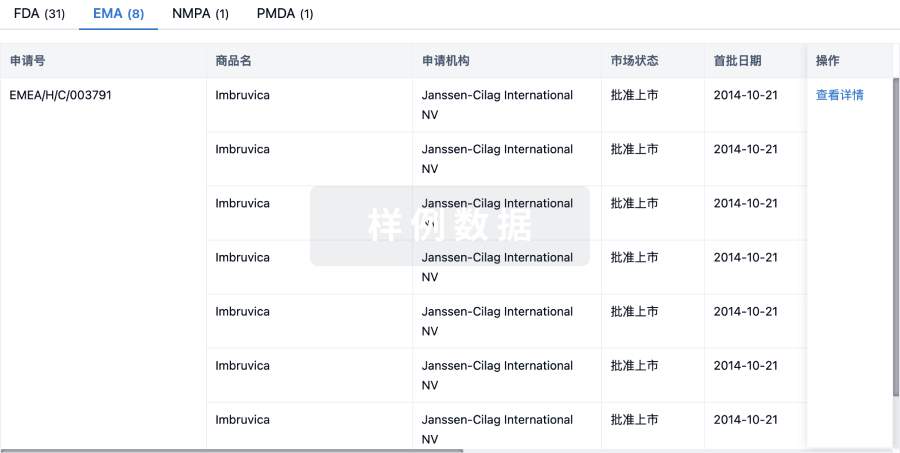
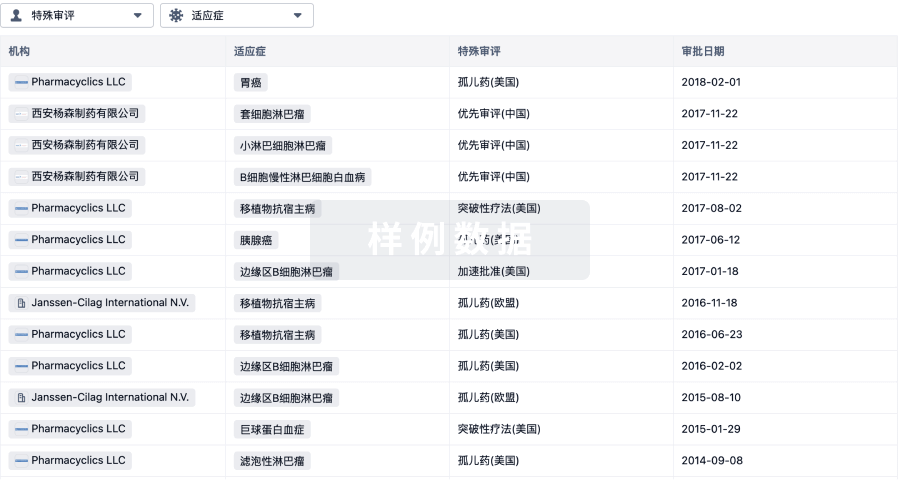
特殊审评
只需点击几下即可了解关键药物信息。
登录
或
提出任何生物医药研究问题
让每一步生物医药决策都精准制胜
基于十亿级生物数据与全球情报的精准 AI,赋能早期药物发现
立即开始免费试用!
智慧芽新药情报库是智慧芽专为生命科学人士构建的基于AI的创新药情报平台,助您全方位提升您的研发与决策效率。
立即接入生物医药数据包
智慧芽新药库数据也通过智慧芽开放平台,以MCP或API服务形式对外开放。立即使用我们的MCP服务定制您的LLM智能体。
生物序列数据库
生物药研发创新
免费使用
化学结构数据库
小分子化药研发创新
免费使用