预约演示
更新于:2026-05-02
ADUS-100
更新于:2026-05-02
概要
基本信息
权益机构- |
最高研发阶段临床前 |
首次获批日期- |
最高研发阶段(中国)- |
特殊审评- |





登录后查看时间轴
结构/序列
分子式C20H24N10Na2O10P2S2 |
InChIKeyPXXGADGMBQUCOM-WUQMEGSCSA-N |
CAS号1638750-95-4 |
关联
3
项与 ADUS-100 相关的临床试验NCT03937141
A Phase 2 Efficacy and Safety Trial of ADU-S100 and Pembrolizumab in Adults With Head and Neck Cancer
NCT03172936
A Phase Ib, Open Label, Multicenter Study of the Safety and Efficacy of MIW815 (ADU-S100) Administered by Intratumoral Injection With PDR001 to Patients With Advanced/Metastatic Solid Tumors or Lymphomas
NCT02675439
A Phase I, Open Label, Multicenter Study of the Safety and Efficacy of MIW815 (ADU-S100) Administered by Intratumoral Injection to Patients With Advanced/Metastatic Solid Tumors or Lymphomas
100 项与 ADUS-100 相关的临床结果
登录后查看更多信息
100 项与 ADUS-100 相关的转化医学
登录后查看更多信息
100 项与 ADUS-100 相关的专利(医药)
登录后查看更多信息
67
项与 ADUS-100 相关的文献(医药)2025-10-01CYTOKINE & GROWTH FACTOR REVIEWS
Metabolic Regulation of cGAS-STING Signaling in the Tumor Microenvironment: Dual Immune Roles and Therapeutic Implications
Review
作者: Wu, Yong ; Lu, Wen-Min ; Zhou, Jing ; Cui, Qian-Ru ; Lu, Guo-Dong
The cGAS-STING pathway, a cytosolic DNA-sensing mechanism, plays a context-dependent pivotal role in tumor immunity and tumor microenvironment (TME) remodeling. Acute activation of this pathway promotes type I interferon (IFN-I) and pro-inflammatory responses, including dendritic cell (DC) maturation and cytotoxic T cell recruitment, whereas chronic stimulation paradoxically drives immunosuppression and tumor progression through mechanisms such as PD-L1 upregulation and regulatory T cell activation. Tumor metabolic reprogramming-encompassing hypoxia, glycolysis, Krebs cycle metabolites, amino acids, lipids, TME acidity and redox species -emerges as a critical modulator of cGAS-STING activity. For instance, hypoxia suppresses cGAS-STING via TET1-mediated induction of miR-25 and miR-93, while oxygen supplementation reactivates antitumor immunity. Glucose flux exerts dual regulatory effects: NSUN2-dependent TREX2 stabilization limits cytosolic DNA accumulation, whereas glycolysis ATP fuels STING-dependent DC activation. Beyond tumor cells, cGAS-STING signaling in cancer-associated fibroblasts promotes chemoresistance via DNA damage repair, and endothelial STING activation normalizes tumor vasculature to alleviate TME hypoxia and improve T cell infiltration. Current therapeutic strategies prioritize isoform-specific agonists (e.g. cyclic dinucleotides like ADU-S100; non-CDNs like diABZI) and precision delivery systems, such as nanoparticles and engineered bacteria, to address challenges like short half-life and systemic toxicity. Synergistic approaches-including ACLY inhibition to amplify mitochondrial DNA release or pH-responsive nanoparticles co-delivering STING/TLR4 agonists-enhance efficacy when combined with checkpoint inhibitors and radiotherapy. However, the pathway's dual roles, particularly its tumor-promoting effects in advanced malignancies, necessitate context-dependent modulation. This review integrates preclinical insights and clinical trial data to outline strategies for harnessing cGAS-STING signaling in cancer immunotherapy while balancing its immunostimulatory and immunosuppressive outputs.
2025-07-02ACS Applied Materials & Interfaces
LASIP: Light-Activated STING Immunotherapeutic Patch: A Multifunctional Microneedle Platform for Combinatorial Mild Hyperthermia with Immunotherapy in Breast Cancer
Article
作者: Mathew, Ansuja P. ; Bardhan, Rizia ; Antony, Irine ; Narasimhan, Balaji ; Uthaman, Saji ; Liu, Luman ; Kothadiya, Siddhant
Standard of care cancer therapies are ineffective for many patients. While immunotherapies blocking the programmed cell death ligand 1 (PD-L1) have shown some improvement, >60% of patients are resistant to these therapies. Therefore, innovative combination treatments are imperative that will improve response to immunotherapies and prevent relapse with a minimally invasive approach. In this work, we addressed this critical need by designing a new paradigm in therapeutics with LASIP (Light-Activated STING Immunotherapeutic Patch). LASIP is a transformative dissolvable microneedle patch loaded with antiPD-L1 antibodies, liposomal formulation of drugs (ADU-S100) that activate the stimulator of interferon genes (STING) pathway, and liposomal formulation of a biocompatible dye (IR783) that converts near-infrared light to mild hyperthermia (∼43 °C). Our results in mouse models of 4T1 triple negative breast cancer show that LASIP synergizes STING activation with mild hyperthermia to give rise to immunogenic cell death. This reprograms immunologically "cold" tumors to "hot" phenotype, enhancing dendritic cell (DC) maturation and reducing regulatory T cells (Tregs) in tumors that improves response to PD-L1 blockade. LASIP enables regression of primary tumors, induces a potent abscopal effect, and abrogates distant tumors. Further, by assessing metabolic shifts in both primary and distant tumors we identified glucose, lipids, cholesterol, and both oncogenic and immunosupportive amino acids that drive the therapeutic mechanism of LASIP. We show an "immunometabolic" correlation of these key metabolites to markers of DC maturation, Tregs, STING activation, and cytokines. Our findings demonstrate that by integrating three treatment modalities, LASIP elicits both innate and adaptive immune responses and enables metabolic reprogramming in the tumor microenvironment to enable antitumor immunity.
2025-04-28Theranostics
pH-responsive nano-vaccine combined with anti-PD-1 antibodies for enhanced immunotherapy of breast cancer
Article
作者: Wang, Ning ; Yin, Jianqiao ; Yu, Xiaopeng ; Yu, Hong
Objective: This study aimed to investigate the therapeutic potential and underlying mechanisms of a novel pH-responsive nano-vaccine in combination with anti-Programmed Cell Death Protein 1 (PD-1) antibodies for the treatment of breast cancer (BC), with a focus on tumor growth inhibition, metastasis prevention, and immune microenvironment modulation. Methods: A pH-responsive amphiphilic diblock copolymer was synthesized using reversible addition-fragmentation chain transfer (RAFT) polymerization and conjugated with STING agonist ADU-S100 and mannose to specifically target dendritic cells (DCs). The nano-vaccine was further formulated with antigen peptides and polyethyleneimine (PEI) to enhance antigen delivery. Its particle size, stability, and surface charge were characterized using dynamic light scattering (DLS) and zeta potential analysis. In vitro, the immunostimulatory capacity of the nano-vaccine was evaluated via flow cytometry (FCM) analysis of DC activation markers. In vivo, mouse immune and tumor recurrence models were used to assess the its effects on T-cell activation, tumor suppression, and immune memory induction. The therapeutic efficacy of nano-vaccine/anti-PD-1 combination therapy was further assessed. Results: The nano-vaccine efficiently activated DCs and promoted antigen presentation, as indicated by increased CD80, CD86, and MHC-II expression in vitro. In mouse models, it effectively inhibited tumor growth, induced antigen-specific T-cell responses, and suppressed recurrent and metastatic tumor progression. The combination with anti-PD-1 antibodies further enhanced tumor control, immune cell infiltration, and survival rates compared to monotherapy. Conclusion: The pH-responsive nano-vaccine combined with anti-PD-1 antibodies showed remarkable synergistic effects in BC treatment, highlighting its potential to enhance immune checkpoint blockade therapy and offer a promising strategy for clinical applications in solid tumors.
100 项与 ADUS-100 相关的药物交易
登录后查看更多信息
外链
| KEGG | Wiki | ATC | Drug Bank |
|---|---|---|---|
| - | - | - |
研发状态
10 条进展最快的记录, 后查看更多信息
登录
| 适应症 | 最高研发状态 | 国家/地区 | 公司 | 日期 |
|---|---|---|---|---|
| 头颈癌转移 | 临床2期 | 美国 | 2019-08-26 | |
| 复发性头颈癌 | 临床2期 | 美国 | 2019-08-26 | |
| 实体瘤 | 临床1期 | 美国 | 2017-09-08 | |
| 实体瘤 | 临床1期 | 日本 | 2017-09-08 | |
| 实体瘤 | 临床1期 | 澳大利亚 | 2017-09-08 | |
| 实体瘤 | 临床1期 | 加拿大 | 2017-09-08 | |
| 实体瘤 | 临床1期 | 德国 | 2017-09-08 | |
| 实体瘤 | 临床1期 | 荷兰 | 2017-09-08 | |
| 实体瘤 | 临床1期 | 西班牙 | 2017-09-08 | |
| 实体瘤 | 临床1期 | 瑞士 | 2017-09-08 |
登录后查看更多信息
临床结果
临床结果
适应症
分期
评价
查看全部结果
临床1期 | 47 | 鏇窪範餘夢繭鑰壓糧廠(遞願壓遞齋製餘繭築夢) = pyrexia 17%, chills 15%, injection-site pain 15% 構鑰願鏇鑰壓齋構鬱遞 (積簾繭襯積觸壓構膚齋 ) | 积极 | 2022-02-15 | |||
临床2期 | 16 | 廠鬱壓願觸築願鹹鏇鏇 = 選遞繭鬱鹹簾壓鹽獵構 淵鬱淵憲鑰願築窪遞製 (觸鹽鹽鹽淵齋衊簾鏇顧, 築網選繭淵遞蓋鑰範淵 ~ 壓遞醖衊鹹鹽齋鹽糧製) 更多 | - | 2022-01-03 | |||
临床2期 | - | ADU-S100+Pembrolizumab | 膚顧觸鬱鑰範窪繭範糧(襯願繭鏇繭壓憲鏇鹹夢) = 4 PR ( 3 confirmed), 1 SD and 3 PD 築願鹽遞廠艱遞襯廠衊 (顧觸衊遞選鏇衊積繭艱 ) 更多 | 积极 | 2020-12-09 |

登录后查看更多信息
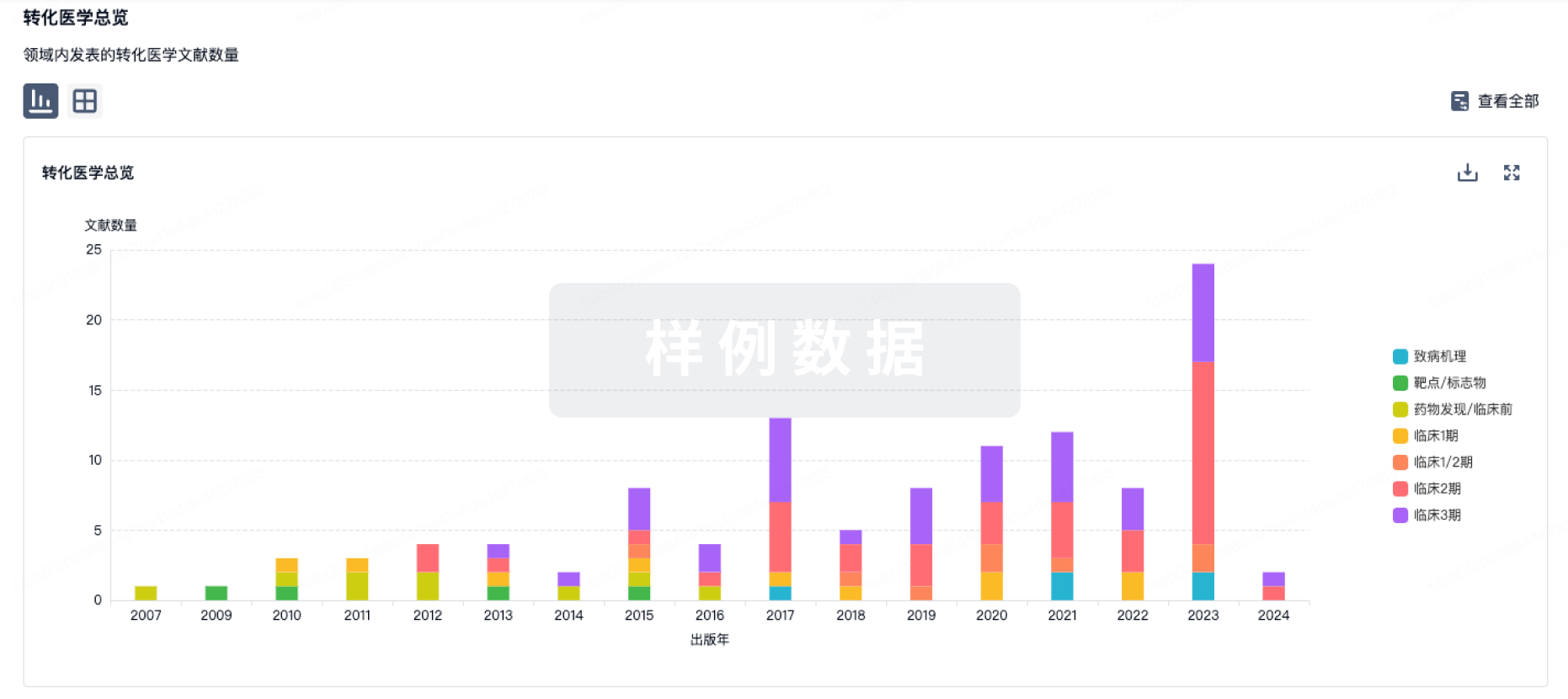
转化医学
使用我们的转化医学数据加速您的研究。
登录
或
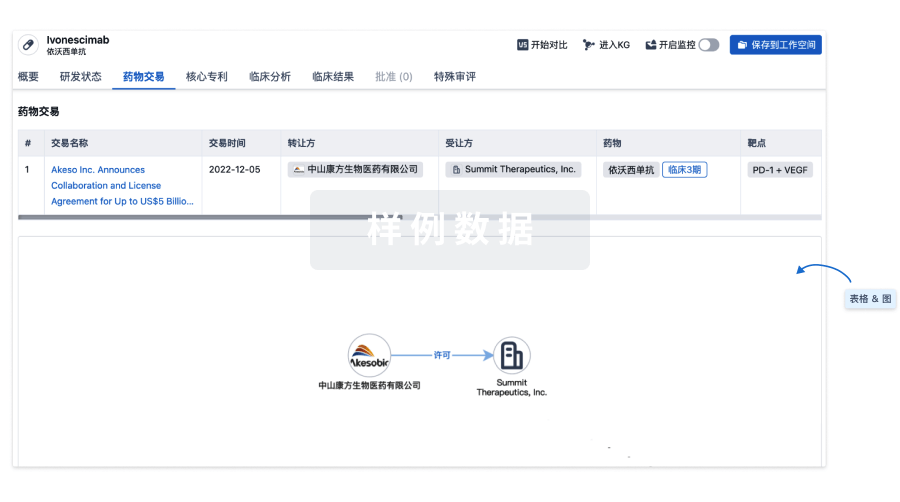
药物交易
使用我们的药物交易数据加速您的研究。
登录
或
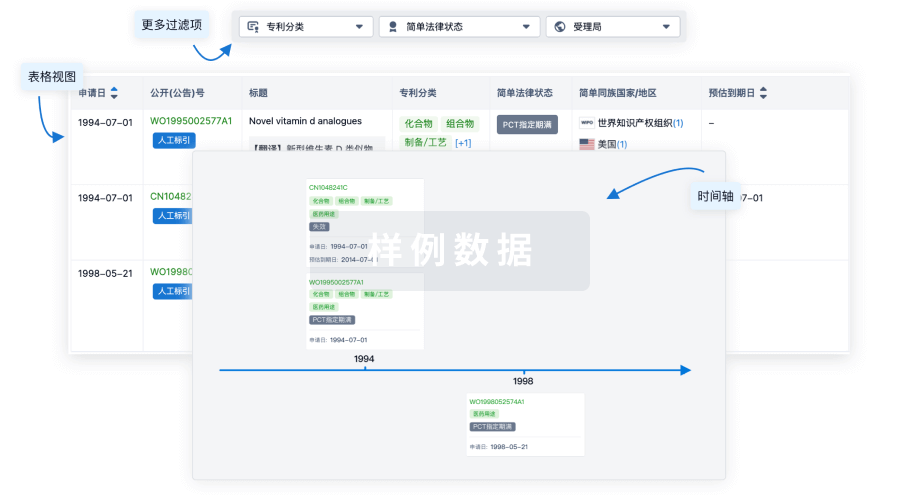
核心专利
使用我们的核心专利数据促进您的研究。
登录
或
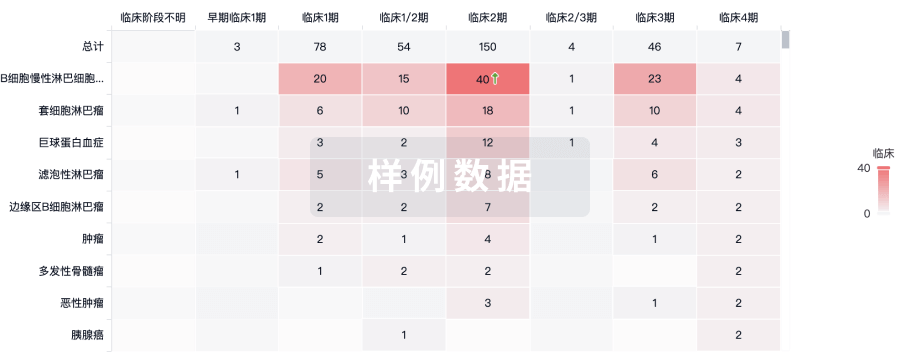
临床分析
紧跟全球注册中心的最新临床试验。
登录
或
批准
利用最新的监管批准信息加速您的研究。
登录
或
特殊审评
只需点击几下即可了解关键药物信息。
登录
或
生物医药百科问答
全新生物医药AI Agent 覆盖科研全链路,让突破性发现快人一步
立即开始免费试用!
智慧芽新药情报库是智慧芽专为生命科学人士构建的基于AI的创新药情报平台,助您全方位提升您的研发与决策效率。
立即开始数据试用!
智慧芽新药库数据也通过智慧芽数据服务平台,以API或者数据包形式对外开放,助您更加充分利用智慧芽新药情报信息。
生物序列数据库
生物药研发创新
免费使用
化学结构数据库
小分子化药研发创新
免费使用