预约演示
更新于:2026-05-17

Albert Einstein College of Medicine, Inc.
更新于:2026-05-17
概览
标签
肿瘤
其他疾病
血液及淋巴系统疾病
小分子化药
蛋白水解靶向嵌合体(PROTAC)
抗体
疾病领域得分
一眼洞穿机构专注的疾病领域

技术平台
公司药物应用最多的技术
靶点
公司最常开发的靶点
关联
靶点 |
作用机制 |
在研机构 |
原研机构 |
在研适应症 |
非在研适应症 |
最高研发阶段 |
首次获批国家/地区 |
首次获批日期 |

靶点 |
作用机制 |
在研机构 |
原研机构 |
在研适应症 |
非在研适应症 |
最高研发阶段 |
首次获批国家/地区 |
首次获批日期 |

靶点 |
作用机制 |
在研机构 |
原研机构 |
在研适应症 |
非在研适应症 |
最高研发阶段 |
首次获批国家/地区 |
首次获批日期 |

NCT06884176
Complication Rates Associated With Central Venous Catheters Versus Midline Catheters: A Randomized Control Trial
NCT07526948
Vaginal Estradiol Versus Moisturizer to Improve Postmenopausal Vaginal Aging Symptoms, Dysbiosis and Markers of Latency Reversal in Menopausal Women Living With HIV
NCT07225400
Designing a Spatial Navigation Intervention Protocol Informed by Region-specific Brain Activation for Mild Cognitive Impairment
100 项与 Albert Einstein College of Medicine, Inc. 相关的临床结果
登录后查看更多信息
登录后查看更多信息
2026-12-01Current Pain and Headache Reports
Epidemiology, Risk Factors, and Management of Pregnancy-Related Chronic Back Pain
Review
作者: Yuan, Claire ; Liongson, Franzes Anne Z ; Fonseca, Alexandra ; Jung, Helen S ; Christo, Paul J ; Hasoon, Jamal J ; Nguyen, Anvinh ; Therond, Alexandra ; Robinson, Christopher L ; Kulich, Ronald J
2026-12-01MOLECULAR BIOLOGY REPORTS
Potential of Benfotiamine in the treatment of neuropsychological disorders
Review
作者: Motamedzadeh, Alireza ; Kazemi, Benyamin ; Rahmati-Dehkordi, Fatemeh ; Dadgostar, Ehsan ; Validad, Atie ; Karimzad, Yousef ; Nabavizadeh, Fatemeh ; Aschner, Michael ; Tamtaji, Omid Reza ; Ferdosi, Felora
Neuropsychiatric disorders pose significant health challenges. Current drug therapies are often inadequate, highlighting the urgent need for new and effective treatments. Thiamine deficiency has been implicated in the pathophysiology of various neuropsychiatric disorders. In this context, benfotiamine, a synthetic thiamine derivative, has gained increasing attention for its potential therapeutic effects across a range of neuropsychiatric conditions. Emerging evidence supports the neuroprotective effects of benfotiamine, which are mediated through its modulation of diverse cellular and molecular pathways, i.e., Tau phosphorylation, amyloid β, oxidative stress, neuroinflammation, as well as synaptic plasticity via the glycogen synthase kinase-3β (GSK3β) signaling pathway. In this narrative review, we provide a comprehensive overview of the cellular and molecular pathways modulated by benfotiamine in the context of neuropsychiatric disorders. Specifically, we highlight its effects on oxidative stress, inflammatory signaling, mitochondrial function, glucose metabolism, and advanced glycation end-product (AGE) formation, all of which contribute to its neuroprotective and potentially therapeutic properties.
2026-07-01Genes & Diseases
SF3B1K700E-driven transcriptional alterations in hematopoietic progenitors underlie blood cancer pathophysiology
Article
作者: Hu, Erqiang ; Deng, Wenjun ; Yin, Shanye ; Xue, Mengzhu ; An, Jianhong
100 项与 Albert Einstein College of Medicine, Inc. 相关的药物交易
登录后查看更多信息
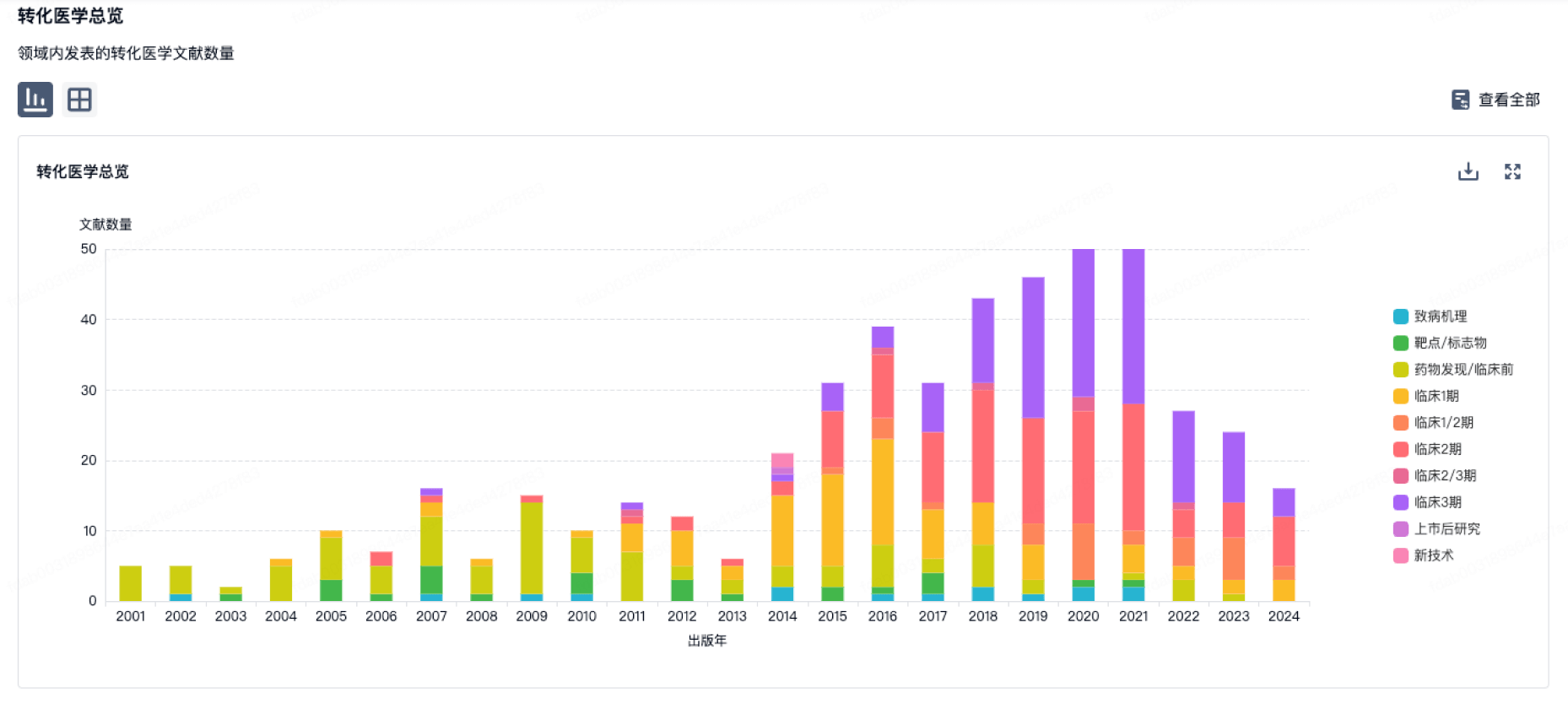
100 项与 Albert Einstein College of Medicine, Inc. 相关的转化医学
登录后查看更多信息
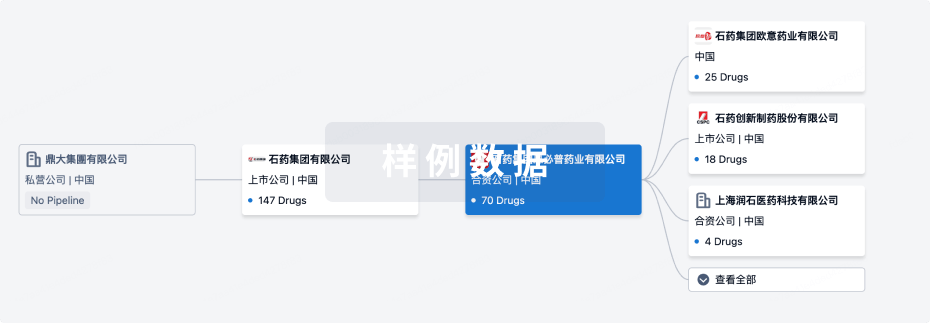
组织架构
使用我们的机构树数据加速您的研究。
登录
或
管线布局
2026年10月15日管线快照
管线布局中药物为当前组织机构及其子机构作为药物机构进行统计,早期临床1期并入临床1期,临床1/2期并入临床2期,临床2/3期并入临床3期
药物发现
7
24
临床前
其他
16
登录后查看更多信息
当前项目
登录后查看更多信息
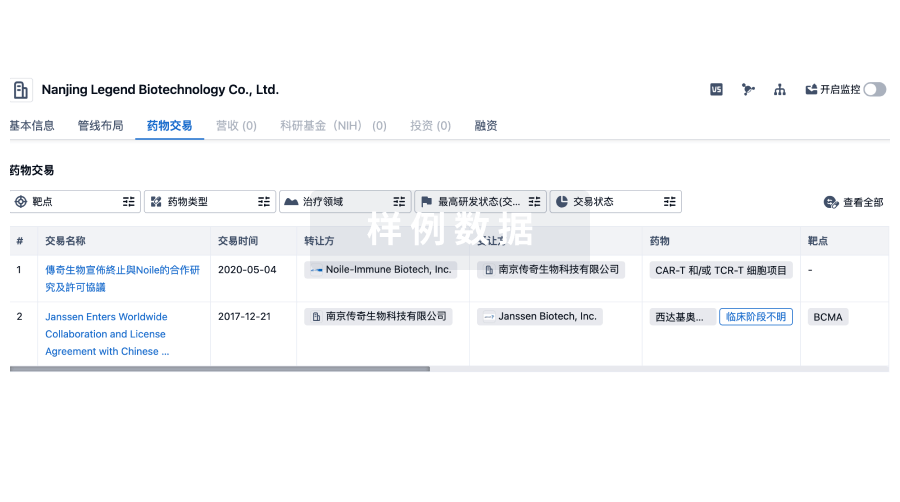
药物交易
使用我们的药物交易数据加速您的研究。
登录
或
转化医学
使用我们的转化医学数据加速您的研究。
登录
或
营收
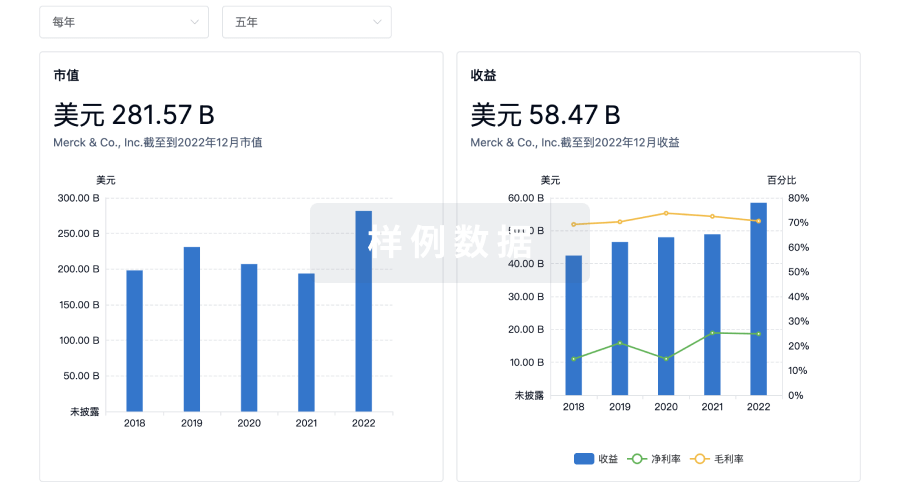
使用 Synapse 探索超过 36 万个组织的财务状况。
登录
或
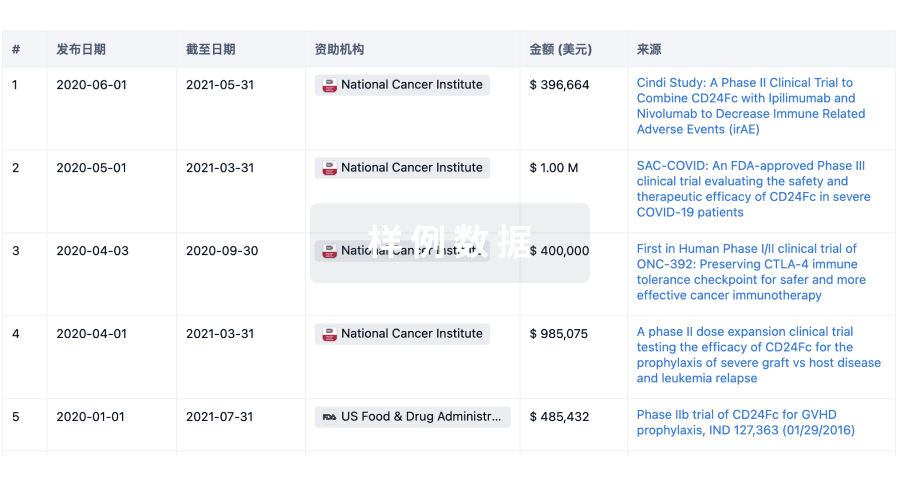
科研基金(NIH)
访问超过 200 万项资助和基金信息,以提升您的研究之旅。
登录
或
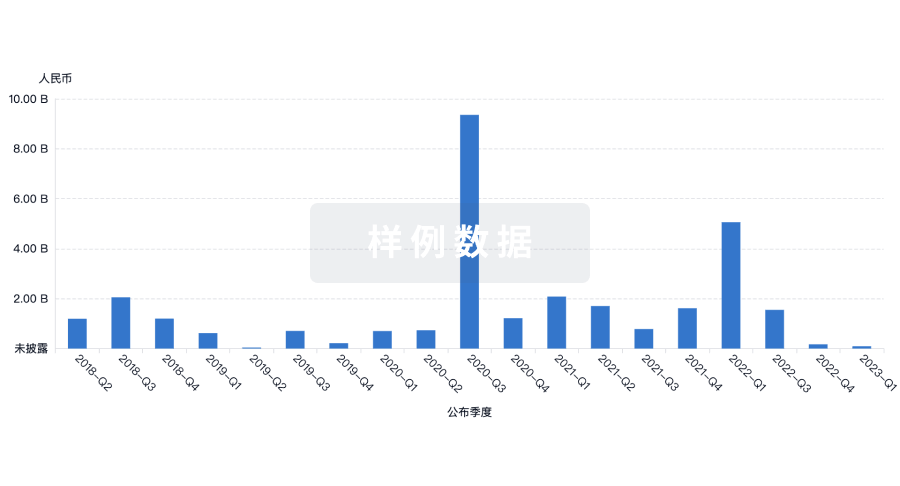
投资
深入了解从初创企业到成熟企业的最新公司投资动态。
登录
或
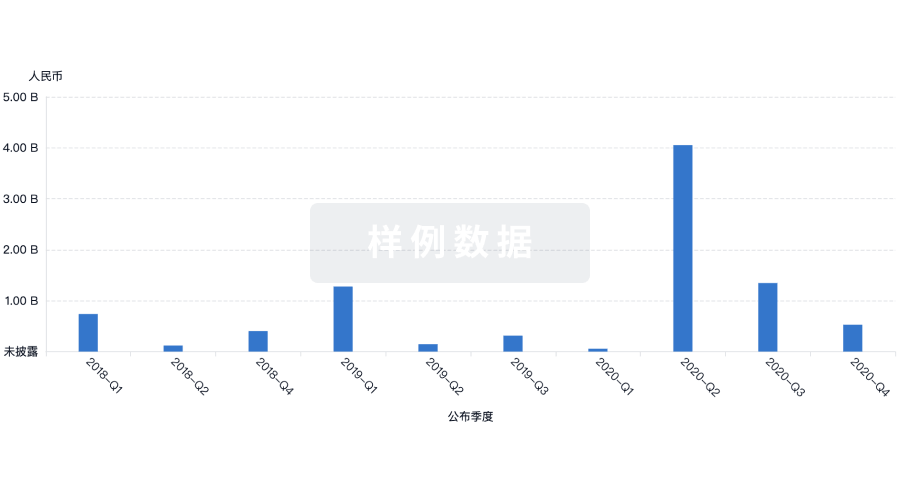
融资
发掘融资趋势以验证和推进您的投资机会。
登录
或
提出任何生物医药研究问题
让每一步生物医药决策都精准制胜
基于十亿级生物数据与全球情报的精准 AI,赋能早期药物发现
立即开始免费试用!
智慧芽新药情报库是智慧芽专为生命科学人士构建的基于AI的创新药情报平台,助您全方位提升您的研发与决策效率。
立即接入生物医药数据包
智慧芽新药库数据也通过智慧芽开放平台,以MCP或API服务形式对外开放。立即使用我们的MCP服务定制您的LLM智能体。
生物序列数据库
生物药研发创新
免费使用
化学结构数据库
小分子化药研发创新
免费使用