预约演示
更新于:2026-09-19

Guangxi University of Chinese Medicine
更新于:2026-09-19
概览
标签
其他疾病
肿瘤
神经系统疾病
小分子化药
中药
化学药
疾病领域得分
一眼洞穿机构专注的疾病领域

技术平台
公司药物应用最多的技术
靶点
公司最常开发的靶点
关联
靶点 |
作用机制 |
在研机构 |
原研机构 |
在研适应症 |
非在研适应症 |
最高研发阶段 |
首次获批国家/地区 |
首次获批日期 |
靶点 |
作用机制 |
在研机构 |
原研机构 |
在研适应症 |
非在研适应症 |
最高研发阶段 |
首次获批国家/地区 |
首次获批日期 |

靶点 |
作用机制 |
在研机构 |
原研机构 |
在研适应症 |
非在研适应症 |
最高研发阶段 |
首次获批国家/地区 |
首次获批日期 |
CTR20255066
评价止得咳颗粒对急性气管-支气管炎(风热犯肺证)的患者有效性及安全性的双盲、随机、多中心、安慰剂对照Ⅱ期临床试验
ITMCTR2026001399
Effect of Zhixuetong Enteric-coated Capsules on Clinical Efficacy and Serum Expression of PAF and PAC-1 in Patients with Ischemic Stroke of Phlegm-Stasis Blocking Collaterals Syndrome
ChiCTR2600122827
Study on the effect of Wuyu opera combined with traditional Chinese medicine foot bath on insomnia in patients with mild cognitive impairment
100 项与 广西中医药大学 相关的临床结果
登录后查看更多信息
登录后查看更多信息
2027-01-01JOURNAL OF ETHNOPHARMACOLOGY
Identification of biological raw materials in Chinese patent medicine Gejie Dingchuan Wan using high-throughput sequencing
Article
作者: Huang, Qiuting ; Jiang, Fuli ; Jing, Xiaotong ; Huang, Yong ; Chen, Guangyu
ETHNOPHARMACOLOGICAL RELEVANCE:
Gejie Dingchuan Wan (GDW), a classical prescription comprising fourteen ingredients, including twelve biological materials and two mineral components, is used to nourish yin, clear the lung, and relieve asthma and vulnerable to adulteration, yet a systematic molecular method for simultaneously authenticating all prescribed biological ingredients is lacking.
AIM OF THE STUDY:
To optimize key technical steps, including DNA extraction and barcode selection, for mixed samples containing both animal- and plant-derived medicinal materials; and to establish an HTS-based method for identifying the raw medicinal materials in GDW.
MATERIALS AND METHODS:
Total DNA was extracted from three reference and nine commercial GDW samples. An integrated DNA barcoding strategy (16S rRNA for animal-derived materials and ITS2 for plant-derived materials) combined with morphological identification, and all sequences were deposited in GenBank to establish a dedicated reference database. OTUs were assigned taxonomically against custom reference databases. Diversity indices and statistical analyses were calculated.
RESULTS:
41,918,610 high-quality reads were generated, yielding a total of 5103 operational taxonomic units (OTUs), including 2798 assigned to animal-derived materials and 2305 assigned to plant-derived materials. Assessment of potential technical biases showed that all samples had coverage values exceeding 0.9995, while the rarefaction, Shannon-Wiener, and species accumulation curves all reached plateaus, indicating that the sequencing depth was sufficient to capture most of the species diversity. All twelve prescribed biological components were detected in both reference and commercial samples. Gecko was the dominant component, accounting for 50.5%-98.07% relative abundance, while Ophiopogonis Radix was rarely detectable in most samples, with relative abundance ranging from 0.001% to 0.003%. In addition to the prescribed ingredients, HTS also detected sequences corresponding to potential adulterants and contaminants, highlighting the utility of this approach for adulteration surveillance. These non-prescribed taxa included Calotes wangi (a known adulterant of Gecko), Astragalus membranaceus, Bothus robinsi, and various fungal species, including Aspergillus and Penicillium. Notably, some of these taxa were detected not only in commercial samples but also in self-prepared reference samples formulated from raw materials that had been previously authenticated by Sanger sequencing. While 16S rRNA and ITS2 were effective for verifying the identity of individual raw materials, HTS revealed a broader spectrum of DNA sequences present in the finished products, including both prescribed and non-prescribed taxa.
CONCLUSION:
The integrated barcoding-HTS pipeline provides a sensitive framework for molecular profiling of complex Chinese patent medicines and highlights the need for empirically defined interpretive criteria before detections of non-prescribed sequences can be translated into regulatory or safety conclusions.
2026-12-01JOURNAL OF COMPUTER-AIDED MOLECULAR DESIGN
Synthesis of 4,6-diphenyl-3-cyanopyridine derivatives based on 3D-QSAR: unveiling their potential as survivin inhibitors
Article
作者: Zhu, Hua ; Zhang, Miao ; Zhao, ChenHao ; Qiu, YingQI ; Lu, JiaHao ; Shen, Li-Qun
Survivin, a multifunctional regulator of mitosis and apoptosis, plays a central role in cancer progression and therapy resistance, making it an attractive target for anticancer drug development. In this study, a series of 4,6-diphenyl-3-cyanopyridine derivatives were designed and synthesized as potential survivin inhibitors through an integrated strategy combining 3D-QSAR modeling, molecular docking, molecular dynamics simulations, and biological evaluation. The CoMFA and CoMSIA models established reliable structure-activity relationships and provided contour-map-based guidance for rational molecular optimization. Newly designed derivatives displayed enhanced antiproliferative effects against melanoma cells, and computational analyses revealed that the most promising compound showed stable and preferential binding within the BIR domain of survivin, particularly in its dimeric form. These findings demonstrate the effectiveness of contour-guided optimization in discovering novel survivin-targeting scaffolds and highlight 4,6-diphenyl-3-cyanopyridine derivatives as promising leads for further anticancer drug development. Future studies will focus on improving selectivity, clarifying the inhibition mechanism at the molecular level, and evaluating in vivo efficacy.
2026-12-01MOLECULAR BIOLOGY REPORTS
Immunotherapeutic strategies for castration-resistant prostate cancer: A systematic review of mechanisms, clinical advances and emerging approaches
Review
作者: Yuan, Siying ; Xia, Ziwei ; Zhao, Lichun ; Xu, Zedong ; Li, Jiaxuan ; Wang, Xueni
BACKGROUND:
Despite the success of immunotherapy in other malignancies, castration-resistant prostate cancer (CRPC) remains a formidable challenge due to its immunosuppressive "cold" tumor microenvironment. This environment is characterized by low tumor mutational burden, sparse T-cell infiltration, and the dominance of immunosuppressive factors. This review aims to systematically examine recent advances, current challenges, and future directions in immunotherapy for CRPC, offering novel therapeutic perspectives for this lethal disease with currently limited treatment options.
METHODS AND RESULTS:
We reviewed the research results of immunotherapy for CRPC in PubMed, Web of Science and CNKI literature from 2020 to 2025 and found that significant clinical progress has been made in this field: 5 vaccine trials, 3 immune checkpoint inhibitor trials, 20 combination therapy trials (≥ 2 drugs), and 7 targeted drug trials. Preliminary efficacy was observed in new approaches such as bispecific antibodies (for example, Xaluritamig achieved a 59% PSA50 response), PSCA-CAR T, and oncolytic viruses (Ad5 PSA/MUC-1/brachyury). Basic research has identified four targeted resistance mechanisms (such as AR-LLT1, Pygo2, HnRNP L) and one nanoparticle mediated triple therapy (CM-AMS@AD NPs integrated photothermal/chemotherapy/immunotherapy), which can enhance cytotoxic T cell infiltration and inhibit preclinical CRPC growth.
CONCLUSIONS:
These findings demonstrate the significant potential of immunotherapy in treating CRPC, but treatment regimens require further optimization and validation of long-term survival benefits through Phase III clinical trials.
100 项与 广西中医药大学 相关的药物交易
登录后查看更多信息
100 项与 广西中医药大学 相关的转化医学
登录后查看更多信息
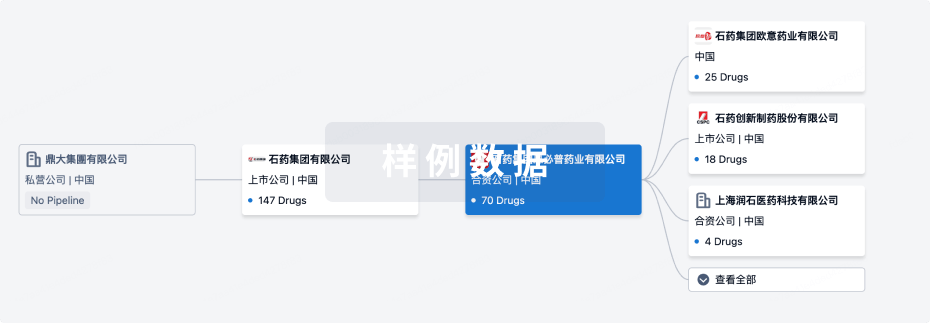
组织架构
使用我们的机构树数据加速您的研究。
登录
或
管线布局
2026年10月10日管线快照
管线布局中药物为当前组织机构及其子机构作为药物机构进行统计,早期临床1期并入临床1期,临床1/2期并入临床2期,临床2/3期并入临床3期
药物发现
7
16
临床前
临床申请批准
1
1
临床2期
登录后查看更多信息
当前项目
登录后查看更多信息
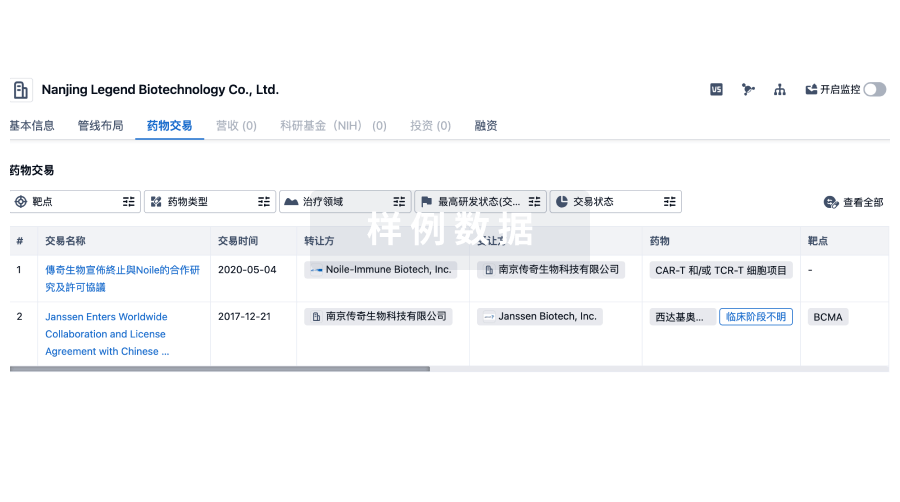
药物交易
使用我们的药物交易数据加速您的研究。
登录
或
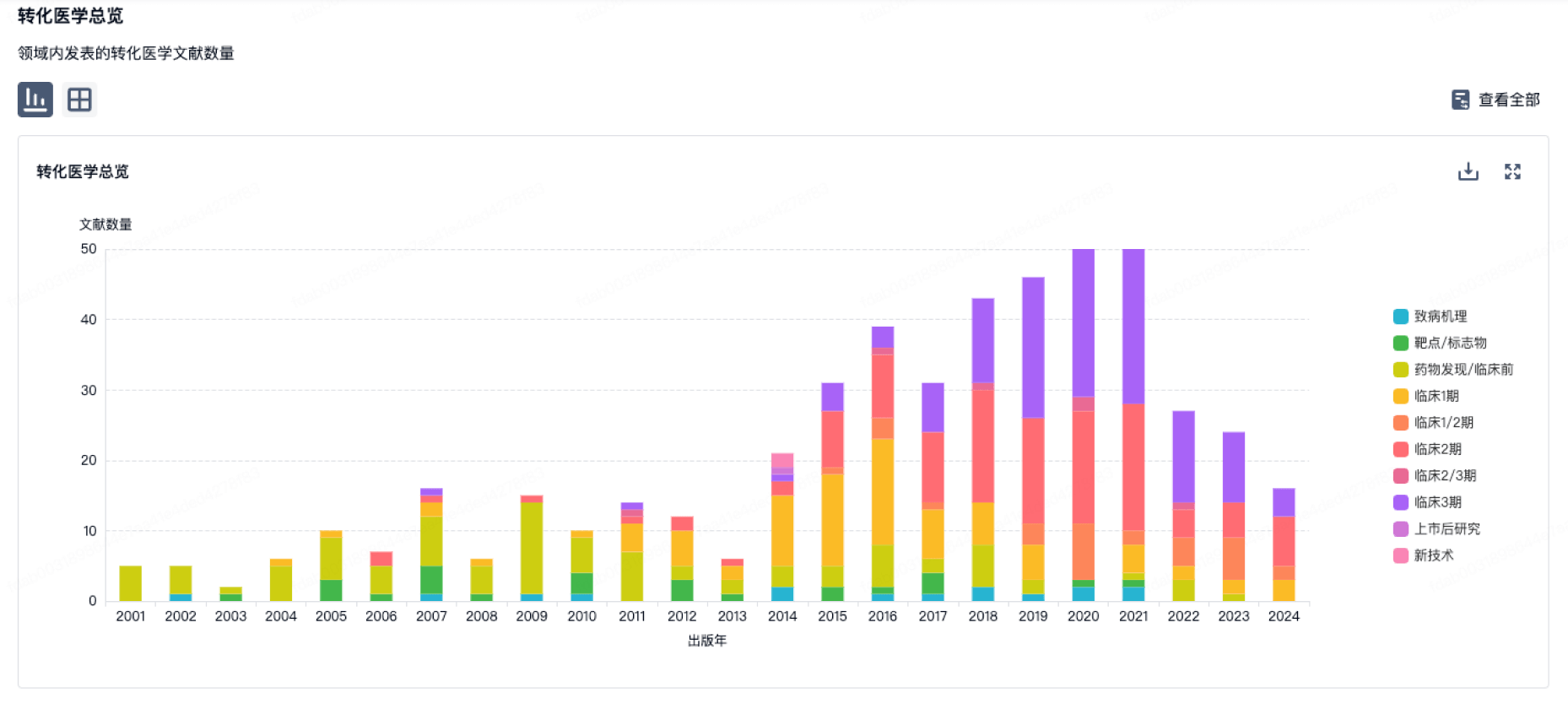
转化医学
使用我们的转化医学数据加速您的研究。
登录
或
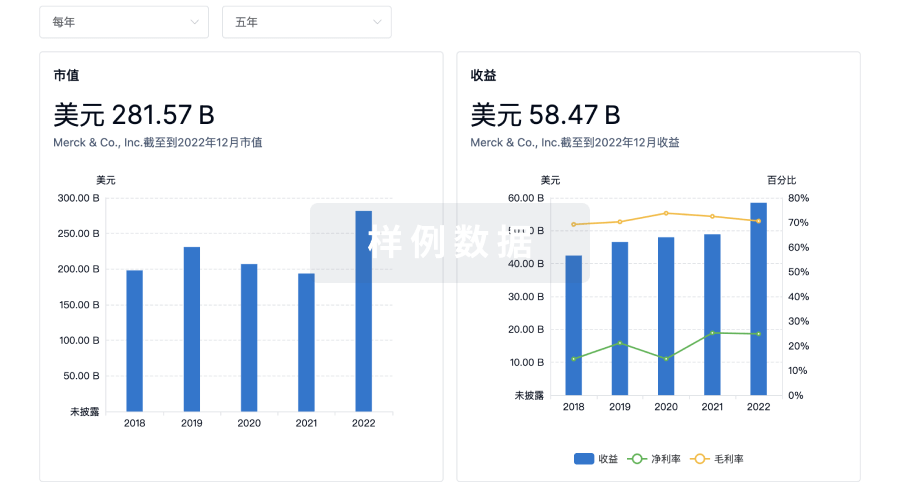
营收
使用 Synapse 探索超过 36 万个组织的财务状况。
登录
或
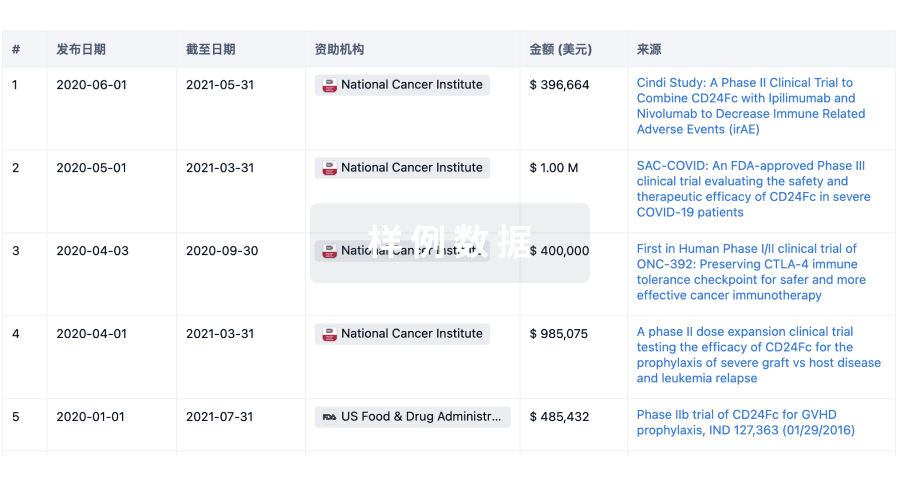
科研基金(NIH)
访问超过 200 万项资助和基金信息,以提升您的研究之旅。
登录
或
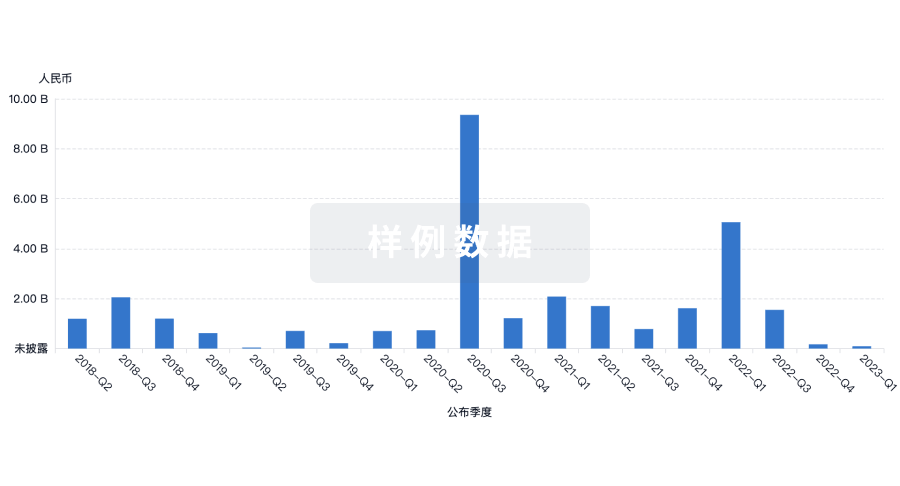
投资
深入了解从初创企业到成熟企业的最新公司投资动态。
登录
或
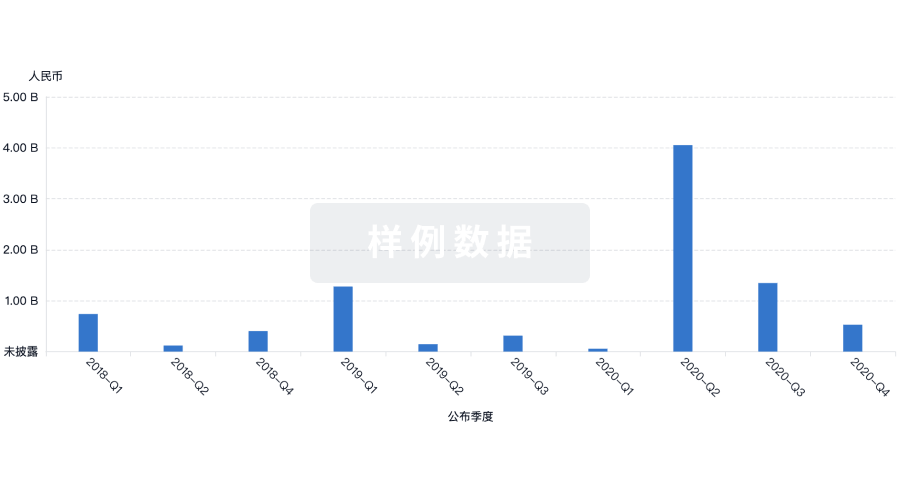
融资
发掘融资趋势以验证和推进您的投资机会。
登录
或
提出任何生物医药研究问题
让每一步生物医药决策都精准制胜
基于十亿级生物数据与全球情报的精准 AI,赋能早期药物发现
立即开始免费试用!
智慧芽新药情报库是智慧芽专为生命科学人士构建的基于AI的创新药情报平台,助您全方位提升您的研发与决策效率。
立即接入生物医药数据包
智慧芽新药库数据也通过智慧芽开放平台,以MCP或API服务形式对外开放。立即使用我们的MCP服务定制您的LLM智能体。
生物序列数据库
生物药研发创新
免费使用
化学结构数据库
小分子化药研发创新
免费使用