预约演示
更新于:2026-03-08

Visterra, Inc.
更新于:2026-03-08
概览
标签
免疫系统疾病
皮肤和肌肉骨骼疾病
其他疾病
白细胞介素
单克隆抗体
抗体
疾病领域得分
一眼洞穿机构专注的疾病领域

技术平台
公司药物应用最多的技术
靶点
公司最常开发的靶点
关联
靶点 |
作用机制 |
在研机构 |
原研机构 |
在研适应症 |
非在研适应症 |
最高研发阶段 |
首次获批国家/地区 |
首次获批日期 |
靶点 |
作用机制 |
在研机构 |
原研机构 |
在研适应症 |
非在研适应症 |
最高研发阶段 |
首次获批国家/地区 |
首次获批日期 |
靶点 |
作用机制 |
在研机构 |
原研机构 |
在研适应症 |
非在研适应症 |
最高研发阶段 |
首次获批国家/地区 |
首次获批日期 |
NCT06937593
A Phase 1, Randomized, Placebo-controlled, Double-blind, Multiple Ascending Dose Trial to Assess the Safety, Tolerability, Pharmacokinetics, and Pharmacodynamics of VIS954 in Healthy Participants
NCT06212804
A Phase 1, Randomized, Placebo-controlled, Double Blind, Single Ascending Dose, First-in-human Study to Assess the Safety, Tolerability, Pharmacokinetics, and Pharmacodynamics of VIS954 in Healthy Male and Female Participants
NCT05418101
A Phase 1, First-in-human, 2-part Study (part 1 is a Single Ascending Dose in Healthy Participants; Part 2 is a Multiple Ascending Dose Study in Participants with Autoimmune Disease) to Evaluate the Safety, PD and PK of VIS171
100 项与 Visterra, Inc. 相关的临床结果
登录后查看更多信息
登录后查看更多信息
2025-10-30NEPHROLOGY DIALYSIS TRANSPLANTATION
CKD progression, kidney failure, and mortality among US patients with IgA nephropathy
Article
作者: Cannizzaro, Nancy ; Chen, Qiaoling ; Sim, John J ; Pinto, Cibele ; Bhandari, Simran K ; Schachter, Asher D ; Mathur, Mohit ; Chang, John ; Fernandes, Ancilla W
ABSTRACT:
Background and Hypothesis:
We assessed disease progression among patients with immunoglobulin A nephropathy (IgAN) and characterized factors associated with risk for adverse outcomes.
Methods:
A retrospective longitudinal cohort (2000–2022) study of adults with biopsy-confirmed IgAN within Kaiser Permanente Southern California was performed. The outcome of interest was a composite of ≥50% estimated glomerular filtration rate (eGFR) decline, kidney failure, or mortality. Cox proportional hazards regression modeling was used to estimate hazard ratios (HR) for the eGFR decline/kidney failure with adjustment for potential confounders.
Results:
Among 655 patients with primary IgAN (31% Asian/Pacific Islander, 3% Black, 40% Hispanic/Latino, 24% White), 234 (36%) reached the composite outcome of ≥50% eGFR decline (17%), kidney failure (16%), or mortality (3%). The composite outcome occurred at a rate of 79.4 events (95% confidence intervals (CI) 69.6, 90.7) per 1000 patient-years, with a median time to event of 2.7 years. Compared to urine protein creatinine ratio (UPCR) <0.5 vs 0.5–<1 g/g, 1–2, and >2 g/g, the HR (95% CI) for ≥50% eGFR decline/kidney failure were 2.4 (1.1, 5.1), 3.2 (1.5, 6.6), and 5.1 (2.5, 10.4) for baseline UPCR and 5.4 (2.3, 13.0), 14.4 (16.5, 32.2), and 41.2 (17.9, 94.5) for time-averaged UPCR. Lower baseline eGFR and diabetes were also associated with higher risk, while age ≥30 years was associated with lower risk for ≥50% eGFR decline/kidney failure. There were no clear trends differentiating risk by race/ethnicity.
Conclusion:
In this large, diverse cohort, high rates of kidney outcomes occurred within a relatively short follow-up duration. Our findings suggest that IgAN carries elevated risk for kidney outcomes starting at proteinuria levels ≥0.5 g/g, in contrast to earlier perceptions that levels below 1 g/g are associated with low risk.
2025-10-17JOURNAL OF INFECTIOUS DISEASES
Polyclonal and Monoclonal Antibodies for the Treatment and Prevention of Influenza
Review
作者: Beigel, John H ; Oldach, David
Abstract:
While at least 8 monoclonal and 3 polyclonal antibody products have been tested in clinical trials for the treatment of influenza, no products have been licensed, and most have stopped clinical development. The COVID-19 pandemic demonstrated that these approaches, especially monoclonal antibodies, may have unique potential in certain stages of disease and populations, especially in preventing severe disease in a population without preexisting immunity or in those with a limited capacity to mount an effective humoral immune response. This review summarizes past and ongoing efforts in using monoclonal and polyclonal antibodies for the treatment and prevention of influenza, focusing on products that have entered clinical trials and drawing lessons from COVID-19 to direct future efforts on these strategies.
2025-10-09Nature
One-shot design of functional protein binders with BindCraft
Article
作者: Schneider, Bernard L ; Yachnin, Brahm J ; Georgeon, Sandrine ; Schwank, Gerald ; Goverde, Casper A ; Vinué, Laura ; Barendse, Patrick ; Lindhoud, Simon ; Pyatova, Ekaterina ; Swarts, Daan C ; Wollacott, Andrew M ; Kapoor, Srajan ; Hatzopoulos, Georgios N ; Alcaraz-Serna, Ana ; Ghamary, Kourosh H ; Westphal, Adrie H ; Correia, Bruno E ; Choudhury, Jagrity ; Gönczy, Pierre ; Vecchio, Alex J ; Schellhaas, Christian ; Kissling, Lucas ; Schmidt, Joseph ; Nickel, Lennart ; Ovchinnikov, Sergey ; Pacesa, Martin ; Cho, Yehlin ; Muller, Yannick D ; Buckley, Stephen
Protein-protein interactions are at the core of all key biological processes. However, the complexity of the structural features that determine protein-protein interactions makes their design challenging. Here we present BindCraft, an open-source and automated pipeline for de novo protein binder design with experimental success rates of 10-100%. BindCraft leverages the weights of AlphaFold2 (ref. 1) to generate binders with nanomolar affinity without the need for high-throughput screening or experimental optimization, even in the absence of known binding sites. We successfully designed binders against a diverse set of challenging targets, including cell-surface receptors, common allergens, de novo designed proteins and multi-domain nucleases, such as CRISPR-Cas9. We showcase the functional and therapeutic potential of designed binders by reducing IgE binding to birch allergen in patient-derived samples, modulating Cas9 gene editing activity and reducing the cytotoxicity of a foodborne bacterial enterotoxin. Last, we use cell-surface-receptor-specific binders to redirect adeno-associated virus capsids for targeted gene delivery. This work represents a significant advancement towards a 'one design-one binder' approach in computational design, with immense potential in therapeutics, diagnostics and biotechnology.
100 项与 Visterra, Inc. 相关的药物交易
登录后查看更多信息
100 项与 Visterra, Inc. 相关的转化医学
登录后查看更多信息
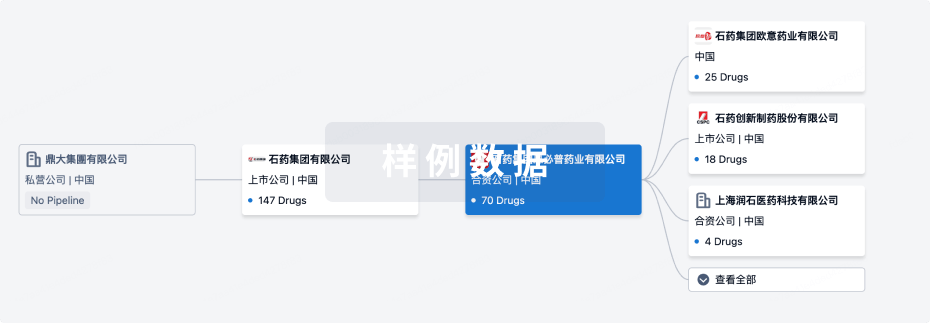
组织架构
使用我们的机构树数据加速您的研究。
登录
或
管线布局
2026年10月14日管线快照
管线布局中药物为当前组织机构及其子机构作为药物机构进行统计,早期临床1期并入临床1期,临床1/2期并入临床2期,临床2/3期并入临床3期
药物发现
4
2
临床前
临床1期
2
1
临床2期
其他
11
登录后查看更多信息
当前项目
登录后查看更多信息
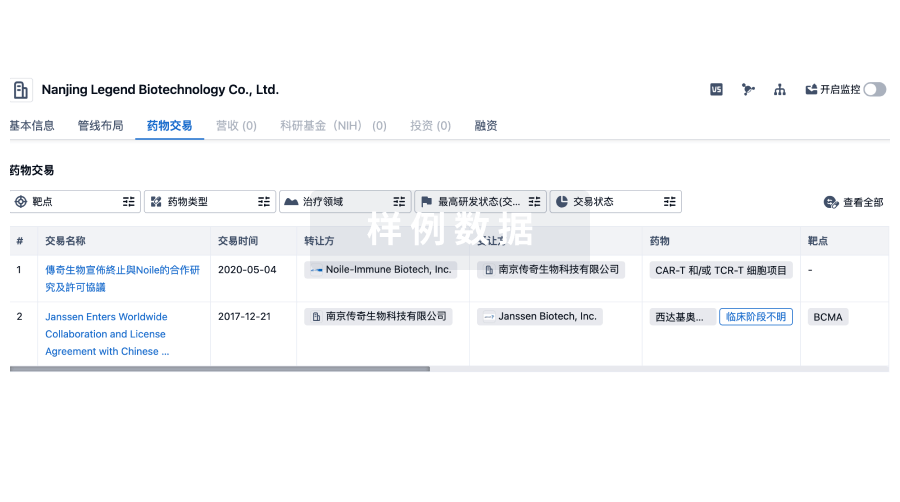
药物交易
使用我们的药物交易数据加速您的研究。
登录
或
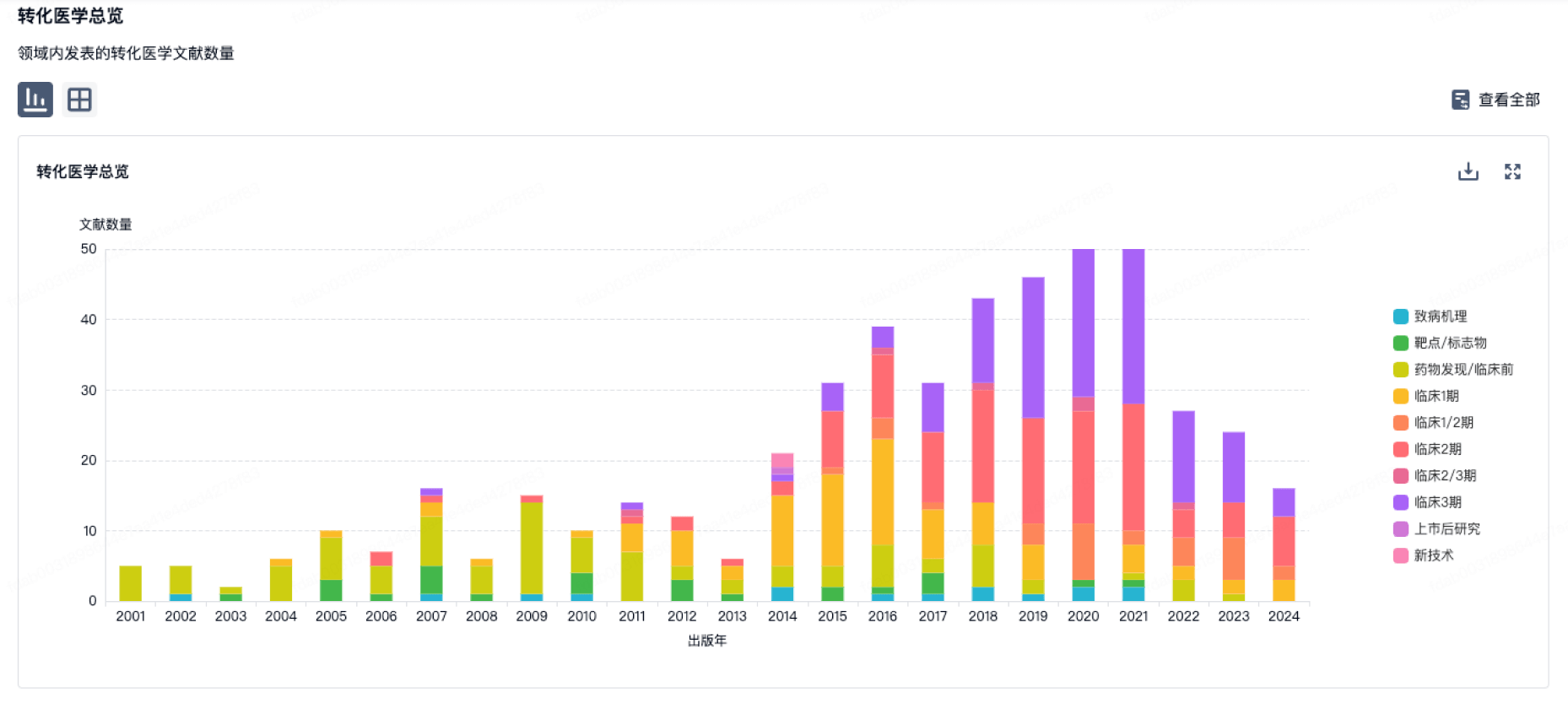
转化医学
使用我们的转化医学数据加速您的研究。
登录
或
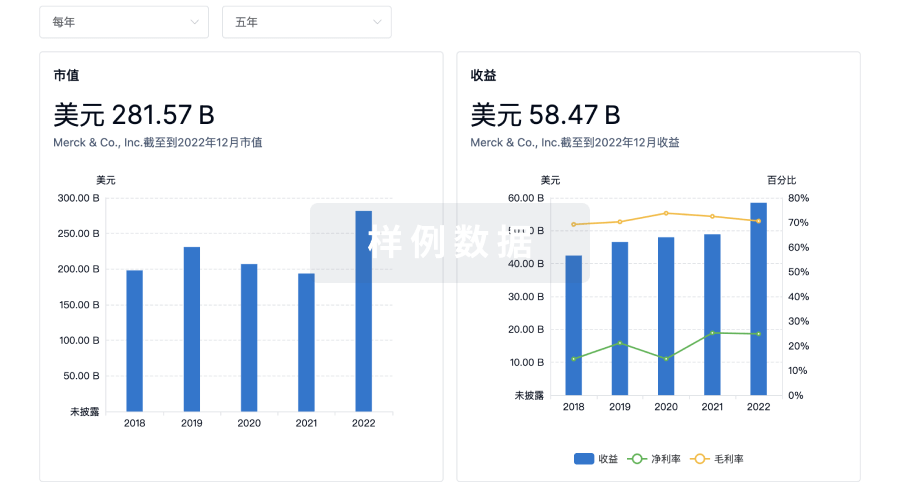
营收
使用 Synapse 探索超过 36 万个组织的财务状况。
登录
或
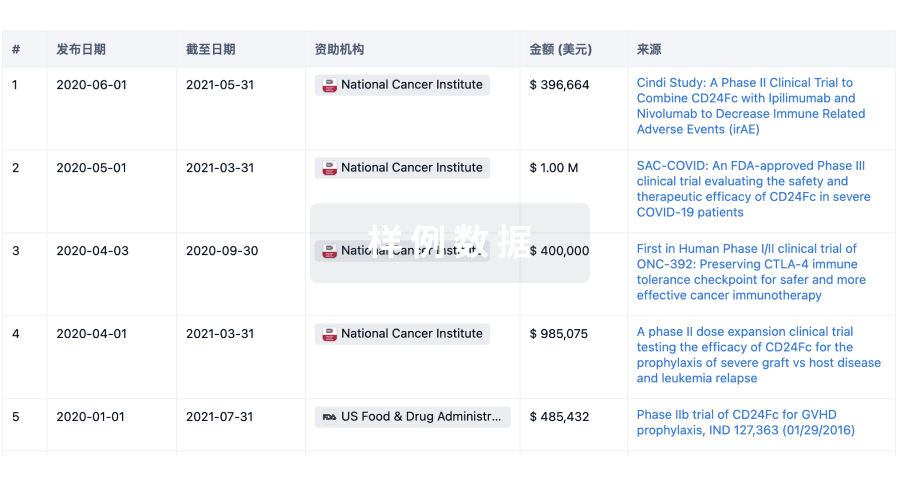
科研基金(NIH)
访问超过 200 万项资助和基金信息,以提升您的研究之旅。
登录
或
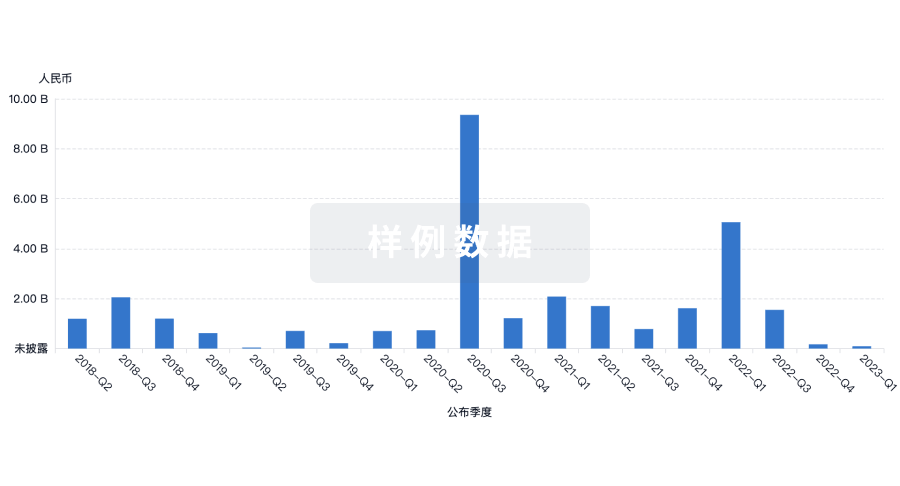
投资
深入了解从初创企业到成熟企业的最新公司投资动态。
登录
或
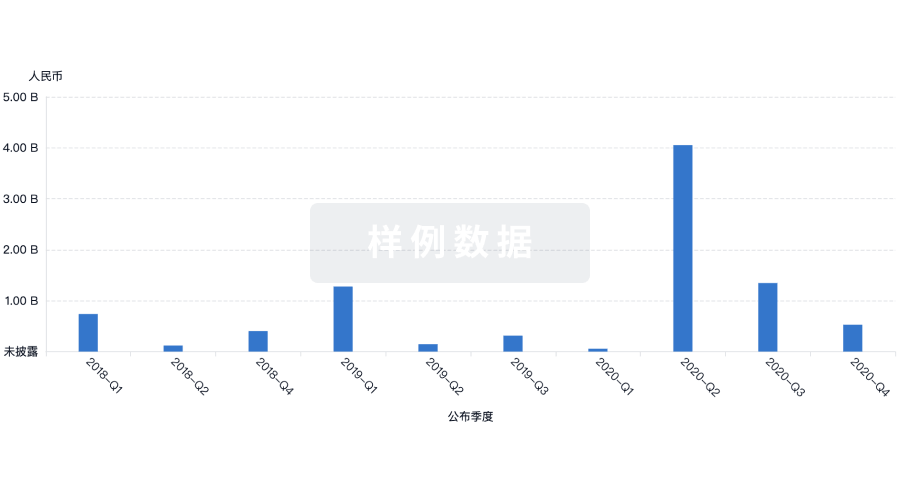
融资
发掘融资趋势以验证和推进您的投资机会。
登录
或
提出任何生物医药研究问题
让每一步生物医药决策都精准制胜
基于十亿级生物数据与全球情报的精准 AI,赋能早期药物发现
立即开始免费试用!
智慧芽新药情报库是智慧芽专为生命科学人士构建的基于AI的创新药情报平台,助您全方位提升您的研发与决策效率。
立即接入生物医药数据包
智慧芽新药库数据也通过智慧芽开放平台,以MCP或API服务形式对外开放。立即使用我们的MCP服务定制您的LLM智能体。
生物序列数据库
生物药研发创新
免费使用
化学结构数据库
小分子化药研发创新
免费使用