预约演示
更新于:2026-06-03

Taipei Veterans General Hospital
更新于:2026-06-03
概览
标签
神经系统疾病
肿瘤
其他疾病
小分子化药
重组多肽
疾病领域得分
一眼洞穿机构专注的疾病领域

暂无数据
技术平台
公司药物应用最多的技术
暂无数据
靶点
公司最常开发的靶点
暂无数据
| 排名前五的药物类型 | 数量 |
|---|---|
| 小分子化药 | 4 |
| 重组多肽 | 1 |
关联
5
项与 台北榮民總醫院 相关的药物靶点 |
作用机制 FGFs调节剂 |
原研机构 |
在研适应症 |
非在研适应症- |
最高研发阶段临床3期 |
首次获批国家/地区- |
首次获批日期- |

作用机制 CIP2A inhibitors [+1] |
原研机构 |
非在研适应症- |
最高研发阶段临床前 |
首次获批国家/地区- |
首次获批日期- |


495
项与 台北榮民總醫院 相关的临床试验NCT07369791
A Phase II Study of Nivolumab Plus Relatlimab 360 mg/360 mg and Gemcitabine/Cisplatin as First-Line Treatment in Patients With Advanced Biliary Tract Cancer.(NOBLE)
A Randomized Phase II Study. To assess the difference in objective response rate (ORR) between adult patients with advanced biliary tract cancer assigned to nivolumab plus relatlimab 360 mg/360 mg in combination with GC or nivolumab plus GC as first-line treatment.
开始日期2026-05-01 |
申办/合作机构 |

NCT07536373
Colchicine in Chronic Limb-Threatening Ischemia for Reduction of Complications and Limb Events in Asia
Chronic limb-threatening ischemia (CLTI) is the most severe form of peripheral artery disease, a condition in which narrowed or blocked arteries reduce blood flow to the legs. People with CLTI may have severe leg pain at rest, non-healing wounds, or gangrene, and face a high risk of leg amputation and death. Even after successful procedures to restore blood flow to the leg (called revascularization), many patients still experience serious complications. Inflammation in the blood vessels is believed to play an important role in these poor outcomes.
Colchicine is an anti-inflammatory medication that has been used safely for decades to treat gout and other inflammatory conditions. Recent large clinical trials have shown that a low dose of colchicine (0.5 mg per day) can reduce heart attacks and strokes in patients with coronary artery disease. However, it has not been studied in patients with CLTI.
The CIRCLE-Asia trial (Colchicine in Chronic Limb-Threatening Ischemia for Reduction of Complications and Limb Events in Asia) is a pilot study designed to evaluate whether colchicine can improve outcomes in patients with CLTI who have recently undergone a successful procedure to restore blood flow to their leg. Treatment begins within 7 days of the procedure.
This is a randomized, double-blind, placebo-controlled, multicenter trial conducted at five hospitals in Taiwan. A total of 200 adult patients with CLTI who have undergone successful revascularization will be randomly assigned in a 1:1 ratio to receive either colchicine 0.5 mg once daily or a matching placebo pill, in addition to their usual medications, for 12 months. Neither the patients nor the study doctors will know which treatment each patient receives.
The main outcome of interest is amputation-free survival, defined as the time until major amputation of the affected leg (above the ankle) or death from any cause, over 12 months of follow-up. The study will also assess other important outcomes including major limb complications, heart attacks, strokes, wound healing, changes in blood flow measurements, inflammatory blood markers, quality of life, and medication safety.
This pilot trial will provide the first randomized evidence on the potential benefits and safety of colchicine in CLTI patients and will help inform the design of a larger definitive trial.
Colchicine is an anti-inflammatory medication that has been used safely for decades to treat gout and other inflammatory conditions. Recent large clinical trials have shown that a low dose of colchicine (0.5 mg per day) can reduce heart attacks and strokes in patients with coronary artery disease. However, it has not been studied in patients with CLTI.
The CIRCLE-Asia trial (Colchicine in Chronic Limb-Threatening Ischemia for Reduction of Complications and Limb Events in Asia) is a pilot study designed to evaluate whether colchicine can improve outcomes in patients with CLTI who have recently undergone a successful procedure to restore blood flow to their leg. Treatment begins within 7 days of the procedure.
This is a randomized, double-blind, placebo-controlled, multicenter trial conducted at five hospitals in Taiwan. A total of 200 adult patients with CLTI who have undergone successful revascularization will be randomly assigned in a 1:1 ratio to receive either colchicine 0.5 mg once daily or a matching placebo pill, in addition to their usual medications, for 12 months. Neither the patients nor the study doctors will know which treatment each patient receives.
The main outcome of interest is amputation-free survival, defined as the time until major amputation of the affected leg (above the ankle) or death from any cause, over 12 months of follow-up. The study will also assess other important outcomes including major limb complications, heart attacks, strokes, wound healing, changes in blood flow measurements, inflammatory blood markers, quality of life, and medication safety.
This pilot trial will provide the first randomized evidence on the potential benefits and safety of colchicine in CLTI patients and will help inform the design of a larger definitive trial.
开始日期2026-04-15 |
申办/合作机构 財團法人新光吳火獅紀念醫院 [+4] |
NCT07543354
Personalized Therapy of Long-term Low FODMAP in IBS Treatment: Role of Mobile Application and "Microbiota-gut-brain" Axis
The purpose of this study is to evaluate the effectiveness of a mobile application (app) in helping clinicians and dietitians provide personalized low-FODMAP diet (LFD) therapy for patients with Irritable Bowel Syndrome (IBS). The study also aims to explore the potential biological mechanisms behind the clinical outcomes of this dietary intervention.
Participants diagnosed with IBS will be recruited and screened through clinical questionnaires. Eligible participants will receive dietary education from a dietitian and be randomly assigned to one of two groups: the AI-assisted LFDapp group or the LFD booklet group.
The study consists of three main phases:
Initial Intervention (4-6 weeks): Participants will follow their assigned diet intervention and complete assessments regarding gastrointestinal symptoms, psychological traits (such as anxiety and depression), and quality of life.
Reintroduction Phase (12 weeks): Participants who respond well to the diet will enter a phase where specific foods are gradually reintroduced.
Personalization & Follow-up (4 weeks): A personalized diet will be established, followed by a final evaluation of bowel function and mental well-being.
Researchers will use various standardized questionnaire to track changes in symptoms and overall well-being throughout the study period.
Participants diagnosed with IBS will be recruited and screened through clinical questionnaires. Eligible participants will receive dietary education from a dietitian and be randomly assigned to one of two groups: the AI-assisted LFDapp group or the LFD booklet group.
The study consists of three main phases:
Initial Intervention (4-6 weeks): Participants will follow their assigned diet intervention and complete assessments regarding gastrointestinal symptoms, psychological traits (such as anxiety and depression), and quality of life.
Reintroduction Phase (12 weeks): Participants who respond well to the diet will enter a phase where specific foods are gradually reintroduced.
Personalization & Follow-up (4 weeks): A personalized diet will be established, followed by a final evaluation of bowel function and mental well-being.
Researchers will use various standardized questionnaire to track changes in symptoms and overall well-being throughout the study period.
开始日期2026-04-01 |
申办/合作机构 |
100 项与 台北榮民總醫院 相关的临床结果
登录后查看更多信息
0 项与 台北榮民總醫院 相关的专利(医药)
登录后查看更多信息
6,848
项与 台北榮民總醫院 相关的文献(医药)2026-12-31·INTERNATIONAL JOURNAL OF HYPERTHERMIA
2024 International expert consensus on ultrasound-guided thermal ablation for secondary and tertiary hyperparathyroidism
Article
作者: Yu, Jian-Jun ; Russell, Jonathon ; Zhuo, Li ; Yu, Ming-An ; Yadav, Ajit ; Zhao, Zhen-Long ; Leong, Sum ; Kuo, Jennifer H. ; Tufano, Ralph P. ; Wei, Ying ; Qian, Lin-Xue ; Lu, Man ; Su, Hong-Hui ; Ghazi, Hossam Arafa ; Russell, Marika ; Chou, Yi-Hong ; Xu, Shu-Hang ; Randolph, Gregory W. ; He, Jun-Feng ; Fukunari, Nobuhiro ; Patel, Kaustubh ; Che, Ying ; Kandil, Emad ; Cicco, Rafael De ; Mauri, Giovanni ; Xu, Dong ; Yu, Song-Yuan ; Niu, Yun ; Zhang, Ya-Jun ; Dung, Le Thanh ; Çekiç, Bülent ; Amabile, Gerardo ; Abdelhamid, Amr H. ; Cheng, Kai-Lun ; Wu, Song-Song ; Dong, Gang ; Lin, Wei-Che ; Liang, Lei ; Zhou, Jian-Qiao ; Wang, Shu-Rong ; Janssen, Ingo ; Fan, Bo-Qiang
Treatments for secondary and tertiary hyperparathyroidism (SHPT/THPT) remain significant challenges in patients with end-stage renal disease. Thermal ablation (TA) has emerged as a minimally invasive, safe, and effective alternative to surgical resection (SR). However, technical variations and a lack of standardization have limited its widespread adoption. To address these challenges, an international expert panel developed consensus recommendations using a modified Delphi method, integrated with a systematic literature review. As a result, sixteen recommendations were formulated, addressing diagnosis, preoperative preparation, technical procedures, postoperative management, follow-up strategies, efficacy assessment, and complications associated with TA for SHPT/THPT. These recommendations aim to promote standardized treatment protocols, improve procedural safety, and provide evidence-based guidance for clinical practice and future research in ultrasound-guided TA for SHPT/THPT management.
2026-08-01·PSYCHIATRY RESEARCH
Associations of psychosocial factors with suicidal ideation from adolescence to young adulthood: A 14-year study in Taiwan
Article
作者: Lin, Ruei-An ; Chen, Mu-Hong ; Wu, Ping-Chung
Suicide is a leading cause of death among young people, yet long-term studies of psychosocial risk factors for suicidal ideation (SI) in Asian youth are scarce. This study examined longitudinal associations between psychosocial factors and SI from adolescence to young adulthood. This study analyzed data from the Taiwan Youth Project, a 14-year school-based cohort of 5656 adolescents. Psychosocial variables and suicidal ideation were assessed across five waves. Multivariable generalized estimating equations with multiple imputation were used to examine associations. At baseline, the mean age was 14.36 years, with 50.64% being male. Over five waves of follow-up, the sample size decreased from 5541 to 2752, and the prevalence of suicidal ideation decreased from 15.68% to 2.80%. Conflict with parents [adjusted odds ratio (aOR) = 1.83, p < 0.001], maternal physical punishment (aOR = 1.48, p < 0.001), severed friendship (aOR = 1.67, p < 0.001), exposure to school bullying (aOR = 1.14, p = 0.049), illicit drug use (aOR = 3.34, p < 0.001), loneliness (aOR = 1.84, p < 0.001), depression (aOR = 2.75, p < 0.001), excessive worry (aOR = 1.77, p < 0.001), and difficulty falling asleep (aOR = 1.42, p < 0.001) and maintaining sleep (aOR = 1.80, p < 0.001) were associated with greater odds of SI. Several key psychosocial factors were associated with a higher risk of SI across adolescence and young adulthood. Identifying these factors may help early detection and intervention among at-risk youth.
2026-08-01·KNEE
Trans-tibial tension band wiring versus heavy suture fixation for type II periprosthetic patellar fractures after total knee arthroplasty: A comparative cohort study
Article
作者: Lee, Kun-Han ; Wang, Pai-Han ; Chen, Cheng-Fong ; Chen, Wei-Ming ; Chen, Chao-Ming ; Wu, Po-Kuei ; Chou, Ke-Chin ; Tsai, Shang-Wen
BACKGROUND:
Periprosthetic patellar fractures (PPPFs) following total knee arthroplasty (TKA) remain a challenging complication with high rates of fixation failure and functional impairment. Optimal surgical management for type II PPPF remains unclear. This study compared outcomes between transtibial tension band wiring (TTTBW) and heavy suture fixation (HSF).
METHODS:
A retrospective review identified 18 patients with type II PPPF treated between 2020 and 2023 (HSF, n = 12; TTTBW, n = 6). Primary outcomes included implant survival and extensor mechanism function, assessed by extension lag, flexion arc, anterior knee pain, and a composite functional grading system.
RESULTS:
Mean follow up was 13.9 months. Implant survival was significantly higher in the TTTBW group (83%) than in the HSF group (8%) (P = 0.001). Mean extension lag was significantly lower in the TTTBW group (10 ± 24.5°) compared with the HSF group (32.5 ± 18.5°) (P = 0.044). Excellent functional outcomes were observed in 67% of TTTBW patients versus 8% in the HSF group. Implant prominence was more frequent with TTTBW (33%; P = 0.034). Although reoperation rates were comparable (HSF 5/12 vs TTTBW 2/6; P = 0.732), HSF failures were mainly due to persistent extensor mechanism insufficiency, whereas TTTBW reoperations were primarily implant related.
CONCLUSIONS:
TTTBW was associated with higher implant survival and improved functional outcomes compared with HSF in the management of type II PPPF, although a higher incidence of implant-related complications was observed. When performed with meticulous surgical technique, this approach may provide stable fixation while restoring extensor mechanism function.
21
项与 台北榮民總醫院 相关的新闻(医药)2026-05-22
·美通社
卫星研讨会与展区交流,展现临床医师对
MRD
、
MCED
,以及以临床实证为基础之基因检测应用的高度关注。
台北
2026年5月22日
/美通社/ --
Gene Solutions
为致力推动 AI 驱动多体学癌症基因检测与精准肿瘤医学解决方案的全球创新生技公司,近日参与
第 30 届台湾癌症联合年会
(TJCC 2026),此次亦为 Gene Solutions 首次于台湾大型肿瘤医学年会正式亮相。
Gene Solutions 透过本次卫星研讨会与展览摊位,与台湾肿瘤医学专家就多体学液态切片于多癌种早期检测(MCED)、治疗决策、微量残存疾病(MRD)监测及复发追踪等临床应用价值进行深入交流。与会医师展现对基因检测的高度熟悉,并对具临床实证支持的进阶型 MRD 与 MCED 应用表达高度兴趣。
卫星研讨会:“多体学液态切片实务应用:推动台湾精准肿瘤医学发展”
研讨会由 Gene Solutions 全球医学事务总监 Ida Deleskog Lindstroem 的致欢迎词揭开序幕。Ida总监强调了公司强大的全球实绩,包含在全球已完成超过 320 万次基因检测,并在亚洲地区提供了超过 7 万次癌症基因分析与 ctDNA 动态监测检测。Ida总监展示了 Gene Solutions 的 AI 驱动整合型平台,该平台结合了多体学数据(基因体、表观基因体、片段体和转录体)与临床资料,在整个癌症照护旅程中提供可启发临床决策的关键洞察 —— 从用于多癌种早期检测(MCED)的
SPOT-MAS
,到结合 DNA+RNA 完整分析并搭载 AI 强化工具(如 OriCUP)与融合基因侦测的
K-TRACK
和
K-4CARE
,再到整合式 ctDNA型 MRD 监测技术,以用于治疗选择、耐药性追踪及肿瘤动态评估。Ida总监于演讲最后强调,此计划的核心目标在于将这些创新技术转化为台湾肿瘤临床实务中的真实世界临床价值。
学术议程与讲者亮点
本次活动
邀集多位重量级
专家,共同探讨液态切片于精准肿瘤医学领域中日益重要的临床角色与发展趋势,聚焦于多体学、人工智慧(AI)、微量残存疾病(MRD)及多癌种早期检测(MCED)等关键领域。
新加坡国立癌症中心(National Cancer Centre Singapore)的陈家健(Aaron Tan Chia-Ken)助理教授发表了题为"液体活检与多组学在癌症治疗全病程中的泛癌种应用价值"的演讲。他阐述了液体活检广泛的临床应用价值——从晚期疾病的基因型分析与治疗选择、循环肿瘤 DNA(ctDNA)监测以评估治疗反应,到早期癌症的 ctDNA 微小残留病灶(MRD)评估,以及多癌症早期检测(MCED)。
陈助理教授强调,临床技术已从传统的单一驱动基因检测,演变为整合的多组学方法,从而能够更全面地捕获肿瘤异质性和克隆演化。他通过一个同时患有多种原发性肺癌患者的真实世界案例,生动地展示了这些概念。他的演讲凸显了全面多组学液体活检在推动精准肿瘤学实践中日益重要的作用。
Gene Solutions 首席研究员暨研发负责人 Dr. Le Son Tran则介绍 Gene Solutions AI 驱动多体学 ctDNA 平台 SPOT-MAS 的科学基础与多癌种早期检测(MCED)应用。Le Son 博士指出,目前癌症筛检模式对多种高致命性癌症的覆盖仍相对不足,因此市场对可规模化推行的 MCED 解决方案存在高度未被满足的需求。由于早期癌症释放至血液中的 ctDNA 含量通常极低,因此多体学讯号整合与 AI 驱动运算模型,正逐渐成为提升早期癌症侦测能力的重要关键。
来自台北荣民总医院的姜乃榕医师(Dr. Nai-Jung Chiang)分享液态切片于肠胃道癌症及大肠直肠癌的临床案例应用经验,说明整合基因体与转录体分析并结合 tumor-informed MRD 的实际临床价值。姜医师指出,Gene Solutions 的 K-TRACK 与 K-4CARE 等整合式 NGS 检测,可提供超越单一位点侦测的生物学精准突变判读。此外,姜医师也强调液态切片作为低侵入性检测工具,在长期监测、复发追踪及肿瘤异质性评估中的互补价值,特别适用于许多难以反覆取得组织检体的实体肿瘤。
来自
台湾大学
医学院附设医院的陈伟武医师(Dr. Tom Wei-Wu Chen)深入探讨液态切片于乳癌与肉瘤的临床整合应用。陈医师分享研究数据指出,在接受根治性治疗后,即使影像学检查仍为阴性,若 ctDNA 持续呈现阳性,仍可能代表较高的复发风险。陈医师亦强调 tumor-informed MRD 相较于 tumor-naïve MRD 检测,在低疾病负荷的情境下具有更佳的敏感度与特异性。此外,陈医师也介绍目前进行中的 MELODY study,该研究为一项跨国随机第二期临床试验,评估 pegylated liposomal doxorubicin 维持治疗相较于主动监测在晚期软组织肉瘤患者中的应用,并探索 tumor-informed ctDNA 作为风险分层与临床决策生物标记的潜力。
来自香港中文大学的龙浩锋教授则分享亚太地区对 AI 驱动生物标记结合液态切片技术应用于精准肿瘤医学的观点。龙教授指出,新世代生物标记正逐步演进为由 AI 建构的复合型生物讯号,整合 radiomics、pathomics、ctDNA、甲基化与多体学数据。龙教授亦强调,整合 DNA 与 RNA 分析的多体学平台,正逐渐成为深入解析肿瘤特征的重要工具,但同时也面临到技术、生物学及运算层面的挑战,如何将其成功导入日常临床实务仍是关键课题。龙教授进一步表示,未来 AI 强化型生物标记若要有效支持疾病的动态长期监测与个人化治疗决策,仍需建立更完整且具说服力的临床实证与验证基础。
本次议程最后由龙浩锋教授主持专家座谈,与所有讲者及 Gene Solutions 肿瘤医学总监暨肿瘤内科医师 Dr. Nguyen Duy Sinh 共同参与讨论。座谈聚焦于多体学解决方案如何以实证医学为基础,导入台湾及亚太地区的临床实务应用,并探讨其未来发展方向与临床价值。
医师高度参与,反映台湾已具备发展进阶基因检测的良好基础
活动现场问卷调查结果显示,超过 90% 的与会医师过去已有次世代定序(NGS)的使用经验,显示台湾临床市场已具备高度基础,准备迎接更进阶的液态切片与多体学应用。此外,多体学技术正逐渐被临床医师熟悉,而 MCED 亦逐步被视为癌症筛检与精准肿瘤医学的重要创新方向。上述结果也显示,Gene Solutions 未来在台湾持续深化科学教育、临床实证建立及医师交流合作,具备良好的发展契机。
在 Gene Solutions 肿瘤基因检测产品组合中,K-4CARE 为医师关注度最高的检测产品,其次为 K-TRACK 与其他肿瘤诊断解决方案。MRD 亦被视为最具潜力的临床切入点,许多医师已开始使用 MRD 技术,或对未来导入表达高度兴趣。当被问及临床上导入新型诊断产品时最重要的考量因素时,医师普遍认为“临床实证”为最关键考量,其次依序为检测极限(LOD)、基因 panel 数量、报告时效(TAT)、价格,以及与现有检测内容的差异化。上述结果再次凸显,以实证为核心的科学沟通、完整验证数据,以及具临床意义的检测效能,将是推动新世代基因检测方案于台湾临床应用的重要基础。
透过基因分析整合疾病长期监测,推动精准肿瘤医学发展
Gene Solutions 于 TJCC 2026 的参与,凸显 AI 驱动多体学液态切片于台湾精准肿瘤医学领域中日益重要的临床价值与发展潜力
Gene Solutions 全球医学事务总监 Ida Deleskog Lindstroem 表示:“台湾拥有高度成熟的癌症医疗体系,临床医师对基因检测具备丰富经验,并乐于接受具临床验证基础的创新技术。本次参与 TJCC 2026,我们看见临床医师正积极探索 AI 驱动多体学液态切片如何协助更早期癌症侦测、更精准的治疗决策,以及 ctDNA 的长期精准监测。Gene Solutions 将持续与台湾临床医师、医院、医学会及产业伙伴深化合作,将更多具实证基础、可信赖且更容易取得的基因检测方案带给更多病人。目前我们已有多项研究计划持续推进中,并已与
台湾大学
医学院附设医院的陈伟武医师团队共同启动 MELODY study。”
陈伟武医师亦表示:“多体学液态切片结合 ctDNA-based MRD 监测,代表精准肿瘤医学的重要进展。我们与 Gene Solutions 共同进行的 MELODY study,将有助于更严谨地评估 tumor-informed MRD 于肉瘤病人中的应用价值。在需要高敏感度长期监测的临床情境中,此类技术有机会真正影响治疗决策,并进一步改善病人预后。”
关于 Gene Solutions
Gene Solutions 是一家总部位于新加坡的全球性生物技术公司,致力于让先进的基因组学解决方案更普及且更负担得起。借助多组学(multi-omics)、次世代测序(NGS)及人工智能(AI)技术,该公司提供了一系列产品组合,包括多癌症早期检测(SPOT-MAS)以及结合循环肿瘤 DNA(ctDNA)监测的全面肿瘤基因分型(K-TRACK、K-4CARE)。自 2017 年以来,Gene Solutions 运营着通过美高学会(CAP)认证的 NGS 实验室,并在全球范围内交付了数百万份基因检测。欲了解更多信息,请访问
www.genesolutions.com
,并在
LinkedIn
上关注该公司。
联系方式:
pr@genesolutions.com
2026-04-15
2026年5月15日至20日,美国胸科学会(ATS)年会将于美国奥兰多隆重召开。2026 ATS年会汇聚领域前沿科研成果,研究内容将以口头报告、壁报展示等形式精彩呈现。
在此,医脉通特整理了本届ATS大会中中国专家学者的发文研究,因内容丰富,将分为上下两篇推送。既往我们已经推送了上篇(2026 ATS 大会前瞻|抢先看!中国学者入选研究一览(上)),此为下篇,邀您一同抢先阅览!
摘要号:A99
研究名称(英文):Music-Facilitated Home-Based Pulmonary Rehabilitation With a Smartphone Application for Patients With Chronic Obstructive Pulmonary Disease: Randomized Controlled Trial
研究名称(中文):基于音乐辅助的居家肺康复联合智能手机应用程序在慢性阻塞性肺疾病患者中的应用:随机对照试验
相关讲者:杨汀 | 中日友好医院
摘要号:A94
研究名称(英文):Peak Expiratory Flow Characteristics and Regional Reference Standards in Children and Adolescents at High Altitudes Areas
研究名称(中文):高海拔地区儿童及青少年的呼气峰流速特征及区域参考标准
相关讲者:赵晓赟 | 天津大学胸科医院
摘要号:A93
研究名称(英文):Targeted Immunotherapy Rescues Pulmonary Fibrosis by Reducing Aberrant Basal Cells
研究名称(中文):靶向免疫疗法通过减少异常基底细胞挽救肺纤维化
相关讲者:应颂敏 | 浙江大学
摘要号:A93
研究名称(英文):Multi-omics Profiling Reveals Monocyte-driven Diffuse Microvascular Injury in MDA5+ Dermatomyositis-associated Rapidly Progressive Interstitial Lung Disease
研究名称(中文):多组学分析揭示单核细胞驱动的弥漫性微血管损伤在MDA5阳性皮肌炎相关快速进展性间质性肺疾病中的作用
相关讲者:陈昶 | 同济大学医学院附属上海市肺科医院
摘要号:A93
研究名称(英文):Human Bone Marrow-derived Mesenchymal Stem Cell Therapy For Autoimmune Pulmonary Alveolar Proteinosis: A First-in-human Phase Iia Clinical Trial
研究名称(中文):人骨髓来源间充质干细胞治疗自身免疫性肺泡蛋白沉积症:首次人体Ⅱa期临床试验
相关讲者:李时悦 | 广州医科大学附属第一医院
摘要号:B23(Poster 705)
研究名称(英文): A Machine Learning Classification Model for Usual Interstitial Pneumonia Based on Inputting Quantitative CT Features: A Multicenter Cohort Study
研究名称(中文):基于定量CT特征输入的寻常性间质性肺炎机器学习分类模型:一项多中心队列研究
相关讲者:蔡后荣 | 南京大学医学院附属鼓楼医院
摘要号:B23(Poster 711)
研究名称(英文):Extent of Lung Fibrosis by Deep Learning-Based Quantitative CT Is the Strongest Predictor of Mortality in Idiopathic Pulmonary Fibrosis: A Retrospective, Multicenter Study
研究名称(中文):基于深度学习的定量CT评估肺纤维化程度是特发性肺纤维化患者死亡率的最强预测因子:一项回顾性多中心研究
相关讲者:蔡后荣 | 南京大学医学院附属鼓楼医院
摘要号:B23(Poster 714)
研究名称(英文):Radiomics-Driven Lung Aging Deviation: A Novel Non-Invasive Biomarker for Prognosis in CPFE
研究名称(中文):基于影像组学的肺衰老偏离:一种用于CPFE预后评估的新型无创生物标志物
相关讲者:代华平 | 中日友好医院(临床医学研究所)
摘要号:B23(Poster 725)
研究名称(英文):FAPI PET/CT for Severity Assessment and Acute Exacerbation Prediction in Fibrotic Interstitial Lung Disease: A Prospective Observational Pilot Study
研究名称(中文):FAPI PET/CT用于纤维化性间质性肺疾病严重程度评估及急性加重预测:一项前瞻性观察性初步研究
相关讲者:陈娟 | 宁夏医科大学总医院
摘要号:B24(Poster 413)
研究名称(英文):Impact of Emphysema on Lung Function Improvement With Triple Therapy in COPD: A Longitudinal Mixed-effects Model Analysis
研究名称(中文):肺气肿对慢性阻塞性肺疾病患者三联疗法肺功能改善的影响:一项纵向混合效应模型分析
相关讲者:宋元林 | 复旦大学附属中山医院
摘要号:B24(Poster 417)
研究名称(英文):Auxiliary Diagnosis of COPD With Cough Search and Portable Spirometry: A Multicenter, Prospective, Comparative Validation Study
研究名称(中文):咳嗽搜索与便携式肺功能仪的慢性阻塞性肺疾病辅助诊断:一项多中心、前瞻性、对比验证研究
相关讲者:Qian Wang
摘要号:B29(Poster 908)
研究名称(英文):Ginseng-derived Nanoparticles Loaded With Budesonide Mitigate Airway Inflammation and Systemic Adverse Effects in Allergic Asthma
研究名称(中文):人参来源的纳米颗粒负载布地奈德可减轻过敏性哮喘的气道炎症及全身不良反应
相关讲者:董航明 | 南方医科大学南方医院
摘要号:B28(Poster 801)
研究名称(英文):Lactylation-ythdf1 Axis Promotes Dnah5-dependent Ciliary Defense in Pseudomonas Aeruginosa Infection
研究名称(中文):乳酸化-YTHDF1轴在铜绿假单胞菌感染中促进Dnah5依赖的纤毛防御
相关讲者:瞿介明 | 上海交通大学医学院附属瑞金医院
摘要号:B28(Poster 802)
研究名称(英文):Functional Imaging Combined With Lineage Tracing Reveal the Damage-Repair Cycle of Mucociliary Clearance and Cell Fate Transition After Influenza a Virus Infection
研究名称(中文):功能成像结合谱系追踪揭示甲型流感病毒感染后黏液纤毛清除的损伤-修复循环及细胞命运转变
相关讲者:Zuodong Ye
摘要号:B28(Poster 804)
研究名称(英文):Human Oral-Airway Microbiome Collection Expands Uncultured Diversity and Reveals Associations With Respiratory Infections in the Elderly
研究名称(中文):人类口腔-气道微生物组采集扩展了未培养微生物的多样性,并揭示其与老年人呼吸道感染的关联
相关讲者:曹彬 | 中国医学科学院北京协和医学院
摘要号:B28(Poster 809)
研究名称(英文):Phenotype Evaluation and Messenger RNA Therapeutic Exploration of CFTR P.G970D Mutation
研究名称(中文):CFTR p.G970D 突变的表型评估及信使RNA治疗探索
相关讲者:田欣伦 | 北京协和医院
摘要号:B20(Poster 817)
研究名称(英文):Inhaled Mmp12 Inhibitor-loaded Albumin Nanoparticles for Severe Asthma Therapy
研究名称(中文):用于重度哮喘治疗的载基质金属蛋白酶12抑制剂吸入型白蛋白纳米粒相关讲者:李雯 | 浙江大学医学院附属第二医院
摘要号:B20
研究名称(英文):High Arousal Threshold Is Associated With Cardiovascular Disease Risk in Patients With Obstructive Sleep Apnea
研究名称(中文):高觉醒阈值与阻塞性睡眠呼吸暂停患者的心血管疾病风险相关相关讲者:韩腾 | 中日友好医院
摘要号:B21
研究名称(英文):Intrapulmonary Metastases of Non Small Cell Lung Cancer Promoted by a Hotspot Gain of Function Mutation in Kmt2c
研究名称(中文):Kmt2c热点功能获得性突变促进非小细胞肺癌的肺内转移相关讲者:李为民 | 四川大学华西医院
摘要号:B21
研究名称(英文):CD103⁺CD8⁺ T Cells in Malignant Pleural Effusion Predict Immunotherapy Response and Mirror the Tumor Immune Microenvironment
研究名称(中文):恶性胸腔积液中的CD103⁺CD8⁺ T细胞可预测免疫治疗反应并反映肿瘤免疫微环境
相关讲者:Ye Wang | 四川大学华西医院
摘要号:B21
研究名称(英文):A Prognostic Risk Model Based on the Tumor Microenvironment in Lung Adenocarcinoma
研究名称(中文):基于肺腺癌肿瘤微环境的预后风险模型
相关讲者:李为民 | 四川大学华西医院
摘要号:B21
研究名称(英文):A Novel Therapeutic Target for Lung Squamous Cell Carcinoma: Uncovering the Role of Somatic Repeat Expansions in Ptprz1 Regulation
研究名称(中文):肺鳞状细胞癌的一种新型治疗靶点:揭示体细胞重复扩增在Ptprz1调控中的作用
相关讲者:李为民 | 四川大学华西医院
摘要号:B21
研究名称(英文):LunaCAM-Plus: A Plasma Cell-free DNA Methylation Classifier for Non-invasive Lung Nodule Malignancy Assessment
研究名称(中文):LunaCAM-Plus:一种用于无创评估肺结节恶性程度的血浆游离DNA甲基化分类器
相关讲者:李为民 | 四川大学华西医院
摘要号:B19
研究名称(英文):Pmepa1 Drives Pulmonary Fibrosis via Stat3/p-stat3/glut1 Signaling in Fibroblasts and Serves as a Therapeutic Target
研究名称(中文):Pmepa1通过成纤维细胞中的Stat3/p-Stat3/Glut1信号通路驱动肺纤维化,并可作为治疗靶点
相关讲者:代华平 | 中日友好医院
摘要号:B19
研究名称(英文):Mgst2 PMNS Mediate Nets and Drive Pericyte-to-Myofibroblast Transition in RA-ILD
研究名称(中文):Mgst2 肺部单核吞噬细胞介导中性粒细胞胞外诱捕网,并驱动周细胞向肌成纤维细胞转化,参与类风湿关节炎相关间质性肺疾病(RA-ILD)
相关讲者:陈娟 | 宁夏医科大学总医院
摘要号:B15
研究名称(英文):Patient Stratification Using Serum Cytokines in Acute Exacerbations of Chronic Obstructive Pulmonary Disease: Relationship to Clinical Manifestations and Outcomes
研究名称(中文):基于血清细胞因子的慢性阻塞性肺疾病急性加重期患者分层:与临床表现及预后的关联
相关讲者:杨汀 | 中日友好医院
摘要号:B22(Poster 507)
研究名称(英文):Quantitative Computed Tomographic Clusters In C-biopred Asthma Cohort: Association With Sputum Proteomics
研究名称(中文):C-biopred哮喘队列中的定量计算机断层扫描聚类:与痰液蛋白质组学的关联
相关讲者:张清玲 | 广州医科大学附属第一医院
摘要号:B22(Poster 510)
研究名称(英文):Association of Circulating Fatty Acids With Risk of Adult-onset Asthma: A Population-based Prospective Cohort Study
研究名称(中文):循环脂肪酸与成人哮喘发病风险的关联:一项基于人群的前瞻性队列研究
相关讲者:潘频华 | 中南大学湘雅医院
摘要号:B35
研究名称(英文):Sequential Application of Omalizumab, Mepolizumab, and Dupilumab in a Refractory Anca-Negative Eosinophilic Granulomatosis With Polyangiitis: Experience and Challenges
研究名称(中文):奥马珠单抗、美泊利单抗和度普利尤单抗序贯治疗难治性ANCA阴性嗜酸性肉芽肿性多血管炎:经验与挑战
相关讲者:张清玲 | 广州医科大学附属第一医院
摘要号:B37
研究名称(英文):Study of the Effect of Mandibular Advancement on Upper Airway Opening in Patients With OSAS
研究名称(中文):下颌前移对阻塞性睡眠呼吸暂停综合征患者上气道开放效果的研究
相关讲者:Yutan Wang | 宁夏大学
摘要号:B37
研究名称(英文):The Relationship Between School Exclusion, Loneliness, and Sleep Quality Among Adolescents: A Study Based on Interview Methods
研究名称(中文):青少年中学校排斥、孤独感与睡眠质量之间的关系:一项基于访谈方法的研究
相关讲者:黄霞 | 首都师范大学
摘要号:B33
研究名称(英文):Cisd1 Regulates the Sting Pathway Through the Ubiquitin-proteasome System to Ameliorate COPD Progression
研究名称(中文):Cisd1通过泛素-蛋白酶体系统调控STING通路以改善慢性阻塞性肺疾病进展
相关讲者:宋元林 | 复旦大学附属中山医院
摘要号:B33
研究名称(英文):Upregulation of Slc7a11 in Eosinophils Promotes Disulfidptosis and Regulates Airway Inflammation in Asthma
研究名称(中文):嗜酸性粒细胞中Slc7a11的上调促进二硫死亡并调控哮喘中的气道炎症
相关讲者:李雯 | 浙江大学医学院附属第二医院
摘要号:B33
研究名称(英文):Human Umbilical Cord-derived Mesenchymal Stem Cells And Their Exosomes Modulate Asthma Through The CGAS/STING/NF-κB Signaling Pathway
研究名称(中文):人脐带间充质干细胞及其外泌体通过cGAS/STING/NF-κB信号通路调控哮喘
相关讲者:赵晓赟 | 天津大学胸科医院
摘要号:B33
研究名称(英文):Spatially Dysregulated Mechanical Stress and Piezo1 Upregulation in Peripheral Lung Endothelium of Asthmatic Patients
研究名称(中文):哮喘患者外周肺内皮中空间失调的机械应力与Piezo1上调IBI3002(一种同类首创的抗IL-4Rα/TSLP双特异性抗体)在轻中度哮喘患者中的研究:一项随机、双盲、安慰剂对照、单剂量Ib期临床试验
相关讲者:Lanlan Zhang | 四川大学
摘要号:D106(Poster 1016)
研究名称(英文):Targeting Enterocyte PPARγ: A Novel Gut-centric Therapeutic Strategy for Pulmonary Hypertension
研究名称(中文):靶向肠上皮细胞PPARγ:一种新型以肠道为中心的肺动脉高压治疗策略
相关讲者:钟南山 | 广州医科大学
摘要号:B32
研究名称(英文):Disease Burden and Blood Eosinophils in Chinese Patients With Severe Eosinophilic Asthma: Baseline Analysis of a Phase IIIb Study of Step-down Maintenance Therapy (step)
研究名称(中文):中国重度嗜酸性粒细胞性哮喘患者的疾病负担与血嗜酸性粒细胞:阶梯式降级维持治疗IIIb期研究(STEP)的基线分析
相关讲者:张旻 | 上海交通大学附属第一人民医院
摘要号:B32
研究名称(英文):Efficacy and Safety of Benralizumab in Chinese Patients With Severe Eosinophilic Asthma: 16-week Results From a Phase IIIb Study of Step-down Maintenance Therapy (step)
研究名称(中文):贝那利珠单抗在中国重度嗜酸性粒细胞性哮喘患者中的疗效与安全性:一项IIIb期降阶梯维持治疗(STEP)研究的16周结果
相关讲者:张旻 | 上海交通大学附属第一人民医院
摘要号:B32
研究名称(英文):Clinical Characteristics of Chinese Asthma Patients With Biologics: A Baseline Analysis of the Present II Study
研究名称(中文):中国接受生物制剂治疗的哮喘患者的临床特征:PRESENT II研究的基线分析
相关讲者:金美玲 | 中山大学附属第一医院
摘要号:B32
研究名称(英文):Discovery and Characterization of SIM0722, a Novel Half-life Extended Bi-specific Antibody Simultaneously Targeting TSLP and IL-13 for the Treatment of Chronic Respiratory Diseases
研究名称(中文):SIM0722的发现与表征:一种新型半衰期延长的双特异性抗体,可同时靶向TSLP和IL-13,用于治疗慢性呼吸系统疾病
相关讲者:Xiaoqing Liu
摘要号:B32
研究名称(英文):Efficacy of Tezepelumab Across Multiple Biomarker-Defined Subgroups in Chinese Patients With Severe Uncontrolled Asthma: A Post-Hoc Analysis of the Direction Study
研究名称(中文):替泽帕鲁单抗在中国重度未控制哮喘患者多个生物标志物定义亚组中的疗效:一项针对Direction研究的事后分析
相关讲者:黄克武 | 首都医科大学附属北京朝阳医院
摘要号:B32
研究名称(英文):Indirect Treatment Comparison of Tezepelumab Versus Other Biologics for the Treatment of Severe Asthma in Asia
研究名称(中文):替泽帕利单抗与其他生物制剂治疗亚洲重度哮喘的间接治疗比较
相关讲者:杨新艳 | 广州医科大学附属第一医院
摘要号:B41
研究名称(英文):Causal Role of Lipid Metabolism in Idiopathic Pulmonary Fibrosis: An Observational and Mendelian Randomisation Study
研究名称(中文):脂质代谢在特发性肺纤维化中的因果作用:一项观察性与孟德尔随机化研究
相关讲者:张国俊 | 郑州大学第一附属医院
摘要号:B42
研究名称(英文):Diagnostic Algorithm Optimization for Lymphangioleiomyomatosis (LAM) Among Patients With Cystic Lung Disease (CLD): Integrating Clinical Features, Biomarkers, and Genotypes
研究名称(中文):囊性肺疾病(CLD)患者中淋巴管平滑肌瘤病(LAM)的诊断算法优化:整合临床特征、生物标志物和基因型
相关讲者:Yao-Wen Kuo | 台湾大学附属医院
摘要号:B42
研究名称(英文):Relevance of Superoxide Dismutase Type 1 to Lipoid Pneumonia: The First Retrospective Case-control Study
研究名称(中文):超氧化物歧化酶1型与脂质性肺炎的相关性:首项回顾性病例对照研究
相关讲者:代华平 | 中日友好医院
摘要号:B42
研究名称(英文):Hemoptysis in Lymphangioleiomyomatosis: Retrospective Cohort of 46 Patients and Systematic Review
研究名称(中文):淋巴管平滑肌瘤病中的咯血:46例患者的回顾性队列研究及系统综述
相关讲者:徐凯峰 | 北京协和医学院
摘要号:B42
研究名称(英文):The Clinical Gap Between Sporadic and Tuberous Sclerosis Complex-associated Lymphangioleiomyomatosis
研究名称(中文):散发性与结节性硬化症复合体相关淋巴管平滑肌瘤病之间的临床差异
相关讲者:刘杰 | 国家呼吸医学中心
摘要号:B42
研究名称(英文):Diagnostic Value of EBUS-guided Transbronchial Mediastinal Cryobiopsy Versus Conventional Bronchoscopic Approaches for Stage I/II Sarcoidosis
研究名称(中文):EBUS引导下经支气管纵隔冷冻活检与常规支气管镜方法对Ⅰ/Ⅱ期结节病的诊断价值比较
相关讲者:侯刚 | 国家呼吸医学中心
摘要号:B42
研究名称(英文):Prevalence and Characterization of Sarcoidosis-Associated Pulmonary Fibrosis in a Large Chinese Cohort
研究名称(中文):中国一大型队列中结节病相关肺纤维化的患病率及特征分析
相关讲者:叶俏 | 北京朝阳医院
摘要号:B80-3
研究名称(英文):Study On Gene Single Nucleotide Polymorphisms In Patients With Obstructive Sleep Apnea (osa) Complicated With Hypertension
研究名称(中文):阻塞性睡眠呼吸暂停(OSA)合并高血压患者基因单核苷酸多态性研究
相关讲者:何忠明 | 克拉玛依市中心医院
摘要号:B80-4
研究名称(英文):Treatment Efficacy of Percutaneous Cryoablation for Pulmonary Nodules and Its Impact on Pulmonary Function
研究名称(中文):经皮冷冻消融术治疗肺结节的疗效及其对肺功能的影响
相关讲者:李为民 | 四川大学华西医院
摘要号:B80-4
研究名称(英文):Video-Assisted Thoracic Surgery for Pulmonary Wedge Resection: A Propensity Score-Matched Study Based on Large-Sample Data
研究名称(中文):电视辅助胸腔镜肺楔形切除术:基于大样本数据的倾向性评分匹配研究
相关讲者:Miao He | 广州医科大学附属第一医院
摘要号:B80-6
研究名称(英文):Concurrent Immune Checkpoint Inhibitor-Related Myasthenia Gravis and Myocarditis in a Patient With Small Cell Lung Cancer: A Case Report and Clinical Insights
研究名称(中文):小细胞肺癌患者并发免疫检查点抑制剂相关性重症肌无力和心肌炎:一例病例报告及临床见解
相关讲者:郭述良 | 重庆医科大学附属第一医院
摘要号:B74
研究名称(英文):Three-Dimension Versus Two-Dimension Electrical Impedance Tomography for Bedside Mapping of Regional Ventilation and Perfusion in Pulmonary Disorders: A Prospective Observational Study
研究名称(中文):三维与二维电阻抗断层成像在肺部疾病中用于床旁区域性通气和灌注成像的比较:一项前瞻性观察性研究
相关讲者:宋元林 | 复旦大学附属中山医院
摘要号:B74
研究名称(英文):Clinical Impact of Iron Lung Therapy in Patients With Scoliosis-Related Restrictive Lung Disease
研究名称(中文):铁肺治疗在脊柱侧弯相关限制性肺疾病患者中的临床影响
相关讲者:Wei-Chih Chen | 台北荣民总医院
摘要号:B78
研究名称(英文):Comparison of Prolonged Exhalation End-tidal Co2 and Transcutaneous Co2 Monitoring in COPD Patients
研究名称(中文):慢性阻塞性肺疾病患者延长呼气末二氧化碳与经皮二氧化碳监测的比较
相关讲者:陈荣昌 | 广州医科大学附属第一医院
摘要号:B75
研究名称(英文):Identification and Validation of PGD, a Ferroptosis-related Gene, as a Prognosis and Severity Biomarker for Severe Community-acquired Pneumonia
研究名称(中文):鉴定并验证PGD(一种铁死亡相关基因)作为重症社区获得性肺炎的预后和严重程度生物标志物
相关讲者:田欣伦 | 北京协和医院
摘要号:B75
研究名称(英文):Macrophage-derived Il-1β Activates IL1R1 Fibroblasts To Secrete CXCL1, Recruiting Pathological CXCR2Neutrophils And Exacerbating Early Lung Injury In Severe Influenza
研究名称(中文):巨噬细胞来源的IL-1β激活IL1R1成纤维细胞分泌CXCL1,募集病理性的CXCR2中性粒细胞,从而加重重症流感早期肺损伤
相关讲者:曹彬 | 中日友好医院
摘要号:B76
研究名称(英文):Nebulized Platelet-derived Extracellular Vesicles Attenuate Serpina1 Ko Mice Emphysema Induced by Cigarette Smoke
研究名称(中文):雾化吸入血小板来源的细胞外囊泡可减轻香烟烟雾诱导的Serpina1基因敲除小鼠肺气肿
相关讲者:Wei Wang | 重庆市中医院
摘要号:B77
研究名称(英文):Bone Morphogenetic Protein 10 Mitigates Bleomycin-Induced Pulmonary Fibrosis via Suppressing Epithelial-Mesenchymal Transition, Endothelial-Mesenchymal Transition, and Fibroblast-To-Myofibroblast Differentiation
研究名称(中文):骨形态发生蛋白10通过抑制上皮-间质转化、内皮-间质转化及成纤维细胞向肌成纤维细胞分化,减轻博来霉素诱导的肺纤维化
相关讲者:Wei-Chih Chen | 台北荣民总医院
摘要号:B77
研究名称(英文):Preclinical Characterization Of Ibi3038, An Anti-igf-1r And Anti-il6 Bispecific Antibody That Potently Inhibits Lung Fibrosis Development
研究名称(中文):IBI3038(一种抗IGF-1R和抗IL-6双特异性抗体)的临床前表征:该抗体可强效抑制肺纤维化的发展
相关讲者:Yao Xiong
摘要号:B44
研究名称(英文):Early Detection of Chronic Obstructive Pulmonary Disease Among High-risk Patients in Preoperative Assessment
研究名称(中文):高危患者术前评估中慢性阻塞性肺疾病的早期检测
相关讲者:Jiun-Long Wang | 台北荣民总医院
摘要号:B44
研究名称(英文):Exploring Risk Factors for Pulmonary Function Decline and Clinical Significance of Preserved Ratio Impairment Spirometry
研究名称(中文):探索肺功能下降的危险因素及保留比率受损肺量测定的临床意义
相关讲者:Ting-Yu Liao | 台湾大学医院新竹分院
摘要号:B44
研究名称(英文):Frailty Identifies High Cardiovascular and Mortality Risk in Individuals With Preserved Ratio Impaired Spirometry
研究名称(中文):衰弱可识别出具有保留比值受损肺量测定特征人群中的高心血管和死亡风险
相关讲者:Yue Ren | 复旦大学附属中山医院
摘要号:B44
研究名称(英文):Multimorbidity Patterns Reveal Heterogeneity Among Hospitalized Patients With Chronic Obstructive Pulmonary Disease: Analysis From a Multicenter Cross-sectional Survey in China
研究名称(中文):多重慢病模式揭示慢性阻塞性肺疾病住院患者的异质性:基于中国一项多中心横断面调查的分析
相关讲者:杨汀 | 中日友好医院
摘要号:B44
研究名称(英文):Low Blood Eosinophil Count Identifies a COPD Subgroup With Worse Clinical Outcomes and Unmet Therapeutic Needs
研究名称(中文):低血嗜酸性粒细胞计数可识别出一类临床结局更差且存在未满足治疗需求的慢性阻塞性肺疾病亚群
相关讲者:张雯 | 陆军军医大学新桥医院
摘要号:B44
研究名称(英文):The Association of the Longitudinal Decrease in Exercise Tolerance With Lung Function Decline and Radiographic Structural Progression in Mild-to-moderate COPD
研究名称(中文):轻至中度慢性阻塞性肺疾病患者运动耐量纵向下降与肺功能减退及影像学结构进展的相关性
相关讲者:Qi Wan
摘要号:B44
研究名称(英文):Impact of Lung Function and COPD on the Prevalence and Mortality of CKM Syndrome: Evidence From a Cross-sectional Study
研究名称(中文):肺功能和慢性阻塞性肺疾病对CKM综合征患病率及死亡率的影响:一项横断面研究的证据
相关讲者:杨汀 | 中日友好医院
摘要号:B44
研究名称(英文):Epidemiology and Prognosis of COPD Patients With Comorbid Inflammatory Skin Diseases: Evidence From a Prospective Cohort
研究名称(中文):合并炎症性皮肤病的慢性阻塞性肺疾病患者的流行病学与预后:来自一项前瞻性队列研究的证据
相关讲者:潘频华 | 中南大学湘雅医院
摘要号:B54
研究名称(英文):Risk Stratification and Heterogeneity for Organ Damage in Acute Diquat Poisoning: A Multi-Center Cohort Study
研究名称(中文):急性敌草快中毒中器官损伤的风险分层与异质性:一项多中心队列研究
相关讲者:吴超 | 南京大学医学院附属鼓楼医院
摘要号:B43
研究名称(英文):Anti-MDA5 Antibody-Positive Dermatomyositis With Rapidly Progressive Interstitial Lung Disease: A Case Report
研究名称(中文):抗MDA5抗体阳性皮肌炎伴快速进展性间质性肺病:一例病例报告
相关讲者:杨超勉 | 南宁市第一人民医院
摘要号:B69
研究名称(英文):Heteroresistance and Clinical Characteristics of Pulmonary and Extrapulmonary Multisite Tuberculosis
研究名称(中文):肺部与肺外多部位结核的异质性耐药及临床特征
相关讲者:郭述良 | 重庆医科大学附属第一医院
摘要号:B70
研究名称(英文):Evaluation of a Novel Aspergillus IgG Lateral Flow Assay for the Diagnosis of Non-neutropenic Patients With Acute and Subacute Invasive Aspergillosis
研究名称(中文):一种新型曲霉IgG侧流免疫层析法在诊断非中性粒细胞减少患者急性和亚急性侵袭性曲霉病中的评估
相关讲者:苏欣 | 南京大学医学院附属鼓楼医院
摘要号:B70
研究名称(英文):Risk Factors for In-Hospital Mortality in Kidney Transplant Recipients With Pneumocystis Jirovecii Pneumonia: A Retrospective Study
研究名称(中文):肾移植受者并发肺孢子菌肺炎的院内死亡危险因素:一项回顾性研究
相关讲者:范红 | 四川大学华西医院
摘要号:B70
研究名称(英文):Efficacy and Safety of Medical Thoracoscopy (MT) Combined With Argon Plasma Coagulation (APC) in the Treatment of Intractable Pneumothorax
研究名称(中文):厄拉环素在肺移植受者多重耐药菌感染中的疗效与安全性:一项单臂回顾性研究
相关讲者:巨春蓉 | 广州医科大学附属第一医院
摘要号:B70
研究名称(英文):Clinical Characteristics and Outcomes in Adults With Anti-ifn-γ Autoantibody-associated Immunodeficiency and Skeletal Involvement: A 10-year Retrospective Cohort Study
研究名称(中文):成人抗干扰素-γ自身抗体相关性免疫缺陷伴骨骼受累的临床特征及预后:一项为期10年的回顾性队列研究
相关讲者:何志义 | 广西医科大学第一附属医院
摘要号:B70
研究名称(英文):Effectiveness of Glucocorticoid in Anti-interferon-γ Autoantibody Immunodeficiency Syndrome
研究名称(中文):糖皮质激素在抗干扰素-γ自身抗体免疫缺陷综合征中的疗效
相关讲者:何志义 | 广西医科大学第一附属医院
摘要号:B71
研究名称(英文):Mounier-Kuhn Syndrome Presenting as Hemoptysis: A Case Report
研究名称(中文):以咯血为表现的蒙尼耶-库恩综合征:一例病例报告
相关讲者:刘丹 | 四川大学华西医院
摘要号:B59
研究名称(英文):Endobronchial Ultrasound-Guided Transbronchial Mediastinal Cryobiopsy Versus Transbronchial Needle Aspiration for Diagnosing Sarcoidosis: A Randomized Controlled Trial
研究名称(中文):超声支气管镜引导下经支气管纵隔冷冻活检与经支气管针吸活检诊断结节病的随机对照试验
相关讲者:侯刚 | 中日友好医院
摘要号:B59
研究名称(英文):Weighted Scoring Versus Isometric Scoring in Inhaler Technique Assessment: Superior Critical Error Discrimination With AUC
研究名称(中文):加权评分与等距评分在吸入器技术评估中的比较:AUC在关键错误判别方面更具优势
相关讲者:冯梅 | 四川大学华西医院
摘要号:B57
研究名称(英文):Clinical Characteristics and Management of Pneumothorax in Patients With Pneumoconiosis: A Retrospective Study in a Tertiary Care Center
研究名称(中文):尘肺病患者气胸的临床特征及管理:一项三级医疗中心的回顾性研究
相关讲者:洪平阳 | 厦门大学附属中山医院
摘要号:B58
研究名称(英文):Silent Small Airway Dysfunction and Clinical Implications
研究名称(中文):隐匿性小气道功能障碍及其临床意义
相关讲者:郭岩斐 | 北京医院
摘要号:B67
研究名称(英文):Long-term Outcomes of Patients With New-onset Pulmonary Embolism After Cancer Diagnosis
研究名称(中文):癌症诊断后新发肺栓塞患者的长期结局
相关讲者:侯旭敏 | 上海交通大学附属胸科医院
摘要号:B66
研究名称(英文):Single-cell Transcriptomic Analysis Reveals the Cellular Composition and Heterogeneity of Acute Pulmonary Embolism Thrombi
研究名称(中文):单细胞转录组分析揭示急性肺栓塞血栓的细胞组成及异质性
相关讲者:吴文汇 | 上海市肺科医院
摘要号:B64
研究名称(英文):Value of Contrast Echocardiography of the Right Heart in the Diagnosis of Left Sided Culture Negative Infective Endocarditis Complicated by Pulmonary Embolism: A Case Report and Analysis of 75 Literature Cases
研究名称(中文):右心声学造影在诊断左侧培养阴性感染性心内膜炎合并肺栓塞中的价值:1例病例报告及75例文献病例分析
相关讲者:赵启全 | 重庆医科大学附属大足医院暨大足区人民医院
摘要号:B102(Poster 504)
研究名称(英文): Improving COPD Care Through Guideline Implementation and Audit of Post-Exacerbation Transition Bundle in China’s County-Level Hospitals: An Interim Analysis of the Bridge-COPD Study
研究名称(中文):通过指南实施及中国县级医院慢阻肺急性加重后过渡期管理包的审核改善慢阻肺诊疗:Bridge-COPD研究中期分析
相关讲者:杨汀 | 中日友好医院
摘要号:B102(Poster 507)
研究名称(英文):Predictive Validity of Three Definitions of Chronic Bronchitis (Mrc, Sgrq and Cat) in COPD
研究名称(中文):慢性阻塞性肺疾病中三种慢性支气管炎定义(MRC、SGRQ和CAT)的预测效度
相关讲者:郑劲平 | 广州呼吸健康研究院
摘要号:B102(Poster 517)
研究名称(英文):Clinical Characteristics and Outcomes of Chronic Obstructive Pulmonary Disease Patients With Expiratory Central Airway Collapse: A Population-based Prospective Cohort Study in China
研究名称(中文):伴呼气相中央气道塌陷的慢性阻塞性肺疾病患者的临床特征及预后:一项基于中国人群的前瞻性队列研究
相关讲者:周玉民 | 广州医科大学附属第一医院
摘要号:B102(Poster 522)
研究名称(英文):Simplified Spirometry for Screening Chronic Obstructive Pulmonary Disease in Primary Care Settings: A Prospective, Observational, Diagnostic Accuracy Study
研究名称(中文):初级医疗环境中用于筛查慢性阻塞性肺疾病的简化肺功能测定法:一项前瞻性、观察性、诊断准确性研究
相关讲者:周玉民 | 广州呼吸健康研究院
摘要号:B102(Poster 525)
研究名称(英文):The All-cause Mortality of Asymptomatic Airflow Obstruction: Evidence From Nhanes and UK Biobank Studies
研究名称(中文):无症状气流阻塞的全因死亡率:来自NHANES和英国生物样本库研究的证据
相关讲者:周玉民 | 广州医科大学附属第一医院
摘要号:B105(Poster 811)
研究名称(英文):The Clinical Course Of Pediatric Diffuse Alveolar Hemorrhage Syndrome, Through A Long-term Observation
研究名称(中文):儿童弥漫性肺泡出血综合征的临床病程:一项长期观察研究
相关讲者:Yuanyi Nong | 广西壮族自治区妇幼保健院
摘要号:B109(Poster 716)
研究名称(英文):Rab32-bax Mediates Bronchial Epithelial Cell Apoptosis in Chronic Obstructive Pulmonary Disease
研究名称(中文):Rab32-Bax介导慢性阻塞性肺疾病中支气管上皮细胞凋亡
相关讲者:张静 | 复旦大学附属中山医院
摘要号:B109(Poster 717)
研究名称(英文):Lung-Derived Senescence-Associated Secretory Factors Mediate Skeletal Muscle Dysfunction in Chronic Obstructive Pulmonary Disease
研究名称(中文):肺源性衰老相关分泌因子介导慢性阻塞性肺疾病中的骨骼肌功能障碍
相关讲者:侯刚 | 中日友好医院
摘要号:B109(Poster 720)
研究名称(英文):GDF15-GFRAL Signaling Mediates Cachexia in Pulmonary Emphysema
研究名称(中文):GDF15-GFRAL 信号通路介导肺气肿中的恶病质
相关讲者:侯刚 | 中日友好医院
摘要号:B109(Poster 724)
研究名称(英文):Serpinb3 Mediates Cigarette Smoke-induced Panoptosis and Mucus Hypersecretion in Bronchial Epithelium
研究名称(中文):Serpinb3介导香烟烟雾诱导的支气管上皮细胞泛凋亡和黏液高分泌
相关讲者:Qing Liu | 中日友好医院
摘要号:B107(Poster 412)
研究名称(英文):Real-World Outcomes of Inhaled Colistin Versus Oral Azithromycin in Non-Cystic Fibrosis Bronchiectasis: A Prospective Multicenter Cohort Study
研究名称(中文):吸入型黏菌素与口服阿奇霉素在非囊性纤维化支气管扩张症中的真实世界疗效比较:一项前瞻性多中心队列研究
相关讲者:Yen-Fu Chen | 台湾大学医院云林分院
摘要号:B106(Poster 1020)
研究名称(英文):Long-term Preconception Exposure to Pm2.5 and the Risk of Adverse Maternal and Fetal Outcomes in Pregnant Patients With Pulmonary Hypertension: A Nationwide Multicentre Study
研究名称(中文):孕前长期暴露于PM2.5与肺动脉高压孕妇不良母胎结局风险:一项全国多中心研究
相关讲者:黄玮 | 重庆医科大学附属第一医院
摘要号:B110(Poster 305)
研究名称(英文):Early Risk Stratification of Pre-Cardiopulmonary Dysfunction Using Functional Indicators and Unsupervised Clustering: A Retrospective Cohort Study
研究名称(中文):基于功能指标与无监督聚类的早期心肺功能障碍前风险分层:一项回顾性队列研究
相关讲者:李敏 | 中南大学湘雅医院
摘要号:B111(Poster 601)
研究名称(英文):Uncovering the Pivotal Role of NPC2 in the Progression of Ground-glass Nodule Lung Adenocarcinoma Through Single-cell RNA Sequencing
研究名称(中文):通过单细胞RNA测序揭示NPC2在磨玻璃结节型肺腺癌进展中的关键作用
相关讲者:Yuan Wang | 呼吸健康与多病共患国家重点实验室呼吸与危重症医学科
摘要号:B111(Poster 606)
研究名称(英文): Integrated Proteomic and Scrna-seq Analysis Reveals Pyroptosis-related Subtypes in Lung Adenocarcinoma
研究名称(中文):整合蛋白质组学与单细胞RNA测序分析揭示肺腺癌中焦亡相关亚型
相关讲者:宋元林 | 复旦大学附属中山医院
摘要号:B111(Poster 607)
研究名称(英文):Mechanism and Therapeutic Efficacy of Sapylin Inhibiting Malignant Pulmonary Nodules
研究名称(中文):Sapylin抑制恶性肺结节的作用机制及治疗效果
相关讲者:宋元林 | 复旦大学附属中山医院
摘要号:B111(Poster 609)
研究名称(英文):Multi-Omic Profiling Defines Distinct Primary Tumor Ecosystems That Predetermine Metastatic Organotropism in Non-Small-Cell Lung Cancer
研究名称(中文):多组学分析揭示非小细胞肺癌中决定转移器官趋向性的独特原发肿瘤生态系统
相关讲者:李为民 | 四川大学华西医院
摘要号:B111(Poster 610)
研究名称(英文):Research on the Mechanism of Aerosolized Nanomedicine Targeting Cuproptosis Pathway to Regulate Tumor Microenvironment and Sensitize Lung Adenocarcinoma to Immunotherapy
研究名称(中文):靶向铜死亡通路的雾化纳米药物调控肿瘤微环境并增敏肺腺癌免疫治疗的机制研究
相关讲者:鞠立霞 | 同济大学医学院附属上海市肺科医院
摘要号:B111(Poster 621)
研究名称(英文):Extraction of Information Features From Multicenter Ground-Glass Lung Nodules Using Different Dilated Masks: Application for Malignant Nodule Detection
研究名称(中文):利用不同扩张掩模从多中心磨玻璃肺结节中提取信息特征:在恶性结节检测中的应用
相关讲者:李为民 | 四川大学华西医院
摘要号:B99
研究名称(英文):Integrated Medical-Engineering Development of an Ultrasensitive Colorimetric Sensing System: Enabling Rapid, Highly Sensitive Detection of Mycobacterium Tuberculosis Antigens in Non-Sputum Specimens and Validation of Clinical Diagnostic Efficacy for Tuberculosis
研究名称(中文):超灵敏比色传感系统的医工融合开发:实现非痰液样本中结核分枝杆菌抗原的快速高敏检测及结核病临床诊断效能验证
相关讲者:郭述良 | 重庆医科大学附属第一医院
摘要号:B99
研究名称(英文):A Ptpro-related Five Gene Signature Differentiates Tuberculosis
研究名称(中文):一种与Ptpro相关的五基因特征可区分结核病
相关讲者:Fengjiao | 蚌埠医科大学
摘要号:B99
研究名称(英文):Glucagon-like Peptide-1 Receptor Agonists and Risk of Tuberculosis in Type 2 Diabetes
研究名称(中文):胰高血糖素样肽-1受体激动剂与2型糖尿病患者结核病风险
相关讲者:Kuang-Ming Liao
摘要号:B94
研究名称(英文):Quality Improvement Program Delays Composite Clinical Deterioration in High-risk COPD: A Cluster-randomized Trial in China
研究名称(中文):质量改进项目延缓高风险COPD患者复合临床恶化:一项在中国开展的整群随机试验
相关讲者:陈荣昌 | 广州呼吸健康研究院
摘要号:C23((Poster 804)
研究名称(英文):The Ventilation-Perfusion Discrepancy Index Assists Target Lobe Selection for Endobronchial Valve Lung Volume Reduction: A Prospective Study
研究名称(中文):通气-灌注不匹配指数有助于支气管内瓣膜肺减容术的目标肺叶选择:一项前瞻性研究
相关讲者:侯刚 | 中日友好医院
摘要号:C23(Poster 808)
研究名称(英文):Microbiological Yield of Pleural Fluid Versus Tissue via Medical Thoracoscopy in Pleural Infection
研究名称(中文):胸膜感染中经内科胸腔镜获取的胸腔积液与组织的微生物学检出率比较
相关讲者:李为民 | 四川大学华西医院
摘要号:C23(Poster 819)
研究名称(英文):Pulmonary Artery Floating Sign: A Novel Predictor of Fatal Hemoptysis in Pulmonary Mucormycosis and Its Early Intervention Strategy
研究名称(中文):肺动脉漂浮征:肺毛霉病中致命性咯血的新预测指标及其早期干预策略
相关讲者:李为民 | 四川大学华西医院
摘要号:C23(Poster 820))
研究名称(英文):Integrated Proteomic and MicroRNA Profiling of Tracheal Lavage Fluid-derived Extracellular Vesicles Using Machine Learning to Identify Molecular Signatures of Tracheal Repair
研究名称(中文):结合蛋白质组学与微小RNA分析气管灌洗液来源的细胞外囊泡,并利用机器学习鉴定气管修复的分子特征
相关讲者:赵启全 | 重庆医科大学附属大足医院暨大足区人民医院
摘要号:C31(Poster 309)
研究名称(英文):Initial Results of Novel Transbronchial Pulsed Electric Field Ablation With Shape-sensing Robotic-assisted Bronchoscopy for Early-stage Non-small Cell Lung Cancer
研究名称(中文):新型经支气管脉冲电场消融联合形状感知机器人辅助支气管镜治疗早期非小细胞肺癌的初步结果
相关讲者:孙加源 | 上海交通大学附属胸科医院
摘要号:C29(Poster 701))
研究名称(英文):The Clinical, Genetic, and Single-Cell Landscape of Birt-Hogg-Dubé Syndrome: A Study of 85 Chinese Families
研究名称(中文):Birt-Hogg-Dubé综合征的临床、遗传及单细胞图谱:一项针对85个中国家系的研究
相关讲者:刘杰 | 国家呼吸医学中心
摘要号:C29(Poster 702)
研究名称(英文):A Single-cell Transcriptomic Atlas Reveals Distinct Cellular Landscapes in Rare Diffuse Cystic Lung Diseases
研究名称(中文):单细胞转录组学图谱揭示罕见弥漫性囊性肺疾病中独特的细胞景观
相关讲者:刘杰 | 国家呼吸医学中心
摘要号:C29(Poster 703)
研究名称(英文):Targeting Amphiregulin From Aberrant Transitional Epithelial Stem/Progenitor Cells Blocks Organ Fibrosis
研究名称(中文):靶向异常移行上皮干细胞/祖细胞来源的双向调节素可阻断器官纤维化
相关讲者:Rui Zhao
摘要号:C27(Poster 901)
研究名称(英文):Development and Validation of a Machine Learning-Based Diagnostic Model for Identifying Nonneutropenic Invasive Pulmonary Aspergillosis in Suspected Patients: A Multicenter Cohort Study
研究名称(中文):基于机器学习的非中性粒细胞减少型侵袭性肺曲霉病诊断模型的开发与验证:一项多中心队列研究
相关讲者:苏欣 | 南京大学医学院附属鼓楼医院
摘要号:C27(Poster 902)
研究名称(英文):Pentraxin-3 as a Novel Prognostic Biomarker in Nonneutropenic Invasive Pulmonary Aspergillosis Patients
研究名称(中文):五聚素-3作为非中性粒细胞减少型侵袭性肺曲霉病患者的一种新型预后生物标志物
相关讲者:苏欣 | 南京大学医学院附属鼓楼医院
摘要号:C27(Poster 903)
研究名称(英文):Prospective Study of Aspergillus IgG and Clinical Outcomes in Patients With Bronchiectasis
研究名称(中文):支气管扩张症患者曲霉菌IgG抗体与临床结局的前瞻性研究
相关讲者:苏欣 | 南京大学医学院附属鼓楼医院
摘要号:C27(Poster 904)
研究名称(英文):Bronchiectasis Complicated by Pulmonary Aspergillosis: A Multicenter Study on Prognosis and Risk Factors
研究名称(中文):肺曲霉病并发支气管扩张症:一项关于预后及危险因素的多中心研究
相关讲者:苏欣 | 南京大学医学院附属鼓楼医院
摘要号:C27(Poster 905)
研究名称(英文):Dysregulated Metabolism, MAPK Activation, and Siga Deficiency in Mice With COPD Complicated by Aspergillus Infection
研究名称(中文):代谢失调、MAPK激活及Siga缺乏在合并曲霉感染的慢性阻塞性肺疾病小鼠模型中的作用
相关讲者:陶莎莎 | 重庆大学附属中心医院重庆市急救医疗中心
摘要号:C27(Poster 906)
研究名称(英文):Viral Infection Type and Antiviral Therapy Are Associated With Higher Risk of Secondary Aspergillus Infection: A Retrospective Cohort Study
研究名称(中文):病毒性感染类型及抗病毒治疗与继发性曲霉菌感染风险升高相关:一项回顾性队列研究
相关讲者:曹彬 | 中日友好医院
摘要号:C28(Poster 508)
研究名称(英文):Airflow Obstruction in Post-Tuberculosis Lung Disease
研究名称(中文):肺结核后肺病中的气流阻塞
相关讲者:孙永昌 | 北京大学第三医院
摘要号:C28(Poster 515)
研究名称(英文):Etiology of Initial Treatment Failure in Non-Immunosuppressed Adult Patients With Community-Acquired Pneumonia
研究名称(中文):非免疫抑制成人社区获得性肺炎初始治疗失败的病因
相关讲者:苏欣 | 南京大学医学院附属鼓楼医院
摘要号:C24(Poster 208)
研究名称(英文):Plasma Proteomics and Modifiable Risk Factors in Sex-specific Risk of Incident Sepsis: A Large-scale Longitudinal Cohort Study
研究名称(中文):血浆蛋白质组学与可改变风险因素在性别特异性新发脓毒症风险中的作用:一项大规模纵向队列研究
相关讲者:曹雪涛 | 北京协和医学院与中国医学科学院
摘要号:C18
研究名称(英文):A Novel Comorbidity Phenotype Classification and Its Impact on Outcomes in Patients With Acute Pulmonary Embolism: Insights From a Large Prospective Registry and Machine Learning Analysis
研究名称(中文):一种新型共病表型分类及其对急性肺栓塞患者预后的影响:来自大型前瞻性注册研究和机器学习分析的见解
相关讲者:翟振国 | 中日友好医院
摘要号:C18
研究名称(英文):Developing and Evaluating Deep Learning Model for Pulmonary Hypertension Screening via Heart Sounds—With RHC as Gold Standard: A Multi-Center Prospective Study
研究名称(中文):基于心音的深度学习模型用于肺动脉高压筛查的开发与评估——以右心导管检查为金标准:一项多中心前瞻性研究
相关讲者:季颖群 | 上海市东方医院
摘要号:C20
研究名称(英文):Lung Integrated Vital Ex Vivo Support (lives): A Novel Ex Situ Lung Perfusion Platform in a Rat Model
研究名称(中文):肺脏一体化体外生命支持(LIVES):一种新型大鼠离体肺灌注平台
相关讲者:何建行 | 广州医科大学附属第一医院
摘要号:C19
研究名称(英文):H3K18la-Mediated Ccl2/ccr2 Signaling Pathway Promotes Angiogenesis in Airway Injury Repair: Role and Mechanism
研究名称(中文):H3K18乳酸化介导的Ccl2/Ccr2信号通路促进气道损伤修复中的血管生成:作用与机制
相关讲者:郭述良 | 重庆医科大学附属第一医院
摘要号:C19
研究名称(英文):Mac-spp1-mediated Upregulation of Gal-1 Activates the Fak/mapk Signaling Pathway to Promote Aberrant Repair Following Tracheal Injury
研究名称(中文):Mac-spp1介导的半乳糖凝集素-1上调激活Fak/Mapk信号通路,促进气管损伤后的异常修复
相关讲者:李一诗 | 重庆医科大学附属第一医院
摘要号:C19
研究名称(英文):Submucosal Gland-derived Extracellular Vesicles Promote Itga4-dependent Myoepithelial Migration During Tracheal Regeneration
研究名称(中文):黏膜下腺来源的细胞外囊泡在气管再生过程中促进Itga4依赖的肌上皮细胞迁移
相关讲者:李一诗 | 重庆医科大学附属第一医院
摘要号:C19
研究名称(英文):The Epithelial Guardian: Zinc Transporter ZIP1 Protects Against Acute Lung Injury by Activating Autophagy
研究名称(中文):上皮守护者:锌转运蛋白ZIP1通过激活自噬保护机体免受急性肺损伤
相关讲者:郭述良 | 重庆医科大学
摘要号:C15
研究名称(英文):The Association of Inflammatory Endotypes With Airway Microbiota, Clinical Presentation, and Exacerbation Risk in Bronchiectasis
研究名称(中文):炎症内型与支气管扩张症患者气道微生物群、临床表现及急性加重风险的关系
相关讲者:钟南山 | 广州医科大学
摘要号:C15
研究名称(英文):The Pyy-selenbp1 Axis Attenuates Pulmonary Fibrosis via Gut-lung Crosstalk and Macrophage Metabolic Reprogramming
研究名称(中文):Pyy-selenbp1轴通过肠-肺串扰和巨噬细胞代谢重编程减轻肺纤维化
相关讲者:孟凡青 | 南京鼓楼医院
摘要号:C14
研究名称(英文):IgE CAR-T Cell-mediated Depletion of Basophils and Mast Cells for the Treatment of Allergic Asthma
研究名称(中文):IgE CAR-T细胞介导的嗜碱性粒细胞和肥大细胞清除用于治疗过敏性哮喘
相关讲者:应颂敏 | 浙江大学
摘要号:C14
研究名称(英文):IL-5 CAR-T Cell Therapy: A Transformative Approach for Eosinophil-Driven Respiratory Diseases
研究名称(中文):IL-5 CAR-T细胞疗法:一种变革性的嗜酸性粒细胞驱动型呼吸系统疾病治疗方法
相关讲者:应颂敏 | 浙江大学
摘要号:C35
研究名称(英文):Comorbidities in Patients With Chronic Obstructive Pulmonary Disease: A Cross-Sectional, Health Check-up Population-Based Study
研究名称(中文):慢性阻塞性肺疾病患者的共病情况:一项基于健康体检人群的横断面研究
相关讲者:李为民 | 四川大学华西医院
摘要号:C32
研究名称(英文):Severe Multisystemic IgG4-Related Disease Masquerading as Refractory Asthma: A Therapeutic Challenge and Transition to B-Cell Depletion Therapy
研究名称(中文):表现为难治性哮喘的重度多系统IgG4相关疾病:治疗挑战及向B细胞清除疗法的转变
相关讲者:陈娟 | 宁夏医科大学附属医院
摘要号:C34
研究名称(英文):Discovery of Highly Potent and Selective Oral Stat6 Protac Molecules That Effectively Block Type 2 Immune Responses
研究名称(中文):高效且高选择性口服Stat6 PROTAC分子的发现,可有效阻断2型免疫反应
相关讲者:Lei Zhou
摘要号:C38
研究名称(英文):COPD in China: The Analysis of Mortality and Burden of Disease Trends From 2008 to 2021
研究名称(中文):中国慢性阻塞性肺疾病:2008至2021年死亡率与疾病负担趋势分析
相关讲者:陈虹 | 重庆医科大学附属第一医院
摘要号:C38
研究名称(英文):Mortality and Disease Burden of Lower Respiratory Infections in China, 2008-2021: An Analysis of Cause of Death Surveillance Data
研究名称(中文):2008-2021年中国下呼吸道感染的死亡率与疾病负担:基于死因监测数据的分析
相关讲者:陈虹 | 重庆医科大学附属第一医院
摘要号:C38
研究名称(英文):A Qualitative Study on Loneliness and Suicide Ideation Among Left-Behind Children in Rural Primary Schools in China
研究名称(中文):中国农村小学留守儿童孤独感与自杀意念的定性研究
相关讲者:Xia Huang | 首都师范大学
摘要号:C39
研究名称(英文):Deep-Learning Measured Diagnostic Confidence in Radiological Patterns Predicts Mortality and Fibrosis Progression in Interstitial Pneumonia
研究名称(中文):深度学习评估的影像学模式诊断置信度可预测间质性肺炎的死亡率和纤维化进展
相关讲者:刘敏 | 中日友好医院
摘要号:C39
研究名称(英文):Quantitative CT-Based Phenotypes of Combined Pulmonary Fibrosis and Emphysema and Their Distinct Prognoses: A Prospective Multicenter Observational Study
研究名称(中文):基于定量CT的肺纤维化合并肺气肿表型及其不同预后:一项前瞻性多中心观察性研究
相关讲者:刘敏 | 中日友好医院
摘要号:C39
研究名称(英文):Patient-Reported Outcomes in Patients With Different Interstitial Lung Disease (ILD) Types
研究名称(中文):不同间质性肺疾病(ILD)类型患者的患者报告结局
相关讲者:李锋 | 上海市胸科医院
摘要号:C39
研究名称(英文):Hba1c as an Independent Predictor of Mortality and Acute Deterioration in Hospitalized Patients With Fibrotic Interstitial Lung Disease
研究名称(中文):HbA1c作为纤维化间质性肺疾病住院患者死亡率和急性恶化的独立预测因子
相关讲者:范红 | 四川大学华西医院呼吸与危重症医学科及呼吸健康与多病共患国家重点实验室
摘要号:C77
研究名称(英文):A Retrospective Study on the Efficacy and Safety of Anlotinib Combined With Icis Versus Chemotherapy Combined With Icis as First-Line Treatment for Advanced Lung Squamous Cell Carcinoma
研究名称(中文):安罗替尼联合免疫检查点抑制剂与化疗联合免疫检查点抑制剂作为晚期肺鳞状细胞癌一线治疗的疗效和安全性回顾性研究
相关讲者:石琴 | 福建省福州市肺科医院
摘要号:C77
研究名称(英文):Construction of a Risk Prediction Model for Serious Infection Following Immune Checkpoint Blockade Therapy in Lung Cancer Patients Based on the Machine Learning Algorithm
研究名称(中文):基于机器学习算法构建肺癌患者免疫检查点阻断治疗后严重感染的风险预测模型
相关讲者:张静 | 复旦大学附属中山医院
摘要号:C77
研究名称(英文):Distinct Prognostic Role of ALK Fusion in Early and Advanced-Stage Lung Adenocarcinomas Stratified by Clinicopathologic and Radiologic Features
研究名称(中文):ALK融合在基于临床病理和影像学特征分层的早期与晚期肺腺癌中的不同预后作用
相关讲者:刘伦旭 | 四川大学华西医院
摘要号:C77
研究名称(英文):Prognostic Value of Ros1 Fusion in Lung Adenocarcinoma Stratified by Clinicopathologic and Radiological Features
研究名称(中文):ROS1融合在基于临床病理和影像学特征分层的肺腺癌中的预后价值
相关讲者:刘伦旭 | 四川大学华西医院
摘要号:C77
研究名称(英文):Gut Microbiota and Scfas Improve the Treatment Efficacy of Chemotherapy and Immunotherapy in Nsclc
研究名称(中文):肠道菌群和短链脂肪酸可提高非小细胞肺癌化疗和免疫治疗的疗效
相关讲者:宋元林 | 复旦大学附属中山医院
摘要号:C73
研究名称(英文):Functional Small Airway Disease as a Treatable Trait for Chronic Obstructive Pulmonary Disease: A Prospective Cohort Study
研究名称(中文):功能性小气道疾病作为慢性阻塞性肺疾病的可治疗特征:一项前瞻性队列研究
相关讲者:周玉民 | 广州医科大学附属第一医院
摘要号:C74
研究名称(英文):Study on the Microbiota Profile of Airway Injury Repair: Analysis Based on a Multicenter Airway Microbiome Cohort Cohort
研究名称(中文):气道损伤修复的微生物群谱研究:基于多中心气道微生物组队列的分析
相关讲者:郭述良 | 重庆医科大学附属第一医院学附属中山医院
摘要号:C74
研究名称(英文):Blunted Muscle Oxygen Extraction in Association With Exercise Capacity Under Long Covid
研究名称(中文):长新冠状态下运动能力下降与肌肉氧摄取减弱相关
相关讲者:Fei Wan | 香港理工大学
摘要号:C70
研究名称(英文):Effects of Nonylphenol Exposed in Dams During Perinatal Period on Airway Inflammation in Ova-Induced Asthmatic Pup
研究名称(中文):围产期母鼠暴露壬基酚对卵清蛋白诱导的哮喘幼鼠气道炎症的影响
相关讲者:俞捷 | 遵义医科大学
摘要号:C70
研究名称(英文):Inhibition Of Histone H3 Sumoylation Alleviates Airway Epithelial Barrier Dysfunction In Asthma
研究名称(中文):抑制组蛋白H3的SUMO化可缓解哮喘中的气道上皮屏障功能障碍
相关讲者:Shixiu Liang, | 佛山大学医学院
摘要号:C70
研究名称(英文):Biophysical Forces Orchestrate Airway Mucosal Defense via Activating Epithelial GSDMD
研究名称(中文):生物物理力通过激活上皮细胞GSDMD协调气道黏膜防御
相关讲者:柯越海 | 浙江大学医学院
摘要号:C71
研究名称(英文):Lymphangiogenesis and Angiogenesis in Lymphangioleiomyomatosis (LAM) Revisited: Evidence From Multiplex Immunohistochemistry Study of Lung Pathology
研究名称(中文):淋巴管平滑肌瘤病(LAM)中的淋巴管生成与血管生成再探:基于肺病理多重免疫组化研究的证据
相关讲者:徐凯峰 | 北京协和医院
摘要号:C67
研究名称(英文):Kinetics of Myxovirus Resistance Protein A in Outpatients With Acute Respiratory Viral Infections
研究名称(中文):急性呼吸道病毒感染门诊患者中黏液病毒抗性蛋白A的动力学
相关讲者:曹彬 | 中日友好医院
摘要号:C67
研究名称(英文):Optimization of Preprocessing and Enrichment Workflows for Respiratory Sputum Virome Profiling
研究名称(中文):呼吸道痰液病毒组分析的预处理与富集流程优化
相关讲者:曹彬 | 中日友好医院
摘要号:C67
研究名称(英文):A Multi Epitope Vaccine Based on Conserved Cd8+ T-cell Epitopes Against Human Metapneumovirus Infection
研究名称(中文):一种基于保守CD8+ T细胞表位的多表位疫苗,用于防治人偏肺病毒感染
相关讲者:潘频华 | 中南大学湘雅医院
摘要号:C67
研究名称(英文):Boosting BMV-Specific Vaccination Efficacy Through Cap Nanoparticle-Mediated NLRP1 Inflammasome Activation in Dendritic Cells
研究名称(中文):通过Cap纳米颗粒介导树突状细胞中NLRP1炎症小体激活增强BMV特异性疫苗效力
相关讲者:瞿介明 | 上海交通大学医学院附属瑞金医院
摘要号:C67
研究名称(英文):Disseminated Non-tuberculous Mycobacterial Infection and Secondary Hlh Revealing a Germline Gata2 Deficiency: A Multidisciplinary Diagnostic Challenge
研究名称(中文):播散性非结核分枝杆菌感染合并继发性噬血细胞性淋巴组织细胞增多症揭示胚系GATA2缺陷:一项多学科诊断挑战
相关讲者:Haoru Jin | 广州医科大学附属第一医院
摘要号:C65
研究名称(英文):Conservative Management of Asymptomatic Mycobacterium Colombiense Pulmonary Infection: A Case Report
研究名称(中文):无症状鸟分枝杆菌哥伦比亚亚种肺部感染的保守治疗:一例病例报告
相关讲者:Yuanjie Li | 呼吸健康与多病共患国家重点实验室呼吸与危重症医学科
摘要号:C66
研究名称(英文):Noninvasive Screening for Surgery in Adults With Congenital Heart Disease
研究名称(中文):成人先天性心脏病患者手术的无创筛查
相关讲者:郭健 | 同济大学附属上海市肺科医院
摘要号:C105(Poste 105)
研究名称(英文):Targeting Brd4 Attenuates Acute Lung Injury by Regulating Panoptosis in Alveolar Macrophages
研究名称(中文):靶向Brd4通过调控肺泡巨噬细胞中的泛凋亡减轻急性肺损伤
相关相关讲者:潘频华 | 中南大学湘雅医院
摘要号:C105(Poste 120)
研究名称(英文):Predicting Early Prone Position Ventilation Responsiveness in Patients With Moderate to Severe Acute Respiratory Distress Syndrome by Electrical Impedance Tomography: A Prospective Study
研究名称(中文):通过电阻抗断层成像预测中重度急性呼吸窘迫综合征患者早期俯卧位通气的反应性:一项前瞻性研究
相关讲者:尚游 | 华中科技大学同济医学院附属协和医院
摘要号:C107(Poste 1001)
研究名称(英文):Mettl3-mediated MA Methylation Stabilizes S1PR3 to Promote Mitochondrial Dysregulation in Ventilator-induced Lung Injury
研究名称(中文):Mettl3介导的m⁶A甲基化稳定S1PR3,促进呼吸机诱导肺损伤中的线粒体功能障碍
相关讲者:Ying Liang | 蚌埠医科大学
摘要号:C107(Poste 1010)
研究名称(英文):Lactoferrin Attenuates Lipopolysaccharide-Induced Acute Lung Injury by Targeting the Nadph Oxidase/Myeloperoxidase Axis: A Proteomic Insight Into Oxidative Stress Regulation
研究名称(中文):乳铁蛋白通过靶向NADPH氧化酶/髓过氧化物酶轴减轻脂多糖诱导的急性肺损伤:蛋白质组学揭示氧化应激调控机制
相关讲者:解立新 | 中国人民解放军总医院
摘要号:C107(Poste 1015)
研究名称(英文):Respiratory Commensal Streptococcus Regulates Innate Immunity to Protect Against Influenza Infection
研究名称(中文):呼吸道共生链球菌通过调控先天免疫抵御流感病毒感染
相关讲者:曹彬 | 中日友好医院
摘要号:C109(Poste 901)
研究名称(英文):LncRNA SNHG1-as1 Alleviates Intermittent Hypoxia-induced Neuroinflammation by Stabilizing SLC3a2 mRNA to Inhibit Microglial Ferroptosis
研究名称(中文):长链非编码RNA SNHG1-as1通过稳定SLC3A2 mRNA抑制小胶质细胞铁死亡,从而缓解间歇性缺氧诱导的神经炎症
相关讲者:梁宗安 | 四川大学华西医院
备注:
按时间顺序排序,人工统计,难免有遗漏,欢迎大家给我们留言联系~
医脉通是专业的在线医生平台,“感知世界医学脉搏,助力中国临床决策”是平台的使命。医脉通旗下拥有「临床指南」「用药参考」「医学文献王」「医知源」「e研通」「e脉播」等系列产品,全面满足医学工作者临床决策、获取新知及提升科研效率等方面的需求。
本平台旨在为医疗卫生专业人士传递更多医学信息。本平台发布的内容,不能以任何方式取代专业的医疗指导,也不应被视为诊疗建议。如该等信息被用于了解医学信息以外的目的,本平台不承担相关责任。本平台对发布的内容,并不代表同意其描述和观点。若涉及版权问题,烦请权利人与我们联系,我们将尽快处理
2026-03-10
·生物谷
研究人员发现,FOXJ3基因在大脑发育早期扮演着"总指挥"的角色。在小鼠胚胎发育的第15.5天之前,这个基因在神经祖细胞中高度活跃,随后急剧下降。
当建造大楼时,工人们需要按照精确的顺序进场,先建底层,再建一层层往上;如果工人们走错楼层,或者本该在底层的工人跑到了顶层,这座建筑就会结构混乱,随时可能"短路"。这正是科学家发现的一种药物难治性癫痫的发病机制—一个名为FOXJ3的基因突变,导致大脑皮层发育过程中神经元"走错了位置"最终引发癫痫。全球有超过5000万人受到癫痫困扰,其中约三分之一对现有药物反应不佳,成为临床上的难题。局灶性皮质发育不良是药物难治性癫痫最常见的原因之一,即使在MRI扫描看起来正常的患者中也是如此。长期以来,科学家知道这类患者的脑组织存在结构异常,神经元形态怪异、体积增大,但背后的分子机制一直成谜。
最近,一篇发表在国际杂志Nature Communications上题为“Epilepsy-associated FOXJ3 variants link a transcriptional program of the PTEN-mTOR pathway to neuronal specification and cortical lamination”的研究报告中,来自台北荣民总医院等机构的科学家们通过研究找到了关键线索。文章中,研究人员发现,FOXJ3基因在大脑发育早期扮演着"总指挥"的角色。在小鼠胚胎发育的第15.5天之前,这个基因在神经祖细胞中高度活跃,随后急剧下降。这个时间点恰好对应大脑皮层构建的关键转折期。当研究人员通过基因技术降低小鼠大脑中Foxj3的表达时,灾难发生了:神经元无法正确迁移,本该位于深层的神经元跑到了浅层,大脑皮层的六层结构出现混乱。
更关键的是,这些"迷路"的神经元还产生了异常分化—深层神经元减少,浅层神经元增多。这种结构紊乱的大脑,就像线路接错的电路板,随时可能产生异常放电,引发癫痫。FOXJ3是如何控制这一切的?研究人员利用ChIP-seq和单细胞RNA测序技术,发现PTEN基因是FOXJ3的直接调控目标。PTEN是mTOR信号通路的著名抑制因子,而mTOR通路就像细胞的"油门",控制着细胞生长、增殖和代谢。正常情况下,FOXJ3会激活PTEN,让PTEN去踩下mTOR通路的刹车,防止细胞过度生长。但当FOXJ3发生突变时,PTEN无法被有效激活,mTOR通路就像松了刹车的汽车,导致神经元胞体异常增大——这正是局灶性皮质发育不良的典型病理特征。
新型FOXJ3基因变异相关局灶性癫痫及皮质发育不良家系的遗传学分析
为了证实这一机制,研究人员进行了"拯救实验"。他们在FOXJ3缺陷的小鼠模型中过表达PTEN,结果发现,原本由FOXJ3缺失引起的皮质发育缺陷得到了明显改善。这就像给失控的汽车重新装上了刹车。这项研究的临床意义不言而喻。对于患者和家庭而言,找到癫痫的基因病因本身就是一种解脱。研究者表示,对个体及其家庭而言,最终知道癫痫的原因本身就是一种安慰,可以消除负罪感,结束一场诊断的漫漫长路。这一发现对遗传咨询和家庭规划也具有重要意义。
更重要的是,这项研究为未来的精准治疗打开了大门。既然FOXJ3-PTEN-mTOR通路被证实是皮质发育的关键调控轴,那么针对mTOR通路的药物就可能成为治疗这类癫痫的新选择。目前,mTOR抑制剂如依维莫司已经用于治疗结节性硬化症相关的癫痫,未来或许可以"老药新用",造福更多局灶性皮质发育不良患者。
当然,从实验室到临床还有很长的路。但这项研究的价值在于,它不仅发现了一个新的癫痫致病基因,更揭示了一个完整的分子通路——从FOXJ3到PTEN再到mTOR信号通路,再到神经元迁移和皮层分层,这条通路就像一张详细的地图,告诉医生和科学家,当大脑发育出现问题时,问题可能出在哪里,又该如何干预。对于那些与药物难治性癫痫抗争的患者而言,这项研究带来的是希望。当一位患者的MRI扫描显示正常,但癫痫却无法控制时,过去医生只能耸耸肩说"原因不明"。现在,他们有了新的排查方向—检测FOXJ3基因,评估PTEN-mTOR通路的功能。这一发现开启了可调控机制的科学研究之路—无论是药物选择、现有疗法的重新定位,还是基于基因的新型治疗方法的发明。这是通向精准管理的开始,目标是更好地控制病情。(生物谷Bioon.com)
参考文献:
Cheng, HY., Liu, C., Nien, CW. et al. Epilepsy-associated FOXJ3 variants link a transcriptional program of the PTEN-mTOR pathway to neuronal specification and cortical lamination. Nat Commun 17, 1815 (2026). doi:10.1038/s41467-026-69241-2
引进/卖出
100 项与 台北榮民總醫院 相关的药物交易
登录后查看更多信息
100 项与 台北榮民總醫院 相关的转化医学
登录后查看更多信息
组织架构
使用我们的机构树数据加速您的研究。
登录
或
管线布局
2026年10月10日管线快照
管线布局中药物为当前组织机构及其子机构作为药物机构进行统计,早期临床1期并入临床1期,临床1/2期并入临床2期,临床2/3期并入临床3期
临床前
4
1
临床3期
其他
7
登录后查看更多信息
药物交易
使用我们的药物交易数据加速您的研究。
登录
或
转化医学
使用我们的转化医学数据加速您的研究。
登录
或
营收
使用 Synapse 探索超过 36 万个组织的财务状况。
登录
或
科研基金(NIH)
访问超过 200 万项资助和基金信息,以提升您的研究之旅。
登录
或
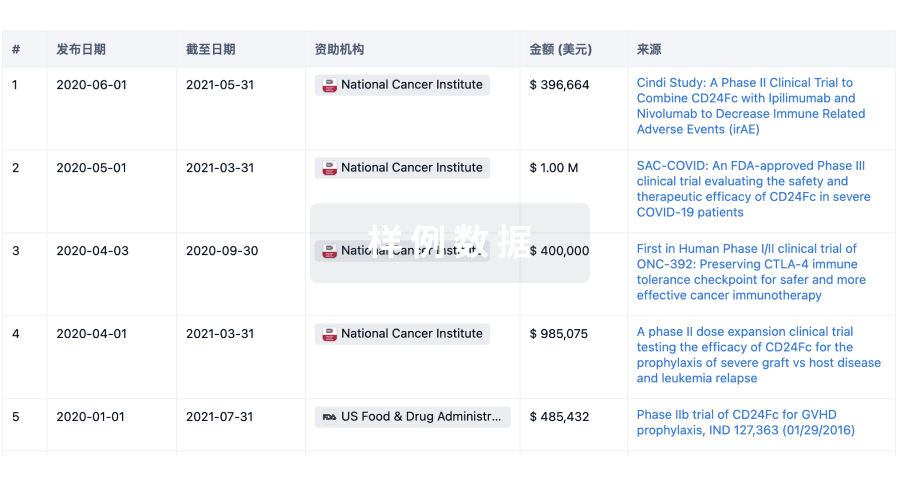
投资
深入了解从初创企业到成熟企业的最新公司投资动态。
登录
或
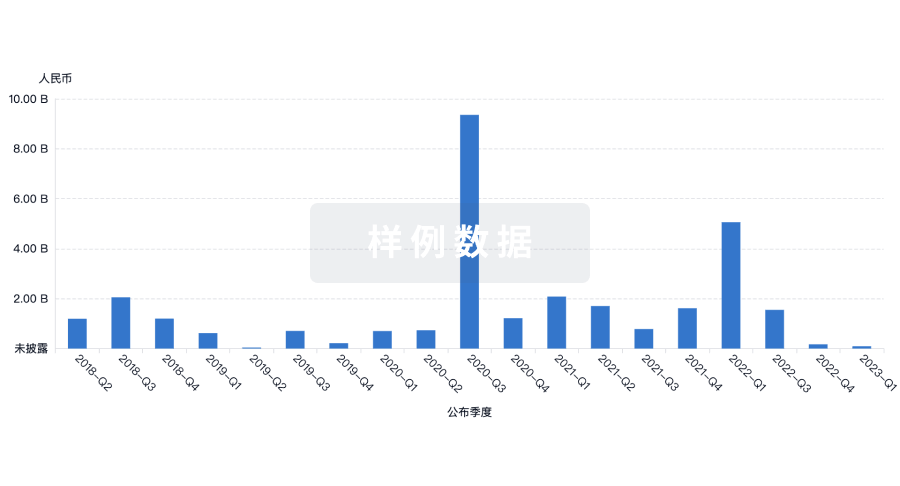
融资
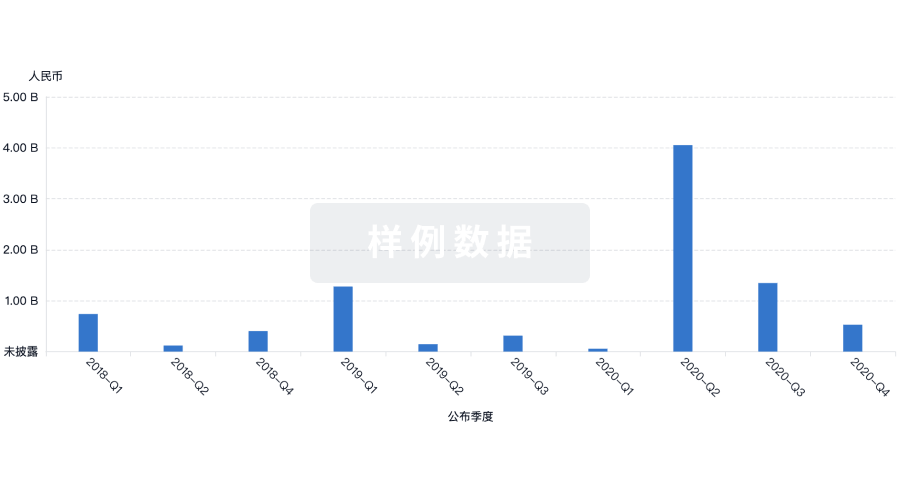
发掘融资趋势以验证和推进您的投资机会。
登录
或
提出任何生物医药研究问题
让每一步生物医药决策都精准制胜
基于十亿级生物数据与全球情报的精准 AI,赋能早期药物发现
立即开始免费试用!
智慧芽新药情报库是智慧芽专为生命科学人士构建的基于AI的创新药情报平台,助您全方位提升您的研发与决策效率。
立即接入生物医药数据包
智慧芽新药库数据也通过智慧芽开放平台,以MCP或API服务形式对外开放。立即使用我们的MCP服务定制您的LLM智能体。
生物序列数据库
生物药研发创新
免费使用
化学结构数据库
小分子化药研发创新
免费使用