预约演示
更新于:2026-02-05

Beam Therapeutics, Inc.
更新于:2026-02-05
概览
标签
其他疾病
遗传病与畸形
血液及淋巴系统疾病
通用型CAR-T
造血干细胞疗法
单克隆抗体
疾病领域得分
一眼洞穿机构专注的疾病领域

技术平台
公司药物应用最多的技术
靶点
公司最常开发的靶点
关联
靶点 |
作用机制 |
在研机构 |
原研机构 |
在研适应症 |
非在研适应症 |
最高研发阶段 |
首次获批国家/地区 |
首次获批日期 |
靶点 |
作用机制 |
在研机构 |
原研机构 |
在研适应症 |
非在研适应症 |
最高研发阶段 |
首次获批国家/地区 |
首次获批日期 |
靶点 |
作用机制 |
在研机构 |
原研机构 |
在研适应症 |
非在研适应症 |
最高研发阶段 |
首次获批国家/地区 |
首次获批日期 |
NCT07373639
A Long-term Follow-up Study in Patients With Hemoglobinopathy Who Received Autologous CD34+ Edited Hematopoietic Stem Cells
NCT07304791
A Randomized, Single-Blind, Placebo-Controlled, Phase 1 Single Ascending Dose Study to Assess the Safety, Pharmacokinetics, and Pharmacodynamics of BEAM-103 in Healthy Subjects
NCT06934382
A Phase 1 Study of Allogeneic Anti-CD7 CAR-T Cells (BEAM-201) in Relapsed/Refractory T-cell Acute Lymphoblastic Leukemia (T-ALL) or T-cell Lymphoblastic Lymphoma (T-LLy)

100 项与 Beam Therapeutics, Inc. 相关的临床结果
登录后查看更多信息
登录后查看更多信息
2025-05-01JOURNAL OF IMMUNOTHERAPY
Combined CLEC2d Expression and CD58 Loss Mitigate Rejection of Allogeneic T Cells
Article
作者: Karaca, Cisem ; Leboeuf, Dominique ; Camblin, Adam J. ; Musenge, Faith M. ; Coholan, Lindsey J. ; Maldini, Colby R. ; White, Moriah L.
Immunogenicity of allogeneic chimeric antigen receptor (CAR) T cell therapies may preclude durable therapeutic responses and broad clinical implementation. Although genetic knockout (KO) of beta-2-microglobulin (B2M) is commonly employed to abrogate HLA class I expression thereby preventing allorecognition by recipient T cells, this deficiency induces missing-self responses by natural killer (NK) cells. Here, we demonstrated that forced expression of a chimeric membrane-bound CLEC2d, an inhibitory ligand of CD161, and concurrent loss of CD58 (LFA-3), an adhesion ligand of CD2, substantially mitigated NK cell responses against allogeneic B2MKO T cells. This combination reduced in vitro NK cell-dependent lysis to a greater extent than either strategy alone and increased the in vivo persistence of these cells after infusion into NK cell-replete humanized mice. Collectively, these findings demonstrate that the convergence of orthogonal genome engineering approaches effectively averts NK cell-driven rejection of allogeneic T cells for immunotherapy.
AAPS Journal
Technical Considerations of Pharmacokinetic Assays for LNP-mRNA Drug Products by RT-qPCR
Article
作者: Peddigari, Suresh ; Kubista, Mikael ; Ramaswamy, Swarna Suba ; Durham, Jennifer ; Park, Alice ; Xu, Bin ; Valentine, Jenny ; Lavelle, Amy ; Azadeh, Mitra ; Colletti, Kelly ; Adamowicz, Wendy ; Li, Geng ; Cheng, MingLai ; Lochmann, Timothy ; Zondlo, Susan ; Liu, Hsing-Yin ; Stanta, Johannes ; Duchstein, Lara ; Pennucci, Jason ; Piche, Marie-Soleil ; Portabella, Enric Bertran ; Hays, Amanda ; Benhammadi, Mohamed ; Doddareddy, Rajitha ; Veirs, Katherine ; Wissel, Mark ; Smet, Muriel ; Jani, Darshana ; Moritz, Benjamin ; Johansson, Oskar ; Wu, Meizhen ; Gullick, Bryan ; Vepachedu, Venkata ; Murphy, Jacqueline ; Jani, Niketa ; Dholakiya, Sanjay L ; Ma, Haiyan ; Guelman, Sebastian ; Reddy, Asha ; Li, Yanchun ; John, Kaarthik ; Herr, Kate
Abstract:
Lipid nanoparticle-messenger RNA (LNP-mRNA) drug products are a growing class of drug modalities. The unique composition of these drug products requires multiple measurements to account for the different components of these drug modalities. Pharmacokinetic (PK) measurements include measurement of the encapsulated mRNA and components of the LNP in circulation to understand the effectiveness of the therapeutic mRNA. The PK measurements can utilize many different platforms including PCR. Current regulatory guidance documents for bioanalytical method validation are specific to ligand binding and chromatographic assay methods and difficult to interpret for use with molecular workflows. The purpose of this paper is to provide information on considerations for validation of regulated reverse transcription quantitative PCR (RT-qPCR) assays that are used to support the pharmacokinetic analysis of LNP-mRNA drug products.Graphical Abstract
Journal of Blood Medicine
The Characteristics of Compound Heterozygosity for Hemoglobin G-Makassar with Hb E in Malaysia
作者: Chen, Guo ; Mohamad, Ahmad Sabry ; Esa, Ezalia ; Selvaratnam, Veena ; Mohd Yasin, Norafiza ; Hamzah, Roszymah
Background:
Human hemoglobin of G-Makassar and hemoglobin E (Hb E) are hemoglobin variants that affect Beta (β) globin. Hb G-Makassar is a very rare variant while Hb E is estimated to affect at least one million people worldwide. Both Hb G-Makassar and Hb E can be inherited in the heterozygous, homozygous or compound heterozygous state. This case series describes the characteristics of four individuals with compound heterozygosity for Hb G-Makassar/Hb E cases in Malaysia. To the best of our knowledge, these are the only four individuals with this genotype reported in the literature.
Case Series:
We present four cases of compound heterozygosity for Hb G-Makassar/Hb E identified from October 2014 to January 2021. All the cases were incidental findings whereby the screening Hb analysis showed the presence of peaks in both Hb S and Hb E zones on capillary electrophoresis (CE) and cation-exchange high-performance liquid chromatography (HPLC). Molecular analysis confirmed the findings of compound heterozygous Hb G-Makassar/Hb E. Two cases had a history of anemia secondary to unrelated conditions that resolved with treatment of the underlying cause. The other two cases were asymptomatic individuals who were detected through Malaysia's National Thalassemia Screening program. On the last follow-up, all the individuals were well, non-transfusion dependent, and had no reported history of chronic anemia, bleeding, hemolysis or thromboembolism complications.
Conclusion:
The cases reported here highlight the possibilities for rare compound heterozygous states in multi-ethnicity populations such as Malaysia. Compound heterozygous Hb G-Makassar/Hb E individuals are clinically silent with laboratory values suggesting microcytic and hypochromic red blood cells. Further local epidemiology or population studies with genotyping tests are required for a better understanding of the diversity of its clinical phenotype.
100 项与 Beam Therapeutics, Inc. 相关的药物交易
登录后查看更多信息
100 项与 Beam Therapeutics, Inc. 相关的转化医学
登录后查看更多信息
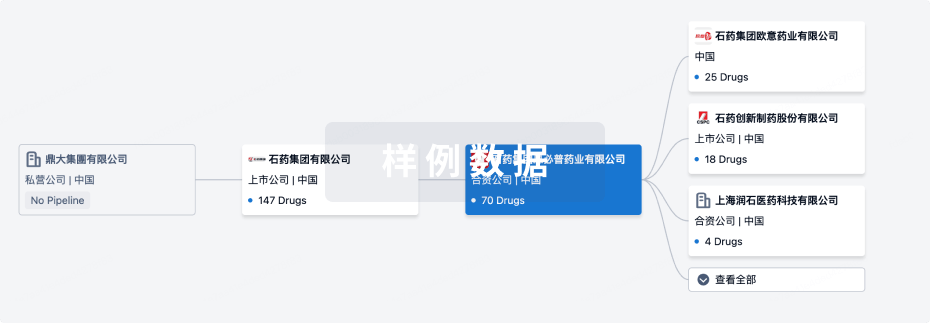
组织架构
使用我们的机构树数据加速您的研究。
登录
或
管线布局
2026年10月12日管线快照
管线布局中药物为当前组织机构及其子机构作为药物机构进行统计,早期临床1期并入临床1期,临床1/2期并入临床2期,临床2/3期并入临床3期
药物发现
3
9
临床前
临床1期
2
4
临床2期
其他
5
登录后查看更多信息
当前项目
登录后查看更多信息
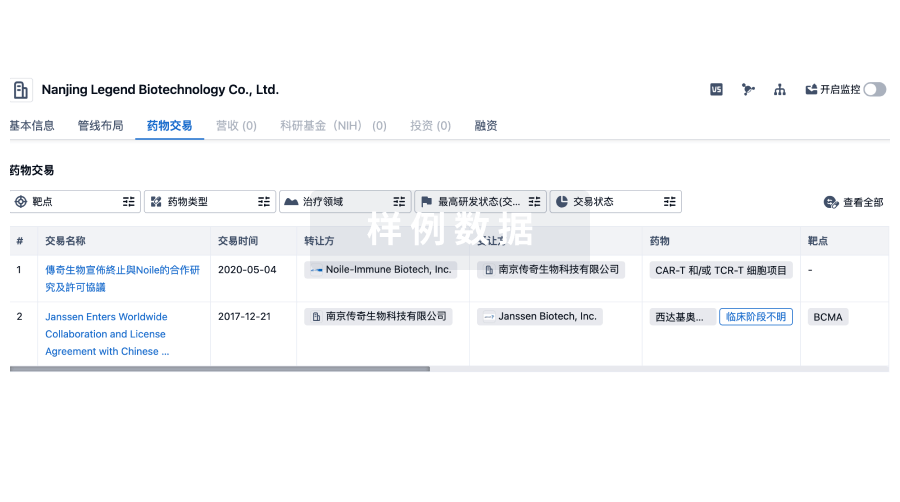
药物交易
使用我们的药物交易数据加速您的研究。
登录
或
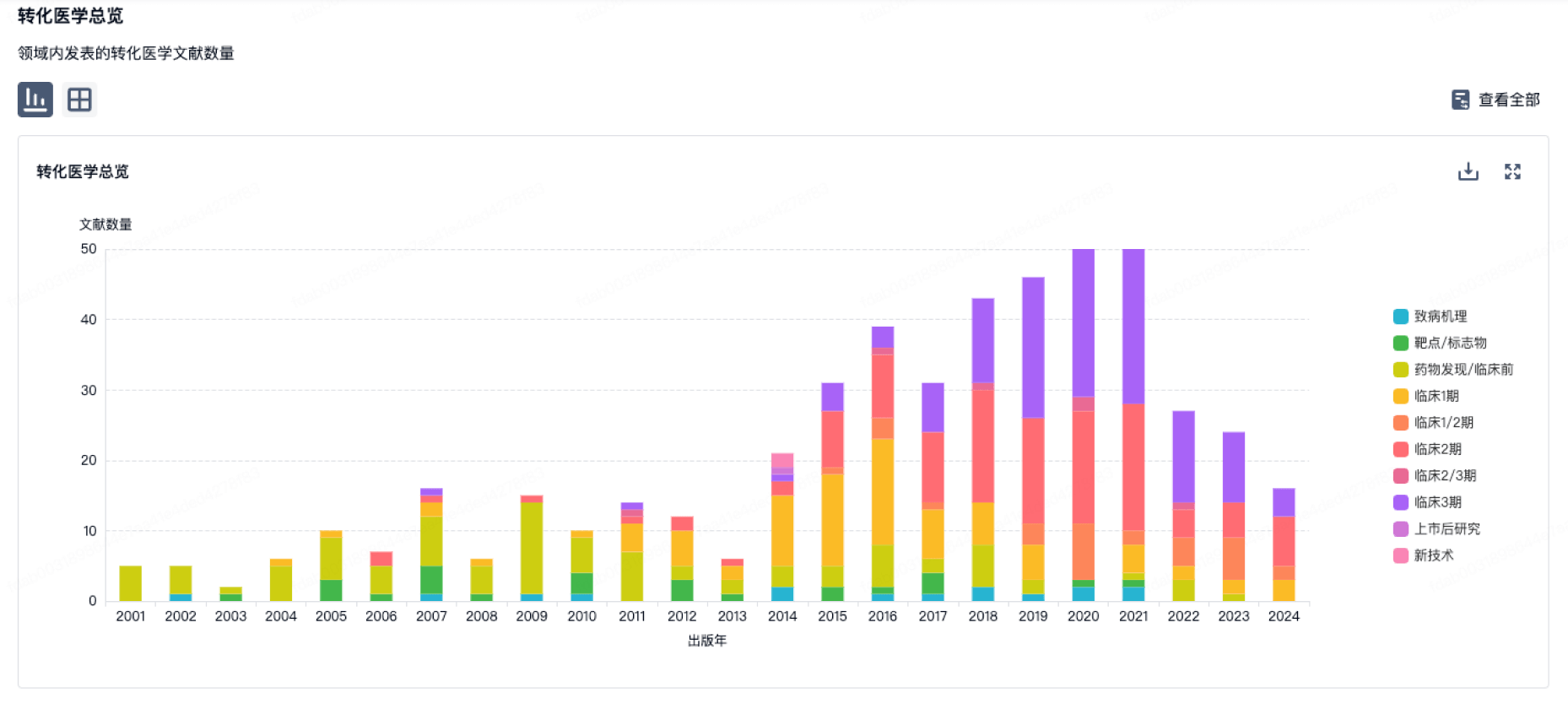
转化医学
使用我们的转化医学数据加速您的研究。
登录
或
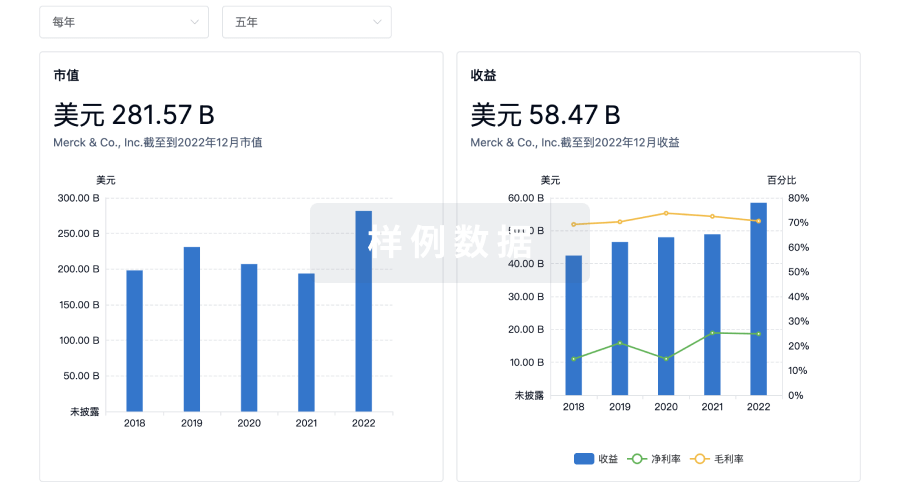
营收
使用 Synapse 探索超过 36 万个组织的财务状况。
登录
或
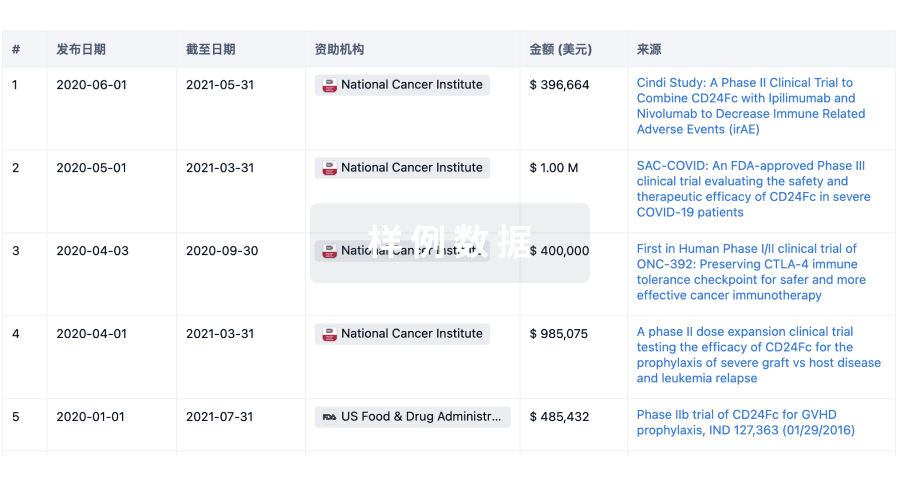
科研基金(NIH)
访问超过 200 万项资助和基金信息,以提升您的研究之旅。
登录
或
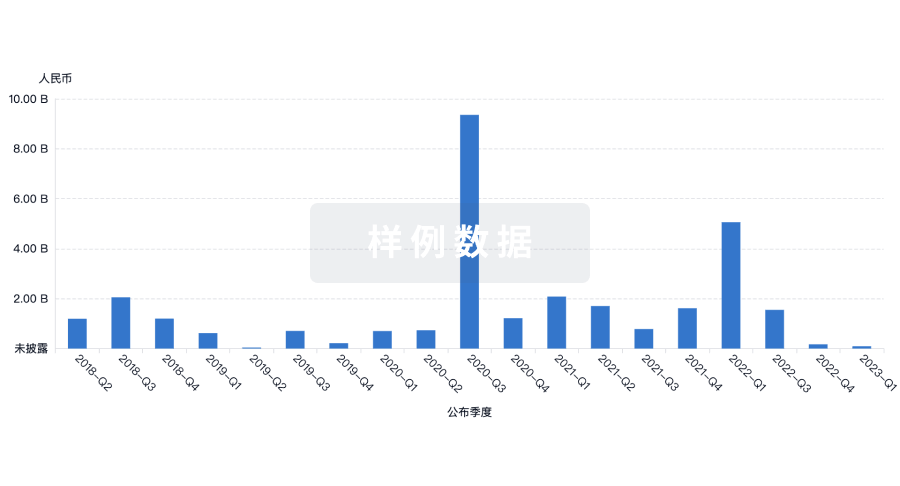
投资
深入了解从初创企业到成熟企业的最新公司投资动态。
登录
或
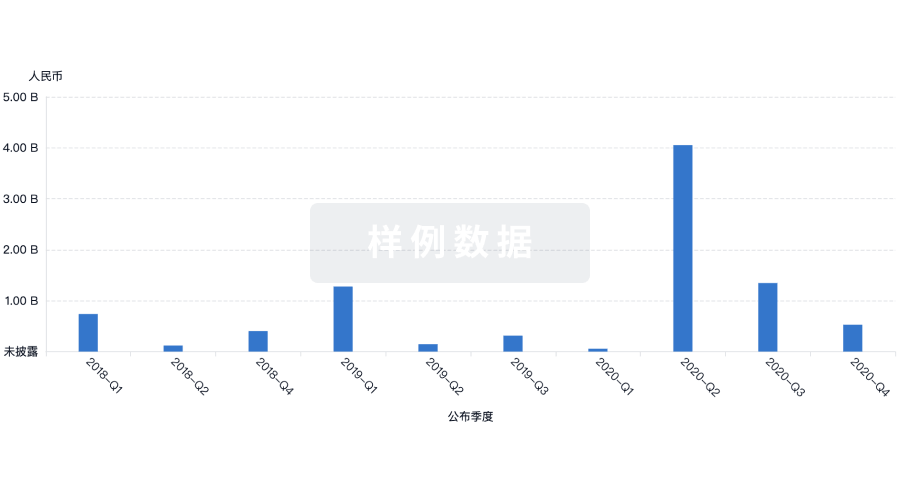
融资
发掘融资趋势以验证和推进您的投资机会。
登录
或
提出任何生物医药研究问题
让每一步生物医药决策都精准制胜
基于十亿级生物数据与全球情报的精准 AI,赋能早期药物发现
立即开始免费试用!
智慧芽新药情报库是智慧芽专为生命科学人士构建的基于AI的创新药情报平台,助您全方位提升您的研发与决策效率。
立即接入生物医药数据包
智慧芽新药库数据也通过智慧芽开放平台,以MCP或API服务形式对外开放。立即使用我们的MCP服务定制您的LLM智能体。
生物序列数据库
生物药研发创新
免费使用
化学结构数据库
小分子化药研发创新
免费使用