预约演示
更新于:2026-02-07

Kardigan, Inc.
更新于:2026-02-07
概览
标签
心血管疾病
其他疾病
小分子化药
ASO
疾病领域得分
一眼洞穿机构专注的疾病领域

暂无数据
技术平台
公司药物应用最多的技术
靶点
公司最常开发的靶点
关联
靶点 |
作用机制 |
在研机构 |
原研机构 |
在研适应症 |
非在研适应症 |
最高研发阶段 |
首次获批国家/地区 |
首次获批日期 |

靶点 |
作用机制 |
在研机构 |
原研机构 |
在研适应症 |
非在研适应症 |
最高研发阶段 |
首次获批国家/地区 |
首次获批日期 |

靶点 |
作用机制 |
在研机构 |
原研机构 |
在研适应症 |
非在研适应症 |
最高研发阶段 |
首次获批国家/地区 |
首次获批日期 |

NCT07210723
A Phase 2b/3, Adaptive, Randomized, Double-blind, Placebo-controlled, Multicenter Study to Assess the Efficacy and Safety of Danicamtiv in Participants With Symptomatic Genetic and Familial Dilated Cardiomyopathy
NCT07001800
A Phase 2b/3, Randomized, Double-Blinded, Placebo Controlled Study ChecKing the Efficacy and Safety of ATAciguat to Slow the Progression of VaLvular DYsfunction in Participants With Moderate Calcific Aortic Valve STenosis
NCT06864104
A Randomized, Double-Blind, Placebo-Controlled Study to Assess the Efficacy and Safety of Monthly Subcutaneous Administration of Tonlamarsen in Participants With Uncontrolled Hypertension (KARDINAL)
100 项与 Kardigan, Inc. 相关的临床结果
登录后查看更多信息
登录后查看更多信息
Communications medicine
Continuous vital sign monitoring of acute Lassa fever using wearable biosensor devices in West Africa
Article
作者: Sumah, Ibrahim ; Jaward, Emilia ; Wegerich, Stephan ; McGraw, Michelle ; Page, Brady ; Kamara, Fatima ; Jusu, Brima ; Konuwa, Edwin ; Grant, Donald ; Pauthner, Matthias G ; Kanneh, Zainab ; Kamara, Mohamed ; Kallon, Tiangay ; Steinhubl, Steven ; Brima, Jenneh ; Alhasan, Foday ; Andersen, Kristian G ; Massally, Angella ; Koroma, Veronica ; Klitting, Raphaëlle ; Schieffelin, John ; Mator-Mabay, Sia ; Kaiser, Margaret
Abstract:
Background:
Lassa fever is a fulminant viral illness associated with high in-hospital mortality. This disease constitutes a serious public health concern in West Africa, in particular Nigeria and the Mano River Union region (Guinea, Liberia, and Sierra Leone). In Sierra Leone, continuous monitoring of critically ill patients is hindered by a lack of equipment and personnel.
Methods:
We used wearable biosensor devices to remotely monitor hospitalized individuals with acute Lassa fever in order to describe vital sign trends that may be associated with clinical outcome and to evaluate the feasibility of this approach in a resource-limited setting.
Results:
The case fatality rate among participants (n = 8) was 62.5%, with a median time from hospital presentation to death of 2 days. Our results show that non-survivors (n = 5) spent a greater proportion of their monitoring period in the age-specific tachycardia range (45.8%) compared to survivors (1.7%), and had lower mean heart rate variability (10 ms) compared to those that survived (59 ms). Due to inconsistent sensor adhesion, as well as Bluetooth and cellular connectivity issues, over 80% of collected vital sign data was discarded for poor quality.
Conclusions:
Real-time monitoring of vital signs using wearable biosensors may have the potential to identify individuals at increased risk for poor outcomes in Lassa fever by detecting age-specific tachycardia and reductions in heart rate variability. Whether this represents an improvement upon traditional bedside vital sign collection in resource-limited settings is not clear, as a substantial proportion of monitoring data was of poor quality. Technical improvements in sensor connectivity and adhesion are needed to enable widespread use of this device, for both clinical and research purposes.
Children-Basel
Clinical Associations with Lenticulostriatal Vasculopathy (LSV) at Birth: A Case–Control Study
Article
作者: Samikos, Kyriakos ; Kyriakopoulou, Aikaterini ; Papaevangelou, Vassiliki ; Antoniadou, Anastasia ; Serghiou, Stylianos ; Psaltopoulou, Theodora ; Giorgi, Melpomene ; Siafakas, Nikolaos ; Dinopoulos, Argyrios ; Kanavaki, Aikaterini ; Argyropoulou, Maria ; Filippa, Iliani ; Alexopoulou, Efthymia ; Kanaka-Gantenbein, Christina
Objective: To investigate the clinical characteristics associated with the presence of LSV at birth. Design: Prospective 1:1 case–control study. Setting: Two tertiary neonatal units in Athens, Greece. Patients: Premature neonates (≤36 weeks gestational age) who underwent cerebral ultrasound within the first 3 weeks of life, where LSV was detected. Main outcome measure: Associations between LSV and clinical characteristics at birth. Both unmatched and matched analyses stratifying the study population by gestational week were conducted. Two-sided p-values were computed using the likelihood ratio test. Results: This study included 166 participants (83 cases and 83 controls). Neonates with LSV exhibited more concurrent cerebral findings, notably periventricular echogenicity. LSV was correlated with higher z-scores for head circumference and body length. LSV was not associated with congenital CMV. Conclusions: This study indicated a relationship between LSV and increased head circumference and body length. Further research is warranted to explore LSV’s pathophysiological mechanisms.

100 项与 Kardigan, Inc. 相关的药物交易
登录后查看更多信息
100 项与 Kardigan, Inc. 相关的转化医学
登录后查看更多信息
组织架构
使用我们的机构树数据加速您的研究。
登录
或
管线布局
2026年10月25日管线快照
管线布局中药物为当前组织机构及其子机构作为药物机构进行统计,早期临床1期并入临床1期,临床1/2期并入临床2期,临床2/3期并入临床3期
临床2期
1
2
临床3期
登录后查看更多信息
当前项目
登录后查看更多信息
药物交易
使用我们的药物交易数据加速您的研究。
登录
或
转化医学
使用我们的转化医学数据加速您的研究。
登录
或
营收
使用 Synapse 探索超过 36 万个组织的财务状况。
登录
或
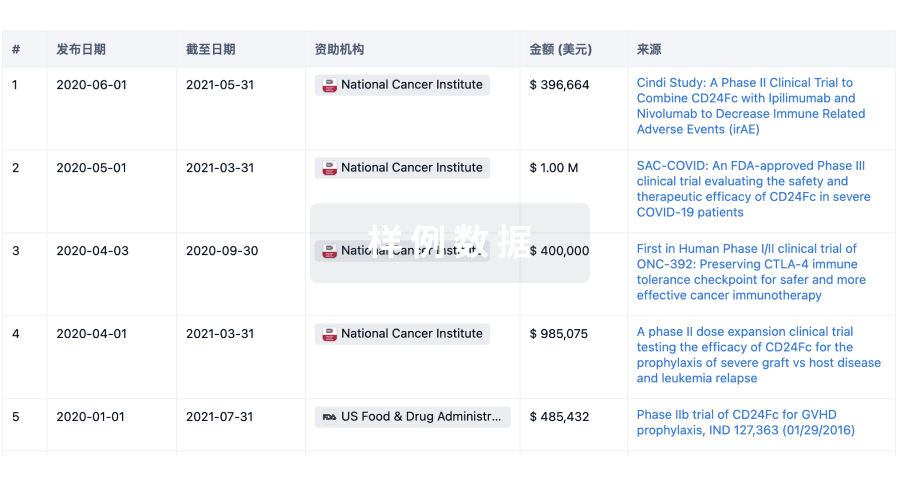
科研基金(NIH)
访问超过 200 万项资助和基金信息,以提升您的研究之旅。
登录
或
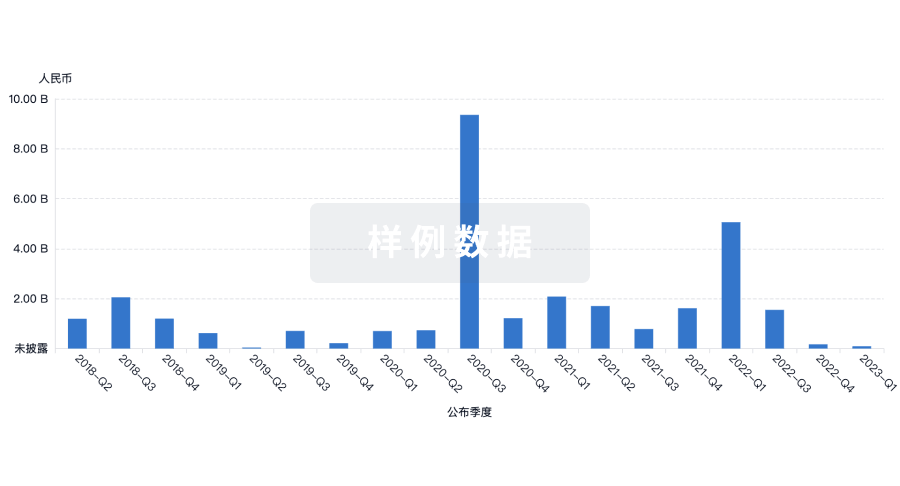
投资
深入了解从初创企业到成熟企业的最新公司投资动态。
登录
或
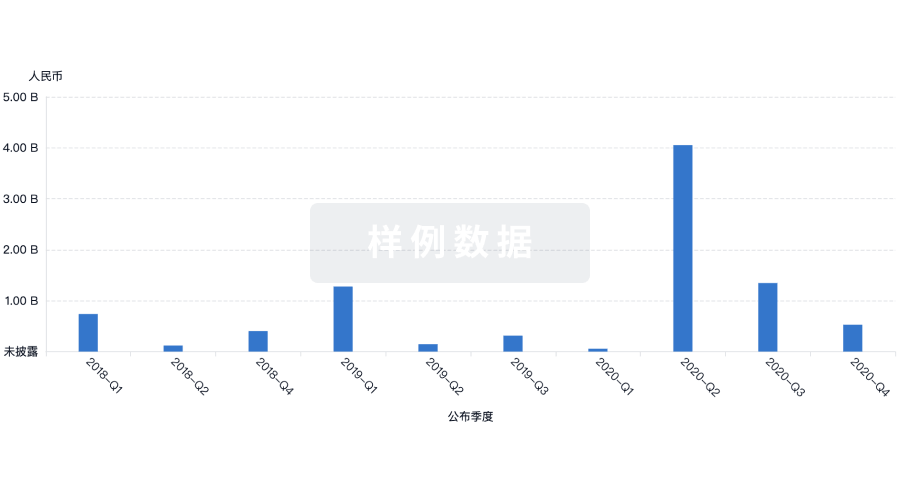
融资
发掘融资趋势以验证和推进您的投资机会。
登录
或
提出任何生物医药研究问题
让每一步生物医药决策都精准制胜
基于十亿级生物数据与全球情报的精准 AI,赋能早期药物发现
立即开始免费试用!
智慧芽新药情报库是智慧芽专为生命科学人士构建的基于AI的创新药情报平台,助您全方位提升您的研发与决策效率。
立即接入生物医药数据包
智慧芽新药库数据也通过智慧芽开放平台,以MCP或API服务形式对外开放。立即使用我们的MCP服务定制您的LLM智能体。
生物序列数据库
生物药研发创新
免费使用
化学结构数据库
小分子化药研发创新
免费使用