预约演示
更新于:2026-06-15

Kunming University of Science & Technology
更新于:2026-06-15
概览
标签
感染
肿瘤
消化系统疾病
小分子化药
化学药
合成多肽
疾病领域得分
一眼洞穿机构专注的疾病领域

暂无数据
技术平台
公司药物应用最多的技术
暂无数据
靶点
公司最常开发的靶点
暂无数据
| 排名前五的药物类型 | 数量 |
|---|---|
| 小分子化药 | 14 |
| 化学药 | 3 |
| 合成多肽 | 3 |
| 溶瘤病毒 | 1 |
关联
21
项与 昆明理工大学 相关的药物作用机制 5α-reductase抑制剂 |
在研机构 |
最高研发阶段批准上市 |
首次获批国家/地区 美国 |
首次获批日期1992-06-19 |




7
项与 昆明理工大学 相关的临床试验ChiCTR2600126001
Mindfulness training improves the psychological and neural mechanisms of negative self-evaluation
开始日期2025-11-18 |
申办/合作机构 |
ChiCTR2400081509
The effect of brief mindfulness intervention on executive function in individuals with Internet Gaming Disorder
开始日期2024-03-05 |
申办/合作机构 |
ChiCTR2400079709
The Effect of Neurofeedback Training Based on Brief Mindfulness on Sustained Attention and Time Perception in Internet Gaming Disorder
开始日期2024-03-02 |
申办/合作机构 |
100 项与 昆明理工大学 相关的临床结果
登录后查看更多信息
0 项与 昆明理工大学 相关的专利(医药)
登录后查看更多信息
14,095
项与 昆明理工大学 相关的文献(医药)2026-12-31·Virulence
Bacterial extracellular vesicles as emerging platforms to combat multidrug-resistant bacterial infections: Mechanisms, therapeutic applications, and future prospects
Review
作者: Zhou, Zhijian ; Fu, Yu ; Li, Chao ; Shi, Yaoqiang ; Huang, Yafei ; Song, Yuzhu
Multidrug-resistant bacteria (MDRB) have become a global health crisis that challenges the effectiveness of conventional antibiotics. Bacterial extracellular vesicles (BEVs) are nanoscale bilayered membrane vesicles secreted by both Gram-positive and Gram-negative bacteria. They can encapsulate proteins, lipids, and nucleic acids, and transfer these molecules between bacteria and host cells without direct contact. Owing to their natural ability to transport bioactive molecules, BEVs have recently gained attention as potential anti-infective platforms. They can deliver antimicrobial agents directly to resistant pathogens and act as vaccine carriers by triggering innate and adaptive immunity. Advances in BEV isolation, drug loading, and bioengineering have expanded their therapeutic potential. However, challenges such as large-scale manufacturing, immunogenicity control, and regulatory standardization still hinder clinical translation. This review summarizes the mechanisms, engineering strategies, and biomedical applications of BEVs against MDRB and discusses future perspectives for their safe and effective clinical use as antimicrobial nanoplatforms.
2026-12-01·Rice
OsbZIP35 Mediates ABA-Dependent Drought Tolerance and Stress-Responsive Yield Maintenance in Rice
Article
作者: Yang, Xiaoyan ; Zhang, Xiaoxuan ; Wang, Yiling ; Lou, Dengji ; Yu, Diqiu ; Chen, Zhen
2026-12-01·MOLECULAR BIOLOGY REPORTS
Liquid-liquid phase separation in cancer: oncogenic roles, therapeutic potential, and epigenetic regulation
Review
作者: Shi, Zhi-Zhou ; Li, Tao ; Zhao, Zi-Hui
168
项与 昆明理工大学 相关的新闻(医药)2026-06-12
·今日头条
脑科学动态
Cell:LEAPER系统实现罕见病临床治疗与精准编辑双突破
Nature:蝎子、海芋螺与子弹蚁毒素调控钠通道的趋同进化
Nature:全球首个脉冲式FXR激动剂Linafexor有望安全治疗胆汁酸相关肝病
Science:为什么压力大睡不好?
Science:远程工作正在削弱职场人的心理健康
海马体以共享几何结构组织跨语言概念
精准磁刺激首次实现抑郁与焦虑的差异化治疗
经历相同记忆却不同?默认模式网络活动模式揭示主观差异
在线主动脑健康训练可在危机前增强社区韧性
AI行业动态
Dario Amodei呼吁政府强制监管:Anthropic砸重金应对指数级AI风险与就业冲击
AI驱动科学
高频居家测试加速发现阿尔茨海默病隐匿衰退
全新开源图数据库引擎TurboLynx让数据分析快184倍
新模型TutorRL在数学教学中实现教学与专业知识的平衡
首次看清程序员面对混淆代码时的意外反应
35个AI演起脱口秀:多智能体讨论显著提升LLM幽默创作
仅需少量视频,物理AI便能自主学会人类评判标准
点完“不感兴趣”很快又收到?TikTok用户无法彻底摆脱不喜欢的视频
脑科学动态
Cell:LEAPER系统实现罕见病临床治疗与精准编辑双突破
如何攻克罕见病杜氏肌营养不良并实现超高精度基因编辑?北京大学魏文胜教授、昆明理工大学陈永昌教授团队 成功利用新型RNA编辑技术实现罕见病的临床治疗,并开发出新一代精准编辑系统。
在首项研究中,团队采用基于环形RNA(circular RNA)的LEAPER 2.0技术,靶向杜氏肌营养不良(DMD, 一种导致进行性肌肉萎缩的致死性遗传性疾病)患者的基因突变。该技术利用可招募腺苷脱氨酶的环形核糖核酸,驱动外显子跳跃。实验表明,在携带突变的非人灵长类动物中,单次给药使抗肌萎缩蛋白持续恢复表达并改善运动功能长达1.5年以上。在包含3名患者的首次人体临床试验中,该疗法展现出良好的安全性和剂量依赖性疗效。在第二项研究中,团队将结构预测工具AlphaFold 3与系统生化实验结合,开发出全新的LEAPER 3.0系统。通过在RNA结合区域引入工程化凸起结构,该系统解决了旁侧碱基误编辑的问题,实现了单核苷酸级别的高精度编辑,显著扩展了可编辑的序列空间。研究发表在 Cell 上。
#疾病与健康 #其他 #RNA编辑 #杜氏肌营养不良 #精准医疗
阅读更多:
Guo, Wenting, et al. “Long-Term Reversal of Duchenne Muscular Dystrophy via Circular arRNA-Guided Exon Skipping in Monkeys and Humans.” Cell, vol. 0, no. 0, June 2026. www.cell.com, https://doi.org/10.1016/j.cell.2026.05.030
Song, Deli, et al. “RNA Structure Programs Endogenous ADAR for Precise and Efficient Editing.” Cell, vol. 0, no. 0, June 2026. www.cell.com, https://doi.org/10.1016/j.cell.2026.04.047
Nature:蝎子、海芋螺与子弹蚁毒素调控钠通道的趋同进化
电压门控钠离子通道Nav1.6的功能异常与癫痫等神经系统疾病密切相关,解析毒素如何调控该通道有助于靶向药物研发。深圳医学科学院颜宁、范潇、黄健联合团队,解析了三种不同动物毒素激活Nav1.6的多种结合模式。
研究团队利用冷冻电镜解析了人源Nav1.6-β1通道复合物分别与蝎子毒素Cn2、海芋螺毒素ι-RXIA和子弹蚁毒素Pc1a结合的结构。电压门控钠通道是维持神经元兴奋性的核心。结果表明,这三种激动型多肽毒素结合姿态各异,但都通过稳定电压感受结构域的上移状态来激活通道。具体而言,Cn2毒素卡在特定感受结构域与孔区胞外环之间,ι-RXIA毒素横跨两个感受结构域,Pc1a毒素则以跨膜螺旋插入膜中。这些发现为理性设计靶向Nav1.6的选择性通道调节剂提供了精确的结构模板。研究发表在 Nature 上。
#疾病与健康 #神经机制与脑功能解析 #电压门控钠通道 #结构生物学 #神经毒素
阅读更多:
Fan, Xiao, et al. “Diverse Binding Poses of Agonistic Neurotoxins on Human Nav1.6.” Nature, June 2026, pp. 1–10. www.nature.com, https://doi.org/10.1038/s41586-026-10661-x
Science:为什么压力大睡不好?慢性压力下记忆激活致睡眠碎片化
为什么清醒时的情绪经历会直接影响当晚的睡眠质量?清华大学研究团队发现,睡眠期间记忆的自发再激活不仅有助于记忆巩固,还作为一种内源性触发因素,通过特定的神经环路主动塑造睡眠结构,并阐明了负面经历导致睡眠障碍的机制。
研究团队在小鼠模型中结合了行为学范式、特定印记标记与光纤光度法检测技术。结果显示,经历恐惧训练的小鼠在非快速眼动睡眠期间,海马-杏仁核环路的负面记忆印记细胞会自发再激活,显著增加NREM向觉醒的转换,导致睡眠碎片化。相比之下,激活与社交奖励相关的正面记忆则能通过投射至腹外侧视前区(ventrolateral preoptic nucleus,VLPO,促进睡眠的脑区)增强睡眠稳定性。而负面记忆细胞则主要投射至蓝斑等觉醒中枢。在慢性压力模型中,抑制这些特定的负面记忆印记细胞,可成功逆转病理性睡眠障碍并恢复正常的睡眠持续性。这项研究为治疗人类因慢性压力或抑郁导致的睡眠障碍提供了潜在靶点。研究发表在 Science 上。
#疾病与健康 #神经机制与脑功能解析 #睡眠障碍 #记忆印记 #海马体-杏仁核环路
阅读更多:
Yu, Menghan, et al. “Memory Reactivation Underlies Experience-Dependent Adaptive Regulation of Sleep.” Science, vol. 392, no. 6802, June 2026, p. eaed8630. science.org (Atypon), https://doi.org/10.1126/science.aed8630
Science:远程工作正在削弱职场人的心理健康
远程办公如何影响人们的心理健康?Natalia Emanuel, Emma Harrington和Amanda Pallais等研究人员通过分析近十年的大规模数据发现,居家办公显著增加了职场人士的社会孤立感,并直接导致心理健康状况恶化,甚至解释了近年来全美心理窘迫总增幅的近三分之一。
研究人员利用双重差分模型,对比了2011至2024年间美国588,322名可远程与不可远程行业员工的数据,并采用丁格尔-尼曼指数(Dingel-Neiman index)进行职业分类。结果显示,后疫情时代可远程办公的员工在工作日平均多出1.1小时的独处时间,全天完全独处的可能性增加了1.9个百分点。在凯斯勒心理窘迫量表(Kessler Psychological Distress Scale,简称K-6,一种用于评估心理健康状况的量化工具)中,这类员工的窘迫分数上升了0.3个单位,而独居者的分数更是上升了0.8个单位。此外,这类人群寻求心理咨询的比例增加了4.6个百分点(较疫情前升高58%),抗抑郁和抗焦虑药物处方率也随之上升。研究指出,职场作为核心的社交基础设施被削弱,是导致系统性社会孤立和心理健康恶化的关键因素。研究发表在 Science 上。
#疾病与健康 #心理健康与精神疾病 #远程办公 #社会孤立 #社会基础设施
阅读更多:
Emanuel, Natalia, et al. “Home Alone: Remote Work, Isolation, and Mental Health.” Science, vol. 392, no. 6802, June 2026, p. eaec7671. science.org (Atypon), https://doi.org/10.1126/science.aec7671
Nature:全球首个脉冲式FXR激动剂Linafexor有望安全治疗胆汁酸相关肝病
传统的持续性药物激活受体策略常常因破坏生理稳态而导致严重毒性。中国科学院上海药物研究所徐华强研究员、李佳研究员作为共同通讯作者(臧奕研究员等为论文第一作者)联合凯思凯迪(Cascade)公司, 基于药物设计的第一性原理开发出一种脉冲式激活受体的新型药物,为胆汁酸相关肝病治疗提供了全新方案。
研究团队通过精密分子设计,开发出强效非胆汁酸类法尼醇 X 受体(farnesoid X receptor)激动剂利那非克索(linafexor)。该药物具备快速全身清除特征,能模拟内源性胆汁酸的动态脉冲式激活。在代谢功能障碍相关脂肪性肝炎和肝纤维化等多种临床前模型中,利那非克索展现出显著疗效。转录组分析表明,该药物能维持受体信号周期性,避免受体下调和广泛的转录失调。对比研究证实,持续激活该受体是引发严重毒性的关键因素。在 1 期临床研究中,患者每日口服一次利那非克索,药物半衰期小于 1 小时,成功短暂激活相关通路,表现为诱导成纤维细胞生长因子 19(fibroblast growth factor 19)表达并抑制胆汁酸合成中间体 C4 的水平,且未见不良反应。目前该药已启动 3 期临床研究。研究发表在 Nature 上。
#疾病与健康 #其他 #药物研发 #肝脏疾病 #法尼醇X受体
阅读更多:
Zang, Yi, et al. “A First-in-Class Pulsatile FXR Agonist for Bile-Acid-Related Liver Diseases.” Nature, June 2026, pp. 1–11. www.nature.com, https://doi.org/10.1038/s41586-026-10633-1
海马体以共享几何结构组织跨语言概念
双语大脑如何无缝切换语言?Xinyuan Yan和Benjamin Y. Hayden等(贝勒医学院)记录了海马体中单神经元的电活动,发现双语者在共享神经结构中组织概念,揭示了大脑跨语言处理的底层机制。
研究人员利用微电极技术记录了四名双语癫痫患者在阅读和对话时,海马体中数百个神经元的电活动。结果表明,尽管单个神经元对不同语言的反应不同,但大脑中概念的整体关系在不同语言间高度一致,呈现出共享语义几何(shared semantic geometry,指不同语言在神经空间中保留了相同的概念关系结构)。例如猫和狗在神经空间中的相对位置在双语中高度相似。虽然研究发现了少数跨语言神经元,但翻译主要源于大规模神经元群体的协调活动。大脑通过为每种语言使用不同的读取轴(readout axes,大脑区分并提取特定语言信号的神经维度)来避免语言混淆。该神经几何结构与多语言人工智能模型高度相似。
#神经科学 #神经机制与脑功能解析 #双语大脑 #海马体 #共享语义几何
阅读更多:
Yan, Xinyuan, et al. “Shared Neural Geometries for Bilingual Semantic Representations in Human Hippocampal Neurons.” bioRxiv, 6 Mar. 2026, p. 2025.11.16.688726. bioRxiv, https://doi.org/10.1101/2025.11.16.688726
精准磁刺激首次实现抑郁与焦虑的差异化治疗
抑郁症与焦虑症的高共病率给精准精神医学带来了巨大挑战。Joseph J. Taylor、Jing Li、Shan H. Siddiqi等研究人员(哈佛医学院布莱根妇女医院)对此开展研究,发现靶向不同脑回路的经颅磁刺激可以特异性地缓解两类不同的症状群。
▷
靶向不同脑回路的经颅磁刺激(TMS)对共病焦虑和抑郁症状具有不同的调节作用。Credit: Molecular Psychiatry (2026).
在这项随机对照临床试验中,研究团队招募了40名同时伴有中重度抑郁与焦虑的患者,使其接受为期30天的经颅磁刺激治疗。患者被随机分配刺激两个不同的脑回路:一个是传统的背外侧前额叶皮层靶点,另一个是较新的背内侧前额叶皮层靶点。结果显示,虽然两组患者的抑郁症状均得到了相似程度的改善,但接受背内侧靶点刺激的患者在改善焦虑躯体症状,如易怒、性欲减退和失眠等方面的表现显著优于传统靶点组,其焦虑症状改善率达到58%,而传统组仅为36%。这一结果表明,针对特定神经回路的精准磁刺激能够有效分化并治疗共病症状,推动了个性化精神医疗的发展。研究发表在 Molecular Psychiatry 上。
#疾病与健康 #神经调控 #精准医学 #重度抑郁症 #焦虑共病
阅读更多:
Taylor, Joseph J., et al. “Circuit-Targeted Modulation of Anxiety Symptoms in Individuals with Major Depression: A Randomized Head-to-Head TMS Trial.” Molecular Psychiatry, Mar. 2026, pp. 1–10. www.nature.com, https://doi.org/10.1038/s41380-026-03535-1
经历相同记忆却不同?默认模式网络活动模式揭示主观差异
为什么面对同一场聚餐或同一部电影,人们会留下截然不同的主观记忆?June-Kyo Kim、Joshua Koh、Charan Ranganath和Alexander J. Barnett(多伦多大学、麦吉尔大学和加州大学戴维斯分校)结合功能成像数据与人工智能模型,发现记忆相似性越高的个体,在经历和回忆事件时的大脑默认模式网络活动模式也表现得越相似。
▷
左图:使用 HCP-MMP1.0 图谱 27 绘制的未阈值全脑 ROI t 值图,展示了被试间模式相似性和主题相似性之间的关系。右图:对 ROI 网络标签进行 10,000 次随机重排后,默认模式网络 (DMN) 与其他脑区斜率差异的零分布图,图中红色垂直线表示实际观察到的差异。p 值表示随机重排产生的差异大于实际观察到的差异的比例。样本量 N = 24。Credit: Kim et al.
在这项研究中,研究人员招募了24名参与者并收集其脑部活动记录。参与者在接受功能磁共振成像扫描的同时观看并复述两部卡通电影。研究人员使用自然语言处理中的主题建模技术,将参与者的口头复述转化为潜在主题向量,以此量化他们记忆的相似度。分析重点集中在大脑默认模式网络。结果显示,对视频内容记忆相似性越高的个体,在观看视频即编码过程和回忆视频即提取过程时,其大脑默认模式网络表现出更强的共享激活模式。这种神经相似性在后内侧皮层、内侧前额叶皮层和前颞叶皮层三个关键子区域最为显著,证实这些区域在个性化解读和主观表征过去事件中发挥了重要作用。研究发表在 Communications Psychology 上。
#认知科学 #神经机制与脑功能解析 #自然语言处理 #默认模式网络 #情景记忆
阅读更多:
Kim, June-Kyo, et al. “Natural Language Processing Captures Memory Content Associated with Shared Neural Patterns at Encoding and Retrieval.” Communications Psychology, June 2026. www.nature.com, https://doi.org/10.1038/s44271-026-00481-0
在线主动脑健康训练可在危机前增强社区韧性
如何通过预防性手段应对日益加剧的心理健康危机?Sarah A. Laane和Lori G. Cook团队(德克萨斯大学达拉斯分校脑健康中心)开展研究,证实主动的数字化认知训练能作为公共卫生屏障,在危机发生前普遍增强社区大众的心理韧性。
这项研究在 Frontiers in Psychology 上发表。研究团队对370名18至87岁的受试者进行了为期六个月的追踪,其中包括185名有精神疾病史者和185名健康对照者。所有受试者接受了名为策略性记忆高级推理技巧(通过针对前额叶网络来提升高阶认知控制能力的训练方法)的在线训练,每天仅需五分钟。研究人员使用脑健康指数(BrainHealth Index,多维度量化评估大脑整体功能与表现随时间推移发生变化的临床测量工具)评估训练效果。结果显示,无论受试者基线健康状况如何,训练均普遍改善了心理健康指标,显著减轻了焦虑、抑郁等心理困扰,并提升了生活质量。研究还发现,健康受试者的认知清晰度在训练后立即得到提升,而有精神疾病史者可能需要更长的时间才能显现同等的认知改善。关键在于,两组人群的认知清晰度改善均与整体心理健康好转显著相关。
#疾病与健康 #心理健康与精神疾病 #认知训练 #脑健康指数 #预防医学
阅读更多:
Laane, Sarah A. A., et al. “Improving Mental Health Outcomes through Online Brain Health Training in Adults with or without Mental Illness.” Frontiers in Psychology, vol. 17, June 2026. Frontiers, https://doi.org/10.3389/fpsyg.2026.1826717
AI 行业动态
Dario Amodei呼吁政府强制监管:Anthropic砸重金应对指数级AI风险与就业冲击
Anthropic的首席执行官Dario Amodei近日发表文章《指数级AI政策》,呼吁政府对计算量超10²⁵每秒浮点运算次数或研发投入超10亿美元的头部企业实施强制监管。一旦在第三方测试中发现网络安全、生物武器或失控风险,政府有权直接干预。Dario Amodei强调,随着比例定律(Scaling Laws)持续生效,前沿模型的潜在风险正加速显现,温和的行业自律时代已告终结,必须引入类似航空业的安全评估机制。
针对AI可能带来的失业冲击,Anthropic承诺出资3.5亿美元用于政策研究和技能培训,并建议政府通过建立数据追踪及全民基本收入等方式未雨绸缪。此外,研究人员建议对AI赋能的下游应用科学,如医疗和生物制药领域放宽传统监管。他呼吁美国食品药品监督管理局引入AI辅助评估,为针对阿尔茨海默病等病症的药物开发开辟快速通道。他表示,直面风险而非包装公关,才能实现AI与社会治理的合理和解。
#AI监管 #DarioAmodei #就业保障 #安全治理
阅读更多:
https://x.com/DarioAmodei/status/2064781775247950326
AI 驱动科学
高频居家测试加速发现阿尔茨海默病隐匿衰退
传统认知评估频率低,难以捕捉早期的细微衰退。Sarah E. Polk、David Berron等(德国神经退行性疾病中心等机构)利用智能手机应用程序开展高频远程自主记忆测试,成功在短短几个月内捕捉到了轻度认知障碍患者的早期认知衰退信号。
▷
Credit: npj Digital Medicine (2026).
这项研究共纳入来自德国和美国的202名52至85岁受试者,其中50人患有轻度认知障碍(MCI)。受试者在7至12个月内通过移动端应用程序,大约每两周进行一次居家自主记忆测试,测试包含评估记忆精准度、联想记忆和熟悉度依赖记忆等任务。研究显示,这种高频监测方法具有极高的可行性,30周时的受试者留存率达到73%,平均依从性高达89%。更重要的是,仅使用几个月的应用程序测试,研究人员就捕捉到了与平均八年线下临床随访结果高度一致的认知衰退趋势。在轻度认知障碍患者(特别是β-淀粉样蛋白阳性者)中,熟悉度依赖记忆等表现呈现出显著的短期下降。这种数字生物标志物不仅能加速新药临床试验,未来还可用于个体的日常临床监测。研究发表在 npj Digital Medicine 上。
#疾病与健康 #个性化医疗 #轻度认知障碍 #数字生物标志物 #移动医疗
阅读更多:
Polk, Sarah E., et al. “Smartphone-Based Detection of Subtle Memory Decline in Prodromal Alzheimer’s Disease.” Npj Digital Medicine, vol. 9, no. 1, June 2026, p. 402. www.nature.com, https://doi.org/10.1038/s41746-026-02731-1
全新开源图数据库引擎TurboLynx让数据分析快184倍
面对格式多变的无模式图数据分析效率低下的挑战,Wook-Shin Han、Taesung Lee、Jaehyun Ha和Byungchul Tak所在的浦项科技大学团队开发出新一代引擎TurboLynx,实现了超百倍的分析加速。
▷
TurboLynx 系统架构及示例工作流程。Credit: POSTECH
为了解决分析瓶颈,研究团队从存储、查询到优化层重构了系统。TurboLynx的核心方法是将数据自动分组为小图,并采用列式存储进行管理,从而避免了重复解析无模式数据结构的开销。基准测试表明,该引擎的分析速度比现有图数据库快约184倍,比关系型数据库快至多41倍。在大规模维基百科知识图谱上,其性能达到竞争系统的19倍。该引擎支持行业标准的查询语言并允许自然语言交互,未来可作为人工智能代理的长期记忆,为近实时的数据分析奠定基础。研究发表在 Proceedings of the VLDB Endowment 上。
#其他 #其他 #图数据库 #数据分析 #TurboLynx
阅读更多:
Lee, Taesung, et al. “TurboLynx: Schemaless Graph Engine Strikes Back for General-Purpose Analytics.” Proceedings of the VLDB Endowment, vol. 19, no. 6, May 2026, pp. 1250–63. ACM Digital Library, https://doi.org/10.14778/3797919.3797932
引导思考而非直接给答案,新模型TutorRL在数学教学中实现教学与专业知识的平衡
如何让人工智能引导学生思考而非直接给出答案?Jakub Mačina与Mrinmaya Sachan等(苏黎世联邦理工学院和达姆施塔特工业大学)合作开展研究,不仅开发出评估AI导师教学能力的基准,还构建出能更好平衡学科知识与教学引导能力的开源模型。
▷
MathTutorBench 基准测试概述。Credit: arXiv (2025).
研究团队首先开发了数学教学基准测试系统(MathTutorBench),该系统能分析并比较大语言模型与教师的回答。测试显示,模型的解题能力并不等同于教学能力,且在多步对话中容易偏离轨道。为此,团队通过强化学习开发了名为TutorRL的专属模型。该模型让虚拟学生与虚拟教师进行多步骤模拟互动,并由另一个模型监控并提供反馈。相比拥有数万亿参数的传统商业模型,TutorRL仅需70亿参数,却在技术专长与教学能力之间实现了更好的平衡。即使进行20步的教学互动,它也不会迷失方向,并能向教师解释其教学决策原因。研究发表在 Proceedings of the 2025 Conference on Empirical Methods in Natural Language Processing 上。
#大模型技术 #计算模型与人工智能模拟 #人工智能教育 #AI导师 #强化学习
阅读更多:
Macina, Jakub, et al. “MathTutorBench: A Benchmark for Measuring Open-Ended Pedagogical Capabilities of LLM Tutors.” Proceedings of the 2025 Conference on Empirical Methods in Natural Language Processing, edited by Christos Christodoulopoulos et al., Association for Computational Linguistics, 2025, pp. 204–21. ACLWeb, https://doi.org/10.18653/v1/2025.emnlp-main.11
脑电与眼动追踪技术联手,首次看清程序员面对混淆代码时的意外反应
软件故障可能引发严重后果,因此理解程序员在编写和阅读复杂代码时的认知过程十分关键。Sven Apel和同事们(萨尔兰大学、开姆尼茨工业大学)组成跨学科团队,将脑电图与眼动追踪技术结合,揭示了程序员在遇到难以直观理解的代码时大脑的神经反应特征。
▷
实验装置和设计概述(脑电图图标来自 Freepik)。Credit: Scientific Reports (2026).
研究团队招募了24名程序员开展了约1700次试验。他们利用注视相关电位来追踪程序员阅读代码时的反应。实验中融入了混淆原子(atoms of confusion,指计算机可无歧义执行但程序员难以直观理解的语法正确代码片段)。结果显示,在注视这些混淆代码后的400到700毫秒内,程序员大脑产生了一种被称为晚期额叶正波的显著电位。心理语言学分析表明,这种脑电活动与人类阅读自然语言中出人意料但合理的转折句(例如:西奥想砍柴,所以他去拿件外套)时的脑部反应惊人地一致。这表明大脑在处理令人困惑的代码时,会迅速调取长期记忆并更新其情境模型以尝试理解新信息。这一发现不仅揭示了编程背后的神经认知机制,未来也有望用于优化软件开发工具和程序员培训。研究发表在 Scientific Reports 上。
#认知科学 #神经机制与脑功能解析 #心理语言学 #注视相关电位 #软件工程
阅读更多:
Bergum, Annabelle, et al. “Fixation-Related Potentials Reveal That Confusing Program Code Elicits a Late Frontal Positivity.” Scientific Reports, vol. 16, no. 1, June 2026, p. 16833. www.nature.com, https://doi.org/10.1038/s41598-026-50946-9
35个AI演起脱口秀:多智能体讨论显著提升LLM幽默创作
人工智能在理解和生成人类幽默上面临巨大挑战。Shiwei Hong 和 Zhicong Lu 等研究人员(乔治·梅森大学、南佛罗里达大学与多伦多大学)为此开发了一个名为‘多智能体喜剧俱乐部’的协作创作沙盒系统,成功通过模拟社区讨论显著提升了大语言模型的单口喜剧创作质量。
▷
多智能体喜剧俱乐部概述。Credit: arXiv (2026).
该研究构建了一个由35个智能体组成的模拟社区,包括1名主持人、5名表演者以及29名评论员和观众。实验设置了对照组和讨论组。在讨论组中,表演者的单口喜剧稿件会触发观众和评论员的多轮广播讨论。这些反馈信息被过滤并存储到基于向量数据库的社交记忆(social memory,指系统记录并可提取的群落交互历史)中,供表演者在后续创作中检索和参考。评估结果显示,在50轮共250篇配对单口喜剧独白的测试中,人类评估员在75.6%的案例中更倾向于选择讨论组生成的剧本。此外,讨论机制使模型在创作技巧与清晰度方面提升了0.440,在社交反应维度提升了0.422。这表明,通过模拟集体学习与舆论反馈,无需在单轮内重复修改,即可有效优化大语言模型的创造性输出,尽管这种方法有时也会带来更具攻击性的幽默风格。
#大模型技术 #其他 #多智能体系统 #人工智能幽默 #社交记忆
阅读更多:
Hong, Shiwei, et al. “Multi-Agent Comedy Club: Investigating Community Discussion Effects on LLM Humor Generation.” arXiv:2602.14770, arXiv, 17 Feb. 2026. arXiv.org, https://doi.org/10.48550/arXiv.2602.14770
仅需少量视频,物理AI便能自主学会人类评判标准
如何让实体机器人更懂人类意图?针对物理人工智能由于反馈成本高昂而难以商业化的痛点,Chang D. Yoo 及其团队(韩国科学技术院)开发出名为 VOTP 的新技术,使人工智能仅需通过极少数偏好视频就能自主学习人类的判断标准。
▷
VOTP 概览图。Credit: The Korea Advanced Institute of Science and Technology (KAIST)
为了在现实世界中做出正确决策,物理人工智能需要通过基于偏好的强化学习来理解人类意图。然而,传统方法需要人类评估成千上万的数据点,成本极高。为此,研究团队开发了基于视频的最佳运输偏好(Video-based Optimal Transport Preference,简称 VOTP)算法。该技术巧妙利用了预训练视频基础模型的潜在表征空间,并通过最佳运输技术,在仅有约10个已知人类偏好标签的情况下,自动为大量无标注的视频片段对生成高精度的伪标签。实验表明,在多项运动控制与机械臂操作任务中,VOTP 均显著优于现有算法,不仅大幅降低了人工反馈和数据构建成本,还在真实机器人测试中展现出极强的泛化性能。研究发表在 ICLR 2026 上。
#其他 #机器人及其进展 #强化学习 #物理人工智能 #人类反馈
阅读更多:
Luu, Tung Minh, et al. Video-Based Optimal Transport for Feedback-Efficient Offline Preference-Based Reinforcement Learning. Oct. 2025. openreview.net, https://openreview.net/forum?id=wWvrC9oajI
点完“不感兴趣”很快又收到?TikTok用户无法彻底摆脱不喜欢的视频
用户对社交媒体信息流究竟有多少控制权?Levi Kaplan、Devin Patel、Nicole Gerzon、Alan Mislove和Piotr Sapiezynski(东北大学)通过对TikTok移动端算法的深入研究,发现其不感兴趣功能并不像宣传的那样能持久阻止不想要的内容,用户仍受算法摆布。
研究团队开发了一种马甲账号审计方法。他们针对烹饪、健身和体育博彩三个主题进行测试。首先让机器人账号在积累特定观看历史后分成两组:一组长按视频并点击不感兴趣按钮,另一组则直接向上滑动。研究结果显示,显式点击不感兴趣比直接划走更能减少推荐。然而,这种效果的长期维持性非常有限。一旦账号停止主动标记,不喜欢的视频主题会在几分钟内迅速重新霸占页面,算法出现复发情况。研究人员指出,该按钮不仅被深埋在操作界面中,其不稳定的反馈甚至可能违反欧盟《数字服务法》(Digital Services Act)中关于禁止暗度陈仓的规定。
#其他 #推荐算法 #用户自主权
阅读更多:
Kaplan, Levi, et al. “When ‘For You’ Isn’t For You: Measuring User Agency in TikTok’s Algorithmic Feed.” arXiv:2605.10690, arXiv, 11 May 2026. arXiv.org, https://doi.org/10.48550/arXiv.2605.10690
2026-06-12
文章信息
文章题目
Long-Term Reversal of Duchenne Muscular Dystrophy via Circular arRNA-Guided Exon Skipping in Monkeys and Humans
期刊
Cell
发表时间
2026 年 6 月 10 日
主要内容
北京大学/昌平实验室魏文胜团队、昆明理工大学陈永昌教授和季维智院士团队、上海交通大学医学院附属上海儿童医学中心王纪文主任医师团队合作在 Cell 上发表“Long-Term Reversal of Duchenne Muscular Dystrophy via Circular arRNA-Guided Exon Skipping in Monkeys and Humans”的研究论文。魏文胜团队基于原创的 RNA 编辑技术平台 LEAPER,开发出一种新型 RNA 外显子跳跃疗法。该研究首次在杜氏肌营养不良症(Duchenne muscular dystrophy,DMD)非人灵长类疾病模型及患者中验证了 RNA 编辑的长期疗效与安全性。研究显示,仅需一次给药,即可持续恢复关键蛋白表达,并改善运动功能和呼吸功能相关指标,展现出“一次给药、长期获益”的治疗潜力。这是我国原创 RNA 编辑技术首次进入临床研究阶段并获得积极疗效信号,也是国际上首次将 RNA 编辑策略应用于杜氏肌营养不良症患者并获得积极临床研究结果,标志着 RNA 编辑技术正从实验室研究迈向疾病治疗的新阶段。与目前获批的反义寡核苷酸(ASO)外显子跳跃疗法需要长期反复给药不同,本研究在非人灵长类模型和患者中观察到持续超过一年的治疗效应,为实现长期、稳定的外显子跳跃治疗提供了新的技术路径。
原文链接
https://doi.org/10.1016/j.cell.2026.05.030
全式金生物产品支撑
优质的试剂是科学研究的利器。全式金生物的 TransScript II 第一链cDNA合成试剂盒(AH301)、Trans1-T1 克隆感受态细胞(CD501)助力本研究。产品自上市以来,深受客户青睐,多次荣登知名期刊,助力科学研究。
TransScript® II First-Strand cDNA Synthesis SuperMix (AH301)
本产品以 RNA 为模板,用 TransScript® II RT/RI Enzyme Mix、2×TS II Reaction Mix 在 42℃-55℃ 条件下高效合成第一链 cDNA。操作简便,降低了操作过程中的污染机率。
产品特点
★ TransScript® II RT 无 RNaseH 活性,避免了第一链 cDNA 合成反应中 DNA/RNA 杂交体中模板RNA被降解,从而保证第一链 cDNA 合成量和长度。
★ Anchored Oligo(dT)20 设计独特,能锚定紧邻 mRNA Poly(A)+ 的 5′ 的第一个碱基,结合位点锚定,特异性高,保证第一链 cDNA 合成效率和成功率。
★ 产物用于 qPCR:反转录 15 分钟;产物用于 PCR:反转录 30 分钟。
★ 合成片段≤15 kb。
Trans1-T1 Phage Resistant Chemically Competent Cell (CD501)
本产品经特殊工艺制作,可用于 DNA 的化学转化。使用 pUC19 质粒 DNA 检测,转化效率高达 109 cfu/μg DNA 以上。
产品特点
★ Trans1-T1 Phage Resistant 感受态细胞是目前生长速度最快的感受态细胞,在氨苄青霉素平板上,8-9 小时可见克隆。
★ 用于蓝、白斑筛选,12 小时可见蓝斑。
★ 将过夜培养的单克隆在 2 ml 的 LB 培养基中培养 4-5 小时即可进行小量质粒提取。
★ 适用于高效的 DNA 克隆和质粒扩增,减少克隆 DNA 同源重组的发生,提高质粒 DNA 的产量和质量。
★ 具有 T1,T5 噬菌体抗性。
同款产品免费试用&奖励计划
想要 Get 顶刊同款产品,助力高效实验?机会来了!
试用产品
TransScript® II First-Strand cDNA Synthesis SuperMix (AH301)
参与方式
扫描二维码填写信息,即可免费申领。
扫码申请试用
扫码反馈数据
反馈数据赢好礼
使用产品并提交有效实验数据(PCR/qPCR/RT-qPCR数据),即可获赠实验大礼包,内含精美实验记录本、计时器、按摩捶。
*温馨提示:试用申请提交截止至 2026 年 6 月 30 日,数据提交截止至 2026 年 7 月 5 日,逾期视为自动放弃奖励,活动同步结束。
研究背景
杜氏肌营养不良(DMD)是一种由 DMD 基因突变导致肌营养不良蛋白(Dystrophin)缺失所致的严重遗传病,儿童期发病,逐渐出现肌无力和运动功能下降,最终多因呼吸衰竭或心衰危及生命。DMD 是目前基因治疗领域公认最具挑战性的疾病之一,致病基因跨度约 2.2 Mb,是人体最大的蛋白编码基因之一,传统载体难以递送;同时已发现超 7000 种致病突变,单一疗法难以覆盖广泛患者。近年来,AAV 基因治疗和 ASO 外显子跳跃疗法取得进展,但前者仅能递送微型蛋白,后者需长期反复给药且心肌递送效率有限。如何实现广泛组织覆盖、长期疗效与安全性,是国际医学界面临的重要挑战。
文章概述
研究团队基于原创的 RNA 编辑技术平台 LEAPER,开发出 RNA 外显子跳跃技术。与传统基因编辑技术不同,LEAPER 无需向细胞递送外源编辑蛋白,而是通过设计特殊 RNA 分子,招募人体细胞内天然存在的 RNA 编辑酶 ADAR,在 RNA 加工过程中主动“跳过”特定外显子,以恢复肌营养不良蛋白的正常表达。在 DMD 疾病模型猴中,单次给予 AAV 递送的环状 ADAR 招募 RNA(circ-arRNA),可维持超过一年的肌营养不良蛋白恢复表达。同时,肌肉组织结构改善,坏死、炎症和纤维化减轻,并进一步转化为运动能力提升:治疗一年内,动物活动能力增强、步行距离增加,步幅和足跟着地改善,而下肢肌力与协调能力也得到恢复。在完成非人灵长类研究后,研究团队将该疗法推进至临床转化阶段。3 名 DMD 患儿接受 RNA 编辑药物 LE051 治疗,一年随访显示:外显子跳跃水平显著提高且呈剂量依赖性,肌营养不良蛋白表达恢复,多项运动功能持续改善,研究还观察到呼吸肌功能改善的积极信号。尽管病例有限、需进一步验证,但现有数据已初步显示出 RNA 编辑治疗 DMD 的可行性和长期潜力。
本研究首次完成了从技术创新、疾病模型验证到患者治疗的系统性转化研究,推动我国原创 RNA 编辑技术迈出了从实验室走向临床应用的关键一步。
LEAPER 介导的外显子跳跃机制及
在 DMD 非人灵长类模型与患者中的治疗应用
产品文献集锦
使用 TransScript® II First-Strand cDNA Synthesis SuperMix (AH301)产品发表的部分文章
•Guo W T, Tang H X, Yi Z Y, et al. Long-term reversal of Duchenne muscular dystrophy via circular arRNA-guided exon skipping in monkeys and humans[J]. Cell, 2026.(IF 42.50)
•Yu L, Peng S, Chen X, et al. Intestinal dysbiosis exacerbates skin inflammation via microbial metabolite-driven Th2 cell differentiation[J]. Immunity, 2026.(IF 26.30)
•Sun X, Singla-Rastogi M, Wang J, et al. The uS10c-BPG2 module mediates ribosomal RNA processing in chloroplast nucleoids[J]. Nucleic Acids Research, 2024.(IF 16.70)
•Cao J, Chen Z, Wang L, et al. Graphene enhances artemisinin production in the traditional medicinal plant Artemisia annua via dynamic physiological processes and miRNA regulation[J]. Plant Communications, 2024.(IF 9.40)
•Shang M, Ni L, Shan X, et al. MTHFD2 reprograms macrophage polarization by inhibiting PTEN[J]. Cell Reports, 2023.(IF 8.80)
•Cao J, Liu W, Yan N, et al. Hydrogen-Mediated Alleviation Effects of Cadmium Toxicity for Sustainable Artemisinin Production in Artemisia annua[J]. Horticultural Plant Journal, 2026. (IF 6.20)
•Parafati M, La Russa D, Lascala A, et al. Dramatic suppression of lipogenesis and no increase in beta-oxidation gene expression are among the key effects of bergamot flavonoids in fatty liver disease[J]. Antioxidants, 2024.(IF 6.00)
使用 Trans1-T1 Phage Resistant Chemically Competent Cell(CD501)产品发表的部分文章
•Lei Z, Meng H, Liu L, et al. Mitochondrial base editor induces substantial nuclear off-target mutations[J]. Nature, 2022. (IF 69.50)
•Zhang Q, Zhang X, Zhu Y, et al. Recognition of cyclic dinucleotides and folates by human SLC19A1[J]. Nature, 2022. (IF 69.50)
•Shan L, Xu G, Yao R W, et al. Nucleolar URB1 ensures 3′ ETS rRNA removal to prevent exosome surveillance[J]. Nature, 2023. (IF 64.80)
•Zhang X X, Zhang X, Ren J W, et al. Precise modelling of mitochondrial diseases using optimized mitoBEs[J]. Nature, 2025. (IF 50.50)
•An Bolin, Tang Tzu-Chieh, Zhang Q, et al. Synthetic circuits for cell ratio control Bolin[J]. Nature, 2026.(IF 48.50)
•Zhang R W, Zhou H, et al. Amplification editing enables efficient and precise duplication of DNA from short sequence to megabase and chromosomal scale [J]. Cell, 2024. (IF 45.50)
•Wang C, Wang J, Lu J, et al. A natural gene drive system confers reproductive isolation in rice[J]. Cell, 2023. (IF 45.50)
•Guo W T, Tang H X, Yi Z Y, et al. Long-term reversal of Duchenne muscular dystrophy via circular arRNA-guided exon skipping in monkeys and humans[J]. Cell, 2026. (IF 42.50)
•Liu X Q, Li P, Gao B Q, et al. De novo assembly of nuclear stress bodies rearranges and enhances NFIL3 to restrain acute inflammatory responses[J]. Cell, 2025. (IF 42.50)
•Yu Y, Li W, Liu Y, et al. A Zea genus-specific micropeptide controls kernel dehydration in maize[J]. Cell, 2025. (IF 42.50)
全式金生物的产品再度亮相 Cell 期刊,不仅是对全式金生物产品卓越品质与雄厚实力的有力见证,更是生动展现了全式金生物长期秉持的“品质高于一切,精品服务客户”核心理念。一直以来,全式金生物凭借对品质的执着追求和对创新的不懈探索,其产品已成为众多科研工作者信赖的得力助手。展望未来,我们将持续推出更多优质产品,期望携手更多科研领域的杰出人才,共同攀登科学高峰,书写科研创新的辉煌篇章。
寡核苷酸信使RNA
2026-06-12
·网易号
█ 脑科学动态Cell:LEAPER系统实现罕见病临床治疗与精准编辑双突破Nature:蝎子、海芋螺与子弹蚁毒素调控钠通道的趋同进化Nature:全球首个脉冲式FXR激动剂Linafexor有望安全治疗胆汁酸相关肝病Science:为什么压力大睡不好?Science:远程工作正在削弱职场人的心理健康海马体以共享几何结构组织跨语言概念精准磁刺激首次实现抑郁与焦虑的差异化治疗经历相同记忆却不同?默认模式网络活动模式揭示主观差异在线主动脑健康训练可在危机前增强社区韧性█ AI行业动态Dario Amodei呼吁政府强制监管:Anthropic砸重金应对指数级AI风险与就业冲击█ AI驱动科学高频居家测试加速发现阿尔茨海默病隐匿衰退全新开源图数据库引擎TurboLynx让数据分析快184倍新模型TutorRL在数学教学中实现教学与专业知识的平衡首次看清程序员面对混淆代码时的意外反应35个AI演起脱口秀:多智能体讨论显著提升LLM幽默创作仅需少量视频,物理AI便能自主学会人类评判标准点完“不感兴趣”很快又收到?TikTok用户无法彻底摆脱不喜欢的视频脑科学动态Cell:LEAPER系统实现罕见病临床治疗与精准编辑双突破如何攻克罕见病杜氏肌营养不良并实现超高精度基因编辑?北京大学魏文胜教授、昆明理工大学陈永昌教授团队成功利用新型RNA编辑技术实现罕见病的临床治疗,并开发出新一代精准编辑系统。在首项研究中,团队采用基于环形RNA(circular RNA)的LEAPER 2.0技术,靶向杜氏肌营养不良(DMD, 一种导致进行性肌肉萎缩的致死性遗传性疾病)患者的基因突变。该技术利用可招募腺苷脱氨酶的环形核糖核酸,驱动外显子跳跃。实验表明,在携带突变的非人灵长类动物中,单次给药使抗肌萎缩蛋白持续恢复表达并改善运动功能长达1.5年以上。在包含3名患者的首次人体临床试验中,该疗法展现出良好的安全性和剂量依赖性疗效。在第二项研究中,团队将结构预测工具AlphaFold 3与系统生化实验结合,开发出全新的LEAPER 3.0系统。通过在RNA结合区域引入工程化凸起结构,该系统解决了旁侧碱基误编辑的问题,实现了单核苷酸级别的高精度编辑,显著扩展了可编辑的序列空间。研究发表在 Cell 上。#疾病与健康 #其他 #RNA编辑 #杜氏肌营养不良 #精准医疗阅读更多:Guo, Wenting, et al. “Long-Term Reversal of Duchenne Muscular Dystrophy via Circular arRNA-Guided Exon Skipping in Monkeys and Humans.” Cell, vol. 0, no. 0, June 2026. www.cell.com, https://doi.org/10.1016/j.cell.2026.05.030Song, Deli, et al. “RNA Structure Programs Endogenous ADAR for Precise and Efficient Editing.” Cell, vol. 0, no. 0, June 2026. www.cell.com, https://doi.org/10.1016/j.cell.2026.04.047Nature:蝎子、海芋螺与子弹蚁毒素调控钠通道的趋同进化电压门控钠离子通道Nav1.6的功能异常与癫痫等神经系统疾病密切相关,解析毒素如何调控该通道有助于靶向药物研发。深圳医学科学院颜宁、范潇、黄健联合团队,解析了三种不同动物毒素激活Nav1.6的多种结合模式。研究团队利用冷冻电镜解析了人源Nav1.6-β1通道复合物分别与蝎子毒素Cn2、海芋螺毒素ι-RXIA和子弹蚁毒素Pc1a结合的结构。电压门控钠通道是维持神经元兴奋性的核心。结果表明,这三种激动型多肽毒素结合姿态各异,但都通过稳定电压感受结构域的上移状态来激活通道。具体而言,Cn2毒素卡在特定感受结构域与孔区胞外环之间,ι-RXIA毒素横跨两个感受结构域,Pc1a毒素则以跨膜螺旋插入膜中。这些发现为理性设计靶向Nav1.6的选择性通道调节剂提供了精确的结构模板。研究发表在 Nature 上。#疾病与健康 #神经机制与脑功能解析 #电压门控钠通道 #结构生物学 #神经毒素阅读更多:Fan, Xiao, et al. “Diverse Binding Poses of Agonistic Neurotoxins on Human Nav1.6.” Nature, June 2026, pp. 1–10. www.nature.com, https://doi.org/10.1038/s41586-026-10661-xScience:为什么压力大睡不好?慢性压力下记忆激活致睡眠碎片化为什么清醒时的情绪经历会直接影响当晚的睡眠质量?清华大学研究团队发现,睡眠期间记忆的自发再激活不仅有助于记忆巩固,还作为一种内源性触发因素,通过特定的神经环路主动塑造睡眠结构,并阐明了负面经历导致睡眠障碍的机制。研究团队在小鼠模型中结合了行为学范式、特定印记标记与光纤光度法检测技术。结果显示,经历恐惧训练的小鼠在非快速眼动睡眠期间,海马-杏仁核环路的负面记忆印记细胞会自发再激活,显著增加NREM向觉醒的转换,导致睡眠碎片化。相比之下,激活与社交奖励相关的正面记忆则能通过投射至腹外侧视前区(ventrolateral preoptic nucleus,VLPO,促进睡眠的脑区)增强睡眠稳定性。而负面记忆细胞则主要投射至蓝斑等觉醒中枢。在慢性压力模型中,抑制这些特定的负面记忆印记细胞,可成功逆转病理性睡眠障碍并恢复正常的睡眠持续性。这项研究为治疗人类因慢性压力或抑郁导致的睡眠障碍提供了潜在靶点。研究发表在 Science 上。#疾病与健康 #神经机制与脑功能解析 #睡眠障碍 #记忆印记 #海马体-杏仁核环路阅读更多:Yu, Menghan, et al. “Memory Reactivation Underlies Experience-Dependent Adaptive Regulation of Sleep.” Science, vol. 392, no. 6802, June 2026, p. eaed8630. science.org (Atypon), https://doi.org/10.1126/science.aed8630Science:远程工作正在削弱职场人的心理健康远程办公如何影响人们的心理健康?Natalia Emanuel, Emma Harrington和Amanda Pallais等研究人员通过分析近十年的大规模数据发现,居家办公显著增加了职场人士的社会孤立感,并直接导致心理健康状况恶化,甚至解释了近年来全美心理窘迫总增幅的近三分之一。研究人员利用双重差分模型,对比了2011至2024年间美国588,322名可远程与不可远程行业员工的数据,并采用丁格尔-尼曼指数(Dingel-Neiman index)进行职业分类。结果显示,后疫情时代可远程办公的员工在工作日平均多出1.1小时的独处时间,全天完全独处的可能性增加了1.9个百分点。在凯斯勒心理窘迫量表(Kessler Psychological Distress Scale,简称K-6,一种用于评估心理健康状况的量化工具)中,这类员工的窘迫分数上升了0.3个单位,而独居者的分数更是上升了0.8个单位。此外,这类人群寻求心理咨询的比例增加了4.6个百分点(较疫情前升高58%),抗抑郁和抗焦虑药物处方率也随之上升。研究指出,职场作为核心的社交基础设施被削弱,是导致系统性社会孤立和心理健康恶化的关键因素。研究发表在 Science 上。#疾病与健康 #心理健康与精神疾病 #远程办公 #社会孤立 #社会基础设施阅读更多:Emanuel, Natalia, et al. “Home Alone: Remote Work, Isolation, and Mental Health.” Science, vol. 392, no. 6802, June 2026, p. eaec7671. science.org (Atypon), https://doi.org/10.1126/science.aec7671Nature:全球首个脉冲式FXR激动剂Linafexor有望安全治疗胆汁酸相关肝病传统的持续性药物激活受体策略常常因破坏生理稳态而导致严重毒性。中国科学院上海药物研究所徐华强研究员、李佳研究员作为共同通讯作者(臧奕研究员等为论文第一作者)联合凯思凯迪(Cascade)公司,基于药物设计的第一性原理开发出一种脉冲式激活受体的新型药物,为胆汁酸相关肝病治疗提供了全新方案。研究团队通过精密分子设计,开发出强效非胆汁酸类法尼醇 X 受体(farnesoid X receptor)激动剂利那非克索(linafexor)。该药物具备快速全身清除特征,能模拟内源性胆汁酸的动态脉冲式激活。在代谢功能障碍相关脂肪性肝炎和肝纤维化等多种临床前模型中,利那非克索展现出显著疗效。转录组分析表明,该药物能维持受体信号周期性,避免受体下调和广泛的转录失调。对比研究证实,持续激活该受体是引发严重毒性的关键因素。在 1 期临床研究中,患者每日口服一次利那非克索,药物半衰期小于 1 小时,成功短暂激活相关通路,表现为诱导成纤维细胞生长因子 19(fibroblast growth factor 19)表达并抑制胆汁酸合成中间体 C4 的水平,且未见不良反应。目前该药已启动 3 期临床研究。研究发表在 Nature 上。#疾病与健康 #其他 #药物研发 #肝脏疾病 #法尼醇X受体阅读更多:Zang, Yi, et al. “A First-in-Class Pulsatile FXR Agonist for Bile-Acid-Related Liver Diseases.” Nature, June 2026, pp. 1–11. www.nature.com, https://doi.org/10.1038/s41586-026-10633-1海马体以共享几何结构组织跨语言概念双语大脑如何无缝切换语言?Xinyuan Yan和Benjamin Y. Hayden等(贝勒医学院)记录了海马体中单神经元的电活动,发现双语者在共享神经结构中组织概念,揭示了大脑跨语言处理的底层机制。研究人员利用微电极技术记录了四名双语癫痫患者在阅读和对话时,海马体中数百个神经元的电活动。结果表明,尽管单个神经元对不同语言的反应不同,但大脑中概念的整体关系在不同语言间高度一致,呈现出共享语义几何(shared semantic geometry,指不同语言在神经空间中保留了相同的概念关系结构)。例如猫和狗在神经空间中的相对位置在双语中高度相似。虽然研究发现了少数跨语言神经元,但翻译主要源于大规模神经元群体的协调活动。大脑通过为每种语言使用不同的读取轴(readout axes,大脑区分并提取特定语言信号的神经维度)来避免语言混淆。该神经几何结构与多语言人工智能模型高度相似。#神经科学 #神经机制与脑功能解析 #双语大脑 #海马体 #共享语义几何阅读更多:Yan, Xinyuan, et al. “Shared Neural Geometries for Bilingual Semantic Representations in Human Hippocampal Neurons.” bioRxiv, 6 Mar. 2026, p. 2025.11.16.688726. bioRxiv, https://doi.org/10.1101/2025.11.16.688726精准磁刺激首次实现抑郁与焦虑的差异化治疗抑郁症与焦虑症的高共病率给精准精神医学带来了巨大挑战。Joseph J. Taylor、Jing Li、Shan H. Siddiqi等研究人员(哈佛医学院布莱根妇女医院)对此开展研究,发现靶向不同脑回路的经颅磁刺激可以特异性地缓解两类不同的症状群。 ▷ 靶向不同脑回路的经颅磁刺激(TMS)对共病焦虑和抑郁症状具有不同的调节作用。Credit: Molecular Psychiatry (2026). 在这项随机对照临床试验中,研究团队招募了40名同时伴有中重度抑郁与焦虑的患者,使其接受为期30天的经颅磁刺激治疗。患者被随机分配刺激两个不同的脑回路:一个是传统的背外侧前额叶皮层靶点,另一个是较新的背内侧前额叶皮层靶点。结果显示,虽然两组患者的抑郁症状均得到了相似程度的改善,但接受背内侧靶点刺激的患者在改善焦虑躯体症状,如易怒、性欲减退和失眠等方面的表现显著优于传统靶点组,其焦虑症状改善率达到58%,而传统组仅为36%。这一结果表明,针对特定神经回路的精准磁刺激能够有效分化并治疗共病症状,推动了个性化精神医疗的发展。研究发表在 Molecular Psychiatry 上。#疾病与健康 #神经调控 #精准医学 #重度抑郁症 #焦虑共病阅读更多:Taylor, Joseph J., et al. “Circuit-Targeted Modulation of Anxiety Symptoms in Individuals with Major Depression: A Randomized Head-to-Head TMS Trial.” Molecular Psychiatry, Mar. 2026, pp. 1–10. www.nature.com, https://doi.org/10.1038/s41380-026-03535-1经历相同记忆却不同?默认模式网络活动模式揭示主观差异为什么面对同一场聚餐或同一部电影,人们会留下截然不同的主观记忆?June-Kyo Kim、Joshua Koh、Charan Ranganath和Alexander J. Barnett(多伦多大学、麦吉尔大学和加州大学戴维斯分校)结合功能成像数据与人工智能模型,发现记忆相似性越高的个体,在经历和回忆事件时的大脑默认模式网络活动模式也表现得越相似。▷ 左图:使用 HCP-MMP1.0 图谱 27 绘制的未阈值全脑 ROI t 值图,展示了被试间模式相似性和主题相似性之间的关系。右图:对 ROI 网络标签进行 10,000 次随机重排后,默认模式网络 (DMN) 与其他脑区斜率差异的零分布图,图中红色垂直线表示实际观察到的差异。p 值表示随机重排产生的差异大于实际观察到的差异的比例。样本量 N = 24。Credit: Kim et al. 在这项研究中,研究人员招募了24名参与者并收集其脑部活动记录。参与者在接受功能磁共振成像扫描的同时观看并复述两部卡通电影。研究人员使用自然语言处理中的主题建模技术,将参与者的口头复述转化为潜在主题向量,以此量化他们记忆的相似度。分析重点集中在大脑默认模式网络。结果显示,对视频内容记忆相似性越高的个体,在观看视频即编码过程和回忆视频即提取过程时,其大脑默认模式网络表现出更强的共享激活模式。这种神经相似性在后内侧皮层、内侧前额叶皮层和前颞叶皮层三个关键子区域最为显著,证实这些区域在个性化解读和主观表征过去事件中发挥了重要作用。研究发表在 Communications Psychology 上。#认知科学 #神经机制与脑功能解析 #自然语言处理 #默认模式网络 #情景记忆阅读更多:Kim, June-Kyo, et al. “Natural Language Processing Captures Memory Content Associated with Shared Neural Patterns at Encoding and Retrieval.” Communications Psychology, June 2026. www.nature.com, https://doi.org/10.1038/s44271-026-00481-0在线主动脑健康训练可在危机前增强社区韧性如何通过预防性手段应对日益加剧的心理健康危机?Sarah A. Laane和Lori G. Cook团队(德克萨斯大学达拉斯分校脑健康中心)开展研究,证实主动的数字化认知训练能作为公共卫生屏障,在危机发生前普遍增强社区大众的心理韧性。这项研究在 Frontiers in Psychology 上发表。研究团队对370名18至87岁的受试者进行了为期六个月的追踪,其中包括185名有精神疾病史者和185名健康对照者。所有受试者接受了名为策略性记忆高级推理技巧(通过针对前额叶网络来提升高阶认知控制能力的训练方法)的在线训练,每天仅需五分钟。研究人员使用脑健康指数(BrainHealth Index,多维度量化评估大脑整体功能与表现随时间推移发生变化的临床测量工具)评估训练效果。结果显示,无论受试者基线健康状况如何,训练均普遍改善了心理健康指标,显著减轻了焦虑、抑郁等心理困扰,并提升了生活质量。研究还发现,健康受试者的认知清晰度在训练后立即得到提升,而有精神疾病史者可能需要更长的时间才能显现同等的认知改善。关键在于,两组人群的认知清晰度改善均与整体心理健康好转显著相关。#疾病与健康 #心理健康与精神疾病 #认知训练 #脑健康指数 #预防医学阅读更多:Laane, Sarah A. A., et al. “Improving Mental Health Outcomes through Online Brain Health Training in Adults with or without Mental Illness.” Frontiers in Psychology, vol. 17, June 2026. Frontiers, https://doi.org/10.3389/fpsyg.2026.1826717AI 行业动态Dario Amodei呼吁政府强制监管:Anthropic砸重金应对指数级AI风险与就业冲击Anthropic的首席执行官Dario Amodei近日发表文章《指数级AI政策》,呼吁政府对计算量超10²⁵每秒浮点运算次数或研发投入超10亿美元的头部企业实施强制监管。一旦在第三方测试中发现网络安全、生物武器或失控风险,政府有权直接干预。Dario Amodei强调,随着比例定律(Scaling Laws)持续生效,前沿模型的潜在风险正加速显现,温和的行业自律时代已告终结,必须引入类似航空业的安全评估机制。 针对AI可能带来的失业冲击,Anthropic承诺出资3.5亿美元用于政策研究和技能培训,并建议政府通过建立数据追踪及全民基本收入等方式未雨绸缪。此外,研究人员建议对AI赋能的下游应用科学,如医疗和生物制药领域放宽传统监管。他呼吁美国食品药品监督管理局引入AI辅助评估,为针对阿尔茨海默病等病症的药物开发开辟快速通道。他表示,直面风险而非包装公关,才能实现AI与社会治理的合理和解。#AI监管 #DarioAmodei #就业保障 #安全治理阅读更多:https://x.com/DarioAmodei/status/2064781775247950326AI 驱动科学高频居家测试加速发现阿尔茨海默病隐匿衰退传统认知评估频率低,难以捕捉早期的细微衰退。Sarah E. Polk、David Berron等(德国神经退行性疾病中心等机构)利用智能手机应用程序开展高频远程自主记忆测试,成功在短短几个月内捕捉到了轻度认知障碍患者的早期认知衰退信号。▷ Credit: npj Digital Medicine (2026).这项研究共纳入来自德国和美国的202名52至85岁受试者,其中50人患有轻度认知障碍(MCI)。受试者在7至12个月内通过移动端应用程序,大约每两周进行一次居家自主记忆测试,测试包含评估记忆精准度、联想记忆和熟悉度依赖记忆等任务。研究显示,这种高频监测方法具有极高的可行性,30周时的受试者留存率达到73%,平均依从性高达89%。更重要的是,仅使用几个月的应用程序测试,研究人员就捕捉到了与平均八年线下临床随访结果高度一致的认知衰退趋势。在轻度认知障碍患者(特别是β-淀粉样蛋白阳性者)中,熟悉度依赖记忆等表现呈现出显著的短期下降。这种数字生物标志物不仅能加速新药临床试验,未来还可用于个体的日常临床监测。研究发表在 npj Digital Medicine 上。#疾病与健康 #个性化医疗 #轻度认知障碍 #数字生物标志物 #移动医疗阅读更多:Polk, Sarah E., et al. “Smartphone-Based Detection of Subtle Memory Decline in Prodromal Alzheimer’s Disease.” Npj Digital Medicine, vol. 9, no. 1, June 2026, p. 402. www.nature.com, https://doi.org/10.1038/s41746-026-02731-1全新开源图数据库引擎TurboLynx让数据分析快184倍面对格式多变的无模式图数据分析效率低下的挑战,Wook-Shin Han、Taesung Lee、Jaehyun Ha和Byungchul Tak所在的浦项科技大学团队开发出新一代引擎TurboLynx,实现了超百倍的分析加速。▷ TurboLynx 系统架构及示例工作流程。Credit: POSTECH为了解决分析瓶颈,研究团队从存储、查询到优化层重构了系统。TurboLynx的核心方法是将数据自动分组为小图,并采用列式存储进行管理,从而避免了重复解析无模式数据结构的开销。基准测试表明,该引擎的分析速度比现有图数据库快约184倍,比关系型数据库快至多41倍。在大规模维基百科知识图谱上,其性能达到竞争系统的19倍。该引擎支持行业标准的查询语言并允许自然语言交互,未来可作为人工智能代理的长期记忆,为近实时的数据分析奠定基础。研究发表在 Proceedings of the VLDB Endowment 上。#其他 #其他 #图数据库 #数据分析 #TurboLynx阅读更多:Lee, Taesung, et al. “TurboLynx: Schemaless Graph Engine Strikes Back for General-Purpose Analytics.” Proceedings of the VLDB Endowment, vol. 19, no. 6, May 2026, pp. 1250–63. ACM Digital Library, https://doi.org/10.14778/3797919.3797932引导思考而非直接给答案,新模型TutorRL在数学教学中实现教学与专业知识的平衡如何让人工智能引导学生思考而非直接给出答案?Jakub Mačina与Mrinmaya Sachan等(苏黎世联邦理工学院和达姆施塔特工业大学)合作开展研究,不仅开发出评估AI导师教学能力的基准,还构建出能更好平衡学科知识与教学引导能力的开源模型。▷ MathTutorBench 基准测试概述。Credit: arXiv (2025).研究团队首先开发了数学教学基准测试系统(MathTutorBench),该系统能分析并比较大语言模型与教师的回答。测试显示,模型的解题能力并不等同于教学能力,且在多步对话中容易偏离轨道。为此,团队通过强化学习开发了名为TutorRL的专属模型。该模型让虚拟学生与虚拟教师进行多步骤模拟互动,并由另一个模型监控并提供反馈。相比拥有数万亿参数的传统商业模型,TutorRL仅需70亿参数,却在技术专长与教学能力之间实现了更好的平衡。即使进行20步的教学互动,它也不会迷失方向,并能向教师解释其教学决策原因。研究发表在 Proceedings of the 2025 Conference on Empirical Methods in Natural Language Processing 上。#大模型技术 #计算模型与人工智能模拟 #人工智能教育 #AI导师 #强化学习阅读更多:Macina, Jakub, et al. “MathTutorBench: A Benchmark for Measuring Open-Ended Pedagogical Capabilities of LLM Tutors.” Proceedings of the 2025 Conference on Empirical Methods in Natural Language Processing, edited by Christos Christodoulopoulos et al., Association for Computational Linguistics, 2025, pp. 204–21. ACLWeb, https://doi.org/10.18653/v1/2025.emnlp-main.11脑电与眼动追踪技术联手,首次看清程序员面对混淆代码时的意外反应软件故障可能引发严重后果,因此理解程序员在编写和阅读复杂代码时的认知过程十分关键。Sven Apel和同事们(萨尔兰大学、开姆尼茨工业大学)组成跨学科团队,将脑电图与眼动追踪技术结合,揭示了程序员在遇到难以直观理解的代码时大脑的神经反应特征。▷ 实验装置和设计概述(脑电图图标来自 Freepik)。Credit: Scientific Reports (2026). 研究团队招募了24名程序员开展了约1700次试验。他们利用注视相关电位来追踪程序员阅读代码时的反应。实验中融入了混淆原子(atoms of confusion,指计算机可无歧义执行但程序员难以直观理解的语法正确代码片段)。结果显示,在注视这些混淆代码后的400到700毫秒内,程序员大脑产生了一种被称为晚期额叶正波的显著电位。心理语言学分析表明,这种脑电活动与人类阅读自然语言中出人意料但合理的转折句(例如:西奥想砍柴,所以他去拿件外套)时的脑部反应惊人地一致。这表明大脑在处理令人困惑的代码时,会迅速调取长期记忆并更新其情境模型以尝试理解新信息。这一发现不仅揭示了编程背后的神经认知机制,未来也有望用于优化软件开发工具和程序员培训。研究发表在 Scientific Reports 上。#认知科学 #神经机制与脑功能解析 #心理语言学 #注视相关电位 #软件工程阅读更多:Bergum, Annabelle, et al. “Fixation-Related Potentials Reveal That Confusing Program Code Elicits a Late Frontal Positivity.” Scientific Reports, vol. 16, no. 1, June 2026, p. 16833. www.nature.com, https://doi.org/10.1038/s41598-026-50946-935个AI演起脱口秀:多智能体讨论显著提升LLM幽默创作人工智能在理解和生成人类幽默上面临巨大挑战。Shiwei Hong 和 Zhicong Lu 等研究人员(乔治·梅森大学、南佛罗里达大学与多伦多大学)为此开发了一个名为‘多智能体喜剧俱乐部’的协作创作沙盒系统,成功通过模拟社区讨论显著提升了大语言模型的单口喜剧创作质量。▷ 多智能体喜剧俱乐部概述。Credit: arXiv (2026).该研究构建了一个由35个智能体组成的模拟社区,包括1名主持人、5名表演者以及29名评论员和观众。实验设置了对照组和讨论组。在讨论组中,表演者的单口喜剧稿件会触发观众和评论员的多轮广播讨论。这些反馈信息被过滤并存储到基于向量数据库的社交记忆(social memory,指系统记录并可提取的群落交互历史)中,供表演者在后续创作中检索和参考。评估结果显示,在50轮共250篇配对单口喜剧独白的测试中,人类评估员在75.6%的案例中更倾向于选择讨论组生成的剧本。此外,讨论机制使模型在创作技巧与清晰度方面提升了0.440,在社交反应维度提升了0.422。这表明,通过模拟集体学习与舆论反馈,无需在单轮内重复修改,即可有效优化大语言模型的创造性输出,尽管这种方法有时也会带来更具攻击性的幽默风格。#大模型技术 #其他 #多智能体系统 #人工智能幽默 #社交记忆阅读更多:Hong, Shiwei, et al. “Multi-Agent Comedy Club: Investigating Community Discussion Effects on LLM Humor Generation.” arXiv:2602.14770, arXiv, 17 Feb. 2026. arXiv.org, https://doi.org/10.48550/arXiv.2602.14770仅需少量视频,物理AI便能自主学会人类评判标准如何让实体机器人更懂人类意图?针对物理人工智能由于反馈成本高昂而难以商业化的痛点,Chang D. Yoo 及其团队(韩国科学技术院)开发出名为 VOTP 的新技术,使人工智能仅需通过极少数偏好视频就能自主学习人类的判断标准。▷ VOTP 概览图。Credit: The Korea Advanced Institute of Science and Technology (KAIST)为了在现实世界中做出正确决策,物理人工智能需要通过基于偏好的强化学习来理解人类意图。然而,传统方法需要人类评估成千上万的数据点,成本极高。为此,研究团队开发了基于视频的最佳运输偏好(Video-based Optimal Transport Preference,简称 VOTP)算法。该技术巧妙利用了预训练视频基础模型的潜在表征空间,并通过最佳运输技术,在仅有约10个已知人类偏好标签的情况下,自动为大量无标注的视频片段对生成高精度的伪标签。实验表明,在多项运动控制与机械臂操作任务中,VOTP 均显著优于现有算法,不仅大幅降低了人工反馈和数据构建成本,还在真实机器人测试中展现出极强的泛化性能。研究发表在 ICLR 2026 上。#其他 #机器人及其进展 #强化学习 #物理人工智能 #人类反馈阅读更多:Luu, Tung Minh, et al. Video-Based Optimal Transport for Feedback-Efficient Offline Preference-Based Reinforcement Learning. Oct. 2025. openreview.net, https://openreview.net/forum?id=wWvrC9oajI点完“不感兴趣”很快又收到?TikTok用户无法彻底摆脱不喜欢的视频用户对社交媒体信息流究竟有多少控制权?Levi Kaplan、Devin Patel、Nicole Gerzon、Alan Mislove和Piotr Sapiezynski(东北大学)通过对TikTok移动端算法的深入研究,发现其不感兴趣功能并不像宣传的那样能持久阻止不想要的内容,用户仍受算法摆布。研究团队开发了一种马甲账号审计方法。他们针对烹饪、健身和体育博彩三个主题进行测试。首先让机器人账号在积累特定观看历史后分成两组:一组长按视频并点击不感兴趣按钮,另一组则直接向上滑动。研究结果显示,显式点击不感兴趣比直接划走更能减少推荐。然而,这种效果的长期维持性非常有限。一旦账号停止主动标记,不喜欢的视频主题会在几分钟内迅速重新霸占页面,算法出现复发情况。研究人员指出,该按钮不仅被深埋在操作界面中,其不稳定的反馈甚至可能违反欧盟《数字服务法》(Digital Services Act)中关于禁止暗度陈仓的规定。#其他 #推荐算法 #用户自主权阅读更多:Kaplan, Levi, et al. “When ‘For You’ Isn’t For You: Measuring User Agency in TikTok’s Algorithmic Feed.” arXiv:2605.10690, arXiv, 11 May 2026. arXiv.org, https://doi.org/10.48550/arXiv.2605.10690整理|ChatGPT编辑|丹雀、存源关于追问nextquestion天桥脑科学研究院旗下科学媒体,旨在以科学追问为纽带,深入探究人工智能与人类智能相互融合与促进,不断探索科学的边界。欢迎评论区留言,或后台留言“社群”即可加入社群与我们互动。您也可以在后台提问,我们将基于追问知识库为你做出智能回复哦~关于天桥脑科学研究院天桥脑科学研究院(Tianqiao and Chrissy Chen Institute)是由陈天桥、雒芊芊夫妇出资10亿美元创建的世界最大私人脑科学研究机构之一,围绕全球化、跨学科和青年科学家三大重点,支持脑科学研究,造福人类。研究院在华山医院、上海市精神卫生中心分别设立了应用神经技术前沿实验室、人工智能与精神健康前沿实验室;与加州理工学院合作成立了加州理工陈天桥雒芊芊神经科学研究院。研究院还建成了支持脑科学和人工智能领域研究的生态系统,项目遍布欧美、亚洲和大洋洲,包括、、、科研型临床医生奖励计划、、科普视频媒体「大圆镜」等。
100 项与 昆明理工大学 相关的药物交易
登录后查看更多信息
100 项与 昆明理工大学 相关的转化医学
登录后查看更多信息
组织架构
使用我们的机构树数据加速您的研究。
登录
或
管线布局
2026年10月11日管线快照
管线布局中药物为当前组织机构及其子机构作为药物机构进行统计,早期临床1期并入临床1期,临床1/2期并入临床2期,临床2/3期并入临床3期
药物发现
8
13
临床前
登录后查看更多信息
当前项目
登录后查看更多信息
药物交易
使用我们的药物交易数据加速您的研究。
登录
或
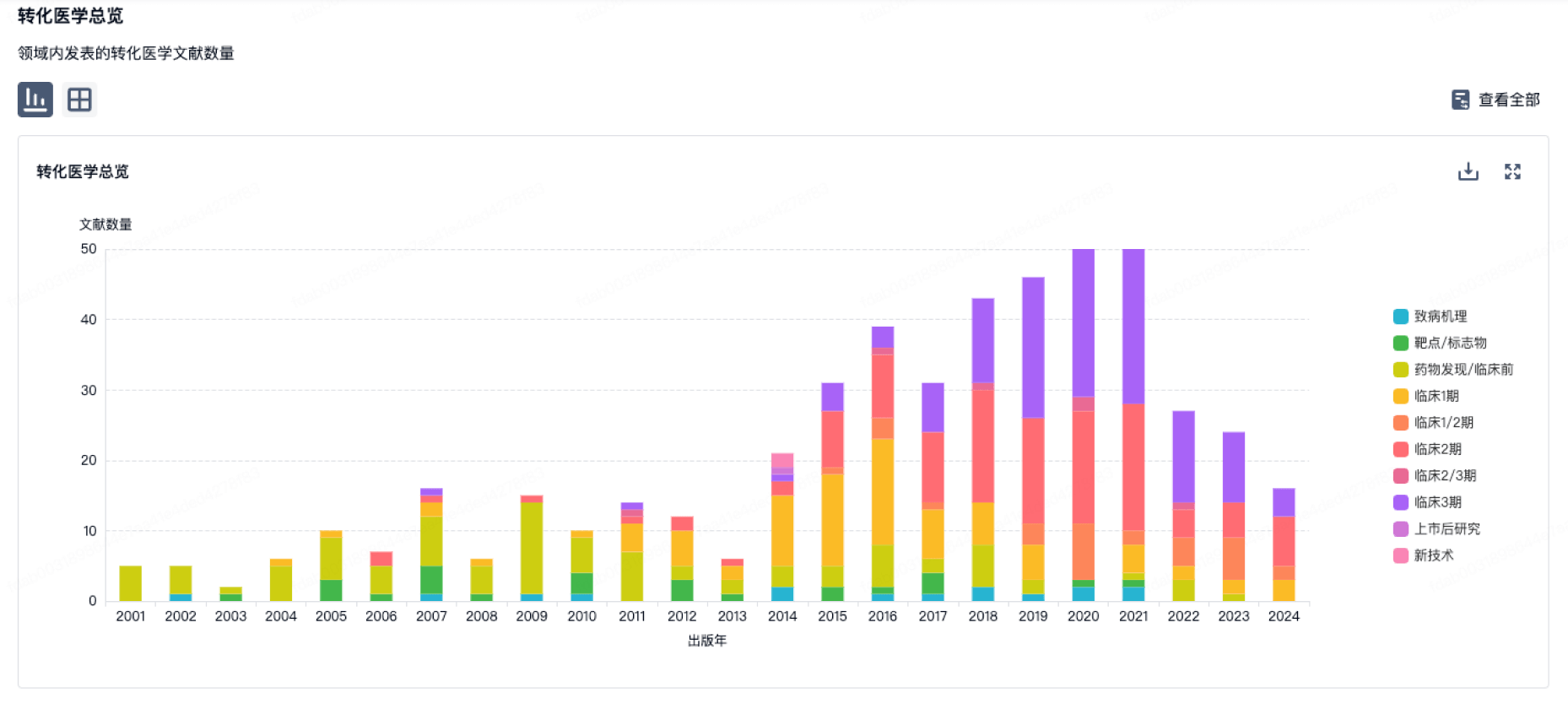
转化医学
使用我们的转化医学数据加速您的研究。
登录
或
营收
使用 Synapse 探索超过 36 万个组织的财务状况。
登录
或
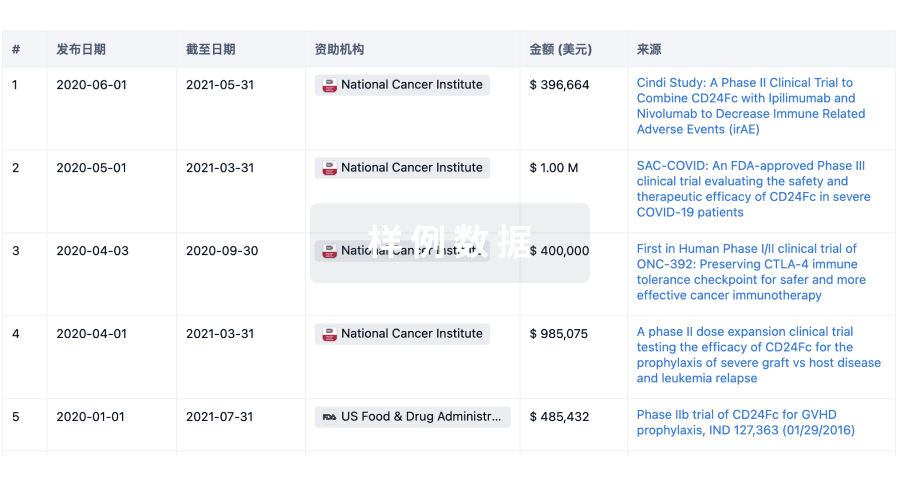
科研基金(NIH)
访问超过 200 万项资助和基金信息,以提升您的研究之旅。
登录
或
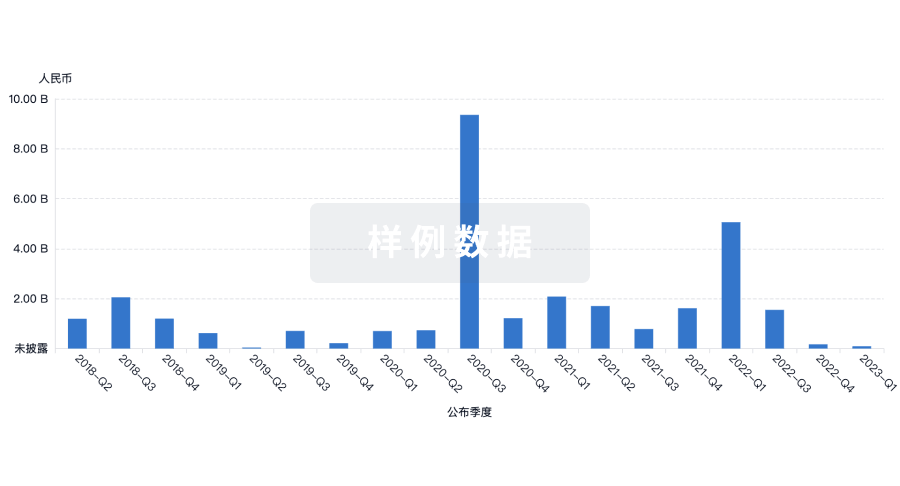
投资
深入了解从初创企业到成熟企业的最新公司投资动态。
登录
或
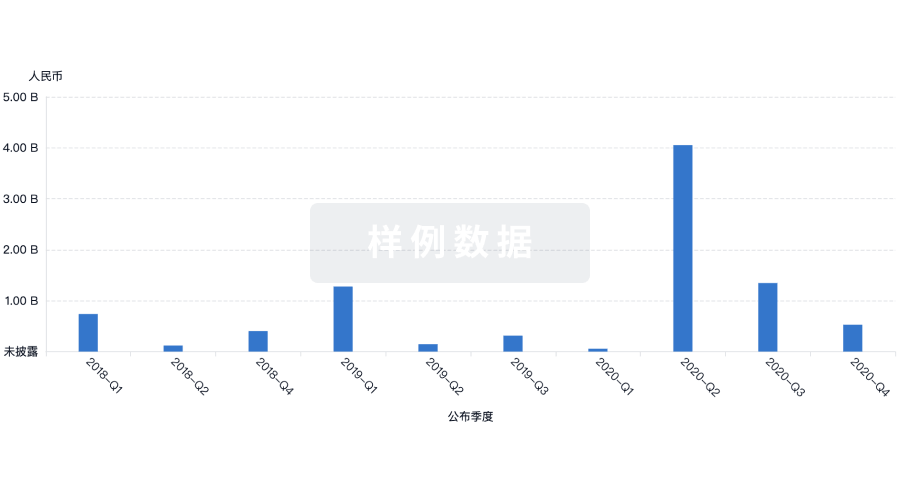
融资
发掘融资趋势以验证和推进您的投资机会。
登录
或
提出任何生物医药研究问题
让每一步生物医药决策都精准制胜
基于十亿级生物数据与全球情报的精准 AI,赋能早期药物发现
立即开始免费试用!
智慧芽新药情报库是智慧芽专为生命科学人士构建的基于AI的创新药情报平台,助您全方位提升您的研发与决策效率。
立即接入生物医药数据包
智慧芽新药库数据也通过智慧芽开放平台,以MCP或API服务形式对外开放。立即使用我们的MCP服务定制您的LLM智能体。
生物序列数据库
生物药研发创新
免费使用
化学结构数据库
小分子化药研发创新
免费使用