预约演示
更新于:2026-09-20

Hainan University
更新于:2026-09-20
概览
标签
其他疾病
神经系统疾病
肿瘤
小分子化药
蛋白水解靶向嵌合体(PROTAC)
毒素
疾病领域得分
一眼洞穿机构专注的疾病领域

技术平台
公司药物应用最多的技术
靶点
公司最常开发的靶点
关联
靶点 |
作用机制 |
在研机构 |
原研机构 |
在研适应症 |
非在研适应症 |
最高研发阶段 |
首次获批国家/地区 |
首次获批日期 |
靶点 |
作用机制 |
在研机构 |
原研机构 |
在研适应症 |
非在研适应症 |
最高研发阶段 |
首次获批国家/地区 |
首次获批日期 |
靶点 |
作用机制 |
在研机构 |
原研机构 |
在研适应症 |
非在研适应症 |
最高研发阶段 |
首次获批国家/地区 |
首次获批日期 |
ChiCTR2500102048
Differentiation analysis between the osteoporosis population and the normal population
ChiCTR2300075689
Effects of Lactobacillus casei Zhang and its probiotic complex on immune profile, metabolic profile and gut microbiome in middle-aged and elderly populations
ChiCTR2300073891
Study on the relationship between gut metabolites and inflammation and oxidative stress in sarcopenia and evaluation of probiotic intervention
100 项与 海南大学 相关的临床结果
登录后查看更多信息
登录后查看更多信息
2026-12-31Journal of Oral Microbiology
Dihydromyricetin attenuates biofilm formation and virulence in Streptococcus mutans, the key pathogen underlying dental caries
Article
作者: Cheng, Xin ; Liao, Yuntong ; Ye, Lianmeng ; Li, Yuqing ; Wang, Min ; Li, Xinxin ; Wang, Fang ; Dar, Owias Iqbal ; Ding, Zhiwen ; Sethupathy, Sivasamy ; Hao, Chunbo ; Zhong, Lili
Objective:
Streptococcus mutans is a primary pathogen linked to dental caries. This study evaluated the effects of dihydromyricetin (DHM), a flavonoid from Ampelopsis grossedentata, on the biofilm formation and virulence of S. mutans UA159 and explored the underlying mechanisms.
Methods:
Antibacterial activity was determined by minimum inhibitory concentration (MIC) and growth assays. Biofilm formation, metabolic activity and viable counts were assessed using crystal violet staining, MTT and CFU assays. Biofilm architecture was examined by electron and confocal microscopy. Acid production, extracellular polysaccharide (EPS) synthesis, adhesion and aggregation were evaluated. Expression of virulence genes (gtfB, gtfC and spaP) and the quorum sensing gene luxS was analyzed by RT-qPCR.
Results:
DHM showed an MIC of 250 μg/mL and significantly inhibited biofilm formation, EPS synthesis, acid production, adhesion and aggregation. Biofilm structure was disrupted and viable cell counts were reduced. DHM markedly downregulated virulence-associated and quorum sensing-related genes.
Conclusion:
DHM suppresses biofilm formation and cariogenic virulence of S. mutans, partly through the modulation of quorum sensing, indicating its potential as a natural anticariogenic agent.
2026-12-01Rice
Different Substrates Drive Differential Responses of Rice to Salt Stress
Article
作者: Wu, Zhaohui ; Zhou, Hang ; Zheng, Dianfeng ; Feng, Naijie
Studying the salt tolerance mechanisms of rice under a single substrate has certain limitations. The salt tolerance strategies of rice may differ under different substrate conditions. This study established three substrate types by adjusting the proportions of laterite, peat moss, and river sand: S1 (high sand; low nutrient), S2 (medium sand; medium nutrient), and S3 (low sand; high nutrient). Compared with the respective fresh water control, the magnitude of dry weight reduction in each substrate gradually decreased (S1-S3), indicating that the salt stress was effectively alleviated. KEGG enrichment analysis of differentially expressed genes (DEGs) showed that Xiangliangyou900 may be more dependent on the remodeling of carbon metabolism pathway (compared to nitrogen metabolism) in S1, but the nitrogen metabolism pathway were more significant in S3. In S3, differential metabolites were significantly enriched in carbon and nitrogen metabolism pathways, but no such enrichment was found in S1, indicating that the S3 substrate, with its high nutrient and low river sand content, is more likely to trigger carbon and nitrogen metabolism remodeling. Under salt stress, the methylation level of C bases in the CHH type increased in S1 and decreased in S3. The methylation level of CHH-type C bases in the whole genome was more strongly correlated with the physicochemical parameters of the substrate (compared to CG and CHG types).This study speculated that rice may optimize its ability to adapt to salt stress by specifically regulating the methylation of CHH-type C bases to mediate gene expression. The results of this study help enrich the theoretical system of the rice salt stress response mechanism.
2026-12-01Food Science of Animal Resources
In-pack combination of ultrasonication and sous-vide accelerates goat meat tenderization: gene expression and biochemical changes during early post-mortem storage
Article
作者: Kingwascharapong, Passakorn ; Zhang, Wanli ; Phongthai, Suphat ; Sai-Ut, Samart ; Srisakultiew, Nattanan ; Indriani, Sylvia ; Jung, Young Hoon ; Rawdkuen, Saroat ; Pongsetkul, Jaksuma
Meat tenderness is key to consumer acceptance but is challenged by goat meat's leanness and high connective tissue content. A promising solution is the in-pack combination of ultrasonication (US) and sous-vide (SV) technologies to enhance tenderness while ensuring product safety. This study investigates the individual and combined effects of US and SV on biochemical and molecular changes in goat meat during the first 48 h post-mortem, focusing on glycolysis, proteolysis, apoptosis, and water retention, compared to an untreated control (C). At 48 h post-mortem, US + SV resulted in the fastest pH decrease (p < 0.05), correlating with glycogen and ATP depletion and lactate accumulation, indicating accelerated glycolysis and hastened rigor mortis. Both US and SV individually enhanced sarcoplasmic and myofibrillar protein degradation, as shown by increased solubility and myofibrillar fragment index (MFI), and their combination had a synergistic effect on proteolysis. Only US + SV promoted collagen degradation (p < 0.05). US alone accelerated ATP degradation, whereas SV had no significant effect (p > 0.05), suggesting minimal impact on energy metabolism. SV enhanced US-driven proteolysis, likely by stabilizing proteolytic enzyme activity to function effectively in catalyzing the breakdown of proteins. Gene expression analysis confirmed that US + SV and US induced early apoptosis and proteolysis, particularly within the first 12 h, which corresponded to lower Warner-Bratzler Shear Force (WBSF) values, indicating improved meat tenderness. Despite higher weight loss, US + SV improved cooking loss compared to C (p < 0.05). These findings suggest that US + SV accelerates proteolysis and enhances meat tenderness, providing valuable insights for the meat industry in optimizing post-mortem processing techniques.
100 项与 海南大学 相关的药物交易
登录后查看更多信息
100 项与 海南大学 相关的转化医学
登录后查看更多信息
组织架构
使用我们的机构树数据加速您的研究。
登录
或
管线布局
2026年10月10日管线快照
管线布局中药物为当前组织机构及其子机构作为药物机构进行统计,早期临床1期并入临床1期,临床1/2期并入临床2期,临床2/3期并入临床3期
药物发现
16
31
临床前
登录后查看更多信息
当前项目
登录后查看更多信息
药物交易
使用我们的药物交易数据加速您的研究。
登录
或
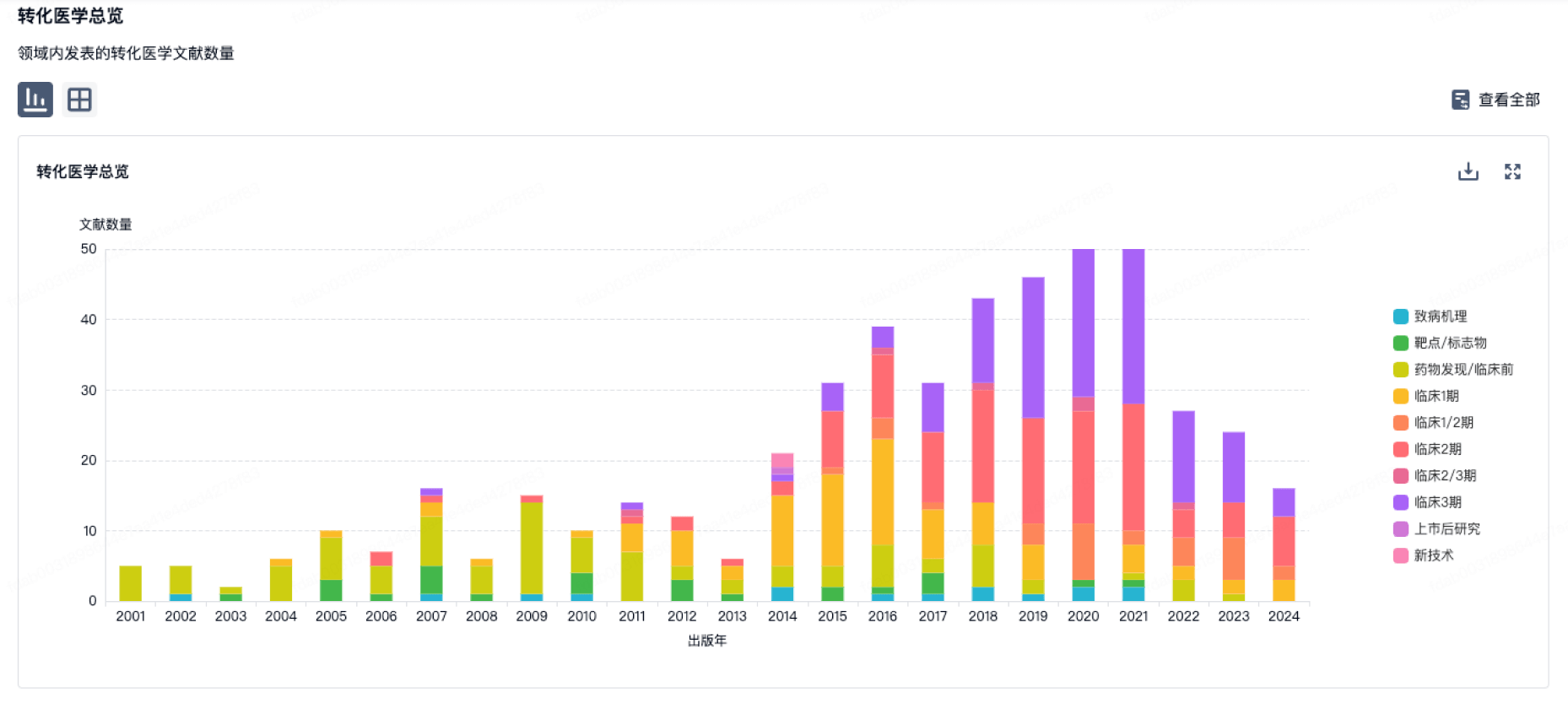
转化医学
使用我们的转化医学数据加速您的研究。
登录
或
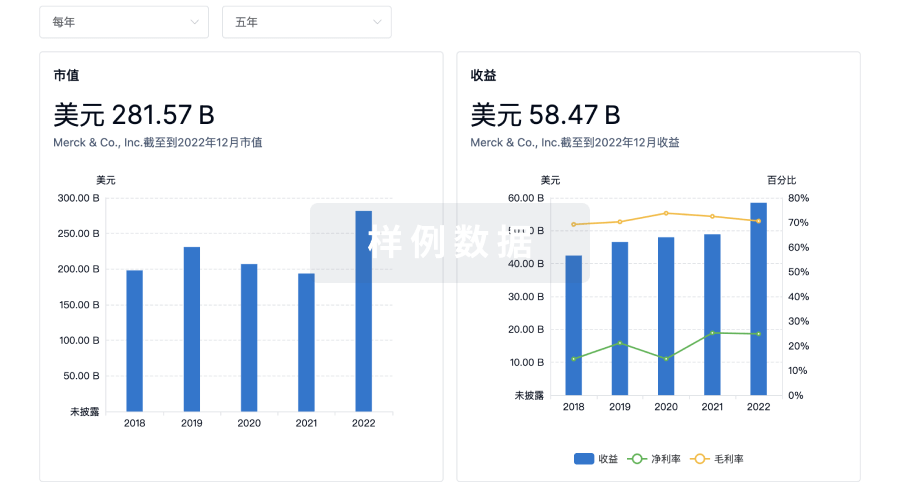
营收
使用 Synapse 探索超过 36 万个组织的财务状况。
登录
或
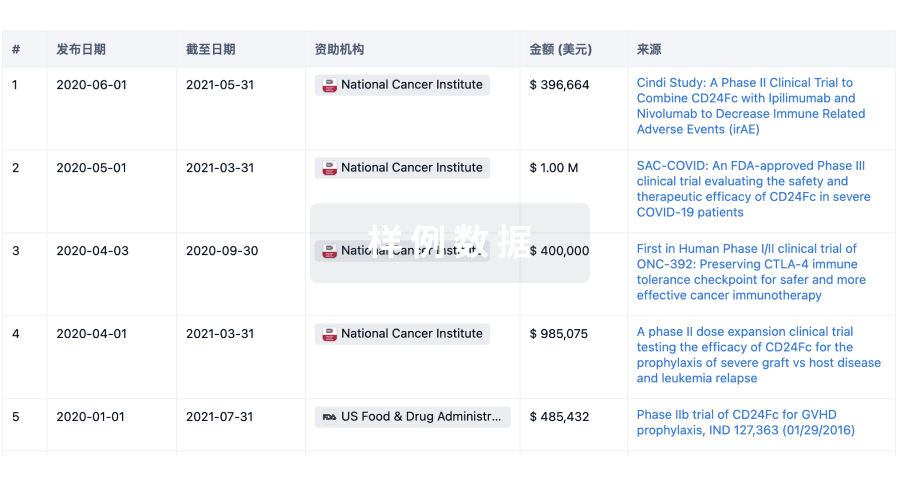
科研基金(NIH)
访问超过 200 万项资助和基金信息,以提升您的研究之旅。
登录
或
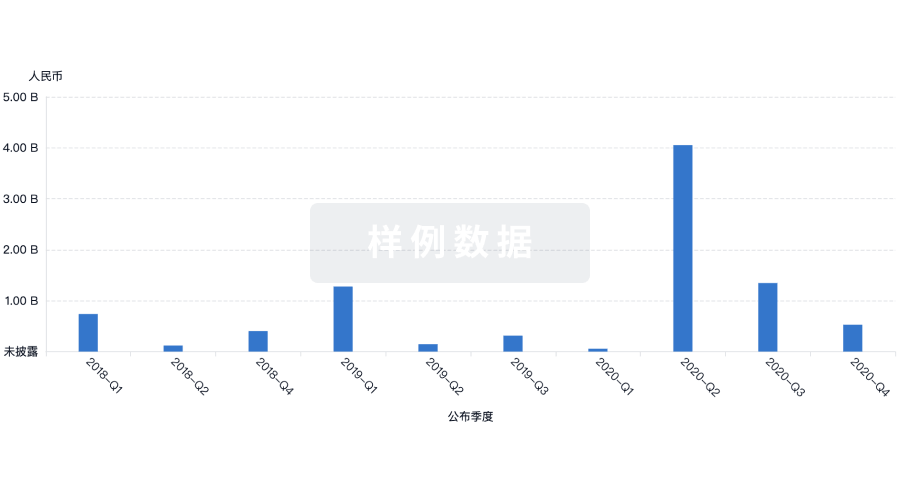
投资
深入了解从初创企业到成熟企业的最新公司投资动态。
登录
或
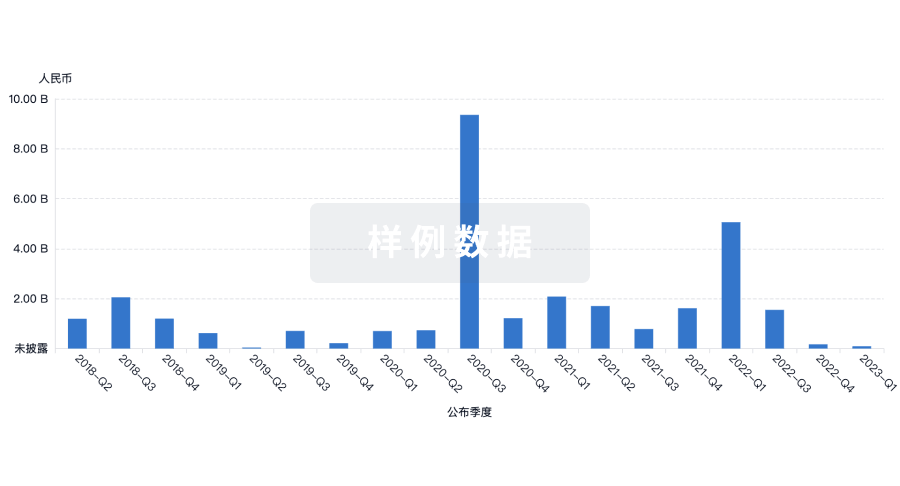
融资
发掘融资趋势以验证和推进您的投资机会。
登录
或
提出任何生物医药研究问题
让每一步生物医药决策都精准制胜
基于十亿级生物数据与全球情报的精准 AI,赋能早期药物发现
立即开始免费试用!
智慧芽新药情报库是智慧芽专为生命科学人士构建的基于AI的创新药情报平台,助您全方位提升您的研发与决策效率。
立即接入生物医药数据包
智慧芽新药库数据也通过智慧芽开放平台,以MCP或API服务形式对外开放。立即使用我们的MCP服务定制您的LLM智能体。
生物序列数据库
生物药研发创新
免费使用
化学结构数据库
小分子化药研发创新
免费使用