预约演示
更新于:2026-09-20

Shanghai Haohai Biological Technology Co., Ltd.
更新于:2026-09-20
概览
标签
皮肤和肌肉骨骼疾病
其他疾病
免疫系统疾病
化学药
生长因子
疾病领域得分
一眼洞穿机构专注的疾病领域

技术平台
公司药物应用最多的技术
靶点
公司最常开发的靶点
关联
靶点 |
作用机制 |
在研机构 |
原研机构 |
在研适应症 |
非在研适应症 |
最高研发阶段 |
首次获批国家/地区 |
首次获批日期 |
靶点 |
作用机制 |
在研机构 |
原研机构 |
在研适应症 |
非在研适应症 |
最高研发阶段 |
首次获批国家/地区 |
首次获批日期 |
靶点 |
作用机制 |
在研机构 |
原研机构 |
在研适应症 |
非在研适应症 |
最高研发阶段 |
首次获批国家/地区 |
首次获批日期 |
ChiCTR2600123445
A multicenter, randomized, controlled, blinded clinical trial evaluated the efficacy and safety of injectable hydroxyapatite microsphere tissue filler for correcting moderate to severe nasolabial folds.

ChiCTR2500115040
A multicenter, randomized, positive-controlled, blinded clinical trial was conducted to evaluate the efficacy and safety of injectable type I collagen solution for correcting crow's feet wrinkles.
ChiCTR2400086981
Multicenter, Randomized, Positive-Controlled Clinical Trial to Evaluate the Efficacy and Safety of Orthokeratology Rigid Gas Permeable Contact Lenses

100 项与 上海昊海生物科技股份有限公司 相关的临床结果
登录后查看更多信息
登录后查看更多信息
2025-01-08Aesthetic surgery journal. Open forum
Safety and Efficacy of a New Hyaluronic Acid Filler for Lip Augmentation: A Prospective, Multicenter, Randomized, Controlled Study
Article
作者: Peisheng Jin ; Xiaosong Chen ; Yanping Guo ; Lijun Hao ; Chengyuan Wang ; Dong Li ; Chushan Huang ; Depei Jin ; Ting Wang ; Zhiqi Hu
Abstract:
Background:
Lip augmentation has become increasingly accepted and popular. However, there are still a few approved lip fillers that are versatile, biocompatible, suitable for lip enhancement, and backed by large-scale clinical trials.
Objectives:
To assess the safety and effectiveness of Janlane LIPs (Shanghai Qisheng Biopharmaceutical Co., Ltd, Shanghai, China), a new hyaluronic acid filler for lip augmentation.
Methods:
This prospective, multicenter, randomized, controlled study randomized subjects to the treatment group or the concurrent no-treatment control group that received delayed treatment. The level of Lip Fullness Grading Scale (LFS) was evaluated by the blinded evaluator, and the Global Aesthetic Improvement Scale (GAIS) was evaluated by the blinded evaluator and the subjects at pre-injection and after injection. Adverse reactions were recorded. Statistical analysis of subject satisfaction was performed.
Results:
A total of 176 subjects were enrolled. The scores of LFS after injection were higher than those before injection; the degree of GAIS evaluated by the evaluator and subjects improved significantly. Local redness, swelling, etc. occurred after injection, most of which resolved within 1 week. The patient satisfaction was high and statistically significant.
Conclusions:
Janlane LIPs showed long-term aesthetic improvement and safety for lip augmentation, high patient satisfaction, and are worthy of clinical promotion.
Level of Evidence: 2 (Therapeutic):
2024-06-02Expert Opinion on Drug Delivery
Sustained release of brimonidine from conjunctival sac insert to reduce intraocular pressure for glaucoma treatment
Article
作者: Gu, Jifeng ; Sun, Xinghuai ; Shi, Rong ; Hong, Jiaxu ; Sun, Jianguo ; Ma, Yaling ; Xu, Jianjiang ; Dai, Zhaoxing ; Zhang, Zhutian ; Ma, Qian
BACKGROUND:
Glaucoma is one of the major irreversible blinding eye diseases in the world. Reducing intraocular pressure (IOP) is the primary treatment option, and taking eye drops daily is the common method. However, short drug duration and poor bioavailability of eye drops may lead to unsatisfied therapeutic effects and inadequate patient compliance.
METHODS:
A brimonidine-loaded silicone rubber insert (BRI@SR@PT) was prepared by loading brimonidine into a surface-modified silicone rubber ring, followed by polydopamine/thermoplastic polyurethane coatings. The physical properties, in vitro cytocompatibility and drug release of BRI@SR@PT were investigated. The BRI@SR@PT was administrated in the conjunctival sac of rabbit eyes, and its in vivo drug release, IOP-lowering efficacy and biosafety were assessed.
RESULTS:
The BRI@SR@PT presented great thermal stability and excellent elasticity. The BRI@SR@PT was able to release BRI sustainably for 28 days with little toxicity in vitro. Compared to BRI eye drops, the BRI@SR@PT effectively lowered IOP for 21 days based on the sustained BRI release with great biosafety when administrated in conjunctival sac of rabbit eyes in a noninvasive fashion.
CONCLUSIONS:
The conjunctival sac insert (BRI@SR@PT), as a promising drug-delivery platform, may provide a sustained IOP-lowering treatment for patients with ocular hypertension or glaucoma, without the need for invasive procedures.
2021-08-01Journal of biomaterials applications4区 · 工程技术
A nano chitosan membrane barrier prepared via Nanospider technology with non-toxic solvent for peritoneal adhesions’ prevention
4区 · 工程技术
Article
作者: Shuo Zhang ; Zhuoyue Xu ; Changzheng Wei ; Xuejun Wen
Peritoneal adhesion is one of the most common postsurgical complications and can cause bowel obstruction, pelvic pain, and infertility. Setting up a physical barrier directly between the injured site and surrounding tissues is an effective solution for preventing this adverse situation. This study investigated a chitosan electrospun membrane (CSEM) as a potent anti-adhesion barrier, which was prepared by a needleless technology called Nanospider. Scanning electron microscopy revealed that CSEM is a laminated nanofiber with good mechanical properties. The fiber is uniform with the diameter distributing in the range of 100–120 nm. The tensile strength can reach 27.45 ± 6.30 MPa with a maximum elongation at break of 18.50 ± 1.44%, which makes it stick easily to damaged parts but not to be easily damaged by tissue friction. The growth of S. aureus on CSEM was 59.18% lower than the control at 10 h, which indicates its better antibacterial property. In addition, CSEM has good coagulant and biocompatibility characteristics. It can perform hemostatic function within 10 min and the L929 mouse fibroblast viability on it was 92.18% ± 1.08% on the seventh day. In vivo experiments indicated that CSEM significantly prevented peritoneal adhesions within four weeks after surgery with wound surface coverage. These results indicate that CSEM is a promising anti-adhesion barrier material.
100 项与 上海昊海生物科技股份有限公司 相关的药物交易
登录后查看更多信息
100 项与 上海昊海生物科技股份有限公司 相关的转化医学
登录后查看更多信息
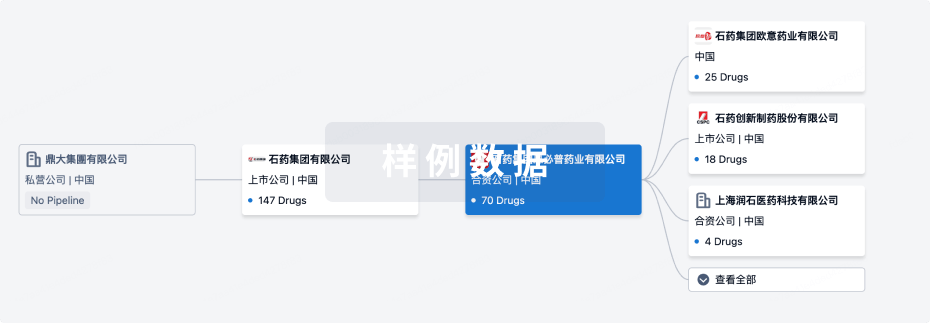
组织架构
使用我们的机构树数据加速您的研究。
登录
或
管线布局
2026年10月23日管线快照
管线布局中药物为当前组织机构及其子机构作为药物机构进行统计,早期临床1期并入临床1期,临床1/2期并入临床2期,临床2/3期并入临床3期
临床1期
2
2
批准上市
登录后查看更多信息
当前项目
登录后查看更多信息
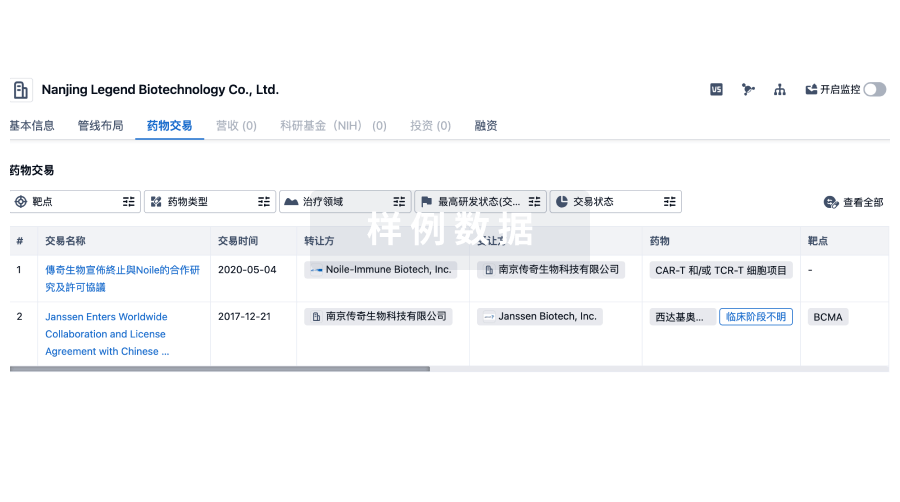
药物交易
使用我们的药物交易数据加速您的研究。
登录
或
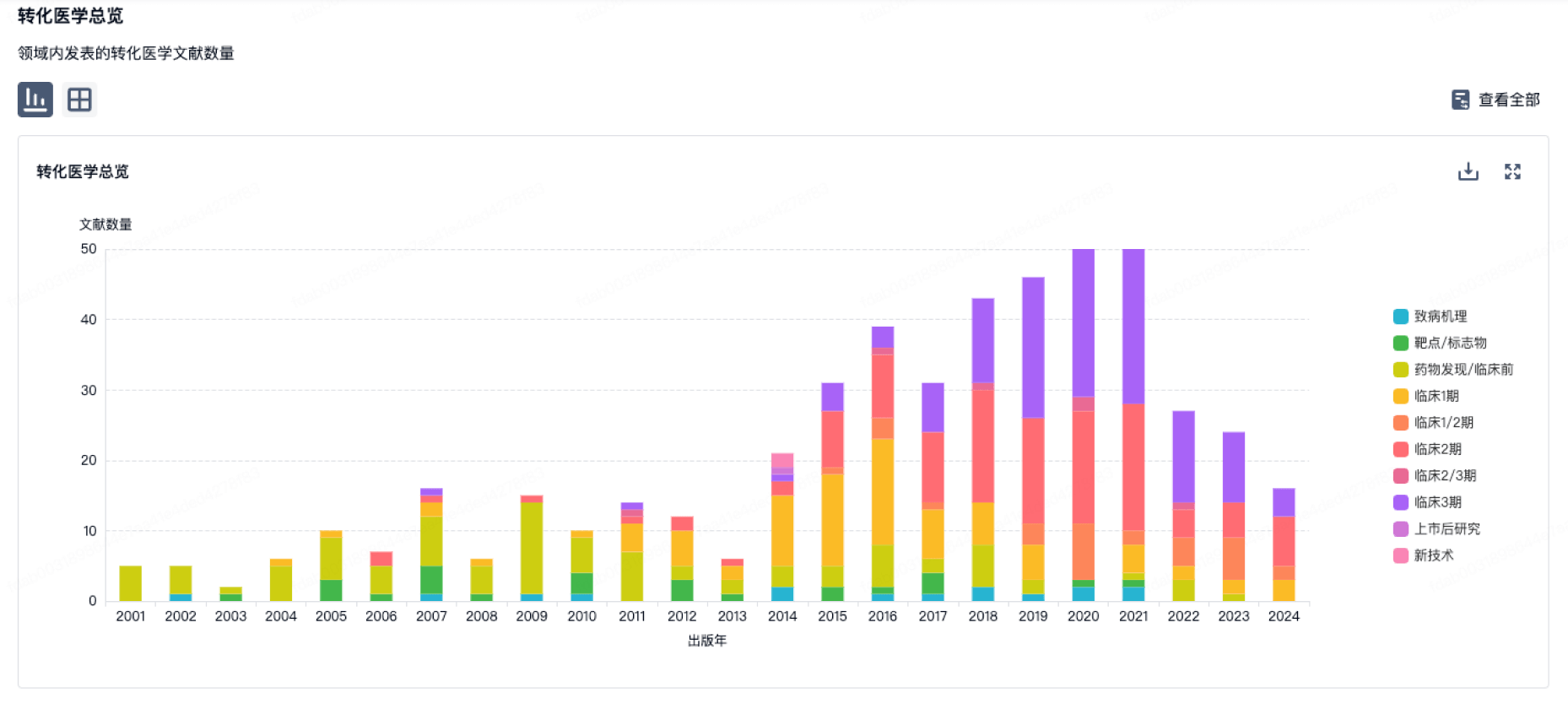
转化医学
使用我们的转化医学数据加速您的研究。
登录
或
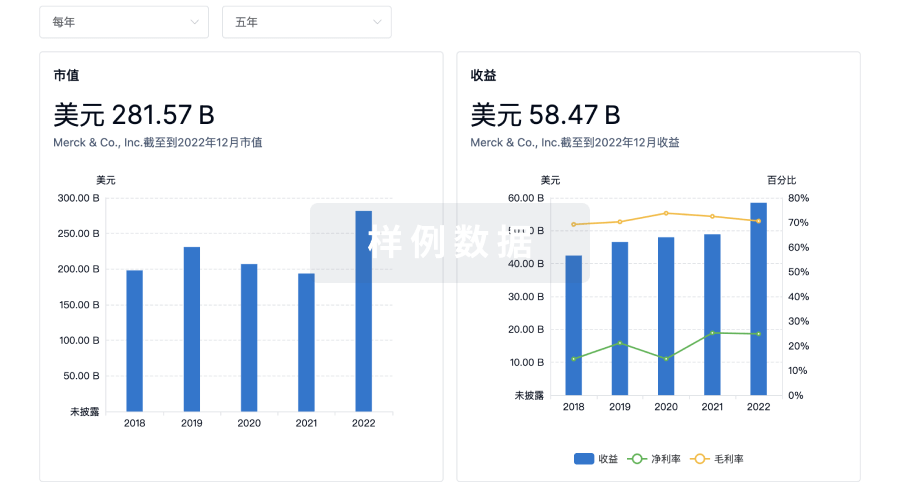
营收
使用 Synapse 探索超过 36 万个组织的财务状况。
登录
或
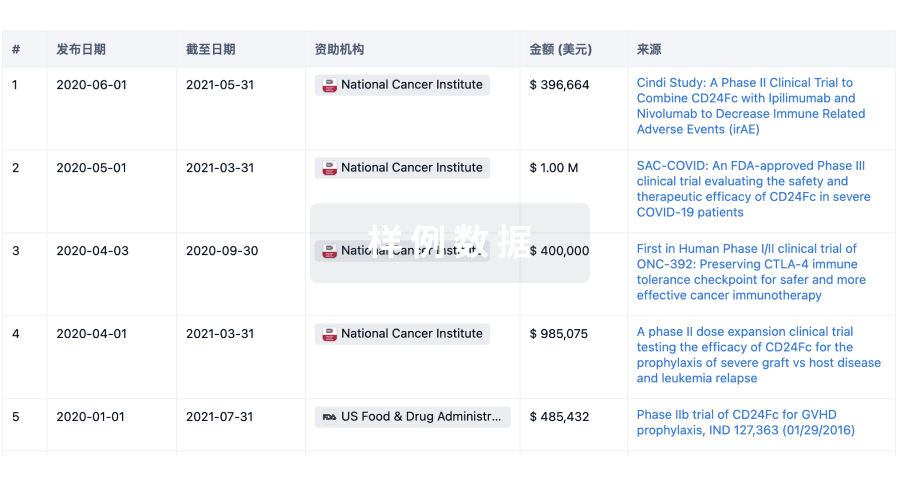
科研基金(NIH)
访问超过 200 万项资助和基金信息,以提升您的研究之旅。
登录
或
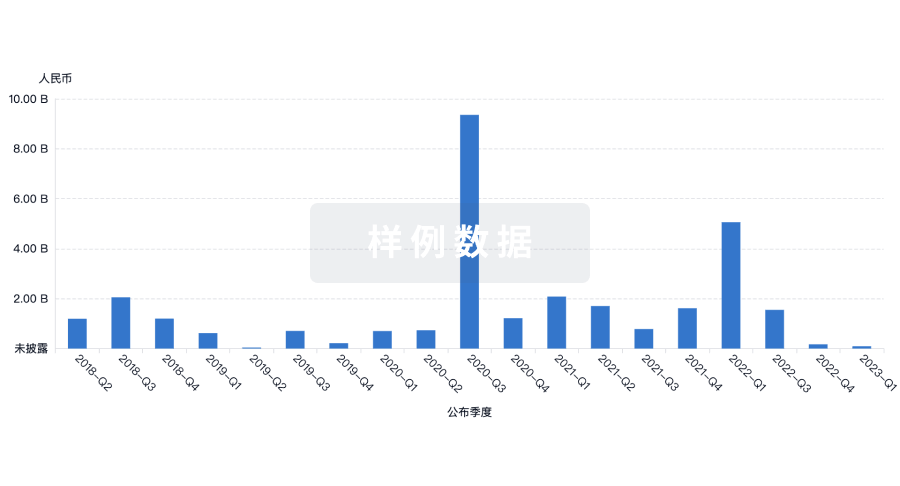
投资
深入了解从初创企业到成熟企业的最新公司投资动态。
登录
或
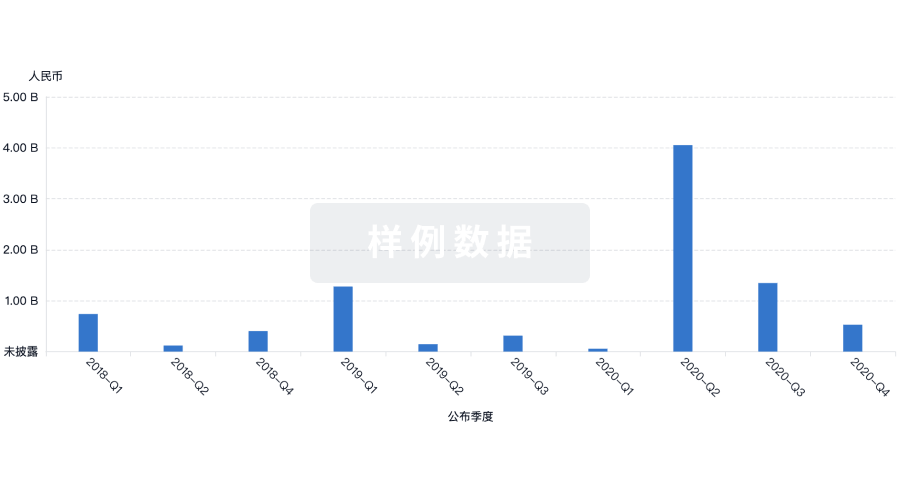
融资
发掘融资趋势以验证和推进您的投资机会。
登录
或
提出任何生物医药研究问题
让每一步生物医药决策都精准制胜
基于十亿级生物数据与全球情报的精准 AI,赋能早期药物发现
立即开始免费试用!
智慧芽新药情报库是智慧芽专为生命科学人士构建的基于AI的创新药情报平台,助您全方位提升您的研发与决策效率。
立即接入生物医药数据包
智慧芽新药库数据也通过智慧芽开放平台,以MCP或API服务形式对外开放。立即使用我们的MCP服务定制您的LLM智能体。
生物序列数据库
生物药研发创新
免费使用
化学结构数据库
小分子化药研发创新
免费使用