预约演示
更新于:2026-06-29
China Resources Jiangzhong Pharmaceutical Group Co., Ltd.
更新于:2026-06-29
概览
标签
眼部疾病
siRNA
疾病领域得分
一眼洞穿机构专注的疾病领域

技术平台
公司药物应用最多的技术
靶点
公司最常开发的靶点
关联
靶点 |
作用机制 |
在研机构 |
原研机构 |
在研适应症 |
非在研适应症 |
最高研发阶段 |
首次获批国家/地区 |
首次获批日期 |

靶点 |
作用机制 |
在研机构 |
原研机构 |
在研适应症 |
非在研适应症 |
最高研发阶段 |
首次获批国家/地区 |
首次获批日期 |
靶点 |
作用机制 |
在研机构 |
原研机构 |
在研适应症 |
非在研适应症 |
最高研发阶段 |
首次获批国家/地区 |
首次获批日期 |


ChiCTR2500110554
Effects of Bifid.Triple Viable Capsules Dissolving at Intestines on defecation, quality of life and gut microbiota in patients with functional constipation: A randomized, double-blind, placebo-controlled clinical study

CTR20233262
百里香药茶治疗普通感冒 (风寒袭表,兼脾胃不和证) 有效性和安全性的随机、双盲、安慰剂对照、多中心Ⅱ期临床试验
NCT05684952
The Efficacy and Safety of a Chinese Herbal Medicine (Shenlingcao Oral Liquid) for Treating Long COVID Associated Fatigue:a Double-blinded, Placebo-controlled, Randomized Clinical Trial

100 项与 华润江中制药集团有限责任公司 相关的临床结果
登录后查看更多信息
登录后查看更多信息
2025-12-01INTERNATIONAL JOURNAL OF PHARMACEUTICS
Process parameter optimization model for tablet compression based on random forest and proximal policy optimization algorithm
Article
作者: Cui, Pengdi ; Luo, Jigen ; Huang, Qiang ; Zhong, Zhijian ; Wang, Ting ; Zhu, Weifeng ; Fei, Yicheng ; Du, Jianqiang
In tablet manufacturing, optimizing process parameters is critical for improving tablet quality. Aiming at the problem of quality fluctuations in tablet compression caused by limited precision in automatic adjustment of process parameters and continued reliance on manual intervention, this study proposed a process parameter optimization model (RF-PPO) that integrated Random Forest (RF) and Proximal Policy Optimization (PPO) algorithms, using a Lactobacillus tablet compression line from a pharmaceutical company as the research case. The model first employed feature selection to identify critical process parameters (CPPs) for constructing the RF quality prediction model. Subsequently, the PPO algorithm was applied to iteratively optimize parameters by minimizing the deviation between the RF-predicted and nominal tablet weight (0.8 g), and the optimized parameters were then fed into the RF model to predict the optimized tablet weight. Finally, the effectiveness of the RF-PPO model was evaluated using two approaches: offline validation based on historical production data and a tablet-weight closed-loop control simulation in MATLAB/Simulink. The results indicated that the RF prediction model achieved high accuracy, with root mean square error (RMSE) values of 0.0035, 0.0117, and 0.0118 in the training set, test set, and 5-fold cross-validation, respectively, and all corresponding coefficients of determination (R2) exceeding 0.92. Meanwhile, the offline validation and the Simulink simulation results consistently show that the RF-PPO model can output optimized process parameters within a millisecond-level response time (0.0030 s), reducing manual intervention and maintaining tablet weight within the premium product range, closely approaching the nominal weight (0.8 g), providing a promising solution for intelligent pharmaceutical manufacturing.
2025-12-01BIOCHEMICAL PHARMACOLOGY
1,2,4-Trimethoxybenzene alleviates cognitive dysfunction in type 2 diabetes model rats by inhibiting NLRP3 inflammasome and restoring gut microbiota disorders
Article
作者: Liang, Yong-Hong ; Peng, Chang ; Zhang, Hai-Yan ; Huang, Hui-Chen ; Zhong, Ping ; Yang, Ming ; Wang, Ping
1,2,4-Trimethoxybenzene (ZY16) is a natural compound identified as a selective nucleotide-binding oligomerization domain-like receptor protein 3 (NLRP3) inflammasome inhibitor. Studies have shown that NLRP3 inflammasome activation contributes significantly to the pathogenesis of diabetic cognitive impairment (DCD). Using a rat model of DCD induced by a high-carbohydrate and high-fat diet combined with streptozotocin (STZ), we evaluated the therapeutic effects of ZY16 and metformin on cognitive impairment in diabetic rats through the following measures: blood glucose levels, behavioral tests, biodiversity analysis of gut microbiota, and molecular and histological analyses. The results showed that ZY16 significantly reduced the area under the curve (AUC) of oral glucose tolerance and reduced glycated serum protein (GSP), insulin, and insulin resistance (IR) levels. It also ameliorated diabetes-related hyperlipidemia, lowered malondialdehyde (MDA) levels, and alleviated oxidative stress. In addition, it enhanced learning and memory abilities and improved neuropathy. Furthermore, ZY16 reduced the expression of NLRP3, apoptosis-associated speck-like protein (ASC), Gasdermin D (GSDMD), and Caspase-1. In addition, ZY16 reduced the levels of inflammatory factors such as Interleukin-1 beta (IL-1β), Interleukin-18 (IL-18) and Tumor necrosis factor-alpha (TNF-α) in the hippocampus of rats. Species richness, diversity, and composition of the rat gut microbiota was recovered. In conclusion, ZY16 plays a beneficial role in DCD by inhibiting NLRP3 inflammasome formation and restoring intestinal flora. This finding may contribute to the development of a novel intervention for the clinical management of DCD.
2025-12-01FOOD CHEMISTRY
Encapsulation of Lactiplantibacillus plantarum subsp. plantarum in oil-phase gels O/W high internal phase emulsions: Improvement of storage stability and gastrointestinal viability
Article
作者: Li, Ziling ; Zou, Liqiang ; Chen, Qinyu ; He, Jiayong ; Huang, Enjing ; Xie, Youfa ; Zhou, Fangyuan ; Xiong, Xiangyuan ; Gao, Hongxia
Probiotics offer health benefits but often lose viability during processing and digestion, hindering their use. Therefore, we developed oil-phase gel O/W high internal phase emulsions (HIPEs) by incorporating beeswax to encapsulate Lactiplantibacillus plantarum subsp. Plantarum (L. plantarum). The incorporation of 1% and 2% beeswax reduced droplet size while improving the physical stability and strengthening the gel structure of the HIPEs. Crucially, incorporating beeswax markedly improved the retention of L. plantarum within the HIPEs oil phase. In addition, the oil-phase gelled HIPEs enhanced the thermal resistance of L. plantarum at 72 °C and 65 °C. It also imparted storage stability, which was 7.42 log10 CFU/g with 1% beeswax for 30 days storage at 4 °C. The addition of beeswax to the oil phase of HIPEs minimized L. plantarum's viability loss in the gastrointestinal tract. This study contributes to the development of a probiotic emulsion encapsulation system that reaches the colon with high viability.
100 项与 华润江中制药集团有限责任公司 相关的药物交易
登录后查看更多信息
100 项与 华润江中制药集团有限责任公司 相关的转化医学
登录后查看更多信息
组织架构
使用我们的机构树数据加速您的研究。
登录
或
管线布局
2026年10月13日管线快照
管线布局中药物为当前组织机构及其子机构作为药物机构进行统计,早期临床1期并入临床1期,临床1/2期并入临床2期,临床2/3期并入临床3期
临床前
1
1
临床2期
批准上市
3
4
其他
登录后查看更多信息
当前项目
登录后查看更多信息
药物交易
使用我们的药物交易数据加速您的研究。
登录
或
转化医学
使用我们的转化医学数据加速您的研究。
登录
或
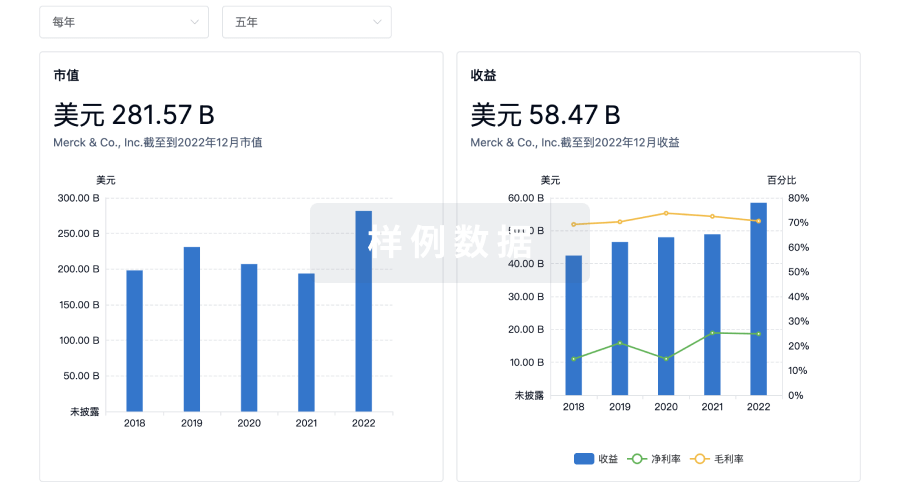
营收
使用 Synapse 探索超过 36 万个组织的财务状况。
登录
或
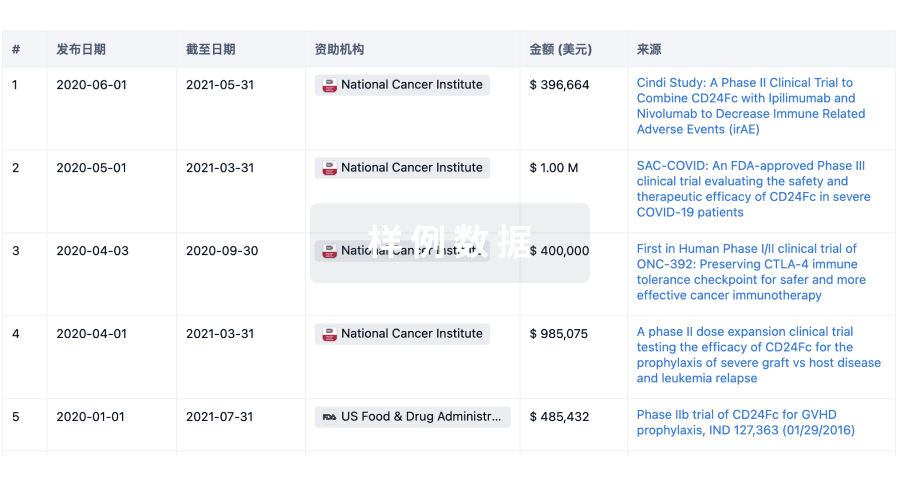
科研基金(NIH)
访问超过 200 万项资助和基金信息,以提升您的研究之旅。
登录
或
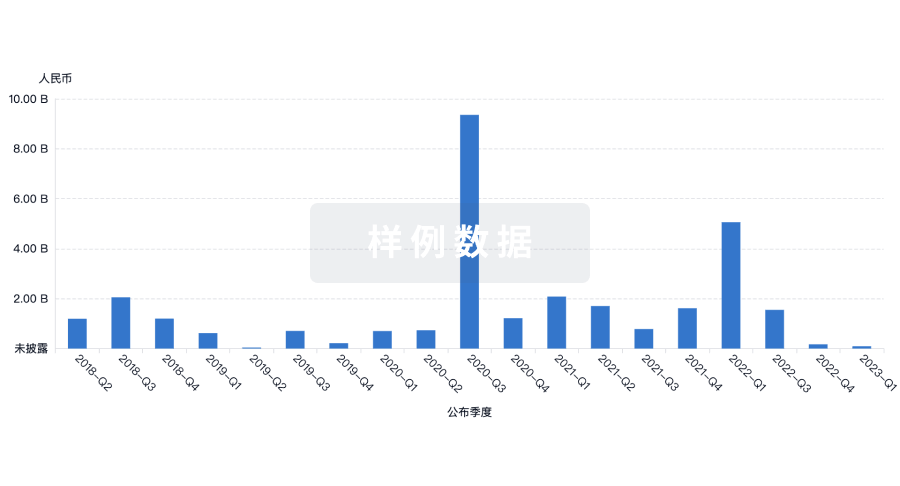
投资
深入了解从初创企业到成熟企业的最新公司投资动态。
登录
或
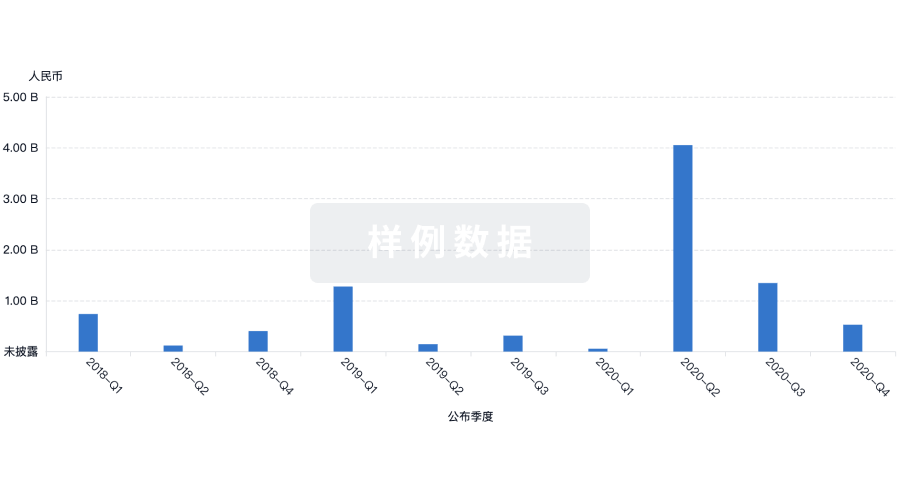
融资
发掘融资趋势以验证和推进您的投资机会。
登录
或
提出任何生物医药研究问题
让每一步生物医药决策都精准制胜
基于十亿级生物数据与全球情报的精准 AI,赋能早期药物发现
立即开始免费试用!
智慧芽新药情报库是智慧芽专为生命科学人士构建的基于AI的创新药情报平台,助您全方位提升您的研发与决策效率。
立即接入生物医药数据包
智慧芽新药库数据也通过智慧芽开放平台,以MCP或API服务形式对外开放。立即使用我们的MCP服务定制您的LLM智能体。
生物序列数据库
生物药研发创新
免费使用
化学结构数据库
小分子化药研发创新
免费使用