预约演示
更新于:2026-08-13

Chia Tai Tianqing Pharmaceutical Group Co., Ltd.
更新于:2026-08-13
概览
标签
肿瘤
消化系统疾病
其他疾病
小分子化药
单克隆抗体
生物药
疾病领域得分
一眼洞穿机构专注的疾病领域

技术平台
公司药物应用最多的技术
靶点
公司最常开发的靶点
关联
靶点 |
作用机制 |
在研机构 |
原研机构 |
在研适应症 |
非在研适应症 |
最高研发阶段 |
首次获批国家/地区 |
首次获批日期 |
靶点 |
作用机制 |
在研机构 |
原研机构 |
在研适应症 |
非在研适应症 |
最高研发阶段 |
首次获批国家/地区 |
首次获批日期 |
靶点 |
作用机制 |
在研机构 |
原研机构 |
在研适应症 |
非在研适应症 |
最高研发阶段 |
首次获批国家/地区 |
首次获批日期 |


NCT07747857
A Phase 1b Clinical Trial to Evaluate the Safety, Tolerability, Pharmacokinetic Profiles and Preliminary Efficacy of TQF3250 Capsules in Trial Participants With Type 2 Diabetes Mellitus Complicated With Overweight or Obesity
NCT07663526
A Multicenter, Single-Arm Study to Evaluate the Effectiveness and Safety of Tabellvi® (Adalimumab) in Chinese Adult Subjects With Moderate to Severe Active Crohn's Disease in the Real-World Setting
NCT07730190
A Phase I Clinical Trial Evaluating the Tolerability and Pharmacokinetics of TQB6426 for Injection in Patients With Advanced Malignancies
100 项与 正大天晴药业集团股份有限公司 相关的临床结果
登录后查看更多信息
登录后查看更多信息
2026-03-01PHARMACEUTICAL RESEARCH
Differences in mAb Galactosylation Caused by the Leaching of Manganese Ions from Different Bioreactors
Article
作者: Tan, Chengying ; Qin, Guohong ; Wang, Pan ; Wang, Xiaofei ; Xu, Dan ; Xu, Shengnan ; Mao, Jiaqi ; Liu, Xiaojing ; Lin, Yunfei ; Li, Guozhu
BACKGROUND:
Protein N-glycosylation is one of the critical quality attributes of monoclonal antibody (mAb). Evaluating its scalability and batch-to-batch consistency is essential for ensuring process robustness and product safety and efficacy.
RESULTS:
This study revealed that Project A exhibited significant scale differences in galactosylation ratio during process development and scale-up, with galactosylation levels in 2 L bioreactors being significantly greater than those in shake flasks and 200 L single-use bioreactors. We investigated the cause of this phenomenon and determined that the elevated galactosylation in 2 L bioreactor was due to the leaching of 0.05 μM to 0.06 μM manganese ions from the stainless-steel components in the 2 L glass bioreactor. These scale differences can be eliminated by adding 0.2 μM MnCl2 · 4H2O. Second, for projects with lower galactosylation levels, this paper suggests the use of shake flasks instead of bioreactors to guide the process scale-up of mAb glycosylation, thereby reducing trial-and-error costs and the production costs associated with replacing glass bioreactors with single-use bioreactors. Notably, the scale differences in mAb galactosylation observed in Project A do not apply to Project B, which showed no scale effect, indicating that this phenomenon may be more applicable to cell lines that are more sensitive to metal ions.
CONCLUSIONS:
These findings demonstrate that metal ion leaching presents a substantial challenge to the process consistency of mAb. We have proposed a series of targeted and practical solutions to address the issue of "equipment and material leaching" during the production of mAb glycosylation amplification.
2026-03-01EUROPEAN JOURNAL OF DRUG METABOLISM AND PHARMACOKINETICS
Bioequivalence and Comparative Pharmacokinetics of Two Generic Mirogabalin Besylate Tablets (5 mg and 10 mg) and Tarlige® in Healthy Chinese Volunteers: A Pooled Analysis of Two Randomized, Open-Label, Two-Period Crossover Studies
Article
作者: Yu, Haitao ; Li, Chenhui ; Wang, Fengling ; Zhu, Lili ; Zheng, Limin ; Li, Fan ; Wang, Angeng ; Meng, Xiangyun ; Xiong, Xiaolian ; Wei, Liying ; Ye, Xi
BACKGROUND AND OBJECTIVE:
Mirogabalin besylate is a selective α2δ-1 ligand approved for diabetic peripheral neuropathic pain. This study evaluated the pharmacokinetic (PK) bioequivalence and safety of generic 5 mg and 10 mg mirogabalin formulations compared with the reference product (Tarlige®) under both fasting and fed conditions among healthy Chinese volunteers.
METHODS:
This pooled analysis comprised two independent, randomized, open-label, two-period crossover trials: one evaluating the 5 mg formulation (24 participants/group) and another evaluating the 10 mg formulation (36 participants/group). Liquid chromatography-tandem mass spectrometry (LC-MS/MS) assays have been validated over ranges of 1.00-200 ng/mL (5-mg study) and 0.50-500 ng/mL (10-mg study) for plasma mirogabalin quantification. Primary endpoints were peak plasma concentration (Cmax), area under the plasma concentration-time curve from time zero to the last quantifiable time point (AUC0-t), and area under the plasma concentration-time curve from time zero to infinity (AUC0-∞). Bioequivalence was determined if the 90% confidence intervals (CIs) of geometric mean ratios (GMRs) fell within the 80.00-125.00% range, evaluated via analysis of variance (ANOVA) on log-transformed parameters.
RESULTS:
For the 5 mg formulation, the fasting study demonstrated bioequivalence with a Cmax GMR of 99.10% (90% CI 91.23-107.64), AUC0-t of 99.50% (97.14-101.91), and AUC0-∞ of 99.29% (96.96-101.68). Under fed conditions, Cmax showed higher variability (GMR: 88.61%, 80.48-97.55), while AUC0-t (98.55%, 96.42-100.73) and AUC0-∞ (99.03%, 97.00-101.10) remained within equivalence bounds. The 10 mg formulation exhibited robust bioequivalence in both fasting and fed states: fasting Cmax GMR was 97.07% (91.84-102.60), AUC0-t 100.61% (98.52-102.74), and AUC0-∞ 100.55% (98.61-102.53); fed Cmax was 97.14% (89.64-105.26), AUC0-t 101.04% (99.26-102.86), and AUC0-∞ 100.53% (99.03-102.05). An exploratory analysis of the two dose levels suggested a linear PK for mirogabalin within the 5-10 mg range. The intrasubject variability was generally low (CVW%: 3.76-20.36%), with the 10 mg formulation showing numerically lower variability for Cmax (13.79%) compared with the 5 mg formulation (16.39%) in the fasting state. Adverse event incidence ranged from 13.0% to 25.0% across groups, with no severe events reported.
CONCLUSIONS:
Both generic formulations met bioequivalence criteria to Tarlige® across studied doses. While both formulations showed acceptable PK profiles, the 10 mg dose exhibited more consistent exposure characteristics, as evidenced by a lower within-subject variability. The PK data are consistent with linear PK for mirogabalin within the studied dose range. Comparable safety profiles support the pharmaceutical equivalence in the studied population. These findings provide critical PK evidence for China's first generic mirogabalin products.
TRIAL REGISTRATION NO:
( http://www.chinadrugtrials.org.cn ): 5 mg: CTR20232783; 10 mg: CTR20242717.
2026-02-01ACTA PHARMACOLOGICA SINICA
Correction: magnesium isoglycyrrhizinate ameliorates high fructose-induced liver fibrosis in rat by increasing miR-375-3p to suppress JAK2/STAT3 pathway and TGF-β1/Smad signaling
作者: Zhao, Xiao-Juan ; Wang, Shui-Juan ; Wang, Shan-Chun ; Xu, Hong-Jiang ; Gu, Hong-Mei ; Xu, Qiang ; Pan, Ying ; Yang, Yan-Zi ; Kong, Ling-Dong ; Jiao, Rui-Qing
2026-08-12
·百度百家
100 项与 正大天晴药业集团股份有限公司 相关的药物交易
登录后查看更多信息
100 项与 正大天晴药业集团股份有限公司 相关的转化医学
登录后查看更多信息
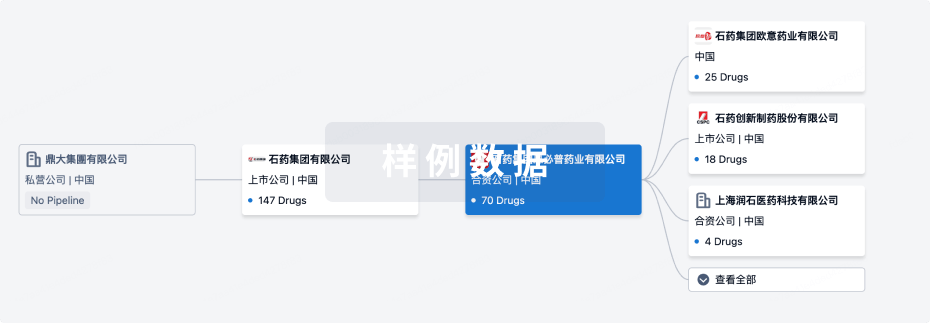
组织架构
使用我们的机构树数据加速您的研究。
登录
或
管线布局
2026年10月25日管线快照
管线布局中药物为当前组织机构及其子机构作为药物机构进行统计,早期临床1期并入临床1期,临床1/2期并入临床2期,临床2/3期并入临床3期
药物发现
11
44
临床前
临床申请
5
9
临床申请批准
临床1期
44
25
临床2期
临床3期
18
7
申请上市
批准上市
30
40
其他
登录后查看更多信息
当前项目
登录后查看更多信息
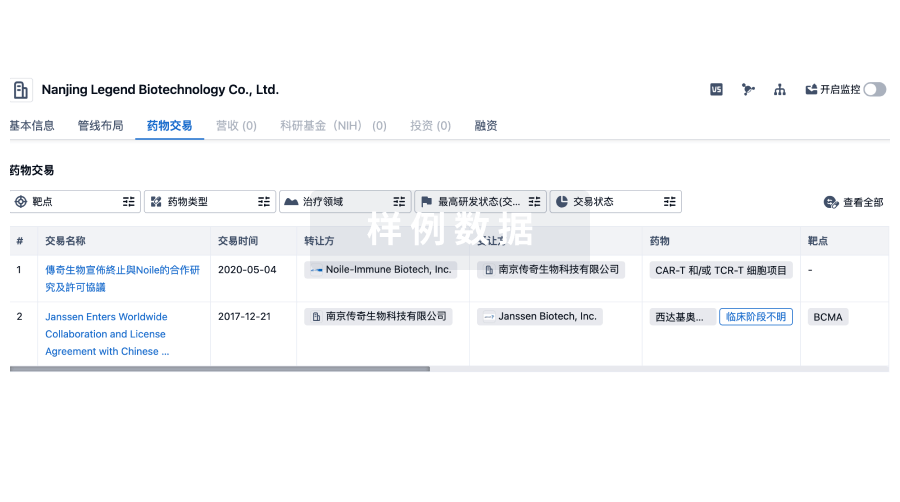
药物交易
使用我们的药物交易数据加速您的研究。
登录
或
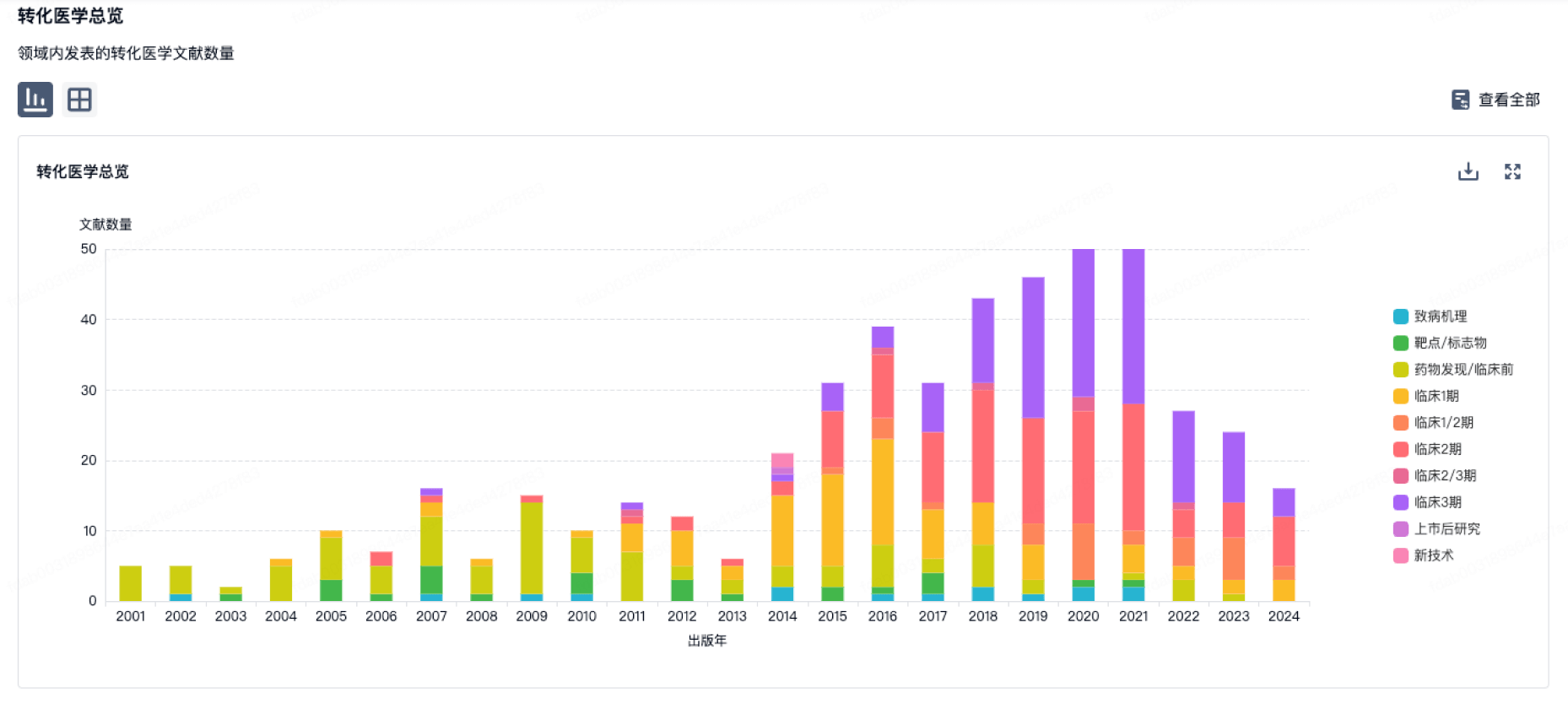
转化医学
使用我们的转化医学数据加速您的研究。
登录
或
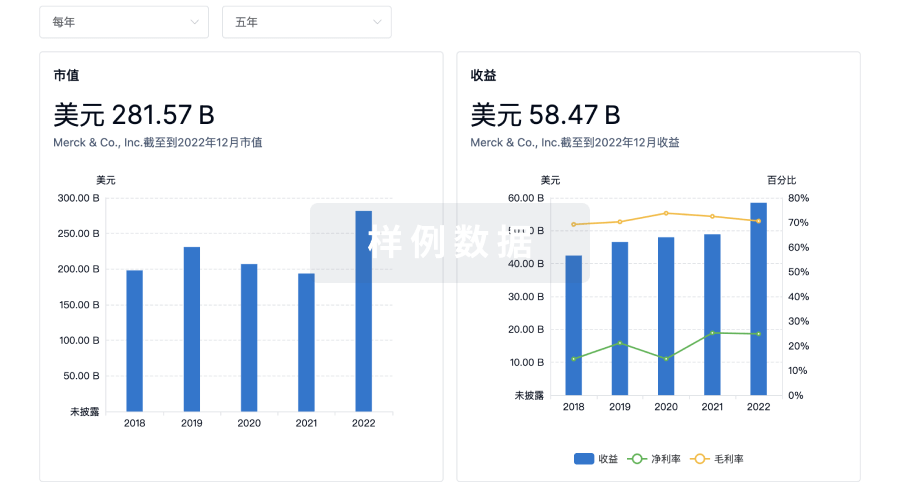
营收
使用 Synapse 探索超过 36 万个组织的财务状况。
登录
或
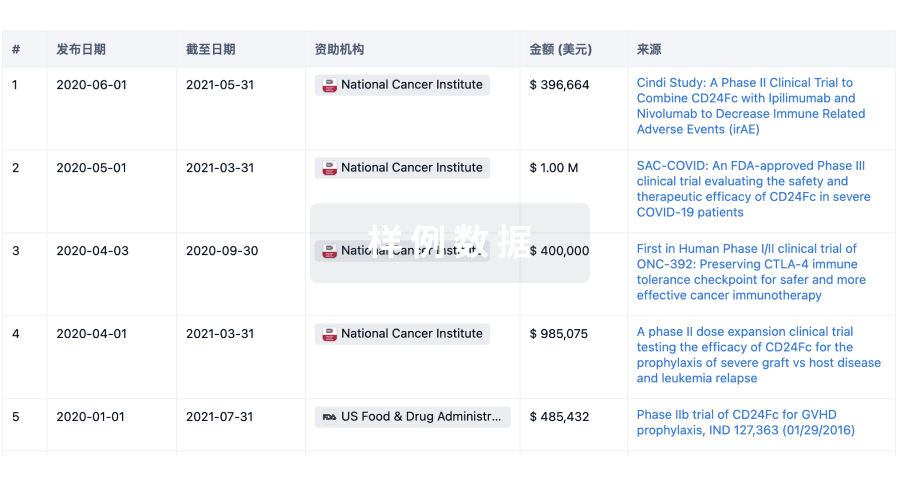
科研基金(NIH)
访问超过 200 万项资助和基金信息,以提升您的研究之旅。
登录
或
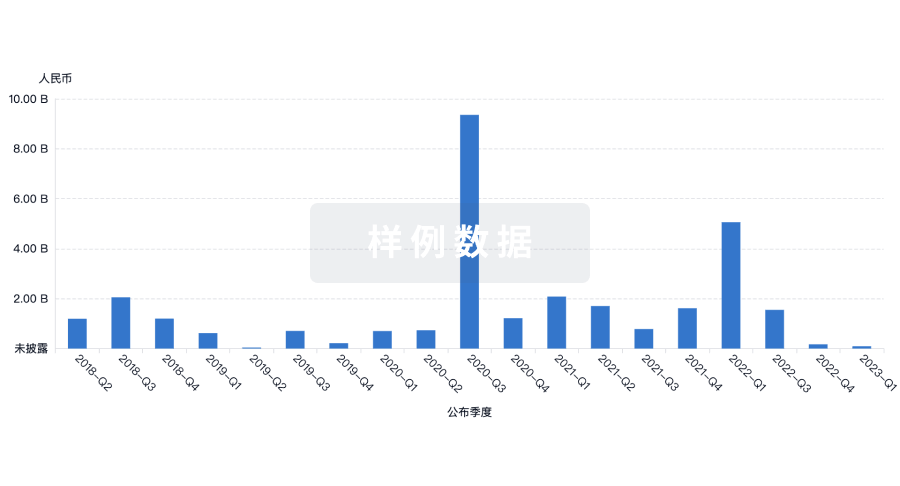
投资
深入了解从初创企业到成熟企业的最新公司投资动态。
登录
或
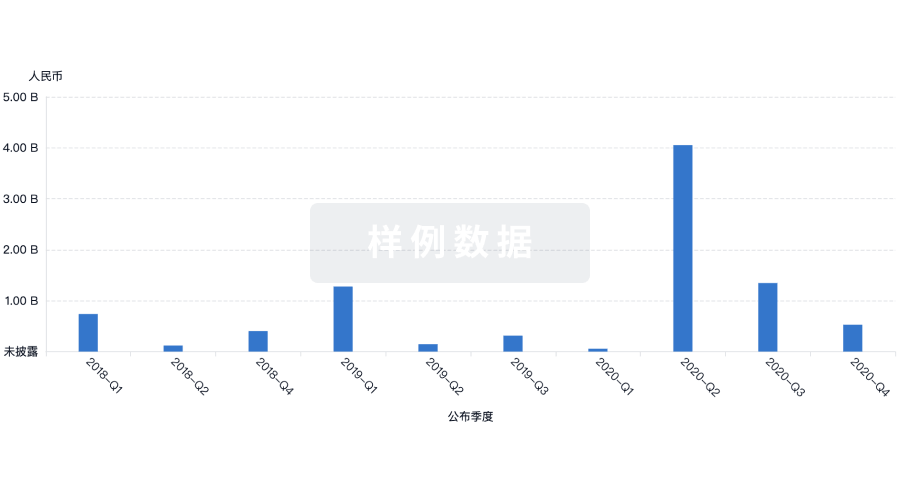
融资
发掘融资趋势以验证和推进您的投资机会。
登录
或
提出任何生物医药研究问题
让每一步生物医药决策都精准制胜
基于十亿级生物数据与全球情报的精准 AI,赋能早期药物发现
立即开始免费试用!
智慧芽新药情报库是智慧芽专为生命科学人士构建的基于AI的创新药情报平台,助您全方位提升您的研发与决策效率。
立即接入生物医药数据包
智慧芽新药库数据也通过智慧芽开放平台,以MCP或API服务形式对外开放。立即使用我们的MCP服务定制您的LLM智能体。
生物序列数据库
生物药研发创新
免费使用
化学结构数据库
小分子化药研发创新
免费使用