预约演示
更新于:2026-09-30

Crinetics Pharmaceuticals, Inc.
更新于:2026-09-30
概览
标签
肿瘤
消化系统疾病
其他疾病
小分子化药
化学药
偶联药物
疾病领域得分
一眼洞穿机构专注的疾病领域

暂无数据
技术平台
公司药物应用最多的技术
暂无数据
靶点
公司最常开发的靶点
暂无数据
| 排名前五的药物类型 | 数量 |
|---|---|
| 小分子化药 | 5 |
| 化学药 | 3 |
| 偶联药物 | 1 |
关联
9
项与 Crinetics Pharmaceuticals, Inc. 相关的药物靶点 |
作用机制 SSTR2激动剂 |
非在研适应症- |
最高研发阶段批准上市 |
首次获批国家/地区 美国 |
首次获批日期2025-09-25 |
作用机制 ACTH receptor拮抗剂 |
在研适应症 |
非在研适应症- |
最高研发阶段临床3期 |
首次获批国家/地区- |
首次获批日期- |
靶点 |
作用机制 SSTR2调节剂 |
非在研适应症- |
最高研发阶段临床1/2期 |
首次获批国家/地区- |
首次获批日期- |
29
项与 Crinetics Pharmaceuticals, Inc. 相关的临床试验CTIS2025-522648-42-01
A Multicenter, Phase 2/3, Dose Range Finding Study to Evaluate the Efficacy and Safety of Atumelnant in Adults with ACTH-Dependent Cushing’s Syndrome (ADCS) Including an Open-Label Extension for Long-Term Assessment. (EQUILIBRIUM-ADCS)
开始日期2026-10-31 |
NCT07570082
A Phase 1, Open-Label, Two-Cohort Study to Assess the Effect of a Strong CYP3A4 Inducer on the Pharmacokinetics of Atumelnant and the Effect of Atumelnant on the Pharmacokinetics of CYP3A4, P-gp, and MATE1/2-K Substrates in Healthy Participants
This study aims to evaluate the impact of strong CYP3A4 induction on the pharmacokinetics (PK) of atumelnant, as well as the effect of atumelnant on CYP3A4, P-gp, and MATE1/2-K substrates in healthy participants.
开始日期2026-05-28 |
NCT07159841
A Phase 2/3 Study to Evaluate the Safety, Efficacy, and Pharmacokinetics of Atumelnant Treatment in Pediatric Participants With Congenital Adrenal Hyperplasia Including a Long-Term Extension
The purpose of this study is to evaluate the safety, efficacy, pharmacokinetics (PK), and pharmacodynamics (PD) of atumelnant treatment in pediatric participants with classic congenital adrenal hyperplasia (CAH).
开始日期2026-01-22 |
100 项与 Crinetics Pharmaceuticals, Inc. 相关的临床结果
登录后查看更多信息
0 项与 Crinetics Pharmaceuticals, Inc. 相关的专利(医药)
登录后查看更多信息
20
项与 Crinetics Pharmaceuticals, Inc. 相关的文献(医药)2026-05-19·JOURNAL OF CLINICAL ENDOCRINOLOGY & METABOLISM
Efficacy and safety of pharmacologic therapies in acromegaly: a systematic literature review and network meta-analysis
Review
作者: Cuddihy, Robert M ; Hummel, Noemi ; Nachtigall, Lisa B ; Salvatori, Roberto ; Kopiec, Agnieszka ; Wang, Suwei ; Colzani, Raffaella M ; Okeyo, Janetricks C ; Maliszewska, Zuzanna
Abstract:
Context:
There are limited head-to-head trials comparing pharmacological treatments for acromegaly.
Objective:
Systematically review the efficacy and safety of pharmacological treatments for acromegaly and conduct a network meta-analysis (NMA) enabling indirect comparisons.
Methods:
MEDLINE and Embase were searched to identify randomized controlled trials (RCTs) of acromegaly therapies. Screening and data extraction followed PRISMA guidelines. Feasibility assessment evaluated homogeneity and consistency assumptions required for NMA. Bayesian NMAs estimated relative treatment effects and ranking probabilities.
Results:
Twenty-two records covering 18 RCTs were included. Biochemical control rates were comparable among long-acting injectable somatostatin receptor ligands (SRLs), including lanreotide autogel (LAN-ATG), octreotide long-acting release (OCT-LAR), pasireotide, the GH receptor antagonist pegvisomant, oral octreotide (O-OCT), octreotide subcutaneous depot (SC-OCT-D), and the once-daily oral SRL paltusotine. Paltusotine demonstrated significantly higher biochemical control vs O-OCT and SC-OCT-D (odds ratios [ORs], 95% credible intervals [CrIs]: 7.34 [1.48-36.07] and 7.85 [1.72, 36.25]). Pasireotide showed significantly higher biochemical control vs OCT-LAR (OR: 2.03 [1.29-3.23]). Paltusotine had significantly lower discontinuations due to adverse events (AEs) vs O-OCT and SC-OCT-D, (ORs: 0.022 [0.001-0.424] and 0.022 [0.001-0.343]), with similar rates to other treatments. Treatment-emergent AEs (TEAEs) and serious TEAEs were comparable across treatments. Rankings suggested paltusotine as the treatment with the highest probability of ranking as the most effective (or tolerable) treatment across all endpoints studied.
Conclusion:
This systematic review and NMA consolidate recent high-quality RCT evidence for acromegaly treatments. Paltusotine emerges as a promising alternative to injectable SRLs, with favorable efficacy, safety, and AE-related discontinuation patterns. These findings may inform clinical decision-making and guideline development, if confirmed by clinical experience.
2026-03-17·JOURNAL OF CLINICAL ENDOCRINOLOGY & METABOLISM
Rapid and Sustained Response of Biochemically Uncontrolled Acromegaly to Once-daily Oral Paltusotine Treatment
Article
作者: Fazeli, Pouneh K ; Gadelha, Mônica R ; Boguszewski, Cesar L ; Hu, Beibei ; Trainer, Peter J ; Krasner, Alan ; Struthers, R Scott ; Bidlingmaier, Martin ; Biller, Beverly M K ; Snyder, Peter J ; Fleseriu, Maria ; Jallad, Raquel S ; Soares, Beatriz ; Zhao, Yining ; Elenkova, Atanaska ; Strasburger, Christian J ; Casagrande, Alessandra ; Hubina, Erika
Abstract:
Context:
Paltusotine is a nonpeptide, selective somatostatin receptor 2 agonist in development as once-daily oral treatment for acromegaly.
Objective:
To evaluate efficacy and safety of paltusotine in patients with biochemically uncontrolled acromegaly not currently receiving medical therapy.
Methods:
In this phase 3, randomized, double-blind, placebo-controlled trial, adults with medically untreated acromegaly at randomization (stratum 1: medication-naïve or off acromegaly medications ≥4 months [IGF-I ≥ 1.3 × upper limit of normal {ULN}]; stratum 2: controlled on a somatostatin receptor ligand and underwent washout [IGF-I increase ≥30% to ≥1.1 × ULN]) received paltusotine or placebo for 24 weeks.
Results:
A total of 111 patients (stratum 1, n = 82; stratum 2, n = 29) enrolled (paltusotine, n = 54; placebo, n = 57). The primary endpoint of IGF-I normalization at 24 weeks was met in 55.6% of paltusotine-treated patients vs 5.3% for placebo (odds ratio [OR]: 42.81; 95% CI, 8.44-455.82; P < .0001), with superiority to placebo in both strata. Paltusotine treatment decreased IGF-I in 92.6% of patients within the first 4 weeks. All secondary endpoints were met: mean (±SE) change in IGF-I of -0.82 ± 0.08×ULN with paltusotine vs 0.09 ± 0.08×ULN with placebo (P < .0001); IGF-I < 1.3×ULN in 66.7% vs 14.0% of patients (OR: 18.32; 95% CI, 5.64-79.16; P < .0001); GH (5-sample mean) < 1.0 ng/mL in 57.4% vs 17.5% (OR: 7.59; 95% CI, 2.78-23.48; P < .0001); mean (±SE) change in Acromegaly Symptom Diary score of -2.7 ± 1.4 vs 2.8 ± 1.4 (P = .004). Most adverse events were acromegaly symptoms or mild, transitory gastrointestinal effects characteristic of somatostatin receptor ligands (eg, diarrhea, abdominal pain). Pituitary tumor volume was stable or reduced in paltusotine-treated patients.
Conclusion:
IGF-I normalized in significantly more patients with uncontrolled acromegaly treated with paltusotine vs placebo. Paltusotine was associated with rapid, sustained IGF-I reduction, significant symptom improvement and stable or reduced pituitary tumor size and was well tolerated.
2025-11-01·Journal of diabetes science and technology
Continuous Glucose Monitoring–Derived Glycemic Phenotyping of Childhood Hypoglycemia Due to Hyperinsulinism: A Year-long Prospective Nationwide Observational Study
Article
作者: Christine Ferrara-Cook ; Senthil Senniappan ; Sarah Worthington ; Maria Salomon-Estebanez ; Indraneel Banerjee ; Antonia Dastamani ; Elaine O’Shea ; Stephen Betz ; Guftar Shaikh ; Sameera Auckburally ; Sumera Ahmad ; Chris Worth
Background::
The glycemic characterization of congenital hyperinsulinism (HI), a rare disease causing severe hypoglycemia in childhood, is incomplete. Continuous glucose monitoring (CGM) offers deep glycemic phenotyping to understand disease burden and individualize patient care. Typically, CGM has been restricted to severe HI only, with performance being described in short-term, retrospective studies. We have described CGM-derived phenotyping in a prospective, unselected national cohort providing comprehensive baseline information for future therapeutic trials.
Methods::
Glycemic frequency and trends, point accuracy, and patient experiences were drawn from a prospective, nationwide, observational study of unselected patients with persistent HI using the Dexcom G6 CGM device for 12 months as an additional monitoring tool alongside standard of care self- monitoring blood glucose (SMBG).
Findings::
Among 45 patients with HI, mean age was six years and 53% carried a genetic diagnosis. Data confirmed higher risk of early morning (03:00-07:00 h) hypoglycemia throughout the study period and demonstrated no longitudinal reduction in hypoglycemia with CGM use. Device accuracy was suboptimal; 17 500 glucose levels paired with SMBG demonstrated mean absolute relative difference (MARD) 25% and hypoglycemia detection of 40%. Patient/parent dissatisfaction with CGM was high; 50% of patients discontinued use, citing inaccuracy and pain. However, qualitative feedback was also positive and families reported improved understanding of glycemic patterns to inform changes in behavior to reduce hypoglycemia.
Interpretation::
This comprehensive study provides unbiased insights into glycemic frequency and long-term trends among patients with HI; such data are likely to influence and inform clinical priorities and future therapeutic trials.
413
项与 Crinetics Pharmaceuticals, Inc. 相关的新闻(医药)2026-09-22
·泉禺
新药竞争的最后关口,往往不是临床试验,而是工厂里的同位素产量。
2026年9月21日,澳大利亚核药公司Telix Pharmaceuticals宣布以16.5亿美元收购德国同位素巨头ITM Isotope Technologies Munich。这笔交易一公布,Telix股价却跌了6%。市场用短期投票表达了对高溢价与整合风险的怀疑,但产业逻辑却十分清晰:核药赛道正在从"谁有最好的分子"转向"谁能稳定生产出足够多的同位素"。
这不是一桩普通的并购。ITM是全球唯一能够实现商业化大规模供应镥-177的企业,2025年收入2.73亿美元,2021至2025年复合增速40%,业务覆盖65个以上国家。Telix拿出的对价中,约12.5亿美元以股票支付,另承接3.02亿美元净债务,还有最高7亿美元与ITM-11注册和销售挂钩的或有对价。交易完成后,原Telix股东持有合并后约76.3%股权,ITM股东持股23.7%。
更值得关注的是并购背后的产业趋势。过去几年,核药领域最耀眼的名字是诺华的Pluvicto,这款靶向PSMA的镥-177放射性配体治疗药物年销售额正冲向50亿美元。但Pluvicto的商业化成功,很大程度上依赖于稳定且充足的镥-177供应。ITM恰恰是诺华Pluvicto所用同位素的关键供应商之一。Telix吞下ITM,相当于在核药产业链最紧俏的环节上筑起壁垒。一、事件复盘:16.5亿美元买的不只是药
拆解这笔交易,ITM的核心价值由三块构成。
第一是同位素产能。ITM掌握镥-177、锕-225、铽-161三种治疗用放射性同位素的规模化生产能力,其中镥-177是目前临床应用最广泛的放射性核素。放射性同位素半衰期短、生产门槛高、运输网络复杂,全球能稳定供应的企业屈指可数。ITM的产能和分销网络,是核药公司从研发到商业化的关键基础设施。
第二是在研产品ITM-11。这是一款用于治疗胃肠胰神经内分泌肿瘤的镥-177放射性配体治疗药物,III期COMPETE研究已完成,拓展适应症的COMPOSE研究也已满入组,预计2027年上半年读出数据。若获批,ITM-11将帮助Telix从诊断核药快速切入治疗核药市场。
第三是全球供应链能力。ITM覆盖65个以上国家的分销网络,解决了核药从生产到患者手中的"最后一公里"难题。放射性药物对物流、时间、温度、辐射安全的要求极高,自建分销体系成本巨大,ITM的网络是稀缺资产。
Telix自身以诊断核药见长。就在一周前,FDA批准了Telix的脑癌显像剂Pixclara。通过收购ITM,Telix将从"诊断"跨入"治疗",形成"诊疗一体化"的完整闭环。合并后的主体预计2026年营收超过13亿美元,2027年起实现EBITDA转正。二、为什么是产能:核药行业的供应链命门
核药行业有一个特殊规律:药物的商业价值与供应链稳定性高度绑定。普通小分子药或抗体药,一旦获批,产能可以快速放大。但放射性药物不同,其核心原料是短半衰期的放射性同位素,必须从反应堆或加速器中产生,再经过复杂的分离纯化、放射性标记、质量检测和冷链运输,才能在患者用药前数小时内送达医院。
这意味着,核药公司即使拥有最好的靶向分子,如果没有稳定同位素供应和配送网络,商业化也只是纸上谈兵。一座镥-177生产设施从立项到投产往往需要数年时间和数亿美元投入,且高度依赖反应堆运行计划与核材料供应。过去一年,核药领域频频传出产能瓶颈消息。诺华Pluvicto多次因供不应求而扩大生产网络,美国、欧洲纷纷投资新建同位素生产设施。
正因如此,资本市场对核药上游产能的定价越来越高。Telix并购ITM、三星生物要约收购瑞士多肽CDMO PolyPeptide、Vertex收购Crinetics,这些大额交易的共同点是:买家买的不是单一分子,而是产能、供应链和平台能力。单一分子的天价授权已经越来越少,产业资本更愿意为能够持续产生现金流的基础设施付费。三、同一天的中国:十五五规划与A股涨停潮
9月21日也是《医药工业发展"十五五"规划》发布后的首个A股交易日。规划提出,到2030年规模以上医药工业企业营业收入超过3.5万亿元,创新药产业规模年均增速20%以上,全球年销售额超10亿美元的品种达到5个以上,医药工业上市企业平均研发投入强度达到10%以上。
市场反应迅速且猛烈。早盘医药生物板块掀起涨停潮,华仁药业、透景生命20CM涨停,哈三联、华森制药、新华制药、哈药股份等十余股涨停,诺禾致源、近岸蛋白、洁特生物等盘中20CM涨停。港股恒生生物科技指数早盘大涨近5%,英矽智能、金斯瑞生物科技、诺诚健华、康方生物等涨超6%。
这一轮上涨不只是估值修复。规划中明确提到,要加快人工智能、量子计算、超级计算、计算医学等新技术赋能药物研发,探索超限制造、太空制药、生物制造等药械生产新模式。也就是说,政策层面已经把"AI+研发"和"先进制造"并列为未来五年的核心抓手。
同日,A股和港股的资金同时涌向两个方向:一是有全球竞争力的创新药,如康方生物、科伦博泰、信达生物;二是AI制药和湿实验服务链,如诺禾致源、金斯瑞、成都先导。这与Telix并购ITM所代表的"产能与平台竞争"形成呼应:中国创新药的下一张牌桌,已经从"有没有好分子"转向"能不能把分子稳定、便宜、规模化地做出来"。四、全球比较:ADC、TCE之后,资本为何押注核药产能
过去两年,全球创新药资本经历了三轮热点轮动。第一轮是ADC,以Enhertu、Trodelvy为代表,交易与并购金额动辄数十亿美元。第二轮是TCE双抗与三抗,康方生物依沃西单抗、GSK收购恩沐生物三特异TCE等事件把赛道推向高潮。第三轮,正是当下正在发生的核药与产能整合。
这三轮热点的切换有一个共同规律:当某个技术路径的临床价值被证明后,资本的注意力会迅速从"科学故事"转向"制造能力和供应链控制"。ADC需要毒素、连接子和抗体偶联工艺,TCE需要高表达稳定细胞株和纯化平台,核药则需要同位素和冷链物流。每一轮赛道的成熟,都会把产业链最紧缺的环节推上溢价顶峰。
这也是为什么Telix并购ITM的叙事如此重要。它标志着核药行业正式进入"产能竞赛"阶段。未来三到五年,拥有同位素产能、GMP放射性药物生产设施和全球分销网络的企业,将掌握核药产业链的话语权。没有这些基础设施的公司,即使手里有好分子,也可能只能沦为别人的供应商或被收购对象。五、风险:盛宴背后的产能过剩与地缘不确定性
任何并购都有两面。Telix这笔交易的风险同样不容忽视。
首先是整合风险。Telix和ITM分属澳大利亚、德国,企业文化、监管环境、生产标准差异巨大。如何在短时间内完成研发、生产、销售、财务系统的整合,是管理层面临的最大考验。
其次是ITM-11的审批不确定性。FDA在今年8月曾因第三方生产设施问题拒绝了ITM-11的申请,ITM正在重新提交。7亿美元的或有对价与ITM-11的注册和销售里程碑挂钩,若审批不顺,这笔交易的真实成本虽不会增加,但战略价值将大打折扣。
第三是地缘政治与供应链安全。放射性同位素生产高度依赖核反应堆和高浓缩铀,全球主要产能集中在欧洲、北美和少数亚洲国家。任何涉及核材料的贸易限制、运输禁令或生产设施安全事件,都可能对整个核药行业造成冲击。
第四是产能扩张可能超前于需求。Pluvicto的销售爬坡已经让诺华多次扩产,但新进入者如果同时上马产能,未来两到三年可能出现同位素与治疗药物供给过剩,拉低毛利水平。六、结论:中国创新药的下一课
无论如何,Telix并购ITM已经向市场传递了一个明确信号:在创新药行业,最终决定胜负的,可能不是实验室里的靶点选择,而是工厂里的产能、物流网络里的同位素和患者床边的给药能力。中国创新药在过去十年完成了从"fast-follow"到"best-in-class"的跃迁,下一步要争夺全球席位,就必须补上产能与供应链这一课。
十五五规划把生物医药列为新兴支柱产业,政策东风已经吹起。但在核药这个特殊赛道上,中国企业需要回答的问题不是"能不能做出一个好分子",而是"能不能在病人需要用药的那一周,把放射性药物准时、稳定、合规地送到医院"。
那才是真正的护城河。
2026-09-21
·新知分子
中文全译本
(按原文结构完整翻译,不删节)
本文件为《European Journal of Endocrinology》2026年第195卷R73–R96页论文的中文全译本,只收录译文,DOI: https://doi.org/10.1093/ejendo/lvag167。
翻译范围覆盖原文全部内容:题名、作者与单位、通信作者、摘要、关键词、意义、引言、背景、方法、表1至表5、正文各节关键陈述与论述、致谢、作者贡献、利益冲突、资助、数据可用性,以及全部115条参考文献。原文页眉页脚中的下载标记未作为正文内容译入。
药品国际非专利名、商品名、试验名称、登记研究名称、机构名、作者名、期刊名、卷期页码、DOI及网址保留原文,并在首次出现时给出中文对应。上标文献序号按原文位置保留。
表2至表4因列数较多,在译本中改为横向排版,表内文字均予翻译,未删减单元格内容。
本译本仅供学习与临床参考,不能替代原文及当地药品说明书。诊疗决策须结合产品获批适应证、当地监管要求及患者具体情况。
原文版权:© The Author(s) 2026. Published by Oxford University Press on behalf of European Society of Endocrinology. Open Access,CC BY 4.0。
译本整理日期:2026年9月21日。
European Journal of Endocrinology, 2026, 195, R73–R96
https://doi.org/10.1093/ejendo/lvag167
发表日期:2026年9月1日
非约稿综述
长效生长激素:生长激素研究学会共识声明更新
Katharina Schilbach¹,²,Peter Clayton³,Nidhi Agrawal⁴,Mai C. Arlien-Søborg⁵,Philippe F. Backeljauw⁶,Beverly M.K. Biller⁷,Cesar L. Boguszewski⁸,Margaret C.S. Boguszewski⁹,Philippe Chanson¹⁰,Pierre Chatelain¹¹,Stefano Cianfarani¹²,¹³,¹⁴,Maria Fleseriu¹⁵,Judith Gebauer¹⁶,Adda Grimberg¹⁷,¹⁸,Ken K.Y. Ho¹⁹,Andrew R. Hoffman²⁰,Gudmundur Johannsson²¹,Jens O.L. Jorgensen⁵,Anders Juul²²,²³,Wolfram Karges²⁴,Jan Lebl²⁵,Xiaoping Luo(罗小平)²⁶,Mohamad Maghnie²⁷,²⁸,Aristides Maniatis²⁹,Bradley Miller³⁰,Sebastian J.C.M.M. Neggers³¹,Michel Polak³²,Sally Radovick³³,Lars Sävendahl³⁴,Junia R.O.L. Schweizer¹,Paulo F. Collett-Solberg³⁵,Adam Stevens³⁶,Christian J. Strasburger³⁷,Christa C. van Bunderen³⁸,Haim Werner³⁹,Joachim Woelfle⁴⁰,Kevin C.J. Yuen⁴¹ 及 Martin Bidlingmaier¹*
¹德国慕尼黑 80336,路德维希-马克西米利安大学慕尼黑大学医院内科及综合诊所 IV
²德国代根多夫 94469,代根多夫技术学院应用医疗保健科学学院
³英国曼彻斯特 M13 9PL,曼彻斯特大学生物学、医学与健康学院发育生物学与医学
⁴美国纽约州纽约市 NY 10017,纽约大学朗格尼医学中心内分泌、糖尿病与代谢科
⁵丹麦奥胡斯 8200,奥胡斯大学医院内分泌与内科
⁶美国俄亥俄州辛辛那提 OH 45229,辛辛那提儿童医院医学中心,辛辛那提大学医学院
⁷美国马萨诸塞州波士顿 MA 02114,麻省总医院神经内分泌与垂体肿瘤临床中心
⁸巴西库里蒂巴 80030-110,巴拉那联邦大学内科内分泌科
⁹巴西库里蒂巴 80060-900,巴拉那联邦大学儿科
¹⁰法国勒克雷姆兰-比塞特尔 94275,巴黎-萨克雷大学,法国国家卫生与医学研究院,内分泌生理与病理生理学,巴黎公立医院集团比塞特尔医院内分泌与生殖疾病科,垂体罕见病参考中心
¹¹法国圣热尼-拉瓦尔 69230,里昂第一大学克劳德·贝尔纳大学儿科学院
¹²意大利罗马 00133,罗马第二大学系统医学系
¹³意大利罗马 00165,“Bambino Gesù”儿童医院内分泌与糖尿病科
¹⁴瑞典斯德哥尔摩 17177,卡罗林斯卡学院妇女与儿童健康系
¹⁵美国俄勒冈州波特兰 OR 97239,俄勒冈健康与科学大学垂体中心,内科与神经外科
¹⁶德国莱比锡 04103,莱比锡大学医院莱比锡大学肿瘤中心肿瘤科
¹⁷美国宾夕法尼亚州费城 PA 19104,宾夕法尼亚大学佩雷尔曼医学院儿科
¹⁸美国宾夕法尼亚州费城 PA 19104,费城儿童医院内分泌与糖尿病科
¹⁹澳大利亚新南威尔士州悉尼 NSW 2010,圣文森特医院与新南威尔士大学悉尼高级内分泌学
²⁰美国加利福尼亚州斯坦福 CA 94305,斯坦福大学医学院内科内分泌、代谢与老年医学科
²¹瑞典哥德堡 413 45,哥德堡大学萨尔格伦斯卡学院医学院,萨尔格伦斯卡大学医院内分泌科
²²丹麦哥本哈根 2100,哥本哈根大学医院-Rigshospitalet 生长与生殖科
²³丹麦哥本哈根 2200,哥本哈根大学临床医学院
²⁴德国亚琛 52074,亚琛工业大学医院内分泌与糖尿病科
²⁵捷克共和国布拉格 15006,查理大学第二医学院,Motol 大学医院及 Homolka 医院儿科
²⁶中国武汉 430030,华中科技大学同济医学院附属同济医院儿科
²⁷意大利热那亚 16147,Giannina Gaslini 研究所 IRCCS 儿科内分泌科
²⁸意大利热那亚 16147,热那亚大学神经科学、康复、眼科、遗传学、母婴健康系
²⁹美国科罗拉多州森特尼尔 CO 80112,落基山儿科内分泌学
³⁰美国明尼苏达州明尼阿波利斯 MN 55454,明尼苏达大学医学院儿科内分泌科,M Health Fairview Masonic 儿童医院
³¹荷兰鹿特丹 3015 GD,伊拉斯谟大学医学中心内科内分泌科及鹿特丹垂体中心
³²法国巴黎 75015,巴黎西岱大学,巴黎公立医院集团 Necker 儿童医院儿科内分泌、妇科与糖尿病科
³³美国亚利桑那州图森 AZ 85724,亚利桑那大学健康科学西南临床与转化科学创新中心
³⁴瑞典斯德哥尔摩 SE-17177,卡罗林斯卡学院及卡罗林斯卡大学医院妇女与儿童健康系
³⁵巴西里约热内卢 20550-170,里约热内卢州立大学医学科学院内科
³⁶英国曼彻斯特 M13 9WL,曼彻斯特大学圣玛丽医院生物学、医学与健康学院发育生物学与医学科
³⁷德国柏林 10117,柏林夏里特大学医学院米特区校园内分泌与代谢科
³⁸荷兰奈梅亨 6525 GA,内梅亨拉德堡德大学医学中心内科内分泌科
³⁹以色列特拉维夫 6139001,特拉维夫大学医学与健康科学学院人类分子遗传学与生物化学系
⁴⁰德国埃尔朗根 91054,埃尔朗根-纽伦堡弗里德里希-亚历山大大学埃尔朗根大学医院儿科与青少年医学
⁴¹美国亚利桑那州凤凰城 AZ 85013,巴罗神经学研究所巴罗垂体中心,神经内分泌与神经外科,亚利桑那大学医学院及克赖顿大学医学院
通信作者:德国巴伐利亚州慕尼黑 80336,Ziemssenstr. 5,慕尼黑大学医院内科及综合诊所 IV 内分泌实验室。电子邮箱:martin.bidlingmaier@med.uni-muenchen.de
收稿日期:2026年5月6日。修订日期:2026年7月21日。接受日期:2026年8月17日。
© The Author(s) 2026。由牛津大学出版社代表欧洲内分泌学会(European Society of Endocrinology)出版。本文为开放获取文章,依据知识共享署名许可协议(https://creativecommons.org/licenses/by/4.0/)条款发行,允许在注明原作的前提下不受限制地重复使用、分发和复制。摘要
在过去十年中,长效生长激素(long-acting growth hormone, LAGH)制剂已从研发阶段进入常规临床使用。若干产品现已获批用于儿童生长激素缺乏症(growth hormone deficiency, GHD)、部分非GHD性身材矮小适应证,并在部分地区获批用于成人GHD。生长激素研究学会(Growth Hormone Research Society, GRS)于2025年10月召开国际研讨会,重新评估证据基础并完善临床建议。目前已有超过8000例个体、最长约7年的LAGH治疗数据。这仍明显短于、也小于每日生长激素(daily GH)的证据体量。在各制剂之间,只要剂量个体化并予以适当监测,短至中期疗效似与每日重组人生长激素(somatropin)相当。获批情况和关键试验依产品及地区说明书不同,既包括治疗起始,也包括由每日GH转换。试验及真实世界报告尚未识别出新的重大安全性信号,但关于体重指数(BMI)轨迹的数据仍需进一步评估。注射部位反应仍是最常见不良事件,并因制剂而异。已观察到抗药抗体,但现有证据提示其临床影响有限。对糖代谢的影响与每日治疗相似,但代谢高危人群在研究中代表性不足。在癌症幸存者中,尚无LAGH与肿瘤复发及第二肿瘤相关的数据。建议与实践要点强调审慎的患者选择与咨询、产品特异性给药,以及胰岛素样生长因子-I(insulin-like growth factor-I, IGF-I)监测。亟待填补的知识空白包括过渡期管理、长期疗效、依从性,以及癌症幸存者中的安全性。资源充足的登记研究对于填补这些空白、支持LAGH安全、有效且以患者为中心的使用至关重要。
关键词:LAGH,GHD,IGF-I监测,安全性,疗效,免疫原性,登记研究意义
在过去十年中,长效生长激素(LAGH)制剂已从研发阶段进入常规临床使用。本更新版生长激素研究学会共识声明由代表五大洲14个国家的专家合作产生,总结了LAGH治疗不断扩展的证据基础,并完善了关于患者选择、咨询、给药、监测与安全性的实践指导。声明还指出知识空白,以指导未来研究。引言
2015年,生长激素(growth hormone, GH)研究学会(GRS)组织了一次聚焦长效生长激素(LAGH)产品研发的研讨会¹。主要结果汇总于表1。此后十年间,LAGH已在多个国家获批用于儿童和成人治疗。近期综述及共识/立场文件亦对LAGH治疗不断扩展的证据基础进行了综合,并就患者选择、监测和安全性提供了实践指导²⁻¹¹。然而,这些论文或聚焦单一LAGH,或反映特定地理区域的经验,或仅针对儿童或成人人群中的LAGH使用。生长激素研究学会认为,对所有LAGH在儿童和成人中的疗效与安全性进行再评估,将及时有助于GHD患者的临床管理。研讨会于2025年10月15日至18日在德国弗劳恩岛(Fraueninsel)召开,旨在提供LAGH的更新;本稿汇总了该次研讨会形成的共识陈述及面向实践的建议。背景
LAGH治疗的研发已历经数十年,始于20世纪70年代末的早期实验性制剂¹²。首个获得监管批准的LAGH是Nutropin Depot®,1999年获美国食品药品管理局(US Food and Drug Administration, FDA)授权,并于2004年因生产和商业因素撤市。随后,Eutropin Plus(Declage®)在韩国获批,聚乙二醇重组人生长激素(Givopegsomatropin,金赛增®/Jintrolong®)于2014年在中国获批。近十年,全球格局显著扩展,若干LAGH获批,汇总于表2。长效生长激素产品采用不同技术以延长GH暴露,包括可逆性白蛋白结合、瞬时偶联/前药方法、融合蛋白及聚乙二醇化,从而在不同制剂之间产生不同的药代动力学和药效学特征、给药方案以及IGF-I解读¹,⁴,⁵,⁷,¹³,¹⁴。
目前所有已获批的LAGH均适用于治疗儿童GHD,而仅索马帕西坦(somapacitan,Sogroya®)和隆培促生长素(lonapegsomatropin,SKYTROFA®)已在多个国家获批用于成人GHD。部分产品亦获批用于非GHD原因所致儿童身材矮小,例如特纳综合征(Turner syndrome, TS)、努南综合征(Noonan syndrome, NS)、小于胎龄(small for gestational age, SGA)及特发性身材矮小(idiopathic short stature, ISS)(见表2)。若干获批情况和关键试验既包括治疗起始,也包括由每日GH转换。临床证据基础同步扩展,现已有近90篇临床试验出版物,其中超过85%发表于过去十年。LAGH的真实世界经验亦在累积,迄今至少已发表18项观察性或IV期研究¹⁵⁻³²。2025年GRS研讨会的目的是审查已获批LAGH的安全性与疗效,并识别空白,以指导建议及未来研究方向。
目前已上市LAGH已发表的最长随访约为7年,表3所汇总的已发表LAGH报告目前包含超过8000条患者记录⁴⁸。这并不代表不重复的独特患者计数,因为若干延长期、合并及事后分析包含重叠队列。
目前已获许可LAGH格局的简明概览,以及这些制剂的关键监管与实践特征,汇总于表2。支持LAGH用于儿童和成人的III期临床试验证据,连同延长期研究、相关亚组及事后分析、真实世界研究,以及特定儿童适应证中的II期研究,汇总于表3。方法
来自代表五大洲14个国家的46名GH领域专家参加了为期3天的会议。其中包括儿童内分泌医师(n = 18)和成人内分泌医师(n = 18)、基础科学家(n = 2)以及来自制药工业的科学家(n = 8)。GRS任命了一个由学术机构成人和儿童内分泌医师组成的筹备委员会,由其制定议程、邀请专题报告,并拟定分组讨论问题。
受邀讲者总结了过去十年关于LAGH的文献,包括关键临床试验和早期真实世界数据。分组讨论预先指定的问题,随后进行全体讨论。写作组综合讨论内容,识别关键陈述(表5),并对支持这些陈述的证据予以分级(A:有临床试验和/或真实世界证据支持的陈述;B:证据仍有限时的专家共识;C:证据不足的领域)。最后一天,草稿由学术/临床与会者审阅。共识通过讨论达成,必要时以多数票决定。会后,草稿补全参考文献,并由所有学术与会者再次通过电子邮件审阅,以完成最终编辑和批准。
研讨会由GRS组织,GRS部分由非限制性资助支持。支持成员列于GRS网站(http://www.ghresearchsociety.org)。筹备委员会、共识过程、起草及最终科学内容仅由学术/临床与会者主导,制药公司与会者未参与讨论、投票或起草。不过,工业界代表在投稿前获示一份副本,以纠正任何事实性错误,而无需任何更正。
因本过程无直接患者参与,故认为无需独立委员会的伦理批准。然而,我们的方法严格遵循《赫尔辛基宣言》所述原则。
表1 2015年GRS关于LAGH研发研讨会的关键共识建议
主题
关键共识建议
LAGH的医疗需求
每日注射可降低长期依从性并影响结局;在儿童和成人中减少长期注射负担是关键临床需求。
试验设计清晰性(儿童与成人)
有必要就主要终点达成一致(儿童为1年生长速度;成人为6个月躯干/内脏脂肪变化),设置匹配对照组,并预先指定性别相应、年龄适宜正常范围内的IGF-I目标。
针对每种LAGH量身定制的安全性框架
由于LAGH采用多种技术(前药释放、白蛋白结合、融合蛋白、聚乙二醇化),必须对每种产品评估安全性(例如IGF-I波动、超生理峰值、局部或全身反应、糖代谢、垂体肿瘤生长)。
IGF-I监测
采血时机及IGF-I浓度解读可能因产品而异;研究必须确定何时取样最能代表每周暴露。
免疫原性
有必要测定抗药抗体和中和抗体,但鉴于检测方法变异,解读结果须谨慎;若滴度升高同时出现疗效丧失或过敏反应,应考虑停用或更换LAGH。
依从性测量与给药装置
开发并验证用于客观评估依从性的工具。
建立长期登记研究
这是在多年内捕获安全性、疗效、生活质量(quality of life, QoL)、疾病负担和成本效益的切实途径。
本次研讨会与会者同意,这些目标中的大多数已经得到应对,包括试验设计、主要终点、安全性监测、抗药抗体(anti-drug antibody, ADA)筛查及IGF-I监测。然而,若干领域仍未完全解决,包括注射负担降低与真实世界依从性数据之间的关联,以及长期疗效与安全性。登记研究有望提供与长期安全性和疗效结局相关的答案。本表汇总了2015年GRS关于LAGH研发研讨会成果文稿中的关键陈述与建议¹。儿童中的疗效每日GH与LAGH治疗下的生长
关键陈述:LAGH与每日GH在各自推荐剂量下,于治疗最初数年显示相当的生长速度。
LAGH治疗的疗效已得到充分确立,尤其是在GHD儿童治疗最初数年的早期生长结局方面。真实世界数据和长期延长期数据证实了这些发现¹⁷,²⁰,²¹,²⁶,³¹。有一种产品在III期试验中与每日生长激素(somatropin)比较,52周时的年化生长速度既达到非劣效,也达到优效⁶²,⁶⁶。
评估贯穿青春期并迈向近成年身高的生长轨迹的长期数据正在出现⁴⁸。已获批给药方案在目前已获许可的制剂之间显示大体相当的生长反应。然而,针对LAGH之间转换的临床实践指南尚未制定。正在进行的临床试验继续研究LAGH在其他儿童适应证中的使用,近期FDA已批准ISS、NS以及无追赶生长的SGA儿童(见表2和表3)。
现有数据提示,LAGH与每日GH之间生长结局的轻微差异在很大程度上可归因于基线特征、给药及IGF-I浓度的不同。对于肥胖儿童,基于体表面积或理想体重的给药,可能比按实际体重给药更精确,也更安全。
对于儿童每日GH治疗,已开发出预测个体生长反应并识别意外反应不良的模型⁶⁹,⁷⁰。这些模型不能直接外推至LAGH,但它们说明了在解读治疗反应时结构化人体测量学监测的价值,并应针对LAGH进行验证⁷¹,⁷²。真实世界依从性与临床经验
关键陈述:LAGH可能通过减少注射频率改善依从性,但这需要更多长期真实世界数据加以证明。
LAGH减少注射频率和治疗负担,预期将改善依从性和患者满意度。在来自中国的8621例接受GH治疗儿童(其中22%使用LAGH)的真实世界队列中,LAGH使用与略优于每日GH的依从性相关,在治疗最初1–2年最为明显⁷³。然而,临床经验亦提示,注射频率降低并不自动转化为更好的依从性,原因包括复杂病例中的处方偏倚,以及患者/家长承担治疗费用的情形。LAGH遇到的挑战包括产品特异性问题,例如在较高体重时需要多次注射。各制剂的储存要求不同,应在选择治疗时予以讨论。大多数每日GH及目前可用的LAGH在首次使用前需要冷藏,而使用中稳定性、室温允许条件及复溶要求因产品和地区而异(见表2)。登记研究定位于监测真实世界疗效、依从性模式,以及转回每日注射的比率²⁰,⁷⁴,⁷⁵。剂量当量的真实世界数据
关键陈述:每日GH与LAGH之间以及不同LAGH之间的直接比较具有挑战性。不得认为毫克剂量可互换。因此,特异性给药和个体化滴定至关重要。
每种LAGH由采用不同策略以延长GH半衰期的不同分子组成,使得毫克剂量的直接比较存在问题²,⁵。然而,一项来自中国、尚未发表的ISS儿童大规模研究,以生长速度作为主要终点,制定了LAGH(givopegsomatropin)与每日GH之间剂量当量的转换系数⁷⁶。这是朝向标准化给药并改善LAGH与每日GH方案之间可比性的有前景步骤,尽管仍需进一步验证。
选定的高危人群,例如先天性GHD、脑肿瘤、重度GHD或多种垂体激素缺乏症(multiple pituitary hormone deficiency, MPHD)儿童,已被证明在每日GH治疗中需要个体化给药²⁰,⁷⁷,⁷⁸。在首份INSIGHTS-GHT报告中,大多数儿童患者及相当比例的成人报告了低于推荐的LAGH起始剂量²⁰。原因可能包括谨慎的剂量取整、既往对每日GH的反应、当地给药实践,以及对一过性超生理IGF-I的顾虑。成人中的疗效体成分与IGF-I
关键陈述:使用已获批LAGH的成人GHD临床III期试验已证明,对体成分和IGF-I的影响与每日GH所见相当。
成人GHD中已显示至少一年LAGH治疗的疗效数据³⁸,⁵⁰。胰岛素样生长因子-I是成人GH暴露和治疗疗效最重要的生物标志物,其变化在每日GH组与LAGH组之间相当⁴⁹⁻⁵¹,⁶⁷,⁷⁹。内脏或躯干脂肪的变化同样如此,后者是公认的临床终点。需要承认的是,它们并不能涵盖所有治疗目标,包括症状、躯体功能、生活质量、心血管风险替代指标、治疗负担、患者偏好以及长期结局。迄今,关于LAGH相较每日GH的长期结局证据不足。成人依从性
关键陈述:减少注射频率可能降低治疗负担并改善部分成人的依从性;然而,真实世界数据仍有限。
LAGH降低治疗负担,预期将增强依从性,并因此改善临床结局。这在许多同时管理多种药物的垂体功能减退患者中可能尤其相关⁸⁰。但需要强调的是,这一假说仍有待在大规模真实世界研究中检验。新兴数字技术可能提供准确证明依从性改善所需的工具。LAGH下的生活质量
关键陈述:成人GHD中LAGH的生活质量数据有限,需要更多真实世界评估。
生活质量(QoL)是重要的临床结局,但尚无关于成人GHD替代治疗中LAGH对比每日GH的比较研究发表。尽管便利性是LAGH的理论优势,并有一些关于治疗负担降低和便利性的证据,但目前数据不足以得出确凿结论⁴⁹。生活质量测量在真实世界临床实践中亦很少被采集,但诸如骨与内分泌疾病新型治疗全球登记研究(Global Registry For Novel Therapies In Bone & Endocrine Conditions, GloBE-Reg)等倡议将就选择适当的患者报告结局(patient-reported outcomes, PROs)建立指导⁸¹。剂量当量的真实世界数据
关键陈述:成人中LAGH与每日GH之间GH剂量当量的真实世界数据有限,给药主要由IGF-I浓度和临床判断指导。
患者特征及治疗中的IGF-I浓度为个体化和滴定LAGH剂量提供基础;临床实践常以较低剂量起始,以优化安全性和疗效²⁰,⁸²,⁸³。对于隆培促生长素,剂量以毫克人生长激素/生长激素含量报告,这与隆培促生长素是未经修饰生长激素的前药这一事实相一致⁸⁴。儿童和成人中与LAGH相关的抗药抗体
关键陈述:尽管已观察到针对LAGH的抗体形成,但当前临床数据提示对安全性和疗效的影响极小。
已报告各LAGH中抗药抗体(ADA)频率不等,但患病率亦可能因人群、暴露时长和检测方法而异。当前信息提示ADA频率范围从“未检出”到高比率(高达77%)³⁹,⁵⁰,⁵⁷,⁶⁵。迄今临床数据提示对安全性和疗效无影响,尽管缺乏长期数据。中和抗体仅在一种LAGH中被报告,且无临床有效性降低的证据⁸⁵。随着临床经验积累和已发表数据增多,最初对免疫原性的顾虑已经减弱⁶⁵。
对大多数患者而言,基于当前证据,常规抗体检测既不可及,也不被认为必要。疗效丧失、意外偏低的IGF-I浓度或局部反应可能提示ADA产生,但更可能的原因包括依从性、注射技术、储存条件、剂量计算以及IGF-I取样时机。若顾虑持续存在,可在个体基础上考虑转换至另一种GH制剂。儿童中的安全性
与会者同意,现有文献并不提示LAGH相较每日GH存在任何新的安全性顾虑。颅内高压与股骨头骨骺滑脱
关键陈述:迄今在接受LAGH治疗的GHD儿童临床试验中,尚未报告确诊的颅内高压(intracranial hypertension, IH)或股骨头骨骺滑脱(slipped capital femoral epiphysis, SCFE)病例。
当前临床试验证据并不表明,GHD儿童接受LAGH或每日GH治疗后,颅内高压的发生率有差别。迄今已发表试验中尚未报告确诊的颅内高压病例。不过,样本量相对较小,很难发现极罕见的不良事件。颅内高压本身少见,在这些有限队列里没有出现并不意外。头痛是颅内高压的早期症状,每日GH和LAGH研究中的报告并不一致⁵⁷,⁸⁶。要确认这一罕见副作用,需要规模更大、检验效能足够的队列。因此,正在进行的上市后登记研究应持续监测颅内高压。
股骨头骨骺滑脱在LAGH的临床试验或真实世界使用中尚未被报告,但它仍是GH替代已知却罕见的并发症。其发生与快速生长的关联较与GH本身更为密切。由于SCFE罕见且试验中患者暴露有限,需要更大规模队列和长期监测(尤其通过登记研究)以检出潜在病例并评估真实风险。注射部位反应
关键陈述:注射部位反应是长效和每日生长激素最常见的局部不良事件。其频率因LAGH而异。
在儿童中,LAGH较大的注射体积和制剂特征引发了相较每日GH局部注射部位反应负担可能更高的顾虑。注射部位反应(局部疼痛、肿胀、红斑)是LAGH和每日GH最常报告的局部不良事件。在关键儿童试验中,报告的注射部位反应发生率因制剂而异,LAGH为5%至42%,每日GH为6%至25%³⁹,⁵⁷,⁶²。最高发生率报告自一项特定LAGH的试验。在该试验中,注射部位反应通过患者日记主动征询,可能增加了报告⁵⁷。虽然注射部位疼痛可能因制剂而异,但尚无直接头对头比较,且跨试验比较受研究设计、报告方式、注射装置和注射体积差异的限制²,⁵⁷,⁵⁸,⁸⁷。
已有脂肪萎缩报告,但并非某一种LAGH所独有,每日GH亦有报告²,⁶²,⁸⁷⁻⁸⁹。工作组强调了仔细轮换注射部位及咨询的重要性。研究设计和报告方法的差异使直接比较具有挑战性。糖代谢与体重指数
关键陈述:当前临床试验数据表明,LAGH对糖代谢的影响与每日GH相似。然而,在患有重度GHD的婴儿和极年幼儿童中,应在给药间期末段监测低血糖。
儿童中的大多数III期试验和系统评价显示,LAGH与每日GH之间在空腹血糖、糖化血红蛋白A1c或胰岛素抵抗标志物(例如稳态模型评估胰岛素抵抗指数,Homeostatic Model Assessment of Insulin Resistance,[HOMA-IR])方面无显著差异⁸,⁹,³⁹,⁵⁷,⁶²。然而,这些研究排除了代谢风险较高的患者(肥胖、糖尿病前期、如TS或NS等综合征性疾病)。
至少有一例病例报告,一名糖尿病前期肥胖儿童在注射一种LAGH后出现重度、可逆性高血糖,凸显了在高危患者中密切监测血糖的必要性⁹⁰。在高危患者中可考虑较低起始剂量和持续葡萄糖监测。
在为患有重度GHD的婴儿和极年幼儿童处方LAGH时,应考虑空腹低血糖的可能性,尤其是既往有低血糖史和/或MPHD者²,¹¹,⁹¹。生长激素是一种抗调节激素,支持空腹适应,有助于在长时间禁食、伴随疾病或摄入减少期间预防低血糖⁹²,⁹³。长效生长激素产生具有给药前谷值的持久暴露特征,专家组已提出顾虑,即先天性重度GHD的年幼儿童可能在此时发生低血糖¹,²。因此,若在患有重度GHD的极年幼儿童中使用LAGH,临床医师应就可能发生在给药间期末段的低血糖监测与处理提供明确指导¹,²。
会上讨论了个别患者体重增加的临床经验。由于没有已发表的患病率数据,与会者未能就这种现象是否由LAGH引起达成共识。共识形成之后,一项随机试验的荟萃分析报告,无论是新开始治疗,还是从每日重组人生长激素转换过来,LAGH治疗第一年的体重指数(BMI)标准差评分(SDS)都轻度升高,此后似乎趋于稳定⁹⁴。这一观察的临床意义仍不确定,因为体成分、饮食、体力活动和长期代谢随访的数据有限。尽管如此,这些结果可能提示LAGH与每日GH的效应并不相同,值得在登记研究中前瞻性监测。成人中的安全性常见注射部位反应
关键陈述:LAGH与每日GH的注射部位反应发生频率相似。
注射部位反应如疼痛、发红和硬结在LAGH和每日GH治疗中发生频率相似,临床试验中未报告显著差异⁴⁹,⁵⁰,⁶⁷,⁹⁵。脂肪萎缩罕见⁸⁸。糖代谢
关键陈述:LAGH显示与每日GH相当的糖代谢影响。
尽管临床试验中LAGH对糖代谢的影响似乎与每日GH相当,但由于LAGH的药代动力学,尤其在已有危险因素的患者中,对糖代谢影响的理论顾虑仍然存在。临床试验尚未显示LAGH与每日GH之间在空腹血糖、HbA1c或胰岛素抵抗标志物(例如HOMA-IR)方面存在显著差异⁴⁹,⁵⁰,⁵²,⁹⁵。在一项使用持续葡萄糖监测的成人GHD探索性研究中,发现LAGH增加日间血糖变异,值得进一步研究⁹⁶。心血管风险
关键陈述:与每日GH一样,缺乏关于LAGH对心血管事件影响的数据。
当前数据表明,LAGH改善血脂谱并减少内脏脂肪,与每日GH相似¹⁶,⁵⁰,⁵¹,⁶⁷,⁹⁵。仅一项研究报告了循环炎症标志物,LAGH与每日GH之间无显著差异⁵⁰。另一项成人GHD小样本单臂预试验(n = 13)报告,每周一次索马帕西坦治疗6个月后高敏C反应蛋白显著降低⁹⁷。
关于对其他心血管危险因素影响的证据有限,但需要在未来研究和登记研究中加以捕获。儿童和成人中的癌症风险肿瘤复发与第二肿瘤发生
关键陈述:癌症幸存者未被纳入儿童临床试验,在成人试验中也极少纳入。当前数据非常有限,迄今无LAGH增加肿瘤复发或第二肿瘤发生风险的迹象。更长随访及更广泛纳入高危患者对于确认长期安全性至关重要。
由于GH/IGF-I对细胞生长和增殖的影响,以及LAGH治疗期间IGF-I暴露可能增加,存在癌症风险增加的理论顾虑。虽然癌症幸存者GHD每日GH治疗的长期数据令人安心,但LAGH尚缺乏类似证据,因为高危患者尚未被研究⁹⁸。应当指出,儿童期起病和成人起病的良性垂体肿瘤均被纳入成人LAGH试验。然而,尽管迄今尚未报告肿瘤复发或第二肿瘤病例,但样本量和随访时长过于有限,不足以作出有意义的解读。在该人群中捕获可靠数据需要时间,尤其是因为癌症治疗方案正在演变并可能影响结局。每日GH与LAGH之间GH和IGF-I暴露模式的差异是否与长期肿瘤相关结局具有相关性,目前未知,需要基于登记研究的监测。建议对该人群进行终身药物警戒。就目前而言,共识是应遵循关于儿童和成人癌症幸存者每日GH治疗的现行指南⁷⁸。
对于大多数儿童癌症幸存者,GH治疗的起始通常应推迟至治疗完成后至少1年,并且仅在影像学已确认肿瘤缺如或至少稳定后进行,因为复发风险在第一年达峰⁷⁸,⁹⁹,¹⁰⁰。在颅咽管瘤且影像学疾病稳定的儿童中,若存在显著生长障碍和代谢并发症,认为在治疗后至少3个月开始GH治疗是合理的⁷⁸。
对于成人,共识指南建议将GH替代推迟至恶性肿瘤患者无病5年⁷⁸,¹⁰¹。然而,在既往治疗过的成人起病恶性肿瘤的GHD成人中,起始(或恢复)GH替代的决定应个体化,并在与经治肿瘤科医师共同进行审慎的、以患者为中心的风险–获益评估后作出。
非黑素瘤皮肤癌病史本身不应排除LAGH治疗。已经完全切除的基底细胞癌,只要没有活动性疾病,并且有适当的皮肤科随访,通常不归入生长激素治疗的“恶性肿瘤”排除标准¹⁰¹,¹⁰²。临床实践患者选择
关键陈述:对于依从性、治疗负担和注射相关焦虑构成显著顾虑的患者,LAGH可能较每日GH更为优选。
当依从性或患者偏好是关键考虑时,长效生长激素可能更为优选。对于每日注射构成实际或心理挑战的患者,它可能具有优势,包括由交替照护者照护、共同监护、神经发育差异或多药治疗的儿童,以及经历注射相关焦虑者(儿童或照护者任一方)²,¹⁰³。使用多种药物或日程紧张(例如轮班工作或频繁旅行)的成人可能更偏好LAGH。注射时机的灵活性可降低治疗负担,但每周治疗可能无法减轻恐针个体的注射相关焦虑。LAGH制剂之间的差异
关键陈述:尽管LAGH各不相同,就血清IGF-I模式而言的药效学非常相似。胰岛素样生长因子-I理想情况下应在LAGH注射后第4天测定。
当前LAGH尽管制剂不同,但一旦达到稳态,允许在注射后第4–4.5天进行大体一致的IGF-I测定时机,这有助于一致的监测和剂量调整¹⁴,¹⁰⁴⁻¹⁰⁶。
共识会议期间专门讨论了LAGH之间药代动力学和药效学特性的差异。工作组同意,基于目前可获得的文献和累积临床经验,除需要产品特异性给药和IGF-I测定解读外,临床影响可能有限。不良事件谱(包括注射部位疼痛)的差异总体似乎较小,但仍可能影响个体治疗选择,尤其是在缺乏直接比较试验的情况下。
装置偏好亦可能影响个体LAGH选择。给药与监测
关键陈述:在接受LAGH治疗的患者中,个体化、产品特异性给药以及对IGF-I监测的明确指导至关重要。
LAGH治疗应按产品特异性说明书起始,并根据生长反应、临床状况、不良反应和IGF-I进行滴定。在成人中,必须考虑年龄、性别、口服雌激素暴露、合并症和耐受性。不同LAGH之间剂量不能直接比较,剂量转换应遵循产品特异性信息,而非毫克对毫克的假定。在肥胖或有高血糖风险的儿童中,基于理想体重而非实际体重的起始剂量可能有助于将高血糖风险降至最低。说明书推荐的起始剂量对于需要低剂量每日GH的重度GHD或全垂体功能减退儿童可能过高。
接受口服雌激素替代治疗的青少年所特有的给药考虑,在LAGH说明书中未被述及。
与会者同意,无论每日生长激素还是LAGH,均不能重现生理性脉冲式及昼夜节律性GH分泌。与每日GH不同,LAGH产生产品特异性的每周IGF-I暴露特征。产品特异性建模提示,治疗起始后,索马帕西坦的IGF-I特征在1–2个每周剂量后达到稳态,隆培促生长素约在第5周达到稳态¹³,¹⁰⁶,¹⁰⁷。安排首次监测访视时必须考虑这一点。处方者必须意识到末次LAGH给药与IGF-I解读用血样采集之间时间间隔的重要性,并保持准确记录¹⁴,¹⁰⁴⁻¹⁰⁶。监管说明书可能规定IGF-I监测时机。对于当前LAGH,注射后约第4–4.5天采集样本中的IGF-I浓度最能与给药间期内的平均IGF-I浓度对齐。与会者同意,IGF-I浓度应在给药间期的大部分时间内保持在正常范围内。若干LAGH已发表用于按末次注射后时间校正IGF-I的产品特异性表格、计算器或系数¹⁴,¹⁰⁵,¹⁰⁶。当第4天取样不可行时,这些工具可能有用,但必须在理解IGF-I固有生物学变异、检测一致性的重要性以及临床判断的前提下使用。电子病历中的集成计算器将非常有利。理想情况下,监测期间使用同一IGF-I检测方法,以确保方法一致¹⁰⁸,¹⁰⁹。在作出剂量变更之前,需要考虑因检测方法差异和生物学混杂因素所致的IGF-I数值固有变异¹¹⁰,¹¹¹。登记研究的作用与现状
关键陈述:登记研究对于生成LAGH长期安全性、疗效及使用的真实世界证据至关重要,但其影响取决于标准化数据收集、更广泛的患者纳入及研究中心积极参与、监管对接以及可持续的基础设施。我们建议将所有接受LAGH的患者纳入登记研究。
LAGH的临床试验往往为短期,因此无法捕获关于长期安全性、疗效以及跨不同制剂、剂量和超说明书适应证真实世界使用的全部信息。强烈共识认为,登记研究是填补这些知识空白的有前景工具。将其与遗传或生物样本库数据或癌症登记相链接,将显著改善我们对个体变异和风险的理解。显然,登记研究需要持续资助、监管合规、透明的数据共享、独立监督,以及来自多种来源数据的协调,以确保数据质量和有意义的分析。
作为学术倡议的GloBE-Reg及其他真实世界数据来源列于表4。这些登记研究在范围和设计上各不相同,并将扩展对不同临床情境下长期结局和安全性特征的理解。GloBE-Reg与工业界主导登记研究之间的合作可能整合患者人群、提高研究效能,并捕获不同GH制剂之间转换的效应。
GloBE-Reg主要采集最小数据集,更广泛的数据仅在特定子研究中采集,例如聚焦接受每日GH或LAGH的癌症幸存者的GloBE-Reg SAFE-survivors研究⁷⁴,¹¹²。
重要的是,登记研究不仅应用于前瞻性比较不同LAGH,还应保持对每日GH长期安全性的关注,确保跨治疗方式的评估⁸¹。进一步的知识空白及研究建议
GHD的特定病因:现有LAGH临床试验并未纳入成人GHD的全部病因和临床严重程度。例如,孤立性GHD、儿童期起病GHD、创伤性脑损伤及遗传病因代表性不足。
过渡期:目前缺乏患者在使用LAGH期间由儿科过渡至成人医疗的数据。在获得更多证据之前,建议采用与每日GH治疗相同的剂量下调原则,并以IGF-I浓度为指导。
年龄与性别:关于跨患者人群和生命阶段个体化反应的知识空白仍然存在。与成人每日GH的情形相似,缺乏超过某一年龄后停用治疗的循证阈值。因此,决定必须遵循已确立的每日GH替代原则,并根据感知获益、耐受性、IGF-I浓度、合并症、衰弱、患者偏好和治疗目标进行个体化。长效生长激素在性与性别相关差异方面的特异性数据仍不足;未来研究和登记研究应评估性别、年龄、雌激素状态及给药途径对IGF-I反应和剂量需求的影响。
基础研究:应考虑开发并验证LAGH的新型生物标志物,同时创建能够捕获基因、蛋白质、代谢物与表观基因组之间复杂相互作用的多组学生物标志物框架。此外,借助大规模人群资源,例如英国生物样本库(UK Biobank)和美国国立卫生研究院“我们所有人”(All of Us)研究计划,将允许在多样的基因组和表型背景中更严格地评估治疗结局,并承认罕见病所嵌入的复杂遗传架构¹¹³⁻¹¹⁵。这些方法共同将强化风险–获益评估,并支持日益个体化的治疗策略发展,包括应处方何种GH制剂的决策。结论
在过去十年中,来自儿童GHD III期试验及其持续随访的大量证据表明,LAGH安全且有效。成人GHD的试验数据较不广泛,但同样以阳性为主。特定情形(例如癌症幸存者,包括儿童和成人)中的数据有限。其他生长障碍的试验正在进行,并已获得近期FDA批准。捕获长期安全性与疗效以及患者报告结局至关重要:所有接受LAGH的患者均应进入登记研究。
本次生长激素研究学会研讨会的共识关键陈述与建议见表5。在制定未来共识建议时,纳入患者代表可能就依从性、治疗负担及实践问题提供有用视角。致谢
我们衷心感谢写作组成员整理两天分组讨论产出所做的工作(按字母顺序):N. Agrawal、M. Boguszewski、S. Cianfarani、P. Chanson、J. Gebauer、K.K.Y. Ho、J.O.L. Jorgensen、J. Lebl、M. Maghnie 和 C. van Bunderen。项目组织委员会和GRS感谢来自德国LMU Akademie Fraueninsel的K. Dospil, MME,来自德国Seminarverwaltung Frauenwörth的M. Scholastica McQueen OSB修女,以及来自丹麦奥胡斯GRS办公室的H. Thomassen Bonnesen,感谢他们在策划和举办本次研讨会中的专业支持。作者贡献
Katharina Schilbach(概念化,调查研究,方法学,项目管理[同等],指导,撰写—初稿,撰写—审阅与编辑[主导]),Peter Clayton(概念化,方法学,项目管理,指导[同等],撰写—初稿,撰写—审阅与编辑[主导]),Nidhi Agrawal(概念化,方法学,验证,撰写—初稿,撰写—审阅与编辑[同等]),Mai C. Arlien-Søborg(概念化,调查研究,方法学,验证,撰写—初稿,撰写—审阅与编辑[同等]),Philippe F. Backeljauw(调查研究,方法学,验证,撰写—初稿,撰写—审阅与编辑[同等]),Beverly M.K. Biller(调查研究,方法学,验证,撰写—初稿,撰写—审阅与编辑[同等]),Cesar L. Boguszewski(调查研究,方法学,验证,撰写—初稿,撰写—审阅与编辑[同等]),Margaret C.S. Boguszewski(调查研究,方法学,验证,撰写—初稿,撰写—审阅与编辑[同等]),Philippe Chanson(调查研究,方法学,验证,撰写—初稿,撰写—审阅与编辑[同等]),Pierre Chatelain(调查研究,方法学,验证,撰写—初稿,撰写—审阅与编辑[同等]),Stefano Cianfarani(调查研究,方法学,验证,撰写—初稿,撰写—审阅与编辑[同等]),Maria Fleseriu(调查研究,方法学,验证,撰写—初稿,撰写—审阅与编辑[同等]),Judith Gebauer(调查研究,方法学,验证,撰写—初稿,撰写—审阅与编辑[同等]),Adda Grimberg(调查研究,方法学,验证,撰写—初稿,撰写—审阅与编辑[同等]),Ken K.Y. Ho(概念化,调查研究,方法学,验证,撰写—初稿,撰写—审阅与编辑[同等]),Andrew R. Hoffman(调查研究,方法学,验证,撰写—初稿,撰写—审阅与编辑[同等]),Gudmundur Johannsson(概念化,调查研究,方法学,验证,撰写—初稿,撰写—审阅与编辑[同等]),Jens O.L. Jorgensen(概念化,调查研究,方法学,验证,撰写—初稿,撰写—审阅与编辑[同等]),Anders Juul(调查研究,方法学,验证,撰写—初稿,撰写—审阅与编辑[同等]),Wolfram Karges(调查研究,方法学,验证,撰写—初稿,撰写—审阅与编辑[同等]),Jan Lebl(调查研究,方法学,验证,撰写—初稿,撰写—审阅与编辑[同等]),Xiaoping Luo(调查研究,方法学,验证,撰写—初稿,撰写—审阅与编辑[同等]),Mohamad Maghnie(调查研究,方法学,验证,撰写—初稿,撰写—审阅与编辑[同等]),Aristides Maniatis(调查研究,方法学,验证,撰写—初稿,撰写—审阅与编辑[同等]),Bradley Miller(调查研究,方法学,验证,撰写—初稿,撰写—审阅与编辑[同等]),Sebastian J.C.M.M. Neggers(调查研究,方法学,验证,撰写—初稿,撰写—审阅与编辑[同等]),Michel Polak(调查研究,方法学,验证,撰写—初稿,撰写—审阅与编辑[同等]),Sally Radovick(调查研究,方法学,验证,撰写—初稿,撰写—审阅与编辑[同等]),Lars Sävendahl(调查研究,方法学,验证,撰写—初稿,撰写—审阅与编辑[同等]),Junia R.O.L. Schweizer(调查研究,方法学,验证,撰写—初稿,撰写—审阅与编辑[同等]),Paulo F. Collett-Solberg(调查研究,方法学,验证,撰写—初稿,撰写—审阅与编辑[同等]),Adam Stevens(调查研究,方法学,验证,撰写—初稿,撰写—审阅与编辑[同等]),Christian J. Strasburger(调查研究,方法学,验证,撰写—初稿,撰写—审阅与编辑[同等]),Christa C. van Bunderen(调查研究,方法学,验证,撰写—初稿,撰写—审阅与编辑[同等]),Haim Werner(调查研究,方法学,验证,撰写—初稿,撰写—审阅与编辑[同等]),Joachim Woelfle(调查研究,方法学,验证,撰写—初稿,撰写—审阅与编辑[同等]),Kevin C.J. Yuen(调查研究,方法学,验证,撰写—初稿,撰写—审阅与编辑[同等]),以及Martin Bidlingmaier(概念化,经费获取,指导,撰写—初稿,撰写—审阅与编辑[主导],调查研究,方法学,验证[同等])。利益冲突
K.S.接受来自Ascendis Pharma、Novo Nordisk和Pfizer的讲者酬金和咨询费,并为Ascendis Pharma和Novo Nordisk的试验研究者。P.Clay.接受来自丹麦Novo Nordisk的研究资助,并担任美国Lumos Pharma LLC的顾问及高级医学顾问。N.A.是Novo Nordisk顾问委员会成员,并接受来自Ascendis Pharma的研究支持。M.C.A.-S.无需要披露的事项。P.F.B.接受来自Ascendis Pharma、Novo Nordisk和Pfizer的咨询费。B.M.K.B.偶尔接受来自Ascendis、Novo Nordisk和Pfizer的咨询酬金,并作为主要研究者(PI)接受Ascendis给予麻省总医院的研究资助。C.L.B.无需要披露的事项。M.C.S.B.接受来自Novo Nordisk的咨询费。P.Chan.作为巴黎公立医院集团、巴黎-萨克雷大学内分泌与生殖疾病科主任,接受来自Pfizer的非限制性研究和教育资助。他曾作为由Opko资助的临床试验研究者(主要或协调研究者);是Pfizer顾问委员会成员;并为Pfizer进行讲座。所有费用和酬金均支付至其机构或研究协会。P.Chat.:无声明。S.C.接受来自Sanofi、Sandoz和Novo-Nordisk的咨询费。M.F.接受Ascendis给予大学的研究支持,以及偶尔来自Novo Nordisk的咨询费。J.C.无利益冲突。A.G.接受来自上海英明咨询有限公司、Novo Nordisk和Ascendis Pharma的酬金,以及Novo Nordisk邀请讲座的差旅费用。K.K.Y.H.接受来自Novo Nordisk的咨询费。A.R.H.接受来自Ascendis的咨询费。G.J.曾担任Crinetics、Novo Nordisk和AstraZeneca的顾问,并接受来自Ascendis Pharma、Novo Nordisk、Pfizer和Pharmanovia的讲座费。J.O.L.J.接受来自Novo Nordisk的咨询费和非限制性研究支持。A.J.接受来自Sandoz、IPSEN和Novo Nordisk的讲者费。A.J.是Novo Nordisk在SGA身材矮小儿童中LAGH多中心试验(REAL 5)的国家主要研究者。W.K.接受来自Novo Nordisk的咨询费。J.L.偶尔担任Merck、Pfizer、Novo Nordisk和Sandoz的顾问/讲者。X.L.是Genescience、Amoytop、Novo Nordisk、Takeda、Lumos、Sanofi、Ipsen和Visen的研究者和顾问。M.M.:数据安全监测/顾问委员会成员,并接受来自Pfizer、Novo Nordisk、Merck、Sandoz和BioMarin以及Rhythm Pharmaceuticals的咨询费和酬金。A.M.:作为主要研究者接受来自Ascendis、Novo Nordisk、OPKO和Pfizer的研究支持,并担任Ascendis、Novo Nordisk和Pfizer的顾问委员会及讲者团成员。B.M.是Amgen、Ascendis Pharma、Azurity、BioMarin、Eton Pharmaceuticals、Novo Nordisk、QED/BridgeBio、Pfizer、Soleno、Tolmar和Tyra的顾问,并接受来自Aardvark Therapeutics、Alexion、Abbvie、Aeterna Zentaris、Antares Pharma、Ascendis Pharma、BioMarin、Foresee、Prader Willi研究基金会、Lumos Pharma、Novo Nordisk、OPKO Health和Pfizer的研究支持。S.J.C.M.M.N.:偶尔接受来自Novo Nordisk和Recordati的咨询酬金,并作为PI参与部分由Recordati和Pfizer经由伊拉斯谟大学赞助的研究。M.P.:顾问委员会:Ipsen、Novo Nordisk、Pfizer和Sanofi;讲者费:Novo Nordisk、Pfizer、Ipsen和Merck;研究支持:Ipsen、Novo Nordisk、Pfizer、Sandoz、Merck和Sanofi,以及法国机构资助(PHRC和ANR)。S.R.:无声明。L.S.:偶尔接受来自Aeterna Zentaris、Merck、Novo Nordisk和Pfizer的咨询酬金。J.R.O.L.S.接受来自Recordati Rare Disease和Sandoz的讲者酬金及参加科学会议的差旅资助。P.S.接受来自Pfizer、Novo Nordisk和Biomarin的酬金及参加科学会议的差旅资助。A.S.:无声明。C.J.S.偶尔担任Amolyt Pharma/Alexion、Crinetics Pharmaceuticals、Novo Nordisk、Pfizer、Recordati和Sandoz-Hexal的顾问/讲者,并作为Crinetics Pharmaceuticals和Debiopharm试验的研究者。C.C.v.B.无需要披露的事项。H.W.无利益冲突。J.W.接受来自Ascendis、Biomarin、Merck/Serono、Novo Nordisk、Pfizer和Sandoz/Novartis的顾问和/或讲者费。K.C.J.Y.作为主要研究者接受Ascendis和Novo Nordisk给予巴罗神经学研究所的研究资助,并偶尔担任Pfizer、Novo Nordisk和Ascendis的顾问委员会成员。M.B.接受来自Genexine、Merck、OPKO和Pfizer的研究资助,以及来自Ascendis、Genescience、Novo Nordisk、OPKO、Pfizer、Pharmanovia和Sandoz的讲座费和/或咨询酬金。资助
本次共识研讨会由生长激素研究学会资助。数据可用性
不适用。
表2 目前已获批的长效生长激素(LAGH)产品:获批人群/适应证与地区、推荐给药、监测、储存条件及注射体积
分子/商品名/首次获批
获批人群与地区ᵃ
儿童起始剂量
成人起始剂量
监测建议ᵇ
储存条件
注射体积(随剂量而异)
索马帕西坦(somapacitan,白蛋白结合GH类似物) Sogroya® 首次获批:2020年
儿童GHD:美国≥2.5岁;欧盟≥3岁。欧盟、英国、美国、澳大利亚、加拿大、日本ᵃ。 SGA、NS、ISS:FDA。 成人GHD:欧盟、美国、澳大利亚、加拿大、日本ᵃ。
0.16 mg/kg/周 最大0.24 mg/kg/周
1.5 mg/周 ≥65岁起始1 mg/周;口服雌激素者起始2 mg/周。 个体化滴定,每2–4周一次,以达到IGF-I目标并兼顾耐受性;最大8 mg/周。
IGF-I(成人GHD:给药后3–4天取样;儿童GHD:给药后第4天取样)。 所有患者:糖代谢、注射部位、水肿、关节痛、头痛、甲状腺及肾上腺功能。 儿童:每6–12个月评估生长速度;基线眼底检查并此后定期复查;警惕颅内高压(ICH)及股骨头骨骺滑脱(SCFE)(临床症状)、肿瘤风险、脊柱侧凸进展。
冷藏2–8℃/36–46°F;勿冷冻;避光。 使用中的笔式装置:保持冷藏,6周内用完。 未开封笔式装置可在≤30℃/86°F下累计保存最长72小时,随后放回冰箱;若>30℃/86°F或室温下超过72小时则弃用。
5 mg/1.5 mL笔:0.0075–0.6 mL 10 mg/1.5 mL笔:0.0075–0.6 mL 15 mg/1.5 mL笔:0.01–0.8 mL
隆培促生长素(lonapegsomatropin,GH前药ᶜ,TransCon hGH) SKYTROFA® 首次获批:2021年
儿童GHD:美国≥1岁且≥11.5 kg;欧盟≥3岁。欧盟、美国、澳大利亚、中国ᵃ。 成人GHD:美国。
0.24 mg/kg/周 按IGF-I目标及耐受性个体化滴定;0.24 mg/kg/周
30–60岁、未用雌激素:1.4 mg/周 <30岁或任何年龄口服雌激素:2.1 mg/周 >60岁、未用雌激素:0.7 mg/周 每月按IGF-I滴定;最大6.3 mg/周
所有患者:IGF-I(给药后4–5天取样)、糖代谢、注射部位、水肿、关节痛、头痛、甲状腺及肾上腺功能。 儿童:每3–6个月评估生长速度;基线眼底检查并此后定期复查;警惕ICH及SCFE(临床症状)、肿瘤风险、脊柱侧凸进展。
冷藏2–8℃/36–46°F;勿冷冻;避光。 复溶后室温下4小时内使用。 未开封药筒可在≤30℃/86°F下累计保存最长6个月,随后放回冰箱;若>30℃/86°F或室温下超过6个月则弃用。
成人药筒 0.7–2.5 mg药筒→均为0.327 mL 儿童药筒 3.0 mg→0.273 mL 3.6 mg→0.327 mL 4.3 mg→0.391 mL 5.2 mg→0.473 mL 6.3 mg→0.286 mL 7.6 mg→0.345 mL 9.1 mg→0.414 mL 11 mg→0.500 mL 13.3 mg→0.605 mL
somatrogon(与3个hCG羧基末端肽(CTP)单元融合的GH蛋白) Ngenla® / Genryzon® 首次获批:2021年
儿童GHD:≥3岁。 欧盟、英国、美国、澳大利亚、加拿大、日本、巴西ᵃ。
0.66 mg/kg/周 按IGF-I目标及耐受性个体化滴定;最大0.66 mg/kg/周
未获批
IGF-I(给药后第4天取样),每6–12个月评估生长速度,基线眼底检查并此后定期复查;警惕ICH及SCFE(临床症状)、糖代谢、注射部位、水肿、关节痛、头痛、甲状腺及肾上腺功能、肿瘤风险、脊柱侧凸进展。
冷藏2–8℃/36–46°F;勿冷冻;避光。 注射前笔式装置可在室温下最多放置30分钟。 使用中的笔式装置:保持冷藏,28天内用完。
24 mg/1.2 mL笔:0.01–0.6 mL 60 mg/1.2 mL笔:0.01–0.6 mL
聚乙二醇重组人生长激素(givopegsomatropin,U形聚乙二醇化生长激素) 金赛增®(Jintrolong®) 首次获批:2014年
儿童GHD、ISS、特纳综合征 中国
0.2 mg/kg/周 按IGF-I目标及耐受性个体化滴定;0.2 mg/kg/周(试验中最高达0.4 mg/kg/周)
未获批
IGF-I(第2天达峰,第7天为谷值);每3–6个月评估生长速度;基线眼底检查并此后定期复查;警惕ICH及SCFE(临床症状)、糖代谢、注射部位、水肿、关节痛、头痛、甲状腺及肾上腺功能、肿瘤风险、脊柱侧凸进展。
冷藏2–8℃/36–46°F;勿冷冻;避光。
西林瓶或带不同药筒的自动注射器: 4.5 mg西林瓶→0.5 mL 9 mg西林瓶→1.0 mL 9.0 mg药筒→1 mL 27 mg药筒→1 mLᵈ
聚乙二醇化生长激素(inpegsomatropin,Y形聚乙二醇化生长激素) 益佩生(Pegpesen®) 首次获批:2025年
儿童GHD:≥3岁 中国
0.14 mg/kg/周 按IGF-I目标及耐受性个体化滴定;最大0.14 mg/kg/周(试验中最高达0.28 mg/kg/周)
未获批
IGF-I(注射后48–72小时达峰,第7天为谷值);每3–6个月评估生长速度;基线眼底检查并此后定期复查;警惕ICH及SCFE(临床症状)、糖代谢、注射部位、水肿、关节痛、头痛、甲状腺及肾上腺功能、肿瘤风险、脊柱侧凸进展。
冷藏2–8℃/36–46°F;勿冷冻;避光。
西林瓶或带不同药筒的自动注射器: 2.0 mg西林瓶→0.5 mL 2.5 mg药筒→0.35 mL 3.0 mg药筒→0.35 mL 3.5 mg药筒→0.35 mL 5.0 mg药筒→0.5 mL
Eutropin Plus®在韩国上市至2023年7月,当时LG Chem停止其生产与供应,并非出于安全性原因,而主要是由于在替代产品易于获得的背景下需求下降。 缩写:AGHD,成人生长激素缺乏症;CTP,羧基末端肽;d,天;EU,欧盟;GH,生长激素;GHD,生长激素缺乏症;hCG,人绒毛膜促性腺激素;ICH,颅内高压;IGF-I,胰岛素样生长因子-I;ISS,特发性身材矮小;kg,千克;LAGH,长效生长激素;mg,毫克;mL,毫升;NS,努南综合征;PEG,聚乙二醇;PGHD,儿童生长激素缺乏症;q,每;rhGH,重组人生长激素;RT,室温;SCFE,股骨头骨骺滑脱;SGA,小于胎龄;UK,英国;US,美国;wk,周;y,年。 ᵃ所列地区代表截至2026年1月具有监管批准的主要市场选择;未显示的其他国家/地区亦可能存在获批。 ᵇ监测建议汇总自获批产品说明书(例如当地处方信息/产品特性摘要)。该列表并非穷尽,而是突出关键临床相关项目。 ᶜ释放未经修饰的生长激素(somatropin)。 ᵈ预计自2026年第三/四季度起可供使用。
表3 长效生长激素(LAGH)的III期临床研究及延长期、相关亚组与事后分析、真实世界研究,以及特定儿童适应证中的II期研究
产品
队列
n
随机/主要疗程
延长期/最长随访
设计
文献
Eutropin plus(LB03002)
GHD青春前期儿童
51
52周
36个月
多中心、随机、阳性对照(每日GH)、剂量探索,伴长期延长期
Péter等,J Clin Endocrinol Metab,2012³³
Eutropin plus(LB03002)
GHD青春前期儿童
63
52周
不适用
多中心(韩国)、随机、阳性对照(每日GH)
Hwang等,Eur J Endocrinol,2013³⁴
Eutropin plus(LB03002)
GHD青春前期儿童
178
52周
12个月
多中心、随机、开放标签、阳性对照(每日GH)
Khadilkar等,J Clin Endocrinol Metab,2014³⁵
Eutropin plus(LB03002)
成人GHD
152
26周
不适用
多中心、随机、安慰剂对照;双盲
Biller等,J Clin Endocrinol Metab,2011³⁶
Eutropin plus(LB03002)
成人GHD
11
26周
不适用
单中心、随机、安慰剂对照,代谢终点:口服葡萄糖耐量试验(OGTT);双能X线吸收法(DXA)
Roemmler等,Clin Endocrinol (Oxf),2012³⁷
Eutropin plus(LB03002)
成人GHD
136
26周
12个月
随机对照试验(Biller等,2011)的开放标签延长期;每周LB03002对体成分和IGF-I的影响
Biller等,Pituitary,2013³⁸
索马帕西坦(somapacitan,Sogroya®)
GHD青春前期儿童
200
52周
不适用
多中心;REAL 4,随机;开放标签;阳性对照(每日GH)
Miller等,J Clin Endocrinol Metab,2022³⁹
索马帕西坦(somapacitan,Sogroya®)
GHD青春前期儿童
200
52周
1年
多中心,REAL 4,由每日GH转换为索马帕西坦的延长期
Miller等,J Clin Endocrinol Metab,2023⁴⁰
索马帕西坦(somapacitan,Sogroya®)
GHD青春前期儿童
30
52周
1年
多中心(日本),REAL 4亚分析,随机、开放标签、阳性对照(每日GH)
Mori等,Clin Endocrinol (Oxf),2024⁴¹
索马帕西坦(somapacitan,Sogroya®)
GHD青春前期儿童
188
52周
2年
多中心;REAL 4开放标签延长期,由每日GH转换为索马帕西坦后
Miller等,Eur J Endocrinol,2025⁴²
索马帕西坦(somapacitan,Sogroya®)
GHD青春前期儿童
110
52周
不适用
多中心(中国),REAL 6,随机;阳性对照(每日GH)
Fu等,Horm Res Paediatr,2025⁴³
索马帕西坦(somapacitan,Sogroya®)
SGA出生后无追赶生长的儿童
62
52周
不适用
多中心,REAL 5,随机;阳性对照(每日GH);剂量暴露–反应分析
Juul等,J Clin Endocrinol Metab,2025⁴⁴
索马帕西坦(somapacitan,Sogroya®)
ISS青春前期儿童
88
52周
不适用
多中心,REAL 8,随机、开放标签、阳性对照(每日GH)
Abuzzahab等,Eur J Endocrinol,2026⁴⁵
索马帕西坦(somapacitan,Sogroya®)
NS青春前期儿童
77
52周
不适用
多中心,REAL 8,随机、开放标签、阳性对照(每日GH)
Jorge等,Eur J Endocrinol,2026⁴⁶
索马帕西坦(somapacitan,Sogroya®)
SGA青春前期儿童
142
52周
不适用
多中心,REAL 8,随机、开放标签、阳性对照(每日GH)
Linglart等,Eur J Endocrinol,2026⁴⁷
索马帕西坦(somapacitan,Sogroya®)
GHD青春前期儿童
55
26周
78个月
多中心;REAL 3;II期,随机、开放标签、阳性对照(每日GH);长期安全性延长期
Sävendahl等,J Endocr Soc,2026⁴⁸
索马帕西坦(somapacitan,Sogroya®)
成人GHD
92
26周
不适用
多中心;随机;阳性对照(每日GH);8周剂量滴定后固定剂量
Johannsson等,Eur J Endocrinol,2018⁴⁹
索马帕西坦(somapacitan,Sogroya®)
成人GHD
301
34周
最长86周
多中心,REAL 1,随机;双盲(索马帕西坦 vs 安慰剂)+开放标签阳性对照(每日GH)
Johannsson等,J Clin Endocrinol Metab,2020⁵⁰
索马帕西坦(somapacitan,Sogroya®)
成人GHD
62
52周
不适用
多中心(日本),REAL Japan,随机;开放标签;阳性对照(每日GH)
Otsuka等,Clin Endocrinol (Oxf),2020⁵¹
索马帕西坦(somapacitan,Sogroya®)
成人GHD
361
核心试验各异
最长86周,合并分析
REAL 1、REAL 2及REAL Japan的事后合并分析,比较索马帕西坦与每日GH;终点:糖代谢
Takahashi等,Pituitary,2023(分析来自2022年在线)⁵²
索马帕西坦(somapacitan,Sogroya®)
成人GHD
36
34周
—
REAL 1日本参与者亚组分析(随机;双盲安慰剂对照+开放标签阳性对照(每日GH))
Otsuka等,Front Endocrinol,2025⁵³
金赛增®(givopegsomatropin,Jintrolong®)
GHD青春前期儿童
343
25周
不适用
多中心、随机、阳性对照(每日GH)、开放标签
Luo等,Eur J Endocrinol,2017⁵⁴
金赛增®(givopegsomatropin,Jintrolong®)
ISS青春前期儿童
360
52周
不适用
多中心;随机、阴性对照;开放标签
Luo等,Eur J Endocrinol,2022⁵⁵
金赛增®(givopegsomatropin,Jintrolong®)
GHD青春前期儿童
1170
—
最长3年
多中心、开放标签、非对照延长期研究
Hou等,J Clin Endocrinol Metab,2023³¹
金赛增®(givopegsomatropin,Jintrolong®)
GHD青春前期儿童
1207
—
最长5年
多中心、开放标签、真实世界研究
Wu等,Eur J Pediatr,2025³²
金赛增®(givopegsomatropin,Jintrolong®)
ISS青春前期儿童
280
52周
52周
多中心、开放标签、非对照延长期研究
Hou等,Horm Res Paediatr,2026⁵⁶
somatrogon(Ngenla®/Genryzon®)
GHD青春前期儿童
228
52周
不适用
多中心;随机、阳性对照(每日GH);开放标签
Deal等,J Clin Endocrinol Metab,2022⁵⁷
somatrogon(Ngenla®/Genryzon®)
GHD青春前期儿童
44
52周
不适用
多中心(日本);随机;阳性对照(每日GH);开放标签
Horikawa等,Horm Res Paediatr,2022⁵⁸
somatrogon(Ngenla®/Genryzon®)
GHD青春前期儿童
117
52周
不适用
健康相关生活质量(QoLISSY)分析(每周一次somatrogon vs 每日GH)
Loftus等,Curr Med Res Opin,2024⁵⁹
somatrogon(Ngenla®/Genryzon®)
GHD青春前期儿童
45
52周
不适用
全球III期研究中亚洲儿童somatrogon疗效与安全性的事后分析;每周一次somatrogon vs 每日GH
Gomez等,J Pediatr Endocrinol Metab,2024⁶⁰
somatrogon(Ngenla®/Genryzon®)
GHD青春前期儿童
43
52周
最长4年
多中心(日本);开放标签、开放标签延长期
Horikawa等,Endocr J,2026年1月⁶¹
隆培促生长素(lonapegsomatropin,SKYTROFA®)
GHD青春前期儿童
161
52周
不适用
多中心,heiGHt试验,随机、开放标签、阳性对照(每日GH)
Thornton PS等,J Clin Endocrinol Metab,2021⁶²
隆培促生长素(lonapegsomatropin,SKYTROFA®)
GHD儿童/青少年
146
26周
不适用
多中心,fliGHt试验,开放标签、单臂,由每日GH转换为隆培促生长素
Maniatis AK等,Horm Res Paediatr,2022⁶³
隆培促生长素(lonapegsomatropin,SKYTROFA®)
GHD儿童/青少年
298
核心试验各异
最长2年
多中心,enliGHten试验,heiGHt或fliGHt试验的开放标签延长期;安全性/疗效;装置可用性亚研究(美国)
Maniatis AK等,J Clin Endocrinol Metab,2022⁶⁴
隆培促生长素(lonapegsomatropin,SKYTROFA®)
GHD儿童/青少年
298
核心试验各异
最长6年
多中心,enliGHten试验,heiGHt或fliGHt试验的开放标签延长期
Maniatis AK等,Horm Res Paediatr,2025⁶⁵
隆培促生长素(lonapegsomatropin,SKYTROFA®)
GHD青春前期儿童
153
52周
不适用
多中心(中国),briGHt试验,随机、开放标签、阳性对照(每日GH)
Ying Y等,Horm Res Paediatr,2026⁶⁶
隆培促生长素(lonapegsomatropin,SKYTROFA®)
成人GHD
259
38周
不适用
多中心,foresiGHt试验,随机、平行臂、安慰剂对照(双盲)及阳性对照(开放标签)试验
Biller B等,J Clin Endocrinol Metab,2025⁶⁷
inpegsomatropin(Pegpesen®,益佩生)
GHD青春前期儿童
391
52周
不适用
多中心(中国);随机;阳性对照(每日GH)
Liang等,J Clin Endocrinol Metab,2025⁶⁸
“每日GH”指每日一次生长激素(somatropin)对照治疗。末次检索日期:2026年3月4日。 缩写:DXA,双能X线吸收法;GH,生长激素;GHD,生长激素缺乏症;HRQoL,健康相关生活质量;IGF-I,胰岛素样生长因子-I;ISS,特发性身材矮小;LAGH,长效生长激素;NS,努南综合征;OGTT,口服葡萄糖耐量试验;OLE,开放标签延长期;QoLISSY,身材矮小青少年生活质量问卷;RCT,随机对照试验;SGA,小于胎龄;US,美国;wk,周。
表4 报告生长激素(GH)治疗(包括长效GH,LAGH)真实世界结局的产品独立登记研究及产品相关上市后安全性研究
登记研究名称
国家/地区(队列)
产品独立或产品相关
网址/文献
描述
起始年份
GloBE-Reg——罕见骨与内分泌疾病新型治疗全球登记研究(Global Registry for Novel Therapies in Rare Bone and Endocrine Conditions)
国际(儿童和成人)
产品独立
https://globe-reg.net
国际登记研究平台,支持内分泌/骨治疗的长期安全性/有效性评估;包含GH模块,并支持聚焦LAGH的研究。
2022
GloBE-Reg子研究:REAL 10 NN8640-4787——使用GloBE-Reg的索马帕西坦儿童登记研究——EUPAS1000000602
国际(儿童)
索马帕西坦(Sogroya®)
https://catalogues.ema.europa.eu/node/4503/administrative-details
基于登记研究(经由GloBE-Reg)的研究,纳入接受每周一次索马帕西坦(Sogroya®)治疗的GHD儿童。
2024
PROGRES——辉瑞生长激素研究结局登记2.0(Pfizer Registry of Outcomes in Growth Hormone RESearch 2.0)——EUPAS1000000705
国际(儿童和成人)
somatrogon(Ngenla®/Genryzon®)
https://catalogues.ema.europa.eu/node/4608/administrative-details
多国队列,捕获每日Genotropin及长效somatrogon(Ngenla®/Genryzon®)的结局。
2025
REPAR——生长激素治疗患者登记(REgistry of PAtients treated with gRowth hormone)
捷克(儿童和成人)
产品独立
https://www.registry.cz/index-en.php?pg=registries&prid=13
非干预性、全国性、多中心、回顾性及前瞻性研究,收集接受每日GH和LAGH治疗患者的数据。
2014
INSIGHTS-GHT——生长激素治疗中重要健康趋势调查研究登记(INvestigating SIGnificant Health TrendS in Growth Hormone Treatments registry)
德国(儿童和成人)
产品独立
https://www.insights-ght.de/
德国全国性跨产品GH登记研究;明确记录包括LAGH在内的所有GH制剂。
2022
FGS AGHD登记——成人生长激素缺乏症(AGHD)病例登记及随访调查
日本(成人)
产品独立
https://www.fgs.or.jp/business/growth_hormone/registration/
全国性临床医师登记+年度随访;项目记录GH治疗,并明确提及LAGH上市后数据的使用。
2007
CGLS
中国(儿童)
金赛增®(givopegsomatropin,Jintrolong®)
https://clinicaltrials.gov/study/NCT06110910
非干预性、全国性、多中心回顾性及前瞻性研究,用于金赛增®(Jintrolong®)及每日GH的长期安全性与有效性评估。
2023
SkyPASS——隆培促生长素前瞻性上市后安全性研究(PASS);EUPAS50671
国际(德国、美国)(儿童和成人)
隆培促生长素(SKYTROFA®)
https://catalogues.ema.europa.eu/node/3629/administrative-details
隆培促生长素(SKYTROFA®)在真实世界诊疗中的上市后安全性队列。
2023
SkyBriGHt
美国(儿童和成人)
隆培促生长素(SKYTROFA®)
https://clinicaltrials.gov/study/NCT05820672
隆培促生长素(SKYTROFA®)在真实世界诊疗中的上市后安全性队列。
2023
REAL 7——成人索马帕西坦PASS;EUPAS104526
国际(成人)
索马帕西坦(Sogroya®)
https://catalogues.ema.europa.eu/node/3741/administrative-details
每周一次索马帕西坦(Sogroya®)用于成人GHD的上市后安全性研究。
2023
AGHD索马帕西坦上市后监测 ClinicalTrials.gov ID NCT05230550
日本(成人)
索马帕西坦(Sogroya®)
https://clinicaltrials.gov/study/NCT05230550
每周一次索马帕西坦(Sogroya®)用于成人GHD的上市后安全性研究。
2022
缩写:AGHD,成人生长激素缺乏症;EUPAS,欧盟上市后研究登记识别号;FGS,生长科学基金会(Foundation for Growth Science);GH,生长激素;GHD,生长激素缺乏症;GloBE-Reg,罕见骨与内分泌疾病新型治疗全球登记研究;INSIGHTS-GHT,生长激素治疗中重要健康趋势调查研究;LAGH,长效生长激素;PASS,上市后安全性研究;PROGRES,辉瑞生长激素研究结局登记;REAL 7,索马帕西坦PASS项目。
表5 LAGH的关键陈述与建议
序号
关键陈述/建议
人群
证据
1
【儿童疗效|每日GH与LAGH治疗下的生长】LAGH与每日GH在各自推荐剂量下,于治疗最初数年显示相当的生长速度。
儿童
A
2
【儿童疗效|真实世界依从性与临床经验】LAGH可能通过减少注射频率改善依从性,但这需要更多长期真实世界数据加以证明。
儿童
B
3
【儿童疗效|剂量当量的真实世界数据】每日GH与LAGH之间以及不同LAGH之间的直接比较具有挑战性。不得认为毫克剂量可互换。因此,特异性给药和个体化滴定至关重要。
儿童
B
4
【成人疗效|体成分】使用已获批LAGH的成人GHD临床III期试验已证明,对体成分和IGF-I的影响与每日GH所见相当。
成人
A
5
【成人疗效|LAGH下的生活质量】成人GHD中LAGH的生活质量数据有限,需要更多真实世界评估。
成人
C
6
【成人疗效|剂量当量的真实世界数据】成人中LAGH与每日GH之间GH剂量当量的真实世界数据有限,给药主要由IGF-I浓度和临床判断指导。
成人
C
7
【成人依从性|依从性】减少注射频率可能降低治疗负担,并可能改善部分成人的依从性;然而,成人真实世界依从性数据仍有限。
儿童和成人
C
8
【儿童和成人中与LAGH相关的抗药抗体】尽管已观察到针对LAGH的抗体形成,但当前临床数据提示对安全性和疗效的影响极小。
儿童和成人
A
9
【儿童安全性|颅内高压(IH)与股骨头骨骺滑脱(SCFE)】迄今在接受LAGH治疗的GHD儿童临床试验中,尚未报告确诊的颅内高压或SCFE病例。
儿童
A
10
【儿童安全性|注射部位反应】注射部位反应是长效和每日生长激素最常见的局部不良事件。其频率因LAGH而异。
儿童和成人
A
11
【儿童安全性|糖代谢】当前临床试验数据表明,LAGH对糖代谢的影响与每日GH相似。然而,在患有重度GHD的婴儿和极年幼儿童中,应在给药间期末段监测低血糖。
儿童和成人
A
12
【成人安全性|常见注射部位反应】LAGH与每日GH的注射部位反应发生频率相似。
成人
A
13
【成人安全性|糖代谢】LAGH显示与每日GH相当的糖代谢影响。
成人
B
14
【成人安全性|心血管风险】与每日GH一样,缺乏关于LAGH对心血管事件影响的数据。
儿童和成人
C
15
【儿童和成人癌症风险|肿瘤复发与第二肿瘤发生】癌症幸存者未被纳入儿童临床试验,在成人试验中也极少纳入。当前数据非常有限,迄今无LAGH增加肿瘤复发或第二肿瘤发生风险的迹象。更长随访及更广泛纳入高危患者对于确认长期安全性至关重要。
儿童和成人
C
16
【临床实践|患者选择】对于依从性、治疗负担或注射相关焦虑构成显著顾虑的患者,LAGH可能较每日GH更为优选。
儿童和成人
C
17
【临床实践|LAGH之间的差异】尽管LAGH各不相同,就血清IGF-I模式而言的药效学非常相似。IGF-I理想情况下应在LAGH注射后第4天测定。
儿童和成人
B
18
【临床实践|给药与监测】在接受LAGH治疗的患者中,个体化、产品特异性给药以及对IGF-I监测的明确指导至关重要。
儿童和成人
A
19
【登记研究的作用与现状】登记研究对于生成LAGH长期安全性、疗效及使用的真实世界证据至关重要,但其影响取决于标准化数据收集、更广泛的患者纳入及研究中心积极参与、监管对接以及可持续的基础设施。我们建议将所有接受LAGH的患者纳入登记研究。
儿童和成人
B
本表汇总2025年LAGH治疗的关键陈述与实践建议。关键陈述与实践建议按证据类别分组:A,有临床试验和/或真实世界证据支持的陈述;B,证据仍有限时的专家共识;C,证据不足的领域。 缩写:GH,生长激素;GHD,生长激素缺乏症;IGF-I,胰岛素样生长因子-I;IH,颅内高压;LAGH,长效生长激素;SCFE,股骨头骨骺滑脱。参考文献
1. Christiansen JS, Backeljauw PF, Bidlingmaier M, et al. 生长激素研究学会关于长效生长激素制剂研发的观点。Eur J Endocrinol. 2016;174(6):C1-C8. https://doi.org/10.1530/EJE-16-0111
2. Maniatis A, Cutfield W, Dattani M, et al. 长效生长激素治疗儿童生长激素缺乏症:一项共识声明。J Clin Endocrinol Metab. 2025;110(4):e1232-e1240. https://doi.org/10.1210/clinem/dgae834
3. Miller BS, Blair J, Horikawa R, Linglart A, Yuen KCJ. 生长激素缺乏症管理的进展:索马帕西坦的临床应用。Drug Des Devel Ther. 2024;18:291-306. https://doi.org/10.2147/DDDT.S315172
4. Miller BS, Velazquez E, Yuen KCJ. 长效生长激素制剂——当前现状与未来考虑。J Clin Endocrinol Metab. 2020;105(6):e2121-e2133. https://doi.org/10.1210/clinem/dgz149
5. Yuen KCJ, Miller BS, Boguszewski CL, Hoffman AR. 长效生长激素类似物的有用性及潜在陷阱。Front Endocrinol. 2021;12:637209. https://doi.org/10.3389/fendo.2021.637209
6. Yuen KCJ, Boguszewski MCS. 长效生长激素制剂。Endocrinol Metab Clin North Am. 2025;54(4):665-684. https://doi.org/10.1016/j.ecl.2025.06.005
7. Boguszewski MCdS, Boguszewski CL. 儿童长效生长激素使用更新。Curr Opin Pediatr. 2024;36(4):437-441. https://doi.org/10.1097/MOP.0000000000001362
8. Zhu J, Yuan K, Rana S, et al. 长效生长激素治疗儿童生长激素缺乏症:系统文献评价与网状荟萃分析。Sci Rep. 2024;14(1):8061. https://doi.org/10.1038/s41598-024-58616-4
9. Mameli C, Orso M, Calcaterra V, et al. 长效生长激素替代治疗相较每日生长激素用于生长激素缺乏症儿童的疗效、安全性、生活质量、依从性及成本效益:系统评价与荟萃分析。Pharmacol Res. 2023;193:106805. https://doi.org/10.1016/j.phrs.2023.106805
10. Rodaro C, Tamaro G, Faleschini E, Tornese G. 长效生长激素:治疗创新及儿童生长激素缺乏症患者选择指导。Ann Pediatr Endocrinol Metab. 2025;30(2):106-110. https://doi.org/10.6065/apem.2448202.101
11. Castro-Feijóo L, Labarta-Aizpún JI, Ramon-Krauel M, Primiano D, Yeste Fernández D, González Casado I. 基于德尔菲法的西班牙关于长效生长激素用于儿童生长激素缺乏症的共识:来自ConverGHe工作组的建议。Front Endocrinol. 2025;16:1718161. https://doi.org/10.3389/fendo.2025.1718161
12. Lippe B, Frasier SD, Kaplan SA. 生长激素凝胶的使用。Arch Dis Child. 1979;54(8):609-613. https://doi.org/10.1136/adc.54.8.609
13. Juul RV, Rasmussen MH, Agersø H, Overgaard RV. 儿童和成人每周一次索马帕西坦的药代动力学与药效学:基于三项I期试验模型分析支持给药原理。Clin Pharmacokinet. 2019;58(1):63-75. https://doi.org/10.1007/s40262-018-0662-5
14. Kildemoes RJ, Rasmussen MH, Agersø H, Overgaard RV. 每周一次索马帕西坦生长激素治疗期间每周IGF-I水平的最佳监测。J Clin Endocrinol Metab. 2021;106(2):567-576. https://doi.org/10.1210/clinem/dgaa775
15. Abe I, Takeshita K, Nagata M, et al. 成人生长激素缺乏症患者每日与每周生长激素替代治疗(索马帕西坦)代谢及内分泌学差异的研究:一项真实世界预试验。Medicine. 2023;102(38):e34730. https://doi.org/10.1097/MD.0000000000034730
16. Jensterle M, Herman R, Klinc A, Goričar K, Rakusa M, Janež A. 索马帕西坦用于既往接受每日一次生长激素注射、出现治疗疲劳的成人生长激素缺乏症患者的疗效:一项24周随机阳性对照试验。Endocr Pract. 2025;31(6):766-775. https://doi.org/10.1016/j.eprac.2025.03.005
17. Tamaro G, Rodaro C, Fachin A, Fabretto A, Tornese G. somatrogon用于生长激素缺乏症儿童和青少年的两年真实世界经验。Front Endocrinol. 2026;17:1685851. https://doi.org/10.3389/fendo.2026.1685851
18. Qiao Y, Wang Z, Han J, Li G. 聚乙二醇重组人生长激素用于中国生长激素缺乏症儿童:一项24个月随访研究。Int J Endocrinol. 2019;2019:1438723. https://doi.org/10.1155/2019/1438723
19. Wang C, Huang H, Zhao C, et al. 聚乙二醇重组人生长激素替代治疗对生长激素缺乏症儿童糖脂代谢的影响。Ann Palliat Med. 2021;10(2):1809-1814. https://doi.org/10.21037/apm-20-871
20. Woelfle J, Kreitschmann-Andermahr I, Strasburger CJ, Pittrow DB, Pausch C, Schnabel D. 接受长效生长激素治疗的首100例患者:来自INSIGHTS-GHT登记研究的真实世界评估。Orphanet J Rare Dis. 2025;20(1):372. https://doi.org/10.1186/s13023-025-03898-8
21. Ge L, Zhao C, Yang Y, et al. 聚乙二醇重组人生长激素用于生长激素缺乏症及特发性身材矮小儿童的疗效与安全性:一项真实世界队列研究。Int J Endocrinol. 2026;2026(1):2058589. https://doi.org/10.1155/ije/2058589
22. Sun C, Lu B, Liu Y, et al. 每两周一次相较每周一次聚乙二醇重组人生长激素用于生长激素缺乏症儿童:有效性降低而安全性相当:一项IV期非劣效阈值靶向试验。Front Endocrinol. 2021;12:779365. https://doi.org/10.3389/fendo.2021.779365
23. Du H, Wu D, Yi P, et al. 长效聚乙二醇重组人生长激素(金赛增)用于生长激素缺乏症患者的疗效与安全性评价。J Pediatr Endocrinol Metab. 2022;35(4):511-517. https://doi.org/10.1515/jpem-2021-0735
24. Xie L, Li Y, Zhang J, et al. 长效聚乙二醇化生长激素对特发性身材矮小儿童追赶生长的影响:一项2年真实世界回顾性队列研究。Eur J Pediatr. 2024;183(10):4531-4539. https://doi.org/10.1007/s00431-024-05719-9
25. Coyne E, Muthuvel G, Gutmark-Little I. 由生长激素转换为隆培促生长素治疗儿童生长激素缺乏症的临床结局。J Pediatr Endocrinol Metab. 2025;38(3):248-253. https://doi.org/10.1515/jpem-2024-0496
26. Awad MH, Ghanim R, Eladl R, Mughal Z, Mustafa M. 每周somatrogon对儿童生长激素缺乏症生长和骨健康的真实世界疗效:一项12个月回顾性队列研究。J Clin Res Pediatr Endocrinol. 2026;18(2):254-260. https://doi.org/10.4274/jcrpe.galenos.2025.2025-6-24
27. Jiang Z, Chen X, Dong G, et al. 较低剂量聚乙二醇重组人生长激素用于生长激素缺乏症儿童的短期疗效与安全性:一项随机剂量比较研究。Front Pharmacol. 2022;13:955809. https://doi.org/10.3389/fphar.2022.955809
28. Chen J, Zhong Y, Wei H, et al. 聚乙二醇重组人生长激素用于中国青春前期生长缓慢身材矮小儿童:一项多中心真实世界研究中报告的剂量。BMC Endocr Disord. 2022;22(1):201. https://doi.org/10.1186/s12902-022-01101-8
29. Wu W, Zhou J, Wu C, et al. 聚乙二醇重组人生长激素金赛增®在食蟹猴及人类儿童生长激素缺乏症患者中显示良好的长期安全性。Front Endocrinol. 2022;13:821588. https://doi.org/10.3389/fendo.2022.821588
30. Xia W, Wang T, Pan JY. 不同剂量长效生长激素治疗生长激素缺乏症儿童的效果。World J Clin Cases. 2023;11(28):6715-6724. https://doi.org/10.12998/wjcc.v11.i28.6715
31. Hou L, Huang K, Gong C, et al. 长效聚乙二醇化GH用于GH缺乏症儿童:一项大型前瞻性真实世界研究。J Clin Endocrinol Metab. 2023;108(8):2078-2086. https://doi.org/10.1210/clinem/dgad039
32. Wu W, Wei H, Du H, et al. 长效聚乙二醇重组人生长激素用于生长激素缺乏症儿童的五年安全性与生长反应——来自CGLS数据库的数据。Eur J Pediatr. 2025;184(7):434. https://doi.org/10.1007/s00431-025-06268-5
33. Péter F, Bidlingmaier M, Savoy C, Ji HJ, Saenger PH. 每周一次缓释生长激素(GH)制剂LB03002在GH缺乏症(GHD)青春前期儿童中的三年疗效与安全性。J Clin Endocrinol Metab. 2012;97(2):400-407. https://doi.org/10.1210/jc.2011-2234
34. Hwang JS, Lee HS, Chung WY, et al. 每周一次缓释人GH制剂LB03002在韩国GH缺乏症儿童中治疗12个月的疗效与安全性。Eur J Endocrinol. 2013;169(2):179-185. https://doi.org/10.1530/EJE-13-0148
35. Khadilkar V, Radjuk KA, Bolshova E, et al. 每周一次GH制剂LB03002在GH缺乏症青春前期儿童中使用24个月。J Clin Endocrinol Metab. 2014;99(1):126-132. https://doi.org/10.1210/jc.2013-2502
36. Biller BMK, Ji HJ, Ahn H, et al. 每周一次缓释生长激素的效应:成人生长激素缺乏症中的一项双盲、安慰剂对照研究。J Clin Endocrinol Metab. 2011;96(6):1718-1726. https://doi.org/10.1210/jc.2010-2819
37. Roemmler J, Gockel A, Otto B, Bidlingmaier M, Schopohl J. 新型每周一次缓释重组生长激素(GH:LB03002)治疗12个月后对GH缺乏症患者代谢变量的影响。Clin Endocrinol (Oxf). 2012;76(1):88-95. https://doi.org/10.1111/j.1365-2265.2011.04146.x
38. Biller BMK, Ji HJ, Ahn H, et al. 每周一次缓释生长激素治疗成人GH缺乏症的12个月效应。Pituitary. 2013;16(3):311-318. https://doi.org/10.1007/s11102-012-0422-8
39. Miller BS, Blair JC, Rasmussen MH, et al. 每周索马帕西坦在GH缺乏症儿童中有效且耐受良好:随机III期REAL4试验。J Clin Endocrinol Metab. 2022;107(12):3378-3388. https://doi.org/10.1210/clinem/dgac513
40. Miller BS, Blair JC, Rasmussen MH, et al. 索马帕西坦在GHD儿童中的有效GH替代:REAL4两年结果及由每日GH转换后。J Clin Endocrinol Metab. 2023;108(12):3090-3099. https://doi.org/10.1210/clinem/dgad394
41. Mori J, Ohata Y, Fujisawa Y, et al. 每周一次索马帕西坦在日本生长激素缺乏症儿童中的有效生长激素替代:来自III期临床试验REAL4的结果。Clin Endocrinol (Oxf). 2024;100(4):389-398. https://doi.org/10.1111/cen.15025
42. Miller BS, Blair JC, Rasmussen MH, et al. 每周索马帕西坦在生长激素缺乏症儿童中的疗效、安全性及胰岛素样生长因子I:REAL4的3年结果。Eur J Endocrinol. 2025;192(5):651-661. https://doi.org/10.1093/ejendo/lvaf096
43. Fu J, Cheng X, Højby M, et al. 索马帕西坦在中国生长激素缺乏症儿童中有效且耐受良好:一项随机对照III期研究。Horm Res Paediatr. Published online May 5, 2025:1-12. https://doi.org/10.1159/000545786
44. Juul A, Backeljauw P, Højby M, et al. 索马帕西坦用于SGA出生儿童:来自II期REAL5研究的52周疗效、安全性及IGF-I反应结果。J Clin Endocrinol Metab. 2025;110(4):1086-1095. https://doi.org/10.1210/clinem/dgae616
45. Abuzzahab J, Dauber A, Højby M, et al. 索马帕西坦用于特发性身材矮小儿童:一项随机对照III期研究。Eur J Endocrinol. 2026;194(2):242-253. https://doi.org/10.1093/ejendo/lvag027
46. Jorge AAL, Albanese A, Højby M, et al. 每周一次索马帕西坦用于努南综合征儿童:随机对照III期试验。Eur J Endocrinol. 2026;194(3):393-403. https://doi.org/10.1093/ejendo/lvag041
47. Linglart A, Böttcher V, Højby M, et al. 索马帕西坦用于小于胎龄出生儿童:一项随机对照III期试验。Eur J Endocrinol. 2026;194(3):311-325. https://doi.org/10.1093/ejendo/lvag021
48. Sävendahl L, Battelino T, Højby M, et al. 索马帕西坦用于GH缺乏症儿童的七年安全性与疗效:REAL 3的最终结果。J Endocr Soc. 2025;10(1):bvaf189. https://doi.org/10.1210/jendso/bvaf189
49. Johannsson G, Feldt-Rasmussen U, Håkonsson IH, et al. 每周一次索马帕西坦在成人GH缺乏症中的安全性与便利性:一项26周随机对照试验。Eur J Endocrinol. 2018;178(5):491-499. https://doi.org/10.1530/EJE-17-1073
50. Johannsson G, Gordon MB, Højby Rasmussen M, et al. 每周一次索马帕西坦在成人GH缺乏症中有效且耐受良好:一项随机III期试验。J Clin Endocrinol Metab. 2020;105(4):e1358-e1376. https://doi.org/10.1210/clinem/dgaa049
51. Otsuka F, Takahashi Y, Tahara S, Ogawa Y, Højby Rasmussen M, Takano K. 既往治疗过的成人生长激素缺乏症患者随机分配至每周一次索马帕西坦或每日生长激素后具有相似的安全性与疗效。Clin Endocrinol (Oxf). 2020;93(5):620-628. https://doi.org/10.1111/cen.14273
52. Takahashi Y, Biller BMK, Fukuoka H, et al. 每周索马帕西坦对成人生长激素缺乏症患者的糖代谢无不良影响。Pituitary. 2023;26(1):57-72. https://doi.org/10.1007/s11102-022-01283-3
53. Otsuka F, Rasmussen MH, Endo T, Sværke C, Tahara S, Johannsson G. 接受每周索马帕西坦或每日生长激素的日本成人生长激素缺乏症患者的疗效:来自III期REAL 1试验的结果。Front Endocrinol. 2025;16:1534891. https://doi.org/10.3389/fendo.2025.1534891
54. Luo X, Hou L, Liang L, et al. 长效聚乙二醇重组人生长激素(金赛增)用于生长激素缺乏症儿童:II期和III期多中心随机研究。Eur J Endocrinol. 2017;177(2):195-205. https://doi.org/10.1530/EJE-16-0905
55. Luo X, Zhao S, Yang Y, et al. 长效聚乙二醇化生长激素用于特发性身材矮小儿童。Eur J Endocrinol. 2022;187(5):709-718. https://doi.org/10.1530/EJE-22-0449
56. Hou L, Yang Y, Zhao S, et al. 长效聚乙二醇化生长激素用于特发性身材矮小儿童:2年结果。Horm Res Paediatr. Published online February 3, 2026:1-11. https://doi.org/10.1159/000550510
57. Deal CL, Steelman J, Vlachopapadopoulou E, et al. 每周somatrogon相较每日somatropin用于生长激素缺乏症儿童的疗效与安全性:一项III期研究。J Clin Endocrinol Metab. 2022;107(7):e2717-e2728. https://doi.org/10.1210/clinem/dgac220
58. Horikawa R, Tanaka T, Hasegawa Y, et al. 每周一次somatrogon相较每日一次生长激素(genotropin®)用于日本儿童生长激素缺乏症儿童的疗效与安全性:来自随机III期研究的结果。Horm Res Paediatr. 2022;95(3):275-285. https://doi.org/10.1159/000524600
59. Loftus J, Quitmann J, Valluri SR. 儿童生长激素缺乏症青春前期儿童的健康相关生活质量:每周一次somatrogon对比每日一次somatropin的III期临床试验12个月结果。Curr Med Res Opin. 2024;40(2):175-184. https://doi.org/10.1080/03007995.2023.2290623
60. Gomez R, Khadilkar V, Shembalkar J, et al. 全球III期疗效与安全性研究中亚洲儿童生长激素缺乏症儿童每周一次somatrogon vs. 每日一次somatropin的事后亚组分析。J Pediatr Endocrinol Metab. 2024;37(6):525-531. https://doi.org/10.1515/jpem-2023-0512
61. Horikawa R, Tanaka T, Hasegawa Y, et al. 每周一次somatrogon在日本生长激素缺乏症儿童中治疗最长4年后的疗效与安全性:一项III期研究开放标签延长期的结果。Endocr J. 2026;73(1):21-32. https://doi.org/10.1507/endocrj.EJ24-0625
62. Thornton PS, Maniatis AK, Aghajanova E, et al. 每周隆培促生长素用于初治生长激素缺乏症儿童:III期heiGHt试验。J Clin Endocrinol Metab. 2021;106(11):3184-3195. https://doi.org/10.1210/clinem/dgab529
63. Maniatis AK, Nadgir U, Saenger P, et al. 生长激素缺乏症儿童由每日生长激素转换为每周隆培促生长素:fliGHt试验。Horm Res Paediatr. 2022;95(3):233-243. https://doi.org/10.1159/000524003
64. Maniatis AK, Casella SJ, Nadgir UM, et al. 隆培促生长素用于生长激素缺乏症儿童的安全性与疗效:enliGHten试验2年结果。J Clin Endocrinol Metab. 2022;107(7):e2680-e2689. https://doi.org/10.1210/clinem/dgac217
65. Maniatis AK, Thornton PS, Nadgir UM, et al. 接受隆培促生长素治疗的生长激素缺乏症儿童显示最长6年的持续身高改善:enliGHten试验最终结果。Horm Res Paediatr. 2026;99(5):705-717. https://doi.org/10.1159/000545064
66. Ying Y, Wei H, Zhong Y, et al. 每周一次隆培促生长素在中国生长激素缺乏症儿童中有效且耐受良好:一项III期随机试验的结果。Horm Res Paediatr. 2026:1-12. https://doi.org/10.1159/000550980
67. Biller BMK, Gilis-Januszewska A, Doknic M, et al. 每周一次隆培促生长素用于成人生长激素缺乏症的疗效与安全性:foresiGHt试验结果。J Clin Endocrinol Metab. 2026;111(6):1640-1650. https://doi.org/10.1210/clinem/dgaf680
68. Liang Y, Wei H, Yang F, et al. 一种新型Y形聚乙二醇重组人生长激素用于生长激素缺乏症儿童。J Clin Endocrinol Metab. 2025;110(8):e2605-e2613. https://doi.org/10.1210/clinem/dgae816
69. Ranke MB, Lindberg A, Chatelain P, et al. 预测特发性GH缺乏症青春前期儿童对外源性重组人生长激素(GH)反应的数学模型的推导与验证。KIGS国际委员会。Kabi Pharmacia国际生长研究。J Clin Endocrinol Metab. 1999;84(4):1174-1183. https://doi.org/10.1210/jcem.84.4.5634
70. Loftus J, Lindberg A, Aydin F, et al. 个体化生长反应优化(iGRO)工具:一种可及且易于使用的生长预测系统,以实现生长激素治疗儿童的治疗优化。J Pediatr Endocrinol Metab. 2017;30(10):1019-1026. https://doi.org/10.1515/jpem-2017-0120
71. Dahlgren J, Kriström B, Niklasson A, Nierop AFM, Rosberg S, Albertsson-Wikland K. 预测身材矮小儿童对生长激素治疗生长反应的模型,独立于GH状态、出生体重和胎龄。BMC Med Inform Decis Mak. 2007;7(1):40. https://doi.org/10.1186/1472-6947-7-40
72. Wit JM, Ranke MB, Albertsson-Wikland K, et al. 生长激素治疗的个体化方法:生长预测模型的临床使用。Horm Res Paediatr. 2013;79(5):257-270. https://doi.org/10.1159/000351025
73. Chang W, Jin H, Zhou Q, Ye K, Dai Y. 儿童重组人生长激素治疗的依从性:影响因素及临床意义。Front Pediatr. 2025;13:1617579. https://doi.org/10.3389/fped.2025.1617579
74. Chen SC, Bryce J, Chen M, et al. 监测生长激素缺乏症儿童重组人生长激素治疗的最小数据集的制定:一项GloBE-reg倡议。Horm Res Paediatr. 2024;97(4):365-373. https://doi.org/10.1159/000533763
75. Chen SC, Lucas-Herald AK, Tang R, et al. 用于全球监测成人生长激素缺乏症(AGHD)生长激素替代安全性与疗效的最小数据集的制定。Clin Endocrinol (Oxf). 2025;103(6):841-851. https://doi.org/10.1111/cen.15298
76. Luo X, Gong C. 制定特发性身材矮小青春前期儿童长效与每日生长激素之间的首个实用性剂量转换:使用中国真实世界数据的联合建模方法。报告于:ISPOR Europe 2025——国际药物经济学与结局研究学会;2025年11月9–12日;苏格兰格拉斯哥。Value Health. 2026;29(6 Suppl 1):S35.
77. Grimberg A, DiVall SA, Polychronakos C, et al. 儿童和青少年生长激素及胰岛素样生长因子-I治疗指南:生长激素缺乏症、特发性身材矮小及原发性胰岛素样生长因子-I缺乏。Horm Res Paediatr. 2016;86(6):361-397. https://doi.org/10.1159/000452150
78. Boguszewski MCS, Boguszewski CL, Chemaitilly W, et al. 癌症及颅内和垂体肿瘤幸存者中生长激素替代的安全性:一项共识声明。Eur J Endocrinol. 2022;186(6):P35-P52. https://doi.org/10.1530/EJE-21-1186
79. Johannsson G, Bidlingmaier M, Biller BMK, et al. 生长激素研究学会关于儿童和成人GH作用生物标志物的观点。Endocr Connect. 2018;7(3):R126-R134. https://doi.org/10.1530/EC-18-0047
80. Fleseriu M, Christ-Crain M, Langlois F, Gadelha M, Melmed S. 垂体功能减退症。Lancet. 2024;403(10444):2632-2648. https://doi.org/10.1016/S0140-6736(24)00342-8
81. GloBE-Reg. 2025年12月2日。查阅于2026年2月4日。https://globe-reg.net/
82. van Bunderen CC, Glad C, Johannsson G, Olsson DS. 成人生长激素替代的个体化方法。Arch Endocrinol Metab. 2019;63(6):592-600. https://doi.org/10.20945/2359-3997000000189
83. Bidlingmaier M, Biller BMK, Clemmons D, Jørgensen JOL, Nishioka H, Takahashi Y. 使用长效生长激素制剂索马帕西坦治疗成人生长激素缺乏症的指导。Front Endocrinol. 2022;13:1040046. https://doi.org/10.3389/fendo.2022.1040046
84. Miller BS, Yuen KCJ. 聚焦每周一次注射隆培促生长素及其在儿童生长激素缺乏症治疗中的潜力。Drug Des Devel Ther. 2022;16:2055-2066. https://doi.org/10.2147/DDDT.S336285
85. FDA_NGENLA处方信息。查阅于2026年2月4日。https://www.accessdata.fda.gov/drugsatfda_docs/label/2025/761184s006lbl.pdf
86. Maniatis AK, Carakushansky M, Galcheva S, et al. 每周somatrogon相较每日somatropin用于生长激素缺乏症儿童的治疗负担:一项随机研究。J Endocr Soc. 2022;6(10):bvac117. https://doi.org/10.1210/jendso/bvac117
87. Şen Küçük K, Tuzcu G, Anık A. 长效生长激素(somatrogon)诱导的儿童生长激素缺乏症可逆性注射部位脂肪萎缩:病例系列。J Clin Res Pediatr Endocrinol. Published online November 20, 2025. https://doi.org/10.4274/jcrpe.galenos.2025.2025-10-16
88. Rakusa M, Janez A, Jensterle M. 一名成人垂体功能减退症女性中索马帕西坦诱导的可逆性脂肪萎缩。Pituitary. 2024;27(5):737-739. https://doi.org/10.1007/s11102-024-01440-w
89. Büyükgebiz A, Aydin A, Dündar B, Yörükoğlu K. 一名6.7 kb基因缺失孤立性生长激素缺乏症儿童因重组生长激素治疗所致的局限性脂肪萎缩。J Pediatr Endocrinol Metab. 1999;12(1):95-97. https://doi.org/10.1515/jpem.1999.12.1.95
90. Alkhatib EH, Dauber A, Estrada DE, Majidi S. 每周生长激素(隆培促生长素)导致一名肥胖儿童重度一过性高血糖。Horm Res Paediatr. 2023;96(5):542-546. https://doi.org/10.1159/000530522
91. Bougneres PF, Artavia-Loria E, Ferre P, Chaussain JL, Job JC. 垂体功能减退及生长激素替代治疗对儿童期葡萄糖生成和利用的影响。J Clin Endocrinol Metab. 1985;61(6):1152-1157. https://doi.org/10.1210/jcem-61-6-1152
92. Gandhi K. 婴儿和儿童低血糖的处理思路。Transl Pediatr. 2017;6(4):408-420. https://doi.org/10.21037/tp.2017.10.05
93. Kim SH, Park MJ. 生长激素对人类糖代谢和胰岛素抵抗的影响。Ann Pediatr Endocrinol Metab. 2017;22(3):145-152. https://doi.org/10.6065/apem.2017.22.3.145
94. Levaillant L, Bouhours-Nouet N, Emeriau F, et al. 长效生长激素治疗儿童生长激素缺乏症:聚焦体重指数变化的随机对照试验荟萃分析。J Clin Endocrinol Metab. 2026;111(5):1495-1502. https://doi.org/10.1210/clinem/dgag093
95. Strasburger CJ, Vanuga P, Payer J, et al. MOD-4023,一种长效羧基末端肽修饰的人生长激素:生长激素缺乏成人II期研究的结果。Eur J Endocrinol. 2017;176(3):283-294. https://doi.org/10.1530/EJE-16-0748
96. Taguchi T, Kimura K, Tsuji S, et al. 持续葡萄糖监测揭示每日与每周生长激素治疗具有不同的血糖特征。J Endocr Soc. 2025;10(1):bvaf193. https://doi.org/10.1210/jendso/bvaf193
97. Seki Y, Morimoto S, Ikemoto M, et al. 成人生长激素缺乏症患者每周索马帕西坦后高敏C反应蛋白水平降低:一项前瞻性预试验。J Endocrinol Invest. 2025;48(11):2633-2641. https://doi.org/10.1007/s40618-025-02664-8
98. Johannsson G, Touraine P, Feldt-Rasmussen U, et al. 成人生长激素缺乏症患者生长激素的长期安全性:15809例接受GH治疗患者的概述。J Clin Endocrinol Metab. 2022;107(7):1906-1919. https://doi.org/10.1210/clinem/dgac199
99. Sklar CA, Antal Z, Chemaitilly W, et al. 儿童癌症幸存者中的下丘脑–垂体及生长障碍:内分泌学会临床实践指南。J Clin Endocrinol Metab. 2018;103(8):2761-2784. https://doi.org/10.1210/jc.2018-01175
100. Raman S, Grimberg A, Waguespack SG, et al. 接受生长激素治疗的儿科患者的肿瘤风险——儿科内分泌学会药物与治疗委员会报告。J Clin Endocrinol Metab. 2015;100(6):2192-2203. https://doi.org/10.1210/jc.2015-1002
101. Yuen KCJ, Biller BMK, Radovick S, et al. 美国临床内分泌医师协会及美国内分泌学院成人生长激素缺乏症及由儿科过渡至成人医疗患者管理指南。Endocr Pract. 2019;25(11):1191-1232. https://doi.org/10.4158/GL-2019-0405
102. Kim JH, Chae HW, Chin SO, et al. 生长激素缺乏症的诊断与治疗:韩国内分泌学会及韩国儿科内分泌学会立场声明。Endocrinol Metab. 2020;35(2):272-287. https://doi.org/10.3803/EnM.2020.35.2.272
103. Chen JV, Miller BS, Kelepouris N, et al. 患者和照护者对用于治疗生长激素缺乏症的每周一次注射装置的偏好。J Endocr Soc. 2026;10(3):bvaf219. https://doi.org/10.1210/jendso/bvaf219
104. Kildemoes RJ, Hollensen C, Biller BMK, Johannsson G, Takahashi Y, Rasmussen MH. 成人GH缺乏症中每周一次索马帕西坦的剂量–暴露–IGF-I反应。Eur J Endocrinol. 2022;187(1):27-38. https://doi.org/10.1530/EJE-21-1167
105. Nayak S, Wajnrajch MP, Korth-Bradley J, et al. 儿科GH缺乏症患者每周somatrogon治疗期间的IGF-1评估。J Endocr Soc. 2025;9(2):bvaf001. https://doi.org/10.1210/jendso/bvaf001
106. Lin Z, Shu AD, Bach M, Miller BS, Rogol AD. 生长激素缺乏症儿童每周一次隆培促生长素的平均IGF-1预测。J Endocr Soc. 2022;6(1):bvab168. https://doi.org/10.1210/jendso/bvab168
107. Kildemoes RJ, Backeljauw PF, Højby M, et al. GH缺乏症儿童每周一次索马帕西坦的IGF-I反应、给药与监测的基于模型分析。J Endocr Soc. 2023;7(11):bvad115. https://doi.org/10.1210/jendso/bvad115
108. Chanson P, Arnoux A, Mavromati M, et al. IGF-I血清浓度参考值:六种免疫测定法的比较。J Clin Endocrinol Metab. 2016;101(9):3450-3458. https://doi.org/10.1210/jc.2016-1257
109. Mavromati M, Kuhn E, Agostini H, et al. GH障碍患者的分类可能因IGF-I检测方法而异。J Clin Endocrinol Metab. 2017;102(8):2844-2852. https://doi.org/10.1210/jc.2017-00202
110. Clemmons DR. 关于生长激素和胰岛素样生长因子测定标准化与评价的共识声明。Clin Chem. 2011;57(4):555-559. https://doi.org/10.1373/clinchem.2010.150631
111. Clemmons DR, Bidlingmaier M. IGF-I测定方法与生物学变异:肢端肥大症治疗反应的评价。Eur J Endocrinol. 2024;191(1):R1-R8. https://doi.org/10.1093/ejendo/lvae065
112. SAFE-survivors. 2025年3月6日。查阅于2026年2月7日。https://globe-reg.net/safe-survivors/
113. Garner T, Clayton P, Højby M, Murray P, Stevens A. 基因表达签名预测生长激素缺乏症儿童对索马帕西坦治疗的第一年反应。J Clin Endocrinol Metab. 2024;109(5):1214-1221. https://doi.org/10.1210/clinem/dgad717
114. All of Us Research Program Investigators, Denny JC, Rutter JL, et al. “我们所有人”研究计划。N Engl J Med. 2019;381(7):668-676. https://doi.org/10.1056/NEJMsr1809937
115. Bycroft C, Freeman C, Petkova D, et al. 具有深度表型与基因组数据的英国生物样本库资源。Nature. 2018;562(7726):203-209. https://doi.org/10.1038/s41586-018-0579-z
2026-09-18
在生物药、细胞与基因治疗频频占据头条的时代,小分子药物是否正在“退场”?事实恰恰相反。2025年,FDA批准的46款新药中小分子占67.4%,全球药品销售TOP100中小分子贡献超过60%的销售额,中国Ⅰ类创新药中小分子化药占比回升至61.8%。然而,大分子在价值维度上已经完成了历史性超越——2025年生物药占据全球处方药价值的51%,且差距预计持续扩大。
小分子药物正处于一个关键的历史节点:它仍然是临床治疗的主力军,却必须在机制创新、技术赋能和制造体系上完成系统性升级。2026年,随着首款PROTAC药物vepdegestrant、首个口服非肽GLP-1受体激动剂orforglipron以及首个新一代分子胶药物iberdomide相继获批,小分子药物正在打开全新的增长曲线。本文从市场规模、获批管线、临床III期管线、BD与并购交易、核心痛点、技术路线、公司布局与未来预测八个维度,对小分子药物的当下与未来进行系统分析。
一、全球与中国市场规模:小分子的“量”与大分子的“价”1.1 全球格局:数量主导与价值让渡的结构性张力
全球小分子药物研发市场在2025年的规模为605.7亿美元,预计到2035年将超过1344.4亿美元,2026年至2035年的复合年增长率约为8.3%。在药物发现市场层面,全球小分子药物发现市场2025年估值约为619.3亿美元,预计2031年达到1030.6亿美元,复合年增长率8.86%。根据QYResearch报告,2025年全球小分子靶向治疗药物市场销售额达到了5341亿元,预计2032年将达到8607.1亿元,年复合增长率(CAGR)为7.3%(2026-2032)。
从终端销售来看,小分子药物的体量更为可观。根据丁香园Insight数据,2025年全球药品销售TOP100榜单总销售额达5643亿美元,小分子占比超过60%。其中,前十大小分子药物合计销售额突破1070亿美元,单款最高销售额达234.04亿美元,充分展现了小分子药物强大的市场生命力。全球创新小分子药物市场规模由2020年的5785亿美元增至2024年的7022亿美元,复合年增长率为4.96%,预计2025年将达到7241亿美元。根据全球药物行业趋势研究报告,小分子药物仍占据主体地位,规模约为1.02万亿美元,但增速放缓至4.2%。
亚利桑那大学Njardarson实验室发布的“Top 200 Small Molecule Drugs by Retail Sales in 2025”海报提供了更细致的切片:200个小分子药物合计销售额约3468.10亿美元。其中,前10个药物贡献约1075.83亿美元,占总销售额的31.0%;前20个药物贡献约1542.45亿美元,占44.5%。2025年全球零售销售额排名前10的小分子药物包括Eliquis(阿哌沙班,约224.04亿美元)、Biktarvy、Jardiance、Trikafta、Farxiga、Rinvoq、Xtandi、Entresto、Tagrisso和Vyndaqel等产品。
然而,大分子在“价值”维度上已经超越小分子。2025年全球生物药市场规模达到7500亿美元,占全球整体医药市场的大约42%。Citeline发布的World Preview 2025数据显示,2025年大分子药物占全球处方药总价值的51%,预计2030年将升至57%,届时全球最畅销的100款药物中将有超过三分之二为生物药。Evaluate Pharma的报告进一步指出,自2016年以来传统技术的小分子化学药仍是市场的主要用药类别,但市场份额逐渐下滑,预计至2030年仍维持在54%;生物技术类大分子药市场份额占比不断攀升。
从研发投入趋势看,全球制药研发预算正逐渐从小分子药物向生物制剂转移。在2014-2016年,小分子药物消耗了55-60%的研发预算,而到2024年,这一比例已下降至40-45%。这一趋势反映了大分子在靶向特异性、半衰期和针对某些疾病领域方面的优势正在被产业资本更充分地定价。
从创新供给端来看,2022-2025年,FDA获批的新药中,小分子化药占比连续四年稳定在62%以上,2025年更是攀升至73.9%。全球医药创新的风向标市场中,每获批3款新药,就有2款是小分子药物。
📊 核心数据速览
指标
小分子药物
大分子/生物药
研发市场规模(2025)
605.7亿美元
—
创新小分子药物市场(2025)
7241亿美元
—
总体市场规模(2025)
—
7500亿美元
TOP100销售占比
>60%
—
FDA新药批准占比
73.9%(2025)
约26.1%
研发预算占比(2024)
40-45%
55-60%
研发市场区域份额
北美39.52%
—
亚太增速
CAGR 10.44%
—
北美在小分子药物研发市场占据主导地位,2025年份额为39.52%至42.7%,亚太地区则以10.44%的复合年增长率成为增长最快的区域。按药物类型划分,合成小分子以42.31%的份额占据最大比重;按技术划分,DNA编码文库筛选领域预计以9.18%的复合年增长率快速增长。按最终用户划分,制药公司细分市场占据44.30%的份额。1.2 全球竞争格局与头部产品
小分子药物市场具有明显的头部集中效应。2025年全球零售销售额排名前10的小分子药物覆盖心血管、感染、糖尿病、肿瘤、遗传病、呼吸系统和神经系统等多个方向。这说明小分子药物并未被单一疾病领域定义,而是在多个高负担、高支付能力或高未满足需求领域持续保持商业价值。
在具体产品层面,抗凝药物Eliquis(阿哌沙班)2025年销售额约224.04亿美元,位居小分子畅销榜首,在房颤、血栓适应症上具有广泛的临床覆盖和长期统治力。抗HIV复方Biktarvy持续稳居小分子第一梯队,作为三联复方小分子凭借高耐药屏障、给药便利,持续维持百亿级销售。SGLT-2抑制剂Jardiance和Farxiga即便在GLP-1多肽药物大火的背景下,依旧在心血管-代谢慢病领域占有不可替代的位置。
从企业竞争格局看,全球小分子药物发现市场的主要参与者包括辉瑞、强森、默克、武田、勃林格殷格翰、吉利德、GSK、阿斯利康、诺华、百时美施贵宝等跨国药企。1.3 中国市场:化学药主导地位弱化,创新小分子加速崛起
中国市场的结构性变化更为显著。2025年中国医院端药品市场规模回落至13143亿元,抗肿瘤药以年均4%的增速逆势领跑,生物药占比升至17%,市场结构持续分化。
从品类结构看,化学药始终占据市场主导地位,但其占比已从2021年的68.5%回落至2025年的62.2%,五年间下降了6.3个百分点。生物药占比持续快速提升,从12.9%攀升至17.0%。2021-2025年医院端化学药市场规模整体呈下降趋势,2025年销售额回落至8181亿元;生物药则逆势而上,销售额从1780亿元提升至2228亿元,年均复合增速显著高于市场整体。
聚焦创新小分子领域,中国创新小分子药物市场由2020年的2053亿元增至2024年的2439亿元,年复合增长率为4.4%,预计2025年将达到2531亿元。中国小分子靶向药物行业2025年市场规模为312亿元,同比增长12.23%。这一增速显著高于整体药品市场的增长水平,反映出中国小分子药物正从“仿制驱动”向“创新驱动”切换。
从产业链上游来看,2025年中国化学原料药行业市场规模约为2821.02亿元,同比增长4.88%。小分子靶向药物(如各类“替尼”类激酶抑制剂)的规模化生产,高度依赖高纯度、高活性的小分子原料药供应。随着化学原料药市场规模的不断攀升,直接为本土小分子靶向药物的自研和商业化提供了供应链保障。
从创新药审批数据来看,2025年国内Ⅰ类创新药获批数量创下76款的历史新高,其中小分子化药达到47款,占比强势回升至61.8%。2022-2024年,受生物药集中获批影响,小分子化药占比出现阶段性回调,但始终守住了近50%的核心基本盘。按医药魔方统计口径,2025年NMPA共批准127款新药,其中小分子药物占比高达57%(72款)。
从产业链上游CDMO来看,2025年国内头部CDMO企业的小分子相关业务整体保持了稳健增长态势。药明康德及博腾股份整体收入均实现20%以上增长,其中药明康德小分子D&M收入同比增长17.5%,博腾股份小分子原料药业务收入同比增长20.12%。头部玩家小分子CDMO业务几乎都保持在双位数增长,且部分公司如康龙化成、博腾、普洛等毛利率都有所上升,行业面整体环节有所改善。以博腾股份为例,2025年核心主业小分子原料药CDMO业务实现收入30.9亿元,同比增长12.9%,小分子原料药CDMO业务收到客户询盘总数1500个,已签订订单项目数671个,其中新项目193个。
表2:中国小分子/化学药与大分子/生物药市场关键指标对比(2025年)
指标
化学药(小分子为主)
生物药
医院端销售额
8181亿元
2228亿元
医院端占比
62.2%
17.0%
近五年占比变化
下降6.3个百分点
上升4.1个百分点
单品种平均销售额
59亿元
58亿元
Ⅰ类创新药获批占比
61.8%(47/76款)
约38.2%
NMPA新药批准占比
57%(72/127款)
约31.5%
小分子靶向药规模
312亿元(+12.23%)
—
小分子CDMO增速
头部企业双位数增长
—二、2025-2026年小分子药物获批全景2.1 FDA获批:数量主导地位稳固,机制创新加速
2025年,FDA CDER批准的46款新药中,小分子药物有31款,占比67.4%。其中激酶抑制剂仍是主力,2025年获批的小分子中有10款为激酶抑制剂,但其适应症范围正在从肿瘤向非肿瘤领域扩展。治疗领域分布方面,肿瘤领域占35%,心血管领域占11%,过敏/炎症疾病占9%。
2026年上半年,FDA批准的24款新药中,肿瘤领域8个、血液领域5个,合计占54.2%。其共同特征不是简单增加同靶点产品数量,而是沿着生物标志物分层、耐药突变覆盖和机制升级持续推进:针对EGFR exon 20插入、KRAS G12C、NTRK融合、ALK阳性以及ESR1突变等明确人群的产品密集出现。
📊 2025-2026年FDA获批代表性小分子药物
药物名称
公司
靶点/机制
适应症
获批时间
Suzetrigine
Vertex
NaV1.8钠通道阻滞剂
疼痛
2025年1月
Ziftomenib
Kura Oncology
Menin抑制剂
NPM1突变/KMT2A重排AML
2025年11月
Paltusotine
Crinetics
SSTR2激动剂
肢端肥大症
2025年9月
Remibrutinib
Novartis
BTK抑制剂
慢性自发性荨麻疹
2025年9月
Elinzanetant
Bayer
NK1/NK3受体拮抗剂
更年期血管舒缩症状
2025年9月
Orforglipron
礼来
口服非肽GLP-1R激动剂
肥胖/超重
2026年4月
Vepdegestrant
Arvinas/Pfizer
PROTAC(ER降解剂)
ESR1突变乳腺癌
2026年5月
Sonrotoclax
百济神州
Bcl-2抑制剂
套细胞淋巴瘤
2026年5月
Baxdrostat
AstraZeneca
醛固酮合成酶抑制剂
高血压
2026年5月
Linerixibat
GSK
ASBT/IBAT抑制剂
PBC胆汁淤积性瘙痒
2026年3月
Zidesamtinib
GSK
ROS1选择性抑制剂
ROS1+ NSCLC
2026年7月
Orforglipron是首款获批的口服非肽GLP-1受体激动剂,2026年4月1日获得FDA批准用于治疗成人肥胖或超重。其小分子结构实现了每日一次口服给药,无需食物或水限制,从根本上解决了肽类GLP-1疗法的依从性障碍。在72周时,接受最高剂量orforglipron治疗的受试者体重平均下降12.4%,59.6%的高剂量组受试者体重至少下降10%。礼来已向中国NMPA递交上市申请。
Vepdegestrant是全球首款获批的PROTAC药物,2026年5月获FDA批准用于治疗既往接受过内分泌治疗、ESR1突变的ER+/HER2-晚期或转移性乳腺癌。2025年8月,FDA受理其NDA申请。这标志着PROTAC概念诞生20多年后,靶向蛋白降解技术正式从研发平台进入商业化产品阶段。
Sonrotoclax(索托克拉)是百济神州开发的Bcl-2抑制剂,2026年5月获FDA批准用于至少接受过两种治疗的套细胞淋巴瘤患者,成为美国获批的第二款Bcl-2抑制剂。索托克拉作为新一代BCL2抑制剂,对BCL2的选择性更高,药理活性更强,且半衰期更短。此前已于2026年1月获NMPA批准用于治疗复发/难治性MCL和既往接受过至少包含BTK抑制剂在内的一种系统治疗的CLL/SLL成人患者。此次索托克拉获FDA批准主要基于多中心、单臂BGB-11417-201临床研究结果,在103例可评估疗效的患者中,经320mg索托克拉治疗后,独立审查委员会评估的总缓解率为52%,中位至缓解时间为1.9个月,中位缓解持续时间为15.8个月。
Baxdrostat是首款口服选择性醛固酮合成酶(CYP11B2)抑制剂,2026年5月获FDA批准用于高血压治疗。其对CYP11B2的选择性超过CYP11B1的100倍,在III期BaxHTN试验中,低剂量1mg和2mg每日一次即达到临床上有意义的血压降低,同时满足主要和次要终点。2.2 NMPA获批:中国创新小分子进入“集中兑现期”
2025-2026年,中国NMPA批准的小分子创新药数量显著增长,获批品种从肿瘤和血液疾病延伸至糖尿病、高尿酸血症、失眠和阿尔茨海默病,反映本土创新已由少数热门赛道向更广泛疾病领域展开。
📊 2025-2026年NMPA获批代表性小分子药物
药物名称
公司
靶点/机制
适应症
获批时间
硫酸索西美雷塞片(济乐美)
济民可信/杭煜制药
KRAS G12C抑制剂
KRAS G12C突变NSCLC
2026年2月
索托克拉(百悦达)
百济神州
Bcl-2抑制剂
套细胞淋巴瘤、CLL/SLL
2026年1月
贝泽昔替尼片
邦顺制药
JAK抑制剂
骨髓纤维化
2026年5月
安瑞曲替尼胶囊
威凯尔医药
新一代TRK抑制剂
NTRK融合实体瘤
2026年6月
盐酸伊司特韦片(艾普司韦)
西湖制药
口服小分子抗新冠
新型冠状病毒感染
2026年9月
硫酸索西美雷塞片(济乐美)是济民可信旗下浙江杭煜制药自主研发的KRAS G12C抑制剂,2026年2月通过优先审评审批程序附条件获批上市。临床前研究数据显示,与同靶点产品相比,该新药具有较强的脑通透性,且没有心脏毒性和药物-药物相互作用风险。该药于2025年1月纳入优先审评品种名单,同年6月上市申请获CDE承办,从申报到获批不到一年。
贝泽昔替尼片是邦顺制药的JAK抑制剂,2026年5月获批用于骨髓纤维化一线治疗。安瑞曲替尼胶囊是威凯尔医药的新一代TRK抑制剂,有潜力解决第一代同靶点药物的继发性耐药问题。2.3 2026年即将获批的重磅小分子药物
📊 2026年待获批重点小分子药物
药物名称
公司
靶点/机制
适应症
预计获批
Atirmociclib
Pfizer
CDK4选择性抑制剂
HR+/HER2-乳腺癌一线
2026-2027
Povocritinib
Incyte
JAK抑制剂
中重度化脓性汗腺炎
2026年Q1 NDA受理
恒瑞HRS-7535
恒瑞医药
口服小分子GLP-1R激动剂
高血压合并超重/肥胖
III期进行中
德睿智药MDR-001
德睿智药
口服小分子GLP-1R激动剂
减重
III期进行中
Atirmociclib是辉瑞开发的CDK4选择性抑制剂,已进入III期临床试验,用于HR+/HER2-晚期或转移性乳腺癌一线治疗。Povocritinib是Incyte的JAK抑制剂,NDA申请已于2026年Q1获FDA受理,用于中重度化脓性汗腺炎治疗。
恒瑞医药的口服小分子GLP-1R激动剂HRS-7535片于2026年1月获批开展用于高血压合并超重或肥胖适应症的III期临床研究。其用于中国肥胖参与者的Ⅱ期临床研究数据在线发表于国际权威期刊Nature子刊《Nature Communications》,用于二甲双胍控制不佳的成人2型糖尿病受试者的Ⅱ期临床研究发表于JAMA Network Open。德睿智药的口服小分子GLP-1受体激动剂MDR-001是中国首个进入III期的AI设计创新药,在IIb期临床中治疗24周后体重下降幅度达10.3%,因不良事件导致的终止治疗率仅0.8%。三、临床III期管线:小分子的“冲刺梯队”3.1 靶向蛋白降解领域
靶向蛋白降解领域正处于历史性节点。2026年,vepdegestrant成为首个获批的PROTAC药物,标志着该领域从技术平台向商业化产品的跨越。靶蛋白降解领域正站在从科学概念向商业爆发跨越的历史性拐点,有望复刻ADC赛道的成长轨迹。
📊 TPD领域III期临床管线
药物
公司
靶点
适应症
阶段
Vepdegestrant
Arvinas/Pfizer
ER(PROTAC)
ESR1突变乳腺癌
✅ 已获批(2026年5月)
Luxdegalutamide
Novartis
AR(PROTAC)
前列腺癌(联合阿比特龙)
III期
BGB-16673
百济神州
BTK(PROTAC)
B细胞恶性肿瘤
III期
BMS-986365
BMS
AR(PROTAC)
前列腺癌
III期
Iberdomide
BMS
CRBN调节剂(分子胶)
多发性骨髓瘤
✅ 已获批(2026年8月,加速批准)
诺华正在开展Luxdegalutamide联合阿比特龙治疗前列腺癌的III期临床试验。百济神州的BTK PROTAC(BGB-16673)已推进至III期关键性临床试验,在经多线治疗CLL患者中展现85.3%客观缓解率,已开展头对头pirtobrutinib的三期临床。BMS的AR PROTAC降解剂BMS-986365也启动了III期临床试验。在分子胶领域,BMS的口服E3泛素连接酶cereblon调节药物iberdomide于2026年8月获得FDA加速批准用于复发/难治性多发性骨髓瘤,其III期EXCALIBER-RRMM试验显示联合标准疗法后41%的患者达到MRD阴性完全缓解。
值得特别关注的是,自免领域正成为TPD的下一个战略高地。Kymera的KT-621(口服STAT6降解剂)在特应性皮炎中展现出媲美Dupilumab的疗效潜力,Monte Rosa的MRT-6160(VAV1分子胶)与MRT-8102(NEK7分子胶)分别针对T细胞激活与NLRP3炎症小体,有望提供口服替代生物制剂的方案。中美两国在早期研发管线上领跑全球,临床前项目分别达209个与173个。3.2 AI驱动药物设计领域
📊 AI设计小分子III期临床管线
药物
公司
靶点
适应症
阶段
Rentosertib
英矽智能
TNIK抑制剂
特发性肺纤维化
III期(2026年9月首例给药)
MDR-001
德睿智药
口服GLP-1R激动剂
减重
III期
IAM1363
Iambic Therapeutics
HER2 TKI
HER2突变肿瘤
临床阶段
英矽智能的Rentosertib(曾用名ISM001-055)是AI驱动药物发现领域的标志性分子。2026年9月10日,Rentosertib III期临床试验已在中国北京协和医院完成首例患者入组并给药,同日上海市肺科医院也完成首例患者入组。该III期临床试验是一项前瞻性、多中心、随机、双盲、安慰剂对照、平行组研究,旨在系统评估每日一次口服Rentosertib持续给药52周的疗效与安全性,由中国医学科学院北京协和医院徐作军教授担任牵头研究者,钟南山院士和陈昶院长担任联合牵头研究者。
Rentosertib的特别之处在于:它是AI从零设计的,靶点是AI挑的,分子是AI造的。其靶点TNIK之前从未与纤维化建立过关联,这或许说明AI在复杂疾病的靶点发现方面,正在开辟一条区别于传统研究范式的路径。2025年《自然·医学》刊登的IIa期临床试验结果显示,该试验达到了主要安全性终点,并展示出令人鼓舞的剂量依赖性的疗效趋势;2026年《自然·生物技术》发表的进一步研究显示,六大独立衰老时钟模型一致表明,与安慰剂组相比,接受Rentosertib治疗的患者生物学年龄有所降低。3.3 口服GLP-1与小分子代谢领域
📊 小分子GLP-1及代谢领域III期管线
药物
公司
机制
适应症
阶段
Orforglipron
礼来
口服非肽GLP-1R激动剂
肥胖/糖尿病
✅ 已获批(2026年4月)
HRS-7535
恒瑞医药
口服小分子GLP-1R激动剂
高血压合并超重/肥胖
III期
MDR-001
德睿智药
口服小分子GLP-1R激动剂
减重
III期
ASC30
歌礼制药
口服小分子GLP-1R激动剂
糖尿病/肥胖
II期(FDA获批IND)
Aleniglipron
Structure Therapeutics
口服小分子GLP-1R激动剂
肥胖/超重
即将进入III期
礼来的orforglipron在ACHIEVE-2与ACHIEVE-5两项III期临床试验中,3mg、12mg、36mg剂量组在第40周时均达成主要及所有关键次要终点,实现糖化血红蛋白显著降低,并减轻体重及改善多项心血管风险因子。歌礼制药的ASC30在美国II期研究中,13周安慰剂调整后体重下降7.7%,且展现出更好的胃肠道耐受性。Structure Therapeutics宣布其每日一次口服小分子GLP-1受体激动剂aleniglipron在ACCESS临床项目中取得积极顶线结果,预计于2026年中进入3期临床开发。3.4 其他重点III期管线
📊 其他重点小分子III期管线
药物
公司
靶点/机制
适应症
阶段
Navtemadlin
Ipsen(收购Kartos)
MDM2抑制剂
骨髓纤维化
III期POIESIS
贝捷迈(匹米替尼)
和誉生物
CSF-1R抑制剂
腱鞘巨细胞瘤
III期(结果已发表柳叶刀)
AL-8326
—
Aurora B/FGFR/VEGFR抑制剂
小细胞肺癌
III期
HH2853
海和药物
EZH1/2抑制剂
上皮样肉瘤
III期(上市申请已受理)
GFH-375
劲方医药
KRAS G12D抑制剂
胰腺癌/结直肠癌/NSCLC
III期
舒沃替尼
迪哲医药
EGFR/HER2抑制剂
NSCLC
全球权益授予阿斯利康
Navtemadlin是Kartos Therapeutics开发的MDM2抑制剂,2026年6月被Ipsen收购,目前正在全球III期POIESIS试验中评估,该试验设计入组超过600例患者、覆盖超过250个研究中心,作为标准治疗ruxolitinib的附加疗法用于中高危TP53野生型骨髓纤维化患者。Ib/II期试验数据显示,在ruxolitinib反应不佳的患者中(n=19),42%实现脾脏体积至少减少25%。
和誉生物的CSF-1R高选择性小分子抑制剂贝捷迈(盐酸匹米替尼胶囊)全球多中心III期MANEUVER研究结果于2026年3月正式发表在《柳叶刀》,其全球商业化权益由默克持有,并于2025年12月获得NMPA批准上市用于症状性TGCT成年患者。海和药物的HH2853(EZH1/2抑制剂)首个上市申请于2026年4月获得CDE正式受理,拟用于治疗不可手术的局部晚期或转移性经治上皮样肉瘤患者。劲方医药的GFH-375(KRAS G12D抑制剂)处于III期临床阶段,覆盖局部晚期NSCLC、KRAS G12D突变胰腺癌和结直肠癌等适应症。四、BD与并购:近三年小分子药物交易全景4.1 中国小分子License Out交易
2025年,中国药品license out共产生158笔交易,总金额共计1348亿美元,交易总额同比2024年增长158%,首付款总额共计75亿美元,同比增长近76%。进入2026年,仅1至5月的交易总额已突破800亿美元,全年总额有望继续攀升。从药品类型来看,小分子药物是中国药品license out交易的热门类型,占比达23%,位居各类型之首;双/多抗占比18%。
从疾病领域来看,肿瘤领域热度不减,占比12%;罕见病热度逐步升高,占比11%;免疫系统、消化系统、内分泌及代谢、炎性疾病及呼吸系统等领域占比在8%~10%之间。
📊 2024-2026年中国小分子License Out重大交易
日期
授权方
受让方
药物/靶点
交易总额
首付款
2024年12月
翰森制药
默沙东
GLP-1小分子激动剂HS-10535
未披露
1.12亿美元
2025年7月
石药集团
Madrigal
口服小分子GLP-1R激动剂SYH2086
20.75亿美元
1.2亿美元
2025年8月
复星医药
Expedition
口服DPP-1抑制剂XH-S004
6.45亿美元
1.2亿美元
2025年12月
复星医药
辉瑞
口服GLP-1R激动剂YP05002
>20亿美元
1.5亿美元
2025年12月
加科思
阿斯利康
泛KRAS抑制剂JAB-23E73
>20亿美元
1亿美元
2026年4月
海思科
艾伯维
小分子管线海外权益
7.45亿美元
—
2026年6月
海思科
Nuvectis
BRAF抑制剂HSK42360+补体B因子抑制剂HSK39297
14.61亿美元
4000万美元
2026年7月
迪哲医药
阿斯利康
舒沃替尼全球权益
15亿美元
6亿美元
2026年7月
中国生物制药
阿斯利康
PDE3/4抑制剂TQC3721
19亿美元
—
加科思-阿斯利康交易是2025年中国小分子领域最具标志性的BD交易之一。2025年12月21日,加科思宣布将其自主研发的泛KRAS抑制剂JAB-23E73授权给阿斯利康,获得1亿美元首付款,并有资格获得最高19.15亿美元的开发及商业化里程碑付款,以及净销售额分级特许权使用费。加科思董事长王印祥表示,“这是中国近几年来处于临床阶段的小分子抗肿瘤药中金额最大的对外授权”。KRAS被业界视为PD-1之后最大的癌症靶点之一,尤其泛KRAS是目前抗肿瘤药中覆盖肿瘤病人最多的靶点。
迪哲医药-阿斯利康交易于2026年7月宣布,迪哲医药将核心产品舒沃替尼的全球权益作价最高15亿美元独家授予阿斯利康,首付款6亿美元,创国产小分子靶向药首付新高。舒沃替尼是首款在中国研发、获FDA批准上市、被国际权威NCCN非小细胞肺癌治疗指南推荐用于治疗EGFR 20号外显子插入突变型NSCLC的小分子药物,也是唯一被纳入国家医保目录用于治疗该复发或难治性适应症的靶向药物。2025年舒沃替尼全年贡献营收5.76亿元,带动迪哲医药全年实现8.01亿元营收,同比增长122.6%。此次交易受消息刺激,迪哲医药股价连续两个20cm涨停,市值增超100亿元。
海思科-Nuvectis交易于2026年6月宣布,涉及两条小分子管线:BRAF抑制剂HSK42360与补体B因子抑制剂HSK39297。海思科将获得包括4000万美元首付款及近期里程碑付款在内的现金回报,并有资格在未来获得最高约14.21亿美元的开发与商业里程碑付款,以及销售分成,整体潜在交易规模约14.61亿美元(约合人民币99亿元)。
HSK42360属于BRAF通路抑制剂,但其更关键的价值在于对BRAF二聚体相关耐药机制的克服以及在血脑屏障穿透方面的能力设计,使其有机会进入中枢神经系统相关肿瘤治疗场景。另一条管线HSK39297来自补体通路,靶向补体B因子相关机制,适用于PNH、IgA肾病、狼疮肾炎等疾病。当前PNH主流治疗仍以注射型C5抑制剂为基础,而口服补体通路抑制剂已成为明确的发展方向。在这一背景下,HSK39297每日一次口服设计,有望进一步降低长期治疗负担,推动补体相关疾病从“注射型医院管理”向“口服长期控制”迁移。
复星医药-辉瑞交易于2025年12月9日宣布,复星医药控股子公司药友制药将其自主研发的口服小分子GLP-1R激动剂YP05002及含有该活性成分的产品授予辉瑞全球范围独家开发、使用、生产及商业化权利。药友制药将获得1.5亿美元首付款,并有资格获得最高达19.35亿美元的里程碑付款。2025年内,复星医药还就FXS7553(DPP1)、HLX13(CTLA-4)以及斯鲁利单抗(PD-1)的韩国权益等资产进行了对外交易,总金额约40亿美元,其中首付款高达2.61亿美元。4.2 全球小分子并购交易
📊 2023-2026年全球小分子领域重大并购交易
日期
收购方
被收购方/标的
核心资产
交易金额
2023年5月
罗氏
赞荣医药
HER2小分子抑制剂ZN-A-1041
6.8亿美元
2024年7月
勃林格殷格翰
Nerio Therapeutics
小分子肿瘤免疫管线
13亿美元
2024年10月
罗氏/基因泰克
锐格医药
下一代CDK抑制剂管线
未披露
2024年10月
默克
Modifi Biosciences
直接DNA修饰小分子抗癌药
3000万美元首付+13亿美元里程碑
2025年8月
艾伯维
Gilgamesh Pharmaceuticals
布雷替西洛星(GM-2505)
12亿美元
2026年2月
勃林格殷格翰
Sitryx Therapeutics
临床前小分子抑制剂
>5亿美元
2026年6月
渤健
RayThera
小分子免疫疗法管线
最高10亿美元
2026年6月
Ipsen
Kartos Therapeutics
MDM2抑制剂navtemadlin
未披露
2026年7月
Vertex
Crinetics Pharmaceuticals
小分子管线
~100亿美元
Vertex收购Crinetics是2026年全球小分子领域最大的并购交易,交易金额约100亿美元,创下Vertex公司历史上最大收购纪录。
Ipsen收购Kartos Therapeutics于2026年6月宣布,Ipsen通过合并协议收购Kartos,获得其MDM2抑制剂navtemadlin。Ipsen CEO David Loew表示:“此次收购进一步强化了我们的后期肿瘤管线,navtemadlin有潜力为对当前标准治疗反应不佳的骨髓纤维化患者定义新的治疗范式,最早有望于2028年提供新的治疗选择。”
勃林格殷格翰收购Nerio Therapeutics于2024年7月宣布,交易金额最高达13亿美元,Nerio由维亚生物参与投资孵化,此次收购大大增强了勃林格殷格翰的肿瘤免疫管线。勃林格殷格翰收购Sitryx Therapeutics于2026年2月宣布,交易金额超过5亿美元,专注小分子免疫疗法领域。渤健收购RayThera于2026年6月签署最终收购协议,交易总额最高可达10亿美元,为渤健管线补充多款免疫学候选药物。
默克收购Modifi Biosciences于2024年10月完成,默克以3000万美元首付款收购Modifi全部流通股,Modifi股东有资格获得最高13亿美元的潜在里程碑付款。Modifi开发的一类新型小分子可靶向缺乏O6-甲基鸟嘌呤甲基转移酶表达的癌细胞。4.3 小分子领域BD交易趋势总结
📈 近三年小分子BD/并购交易趋势
2023-2024年:以小规模并购为主,MNC通过收购早期小分子管线补充研发储备,单笔交易金额多在数亿至十余亿美元区间
2025年:中国小分子license out爆发,交易数量和金额均创历史新高,小分子占中国药品出海交易的23%,位居各类型之首
2026年:全球小分子并购交易规模显著升级,Vertex以100亿美元收购Crinetics创下纪录;中国小分子出海延续强劲势头,迪哲医药、中国生物制药接连达成重大交易
交易热点领域:GLP-1小分子激动剂、KRAS抑制剂、靶向蛋白降解(PROTAC/分子胶)、AI设计药物
趋势判断:MNC对小分子创新资产的收购意愿持续增强,尤其在口服GLP-1、泛KRAS和蛋白降解领域
值得注意的是,海外买家对中国小分子的评估方式正在发生迁移。过去市场更关注“靶点是否被验证”“临床数据是否足够优异”“交易金额能否做大”。但现在,新的问题变成:这个资产是否具备进入下一代治疗体系的潜力?海外买家买的不再只是一个分子,而是一条可能跑通的治疗路径。这也是为什么近两年越来越多交易开始出现“打包授权”——海思科此次同时输出肿瘤与自免两条管线,本质上不只是资产组合,而更接近一种结构化输出方式。五、核心痛点:小分子药物面临的系统性挑战5.1 “不可成药”靶点的持续困扰
小分子药物发现的一个根本性约束在于:它需要一个可供结合的“口袋”。但许多关键疾病靶点——尤其是转录因子和蛋白-蛋白相互作用界面——缺乏这种结构特征。KRAS曾是最典型的“不可成药”靶点,其蛋白表面光滑、缺乏传统小分子药物的结合“口袋”,且与底物GTP结合力极高,自1982年被发现以来被学界公认为“不可成药”靶点。
p53的靶向复杂性来自两大挑战:其结构多样且常呈无序构象,尤其是在突变形式中更为突出。MYC、TEAD-YAP等同样属于此类挑战,这些靶点在癌症等疾病中扮演核心角色,却因结构高度动态、含有大量无序区域而难以被传统小分子靶向。近年来,针对AR转录激活结构域的小分子抑制剂研究取得进展,这类AR-TAD抑制剂因其能直接结合内在无序区域而独特,而这类区域历史上被认为不可成药。5.2 耐药性:从“必然”到“加速”
耐药是小分子药物临床应用中无法回避的结构性问题。传统的小分子激酶抑制剂药物面临着诸多挑战,如易产生耐药性和部分靶点不可成药的问题。蛋白降解靶向嵌合体技术利用细胞内固有的泛素-蛋白酶体系统实现对靶蛋白的降解以治疗疾病,可避免靶点不可成药和耐药性的限制,有望克服小分子抑制剂的局限。
以BCL-2抑制剂为例,其疗效正日益受到获得性耐药突变的限制。在KRAS G12C抑制剂领域,许多患者仅表现出部分响应,多数最终会因继发性KRAS突变而产生耐药。一项针对KRAS G12C抑制剂AZD4625的研究显示,在12个NSCLC患者来源异种移植模型中,仅4个(33%)观察到持续肿瘤退缩,其余8个模型表现出内在耐药性。多药耐药机制——如P-糖蛋白外排泵的上调——可以使肿瘤细胞对多种结构不同的小分子药物同时产生抵抗。5.3 临床失败率与ADMET预测困境
约90%的药物候选物在上市前失败,其中约40%归因于药代动力学问题(ADME相关),约30%归因于毒性问题,约20%归因于疗效不足。在药物发现阶段,超过90%的分子无法满足基本ADME标准。药物发现的一个关键挑战是如何赋予候选分子“类药性”——但溶解度与渗透性、代谢稳定性与活性、选择性与安全性之间往往存在矛盾,通过化学修饰同时优化这些相互冲突的理化性质极为困难。5.4 蛋白降解剂的特有挑战
尽管蛋白降解剂技术前景广阔,现有蛋白降解剂如PROTAC和分子胶等的临床转化仍面临诸多挑战,包括组织选择性不足、生物利用度低以及潜在系统毒性等问题。PROTAC分子量较大(通常在700-1200 Da),往往难以满足Lipinski五规则,导致口服生物利用度低。分子胶面临的独特挑战在于“不可被设计”——它们往往都是被“发现”后再验证其功能,所以最大的挑战是如何从零到一,即如何找到一个全新的分子胶以降解一个全新的不可成药靶点,这也是当前全世界范围内都在面临的挑战。5.5 产业化与制造瓶颈
随着分子结构日益复杂,小分子药物在工艺放大、杂质控制和制剂开发方面面临新的挑战。复杂骨架分子的合成路线往往步骤冗长,总收率低,而手性中心的高效构建和活性异构体的分离纯化对制造能力提出了更高要求。对于PROTAC等分子量较大的新型模态,其CMC(化学、制造和控制)开发难度远超传统小分子抑制剂,从临床前到商业化生产的工艺转移周期显著延长。
从CDMO行业数据来看,中国企业在人才红利、化学能力、合规产能、知识产权保护方面具有综合优势,考虑到欧洲产能建设的长周期及印度在知识产权等方面的短板,中国企业在小分子CRDMO领域的行业地位中期维度(5年内)难以撼动。但小分子原料药CDMO业务的海外市场毛利率与国内市场毛利率仍存在显著差异,反映出工艺难度和市场定价能力的分化。六、技术路线与公司布局:小分子的“新武器库”
面对上述痛点,小分子药物领域正在经历一场深刻的技术范式转换。传统的“占有驱动”抑制剂逻辑正在被多种新型机制所补充甚至替代。2023—2025年,全球分子胶领域累计达成28笔BD交易,已公布交易金额超过270亿美元,几乎覆盖所有头部药企。6.1 靶向蛋白降解:从“抑制”到“消除”
靶向蛋白降解的核心思想是:不再抑制靶蛋白的活性,而是通过招募E3泛素连接酶对靶蛋白进行泛素化标记,利用细胞自身的蛋白酶体系统将其降解。这一机制不需要靶蛋白具有可结合的活性位点口袋,只需能够结合靶蛋白表面的任意位置即可——这从根本上拓展了可成药的靶点空间。TPD依托泛素-蛋白酶体系统与自噬-溶酶体系统,通过“事件驱动”的催化机制实现对致病蛋白的彻底清除,从根本上突破了“不可成药”靶点的壁垒。
2026年上半年,全球首款PROTAC药物vepdegestrant获批上市,PDUFA日期定于2026年6月5日;BMS的iberdomide作为首个新一代CELMoD分子胶PDUFA日期定于8月17日,标志着TPD技术历经二十余年发展终于进入价值兑现期。PROTAC凭借模块化设计成为管线主流(全球390个管线),Arvinas、Kymera、Nurix及百济神州等企业的临床数据持续验证其成药性;分子胶虽早期发现具随机性,但凭借更优的口服生物利用度和CMC成本优势,在AI赋能下已进入理性设计时代。
Arvinas是PROTAC领域的先驱企业。Nurix Therapeutics的BTK PROTAC已推进至III期关键性临床试验阶段,其在研分子NX-5948在慢性淋巴细胞白血病中展现同类最优数据,已启动注册性临床。SEED Therapeutics拥有专有的RITE3™平台,专注于发现针对传统“不可成药”靶点的首创降解剂。Monte Rosa凭借QuEEN AI平台实现分子胶理性设计,预计26年启动多个关键临床。Revolution的靶向RAS(ON)状态的分子胶药物RMC-6236有望重塑胰腺癌治疗范式。此外,标新生物自主研发的全球首创1类新药GT818获CDE临床试验默示许可,GT818为依托GlueTacs®平台开发的靶向RSK双功能降解剂。
海创药业拥有靶向蛋白降解技术平台及氘代药物研发平台。2025年11月,海创药业公告其自主研发的口服靶向降解雄激素受体的PROTAC药物HP518片联合抗肿瘤药物治疗晚期前列腺癌获得临床试验批准。苑东生物通过控股上海超阳布局靶向蛋白降解领域,获得HP-001(IKZF1/3分子胶),早期单药数据显示50%客观缓解率与更优安全性,有望成为国产首个best-in-class分子胶;其自主研发的HP-002片是新一代具备透脑能力、靶向BTK的PROTAC分子,在临床前研究中对多种BTK突变细胞株表现出“Best-in-Class”的体外活性,在两种不同的动物体内药效模型中体内活性显著优于Nurix Therapeutics的NX-5948。领泰生物完成超2亿元B轮融资推进IRAK4降解剂LT-002-158。达歌生物的GlueXplorer®平台已与武田、默沙东达成合作,与武田交易总额最高可达12亿美元。一品红参与达歌生物融资并布局分迪药业。6.2 分子胶降解剂:更“小”的蛋白降解方案
分子胶是一类能诱导两种蛋白质(通常是E3泛素连接酶与靶蛋白)发生特异性相互作用的小分子化合物。与PROTAC的双功能结构不同,分子胶是单一小分子化合物,分子量更小、药代动力学性质更优,但发现难度也更高。
分子胶技术的颠覆性潜力正引发MNC的争相押注。从IMiDs到CELMoDs以及新兴的连接酶重编程支架,分子胶的转化进展展示了一种强大的治疗范式,能够以临床验证的方式解决耐药性致癌驱动因子并扩展可成药蛋白质组“degronome”。C4的Cemsidomide预计2026年启动MOMENTUM(4L+)及联合Elranatamab(2L+)的关键性试验,有望凭借安全性优势实现差异化突围。
达歌生物是分子胶领域的代表性中国公司。2024年5月与武田签署合作开发及独家许可协议,获得首付款及潜在里程碑付款总额最高可达12亿美元。2025年11月与默沙东签署合作意向书,双方将针对达歌生物研发的一款First-in-Class分子胶降解剂合作开发。一品红早前已通过全资子公司瑞奥生物以3500万元对分迪药业进行增资,分迪药业提交的首个以分子胶技术开发的双靶点分子胶新药FD-001胶囊新药临床试验申请获NMPA默示许可,适应症为急性髓系白血病、多发性骨髓瘤和非霍奇金淋巴瘤等血液肿瘤的治疗。6.3 AI驱动的药物设计:从“试错”到“预测”
AI在小分子药物设计中的核心价值在于缩小“设计-合成-测试”的迭代周期。采用AI优先方法的生物技术公司已推进了150多种小分子药物的研发,其中超过15种已进入临床试验阶段。相较之下,传统药物研发耗时10-15年,耗资约28亿美元,失败率高达80-90%。
英矽智能的Rentosertib于2026年9月启动III期临床并完成首例患者给药,这是AI驱动药物发现领域首个进入III期的AI发现靶点+AI设计分子的候选药物。截至目前,英矽智能已发表多篇经同行审议的学术论文记录了Rentosertib从早期靶点识别到IIa期临床研究的研发历程,2024年《自然·生物技术》刊登的研究阐述了Rentosertib由AI驱动的早期发现过程,2025年《自然·医学》刊登的IIa期临床试验结果达到了主要安全性终点并展示出令人鼓舞的剂量依赖性的疗效趋势。2026年2月,英矽智能还获得Menarini Group的500万美元里程碑付款,因其AI设计的MEN2501项目完成首例人体给药。
Iambic Therapeutics在ESMO大会上展示了IAM1363(一款脑渗透HER2小分子酪氨酸激酶抑制剂)的临床数据,IAM1363在HER2野生型和HER2突变型癌症以及多种疾病适应症中显示出抗肿瘤活性和良好的安全性,并完成超过1亿美元融资。Recursion Pharmaceuticals在2025年实现了第五个与赛诺菲的项目里程碑,累计获得1.34亿美元付款。
中国布局者
深度智耀完成近5000万美元D轮融资,专注于利用人工智能算法优化小分子与大分子药物发现流程。知维拓医药聚焦AI辅助口服小分子药物研发,核心布局系统性红斑狼疮、炎症性肠病等自免领域。微芯生物与望石智慧合作基于MolVado 3D分子生成平台共建AI药物研发范式。
德睿智药于2026年7月宣布分阶段完成累计5200万美元B轮融资,本轮融资所得资金将核心投入公司自研全链路AI制药引擎MAP(Molecule Arts Platform)的深度技术迭代,持续完善多智能体协同体系与临床数据闭环,同时推进自研口服GLP-1RA小分子MDR-001的Ⅲ期临床开发至商业化。
宇道生物于2026年9月宣布完成数千万美元C1轮融资,由信宸资本与德诚资本联合领投,达晨财智及中生锡创鼎祺基金联合参投。宇道生物是一家利用AI+变构机制针对难成药靶点进行小分子药物开发的科技驱动型创新生物技术公司,本轮融资将加速AI+物理计算平台迭代及核心管线开发。
字节跳动旗下新生探途(Anew Labs)于2026年9月完成首轮融资约2.9亿美元,融资后估值达15亿美元。在2026年4月举行的美国免疫学会年会上,Anew Labs公开报道了由其AI平台设计的一款处于临床前阶段的泛IL-17小分子抑制剂,这是全球范围内首次报道在小分子层面实现对IL-17家族(AA/AF/FF)的全面阻断。
华兰股份于2026年4月宣布投资5000万元设立全资孙公司,聚焦AI驱动的小分子药物发现技术研发与应用,构建人工智能与物理约束深度融合的创新药物研发平台。6.4 共价抑制剂与变构调节:拓展“可成药”边界
技术逻辑。共价抑制剂通过与靶蛋白的特定氨基酸残基形成共价键,实现持久性的靶点抑制。KRAS G12C抑制剂是这一策略的成功范例。Bridgebio Oncology Therapeutics开发了首创的KRAS G12C-GTP/GDP双重共价抑制剂BBO-8520,能够同时靶向KRAS的活性状态和非活性状态,在15分钟内即接合整个KRAS G12C群体,而sotorasib和adagrasib在此时间内仅接合约20%。
变构调节剂。共价变构调节剂融合了共价配体与变构调节剂的双重优势。MOMA Therapeutics开发了口服共价WRN抑制剂MOMA-341,通过共价结合Cys727将WRN锁定在失活的“S-构象”中。2025年7月,北京大学孙崎教授和黄卓教授团队合作在Journal of Medicinal Chemistry上发表新型GABAAR正向变构调节剂通过靶向β+/α–亚基界面治疗小鼠癫痫持续状态的原创性研究工作。
公司布局。Hyku Biosciences专注于通过精确共价靶向灭活致病蛋白。BridGene Biosciences聚焦于肿瘤和神经退行性疾病领域的共价小分子抑制剂发现。Vividion Therapeutics(拜耳旗下)也在共价抑制剂领域持续布局。6.5 其他前沿方向
片段-based药物发现。通过筛选低分子量片段化合物,然后将其生长或连接为完整药物分子。这一方法特别适用于传统高通量筛选难以攻克的靶点,如蛋白-蛋白相互作用界面。
直接到生物学平台。中国科学院上海药物研究所发展了可扩展的“Direct-to-Biology”分子胶降解剂发现平台,通过省略纯化步骤将反应混合物直接提交生物测定,克服了化合物纯化瓶颈。
计算机辅助“不可成药”靶点发现。北京大学来鲁华课题组系统论述了计算机辅助“不可成药”靶标药物发现的策略,指出构建靶标特异性的化合物库、探索更大的化学空间、发展基于AI的药物生成模型是值得关注的方向。
纳米靶向蛋白降解(NanoTAC)。NanoTAC技术通过纳米载体递送降解剂,可改善组织选择性并降低系统毒性,为传统PROTAC和分子胶难以靶向的蛋白提供了新的降解路径。
分子伴侣介导的降解。阿泰克生物完成A轮融资,专注于全球首创的自噬-溶酶体靶向降解小分子胶水新药研发,致力于为“无法靶向”的致病蛋白提供全新治疗方案。
📊 小分子药物五大技术路线对比
技术路线
核心逻辑
优势
主要挑战
代表企业(全球/中国)
PROTAC
双功能分子招募E3连接酶降解靶蛋白
无需活性位点口袋
分子量大;口服生物利用度低
Arvinas/海创药业、苑东生物
分子胶
单一小分子诱导E3与靶蛋白相互作用
分子量小;PK性质更优
“不可被设计”
BMS/达歌生物、分迪药业
AI驱动设计
生成式AI探索化学空间,预测ADMET
大幅缩短研发周期
数据质量;模型可解释性
Iambic、Recursion/英矽智能、德睿智药
共价抑制剂
与靶蛋白特定残基形成共价键
持久抑制
选择性控制;脱靶毒性
Bridgebio、MOMA/—
变构调节
结合活性位点以外的调控位点
拓展“可成药”边界
变构位点发现困难
拜耳Vividion/北京大学团队七、产业链上游:小分子CDMO的景气度验证
小分子创新药研发的热度,会最直观地传导至产业链上游,而小分子CDMO行业的业绩表现,正是小分子药物产业活力的最佳佐证。2025年,国内头部CDMO企业的小分子相关业务整体保持了稳健增长的态势,头部企业优势持续巩固,细分赛道分化逐步显现,全行业展现出极强的经营韧性。
从小分子CDMO公司2025年业绩报告看,头部玩家小分子CDMO业务几乎都保持在双位数增长;且部分公司如康龙化成、博腾、普洛等毛利率都有所上升,行业面整体环节有所改善。以博腾股份为例,2025年核心主业小分子原料药CDMO业务实现收入30.9亿元,同比增长12.9%,已签订订单项目数671个,其中新项目193个。药石科技作为小分子砌块龙头企业,2025年虽利润有所下滑,但主要因转型阵痛期新增产能初期折旧和摊销压力较为集中导致毛利率下降,从最新一季报看,随新产能折旧摊薄与产能爬坡,未来几个季度盈利改善可期。
从全球产业分工及产业链转移角度,中国企业在人才红利、化学能力、合规产能、知识产权保护方面具有综合优势。对于小分子CDMO国内主要上市公司包括药明康德、博腾股份、康龙化成、九洲药业、普洛药业等,海外主要上市公司包括Divi's、Siegfried、Piramal等。
整体而言,即便在医药行业生物药、大分子势头火热背景下,国内小分子CDMO赛道依然保持了核心业务的基本盘稳定,头部企业持续扩产、订单与营收稳步增长,充分印证了全球小分子药物研发的旺盛需求,也从产业链上游印证了小分子赛道的长期景气度。八、未来预测:小分子药物的“第二曲线”8.1 市场规模预测
基于当前趋势,全球小分子药物研发市场预计到2035年将超过1344.4亿美元,复合年增长率8.3%。全球小分子药物发现市场预计2031年达到1030.6亿美元,复合年增长率8.86%。全球小分子靶向治疗药物市场预计2032年将达到8607.1亿元,年复合增长率7.3%。全球小分子CMO/CDMO市场预计到2032年增长至1181亿美元。中国创新小分子药物市场预计从2025年的2531亿元继续增长,在中国小分子靶向药物12.23%增速的带动下,到2030年有望突破3500亿元。
从终端销售来看,大分子在价值维度上的领先将进一步扩大。但小分子在“量”上的主导地位不会逆转——尤其是口服制剂、慢病用药和仿制药领域。8.2 技术趋势预测
2026-2030年。首款PROTAC药物vepdegestrant和首个新一代分子胶药物iberdomide已获批上市,标志着蛋白降解从技术平台向商业化产品跨越。分子胶降解剂的临床概念验证将进一步扩展,从血液肿瘤向实体瘤和自免疾病延伸。AI驱动的小分子药物设计将进入“临床验证收获期”,英矽智能的Rentosertib、Iambic的IAM1363、德睿智药的MDR-001等AI设计药物的关键临床数据将决定AI制药的产业信心。共价抑制剂将从KRAS G12C扩展至更多靶点,共价变构调节剂有望进入临床。自免领域将成为TPD的下一个战略高地,Kymera的KT-621和Monte Rosa的MRT-6160等产品有望提供口服替代生物制剂的方案。
2030-2035年。靶向蛋白降解和分子胶有望成为小分子药物的“第三支柱”。组织特异性降解剂(如脑渗透PROTAC)将打开神经退行性疾病治疗的新窗口。AI生成的分子将占据临床前管线的显著比例,药物发现周期有望从传统的4-5年缩短至2-3年。8.3 中国市场的特殊机遇
中国在这一轮技术转型中处于有利位置。2025年中国小分子license out交易占比达23%,位居各类型之首。达歌生物与武田、默沙东的连续合作,苑东生物BTK PROTAC的临床推进,英矽智能AI驱动药物的III期临床启动,加科思泛KRAS抑制剂20亿美元BD交易,迪哲医药舒沃替尼15亿美元BD交易,都是这一趋势的标志性事件。
值得注意的是,海外买家对中国小分子的评估方式正在发生迁移。从早期关注“靶点正确性”,到第二阶段竞争临床数据表现,现在海外买家越来越少问“这个药好不好”,开始问另一个问题:它能不能进入一个更大的治疗体系。这意味着,中国小分子创新药企需要从“单分子思维”转向“系统能力思维”,构建覆盖多治疗线别、多疾病领域的结构化输出能力。
但挑战同样存在:在First-in-Class靶点和机制的原始创新上,中国仍以跟随创新和快速迭代为主;在制造体系的成熟度——尤其是复杂骨架分子的工艺放大和制剂开发——上,与国际领先水平仍有差距;在分子胶从“偶然发现”走向“理性设计”的核心难题上,全行业仍处于探索阶段。
小分子药物并没有“日落西山”。2025年FDA批准药物中73.9%为小分子,全球TOP100药品销售中小分子贡献超60%的销售额,中国Ⅰ类创新药中小分子占比回升至61.8%——这些数字足以证明小分子在临床治疗中的不可替代性。但同样不可否认的是,大分子在价值维度上已经完成了历史性超越,且差距正在扩大。
小分子药物的未来不在于与大分子争夺同一赛道,而在于开拓大分子无法进入的领域。口服给药的便利性、穿越血脑屏障的能力、细胞内靶点的可及性、生产成本的规模优势——这些是小分子药物不可替代的结构性优势。而靶向蛋白降解、分子胶、共价抑制剂、变构调节、AI辅助设计等新技术的成熟,正在将小分子的可成药空间从“有口袋的蛋白”扩展到“任何可以被结合并被标记降解的蛋白”。
2026年,随着首款PROTAC药物、首个新一代分子胶药物和首个口服非肽GLP-1激动剂的相继获批,小分子药物正式进入了“第二曲线”的起跑阶段。这场转型的成败,不仅关乎一个药物模态的兴衰,更关乎全球患者能否获得更可及、更便利、更精准的治疗选择。中国在这一轮技术转型中已展现出独特的产业优势——从达歌生物与武田、默沙东的连续合作,到加科思泛KRAS抑制剂20亿美元BD交易,再到英矽智能AI设计药物进入III期临床,中国创新小分子正在从“跟随创新”走向“并行创新”,并在部分领域实现“引领创新”。免责条款:本文内容仅代表作者观点,供行业交流参考,不构成任何投资或应用建议,如有侵权,请联系小编,多谢❀❀❀
临床3期蛋白降解靶向嵌合体细胞疗法基因疗法并购
100 项与 Crinetics Pharmaceuticals, Inc. 相关的药物交易
登录后查看更多信息
100 项与 Crinetics Pharmaceuticals, Inc. 相关的转化医学
登录后查看更多信息
组织架构
使用我们的机构树数据加速您的研究。
登录
或
管线布局
2026年10月10日管线快照
管线布局中药物为当前组织机构及其子机构作为药物机构进行统计,早期临床1期并入临床1期,临床1/2期并入临床2期,临床2/3期并入临床3期
药物发现
3
3
临床前
临床2期
1
1
临床3期
批准上市
1
3
其他
登录后查看更多信息
当前项目
| 药物(靶点) | 适应症 | 全球最高研发状态 |
|---|---|---|
帕妥索汀 ( SSTR2 ) | 肝癌 更多 | 临床3期 |
阿图门南 ( ACTH receptor ) | 典型先天性肾上腺增生症 更多 | 临床3期 |
CRN-09682 ( SSTR2 ) | 实体瘤 更多 | 临床1/2期 |
PTH Antagonist (Crinetics) ( PTH1R ) | 甲状腺功能亢进症 更多 | 临床前 |
SST3 Agonist(Crinetics) ( SSTR3 ) | 多囊肾 更多 | 临床前 |
登录后查看更多信息
药物交易
使用我们的药物交易数据加速您的研究。
登录
或
转化医学
使用我们的转化医学数据加速您的研究。
登录
或
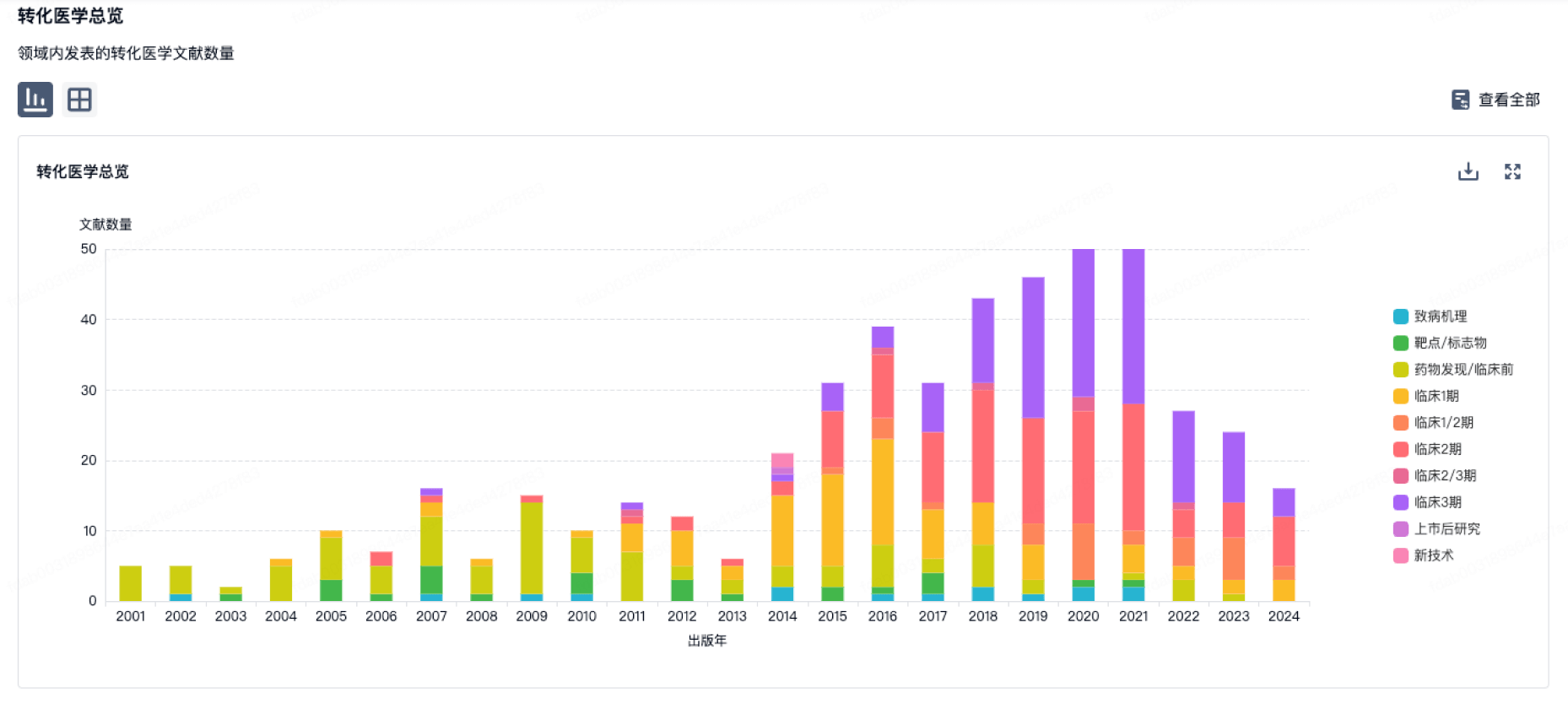
营收
使用 Synapse 探索超过 36 万个组织的财务状况。
登录
或
科研基金(NIH)
访问超过 200 万项资助和基金信息,以提升您的研究之旅。
登录
或
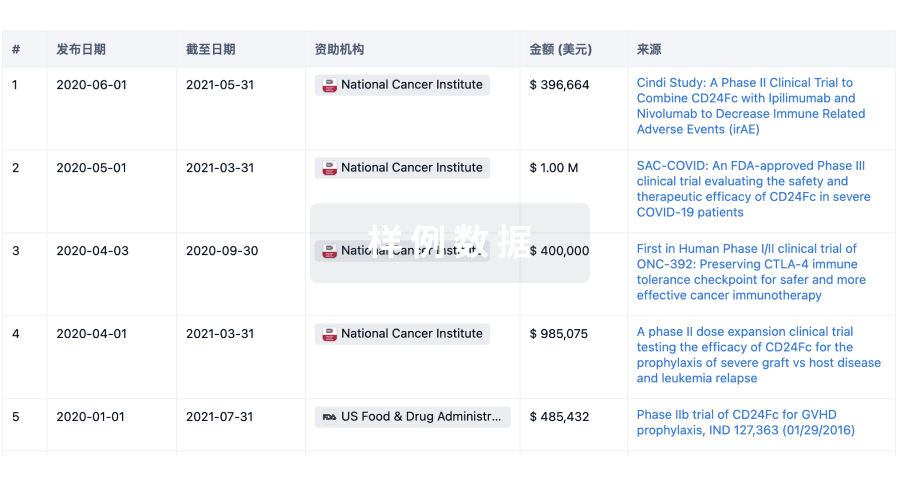
投资
深入了解从初创企业到成熟企业的最新公司投资动态。
登录
或
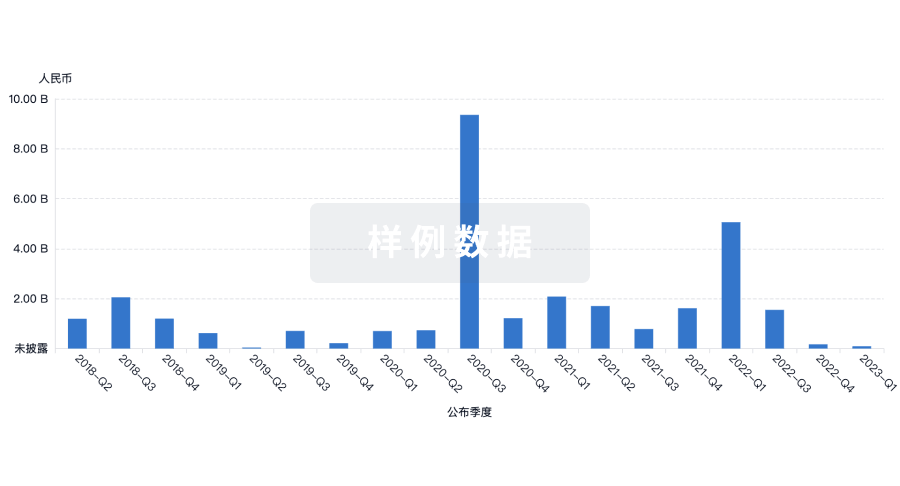
融资
发掘融资趋势以验证和推进您的投资机会。
登录
或
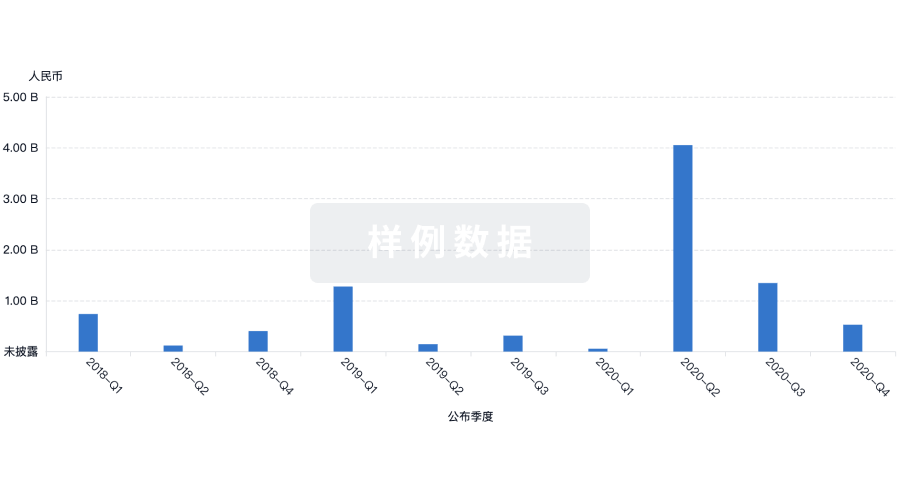
提出任何生物医药研究问题
让每一步生物医药决策都精准制胜
基于十亿级生物数据与全球情报的精准 AI,赋能早期药物发现
立即开始免费试用!
智慧芽新药情报库是智慧芽专为生命科学人士构建的基于AI的创新药情报平台,助您全方位提升您的研发与决策效率。
立即接入生物医药数据包
智慧芽新药库数据也通过智慧芽开放平台,以MCP或API服务形式对外开放。立即使用我们的MCP服务定制您的LLM智能体。
生物序列数据库
生物药研发创新
免费使用
化学结构数据库
小分子化药研发创新
免费使用