预约演示
更新于:2026-05-12

Invitae Corp.
更新于:2026-05-12
概览
标签
肿瘤
皮肤和肌肉骨骼疾病
小分子化药
疾病领域得分
一眼洞穿机构专注的疾病领域

技术平台
公司药物应用最多的技术
靶点
公司最常开发的靶点
关联
靶点 |
作用机制 |
在研机构 |
原研机构 |
在研适应症 |
非在研适应症 |
最高研发阶段 |
首次获批国家/地区 |
首次获批日期 |

靶点 |
作用机制 |
在研机构 |
原研机构 |
在研适应症 |
非在研适应症 |
最高研发阶段 |
首次获批国家/地区 |
首次获批日期 |

NCT06043921
Multicenter Study of Circulating Tumor DNA in Patients With Pancreatic Cancer Using a Personalized Panel
NCT05416710
Prospective Community Cancer Clinics-based Approach to Optimize Germline Testing in Cancer Patients in Rural Setting to Address Racial Disparities: UNIversal Germline Testing in the communitY (UNITY) Study
NCT04985266
A Randomised Trial of Early Detection of Molecular Relapse With Circulating Tumour DNA Tracking and Treatment With Palbociclib Plus Fulvestrant Versus Standard Endocrine Therapy in Patients With ER Positive HER2 Negative Breast Cancer
100 项与 Invitae Corp. 相关的临床结果
登录后查看更多信息
登录后查看更多信息
2025-09-02JAMIA Open
Implementing integrated genomic risk assessments for breast cancer: lessons learned from the Electronic Medical Records and Genomics study
作者: Wei, Wei-Qi ; Suckiel, Sabrina A ; Marathe, Priya N ; Limdi, Nita ; Perez, Emma ; Hakonarson, Hakon ; Ta, Casey N ; Prows, Cynthia ; Crew, Katherine D ; Odgis, Jacqueline A ; Cortopassi, Josh ; Morse, Jennifer ; Jarvik, Gail P ; Chung, Wendy K ; Abul-Husn, Noura S ; Linder, Jodell E ; Miller, Emily ; Freimuth, Robert R ; Maradik, Mary ; Carver, Tim ; Kottyan, Leah C ; Bonini, Katherine E ; Kenny, Eimear E ; Hoell, Christin ; Weng, Chunhua ; Peterson, Josh F ; Mittendorf, Kathleen F ; Wiesner, Georgia L ; Lewis, Toni J ; Bland, Harris T ; Aguilar, Sienna ; Liu, Cong ; Luo, Yuan ; McGuffin, Kyle ; Antoniou, Antonis C
Abstract:
Objectives:
To implementation an automated multi-institutional pipeline that delivers breast-cancer risk integrated with polygenic risk scores, monogenic variants, family history, and clinical factors, emphasizing operational challenges and their solutions.
Materials and Methods:
A five-stage process was executed at ten sites. Data streams from REDCap surveys, PRS and monogenic reports, and MeTree pedigrees were normalized and forwarded through a REDCap plug-in to the CanRisk API.
Results:
Integrated risk was returned to >10 000 women; 3.6% were ≥25 % lifetime risk and 0.9% carried pathogenic variants. Pipeline generated score aligns well with manual generated ones. Major barriers such as heterogeneous pedigree formats, missing data, edge-case handling, and evolving model versions were identified and resolved through mapping rules, imputations, and iterative testing.
Discussion:
Cross-platform data harmonization and stakeholder alignment were decisive for success. Borderline-risk communication and model-version drift remain open issues.
Conclusion:
Large-scale PRS-integrated breast-cancer risk reporting is feasible but requires robust interoperability standards and iterative governance.
2025-06-01JCO Precision Oncology
Prevalence of Pathogenic Germline Variants in Patients With Gastric Cancer Ascertained Through Multigene Panel Testing
Article
作者: Gilad, Ophir ; Kupfer, Sonia S. ; Korn, W. Michael ; Keel, Emma ; Russell, Emily M. ; Esplin, Edward D. ; Heald, Brandie ; Nielsen, Sarah M. ; Burke, Carol A. ; Roberts, Maegan E.
PURPOSE:
The prevalence of pathogenic/likely pathogenic germline variants (PGVs) in gastric cancer (GC) predisposition genes is not well understood. We aimed to determine this in patients with GC undergoing germline genetic testing at a large commercial laboratory.
METHODS:
This was a cross-sectional study. Retrospective review of genetic testing in patients with GC at a commercial laboratory (Invitae Corp) from March 2015 to July 2023 was performed. Prevalence of PGVs was determined and compared with a control cohort of 20,139 individuals unaffected by cancer. Data were abstracted from test requisition forms.
RESULTS:
In total, 3,706 patients with GC underwent genetic testing, of which 494 (13.3%) patients carried PGVs, 1,200 (32.4%) had variants of uncertain significance, and 1,890 (51%) had negative testing. PGVs were identified in 38 genes, of which 385 of 494 (77.9%) were in a gene previously associated with GC, including 35% in homologous recombination repair genes (
BRCA1
,
BRCA2
,
PALB2
, and
ATM
), 19.5% in Hereditary Diffuse GC genes (
CDH1
and
CTNNA1
), and 17.4% in Lynch syndrome genes (
MLH1
,
MSH2
,
MSH6
,
PMS2
, and
EPCAM
). Comparing the GC cohort with the unaffected cohort, it was found that there was significant enrichment of PGVs in most GC-associated genes, except for
APC
,
EPCAM
,
MUTYH
, and
PMS2
. Odds of carrying a PGV was increased significantly in males and patients with a personal history of another cancer with odds ratio (OR) of 1.3 (95% CI, 1.1 to 1.6) and OR, 1.4 (95% CI, 1.1 to 1.7), respectively.
CONCLUSION:
In this large study of genetic testing in patients with GC, more than one in eight patients referred for germline testing was found to harbor a PGV in a cancer predisposition gene, which is higher than previous estimates. Most PGVs were identified in genes previously associated with GC.
2025-05-01JOURNAL OF ALLERGY AND CLINICAL IMMUNOLOGY
Curation of gene–disease relationships in primary antibody deficiencies using the ClinGen validation framework
Article
作者: Zhang, Kejian ; Sediva, Anna ; Platt, Craig D ; Mohan, Shruthi ; Thiyagarajan, Lavvina ; Warnatz, Klaus ; Ross, Justyne ; Sullivan, Kathleen E ; Sarmento, Olga ; Soliman, Rasha ; Lesmana, Harry ; Paczosa, Michelle K ; Abraham, Roshini S ; Picard, Capucine ; Nieto-Patlán, Alejandro ; Jolles, Stephen ; Aliu, Ermal ; Maglione, Paul J ; Raval, Forum ; Chandra, Anita ; Tangye, Stuart G
BACKGROUND:
The Clinical Genome Resource (ClinGen) is an international collaborative effort among scientists and clinicians, diagnostic and research laboratories, and the patient community. Using a standardized framework, ClinGen has established guidelines to classify gene-disease relationships as definitive, strong, moderate, and limited on the basis of available scientific and clinical evidence. When the genetic and functional evidence for a gene-disease relationship has conflicting interpretations or contradictory evidence, they can be disputed or refuted.
OBJECTIVE:
We assessed genes related to primary antibody deficiencies.
METHODS:
The ClinGen Antibody Deficiencies Gene Curation Expert Panel, using the ClinGen framework, classified genes related to primary antibody deficiency that primarily affect B-cell development and/or function, and that account for the largest proportion of inborn errors of immunity or primary immunodeficiencies.
RESULTS:
The expert panel curated a total of 65 genes associated with humoral immune defects to validate 74 gene-disease relationships. Of these, 40 were classified as definitive, 1 as strong, 16 as moderate, 15 as limited, and 2 as disputed. The curation process involved reviewing 490 patient records and 3546 associated human phenotype ontology entries. The 3 most frequently observed terms related to primary antibody deficiency were decreased circulating antibody level, pneumonia, and lymphadenopathy.
CONCLUSIONS:
These curations (publicly available at ClinicalGenome.org) represent the first effort to provide a comprehensive genetic and phenotypic revision of genetic disorders affecting humoral immunity, as reviewed and approved by experts in the field.
100 项与 Invitae Corp. 相关的药物交易
登录后查看更多信息
100 项与 Invitae Corp. 相关的转化医学
登录后查看更多信息
组织架构
使用我们的机构树数据加速您的研究。
登录
或
管线布局
2026年10月19日管线快照
管线布局中药物为当前组织机构及其子机构作为药物机构进行统计,早期临床1期并入临床1期,临床1/2期并入临床2期,临床2/3期并入临床3期
临床2期
2
1
其他
登录后查看更多信息
当前项目
登录后查看更多信息
药物交易
使用我们的药物交易数据加速您的研究。
登录
或
转化医学
使用我们的转化医学数据加速您的研究。
登录
或
营收
使用 Synapse 探索超过 36 万个组织的财务状况。
登录
或
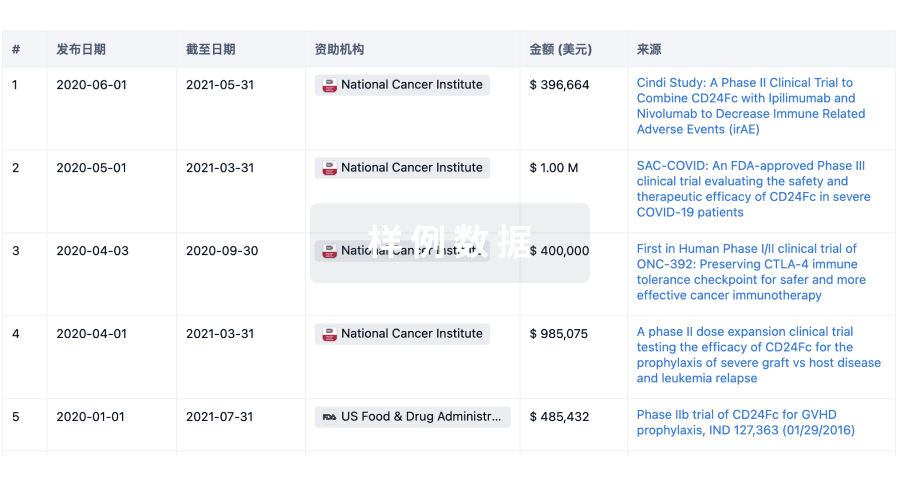
科研基金(NIH)
访问超过 200 万项资助和基金信息,以提升您的研究之旅。
登录
或
投资
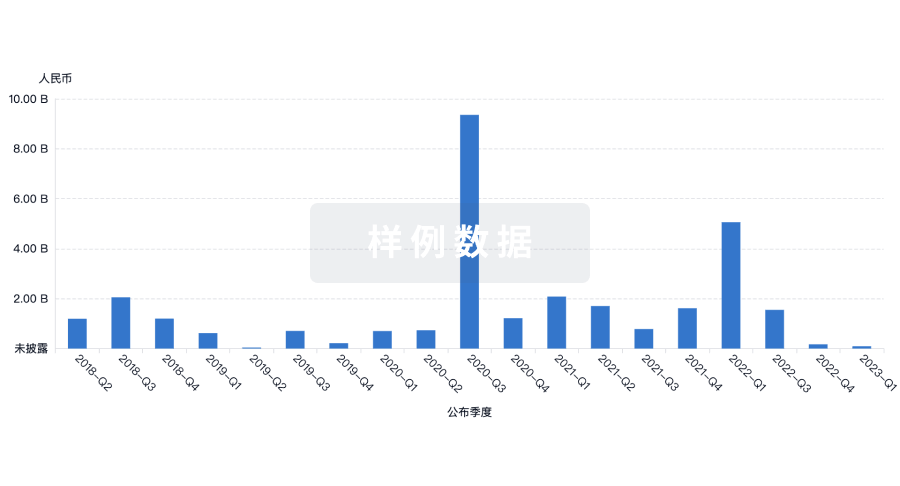
深入了解从初创企业到成熟企业的最新公司投资动态。
登录
或
融资
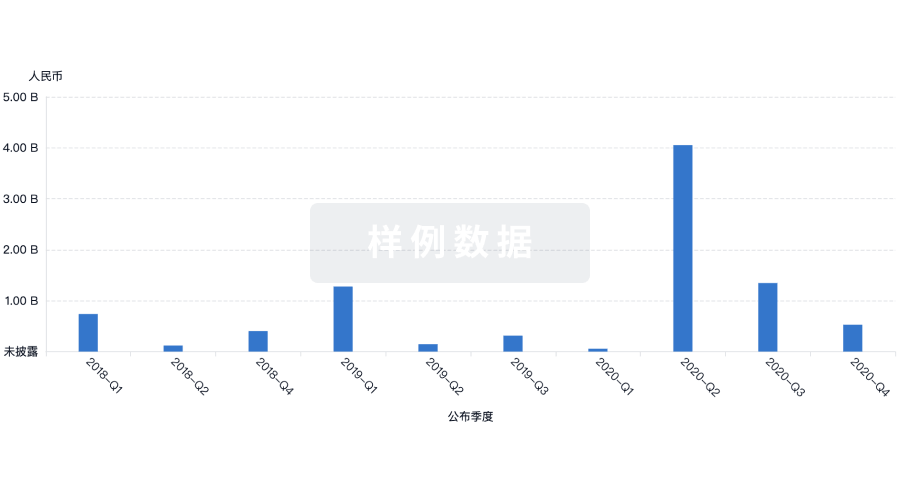
发掘融资趋势以验证和推进您的投资机会。
登录
或
提出任何生物医药研究问题
让每一步生物医药决策都精准制胜
基于十亿级生物数据与全球情报的精准 AI,赋能早期药物发现
立即开始免费试用!
智慧芽新药情报库是智慧芽专为生命科学人士构建的基于AI的创新药情报平台,助您全方位提升您的研发与决策效率。
立即接入生物医药数据包
智慧芽新药库数据也通过智慧芽开放平台,以MCP或API服务形式对外开放。立即使用我们的MCP服务定制您的LLM智能体。
生物序列数据库
生物药研发创新
免费使用
化学结构数据库
小分子化药研发创新
免费使用