预约演示
更新于:2026-06-15

Fujian University of Traditional Chinese Medicine
更新于:2026-06-15
概览
标签
肿瘤
血液及淋巴系统疾病
免疫系统疾病
蛋白水解靶向嵌合体(PROTAC)
小分子化药
中药
疾病领域得分
一眼洞穿机构专注的疾病领域

技术平台
公司药物应用最多的技术
靶点
公司最常开发的靶点
关联
靶点 |
作用机制 |
在研机构 |
原研机构 |
在研适应症 |
非在研适应症 |
最高研发阶段 |
首次获批国家/地区 |
首次获批日期 |
靶点 |
作用机制 |
在研机构 |
原研机构 |
在研适应症 |
非在研适应症 |
最高研发阶段 |
首次获批国家/地区 |
首次获批日期 |
靶点 |
作用机制 |
在研机构 |
原研机构 |
在研适应症 |
非在研适应症 |
最高研发阶段 |
首次获批国家/地区 |
首次获批日期 |
NCT07608510
Real-World External Validation Study on Beneficiary Population Characteristics and Individualized Dose Prescription for Cognitive Improvement of Tai Chi Intervention in Elderly Patients With Mild Cognitive Impairment
NCT07329751
Based on the Spatio-temporal Coding Characteristics of Frontotemporal Network, This Paper Explores the Mechanism of Five-tone Speech Training in Reshaping Language Fluency Function.
ChiCTR2500112310
Changes in brain language-related brain regions and brain networks in patients with post-stroke aphasia : A cross-sectional study
100 项与 福建中医药大学 相关的临床结果
登录后查看更多信息
登录后查看更多信息
2026-12-31PHARMACEUTICAL BIOLOGY
Qigui didang decoction alleviates renal injury in a diabetic kidney disease model with metabolic memory features: association with ferroptosis and the SIRT1/Nrf2 pathway
Article
作者: Lu, Yuhui ; Fan, Lifei ; Lin, Min ; You, Hongyi ; Wu, Yusen
OBJECTIVE:
This study aims to evaluate the renoprotective effects of QGDD in a DKD model exhibiting metabolic memory features and to explore its potential mechanism involving the regulation of ferroptosis via the SIRT1/Nrf2 signaling pathway.
METHODS:
A DKD rat model was induced using streptozotocin (STZ). The rats were assigned to the Blank Control Group (C), Model Group (M), Metformin group (Met), and low-, medium-, and high-dose QGDD groups (QGDD-L/M/H). Intervention effects were assessed by monitoring body weight, fasting blood glucose, renal function markers (24-UTP, BUN, Scr, Cys-C, β2-MG), renal histopathology (HE/Masson staining), oxidative stress markers (Fe2+, MDA, GSH, SOD), cell death indicators (TUNEL, ROS), and expression of genes and proteins associated with the SIRT1/Nrf2 pathway (RT-qPCR, Western blot).
RESULTS:
All QGDD dose groups decreased 24-hour urinary protein excretion and serum levels of BUN, Scr, Cys-C, and β2-MG. The medium-dose QGDD group notably reduced renal Fe2+ and MDA levels, increased GSH and SOD activity, and inhibited ROS accumulation and cellular apoptosis. QGDD activated the SIRT1/Nrf2 pathway, significantly upregulating the mRNA and protein expression of Nrf2, HO-1, and GPX4, while suppressing the accumulation of AGEs and Ferritin.
CONCLUSION:
QGDD mitigated the persistent elevation of AGEs, a hallmark of metabolic memory in DKD by activating the SIRT1/Nrf2 signaling pathway to inhibit ferroptosis-associated lipid peroxidation and oxidative stress. Its multi-target synergistic effects provide a solid experimental foundation for the use of Chinese herbal formulations in treating DKD. The medium-dose group demonstrated optimal therapeutic efficacy, emphasizing the significance of dose optimization.
2026-12-01FUNCTIONAL & INTEGRATIVE GENOMICS
Correction to: Sequence dynamics and plastome evolution: decoding the complete chloroplast genome of Oenothera drummondii and comparative analysis within Oenothera (Onagraceae)
作者: Zheng, Ping ; Lin, Yanxiang ; Elderini, Aya ; Li, Min ; An, Chang ; Cheng, Yan ; Yao, Yixin ; Qin, Yuan ; Luo, Site ; Xu, Wenbo ; Priyadarshani, S V G N
2026-09-01JOURNAL OF ETHNOPHARMACOLOGY
Dendrobium officinale extends lifespan in yeast and Drosophila via context-dependent PI3K-AKT modulation
Article
作者: Zhao, Lichun ; Jiang, Min ; Li, Lei ; Sun, Zhengqiong ; Zhang, Lei ; Chen, Yongxing
ETHNOPHARMACOLOGICAL RELEVANCE:
Dendrobium officinale Kimura et Migo (Tiepi Shihu), a yin-nourishing tonic in traditional Chinese medicine, has been historically used for health maintenance and longevity promotion.
AIM OF THE STUDY:
We evaluated the anti-aging effects of D. officinale whole powder (DOP) and a non-polysaccharide fraction (DOE) and explored underlying mechanisms focusing on conserved PI3K-AKT signaling.
MATERIALS AND METHODS:
Network pharmacology was applied to predict aging-related targets and enriched pathways. Anti-aging activity was assessed in yeast (Saccharomyces cerevisiae) and female flies (Drosophila melanogaster) using lifespan and healthspan assays, a high-sugar diet challenge, and pathway readouts via qRT-PCR and Western blotting. In RAW264.7 macrophages, the PI3K inhibitor LY294002 and the AKT inhibitor MK-2206 were used to evaluate pathway dependence.
RESULTS:
Network pharmacology identified 355 overlapping targets, enriched in PI3K-AKT, MAPK, Ras, and HIF-1 pathways. We found that dihydroconiferyl alcohol, homovanillyl alcohol, and taxifolin extended yeast lifespan, and these effects were abolished in yeast mutants defective in key aging-related genes. In flies, DOP extended female lifespan, improved climbing performance, and mitigated high-sugar diet-induced lifespan loss and hyperglycemia, accompanied by reduced AKT phosphorylation under dietary stress and enhanced FOXO-associated responses. DOE also extended lifespan, increased AKT/S6K phosphorylation and reduced FOXO in flies. D. officinale was associated with context-dependent modulation of innate immune-related gene expression. However, DOE suppressed AKT activity and increased FOXO in RAW264.7 cells; co-treatment with MK-2206 abolished DOE-induced changes.
CONCLUSIONS:
D. officinale exerts anti-aging effects in yeast and Drosophila models, while mammalian macrophages support a mechanistic role for context-dependent PI3K-AKT signaling regulation. Its distinct fractions act in a context-dependent manner, with AKT serving as a central regulatory node and FOXO-associated responses, supporting its ethnopharmacological use as a longevity-promoting herb.
100 项与 福建中医药大学 相关的药物交易
登录后查看更多信息
100 项与 福建中医药大学 相关的转化医学
登录后查看更多信息
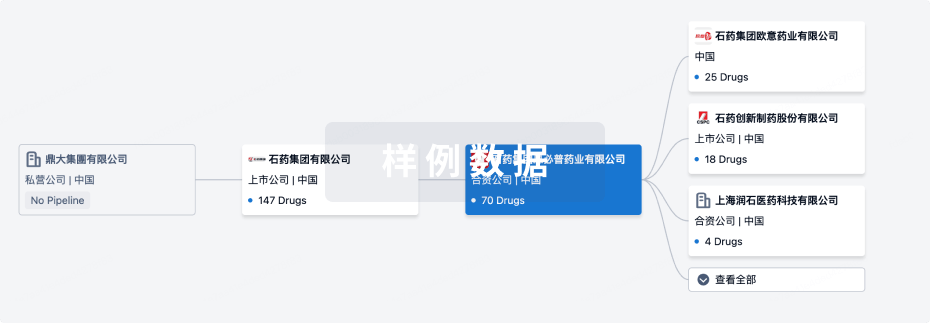
组织架构
使用我们的机构树数据加速您的研究。
登录
或
管线布局
2026年10月22日管线快照
管线布局中药物为当前组织机构及其子机构作为药物机构进行统计,早期临床1期并入临床1期,临床1/2期并入临床2期,临床2/3期并入临床3期
药物发现
4
18
临床前
临床2期
1
2
其他
登录后查看更多信息
当前项目
登录后查看更多信息
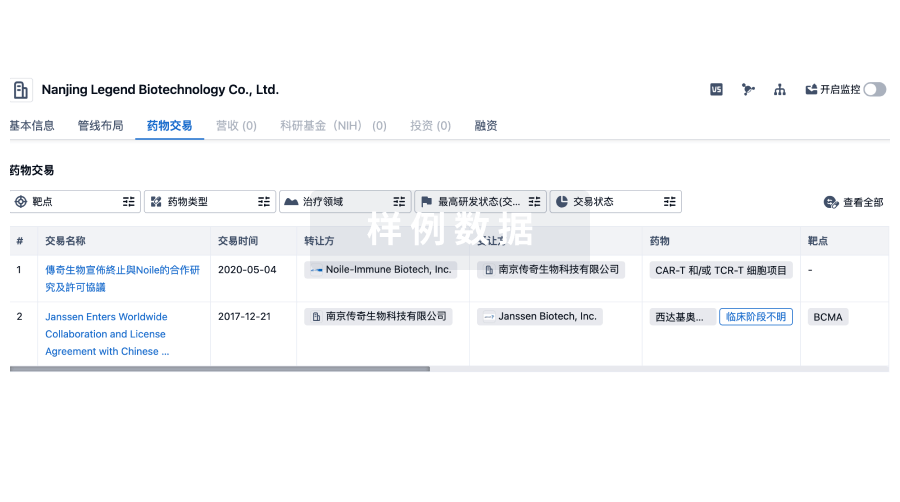
药物交易
使用我们的药物交易数据加速您的研究。
登录
或
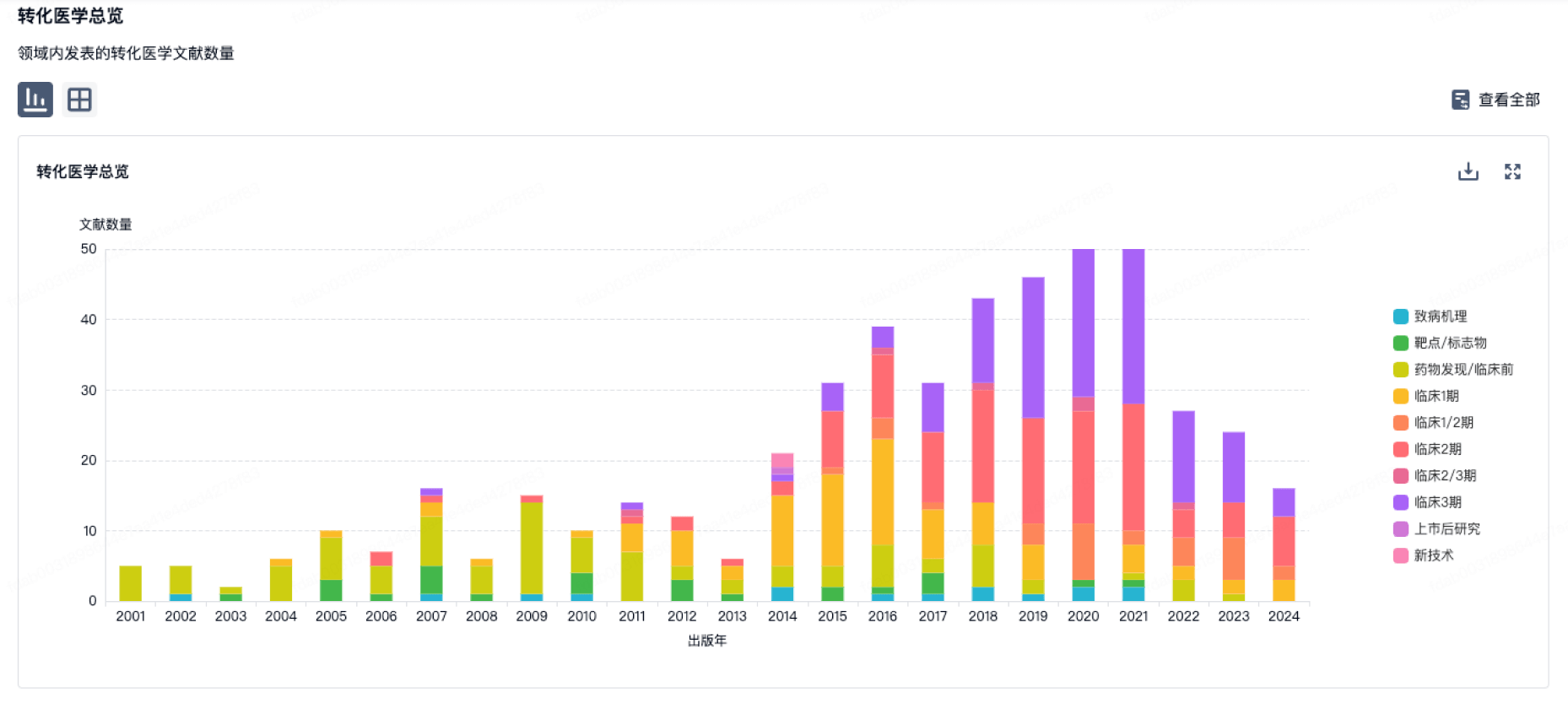
转化医学
使用我们的转化医学数据加速您的研究。
登录
或
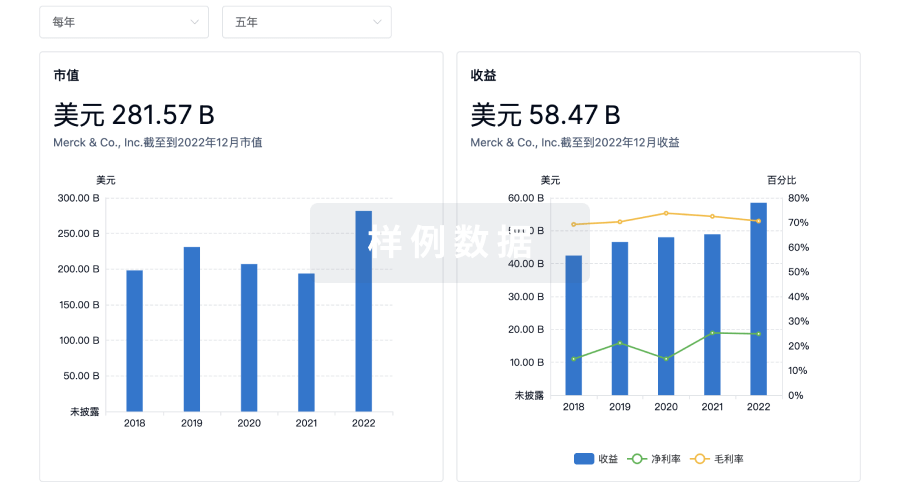
营收
使用 Synapse 探索超过 36 万个组织的财务状况。
登录
或
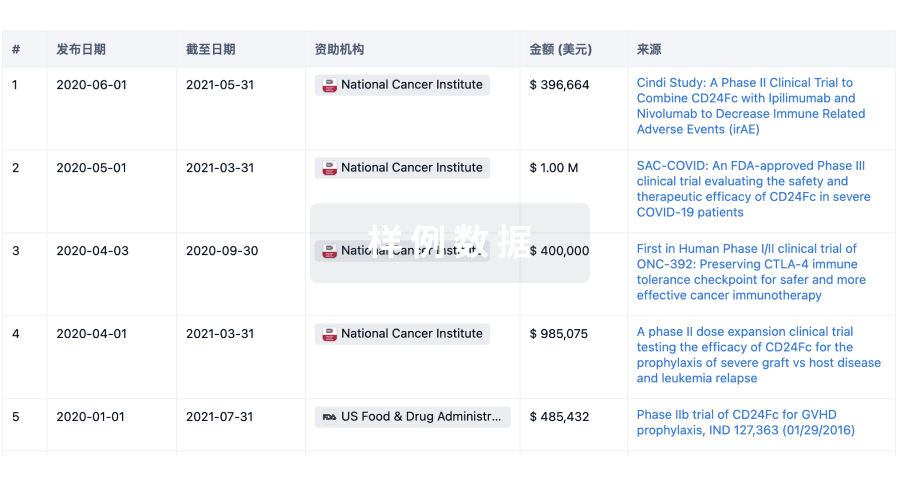
科研基金(NIH)
访问超过 200 万项资助和基金信息,以提升您的研究之旅。
登录
或
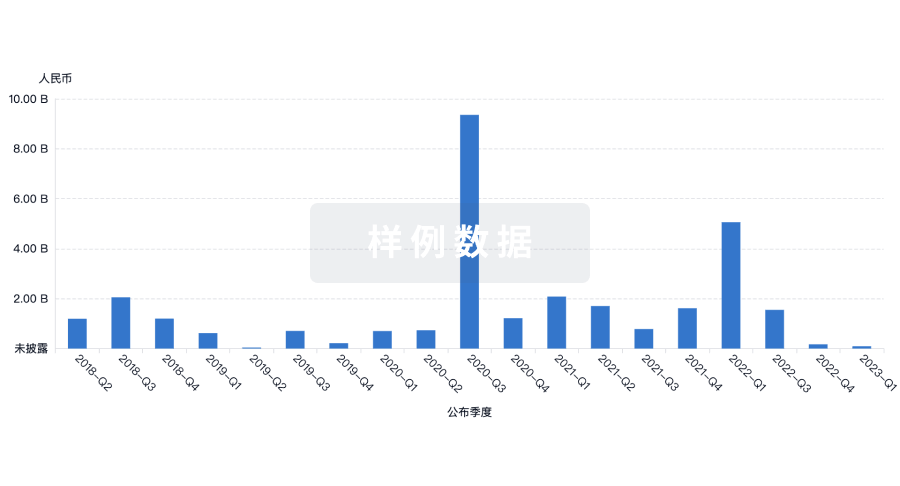
投资
深入了解从初创企业到成熟企业的最新公司投资动态。
登录
或
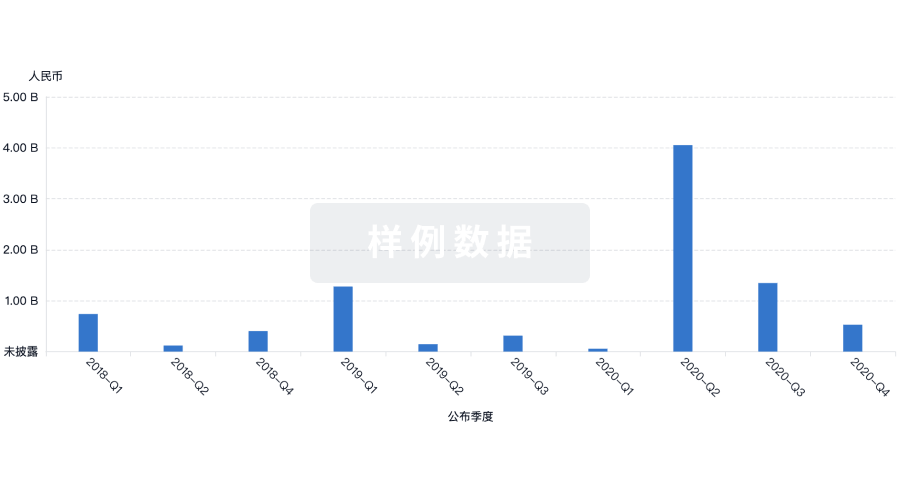
融资
发掘融资趋势以验证和推进您的投资机会。
登录
或
提出任何生物医药研究问题
让每一步生物医药决策都精准制胜
基于十亿级生物数据与全球情报的精准 AI,赋能早期药物发现
立即开始免费试用!
智慧芽新药情报库是智慧芽专为生命科学人士构建的基于AI的创新药情报平台,助您全方位提升您的研发与决策效率。
立即接入生物医药数据包
智慧芽新药库数据也通过智慧芽开放平台,以MCP或API服务形式对外开放。立即使用我们的MCP服务定制您的LLM智能体。
生物序列数据库
生物药研发创新
免费使用
化学结构数据库
小分子化药研发创新
免费使用