预约演示
更新于:2026-09-18

North Carolina State University
更新于:2026-09-18
概览
标签
肿瘤
其他疾病
免疫系统疾病
ASO
合成多肽
单链Fv片段抗体
疾病领域得分
一眼洞穿机构专注的疾病领域

技术平台
公司药物应用最多的技术
靶点
公司最常开发的靶点
关联
靶点 |
作用机制 |
在研机构 |
原研机构 |
在研适应症 |
非在研适应症 |
最高研发阶段 |
首次获批国家/地区 |
首次获批日期 |
靶点 |
作用机制 |
在研机构 |
原研机构 |
在研适应症 |
非在研适应症 |
最高研发阶段 |
首次获批国家/地区 |
首次获批日期 |
靶点 |
作用机制 |
在研机构 |
原研机构 |
在研适应症 |
非在研适应症 |
最高研发阶段 |
首次获批国家/地区 |
首次获批日期 |
NCT07773350
Factory-Treated, Long-Lasting Insecticide-Treated Baby Wraps for the Prevention of Malaria: A Phase III Clinical Trial

NCT07620613
Effect of Cement Floors on Perinatal and Neonatal Mortality in Bangladesh: a Randomized Trial in Rural Bangladesh

NCT07218978
Ripe for Revival: Outcomes Evaluation of a Mobile Produce Market With Vouchers
100 项与 North Carolina State University 相关的临床结果
登录后查看更多信息
登录后查看更多信息
2026-12-31Gut microbes reports
Successful fecal microbiota transplants in post-antibiotic treated recurrent
Clostridioides difficile
patients induce acylcarnitine and sphingolipid lipidomic shifts
Article
作者: McMillan, Arthur ; McGill, Sarah ; Baker, Erin ; Dougherty, Michael ; Gancz, Abigail ; Theriot, Casey ; Zhang, Guozhi ; Gulati, Ajay
Clostridioides difficile infection (CDI) is an urgent public health threat in the United States, causing over 500,000 cases, 29,000 deaths, and $4.8 billion in healthcare costs annually. Although fecal microbiota transplants (FMTs) are more effective than antibiotics for recurrent CDI (rCDI), their risks highlight the need for regulated alternatives such as live biotherapeutic products (LBPs). The development of effective LBPs requires understanding the biological mechanisms underlying FMT success. Building on our prior metabolomic study identifying lipids as key factors in FMT efficacy, we used liquid chromatography, ion mobility spectrometry, collision-induced dissociation, and mass spectrometry (LC-IMS-CID-MS) to profile >850 lipid species across 26 classes. In stool samples from 15 rCDI patients collected pre- and post-FMT (2 weeks, 2 months, and 6 months), 397 lipids were confidently identified. FMT significantly altered the lipidome (adonis R² = 0.12, p < 0.001), with 96 lipid species across 18 classes showing differential abundance (mixed effects modeling, BH correction, p < 0.05). Medium and long-chain acylcarnitines decreased post-FMT, while very long-chain acylcarnitines and trihydroxy ceramides increased. Sphingolipids were elevated pre-FMT. Medium and long-chain acylcarnitines correlated with Enterobacteriaceae, known to utilize carnitine. These results implicate lipid-microbiota interactions in rCDI susceptibility and recovery, offering targets for next-generation LBPs.
2026-12-01Bioactive Materials
Rapid inactivation kinetics of a broad range of viruses on a continuously self-cleaning polymer surface
Article
作者: O'Reilly, Padraic ; Jaykus, Lee-Ann ; Spontak, Richard J ; Ghiladi, Reza A ; Wells, Kacie M ; Scholle, Frank ; Faircloth, Jeremy P ; Griffiths, Anthony ; Dejarnette, Sarah J ; Silva-Ayala, Daniela
Infections arising from a broadening variety of viruses are becoming increasingly widespread due to greater zoonotic transmission, with the COVID-19 pandemic exemplifying a global event that claimed the lives of millions worldwide. While targeted vaccines are being developed to thwart the spread of viral infections, they often become available to the public in response to an (expected) outbreak and must be repeatedly adjusted to account for mutations. An alternative to this strategy instead focuses on infection prevention by inactivating viruses prior to human exposure. In this study, we examine the inactivation kinetics of a broad range of infectious viruses on a self-cleaning polymer that functions by a surface pH-drop mechanism upon hydration. Photo-induced surface microscopy confirms that the sulfonic acid groups responsible for proton transport initially reside on the polymer surface, where protons lower the pH of the aqueous layer in contact with the polymer to below unity. This additive-free mechanism results in pH-driven inactivation of three coronaviruses (including SARS-CoV-2), human adenovirus, Tulane virus (a human norovirus surrogate), and four high-consequence viruses (Sudan virus, Marburg virus, Lassa virus, and Nipah virus), often reaching the limit of detection in 10 min or less.
2026-11-01THERIOGENOLOGY
Reusing progesterone devices in Bos taurus beef cows: effects on circulating progesterone and fertility variables after a 7-day synchronization protocol and timed artificial insemination
Article
作者: Padula, Enrico ; Alegro, Luisa A ; Smith, Michael F ; Martins, Thiago ; Rocha, Cecilia C ; Griffin, Payton ; Branco, Lucas C S ; Henning, Juliet ; Silva, Amanda G ; Dasqueve, Gabriela L ; Oliveira, Raquel F
This study evaluated how many times progesterone (P4)-releasing intravaginal devices (CIDRs; 1.38 g P4) could be reused in a 7-day CO-Synch + CIDR protocol for Bos taurus cattle. In Experiment 1, heifers (n = 21) without a corpus luteum were assigned treatments lasting 7 days: New CIDR, CIDR used 1, 2 or 3 times (CIDR1, CIDR2, and CIDR3, respectively) and disinfected with chlorhexidine, or autoclaved (A-CIDR1, A-CIDR2, and A-CIDR3 respectively). Circulating P4 concentrations were measured for 7 days. Autoclaving CIDRs did not affect circulating P4 concentrations during the insertion period (P > 0.1). On the last day of the 7-day period, all treatment groups had a mean concentration of P4 above 1 ng/mL. In Experiment 2, lactating multiparous and primiparous cows were submitted to a 7-day CO-Synch + CIDR protocol followed by timed artificial insemination (TAI; Day 0 [D0]). Cows were submitted to the following treatments: new CIDR (CIDR0; n = 319), A-CIDR1 (n = 309), A-CIDR2 (n = 304), and A-CIDR3 (n = 306). The number of CIDR uses reduced the circulating P4 concentrations (P = 0.0041) and increased the largest follicle diameter (P = 0.055) on D-3 but did not affect proestrus length or estrous expression. The number of CIDR uses did not affect pregnancy/AI in multiparous cows, but A-CIDR3 reduced pregnancy/AI by 46.2% in primiparous cows. There is a chance that used CIDRS inducing follicular persistency and reducing fertility. Our observations suggest that CIDRs can be reused up to 3 times in multiparous cows, but only up to 2 times in primiparous.
2026-09-05
·生物谷
100 项与 North Carolina State University 相关的药物交易
登录后查看更多信息
100 项与 North Carolina State University 相关的转化医学
登录后查看更多信息
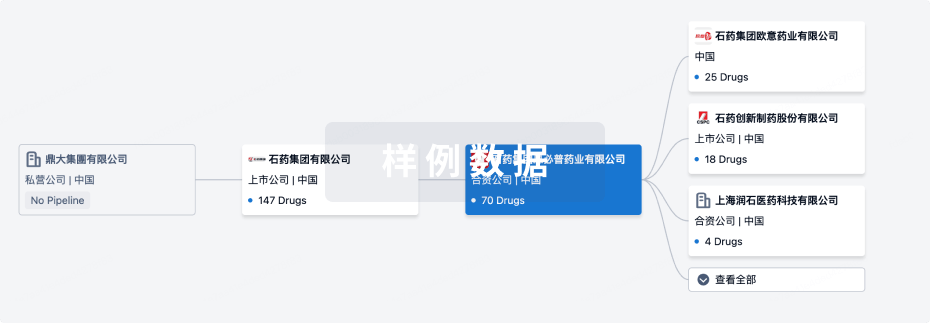
组织架构
使用我们的机构树数据加速您的研究。
登录
或
管线布局
2026年10月11日管线快照
管线布局中药物为当前组织机构及其子机构作为药物机构进行统计,早期临床1期并入临床1期,临床1/2期并入临床2期,临床2/3期并入临床3期
药物发现
2
8
临床前
其他
2
登录后查看更多信息
当前项目
登录后查看更多信息
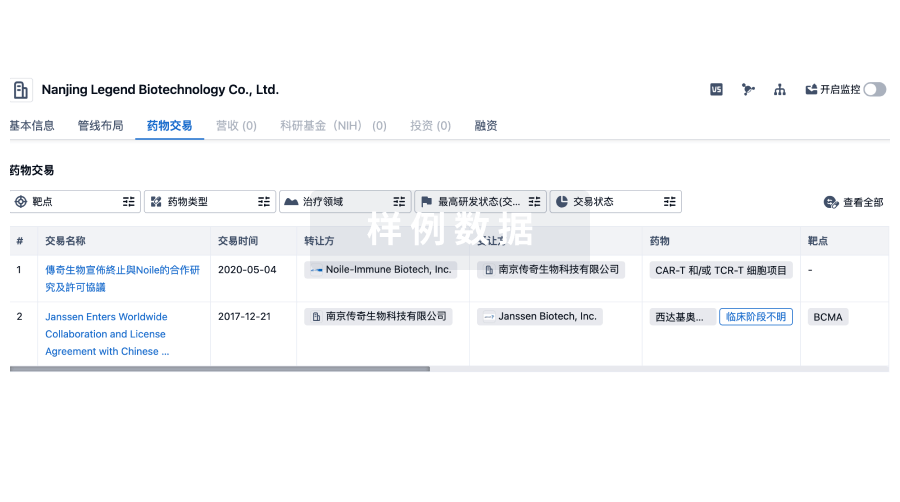
药物交易
使用我们的药物交易数据加速您的研究。
登录
或
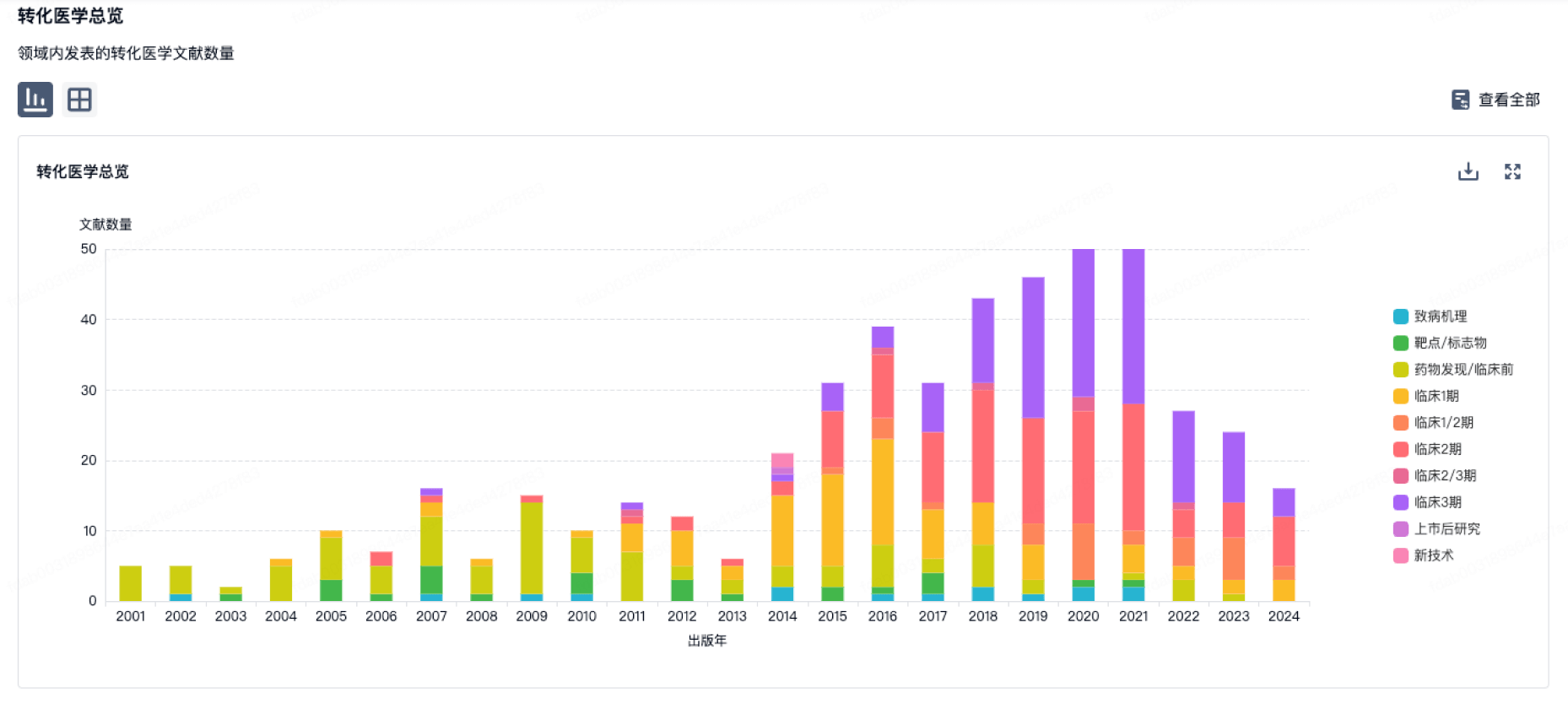
转化医学
使用我们的转化医学数据加速您的研究。
登录
或
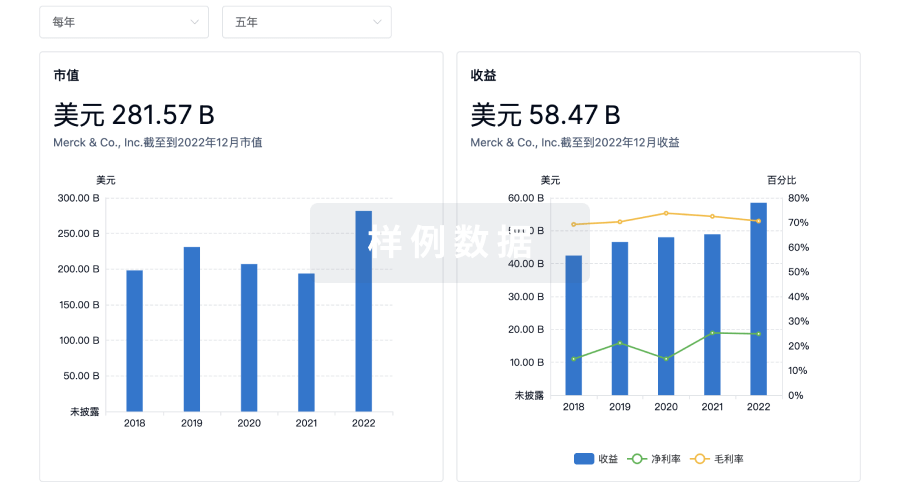
营收
使用 Synapse 探索超过 36 万个组织的财务状况。
登录
或
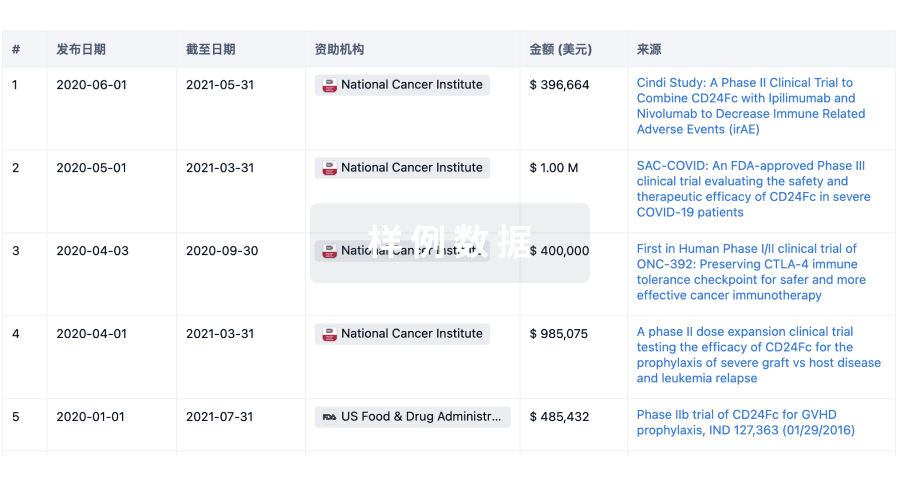
科研基金(NIH)
访问超过 200 万项资助和基金信息,以提升您的研究之旅。
登录
或
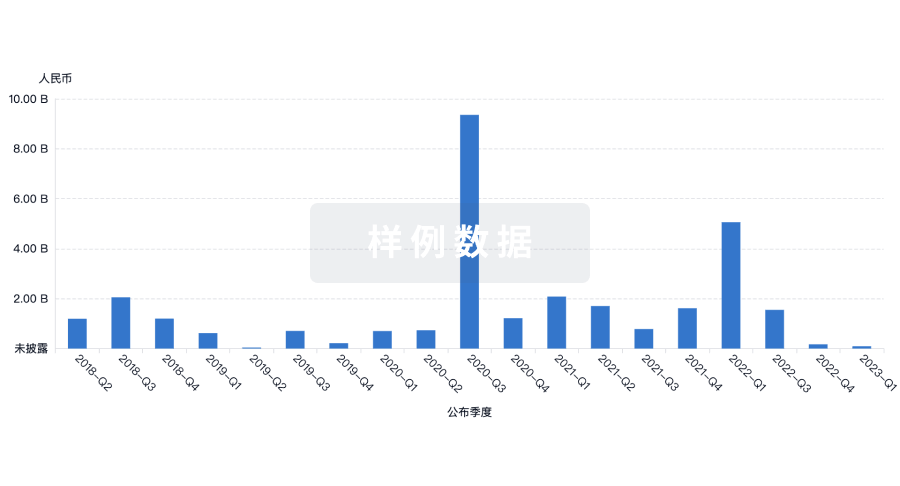
投资
深入了解从初创企业到成熟企业的最新公司投资动态。
登录
或
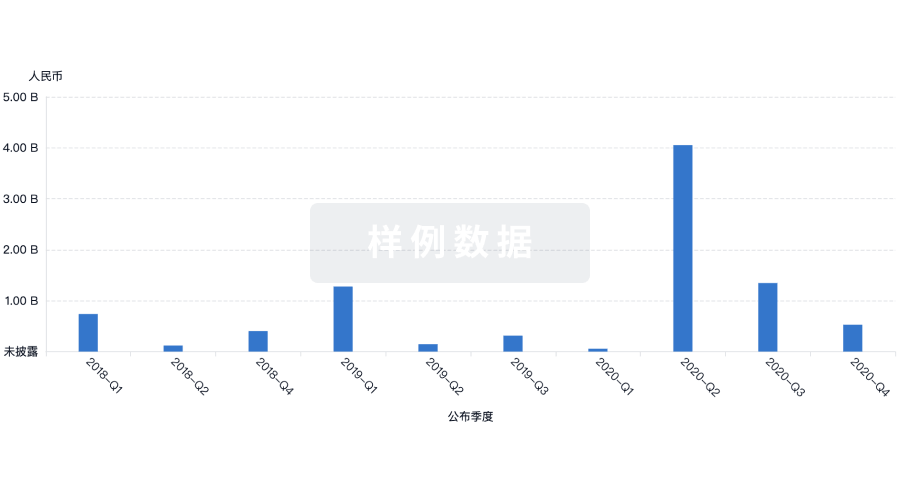
融资
发掘融资趋势以验证和推进您的投资机会。
登录
或
提出任何生物医药研究问题
让每一步生物医药决策都精准制胜
基于十亿级生物数据与全球情报的精准 AI,赋能早期药物发现
立即开始免费试用!
智慧芽新药情报库是智慧芽专为生命科学人士构建的基于AI的创新药情报平台,助您全方位提升您的研发与决策效率。
立即接入生物医药数据包
智慧芽新药库数据也通过智慧芽开放平台,以MCP或API服务形式对外开放。立即使用我们的MCP服务定制您的LLM智能体。
生物序列数据库
生物药研发创新
免费使用
化学结构数据库
小分子化药研发创新
免费使用