预约演示
更新于:2026-10-04

Zhuzhou Qianjin Pharmaceutical Co., Ltd.
更新于:2026-10-04
概览
标签
泌尿生殖系统疾病
感染
其他疾病
中药
小分子化药
疾病领域得分
一眼洞穿机构专注的疾病领域

技术平台
公司药物应用最多的技术
靶点
公司最常开发的靶点
关联
靶点 |
作用机制 |
在研机构 |
原研机构 |
在研适应症 |
非在研适应症 |
最高研发阶段 |
首次获批国家/地区 |
首次获批日期 |

靶点 |
作用机制 |
在研机构 |
原研机构 |
在研适应症 |
非在研适应症 |
最高研发阶段 |
首次获批国家/地区 |
首次获批日期 |
靶点 |
作用机制 |
在研机构 |
原研机构 |
在研适应症 |
非在研适应症 |
最高研发阶段 |
首次获批国家/地区 |
首次获批日期 |
CTR20263339
米格列醇片(50 mg)在健康试验参与者中的单次给药、随机、开放、两制剂、两序列、两周期、双交叉、空腹状态下的PK和PD生物等效性研究
CTR20263192
屈螺酮炔雌醇片(II)在空腹条件下的人体生物等效性试验
CTR20262996
评估受试制剂阿贝西利片(规格:150 mg)与参比制剂阿贝西利片(唯择®,规格:150 mg)在健康成年试验参与者空腹状态下的单中心、开放、随机、单剂量、两周期、两序列、交叉生物等效性试验
100 项与 株洲千金药业股份有限公司 相关的临床结果
登录后查看更多信息
登录后查看更多信息
2025-02-01JOURNAL OF ETHNOPHARMACOLOGY
New idea of Fuke Qianjin capsule in treating sequelae of pelvic inflammatory disease: Anti-inflammatory in the early stage and reparative in the later stage
Article
作者: Li, Yamei ; Lin, Limei ; Zheng, Yuanqing ; Wu, Mengyao ; Gong, Yun ; Yi, Meijin ; Xiao, Zhikui ; Liao, Yingyan ; Liao, Duanfang ; Xia, Bohou ; Zhang, Peng ; Xiang, Feng ; Su, Liang ; Xu, Chunfang ; Zhang, Zhimin
ETHNOPHARMACOLOGICAL RELEVANCE:
Sequelae of pelvic inflammatory disease (SPID) occurs in female internal genitalia and surrounding connective tissue. Recent clinical studies have shown that the traditional Chinese medicine Fuke Qianjin capsule (FKQ) can shorten the course of this disease, but its pharmacological effects and potential mechanism have not been fully elucidated.
AIM OF THE STUDY:
This study aimed to investigate the efficacy and underlying mechanisms of FKQ in the treatment of SPID.
METHODS:
In this study, we first established a mixed infection model to explore the protective effect of FKQ on common pathogens of SPID. Afterwards, mixed bacterial infection and mechanical injury were used in a SPID rat model to explore the protective mechanism of FKQ on SPID rats. Inflammation, repair and immune cells were tested.
RESULTS:
FKQ has a protective effect against infections caused by SPID pathogenic bacterial and may reduce mortality from mixed infections. In the SPID model, FKQ improved pathological damage to the uterus, reduced the area of uterine fibrosis, and inhibited the levels of cytokines (TNF-α, IL-6, IL-1β, IL-18, TGF-β1 and VEGF) caused by pathogenic bacteria. Moreover, FKQ treatment reduced the accumulation of NLRP3, Caspase-1, GSDMD Vimentin, and Cytokeratin 18 in the uterus and suppressed the expression of TGF-β1 and VEGF in the fallopian tubes, thereby reducing inflammation and promoting mucosal repair. In addition, FKQ can restore the immune function balance of SPID rats by increasing the proportion of Treg cells in the spleen and thymus in a rat model of SPID, reducing the proportion of Th17 lymphocytes, and promoting an immunological balance of Treg/Th17 cells, thereby regulating the immune system of the body.
CONCLUSION:
In summary, FKQ treatment for SPID is the result of a fourfold combination of antibacterial, anti-inflammatory, reparative and immune-enhancing activities.
2024-06-01Journal of pharmaceutical and biomedical analysis
Pharmacokinetic and tissue distribution analysis of bioactive compounds from Fuke Qianjin capsules in rats by a validated UPLC MS/MS method
Article
作者: Yang, Jiaying ; Zhang, Peng ; Guo, Xiujie ; Zheng, Yuanqing ; Gong, Yun ; Wang, Wei ; Wu, Mengyao ; Wang, Chaoran
Fuke Qianjin capsules (FKQJ) exhibit obvious advantages and characteristics in the treatment of pelvic inflammatory disease. At present, information regarding the in vivo process of FKQJ is lacking, which has become a bottleneck in further determining the therapeutic effect of this traditional Chinese medicine. In the present study, a sensitive, simple and reliable method was developed and validated for the simultaneous quantification of 12 main components (4 flavonoids, 4 alkaloids, 2 phthalides and 2 diterpene lactones) in plasma and seven tissues of rats to study the pharmacokinetic and distribution characteristics of these components in vivo by using ultra performance liquid chromatography-tandem mass spectrometry (UPLC-MS/MS) for the first time. Plasma and tissue were prepared by protein precipitation with acetonitrile and methanol, followed by its separation on a Waters Acquity UPLC BEH C18 column. The quantification was performed via multiple reaction monitoring (MRM) by a triple quadrupole mass spectrometer under positive electrospray ionization (ESI) mode. The method was validated to demonstrate its selectivity, linearity, accuracy, precision, recovery, matrix effect and stability. For 12 analytes, the low limit of quantification (LLOQs) reached 0.005-2.44 ng/mL, and all calibration curves showed good linearity (r2 ≥ 0.990) in linear ranges. The intra-day and inter-day precision (relative standard deviation) for all analytes was less than 14.96%, and the accuracies were in the range of 85.29%-114.97%. Extraction recoveries and matrix effects of analytes were acceptable. The pharmacokinetic results showed that the main components could be absorbed quickly, had a short residence time, and were eliminated quickly in vivo. At different time points, the 12 components were widely distributed with uneven characteristics in the body, which tended to be distributed in the liver, kidney and lung and to a lesser extent in the uterus, brain and heart. The pharmacokinetic process and tissue distribution characteristics of FKQJ were expounded in this study, which can provide a scientific theory for in-depth development of FKQJ and guide FKQJ use in the clinic.
2023-09-28Journal of Chinese Pharmaceutical Sciences
Exploring the mechanism of Buxue Yimu Pills on postpartum abdominal pain through network pharmacology and experimental validation
作者: Zhang, Peng ; Wu, Mengyao ; Liu, Lu ; Gong, Yun ; Yang, Xiuwei ; Zhang, Lele
To investigate the mol. mechanisms of Buxueyimu pills (BYP) on postpartum abdominal pain (PAP) through network pharmacol. and exptl. validation, we filtered the main active components of BYP using the Traditional Chinese Medicine Systems Pharmacol. Database and Anal. (TCMSP), Symptom Mapping (SymMap), Bioinformatics Anal. Tool for Mol. Mechanism of Traditional Chinese Medicine (BATMAN-TCM) database, and Pharmacopoeia of the People′s Republic of China (ChP).The targets related to PAP were obtained from Genecards, and an intersection of genes was discovered.Subsequently, protein-protein interaction (PPI) networks were constructed using Cytoscape 3.9.0 and the String database.In addition, Gene Ontol. (GO) and Kyoto Encyclopedia of Genes and Genomes (KEGG) pathway analyses were performed to analyze the intersection of targets using the Database for Annotation, Visualization, and Integrated Discovery (DAVID) 6.8.We constructed a compound-target (C-T) network based on the above anal.Animal experiments were performed to verify the core targets, and immunohistochem. was used to detect protein expression in incomplete abortion rats.Network pharmacol. anal. suggested that 40 potentially active ingredients in BYP might affect 40 potential disease-related targets, such as ESR1, PGR, and MMP2, and regulate pathways, such as the HIF-1 signaling pathway, TNF signaling pathway, and Estrogen signaling pathway.According to immunohistochem., the protein expression levels of ERα, PR and MMP2 in the model rats were significantly increased (P < 0.01).After administration of BYP, the expression level of PR was increased (P < 0.01), and the expression levels of ERα nd MMP2 were decreased significantly (P < 0.05 or P < 0.01).BYP could treat PAP through a multi-component, multi-target and multi-pathway approach, regulating estrogen and progesterone receptors and improving collagen metabolism, thereby promoting postpartum uterine recovery.
2026-09-28
·华益药业
100 项与 株洲千金药业股份有限公司 相关的药物交易
登录后查看更多信息
100 项与 株洲千金药业股份有限公司 相关的转化医学
登录后查看更多信息
组织架构
使用我们的机构树数据加速您的研究。
登录
或
管线布局
2026年10月16日管线快照
管线布局中药物为当前组织机构及其子机构作为药物机构进行统计,早期临床1期并入临床1期,临床1/2期并入临床2期,临床2/3期并入临床3期
药物发现
2
2
临床2期
批准上市
8
登录后查看更多信息
当前项目
登录后查看更多信息
药物交易
使用我们的药物交易数据加速您的研究。
登录
或
转化医学
使用我们的转化医学数据加速您的研究。
登录
或
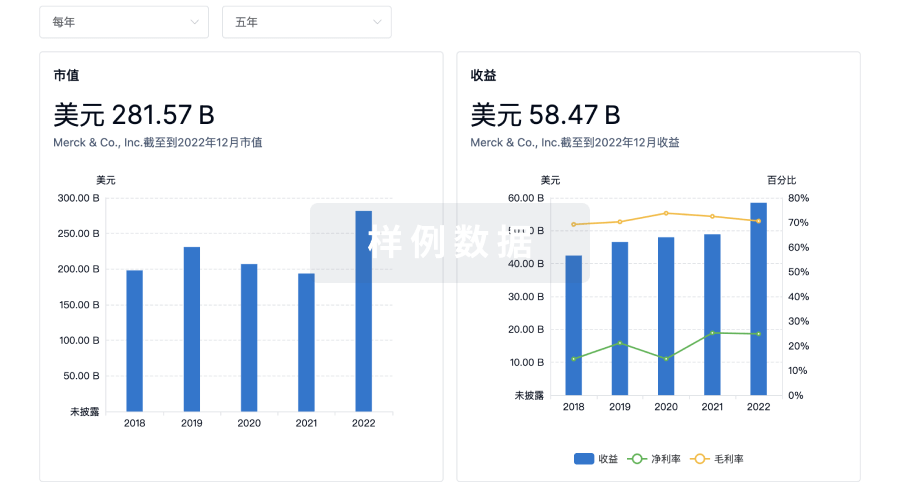
营收
使用 Synapse 探索超过 36 万个组织的财务状况。
登录
或
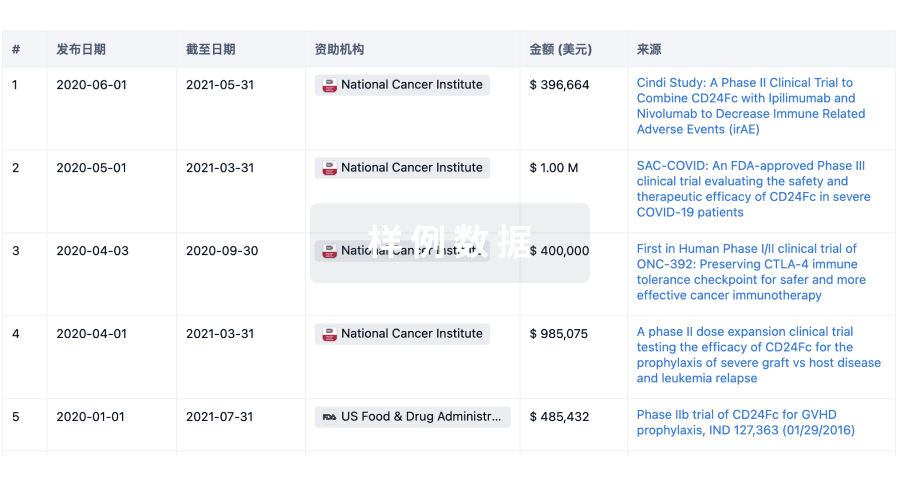
科研基金(NIH)
访问超过 200 万项资助和基金信息,以提升您的研究之旅。
登录
或
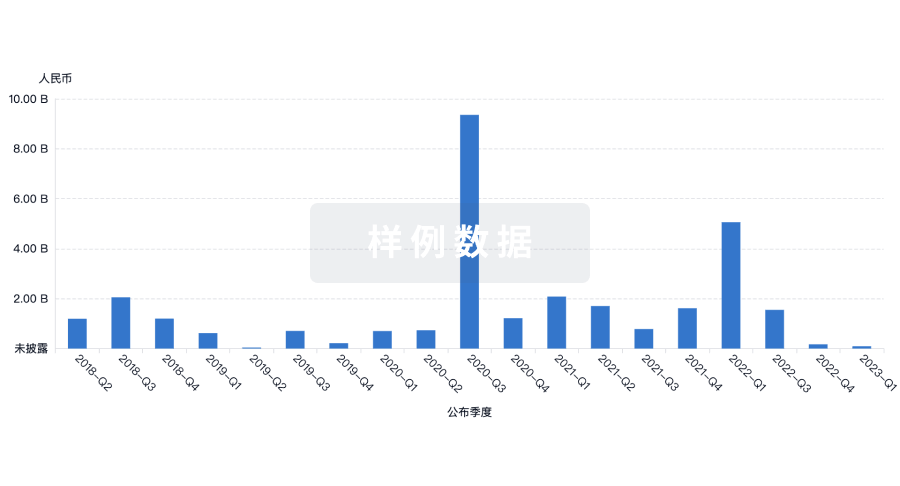
投资
深入了解从初创企业到成熟企业的最新公司投资动态。
登录
或
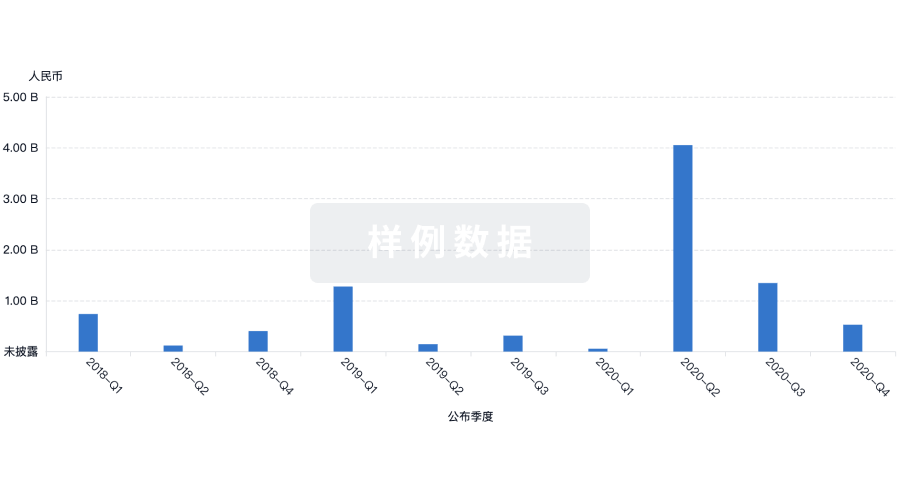
融资
发掘融资趋势以验证和推进您的投资机会。
登录
或
提出任何生物医药研究问题
让每一步生物医药决策都精准制胜
基于十亿级生物数据与全球情报的精准 AI,赋能早期药物发现
立即开始免费试用!
智慧芽新药情报库是智慧芽专为生命科学人士构建的基于AI的创新药情报平台,助您全方位提升您的研发与决策效率。
立即接入生物医药数据包
智慧芽新药库数据也通过智慧芽开放平台,以MCP或API服务形式对外开放。立即使用我们的MCP服务定制您的LLM智能体。
生物序列数据库
生物药研发创新
免费使用
化学结构数据库
小分子化药研发创新
免费使用