预约演示
更新于:2026-07-24

China Resources Biopharmaceutical Co., Ltd.
更新于:2026-07-24
概览
标签
肿瘤
免疫系统疾病
消化系统疾病
单克隆抗体
抗体
酶
疾病领域得分
一眼洞穿机构专注的疾病领域

技术平台
公司药物应用最多的技术
靶点
公司最常开发的靶点
关联
靶点 |
作用机制 |
在研机构 |
原研机构 |
在研适应症 |
非在研适应症 |
最高研发阶段 |
首次获批国家/地区 |
首次获批日期 |

靶点 |
作用机制 |
在研机构 |
原研机构 |
在研适应症 |
非在研适应症 |
最高研发阶段 |
首次获批国家/地区 |
首次获批日期 |
靶点 |
作用机制 |
在研机构 |
原研机构 |
在研适应症 |
非在研适应症 |
最高研发阶段 |
首次获批国家/地区 |
首次获批日期 |
NCT05641181
Phase I Clinical Trial to Evaluate the Safety, Tolerability, Pharmacokinetics and Pharmacodynamics of Single-dose CRB4101 Tablets in Healthy Adult Subjects
ChiCTR2200065813
Phase I clinical trial to evaluate the safety, tolerability, pharmacokinetics and pharmacodynamics of single-dose CRB4101 tablets in healthy adult subjects

CTR20220540
聚乙二醇重组人促红素注射液(CHO细胞)在规律透析肾性贫血患者中进行维持治疗的最佳剂量和给药方案的有效性、安全性、药代动力学和药效学Ⅱ期临床研究
100 项与 华润生物医药有限公司 相关的临床结果
登录后查看更多信息
登录后查看更多信息
2025-11-01INTERNATIONAL IMMUNOPHARMACOLOGY
Dual-epitope targeting of TSLP to simultaneously block TSLPR and IL-7Rα with a Biparatopic nanobody
Article
作者: Wang, Gui-Xue ; Liu, Yue-Hong ; Yang, Yan-Hua ; Huang, Li-Mei ; Wang, Xiao-Long ; Shen, Han-Lin ; Chen, Cui-Juan ; Guo, Chun-Yu ; Yin, Cai-Xia
Thymic stromal lymphopoietin (TSLP) is an epithelial cell-derived cytokine that plays a crucial role in the pathophysiology of asthma, initiating multiple allergic cascade responses. Tezepelumab is the only monoclonal antibody currently approved for marketing, which acts by blocking TSLP binding to TSLPR. However, it is reported that a TSLP trap which simultaneously block TSLP binding with TSLPR and IL-7Rα has better efficiency in the repression of TSLP signal pathway. In this study, we identified two monovalent nanobodies targeting TSLP through immunization of alpacas and phage display screening. They could block TSLP binding with the TSLPR and IL-7Rα receptors, respectively. Then, various protein linkers were designed between these two monovalent nanobodies to form different biparatopic nanobodies. We found that the affinity and biological activity of biparatopic nanobodies are related to the length of the linkers and the tandem order of the nanobodies. We screened a biparatopic nanobody CRNB909, which exhibits extremely high binding affinity for human TSLP with a KD < 1E-12 M, demonstrating approximately 40-fold greater potency compared to the Tezepelumab antibody (KD = 3.98E-11 M). Furthermore, it shows superior functional activity in biological assays, displaying 9.2-fold enhanced inhibition of TSLP-mediated JAK-STAT signaling pathway activation and 4.3-fold greater suppression of TSLP-induced BAF3 cell proliferation relative to Tezepelumab. Finally, CRNB909 was successfully secretory expressed in Komagataella phaffii with reduced production costs. This study provides a biparatopic nanobody that could bind TSLP to simultaneously block TSLPR and IL-7Rα, which might be a promising therapeutant for TSLP related diseases.
2025-09-02PREPARATIVE BIOCHEMISTRY & BIOTECHNOLOGY
Heavy chain variants affect light and heavy chains assembly of monoclonal antibody expressed by
Pichia pastoris
Article
作者: Ye, Kaixiong ; Xu, Mingqiang ; Cai, Menghao ; Zhou, Xiangshan ; Liu, Qi ; Liu, Haifeng ; Gong, Xiulong ; Qian, Zhilan ; Wang, Xiaolong
Monoclonal Antibody accounts for the largest share of recombinant protein drugs and is the primary choice for the treatment of various diseases. In this study, the monoclonal antibody Eptinezumab was expressed by a yeast host Pichia pastoris. Although the expression and secretion of light chain was efficient, the assembly efficiency between light and heavy chains was low. As the retention of the heavy chain in endoplasmic reticulum may trigger protein degradation, ERAD ubiquitination-related genes were then knocked out separately but it only led to minor improvement effect. Expression of splitted heavy chain variants further revealed that although endoplasmic reticulum retention of the heavy chain upregulated KAR2 expression, it did not affect the assembly efficiency of the light and heavy chains. It was inferred that binding of complete heavy chains to KAR2 spatially affected the assembly between light and heavy chains. Design and screening of KAR2 variants that facilitating full-length antibody assembly could be preferentially considered in future.
2025-08-01JOURNAL OF BIOTECHNOLOGY
Glutamate-related nitrogen metabolism regulates cold-adaptive synthesis of red pigment in polar fungus Geomyces sp. WNF-15A
Article
作者: Lu, Jian ; Long, Haoyu ; Cai, Menghao ; Zhou, Jiawei ; Guo, Yan ; Liu, Haifeng ; Zhou, Xiangshan ; Wang, Nengfei
The polar fungus Geomyces sp. WNF-15A produces high-quality red pigment (AGRP), but the cold-dependent characteristic of AGRP synthesis restricts its industrialization. This study employed transcriptome analysis to compare gene expression profiles of the wild-type strain with cold-independent mutants of scaffold1.t692 (Δ1-692) and scaffold2.t704 (Δ2-704). From the analysis, 23 candidate genes were identified and functionally characterized among 22,600 differentially expressed genes. Knockout and recovery of scaffold5.t61, scaffold7.t586, or scaffold7.t712 proved their regulatory functions in AGRP synthesis, among which scaffold5.t61 functioned as a transcription factor, while scaffold7.t586 and scaffold7.t712 were involved in the glutamate-related nitrogen metabolism. Exogenous addition of nitrate, glutamine, and glutamate, combined with transcriptional regulation studies, revealed the importance of glutamate metabolism for cold-adaptive synthesis of AGRP. Scaffold5.t61 responded to the cold environment and regulated the transcription of scaffold2.t704 and scaffold1.t692. It subsequently increased glutamate synthesis by regulating the key nitrogen metabolism genes of scaffold7.t586 and scaffold7.t712, ultimately resulting in cold-dependent synthesis of AGRP in Geomyces sp. WNF-15A. This study offers new insights into the mechanisms of cold adaptation in polar fungi and serves as a reference for the development of psychrophilic fungal resources.
2026-06-25
·今日头条
2026-06-23
100 项与 华润生物医药有限公司 相关的药物交易
登录后查看更多信息
100 项与 华润生物医药有限公司 相关的转化医学
登录后查看更多信息
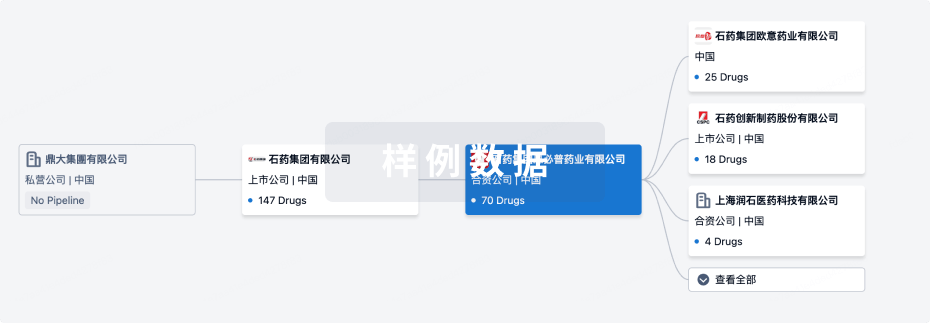
组织架构
使用我们的机构树数据加速您的研究。
登录
或
管线布局
2026年10月10日管线快照
管线布局中药物为当前组织机构及其子机构作为药物机构进行统计,早期临床1期并入临床1期,临床1/2期并入临床2期,临床2/3期并入临床3期
药物发现
15
15
临床前
临床申请批准
1
3
临床2期
批准上市
3
8
其他
登录后查看更多信息
当前项目
登录后查看更多信息
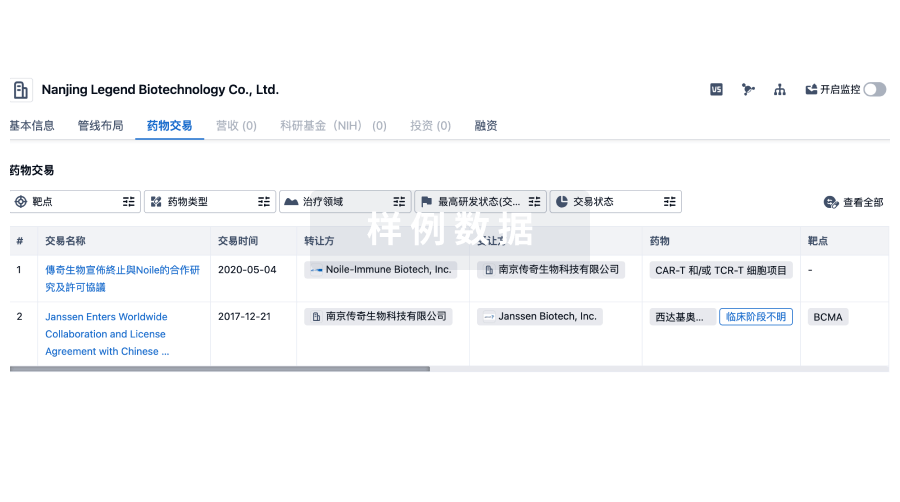
药物交易
使用我们的药物交易数据加速您的研究。
登录
或
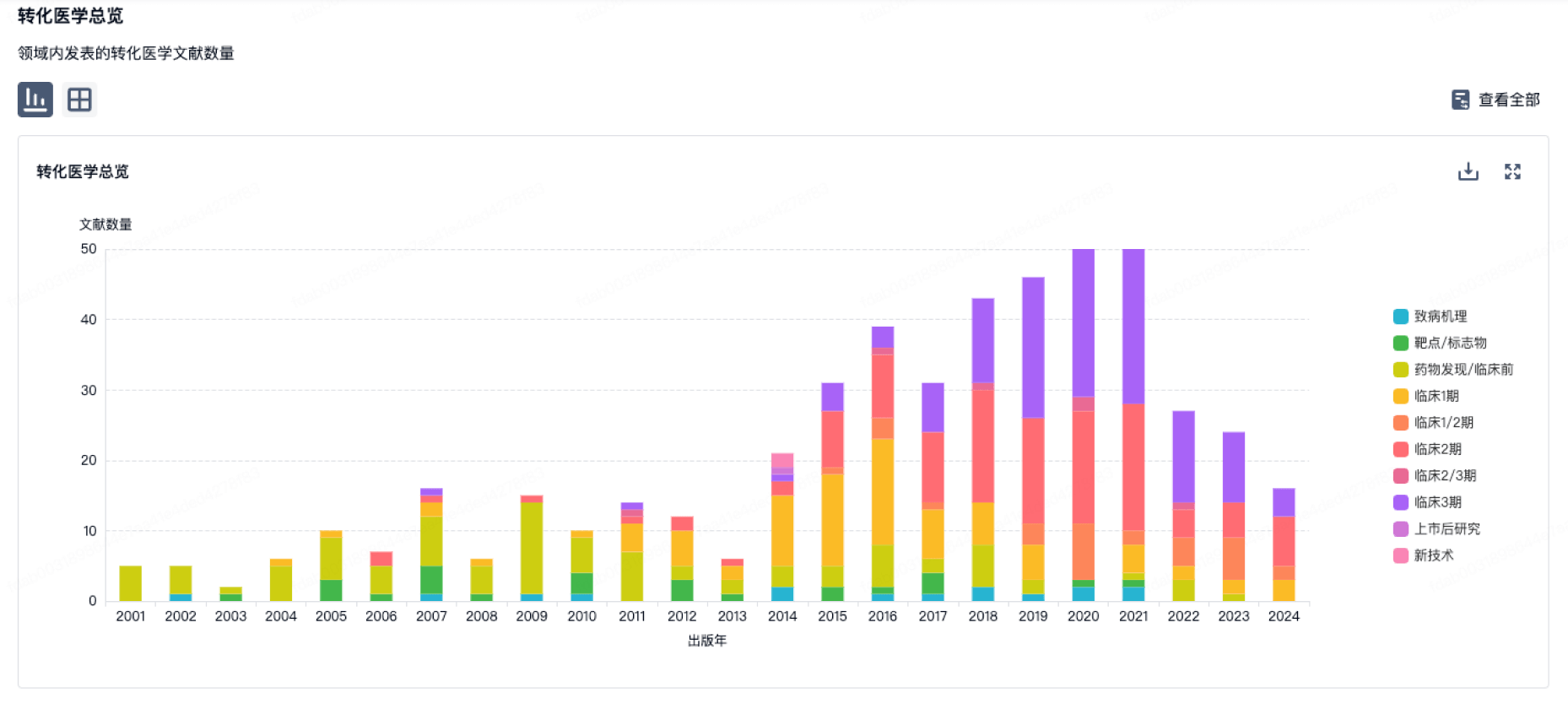
转化医学
使用我们的转化医学数据加速您的研究。
登录
或
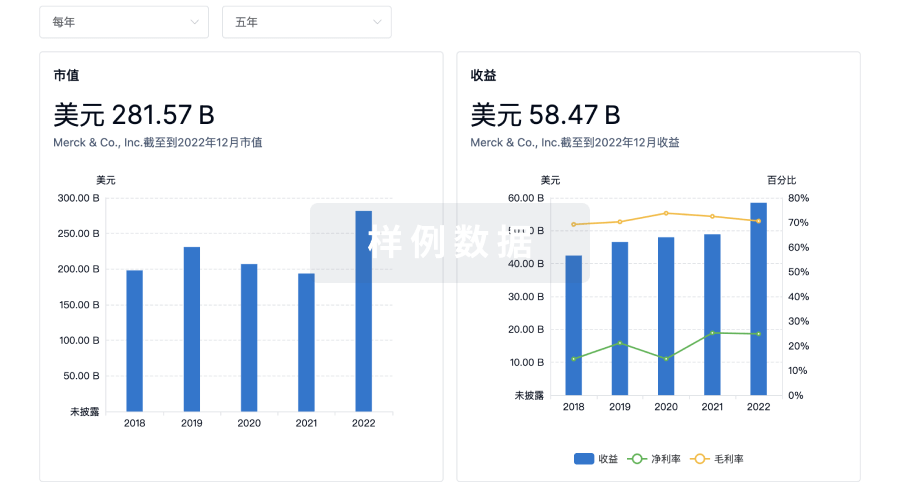
营收
使用 Synapse 探索超过 36 万个组织的财务状况。
登录
或
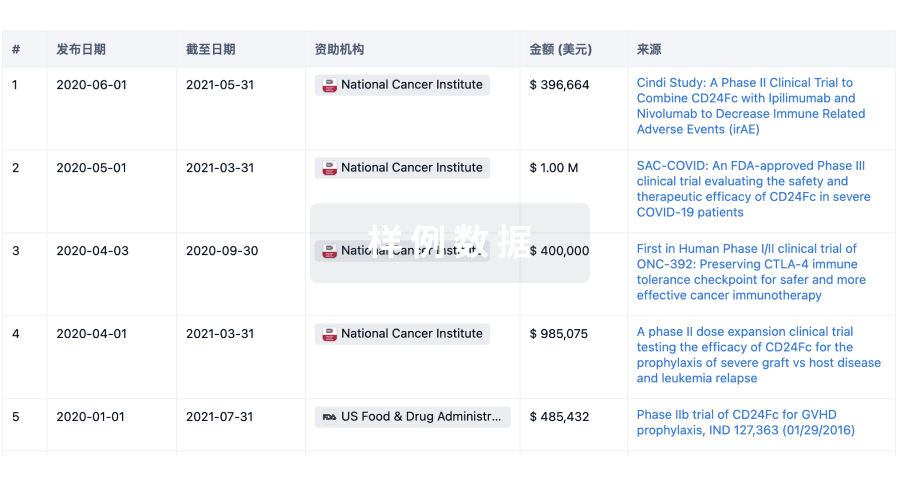
科研基金(NIH)
访问超过 200 万项资助和基金信息,以提升您的研究之旅。
登录
或
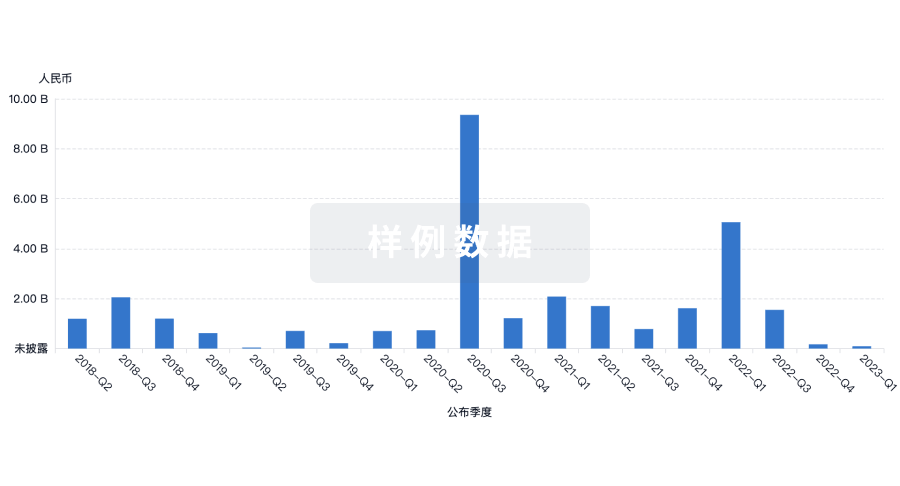
投资
深入了解从初创企业到成熟企业的最新公司投资动态。
登录
或
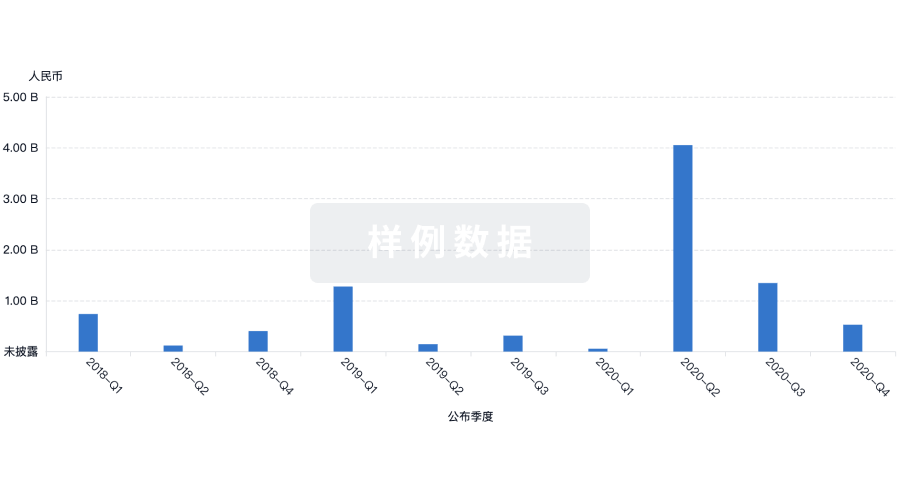
融资
发掘融资趋势以验证和推进您的投资机会。
登录
或
提出任何生物医药研究问题
让每一步生物医药决策都精准制胜
基于十亿级生物数据与全球情报的精准 AI,赋能早期药物发现
立即开始免费试用!
智慧芽新药情报库是智慧芽专为生命科学人士构建的基于AI的创新药情报平台,助您全方位提升您的研发与决策效率。
立即接入生物医药数据包
智慧芽新药库数据也通过智慧芽开放平台,以MCP或API服务形式对外开放。立即使用我们的MCP服务定制您的LLM智能体。
生物序列数据库
生物药研发创新
免费使用
化学结构数据库
小分子化药研发创新
免费使用