预约演示
更新于:2025-12-02

Southern University of Science & Technology
更新于:2025-12-02
概览
标签
感染
呼吸系统疾病
肿瘤
小分子化药
重组多肽
蛋白水解靶向嵌合体(PROTAC)
疾病领域得分
一眼洞穿机构专注的疾病领域

技术平台
公司药物应用最多的技术
靶点
公司最常开发的靶点
关联
靶点 |
作用机制 |
在研机构 |
原研机构 |
在研适应症 |
非在研适应症 |
最高研发阶段 |
首次获批国家/地区 |
首次获批日期 |

靶点 |
作用机制 |
在研机构 |
原研机构 |
在研适应症 |
非在研适应症 |
最高研发阶段 |
首次获批国家/地区 |
首次获批日期 |

靶点 |
作用机制 |
在研机构 |
原研机构 |
在研适应症 |
非在研适应症 |
最高研发阶段 |
首次获批国家/地区 |
首次获批日期 |

ChiCTR2500110796
Cohort for Adaptation to Life under Modernity stress
ChiCTR2500113476
Integrated sensor-feedback wearable haptic enhancement device
ChiCTR2500096237
A pressure-sensing research based on skin-electrode interfaces
100 项与 南方科技大学 相关的临床结果
登录后查看更多信息
登录后查看更多信息
2026-04-01BIOMATERIALS
Temporal-spatial hierarchical immunomodulating dressing promotes high-quality wound healing through M2 macrophage balancing
Article
作者: Zhang, Changyang ; Zheng, Bochi ; Xie, Nianhao ; Xu, Nan ; Shen, Xu ; Luo, Zhi ; Shi, Ci ; Hu, Yu
The skin is a highly complex organ with multiple layers and diverse cell types, each residing in specific locations. Effective wound healing requires precise coordination of cellular activities both temporally and spatially. However, this synchronization is often overlooked in traditional treatments, making optimal healing difficult to achieve. In this study, we introduce Temporal-Spatial Hierarchical Immunomodulating Dressing (T-shield), a programmable wound dressing that combines 3D printing technology with controlled drug release. T-shield is designed to mimic the skin's multilayer structure and deliver cell modulators at specific times, simulating the natural stages of wound healing. By integrating these modulators within the dressing's layers and allowing for controlled degradation, T-shield ensures that the release of cell modulators aligns with healing process. Importantly, T-shield promotes the transition from the pro-healing phase to the pro-remodeling phase by modulating the shift from the M2a to the M2c macrophage sub-phenotype. Our results show that this strategy not only accelerates wound closure but also significantly improves the quality of healing. Wounds treated with T-shield displayed increased mechanical strength, more mature tissue structures, and enhanced functional properties-features often neglected by conventional therapies. Therefore, T-shield represents a promising approach to improving complex wound healing and highlights the importance of designing materials that align with physiological processes to optimize therapeutic outcomes.
2026-03-01BIOMATERIALS
Hybrid living electronic skin for proactive scarless wound healing
Article
作者: Ma, Yutao ; Xie, Xi ; Guo, Feng ; Xiong, Chuxiao ; Guo, Qiongyu ; Huang, Man ; Shi, Peng
The integration of electronics with bioactive materials derived from living organisms offers a new paradigm to enable bidirectional modulation of human physiology by wearable therapeutic systems. Here, decellularized skin is integrated with electronic tattooing to create living biohybrid wearable electronics (DC-eSkin) for enhanced wound management. Decellularized porcine skin provides living-organism-derived components for promoted recellularization of the human cells at the xenografting site. Epidermis-tattooed circuits function as the electronic interfacing for proactive induction of acute inflammatory response, recruiting immune cells and skin cells to engage rapid wound healing at the early recovery stage, also supporting angiogenesis and neo-tissue regeneration at later stages. Across different preclinical wound models, DC-eSkin treatment effectively engages ∼80 folds more acute inflammatory responses and achieves ∼85 % improved wound closure compared to the controls. Notably, nearly ∼100 % scar suppression is also achieved at the wound healing terminal, as the result of a synergy of substantially superior recellularization and host-tissue integration of the xenografted DC-eSkin.
2026-03-01Biomaterials advances
Siloxane nanocomposite coating for temporalis muscle: Preventing adhesions and promoting aesthetic repair after decompressive craniectomy
Article
作者: Zhang, Jie ; Kong, Bin ; Yu, Zhao ; Xue, Dahui ; Gao, Shang ; Gao, Xinyu ; Liang, Hongsheng ; Zhang, Haopeng ; Gui, Binbin ; Shen, Yingjie ; Xu, Xun ; Wang, Sen ; Shi, Yuerong ; Zhang, Wei ; Liu, Lili ; Zhang, Xi ; Ma, Shengji ; Zhang, Xiangtong
Decompressive craniectomy (DC) is a commonly used life-saving neurosurgical procedure but always accompanied by a severe case of temporalis damage and even adhesions with the dura mater, which may lead to irreparable serious consequences. A suitable material for repairing the damage and preventing adhesions is urgently needed. However, existing materials mostly struggle to meet the clinical demands. In this paper, we introduce a novel siloxane nanocomposite: Ag-Quercetin-Polysiloxane (AQS), to effectively avoid the irreparable serious consequences caused by the cases after DC. AQS has many excellent properties, including flexibility, hydrophobicity, recyclability, low cost, and especially the anti-inflammatory and broad-spectrum antibacterial. Comprehensive experiments were conducted to verify the critical role of AQS, demonstrating a superiority of the AQS in various aspects. In vitro experiments, AQS possessed broad-spectrum antimicrobial activity, effective anti-adhesion properties against multiple cell lines, and the slow-release profile of Ag and quercetin. In vivo experiments, AQS effectively prevented adhesions between the temporalis muscle and dura mater, reduced pro-inflammatory IL-6 secretion, increased anti-inflammatory IL-10 and pro-healing PCNA production, thereby promoted temporalis remodeling. Furthermore, AQS exhibited excellent biocompatibility both in vitro and in vivo experiments. This nanocomposite may provide a novel therapeutic strategy for addressing the repairment and adhesion problems of temporalis muscle following DC.
100 项与 南方科技大学 相关的药物交易
登录后查看更多信息
100 项与 南方科技大学 相关的转化医学
登录后查看更多信息
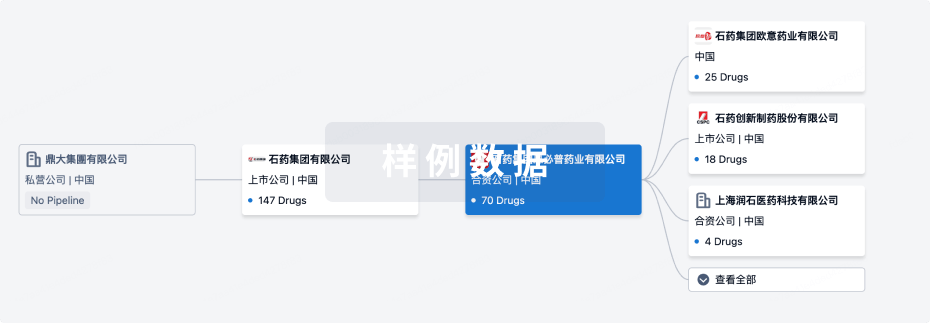
组织架构
使用我们的机构树数据加速您的研究。
登录
或
管线布局
2026年10月26日管线快照
管线布局中药物为当前组织机构及其子机构作为药物机构进行统计,早期临床1期并入临床1期,临床1/2期并入临床2期,临床2/3期并入临床3期
药物发现
12
21
临床前
登录后查看更多信息
当前项目
登录后查看更多信息
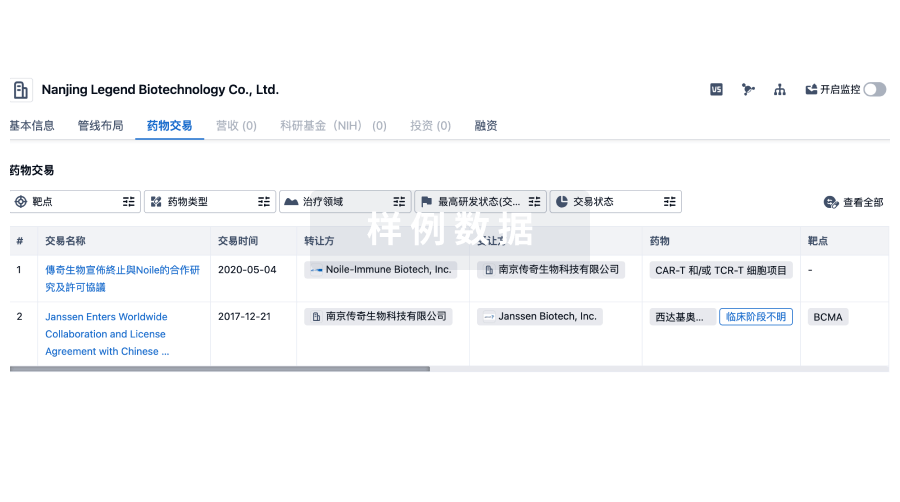
药物交易
使用我们的药物交易数据加速您的研究。
登录
或
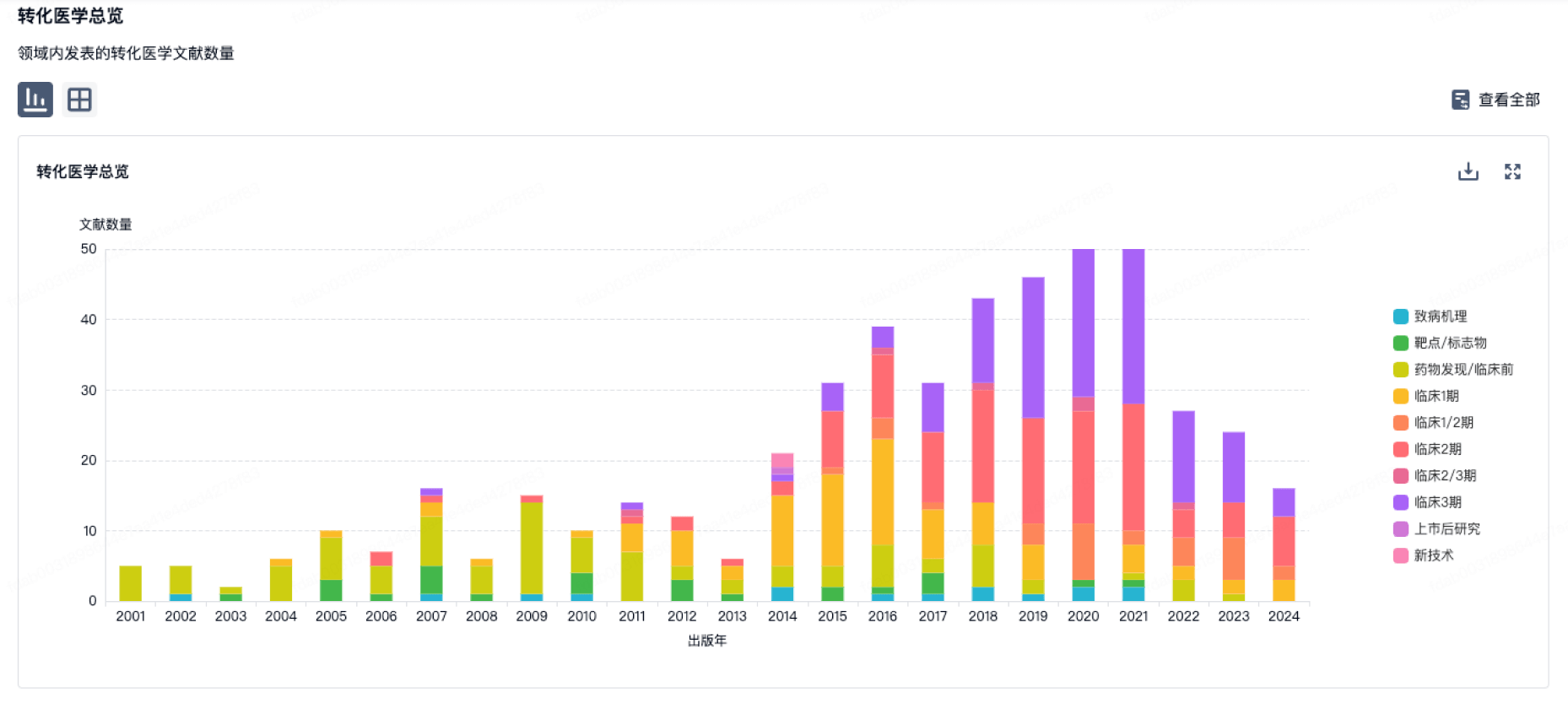
转化医学
使用我们的转化医学数据加速您的研究。
登录
或
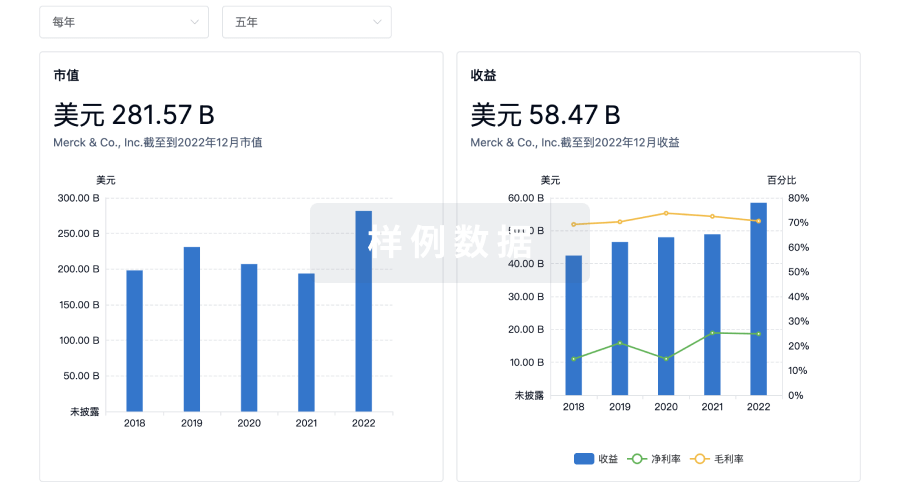
营收
使用 Synapse 探索超过 36 万个组织的财务状况。
登录
或
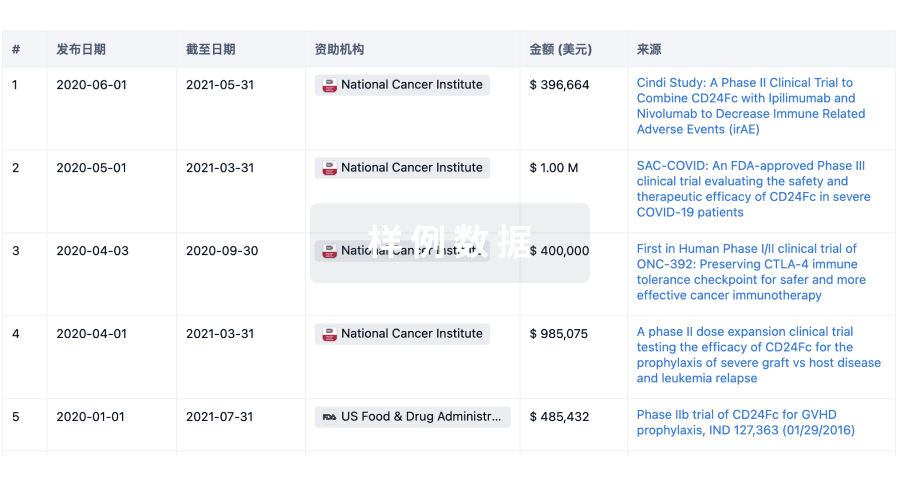
科研基金(NIH)
访问超过 200 万项资助和基金信息,以提升您的研究之旅。
登录
或
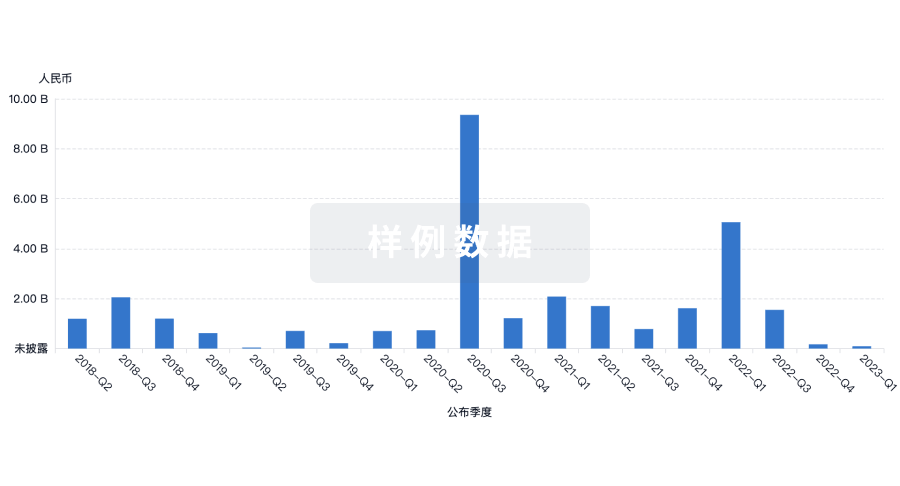
投资
深入了解从初创企业到成熟企业的最新公司投资动态。
登录
或
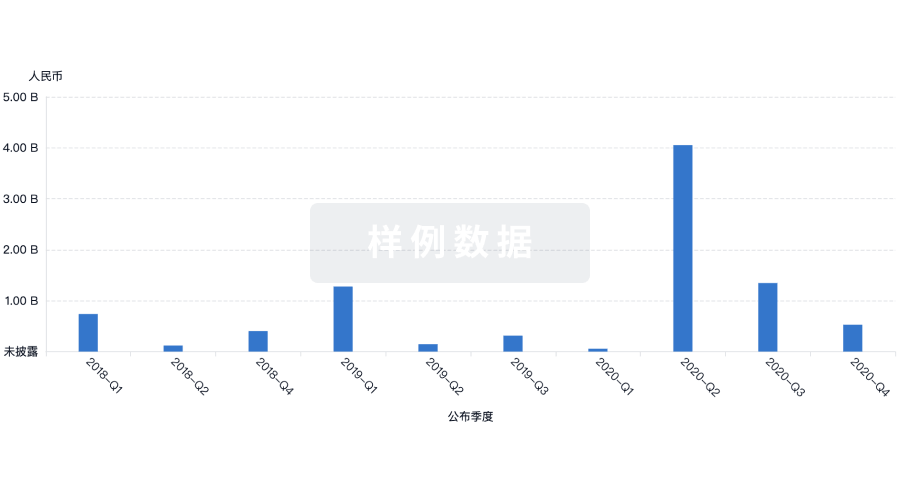
融资
发掘融资趋势以验证和推进您的投资机会。
登录
或
提出任何生物医药研究问题
让每一步生物医药决策都精准制胜
基于十亿级生物数据与全球情报的精准 AI,赋能早期药物发现
立即开始免费试用!
智慧芽新药情报库是智慧芽专为生命科学人士构建的基于AI的创新药情报平台,助您全方位提升您的研发与决策效率。
立即接入生物医药数据包
智慧芽新药库数据也通过智慧芽开放平台,以MCP或API服务形式对外开放。立即使用我们的MCP服务定制您的LLM智能体。
生物序列数据库
生物药研发创新
免费使用
化学结构数据库
小分子化药研发创新
免费使用