预约演示
更新于:2026-09-19

B&K Corporation Limited.
更新于:2026-09-19
概览
标签
皮肤和肌肉骨骼疾病
肿瘤
神经系统疾病
生长因子
细胞因子
ASO
疾病领域得分
一眼洞穿机构专注的疾病领域

暂无数据
技术平台
公司药物应用最多的技术
暂无数据
靶点
公司最常开发的靶点
暂无数据
| 排名前五的药物类型 | 数量 |
|---|---|
| 生长因子 | 3 |
| ASO | 2 |
| 细胞因子 | 2 |
| 治疗性疫苗 | 1 |
| mRNA疫苗 | 1 |
| 排名前五的靶点 | 数量 |
|---|---|
| PDGFRs(血小板衍生生长因子受体) | 3 |
| PDGF(血小板源性生长因子) | 2 |
关联
8
项与 青城新药生物科技(青岛)股份有限公司 相关的药物靶点 |
作用机制 PDGFR激动剂 |
在研机构 |
非在研适应症- |
最高研发阶段临床3期 |
首次获批国家/地区- |
首次获批日期- |

靶点 |
作用机制 PDGF调节剂 |
在研适应症 |
非在研适应症- |
最高研发阶段临床前 |
首次获批国家/地区- |
首次获批日期- |
靶点 |
作用机制 PDGF调节剂 |
在研适应症 |
非在研适应症- |
最高研发阶段临床前 |
首次获批国家/地区- |
首次获批日期- |
10
项与 青城新药生物科技(青岛)股份有限公司 相关的临床试验CTR20255194
一项评价重组人血小板源生长因子(rhPDGF-BB)凝胶在皮肤局部深Ⅱ度烧伤患者的有效性和安全性的多中心、随机、双盲、安慰剂对照的Ⅲa期临床研究
进一步评价重组人血小板源生长因子凝胶治疗深Ⅱ度烧伤创面的有效性和安全性
开始日期2026-05-07 |
申办/合作机构 |
ChiCTR2600121373
A multicenter, randomized, double-blind, placebo-controlled phase IIIa clinical study evaluating the efficacy and safety of recombinant human platelet-derived growth factor (rhPDGF-BB) gel in patients with localized (shallow/deep) second-degree burns on the skin
开始日期2026-03-01 |
申办/合作机构 青城新药生物科技(青岛)股份有限公司 [+1] |
CTR20220638
一项评价重组人血小板源生长因子凝胶(rhPDGF-BB)在糖尿病足溃疡患者中的初步有效性和安全性的、多中心、随机、双盲、安慰剂对照的Ⅱ期临床研究
评价试验药物在糖尿病足溃疡受试者中的初步有效性和安全性
开始日期2024-10-31 |
申办/合作机构 青城新药生物科技(青岛)股份有限公司 [+1] |
100 项与 青城新药生物科技(青岛)股份有限公司 相关的临床结果
登录后查看更多信息
0 项与 青城新药生物科技(青岛)股份有限公司 相关的专利(医药)
登录后查看更多信息
234
项与 青城新药生物科技(青岛)股份有限公司 相关的新闻(医药)2026-09-15
作者:唐立成
美工:何国红 罗真真
排版:马超
01 引言
如果把今天的ADC和十年前相比,变化最明显的可能还不是靶点数量增加了多少,而是开发者开始重新审视一个更基础的问题:ADC,究竟应该怎样识别肿瘤、怎样杀伤肿瘤,又该怎样避开正常组织?
在相似靶点、相似Payload甚至相近的Linker体系上,ADC之间的差异越来越难只靠“换一个靶点”拉开。临床中暴露出的另一面也更加清楚:同一个病灶内部可以同时存在Target-high、Target-low甚至Target-negative细胞;经历ADC治疗后,抗原下调和Payload耐药并不少见;不少看起来很诱人的肿瘤靶点,又因为正常组织表达而难以获得足够的治疗窗口。
▲ 图1 传统ADC研发面临的三类常见瓶颈:肿瘤异质性、Payload耐药与治疗窗口
于是,一些公司在抗体端做文章,用两种抗原或者两个表位提高覆盖和内吞;另一些公司开始在一个ADC上安装两种作用机制不同的Payload;还有一类更激进的设计,不满足于“看到靶点就结合”,而是尝试让ADC先判断多个条件,再决定是否进入细胞和释放药物。
双抗ADC、Dual-payload ADC以及逻辑门控ADC,正是目前这几条路线中最值得关注的三个方向。
▲ 图2 从传统ADC到下一代ADC:识别、载荷
与激活方式的三条升级路径
它们的成熟度并不相同。双抗ADC已经出现Ⅲ期阳性数据;Dual-payload ADC到2025—2026年才真正密集进入人体试验;逻辑门控ADC则一部分已经显示初步临床信号,更多设计仍在验证“复杂结构能不能换来更好的治疗窗口”。
02 2026年全球双抗ADC、双Payload ADC和逻辑门控ADC最新临床进展
截至2026年,从临床阶段分布来看,三类下一代ADC的成熟度差异已经比较明显。双抗ADC的管线数量最多,而且从I期到III期形成了相对完整的梯队,说明这一方向不仅早期项目储备充足,也已经有一部分资产进入后期临床验证。相比之下,双Payload ADC仍主要集中在I期和II期,III期尚为空白,当前仍处于验证双重Payload能否在提高疗效的同时控制额外毒性的阶段。逻辑门控ADC的临床管线最少,目前主要分布在I期和II期,说明其技术概念虽然具有较强吸引力,但在分子设计、门控稳定性和治疗窗口方面仍需要更多临床数据支持。整体来看,三条路线的发展节奏并不一致:双抗ADC已经进入“后期验证”阶段,而双Payload和逻辑门控ADC仍更多处在“早期探索向临床过渡”的阶段。
▲ 图3 三类下一代ADC临床管线统计
(来源:据公开资料整理)
03 双抗ADC
ADC最先遇到的问题,是肿瘤本身并没有想象中那么整齐。
即使被归为HER2阳性、TROP2阳性或EGFR阳性的肿瘤,同一个患者不同转移灶之间、同一个病灶的不同区域之间,抗原密度都可能相差很大。治疗本身还会进一步施加选择压力——高表达细胞被优先杀伤,低表达甚至不表达靶点的亚群留下来,最后重新成为优势群体。
这也是双抗ADC最直接的出发点。
传统ADC只有一个识别入口:
Target A → Binding → Internalization → Payload release.
双抗ADC则允许一个分子同时识别两个抗原或两个表位。
但“双抗”只是结构描述,并不能解释它到底解决什么问题。目前的开发思路其实已经分化得相当明显。
▲ 图4 双抗ADC的三种代表性设计策略:双靶
覆盖、双表位与功能互补
01
双靶点-双抗ADC
例如EGFR×HER3、TROP2×HER3、EGFR×MET等组合,本质上希望降低对单一抗原表达的依赖。当肿瘤细胞对其中一个靶点表达不足时,另一个靶点仍可能提供结合和内吞机会。这类结构更接近一个生物学意义上的“OR Gate”——A或者B都可以帮助ADC找到肿瘤。
Iza-bren(BL-B01D1)同时靶向EGFR和HER3。2026年2月,其在既往接受过紫杉类治疗的不可切除局部晚期或转移性三阴性乳腺癌Ⅲ期研究中,同时达到PFS和OS双主要终点;到ASCO 2026,BMS披露Iza-bren已经在三项中国Ⅲ期研究中达到主要终点。食管鳞癌研究中,中位OS为9.8个月,对照化疗为7.2个月,HR为0.64;中位PFS为4.2个月,对照组2.0个月。
这已经不是“一个新型双抗ADC在Ⅰ期看到几个PR”的概念验证。Iza-bren至少说明了一件事:复杂的双靶结构可以被带到大规模随机Ⅲ期,并产生生存获益。
当然,它还没有回答另一个问题——这种优势究竟有多少来自“EGFR×HER3双靶设计”,又有多少来自抗体、Linker、Payload、DAR和患者选择共同作用。判断一项ADC技术是否真的优于单靶设计,最终仍然需要同靶点、同Payload甚至头对头研究来拆分变量。
但从开发成熟度看,双抗ADC已经率先走出了实验室。
02
双表位-双抗ADC
另一条路线是biparatopic ADC。它不识别两个不同蛋白,而是同时结合一个抗原上的两个不同表位。
为什么同一个靶点还要识别两次?关键不是“多认一个地方”,而是抗体与受体之间的空间关系可能改变。双表位结合可能增强avidity,也可能促进靶点聚集和内吞。对于ADC来说,表面结合只是第一步,进入细胞才真正决定Payload能不能被有效送达。一个亲和力很高、但长时间停留在细胞表面的抗体,未必是最好的ADC抗体。
这也是ADC研发里常被低估的一点:最佳ADC抗体不一定是亲和力最高的那一个。
表位位置、受体循环、internalization kinetics,很多时候比单纯把KD继续压低一个数量级更重要。
03
功能互补-双抗ADC
功能互补的双抗ADC真正有意思的地方,不是又增加了一组“双靶点”,是希望通过设计,让两个靶点形成功能协同。以IDE034这个同时靶向B7-H3和PTK7,携带TOP1 Payload的ADC为例,IDE034希望主要在B7-H3和PTK7位于同一个肿瘤细胞表面时获得充分结合和内吞。
这和前面的OR型双抗ADC已经不是同一件事。前者在问“A或者B有没有”?功能互补-双抗ADC试图问“A和B是不是同时存在”?也正因为如此,它同时站在“双抗ADC”和“逻辑门控ADC”的交界线上。
继续增加一个靶点本身并没有多少技术含量。真正困难的是,如何选择一对在肿瘤中高度共表达、在关键正常组织中却很少同时出现的抗原;两条抗体臂的亲和力又要控制在一个合适范围——单臂太强,双抗可能退化成两个单抗的简单叠加;太弱,又可能损失药效。
换句话说,双抗ADC把问题提前到了抗体发现阶段。靶点对怎么选、两个表位是否兼容、哪个Arm负责定位、哪个Arm更利于内吞、单臂亲和力应该做到多高,这些决定不能等到ADC已经偶联完成以后再解决。
04 双Payload ADC
如果双抗ADC主要解决“识别谁”的问题,Dual-payload ADC面对的则是另外一个麻烦:同一种Payload持续施加选择压力之后,肿瘤会产生耐药性。
今天临床和研发最成熟的ADC Payload并不算多。TOP1 inhibitor、MMAE/MMAF、DM1/DM4等少数机制占据了相当高比例。特别是DXd、exatecan及其衍生TOP1 Payload成功之后,大量新ADC都选择了相近机制。
这是一条经过验证的路,却也带来了同质化。
ADC耐药可以发生在很多环节:靶点下调、内吞改变、溶酶体处理异常、drug efflux增加、DNA损伤修复能力提高,甚至肿瘤细胞直接降低对Payload本身的敏感性。如果问题发生在Payload层面,换一个抗体靶点未必解决得了。
▲ 图5 Dual-payload ADC的三类组合逻辑:双细胞毒、DNA损伤+DDR抑制、细胞毒+免疫刺激
01
双细胞毒素-双Payload ADC
双细胞毒素的双Payload ADC逻辑不难理解。如果一部分肿瘤细胞已经降低了对某个Payload抑制的敏感性,第二种机制仍可能保留活性。以KH815为例,这款TROP2 Dual-payload ADC同时携带TOP1 inhibitor和triptolide相关Payload,后者作用于RNA polymerase II相关机制。它的目的不是简单提高总DAR,而是让同一个TROP2阳性细胞同时面对两种不同压力。
但真正把这种想法做成药,比写在PPT上难得多。两个Payload的疏水性不同,效力不同,膜通透性不同,释放之后的半衰期也不同。一个Payload在皮摩尔水平有效,另一个可能需要更高胞内浓度;如果只是按化学上方便的比例挂到抗体上,并不意味着两者能够在肿瘤细胞里形成理想比例。
Dual-payload真正要解决的是“剂量配比”。只是这个剂量,不再由医生分别开两支药,而是在ADC制造阶段就写进了分子结构里。
02
DNA损伤+DDR抑制-双Payload ADC
DNA损伤+DDR抑制的双Payload ADC受到关注,很大程度上不是因为“有两个Payload”,而是这两个Payload之间存在较明确的生物学关系。
以CLIO-8221为例,其中一个负责产生TOP1相关DNA损伤,另一个针对ATR通路。癌细胞遭遇复制压力和DNA损伤后,需要ATR等DNA damage response机制帮助完成修复和存活。于是这个组合实际是在同一个细胞里完成两件事:一边制造损伤,一边削弱修复。
这种设计比“把两种成熟毒素各挂一半”更接近Dual-payload真正需要证明的东西——机制协同。
不过到目前为止,CLIO-8221仍处于Ⅰ期。它能不能在人体中取得比成熟HER2 ADC更好的治疗窗口,还没有答案。漂亮的机制,并不等于临床优势。
03
细胞毒素+免疫调节-双Payload ADC
2026年另一个明显变化,是Dual-payload开始从“两种细胞毒机制”走向“细胞毒+免疫调节”。
这套设计试图同时做两件事:TOP1 Payload直接杀伤肿瘤;STING agonist在局部刺激先天免疫。
这类项目可能比“双毒素组合”更值得长期观察。传统ADC已经在做精准递送。如果同一个递送平台能够同时完成直接杀伤和局部免疫调节,ADC的功能就不再局限于“精准化疗”。
但历史经验也提醒开发者,免疫刺激Payload不好做。STING、TLR等激动剂系统暴露后可能带来明显炎症和安全性问题,而ADC也不可能做到百分之百只在肿瘤中释放。Linker稳定性、未偶联Payload、肿瘤外释放以及Fc相关摄取,都可能重新把局部治疗变成全身暴露。
所以这条路线是否成立,最终看的仍是治疗窗口,不是机制图画得有多漂亮。
05 逻辑门控ADC
双抗ADC提高识别能力,Dual-payload增加杀伤机制,逻辑门控ADC尝试解决的则是ADC长期以来最棘手的问题之一:怎样把肿瘤和正常组织区分得更干净?
因为现实中的很多优质靶点都不是真正的tumor-specific antigen。它们更常见的状态是:肿瘤表达很多,正常组织也表达一些。传统ADC只能依靠表达量差异寻找治疗窗口。只要抗体还能结合正常细胞,就始终存在on-target/off-tumor毒性。
逻辑门控的思路是,不再只读取一个输入。
这和电子电路中的Boolean Logic有些相似,但目前药物研发中的“逻辑门”更多是一种功能上的类比,并不是电子计算机那种严格数字逻辑。
▲ 图6 逻辑门控ADC的主要设计类型:
OR、AND、条件门及NOT概念
01
OR门:多数双抗ADC代表的逻辑门
如果一个ADC能够识别A或B两个抗原:A OR B → Binding,那它本质上已经具有OR型特征。
Iza-bren、TROP2×HER3以及部分EGFR×MET类分子大体都可以放进这一框架中理解。OR Gate追求覆盖面。A丢失了,还有B。
它特别适合解决肿瘤异质性,但对正常组织选择性未必天然更好。事实上,如果A和B分别存在于两类正常组织,覆盖面扩大反而可能带来新的毒性边界。
所以“BsADC”和“逻辑门控ADC”不能直接画等号。真正让这个概念变得有意思的是AND。
02
AND门:只有两个抗原同时存在,ADC才获得足够活性
AND门设计追求的不是“多打一群细胞”。恰恰相反,它主动缩小目标群体,希望换取更高选择性。
假设A在正常肺组织中有一定表达,B在另一类正常细胞中也存在,但A和B很少同时出现在同一个正常细胞表面,那么:A单阳性时结合不足;B单阳性时结合不足;A+B双阳性时avidity增强并触发高效内吞。
▲ 图7 AND Gate ADC的核心机制:
双阳性肿瘤获得更强avidity与内吞
这才是AND Gate真正吸引人的地方。它提供了一种不同的靶点开发思路:过去开发者要寻找一个“肿瘤高、正常低”的单一抗原;未来也许可以寻找两个都不够完美、但共表达图谱足够肿瘤特异的抗原。
靶点空间因此有可能扩大。但工程难度也明显增加。真正的AND Gate往往不能让两个单臂都拥有非常高的亲和力。如果任意一条Arm自己就可以牢牢抓住细胞并完成内吞,所谓AND最终还是会退化成OR。
这意味着传统抗体研发中“亲和力越高越好”的直觉,在这里甚至可能是错的。需要优化的不是单个抗体,而是两个Arm之间的平衡。
03
条件门:不读取第二个抗原,而是读取肿瘤环境
条件门属于另一类思路,它没有要求肿瘤同时表达A和B,而是给抗体加上一个Mask。ADC进入血液和正常组织时,抗原结合位点被遮挡;到达蛋白酶活跃的肿瘤微环境后,Mask被切除,抗体重新获得结合能力。于是逻辑可以近似理解为:Tumor antigen AND protease activity → Active ADC。
▲ 图8 条件激活ADC:利用蛋白酶
或肿瘤微环境控制ADC“开/关”
如果这种条件门能够广泛成立,一些过去因为正常组织表达而被认为治疗窗口不足的靶点,可以通过增加条件激活重新进入开发视野。
04
Not门:仍在概念早期
目前行业讨论逻辑门控时,很容易出现一种倾向:AND之后还有OR,之后可以再加NOT,最后做成多输入计算系统。概念上当然成立。
真正的NOT Gate可以设计成:A AND NOT B → Kill。比如A在肿瘤和正常组织都有表达,而B只存在于正常组织。ADC识别到B后进入抑制状态,于是A+B正常细胞被保护,A+B−肿瘤细胞被杀伤。
这个想法在CAR-T领域比ADC成熟得多。ADC的问题在于,它没有天然的细胞内抑制信号回路。CAR-T可以让一个受体产生激活信号、另一个受体产生抑制信号;ADC只是一个分子。一旦高亲和力结合、内吞、Linker裂解,Payload已经进入细胞,很难再告诉它“刚才算错了,不要释放”。
因此截至目前,真正严格意义上的NOT-gated ADC仍非常早期。现阶段最现实的门控方式主要还是两种:利用avidity实现A AND B,或者利用Mask、蛋白酶、pH等肿瘤环境实现Target AND Tumor Condition。
更复杂的Boolean circuit值得关注,但没必要过早把它包装成已经成型的下一代技术。
06 三优生物助力下一代ADC研发
下一代ADC研发,前端抗体是关键。
ADC常被形容成“抗体+Linker+Payload”。这种拆法很方便,却容易让人误以为抗体只是一个负责把毒素带到肿瘤的导航头。到了下一代ADC,这种理解越来越不够用了。
双抗ADC需要的是一组匹配的抗体。两个靶点是否在同一个肿瘤细胞上共表达,两个Epitope之间的空间距离是否允许有效双价结合,哪个Arm需要更强亲和力,哪个Arm负责促进内吞,都可能改变最终效果。
AND-gated ADC甚至可能要求开发者刻意保留较低的单臂亲和力。对于普通ADC,内吞能力已经重要;对于逻辑门控ADC,内吞本身还必须和“条件成立”绑定。
Dual-payload看起来主要发生在偶联端,前端抗体其实同样重要。如果两种Payload导致分子整体疏水性增加、DAR升高或PK变差,那么抗体本身的稳定性、聚集倾向和表达水平必须留出更多开发空间。
因此,一个适合下一代ADC的抗体,评价标准很难再停留在“特异性好、亲和力高”。Epitope、internalization、trafficking、cross-reactivity、developability,甚至它与第二株抗体组合后的行为,都需要更早进入筛选流程。
三优生物目前以AI-STAL(AI-Super Trillion Antibody Library) 和 SAI-DA(Sanyou AI-Drug Accelerator)为核心,结合ADC分子构建与评价平台,为下一代ADC提供从抗体发现、功能筛选到偶联优化的研发支持。
三优生物ADC分子构建平台链接:https://adcdev.sanyoubio.com.cn
▲ 图9 三优生物下一代ADC发现与开发支持流程
01
三优AI-STAL:先把适合ADC的抗体候选空间打开
ADC开发的第一步仍然是抗体,但“能结合靶点”只是最基础的要求。
三优AI-STAL以超大容量抗体库为核心。AI-STAL目前拥有约11万亿级库容,多样化的库种类,并以候选分子数量、筛选成功率和筛选速度作为其核心指标。
丰富的候选抗体可能性,对于普通ADC,这意味着可以围绕同一靶点获得更多不同Epitope、不同亲和力和不同内吞特征的抗体;对于双抗ADC、双Payload ADC和逻辑门控ADC则更为关键,当候选抗体丰富度不足时,开发者很容易过早锁定一个Pair。候选空间足够大,才有条件真正比较:
· Epitope是否匹配;
· 单臂亲和力是否平衡;
· 两个靶点是否能形成有效共结合;
· 双抗构建后是否保持表达和稳定性;
· 是否具有足够的internalization。
对于下一代ADC研发,项目需要的不是“最强的一株抗体”,而是最适合这个分子架构的一组抗体。
▲ 图10 三优生物AI-STAL一图了解
02
三优SAI-DA:把“找抗体”继续推进到“选ADC候选物”
AI-STAL解决的是源头分子产生,SAI-DA则承担后续筛选和开发加速。
三优生物新药加速器SAI-DA是一个整合AI设计和湿实验验证的全场景新药研发加速器,覆盖从分子产生到临床前研发的多个环节。其核心思路不是用计算替代实验,而是把部分原本需要大量试错的工作提前到计算和并行筛选阶段。
这一点放在下一代ADC上尤其实际。例如,一个双抗ADC项目可能同时有:
· 5株Target A抗体;
· 5株Target B抗体;
· 数种双抗Format;
· 不同Affinity组合;
· 多种Linker;
· 不同Payload;
· 多个DAR设计。
理论组合数量会很快膨胀。
真正开发时,不可能把所有组合一路推进到动物实验。需要在结合、内吞、细胞杀伤、稳定性以及成药性层面不断淘汰。SAI-DA所代表的AI+湿实验工作方式,更适合处理这种高参数项目:计算用于缩小搜索空间,实验负责验证真正决定药效和安全性的变量。
▲ 图11 三优生物SAI-DA一图了解
03
三优ADC分子构建平台:从候选进入真正的ADC比较
目前,三优ADC研发平台已经完成600+ ADC相关项目,其中ADC偶联项目超过500个,覆盖bispecific antibody、nanobody、mAb等不同抗体形式,并支持多种偶联方式、Linker-Payload体系及DAR设计。这对于双抗ADC和Dual-payload ADC很关键,因为同一个抗体骨架往往需要同时比较不同:Payload、DAR、Linker和偶联方式。复杂ADC真正的开发价值,也往往来自这种并行比较,而不是一次性完成偶联。
从公司未来管线布局来看,三优也已将以逻辑门控ADC为代表的新一代ADC列为重点方向,并规划双靶点、双Payload及其组合形式。
因此,三优在下一代ADC研发中的核心价值可以概括为一条更直接的路径:
AI-STAL提供更丰富的抗体候选→SAI-DA筛出更合适的分子与组合→ADC平台完成偶联、优化和验证。
对于双抗ADC、Dual-payload ADC和逻辑门控ADC而言,开发的重点已经不只是“能不能做出来”,而是能否更快找到真正值得推进的那个分子。这恰恰是三优最擅长的方向。
07 结语
目前来看,ADC的发展并没有出现一条能够取代其他路线的“标准答案”。
三条路线,其实在解决三种不同的失败方式。把双抗、双Payload和逻辑门控放在一起看,会发现它们并不是三个为了“更新”而产生的新概念。
双抗ADC主要针对抗原异质性和单靶逃逸。Dual-payload主要针对单一药理机制带来的耐药选择压力。逻辑门控关注的则是正常组织表达和治疗窗口。
这也意味着三个方向并没有互斥关系。理论上,一枚ADC完全可以同时是“双抗 + AND Gate + Dual-payload”。比如利用两个抗原共同表达决定是否高效内吞,再通过两种具有机制互补性的Payload完成杀伤。
从2026年的临床成熟度看,三条路线的排序也很明显。双抗ADC已经进入“后期验证”阶段,而双Payload和逻辑门控ADC仍更多处在“早期探索向临床过渡”的阶段。
现在谈谁会成为ADC 2.0的最终形态,还太早。更可能发生的是,这些技术先各自证明一部分价值,之后再出现自由组合,成为效果更好,能为病人带来更多改善的“终极ADC”。
SAI-DA 1.0 | Sanyou Bio Supports Next-Generation ADCs: Bispecific ADCs, Dual-Payload ADCs, and Logic-Gated ADCs
01 Introduction
Compared with ADCs a decade ago, the most striking change today may not be the sheer increase in the number of targets, but the fact that developers are revisiting a more fundamental question: how should an ADC recognize tumor cells, kill them effectively, and spare normal tissues?
As more programs converge on similar targets, payloads, and even linker systems, it has become increasingly difficult to differentiate one ADC from another simply by “switching targets”. Clinical experience has also made the limitations clearer. Within the same lesion, target-high, target-low, and even target-negative cells can coexist; antigen downregulation and payload resistance can emerge after ADC treatment; and many otherwise attractive tumor targets are also expressed in normal tissues, making an adequate therapeutic window difficult to achieve.
▲ Figure 1. Three common bottlenecks in conventional ADC development: tumor heterogeneity, payload resistance, and the therapeutic window
Developers are therefore beginning to intervene at different points in the ADC design. Some are engineering the antibody component to recognize two antigens or two epitopes, with the aim of improving coverage and internalization. Others are loading a single ADC with two payloads that act through different mechanisms. A third, more ambitious approach moves beyond the simple rule of “see the target, bind the target” and instead asks the ADC to satisfy multiple conditions before it enters the cell and releases its payload.
Bispecific ADCs, dual-payload ADCs, and logic-gated ADCs are three of the most closely watched directions in this next wave of ADC development.
▲ Figure 2. From conventional ADCs to next-generation ADCs: three upgrade paths in recognition, payload delivery, and activation
These approaches are not equally mature. Bispecific ADCs have already produced positive Phase III data; dual-payload ADCs only began entering human studies in meaningful numbers in 2025–2026; and logic-gated ADCs have generated some early clinical signals, while many designs are still testing whether greater molecular complexity can translate into a wider therapeutic window.
02 2026 Global Clinical Progress in Bispecific ADCs, Dual-Payload ADCs, and Logic-Gated ADCs
As of 2026, the three categories show a clear difference in clinical maturity. Bispecific ADCs have the largest pipeline and now span a relatively complete continuum from Phase I through Phase III, indicating both a substantial early-stage reserve and a growing group of assets in late-stage validation. Dual-payload ADCs remain concentrated in Phase I and Phase II, with no Phase III programs yet, and the key question is still whether two payloads can improve efficacy without adding unacceptable toxicity. Logic-gated ADCs have the smallest clinical pipeline and are currently concentrated in Phase I and Phase II, suggesting that although the concept is compelling, more clinical evidence is still needed around molecular design, gating robustness, and the therapeutic window. Overall, the three routes are moving at different speeds: bispecific ADCs have entered late-stage validation, whereas dual-payload and logic-gated ADCs remain closer to the transition from early exploration into broader clinical testing.
▲ Figure 3. Clinical pipeline counts for three next-generation ADC categories (source: compiled from publicly available information)
03 Bispecific ADCs
One of the first problems ADCs encounter is that tumors are far less uniform than they appear on paper.
Even within tumors classified as HER2-positive, TROP2-positive, or EGFR-positive, antigen density can vary substantially between metastatic lesions in the same patient and across different regions of the same lesion. Treatment itself adds further selective pressure: cells with high target expression are preferentially eliminated, while target-low or target-negative subclones survive and may eventually become dominant.
This is the most straightforward rationale for bispecific ADCs.
A conventional ADC has a single recognition entry point:
Target A → Binding → Internalization → Payload Release.
A bispecific ADC, by contrast, can recognize two antigens or two epitopes within the same molecule.
“Bispecific”, however, is only a structural description; it does not explain what problem the molecule is designed to solve. In practice, several distinct design strategies have emerged.
▲ Figure 4. Three representative bispecific ADC strategies: dual-antigen coverage, biparatopic binding, and functional pairing
01
Dual-Target Bispecific ADCs
Combinations such as EGFR×HER3, TROP2×HER3, and EGFR×MET are designed primarily to reduce dependence on a single antigen. When tumor cells express one target at insufficient levels, the second target may still support binding and internalization. Functionally, these designs resemble a biological “OR gate”: either A or B can help the ADC recognize the tumor.
Iza-bren (BL-B01D1) targets both EGFR and HER3. In February 2026, a Phase III study in patients with unresectable locally advanced or metastatic triple-negative breast cancer previously treated with taxane therapy met both primary endpoints of progression-free survival (PFS) and overall survival (OS). By ASCO 2026, BMS had reported that Iza-bren had met the primary endpoint in three Phase III studies conducted in China. In the esophageal squamous cell carcinoma study, median OS was 9.8 months versus 7.2 months with chemotherapy (HR 0.64), while median PFS was 4.2 months versus 2.0 months.
This is no longer the kind of proof of concept in which a new bispecific ADC produces a handful of partial responses in Phase I. At a minimum, Iza-bren shows that a complex dual-target architecture can be taken into large randomized Phase III studies and generate a survival benefit.
What it has not yet answered is how much of that advantage comes specifically from the EGFR×HER3 dual-target design, and how much reflects the combined contribution of the antibody, linker, payload, DAR, and patient selection. Determining whether a given ADC technology is truly superior to a single-target design will ultimately require comparisons that isolate these variables, ideally using the same target and payload and, where feasible, head-to-head studies.
From a development-maturity perspective, however, bispecific ADCs are the first of these next-generation approaches to have clearly moved beyond the laboratory.
02
Biparatopic Bispecific ADCs
Another route is the biparatopic ADC, which does not recognize two different proteins but instead binds two distinct epitopes on the same antigen.
Why bind the same target twice? The point is not simply to “recognize one more site”, It is that the spatial relationship between the antibody and receptor may change. Biparatopic binding can increase avidity and may also promote target clustering and internalization. For an ADC, surface binding is only the first step; effective payload delivery ultimately depends on entering the cell. An antibody with very high affinity but prolonged residence at the cell surface is not necessarily the best ADC antibody.
This is an often-underappreciated point in ADC development: the best ADC antibody is not necessarily the one with the highest affinity.
Epitope location, receptor recycling, and internalization kinetics can matter more than pushing the Kd down by another order of magnitude.
03
Functionally Paired Bispecific ADCs
What makes functionally paired bispecific ADCs interesting is not simply the addition of another target, but the attempt to make the two targets perform complementary roles. IDE034, for example, targets B7-H3 and PTK7 and carries a TOP1 payload. The molecule is designed to achieve efficient binding and internalization primarily when B7-H3 and PTK7 are present on the same tumor cell.
That is fundamentally different from the OR-type bispecific ADCs described above. Those molecules ask, “Is A or B present”? A functionally paired design asks, “Are A and B present together”? This is why such molecules sit at the intersection of bispecific ADCs and logic-gated ADCs.
Simply adding another target has little value by itself. The real challenge is to identify a pair of antigens that are frequently co-expressed in tumors but rarely co-expressed in critical normal tissues, while also balancing the affinities of the two arms. If either arm is too strong, the bispecific may behave like two independent monospecific antibodies; if both are too weak, efficacy may be lost.
In other words, bispecific ADCs push key decisions upstream into antibody discovery. Which target pair should be chosen? Are the two epitopes compatible? Which arm should provide localization, and which should promote internalization? How strong should the monovalent affinity be? These questions cannot be postponed until after conjugation.
04 Dual-Payload ADCs
If bispecific ADCs mainly address the question of “what to recognize”, dual-payload ADCs confront a different problem: sustained selective pressure from a single payload can drive tumor resistance.
The number of payload classes with substantial clinical and development validation remains limited. TOP1 inhibitors, MMAE/MMAF, and DM1/DM4 account for a large share of the field. In particular, the success of DXd, exatecan, and related TOP1 payloads has encouraged many new ADC programs to adopt similar mechanisms.
That is a validated development path, but it has also contributed to increasing homogeneity across the field.
ADC resistance can arise at multiple points, including target downregulation, altered internalization, abnormal lysosomal processing, increased drug efflux, enhanced DNA damage repair, or reduced tumor-cell sensitivity to the payload itself. If the resistance mechanism sits at the payload level, switching to another antibody target may not solve the problem.
▲ Figure 5. Three dual-payload strategies: dual cytotoxic payloads, DNA damage plus DDR inhibition, and cytotoxicity plus immune stimulation
01
Dual-Cytotoxic Dual-Payload ADCs
The rationale for a dual-cytotoxic dual-payload ADC is straightforward: if a subset of tumor cells becomes less sensitive to one payload, a second mechanism may retain activity. KH815 is a representative example. This TROP2-targeted dual-payload ADC carries both a TOP1 inhibitor and a triptolide-related payload acting through an RNA polymerase II-related mechanism. The goal is not simply to increase total DAR, but to expose the same TROP2-positive cell to two distinct pharmacologic pressures.
Turning that concept into a viable drug is much harder than drawing it on a slide. The two payloads may differ in hydrophobicity, potency, membrane permeability, and half-life after release. One may be active at picomolar concentrations while the other requires higher intracellular exposure. Attaching them at a chemically convenient ratio does not mean that they will reach the optimal functional ratio inside tumor cells.
The real challenge for dual-payload ADCs is dose ratio. The difference is that this “dose” is no longer prescribed as two separate drugs by a physician; it is encoded into the ADC structure during manufacturing.
02
DNA Damage + DDR Inhibition Dual-Payload ADCs
Dual-payload ADCs that combine DNA damage with DNA damage response (DDR) inhibition are attracting attention not simply because they carry two payloads, but because the two mechanisms have a clear biological relationship.
CLIO-8221 is a useful example. One payload produces TOP1-associated DNA damage, while the other targets the ATR pathway. When cancer cells experience replication stress and DNA damage, ATR and related DDR mechanisms help them repair the damage and survive. The combination therefore performs two linked actions in the same cell: creating damage while weakening the repair response.
This is closer to what dual-payload ADCs ultimately need to demonstrate—mechanistic synergy—than simply attaching two established cytotoxins to the same antibody.
CLIO-8221 is still in Phase I. Whether it can achieve a better therapeutic window in humans than established HER2 ADCs remains unanswered. An elegant mechanism does not automatically translate into a clinical advantage.
03
Cytotoxic + Immunomodulatory Dual-Payload ADCs
Another notable shift in 2026 is the move from “two cytotoxic mechanisms” toward “cytotoxicity + immune modulation”.
This design aims to do two things at once: the TOP1 payload directly kills tumor cells, while a STING agonist locally activates innate immunity.
These programs may warrant closer long-term attention than simple “two-toxin” combinations. Conventional ADCs already provide targeted delivery; if the same delivery platform can combine direct tumor-cell killing with local immune modulation, the role of an ADC is no longer limited to “targeted chemotherapy”.
Experience to date also shows why immune-stimulatory payloads are difficult to develop. Systemic exposure to STING or TLR agonists can trigger substantial inflammation and safety liabilities, and no ADC can release its payload exclusively within the tumor. Linker instability, unconjugated payload, extra-tumoral release, and Fc-mediated uptake can all convert an intended local effect into systemic exposure.
Ultimately, the viability of this strategy will be determined by the therapeutic window, not by how compelling the mechanism looks on paper.
05 Logic-Gated ADCs
Bispecific ADCs expand recognition and dual-payload ADCs expand killing mechanisms. Logic-gated ADCs try to solve another long-standing challenge: how to distinguish tumor tissue from normal tissue more cleanly.
Many attractive ADC targets are not truly tumor-specific antigens. More often, they are highly expressed in tumors but are also present to some degree in normal tissues. Conventional ADCs therefore rely on quantitative differences in expression to create a therapeutic window. As long as the antibody can still bind normal cells, on-target/off-tumor toxicity remains a risk.
The idea behind logic gating is to read more than one input.
The analogy to Boolean logic in electronic circuits is useful, but in drug development “logic gates” are primarily a functional analogy rather than strict digital logic.
▲ Figure 6. Major logic-gated ADC designs: OR, AND, conditional gates, and the emerging NOT concept
01
OR Gates: A Common Logic in Many Bispecific ADCs
If an ADC can recognize either antigen A or antigen B—A OR B → binding—it already has an OR-like functional logic.
Iza-bren, TROP2×HER3 molecules, and some EGFR×MET ADCs can broadly be understood in this way. OR gates are designed for coverage: if A is lost, B may still remain available.
This can be useful for tumor heterogeneity, but it does not automatically improve normal-tissue selectivity. If A and B are expressed in different normal tissues, broader coverage may in fact introduce additional toxicity liabilities.
For this reason, “bispecific ADC” and “logic-gated ADC” should not be treated as synonyms. The concept becomes more interesting when the logic shifts to AND.
02
AND Gates: Sufficient Activity Only When Both Antigens Are Present
AND-gate designs are not intended to “hit more cells”. In fact, they deliberately narrow the target population in an effort to improve selectivity.
Suppose antigen A is expressed to some extent in normal lung tissue and antigen B is present in another normal-cell population, but A and B rarely coexist on the same normal cell. In that case, A-only cells may bind insufficiently, B-only cells may also bind insufficiently, while A+B double-positive cells gain stronger avidity and trigger efficient internalization.
▲ Figure 7. Core mechanism of an AND-gated ADC: stronger avidity and internalization in double-positive tumor cells
This is the real appeal of an AND gate. It suggests a different approach to target discovery. Instead of searching for a single antigen that is “high in tumor and low in normal tissue”, developers may be able to pair two individually imperfect markers whose co-expression pattern is sufficiently tumor-selective.
That could expand the accessible target space, but it also increases the engineering challenge. A true AND gate generally cannot allow either arm to have very high monovalent affinity. If one arm alone can firmly bind a cell and drive internalization, the AND gate effectively degrades into an OR gate.
This means that the familiar antibody-development instinct that “higher affinity is always better” may be wrong in this setting. What needs to be optimized is not one antibody in isolation, but the balance between the two arms.
03
Conditional Gates: Reading the Tumor Environment Instead of a Second Antigen
Conditional gating takes a different approach. Rather than requiring the tumor to express both A and B, the antibody is equipped with a mask. In circulation and normal tissues, the antigen-binding site remains blocked; in a protease-rich tumor microenvironment, the mask is cleaved and binding activity is restored. Functionally, the logic can be approximated as: Tumor Antigen AND Protease Activity → Active ADC.
▲ Figure 8. Conditionally activated ADCs: using proteases or the tumor microenvironment to switch ADC activity on and off
If this type of conditional gating proves broadly applicable, targets previously considered difficult to develop because of normal-tissue expression may be revisited by adding a tumor-dependent activation step.
04
NOT Gates: Still at an Early Conceptual Stage
Discussion of logic gating can easily become a progression from AND to OR to NOT and eventually to multi-input systems. Conceptually, that progression is possible.
A true NOT gate could be designed as A AND NOT B → kill. For example, antigen A might be expressed in both tumor and normal tissues, while antigen B is present only in normal tissue. If engagement of B switches the ADC into an inhibited state, A+B normal cells would be protected while A+B− tumor cells would remain susceptible.
This concept is more mature in CAR-T than in ADCs. CAR-T cells can use one receptor to deliver an activating signal and another to deliver an inhibitory signal. An ADC, by contrast, is a molecule without a natural intracellular inhibitory circuit. Once high-affinity binding, internalization, linker cleavage, and payload entry have occurred, there is no easy way to tell the molecule, “that was the wrong cell—do not release”.
For that reason, strictly defined NOT-gated ADCs remain at a very early stage. The most practical approaches today are still avidity-based A AND B designs, or target AND tumor-condition strategies using masks, proteases, pH, or other features of the tumor microenvironment.
More complex Boolean circuits are worth following, but it is premature to present them as an established next-generation technology.
06 Sanyou Bio Supports Next-Generation ADC Development
For next-generation ADCs, the quality of the upstream antibody is critical.
ADCs are often described as “antibody + linker + payload”. That shorthand is convenient, but it can imply that the antibody is merely a navigation module that carries a toxin to the tumor. For next-generation ADCs, that view is increasingly inadequate.
Bispecific ADCs require a matched pair of antibodies. Whether the two targets are co-expressed on the same tumor cell, whether the spatial relationship between the two epitopes permits effective bivalent engagement, which arm requires higher affinity, and which arm promotes internalization can all affect the final molecule.
AND-gated ADCs may even require deliberately lower monovalent affinity. Internalization is already important for conventional ADCs; in a logic-gated ADC, internalization must also be coupled to the correct condition being met.
Dual-payload development may appear to be mainly a conjugation challenge, but the upstream antibody remains equally important. If two payloads increase overall hydrophobicity, raise DAR, or impair pharmacokinetics, the antibody itself must provide sufficient stability, low aggregation propensity, and expression performance to accommodate the added burden.
Accordingly, an antibody suitable for a next-generation ADC can no longer be judged only by specificity and affinity. Epitope, internalization, trafficking, cross-reactivity, developability, and even its behavior when paired with a second antibody all need to enter the screening process earlier.
Sanyou Bio currently combines AI-STAL (AI-Super Trillion Antibody Library) and SAI-DA (Sanyou AI-Drug Accelerator) with its ADC molecular construction and evaluation platforms to support next-generation ADC programs from antibody discovery and functional screening through conjugation optimization.
Sanyou Bio ADC Molecular Construction Platform: https://adcdev.sanyoubio.com.cn
▲ Figure 9. Sanyou Bio workflow supporting next-generation ADC discovery and development
01
Sanyou AI-STAL: Expanding the ADC Antibody Candidate Space
Antibody discovery remains the first step in ADC development, but “binding the target” is only the minimum requirement.
Sanyou’s AI-STAL is built around an ultra-large antibody library. AI-STAL currently has a library capacity of approximately 11 trillion molecules across multiple library formats, with the number of candidate molecules, screening success rate, and screening speed among its key performance metrics.
A rich antibody candidate space allows conventional ADC programs to explore antibodies against the same target with different epitopes, affinities, and internalization profiles. It is even more important for bispecific ADCs, dual-payload ADCs, and logic-gated ADCs. If antibody diversity is limited, developers can be forced to lock onto a particular pair too early. A sufficiently broad candidate pool makes it possible to compare whether:
• the epitopes are compatible;
• the monovalent affinities are appropriately balanced;
• the two targets can support effective co-engagement;
• the bispecific format retains expression and stability;
• internalization is sufficient.
For next-generation ADC development, the objective is not to find the “strongest single antibody”, but the set of antibodies that best fits the intended molecular architecture.
▲ Figure 10. Sanyou Bio AI-STAL at a glance
02
Sanyou SAI-DA: From “Finding Antibodies” to “Selecting ADC Candidates”
AI-STAL addresses upstream molecule generation, while SAI-DA supports downstream screening and development acceleration.
Sanyou Bio’s SAI-DA is an all-scenario drug R&D accelerator that integrates AI design with wet-lab validation across multiple stages from molecule generation through preclinical development. Its purpose is not to replace experiments with computation, but to move part of the trial-and-error process upstream into computational design and parallel screening.
This is particularly practical for next-generation ADCs. A single bispecific ADC project, for example, may simultaneously involve:
• 5 Target A antibodies;
• 5 Target B antibodies;
• several bispecific formats;
• multiple affinity combinations;
• several linkers;
• different payloads;
• multiple DAR designs.
The number of theoretical combinations can expand very quickly.
In real development, it is impossible to advance every combination into animal studies. Candidates must be progressively eliminated based on binding, internalization, cell-killing activity, stability, and developability. The AI-plus-wet-lab workflow represented by SAI-DA is well suited to these high-dimensional projects: computation narrows the search space, while experiments validate the variables that ultimately determine efficacy and safety.
▲ Figure 11. Sanyou Bio SAI-DA at a glance
03
Sanyou ADC Molecular Construction Platform: From Candidates to Comparative ADC Evaluation
To date, Sanyou’s ADC R&D platform has completed more than 600 ADC-related projects, including over 500 ADC conjugation projects. It supports multiple antibody formats, including mAbs, bispecific antibodies, and nanobodies, as well as multiple conjugation methods, linker-payload systems, and DAR designs. This is particularly important for bispecific and dual-payload ADCs, because the same antibody backbone often needs to be compared across different payloads, DARs, linkers, and conjugation strategies. The value of developing a complex ADC frequently lies in this parallel comparison rather than in completing a single conjugation successfully.
Looking ahead, Sanyou has identified next-generation ADCs—particularly logic-gated ADCs—as a strategic focus and is planning dual-target, dual-payload, and combined designs.
Sanyou’s role in next-generation ADC development can therefore be summarized as a direct progression:
AI-STAL provides a broader antibody candidate pool → SAI-DA selects more suitable molecules and combinations → the ADC platform completes conjugation, optimization, and validation.
For bispecific ADCs, dual-payload ADCs, and logic-gated ADCs, the challenge is no longer simply whether a molecule can be built, but how quickly the right molecule can be identified and advanced. This is where Sanyou’s integrated discovery and development capabilities are most directly relevant.
07 Conclusion
At present, there is no single “standard answer” that is poised to replace all other ADC approaches.
These three directions address different modes of failure rather than existing simply because the field wants something “new”.
Bispecific ADCs mainly address antigen heterogeneity and single-target escape. Dual-payload ADCs address the selective pressure created by a single pharmacologic mechanism. Logic gating focuses on normal-tissue expression and the therapeutic window.
The three approaches are therefore not mutually exclusive. In principle, a single ADC could simultaneously be bispecific, AND-gated, and dual-payload—for example, using co-expression of two antigens to determine whether efficient internalization occurs and then delivering two mechanistically complementary payloads.
Based on clinical maturity in 2026, the hierarchy is already fairly clear: bispecific ADCs have entered late-stage validation, whereas dual-payload and logic-gated ADCs remain closer to the transition from early exploration into clinical proof of concept.
It is still too early to know which approach will define the ultimate form of ADC 2.0. A more likely scenario is that each technology first proves value independently, after which the most effective elements are combined into more capable ADC designs that deliver greater clinical benefit.
推荐阅读
“全程智能”羊驼免疫抗体发现平台
研发前置数字质检,提升湿实验成功率
三优生物原创新药创新工场Clicklinks全新上线
抗体免疫原性风险评估与智能优化
GEOTA智生:开启AI抗体从头设计新路径
2026抗肥胖新靶点全景图:破解“减重不保肌”难题
Peptide-Generator:开启AI多肽从头生成新路径
从180天到14天: 如何重新定义创新药研发速度
AI驱动蛋白质从头设计,加速创新药物发现
兔单抗分子产生系统解决方案
SAI-DA 1.0 | 智优人源化加速器
SAI-DA 1.0 | GEOTA平台
三优CPO为抗衰老生物药研发全程护航
AI-STAL 2.0 | 智能化多肽亲和力成熟解决方案
AI-STAL 2.0 | 全程智能多肽分子产生系统解决方案
Clicklinks | 新药圈你好,我是原创新药创新工场
关于三优生物
三优生物是一家以“让天下没有难做的创新药”为使命,以“成为全球创新药研发的引领者”为愿景,专注于创新药的研发及商业转化的高新科技企业。
公司以智能超万亿分子库(AI-STAL)与三优智能新药加速器(SAI-DA)为基石,以创新药管线为驱动,致力于透彻解决创新药的源头创新问题。
公司致力于打造全球顶尖的原创新药创新工场,协同各方共同加速全球创新药的研发进程。
公司总部位于中国上海,在亚洲、北美洲、欧洲等多地建立了业务中心,形成了全球化的业务网络,现有投产及布局的研发及GMP场地20000多平方米。
公司已与全球2000多家药企、生技公司等建立了良好的合作关系,已赋能1500多个新药研发项目;已完成100多个合作研发项目,其中10多个协同研发项目已推至IND及临床研发阶段。
公司已申请180多项发明专利,其中30多项发明专利已获得授权,并获得了国家级高新技术企业、上海市专精特新、ISO9001、ISO27001等10余项资质及体系认证。
抗体药物偶联物临床3期临床2期临床1期
2026-09-11
作者:丁维辰 薛超然
美工:何国红 罗真真
排版:马超
▶ 引言
三优生物全新升级了“全程智能”的磁阵列(MIT)羊驼免疫单克隆抗体定制服务,为高难靶点与创新抗体发现提供全链条破局方案。
相较于传统双链结构的IgG抗体,驼源纳米抗体(VHH)凭借超小分子量、卓越的组织穿透力以及深度识别口袋状隐蔽表位的独特结构优势,在疾病诊断与靶向治疗领域展现出巨大的应用潜力。同时,VHH兼具极高的热与酸碱稳定性、优异的重组表达量与良好的可人源化特性,并可通过模块化拼接构建多特异性抗体、CAR-T及ADC等复杂分子形态,已迅速成长为新一代生物药物研发的核心支柱之一。
立足这一技术前沿,三优生物深度融合自动化与智能化技术,重磅升级“全程智能”的磁阵列(MIT)羊驼免疫单克隆抗体定制服务。该服务高度整合了自动化阵列文库构建、高通量磁珠筛选系统、智能分子筛选算法及数字化跟踪管理平台,成功打通了从羊驼免疫、高多样性文库构建到高通量克隆筛选的全流程智能化闭环。这一战略布局不仅大幅缩短了研发周期、减少了筛选盲区,更致力于为全球创新药研发持续输出高特异性、高亲和力与高成功率的优质羊驼源抗体解决方案。
▲ Fig.1 Full Intelligent MIT Antibody Discovery Platform
一、平台背景
近年来,基于羊驼等多种驼科动物的抗体开发技术逐渐成为抗体研发的重要领域。凭借其独特的结构和功能优势,VHH抗体在创新药研发中展现出巨大潜力。自2018年首个纳米抗体药物Cablivi(赛诺菲)获批上市以来,羊驼来源的单域抗体凭借其分子量小(约15 kDa)、稳定性强、穿透力高等特点,迅速成为抗体领域研究的热点。与传统IgG抗体相比,VHH抗体能够识别并结合传统抗体难以覆盖的隐藏表位,如离子通道、多次跨膜蛋白等高难度靶点,为突破性疗法开辟了新路径。目前,VHH抗体已被广泛应用于癌症、自身免疫病、感染性疾病等多个治疗领域,全球已有数十个VHH候选药物进入临床研究阶段,展现出广阔的市场前景和技术生命力。然而,传统VHH筛选依赖繁琐的手工操作,存在周期较长、筛选盲区大及高通量数据沉淀不足等瓶颈,亟需高通量自动化硬件与智能化算法的深度融合,以突破研发效率的“天花板”。
针对这一产业痛点,三优生物依托前瞻性的技术布局,将高通量自动化设备与AI智能化算法深度融合,重磅推出“全程智能”磁阵列(MIT)羊驼免疫抗体筛选平台。该平台涵盖了“自动化阵列文库构建→高通量磁珠筛选→智能分子筛选算法→自动化CHO真核表达及高通量理化/生化分析”的全流程智能化闭环。截至2026年,平台已累计构建1330个高质量羊驼免疫文库。这些大规模文库产生的高标准、数字化实验数据,持续反哺并优化三优AI分子筛选与结构预测模型,实现了“硬件自动化”与“软件智能化”的深度协同。这一技术升级不仅是三优生物在动物免疫抗体发现领域的又一里程碑,更显著推高了抗体药物开发的效率上限——将抗体筛选周期大幅压缩至14天,同时大幅降低人工误差与候选分子的遗漏率。未来,“全程智能”MIT羊驼免疫抗体发现平台将持续破局难成药靶点,为全球创新药研发提供高特异性、高亲和力与高稳定性的优质羊驼源抗体解决方案,全面加速创新成果转化。
▲ Fig. 2 A Full Intelligent Automation Workflow for Rapid Nanobody Hit Identification
二、平台特性
01
特性一:先导分子数量丰富,单靶点可获数十至上百个独特序列
在抗体发现早期,候选分子的数量与多样性直接决定了后续成药性筛选的高度。然而,传统噬菌体展示流程中,文库淘选条件往往依赖人工操作与经验判断,通量受限且结果稳定性不足,造成筛选条件偏差等问题。
三优生物“全程智能”MIT平台通过深度融合噬菌体展示技术与自动化筛选系统,从根本上重塑了这一环节的决策逻辑。完成原材料制备与羊驼免疫后,平台随即通过自动化系统开展免疫文库的构建与筛选;所得筛选结果汇入AI智能分析模块,对表位、稳定性、亲和力、免疫原性及PTM等维度进行系统预测与综合评分,从而在海量序列中快速锁定高潜力候选分子并完成优先级排序。随后,平台利用CHO真核表达系统对候选分子进行重组表达,经一系列功能验证后,最终向客户交付高质量分子候选物及完整数据报告。经10个独立靶点验证,平台共获得475个具有独特序列的抗体克隆,单靶点克隆数中位值达38个。该智能化路径实现了筛选全流程的标准化与可追溯,为后续功能筛选与亲和力优化提供了充足且高质量的候选池。
▲ Fig. 3 Antibody Number per Project
02
特性二:亲和力优势显著,AI筛选所得候选分子高达pM水平
三优生物利用“全程智能”MIT羊驼免疫抗体发现平台,在亲和力方面表现出显著优势。ELISA验证显示,多个项目可获得与对照抗体相当或更优的候选分子,部分克隆的亲和力可达pM级别,能够满足高灵敏度检测及高活性治疗性抗体开发的需求。这一技术路径通过一系列智能筛选逻辑,将有限的实验资源集中于最可能产出高质量分子的筛选路径上,有效提升了针对复杂靶点的高质量纳米抗体的获取效率,为创新抗体药物研发提供了有力支持。
▲ Fig. 4 Affinity Ranking Assay of SD10
03
特性三:序列明确交付,减少冗余筛选
三优生物“全程智能”MIT羊驼免疫抗体发现平台依托"全程智能"策略,深度融合噬菌体展示技术,构建了从筛选到序列交付的智能化闭环路径。在传统抗体发现流程中,杂交瘤技术往往需要经历反复亚克隆和多轮测序验证,每一轮细胞扩增与单克隆化操作不仅耗时数周,且伴随细胞株漂移与基因突变积累的风险,通量严重受限。该平台利用噬菌体展示技术,在筛选阶段即可直接获取目的抗体的基因序列,交付即用型序列。
▲ Fig. 5 Defined Antibody Sequence
04
特性四:全面成药性评估,确保分子可开发性
三优生物“全程智能”MIT羊驼单克隆抗体发现平台构建了多维度成药性评价环节,评价每个候选克隆的潜在成药性。在湿实验阶段,交付的全长抗体统一进入标准化多维度评价模块,涵盖纯度与浓度测定、一级结构分析以及亲和力与动力学验证。该智能化评价体系确保了最终交付的分子不仅具备结合活性,同时具备良好的可开发性,为客户后续的研究及产业化应用提供可靠保障。
▼ Table. 1 Drug Developability of Antibody from MIT
三、代表案例
01
抗CLDN18.2抗体产生
CLDN18.2是构成紧密连接结构的一种膜蛋白,具有四次跨膜结构;其两个剪切变体CLDN18.1和CLDN18.2的氨基酸序列一致性高达91%。临床研究数据显示,70%的胃癌患者高表达CLDN18.2,且预后较差;CLDN18.2仅特异性表达于胃上皮细胞,其他健康组织中不表达。因此,开发特异性识别CLDN18.2的抗体药物,有望为胃癌患者提供精准安全的治疗。
目前仅有一款针对CLDN18.2的抗体药物处于三期临床,即IMAB362;其与紫杉醇联合用药的二期临床数据显示,CLDN18.2过表达的胃食管癌病人用药后的总生存期从9个月提升到16.7个月。三优生物开发的CLDN18.2的抗体已经进入到确证性临床阶段,具体信息详见下表:
▼ Table. 2 Sanyou Bio’s CLDN18.2-Targeted Antibody in Clinical Stages
▲ Fig. 6 Mechanisms of Targeting CLDN18.2
02
抗CLDN18.2抗体关键结果
2.1. 细胞水平的结合活性分析
通过羊驼免疫库筛选获得的单域抗体候选分子具有较好的细胞水平结合活性。如图7展示了采用FACS分析候选抗体与Human-CLDN18.2-HEK293T细胞的亲和力测定结果,其中全部候选抗体的亲和力水平优于对照抗体。
Fig. 7 Affinity Testing of Antibodies by FACS
2.2. 体外药效验证-内吞作用分析
内吞作用是指膜表面抗原与抗体结合之后将抗体吞至细胞内部的过程。如图8展示的是anti-CLDN18.2抗体介导的内吞作用将毒素递送入细胞后的毒性分析。结果显示,候选抗体C2可介导毒素对Human-CLDN18.2-HEK293T的杀伤,且效果优于对照抗体。内吞作用结果指示候选抗体C2有可能用于ADC抗体药物的开发。
▲ Fig. 8 Cell Killing Assay by FACS
2.3. 体外药效验证-ADCC和CDC分析
候选抗体由于包含有IgG1 Fc片段,可以通过抗体依赖的细胞毒性效应和补体依赖的细胞毒性效应对靶细胞进行杀伤。如图9所示,候选抗体C2对Human-CLDN18.2-HEK293T细胞的ADCC杀伤效果与对照抗体相当;候选抗体C2对Human-CLDN18.2-HEK293T细胞的CDC杀伤效果与对照抗体相当。
▲ Fig. 9 ADCC and CDC Assay
四、总结展望
三优生物“全程智能”磁阵列(MIT)羊驼免疫抗体发现平台,深度融合羊驼免疫、阵列化噬菌体抗体库构建、磁珠高通量筛选与CHO真核细胞重组表达四大核心技术,在自动化液体处理系统与智能数据分析模块的软硬件双轮驱动下,实现了从动物免疫到最终分子交付的全流程智能化闭环。截至目前,平台已成功构建1330个高质量羊驼免疫文库,沉淀了极具价值的标准化验证数据,为后续筛选与优化奠定了坚实的数据底座。依托可追溯、高度重复性的智能筛选流程,平台可在单靶点筛选中稳定产出数十至上百个具备独特序列的先导分子,亲和力可达nM-pM级别,同时配套清晰的序列信息与完善的成药性评价体系,大幅提升了候选分子的成药预期与研发成功率。
展望未来,三优生物将持续深化“全程智能”战略,推动MIT平台向“AI+自动化”的高维研发范式演进。在智能化层面,平台将深度整合AI驱动的靶点分析、成药性预测与分子理性设计模块,打通从筛选到候选分子确证的全程数据闭环,显著提升研发决策效率与可预测性;在应用场景层面,公司将聚焦难成药靶点、复杂疾病机制及新兴治疗形态(如双/多抗、ADC、CAR-T等),推动平台从“高通量通用工具”向“场景适配的智能研发系统”跃迁,加速创新抗体药物跨越从靶点发现到临床转化的关键鸿沟。
AI-STAL 2.0 | "Fully Intelligent" Alpaca Immunized Antibody Discovery Platform
▶ Introduction
Sanyou Bio has newly upgraded its "Fully Intelligent" Magnetic Array (MIT) Alpaca Immunized Monoclonal Antibody Custom Service, providing an end-to-end breakthrough solution for challenging targets and innovative antibody discovery.
Compared with traditional dual-chain IgG antibodies, camelid nanobodies (VHH) possess unique structural advantages, including ultra-small molecular weight, superior tissue penetration, and the ability to deeply recognize pocket-shaped hidden epitopes, demonstrating immense application potential in disease diagnosis and targeted therapy. Meanwhile, VHH features high thermal and pH stability, excellent recombinant expression yield, and favorable humanization potential. Furthermore, through modular assembly, VHH can be engineered into complex molecular formats such as multispecific antibodies, CAR-T, and ADCs, rapidly becoming a core pillar in next-generation biopharmaceutical R&D.
At the forefront of this technology, Sanyou Bio deeply integrates automation and intelligence technologies to upgrade its "Fully Intelligent" MIT Alpaca Immunized Monoclonal Antibody Custom Service. This service highly integrates automated arrayed library construction, high-throughput magnetic bead screening systems, intelligent molecular screening algorithms, and digital tracking management platforms, establishing a closed-loop intelligent workflow from alpaca immunization and high-diversity library construction to high-throughput clone screening. This strategic layout significantly shortens R&D cycles, reduces screening blind spots, and continuously delivers high-specificity, high-affinity, and high-success-rate alpaca-derived antibody solutions for global innovative drug discovery.
▲ Fig.1 Full Intelligent MIT Antibody Discovery Platform
1. Platform Background
In recent years, antibody development based on camelids such as alpacas has emerged as a key area in antibody R&D. Leveraged by unique structural and functional advantages, VHH antibodies show immense potential in innovative drug discovery. Since the approval of the first nanobody drug Cablivi (Sanofi) in 2018, alpaca-derived single-domain antibodies have rapidly become a research hotspot due to their small molecular weight (~15 kDa), high stability, and strong tissue penetration. Compared to traditional IgG antibodies, VHH antibodies can recognize and bind to hidden epitopes inaccessible to conventional antibodies, such as ion channels and multi-pass transmembrane proteins, opening new avenues for breakthrough therapies. Currently, VHH antibodies are widely applied across therapeutic areas including cancer, autoimmune diseases, and infectious diseases. Dozens of VHH drug candidates worldwide have entered clinical trials, demonstrating broad market prospects and technical vitality. However, traditional VHH screening relies on tedious manual operations, suffering from long cycles, significant screening blind spots, and insufficient high-throughput data accumulation. Deep integration of high-throughput automated hardware with intelligent algorithms is urgently required to break through the efficiency ceiling of R&D.
Addressing these industry pain points, Sanyou Bio has launched the "Fully Intelligent" Magnetic Array (MIT) Alpaca Immunized Antibody Screening Platform, deeply fusing high-throughput automation equipment with AI algorithms. The platform encompasses an end-to-end intelligent closed loop: "Automated Arrayed Library Construction→High-Throughput Magnetic Bead Screening→Intelligent Molecular Screening Algorithms→Automated CHO Eukaryotic Expression & High-Throughput Physicochemical/Biochemical Analysis". As of 2026, the platform has constructed a total of 1,330 high-quality alpaca immune libraries. The standardized, digitized experimental data generated from these large-scale libraries continuously feed back into and optimize Sanyou's AI molecular screening and structure prediction models, achieving deep synergy between "hardware automation" and "software intelligence". This milestone significantly elevates R&D efficiency, compressing the antibody screening cycle down to 14 days while drastically minimizing human error and candidate omission rates. Moving forward, the "Fully Intelligent" MIT Alpaca Immunized Antibody Discovery Platform will continue to conquer undruggable targets and accelerate the translation of innovative therapeutics globally.
▲ Fig. 2 A Full Intelligent Automation Workflow for Rapid Nanobody Hit Identification
2. Key Platform Features
01
Feature 1: Abundant Lead Molecules — Dozens to Hundreds of Unique Sequences per Target
In early antibody discovery, the quantity and diversity of candidates directly determine the success rate of downstream druggability screening. However, traditional phage display panning conditions heavily rely on manual operation and empirical judgment, suffering from limited throughput and insufficient reproducibility.
Sanyou Bio's "Fully Intelligent" MIT platform fundamentally reshapes the decision-making logic by integrating phage display with automated screening systems. Following raw material preparation and alpaca immunization, the platform executes automated library construction and screening. Results are funneled into the AI analysis module, which systematically predicts and scores epitope, stability, affinity, immunogenicity, and PTM parameters to rapidly prioritize top candidates from vast sequence spaces. Candidates are then expressed via CHO eukaryotic systems and functionally validated before delivering high-quality molecules along with comprehensive data reports to clients. Across 10 independent target validations, the platform yielded 475 unique antibody clones, with a median of 38 clones per target. This intelligent pathway standardizes and traces the entire screening workflow, providing a rich, high-quality candidate pool for downstream functional screening and affinity optimization.
▲ Fig. 3 Antibody Number per Project
02
Feature 2: Exceptional Affinity — AI-Screened Candidates Reaching Picomolar (pM) Levels
Sanyou Bio's platform demonstrates significant advantages in antibody affinity. ELISA validation confirms that multiple projects yielded candidates comparable to or superior to benchmark antibodies, with select clones reaching pM-level affinity, satisfying requirements for high-sensitivity detection and potent therapeutic development. By strategically directing experimental resources toward high-yield pathways via smart screening logic, the platform efficiently generates high-quality nanobodies against complex targets.
▲ Fig. 4 Affinity Ranking Assay of SD10
03
Feature 3: Clear Sequence Delivery — Eliminating Redundant Screening
Powered by phage display integration, the platform establishes a seamless loop from screening to sequence delivery. Unlike traditional hybridoma approaches requiring tedious subcloning and multi-round sequencing—where cell drift and mutation risks delay projects by weeks—this platform directly captures candidate gene sequences during screening to deliver ready-to-use sequences.
▲ Fig. 5 Defined Antibody Sequence
04
Feature 4: Comprehensive Druggability Assessment — Ensuring Molecule Developability
The platform incorporates multi-dimensional developability evaluations for every candidate clone. During wet-lab validation, full-length antibodies undergo standardized profiling, including purity and concentration assays, primary structure analysis, and affinity/kinetics determination. This intelligent evaluation framework guarantees that delivered candidates possess strong binding activity alongside excellent developability, providing a solid foundation for industrial translation.
▼ Table. 1 Drug Developability of Antibody from MIT
3. Representative Case Studies
01
Generation of Anti-CLDN18.2 Antibodies
Claudin 18.2 (CLDN18.2) is a four-pass transmembrane protein involved in tight junction structure. Its two splice variants, CLDN18.1 and CLDN18.2, share up to 91% amino acid sequence identity. Clinical data indicate that 70% of gastric cancer patients overexpress CLDN18.2, which correlates with poor prognosis. Crucially, CLDN18.2 is specifically expressed in differentiated gastric epithelial cells but absent in other healthy tissues. Developing antibodies that specifically target CLDN18.2 holds huge promise for precise and safe gastric cancer treatment.
IMAB362 (zolbetuximab) was a pioneer monoclonal antibody targeting CLDN18.2; Phase II clinical data demonstrated that IMAB362 combined with chemotherapy extended median overall survival (OS) in CLDN18.2-positive gastroesophageal cancer patients from 9.0 to 16.7 months. CLDN18.2-targeted antibody therapeutics developed using Sanyou Bio's platform have progressed into confirmatory clinical stages, as detailed in Table 2:
▼ Table. 2 Sanyou Bio’s CLDN18.2-Targeted Antibody in Clinical Stages
▲ Fig. 6 Mechanisms of Targeting CLDN18.2
02
Key Results of Anti-CLDN18.2 Antibodies
• Cellular Binding Activity Analysis: Single-domain antibody candidates screened from alpaca immune libraries demonstrated high binding activity at the cellular level. Figure 7 illustrates FACS-based affinity binding assays on Human CLDN18.2-HEK293T cells, where all candidate antibodies exhibited higher binding affinities than the benchmark.
Fig. 7 Affinity Testing of Antibodies by FACS
• In Vitro Efficacy — Internalization Assay: Internalization is the process where membrane surface antigens bind antibodies and internalize them into the cell. Figure 8 depicts cytotoxicity mediated by anti-CLDN18.2 antibody internalization delivering payloads into cells. Candidate antibody C2 efficiently mediated toxin-driven cell killing of Human CLDN18.2-HEK293T cells, outperforming the benchmark antibody. These internalization results highlight candidate C2's strong potential for ADC development.
▲ Fig. 8 Cell Killing Assay by FACS
• In Vitro Efficacy — ADCC and CDC Assays: Candidate antibodies engineered with an IgG1 Fc region exert cytotoxicity on target cells via antibody-dependent cellular cytotoxicity (ADCC) and complement-dependent cytotoxicity (CDC). As shown in Figure 9, candidate antibody C2 demonstrated ADCC and CDC cell killing capabilities on Human CLDN18.2-HEK293T cells comparable to the benchmark.
▲ Fig. 9 ADCC and CDC Assay
4. Conclusion and Outlook
Sanyou Bio's "Fully Intelligent" Magnetic Array (MIT) Alpaca Immunized Antibody Discovery Platform deeply integrates four core technologies: alpaca immunization, arrayed phage antibody library construction, high-throughput magnetic bead screening, and CHO eukaryotic recombinant expression. Driven by automated liquid handling systems and AI data analysis modules, it achieves a seamless closed loop from immunization to molecule delivery. To date, the platform has generated 1,330 high-quality immune libraries, establishing a robust data foundation. Through reproducible, traceable workflows, it consistently yields dozens to hundreds of unique lead sequences per target with nM–pM affinities, complete sequence clarity, and comprehensive developability profiles.
Looking ahead, Sanyou Bio will advance its "Fully Intelligent" strategy toward an "AI + Automation" paradigm. Intellectually, the platform will integrate AI-driven target analysis, developability prediction, and rational design to close the data loop from screening to candidate confirmation. Operationally, Sanyou Bio will focus on challenging targets, complex disease mechanisms, and next-generation modalities (e.g., bispecifics/multispecifics, ADCs, CAR-Ts), transforming the platform into a scenario-tailored R&D ecosystem that bridges the gap between target discovery and clinical translation.
推荐阅读
研发前置数字质检,提升湿实验成功率
三优生物原创新药创新工场Clicklinks全新上线
抗体免疫原性风险评估与智能优化
GEOTA智生:开启AI抗体从头设计新路径
2026抗肥胖新靶点全景图:破解“减重不保肌”难题
Peptide-Generator:开启AI多肽从头生成新路径
从180天到14天: 如何重新定义创新药研发速度
AI驱动蛋白质从头设计,加速创新药物发现
兔单抗分子产生系统解决方案
SAI-DA 1.0 | 智优人源化加速器
SAI-DA 1.0 | GEOTA平台
三优CPO为抗衰老生物药研发全程护航
AI-STAL 2.0 | 智能化多肽亲和力成熟解决方案
AI-STAL 2.0 | 全程智能多肽分子产生系统解决方案
Clicklinks | 新药圈你好,我是原创新药创新工场
SAI-DA 1.0 | 创新药你好,我叫智能新药加速器
关于三优生物
三优生物是一家以“让天下没有难做的创新药”为使命,以“成为全球创新药研发的引领者”为愿景,专注于创新药的研发及商业转化的高新科技企业。
公司以智能超万亿分子库(AI-STAL)与三优智能新药加速器(SAI-DA)为基石,以创新药管线为驱动,致力于透彻解决创新药的源头创新问题。
公司致力于打造全球顶尖的原创新药创新工场,协同各方共同加速全球创新药的研发进程。
公司总部位于中国上海,在亚洲、北美洲、欧洲等多地建立了业务中心,形成了全球化的业务网络,现有投产及布局的研发及GMP场地20000多平方米。
公司已与全球2000多家药企、生技公司等建立了良好的合作关系,已赋能1500多个新药研发项目;已完成100多个合作研发项目,其中10多个协同研发项目已推至IND及临床研发阶段。
公司已申请180多项发明专利,其中30多项发明专利已获得授权,并获得了国家级高新技术企业、上海市专精特新、ISO9001、ISO27001等10余项资质及体系认证。
免疫疗法细胞疗法抗体药物偶联物
2026-08-30
01 大会背景
中国·苏州
2026年09月04日-05日,2026 中国制药工业博览会将在苏州召开。本届大会汇聚两万余名全球医药产业决策者,打造兼具思想高度、交易效率、全球视野的年度产业战略枢纽,助力所有参会企业Findingyour best partner China。
02 三优信息
展位号: B-E01
三优生物诚邀您共赴此次盛会。公司以智能超万亿分子库(AI-STAL)为核心驱动,以智能新药加速器(SAI-DA)为依托,致力于一站式透彻解决创新药各类分子产生和新药研发问题。公司已与全球2000多家药企、生技公司等建立了良好的合作关系,已赋能1500多个新药研发项目;已完成100多个合作研发项目,其中10多个协同研发项目已推至IND及临床研发阶段。
欢迎大家届时莅临三优B-E01展位,共同探讨交流合作。
03 会议信息
苏州国际博览中心
主题:链接医药“研产销”全产业链
地点:江苏省苏州市工业园区苏州大道东688号
时间:2026年09月04日-05日
▲ 点击查看地理位置
04 会议日程
CMC-CHINA
▲ 扫码查看详细会议日程
推荐阅读
三优生物原创新药创新工场Clicklinks全新上线
抗体免疫原性风险评估与智能优化
GEOTA智生:开启AI抗体从头设计新路径
2026抗肥胖新靶点全景图:破解“减重不保肌”难题
Peptide-Generator:开启AI多肽从头生成新路径
从180天到14天: 如何重新定义创新药研发速度
AI驱动蛋白质从头设计,加速创新药物发现
兔单抗分子产生系统解决方案
SAI-DA 1.0 | 智优人源化加速器
SAI-DA 1.0 | GEOTA平台
三优CPO为抗衰老生物药研发全程护航
AI-STAL 2.0 | 智能化多肽亲和力成熟解决方案
AI-STAL 2.0 | 全程智能多肽分子产生系统解决方案
Clicklinks | 新药圈你好,我是原创新药创新工场
SAI-DA 1.0 | 创新药你好,我叫智能新药加速器
AI-STAL 2.0 | 做药人你好,我是AI-STAL
关于三优生物
三优生物是一家以“让天下没有难做的创新药”为使命,致力于透彻解决创新药源头创新问题的生物医药高科技企业。
公司以智能超万亿分子库(AI-STAL)为核心驱动,以智能新药加速器(SAI-DA)为依托,致力于一站式透彻解决创新药各类分子产生和新药研发问题。
公司致力于打造全球顶尖的原创新药创新工场,协同各方共同加速全球创新药的研发进程。
公司总部位于中国上海,在亚洲、北美洲、欧洲等多地建立了业务中心,形成了全球化的业务网络,现有投产及布局的研发及GMP场地20000多平方米。
公司已与全球2000多家药企、生技公司等建立了良好的合作关系,已赋能1500多个新药研发项目;已完成100多个合作研发项目,其中10多个协同研发项目已推至IND及临床研发阶段。
公司已申请180多项发明专利,其中30多项发明专利已获得授权,并获得了国家级高新技术企业、上海市专精特新、ISO9001、ISO27001等10余项资质及体系认证。
100 项与 青城新药生物科技(青岛)股份有限公司 相关的药物交易
登录后查看更多信息
100 项与 青城新药生物科技(青岛)股份有限公司 相关的转化医学
登录后查看更多信息
组织架构
使用我们的机构树数据加速您的研究。
登录
或
管线布局
2026年10月21日管线快照
管线布局中药物为当前组织机构及其子机构作为药物机构进行统计,早期临床1期并入临床1期,临床1/2期并入临床2期,临床2/3期并入临床3期
临床前
7
1
临床3期
登录后查看更多信息
当前项目
| 药物(靶点) | 适应症 | 全球最高研发状态 |
|---|---|---|
重组人血小板源生长因子 (华芢生物) ( PDGFRs ) | 褥疮 更多 | 临床申请批准 |
Pro-102 ( PDGFRs ) | 光过敏疾患 更多 | 临床前 |
Pro-103 ( PDGFRs ) | 干眼症 更多 | 临床前 |
Pro-104 ( PDGF ) | 脱发 更多 | 临床前 |
Mes-201 | 实体瘤 更多 | 临床前 |
登录后查看更多信息
药物交易
使用我们的药物交易数据加速您的研究。
登录
或
转化医学
使用我们的转化医学数据加速您的研究。
登录
或
营收
使用 Synapse 探索超过 36 万个组织的财务状况。
登录
或
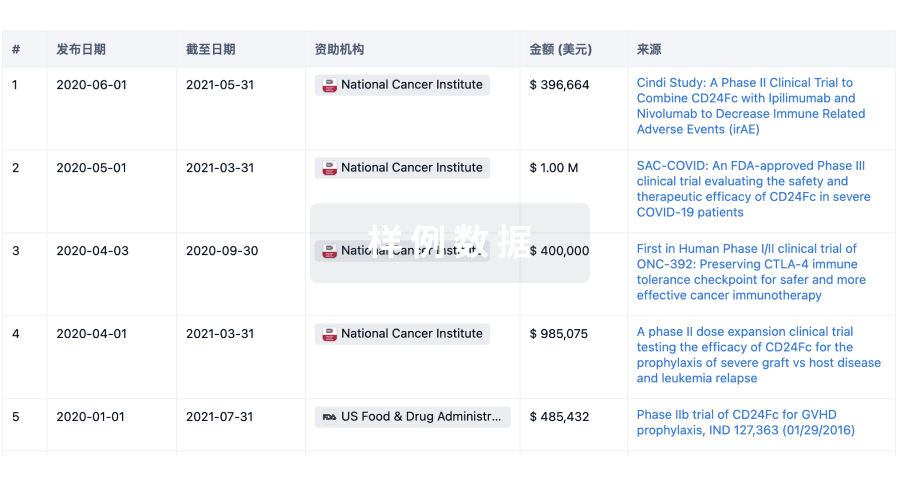
科研基金(NIH)
访问超过 200 万项资助和基金信息,以提升您的研究之旅。
登录
或
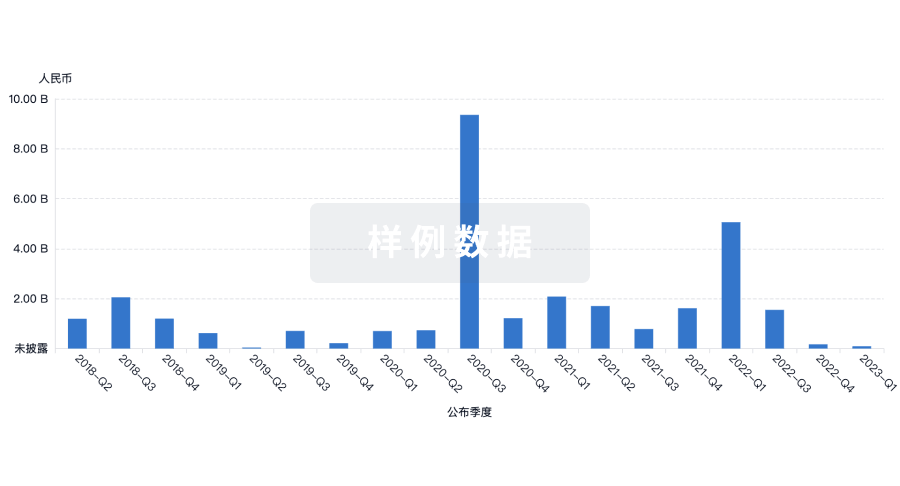
投资
深入了解从初创企业到成熟企业的最新公司投资动态。
登录
或
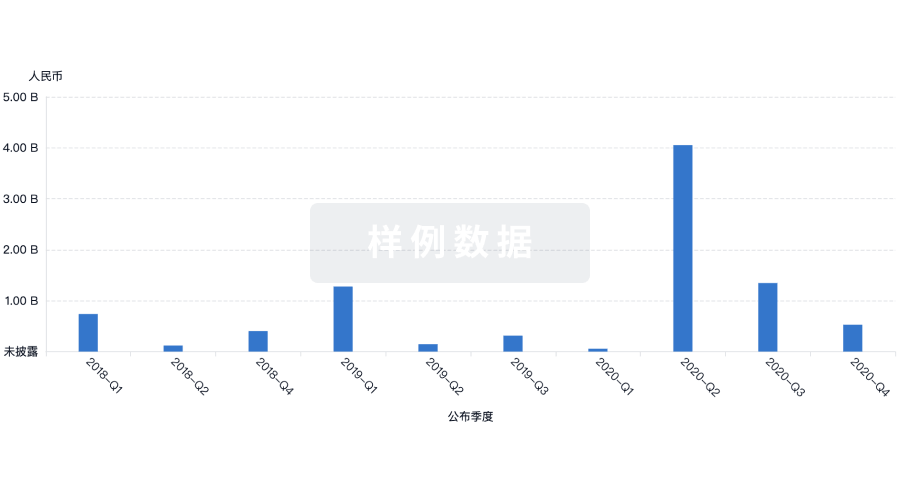
融资
发掘融资趋势以验证和推进您的投资机会。
登录
或
提出任何生物医药研究问题
让每一步生物医药决策都精准制胜
基于十亿级生物数据与全球情报的精准 AI,赋能早期药物发现
立即开始免费试用!
智慧芽新药情报库是智慧芽专为生命科学人士构建的基于AI的创新药情报平台,助您全方位提升您的研发与决策效率。
立即接入生物医药数据包
智慧芽新药库数据也通过智慧芽开放平台,以MCP或API服务形式对外开放。立即使用我们的MCP服务定制您的LLM智能体。
生物序列数据库
生物药研发创新
免费使用
化学结构数据库
小分子化药研发创新
免费使用