预约演示
更新于:2026-09-13

Jing Medicine Technology (Shanghai) Co., Ltd.
更新于:2026-09-13
概览
标签
肿瘤
呼吸系统疾病
神经系统疾病
蛋白水解靶向嵌合体(PROTAC)
小分子化药
化学药
疾病领域得分
一眼洞穿机构专注的疾病领域

技术平台
公司药物应用最多的技术
靶点
公司最常开发的靶点
关联
靶点 |
作用机制 |
在研机构 |
原研机构 |
在研适应症 |
非在研适应症 |
最高研发阶段 |
首次获批国家/地区 |
首次获批日期 |
靶点 |
作用机制 |
在研机构 |
原研机构 |
在研适应症 |
非在研适应症 |
最高研发阶段 |
首次获批国家/地区 |
首次获批日期 |
靶点 |
作用机制 |
在研机构 |
原研机构 |
在研适应症 |
非在研适应症 |
最高研发阶段 |
首次获批国家/地区 |
首次获批日期 |

ChiCTR2500112428
A Phase I Clinical Study to Evaluate the Safety, Tolerability, Pharmacokinetic Characteristics, and Preliminary Anti-tumor Efficacy of HJ-004-02 Tablets in Patients with Advanced Non-squamous Non-small Cell Lung Cancer with Epidermal Growth Factor Receptor (EGFR) Mutations
CTR20241691
评价HJ-002-03片在表皮生长因子受体(EGFR)突变的晚期非小细胞肺癌患者中的安全性、耐受性、药代动力学特征和初步抗肿瘤疗效的I期临床研究
100 项与 和径医药科技(上海)有限公司 相关的临床结果
登录后查看更多信息
登录后查看更多信息
2022-07-05MOLECULAR CANCER THERAPEUTICS2区 · 医学
HJM-561, a Potent, Selective, and Orally Bioavailable EGFR PROTAC that Overcomes Osimertinib-Resistant EGFR Triple Mutations
2区 · 医学
Article
作者: Wang, Zhaofu ; Du, Yong ; Zhang, Li ; Ye, Guozhong ; Lu, Xiaorong ; Wang, Yuxia ; Chen, Jinju ; Li, Yan ; Zhang, George ; Chen, Yongfeng
Abstract:
The EGFR C797S mutation is the most common on-target resistance mechanism to osimertinib in patients with advanced non–small cell lung cancer (NSCLC). Currently there are no effective treatment options for patients with NSCLC harboring EGFR C797S triple mutants (Del19/T790M/C797S and L858R/T790M/C797S). Herein, we report an orally bioavailable EGFR PROTAC, HJM-561, which selectively degrades the EGFR C797S-containing triple mutants. HJM-561 potently inhibits the proliferation of Del19/T790M/C797S and L858R/T790M/C797S Ba/F3 cells while sparing cells expressing wild-type EGFR. Oral administration of HJM-561 shows robust antitumor activity in EGFR Del19/T790M/C797S-driven Ba/F3 CDX and PDX models that were resistant to osimertinib treatment. Taken together, our results suggest that HJM-561 is a promising therapeutic option for overcoming EGFR triple mutation-mediated drug resistance in NSCLC.Watch the interview with George Zhang, PhD, recipient of the 2024 Molecular Cancer Therapeutics Award for Outstanding Journal Article: https://vimeo.com/992990122
Communications Chemistry
A machine learning-based pharmacokinetics predictor (EGFR-PROPK) for EGFR-targeting PROTACs
Article
作者: Zeng, Li ; Zhou, Yongqi ; Li, Fenglei ; Bai, Fang ; Zhang, Ran ; Liu, Yao ; Geng, Ya
PROteolysis TArgeting Chimeras (PROTACs) are bifunctional molecules that offer a novel approach to targeted protein degradation, showing particular promise for previously 'undruggable' targets. Despite their therapeutic potential, significant challenges remain in optimizing the pharmacokinetic (PK) properties of PROTACs, particularly in terms of their ADMET (Absorption, Distribution, Metabolism, Excretion, and Toxicity) characteristics. In this study, we drew on the experience of previous work and combined traditional machine learning with multiple molecular fingerprints to propose a PROTAC pharmacokinetic property prediction model EGFR-PROPK. We conducted in-vivo experiments on 100 EGFR-targeting PROTAC molecules, focusing on clearance (CL), half-life (T1/2), and apparent volume of distribution (Vss), which are the most intuitive and commonly used macro parameters to describe the PK properties of a drug since they describe the absorption-distribution-elimination process of drugs in the body from different perspectives. Our findings reveal that traditional models trained on small molecules perform poorly on PROTACs. However, training the models on PROTAC-specific data significantly improved prediction accuracy, achieving correlation coefficients of 0.78, 0.75, and 0.52 between the predicted and observed values for T1/2, CL and Vss, respectively, highlighting the need for tailored approaches in PK evaluation for these unique molecules. These insights are critical for advancing the design and development of PROTAC-based therapies.
2026-09-03
2026-08-20
·今日头条
100 项与 和径医药科技(上海)有限公司 相关的药物交易
登录后查看更多信息
100 项与 和径医药科技(上海)有限公司 相关的转化医学
登录后查看更多信息
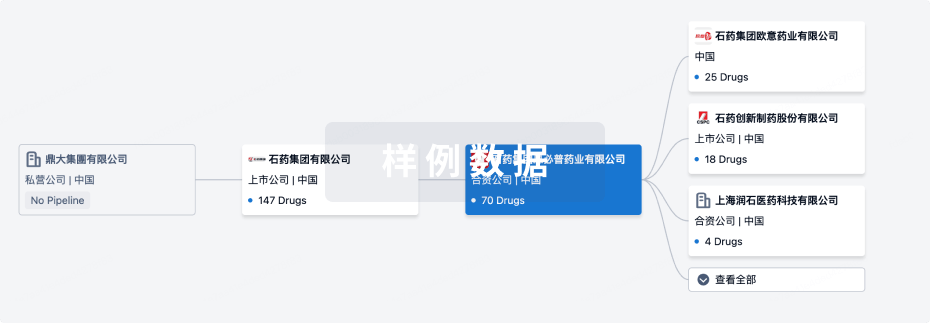
组织架构
使用我们的机构树数据加速您的研究。
登录
或
管线布局
2026年10月10日管线快照
管线布局中药物为当前组织机构及其子机构作为药物机构进行统计,早期临床1期并入临床1期,临床1/2期并入临床2期,临床2/3期并入临床3期
药物发现
2
39
临床前
临床申请批准
1
2
临床1期
其他
7
登录后查看更多信息
当前项目
登录后查看更多信息
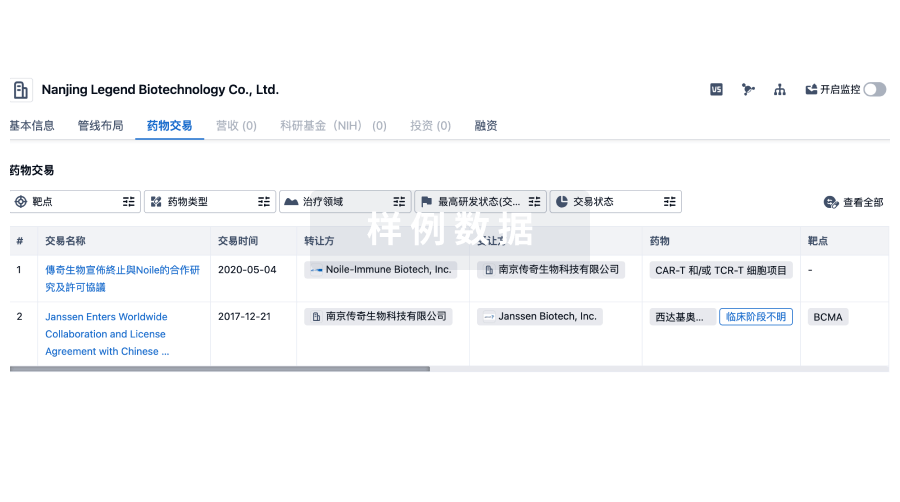
药物交易
使用我们的药物交易数据加速您的研究。
登录
或
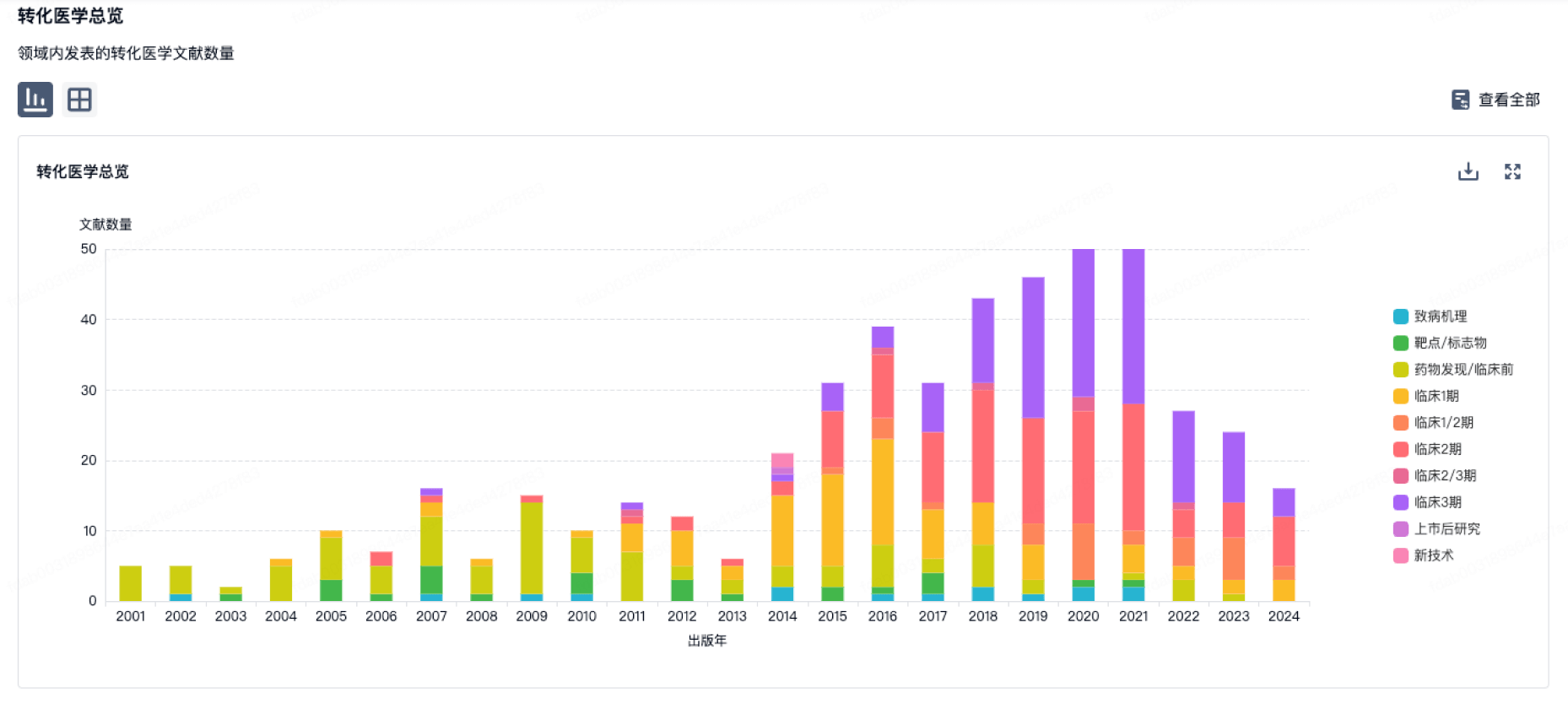
转化医学
使用我们的转化医学数据加速您的研究。
登录
或
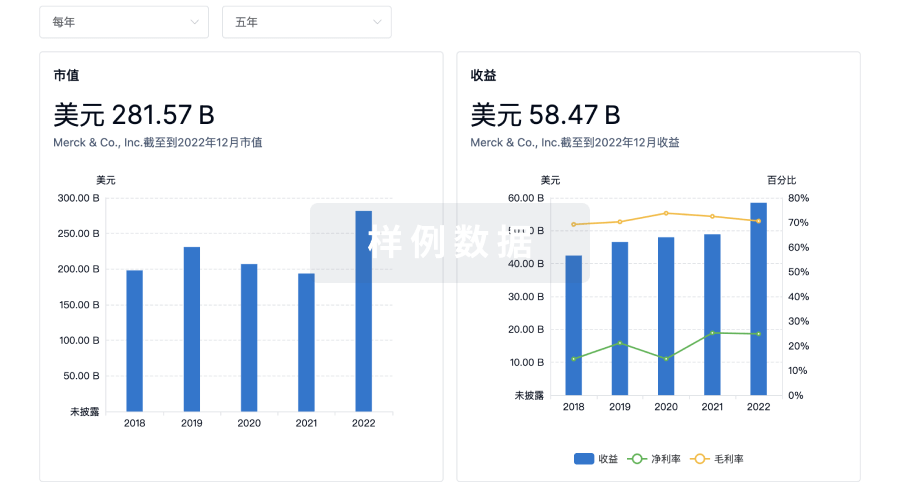
营收
使用 Synapse 探索超过 36 万个组织的财务状况。
登录
或
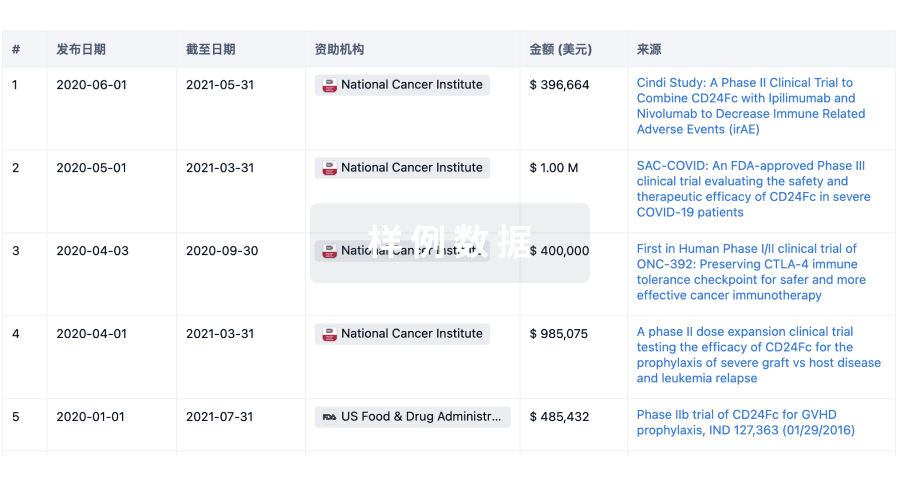
科研基金(NIH)
访问超过 200 万项资助和基金信息,以提升您的研究之旅。
登录
或
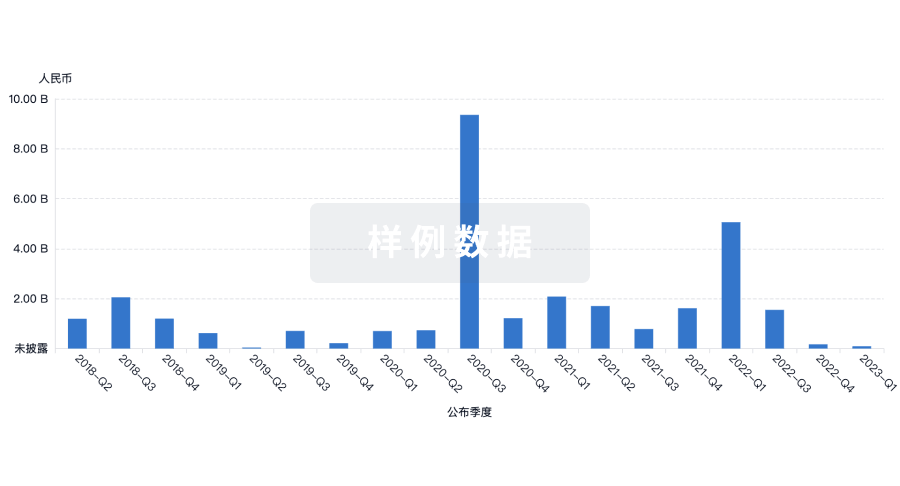
投资
深入了解从初创企业到成熟企业的最新公司投资动态。
登录
或
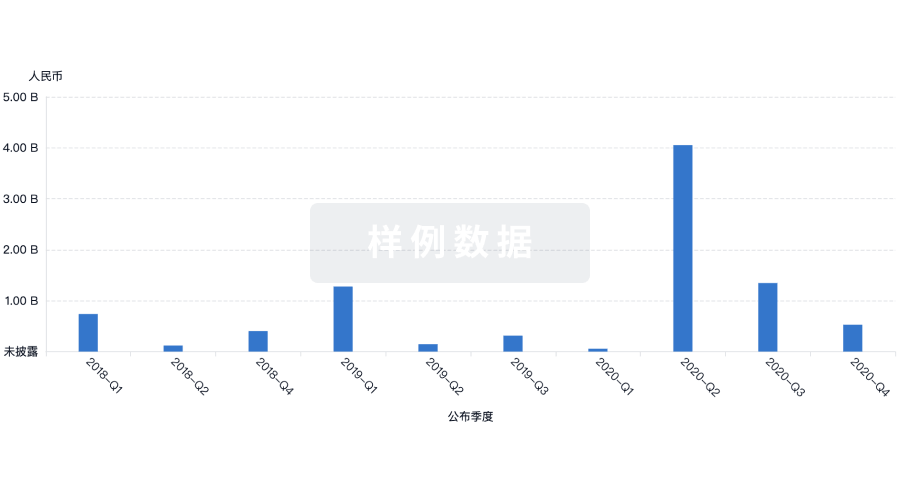
融资
发掘融资趋势以验证和推进您的投资机会。
登录
或
提出任何生物医药研究问题
让每一步生物医药决策都精准制胜
基于十亿级生物数据与全球情报的精准 AI,赋能早期药物发现
立即开始免费试用!
智慧芽新药情报库是智慧芽专为生命科学人士构建的基于AI的创新药情报平台,助您全方位提升您的研发与决策效率。
立即接入生物医药数据包
智慧芽新药库数据也通过智慧芽开放平台,以MCP或API服务形式对外开放。立即使用我们的MCP服务定制您的LLM智能体。
生物序列数据库
生物药研发创新
免费使用
化学结构数据库
小分子化药研发创新
免费使用