预约演示
更新于:2026-03-08

University of Sassari
更新于:2026-03-08
概览
标签
肿瘤
神经系统疾病
皮肤和肌肉骨骼疾病
小分子化药
疾病领域得分
一眼洞穿机构专注的疾病领域

技术平台
公司药物应用最多的技术
靶点
公司最常开发的靶点
关联
靶点 |
作用机制 |
在研机构 |
原研机构 |
在研适应症 |
非在研适应症 |
最高研发阶段 |
首次获批国家/地区 |
首次获批日期 |
靶点 |
作用机制 |
在研机构 |
原研机构 |
在研适应症 |
非在研适应症 |
最高研发阶段 |
首次获批国家/地区 |
首次获批日期 |
靶点 |
作用机制 |
在研机构 |
原研机构 |
在研适应症 |
非在研适应症 |
最高研发阶段 |
首次获批国家/地区 |
首次获批日期 |
NCT07006194
Nicotinamide Levels in Serum, Aqueous Humor, and Tear Film in Glaucoma and Correlations With Mitochondrial Damage-Associated Molecular Patterns (mtDAMPs) and Senescence-Associated Secretory Phenotype (SASP)

NCT06652776
The Italian COPD Registry. the DescribinG BUrden of COPD and Occurrence of MortaLity in a Cohort of Italian Patients

NCT06286605
Horizontal Ridge Augmentation Using One-stage Guided Bone Regeneration (GBR) for Bone Defect Class IV of Cawed and Howell With Collagene Membrane (OssMem) and a Mix of Bovine Bone Substitute (A-Oss) and Autogenous Bone Versus A-Oss and LCR-A, a Synthetic Bone : a Randomized Controlled Trial
100 项与 University of Sassari 相关的临床结果
登录后查看更多信息
登录后查看更多信息
2026-04-01AMBIO
Wolves on the phone: Public calls reveal a rise in urban concerns as wolves recolonize human-dominated areas
Article
作者: Brogi, Rudy ; Cerri, Jacopo ; Apollonio, Marco ; Marshall-Pescini, Sarah ; Lazzaroni, Martina ; Mattioli, Luca ; Neirotti, Giovanna
Abstract:
European wolf populations are expanding into human-dominated landscapes, triggering novel interactions with citizens and public concerns that may disrupt the traditional urban–rural divide in wolf attitudes and reshape conservation paradigms. We modelled the spatiotemporal distribution and valence of the wolf reports received through a dedicated phone service in Tuscany, Italy (2021–2024). Reports were significantly more common in: (i) late winter, aligning with the peak dispersal period and increased wolf movements. (ii) recently recolonized areas, suggesting a wolf-novelty effect, and (iii) urban areas, where negative valence was also more likely. Public concerns about wolves are increasingly emerging in urban areas, potentially disrupting the traditionally more supportive urban stance on wolf presence. In one of the European regions where wolf recovery began earlier and progressed further, our findings signal a broader shift in public attitudes that may weaken support for wolf conservation, potentially anticipating similar developments in areas of more recent recovery.Graphical Abstract
2026-04-01Data in Brief
A human fecal metaproteomic dataset from celiac disease patients on gluten-free diet with or without poly-autoimmunity
Article
作者: Dore, Maria Pina ; Pira, Giovanna ; Errigo, Alessandra ; Uzzau, Sergio ; Pes, Giovanni Mario ; Abbondio, Marcello ; Manetti, Roberto ; Sau, Rosangela ; Tanca, Alessandro ; Bibbò, Stefano
This dataset provides the fecal metaproteome profiles of 28 celiac disease patients on a gluten-free diet, distinguished by the presence or absence of co-occurring autoimmune conditions. The resource includes raw liquid chromatography-tandem mass spectrometry (LC-MS/MS) files, database search results, protein/peptide identification outputs, and taxonomic/functional annotation outputs, along with comprehensive anthropometric, clinical, and dietary metadata for each patient. The identified proteins originate from microbial, human, and plant sources, consistent with the multi-database search strategy used. This collection is designed for reuse in meta-analyses and integrative studies exploring functional changes in the gut microbiome related to auto-immune status and dietary variables. The complete dataset is available via the ProteomeXchange Consortium with the identifier PXD069517.
2026-03-01JOURNAL OF DAIRY SCIENCE
Single-step genomic evaluation for production and type traits in the Italian Mediterranean buffalo
Article
作者: Biffani, S ; Campanile, G ; Gombia, Y ; Rossi, D ; Cesarani, A ; Zullo, L ; Gubitosi, L ; Gómez-Carpio, M ; Neglia, L ; Cimmino, R ; Di Vuolo, G
Single-step GBLUP (ssGBLUP) is becoming the most used method to predict breeding values in livestock, offering several advantages in terms of computational efficiency and simplifying the genetic evaluation process by integrating genomic, pedigree, and phenotypic information in a single step. Genomic information is now available for the Italian Mediterranean buffalo (IMB), and its inclusion in the genetic evaluation system could increase both evaluation accuracy and genetic progress of the breeding objectives. The aim of this study was to test the feasibility of ssGBLUP and to present the first results of the implementation of a genomic evaluation for IMB. Phenotypic information on production traits (milk yield adjusted to 270 d, fat and protein yield and content, and cheese yield) and morphology traits (feet and legs scores and udder teat scores) were used in this study. Production records included 792,200 lactations from 293,633 buffalo cows born from 1984 to 2021. Morphological traits were from 99,609 buffalo cows from 2004 to 2023. Regarding the genotypes, a total of 3,647 genotyped animals were used. Data were analyzed fitting 2 multitrait animal models, a 6-trait model for production data, and a 2-trait model for morphology data. Breeding values (BV) were estimated with BLUP and ssGBLUP models, both considering unknown parent groups. The methods were compared in terms of correlation between BV and genetic trends. Results were also validated with the linear regression (LR) method. Three different scenarios were used according to the cut-off year used to create the partial datasets, namely T2013, T2016, and T2018. The genomic and nongenomic BV were strongly correlated, and genetic trends for each trait were similar. The average increase in accuracy moving from BLUP to ssGBLUP across traits ranged from +3% to +12%. The LR method statistics confirmed the effectiveness of the ssGBLUP method. The average validation correlations across production traits and scenarios for BLUP and ssGBLUP by female and bull groups were 0.54 and 0.47, and 0.63 and 0.52, respectively. Accuracies were also higher with ssGBLUP (0.62/0.55) compared with BLUP (0.53/0.51). The best dispersion values (i.e., closer to 1) were observed for ssGBLUP (T2013, T2016). The ssGBLUP method provided better results across genotyped and nongenotyped animals, particularly in terms of a relative increase in accuracy associated with the inclusion of phenotypes. These results showed that implementing ssGBLUP in the breeding program can generate more accurate predictions for production and morphological traits in dairy IMB.
100 项与 University of Sassari 相关的药物交易
登录后查看更多信息
100 项与 University of Sassari 相关的转化医学
登录后查看更多信息
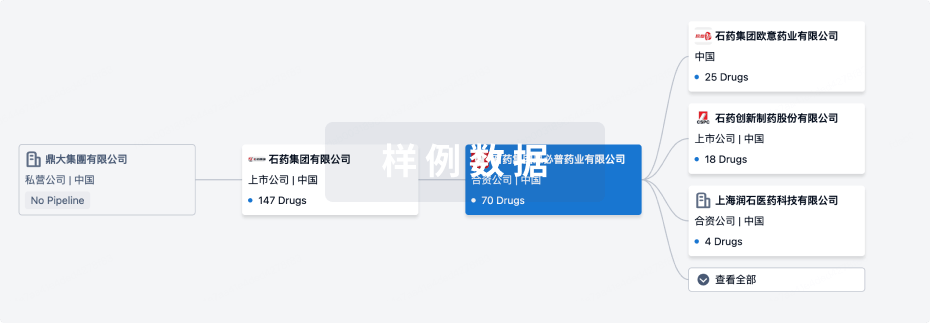
组织架构
使用我们的机构树数据加速您的研究。
登录
或
管线布局
2026年06月21日管线快照
管线布局中药物为当前组织机构及其子机构作为药物机构进行统计,早期临床1期并入临床1期,临床1/2期并入临床2期,临床2/3期并入临床3期
临床前
5
1
其他
登录后查看更多信息
当前项目
登录后查看更多信息
药物交易
使用我们的药物交易数据加速您的研究。
登录
或

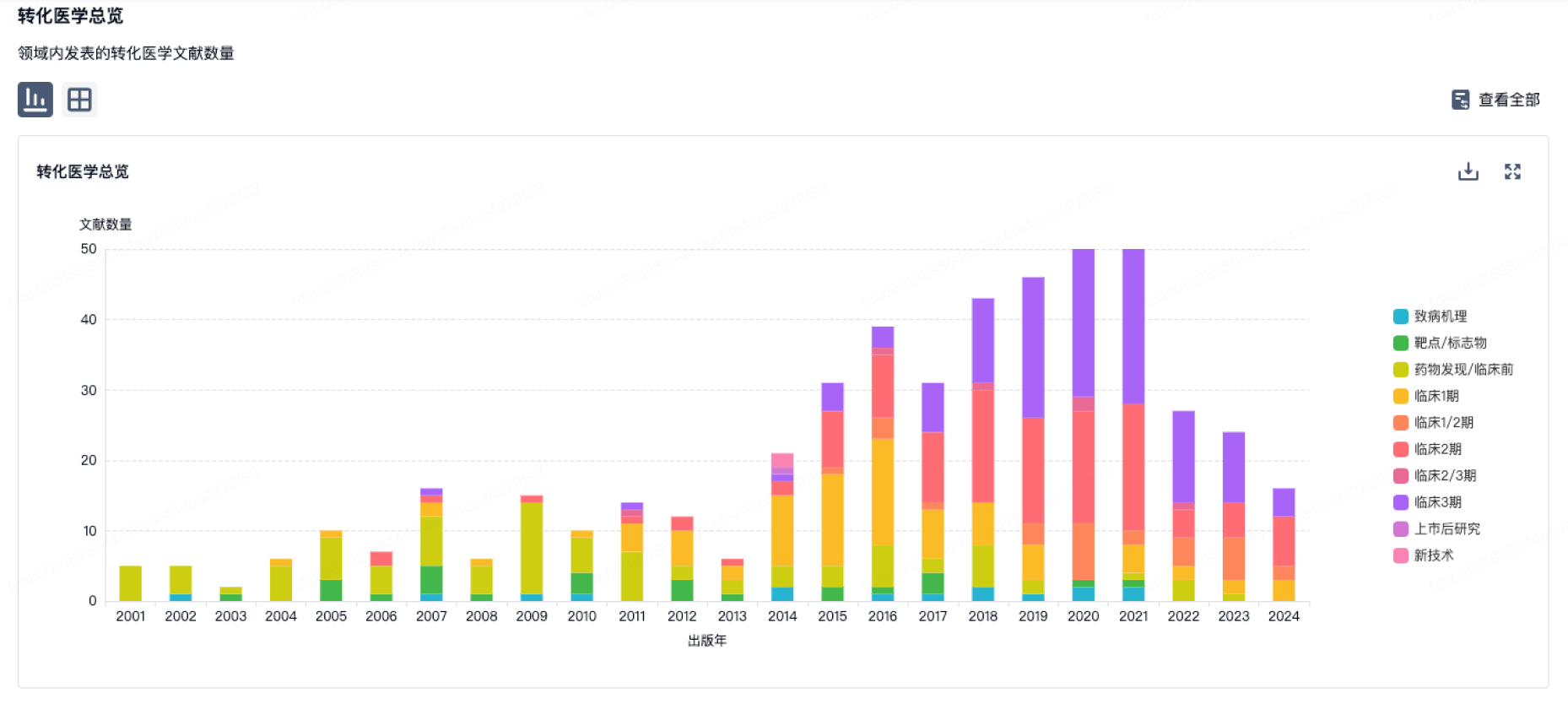
转化医学
使用我们的转化医学数据加速您的研究。
登录
或
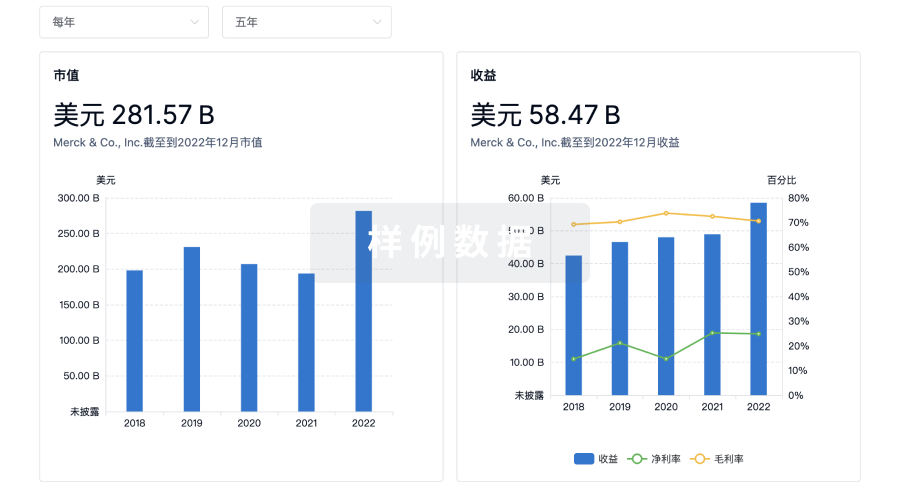
营收
使用 Synapse 探索超过 36 万个组织的财务状况。
登录
或
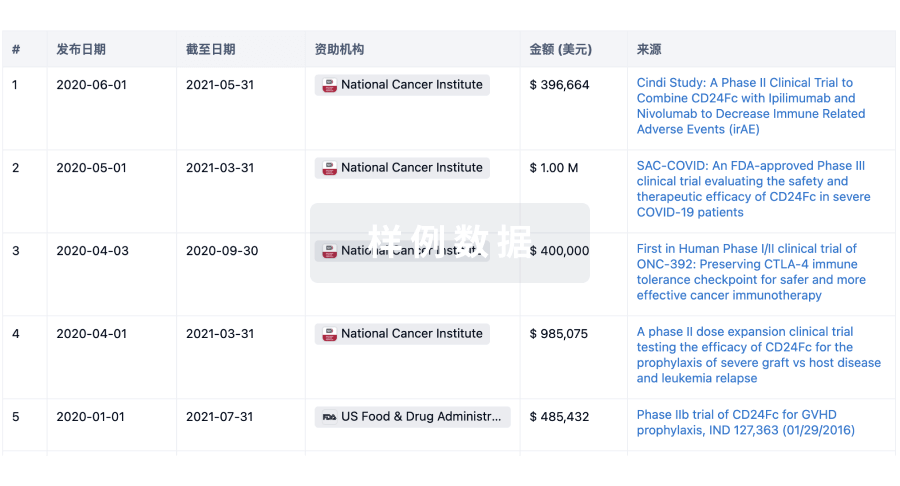
科研基金(NIH)
访问超过 200 万项资助和基金信息,以提升您的研究之旅。
登录
或
投资
深入了解从初创企业到成熟企业的最新公司投资动态。
登录
或
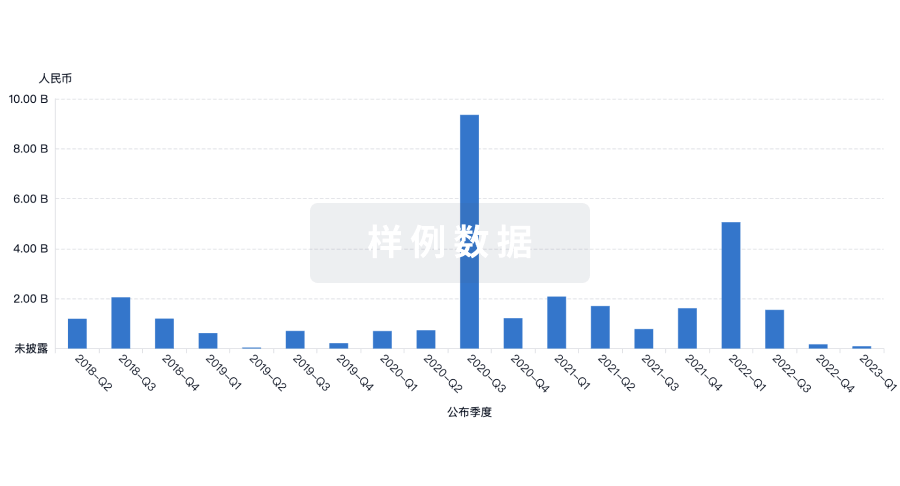
融资
发掘融资趋势以验证和推进您的投资机会。
登录
或
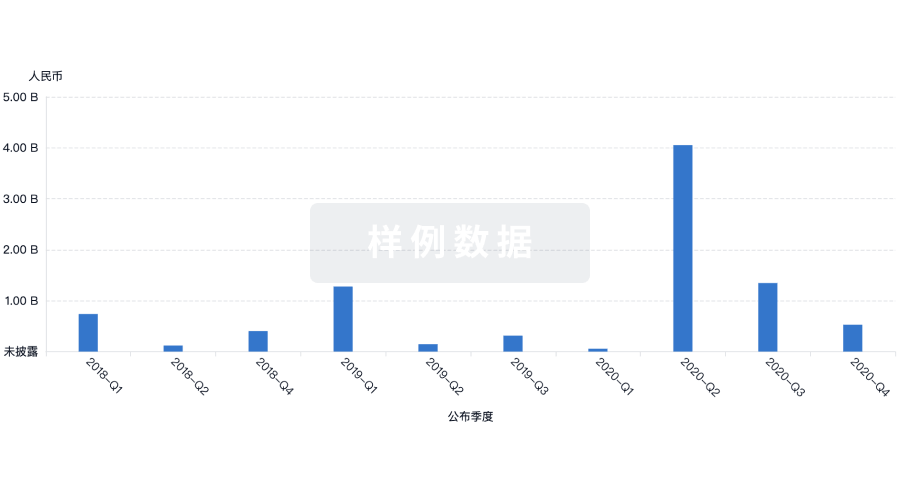
生物医药百科问答
全新生物医药AI Agent 覆盖科研全链路,让突破性发现快人一步
立即开始免费试用!
智慧芽新药情报库是智慧芽专为生命科学人士构建的基于AI的创新药情报平台,助您全方位提升您的研发与决策效率。
立即开始数据试用!
智慧芽新药库数据也通过智慧芽数据服务平台,以API或者数据包形式对外开放,助您更加充分利用智慧芽新药情报信息。
生物序列数据库
生物药研发创新
免费使用
化学结构数据库
小分子化药研发创新
免费使用