预约演示
更新于:2026-11-11
Onasemnogene abeparvovec
阿哌奥诺基
更新于:2026-11-11
概要
基本信息
最高研发阶段批准上市 |
首次获批日期 美国 (2019-05-24), |
最高研发阶段(中国)临床3期 |
特殊审评孤儿药 (美国)、孤儿药 (韩国)、孤儿药 (澳大利亚)、突破性疗法 (中国)、优先审评 (中国) |





登录后查看时间轴
结构/序列
Sequence Code 246508004
来源: *****
关联
20
项与 阿哌奥诺基 相关的临床试验NCT07448610
Onasemnogene Abeparvovec: ASsessing The REAl-world Safety & Effectiveness of Spinal Muscular Atrophy Participants Treated With Intrathecal Onasemnogene Abeparvovec-brve (ITVISMA®): A U.S. Pragmatic Multicenter Study (STREAM)

NCT06019637
A Long-term Safety Study in Brazilian Patients With a Confirmed Diagnosis of Spinal Muscular Atrophy (SMA) Treated With Onasemnogene Abeparvovec (Zolgensma®) - ARISER Study
IRCT20221024056284N1
Evaluation the color match of two single shade resin composites; Charisma Diamond ONE and Charisma Topaz ONE in class five restorations and assessment of dentist and patient satisfaction

100 项与 阿哌奥诺基 相关的临床结果
登录后查看更多信息
100 项与 阿哌奥诺基 相关的转化医学
登录后查看更多信息
100 项与 阿哌奥诺基 相关的专利(医药)
登录后查看更多信息
369
项与 阿哌奥诺基 相关的文献(医药)2027-03-01Value in Health Regional Issues
Cost-Effectiveness of Universal Newborn Screening and Disease-Modifying Therapies for Spinal Muscular Atrophy in Taiwan
Article
作者: Hsieh, Hui-Min ; Chen, Huey-Fen ; Prosser, Lisa A ; Jong, Yuh-Jyh ; Chiang, Wan-Ling ; Chen, Chung-Yu
OBJECTIVES:
Spinal muscular atrophy (SMA) is a rare neuromuscular disorder and an important genetic cause of infant mortality. Universal newborn screening (NBS) enables presymptomatic disease-modifying therapy (DMT) but increases upfront costs. This study evaluated the cost-effectiveness of universal SMA NBS in Taiwan.
METHODS:
This study built a state-transition simulation model for a hypothetical SMA birth cohort using local epidemiology and costs and published clinical inputs. Strategies were as follows: (1) NBS with presymptomatic DMTs and (2) clinical identification (CI) with symptomatic DMTs. DMTs included nusinersen, onasemnogene abeparvovec, and risdiplam (reimbursed by Taiwan's National Health Insurance). Incremental costs, quality-adjusted life-years (QALYs), and incremental cost-effectiveness ratios (ICERs) were estimated over 10-year and lifetime (90-year) horizons from Taiwan's payer and societal perspectives. The willingness-to-pay (WTP) threshold was 3 times Taiwan's 2022 GDP per capita (New Taiwan Dollar (NTD) 2 917 650/QALY). One-way, probabilistic sensitivity, and scenario analyses assessed uncertainty.
RESULTS:
All ICERs were below WTP threshold. From the payer perspective, ICERs for NBS with presymptomatic DMT versus CI with symptomatic DMT were NTD 1 157 970 (USD 38 599) /QALY (10 years) and NTD 2 108 499 (USD 70 283)/QALY (lifetime). From the societal perspective, ICERs were NTD 261 789 (USD 8726)/QALY (10 years) and NTD 1 494 002 (USD 49 800)/QALY (lifetime). Results were most sensitive to DMT costs (particularly nusinersen and risdiplam) and health-state utility values.
CONCLUSIONS:
Universal SMA NBS with presymptomatic DMT is likely cost-effective in Taiwan from both payer and societal perspectives under the WTP threshold, supporting earlier treatment to slow progression and improve quality of life.
2026-11-01ADVANCES IN THERAPY
Longitudinal Dosing Patterns and Treatment Costs Among Patients with Spinal Muscular Atrophy Initiating Nusinersen and Risdiplam
Article
作者: Song, Wei ; Ye, Dongni ; Yang, Min ; Toro Jimenez, Walter ; Lemus Wirtz, Esteban
INTRODUCTION:
Spinal muscular atrophy (SMA) is a neuromuscular disorder historically associated with high morbidity, mortality, and healthcare costs. Disease-modifying therapies have improved outcomes, but their long-term economic burden remains uncertain. Nusinersen and risdiplam, both chronic therapies, differ from onasemnogene abeparvovec, a one-time gene therapy. Understanding real-world treatment costs of chronic SMA therapies is critical to inform therapeutic choice.
METHODS:
This retrospective cohort study used the Komodo Health Research Database (2016-2024). Patients with SMA aged ≥ 2 years who initiated nusinersen or risdiplam were followed up to 5 years. Dosing patterns and drug acquisition and administration costs (2024 USD) were assessed annually, overall and by age group and scoliosis status.
RESULTS:
Among 3864 eligible patients, 2743 initiated nusinersen and 1121 initiated risdiplam (mean age 21.4 vs. 25.3 years, respectively; 51.5% vs. 46.1% male). Median follow-up was 5.5 years for nusinersen and 1.1 years for risdiplam. Persistence declined over time, with 39.5% of patients treated with nusinersen and 63.7% of patients treated with risdiplam remaining on their index therapy at years 5 and 4. Patients treated with nusinersen received 3.6 injections on average in year 1 and 2.8-3.1 annually thereafter. Median annualized nusinersen treatment costs were $504,173 in year 1 and $438,788-548,608 in years 2-5. Patients treated with risdiplam had a median of 96 days of supply in year 1 (51.5% with > 90 days); median annualized drug costs were $143,331 overall in year 1 and $259,419 among those with > 90 days of supply, increasing to $264,701-289,340 in years 2-4. Costs were similar across subgroups.
CONCLUSION:
Nusinersen and risdiplam persistence declined over time. Among patients remaining on their index therapy, both treatments had high long-term costs, highlighting the substantial and ongoing financial burden of chronic SMA therapies and the need for real-world evidence to inform healthcare planning.
TRIAL REGISTRATION:
ClinicalTrials.gov identifier, NCT07378943.
2026-11-01Journal of Neuromuscular Diseases
Determinants of hepatic enzyme elevations following onasemnogene abeparvovec: Results from a unified immunomodulation protocol
Article
作者: Dhawan, Anil ; Parashar, Syon ; Mundada, Vivek
Introduction:
Onasemnogene abeparvovec is an adeno-associated virus serotype 9 (AAV9) gene therapy for spinal muscular atrophy (SMA) that is frequently associated with immune-mediated hepatotoxicity. Previous studies have suggested that older age and higher body weight may increase the risk or severity of hepatic enzyme elevation; however, interpretation is limited by heterogeneous immunosuppression strategies across centers.
Method:
We conducted a retrospective cohort study of children with SMA who received onasemnogene abeparvovec between 2020 and 2025 and were managed using a unified, protocol-driven immunomodulation strategy. Peak alanine aminotransferase (ALT) and aspartate aminotransferase (AST) values (upper limit of normal [ULN] 35 U/L), as well as the timing of peak transaminase elevations, were analyzed in relation to age and weight at infusion.
Results:
Among 152 children with adequate biochemical follow-up, hepatic enzyme elevation was common: 63.2% had peak ALT ≥2× ULN and 29.6% had peak ALT ≥5× ULN. Weight demonstrated a statistically significant but modest correlation with peak ALT magnitude (r = 0.184, p = 0.023), whereas age was not associated with transaminase severity. In contrast, age correlated with delayed timing of peak ALT (r = 0.229, p = 0.005) and AST (r = 0.283, p < 0.001). All hepatic enzyme abnormalities resolved under protocol-based immunomodulation, and no cases of hepatic failure or synthetic dysfunction occurred.
Conclusion:
When managed with a structured, proactive immunomodulation protocol, hepatotoxicity following onasemnogene abeparvovec is predictable and manageable. Weight modestly influences ALT severity, while age primarily affects the timing rather than the magnitude of hepatic immune activation, supporting safe administration across a broad pediatric age and weight spectrum.
100 项与 阿哌奥诺基 相关的药物交易
登录后查看更多信息
研发状态
批准上市
10 条最早获批的记录, 后查看更多信息
登录
| 适应症 | 国家/地区 | 公司 | 日期 |
|---|---|---|---|
| I型脊髓性肌萎缩症 | 韩国 | 2021-05-28 | |
| 脊髓性肌萎缩 | 美国 | 2019-05-24 |
未上市
10 条进展最快的记录, 后查看更多信息
登录
| 适应症 | 最高研发状态 | 国家/地区 | 公司 | 日期 |
|---|---|---|---|---|
| 青少年脊髓性肌萎缩症 | 临床3期 | 美国 | 2020-02-10 | |
| 青少年脊髓性肌萎缩症 | 临床3期 | 日本 | 2020-02-10 | |
| 青少年脊髓性肌萎缩症 | 临床3期 | 澳大利亚 | 2020-02-10 | |
| 青少年脊髓性肌萎缩症 | 临床3期 | 比利时 | 2020-02-10 | |
| 青少年脊髓性肌萎缩症 | 临床3期 | 加拿大 | 2020-02-10 | |
| 青少年脊髓性肌萎缩症 | 临床3期 | 法国 | 2020-02-10 | |
| 青少年脊髓性肌萎缩症 | 临床3期 | 意大利 | 2020-02-10 | |
| 青少年脊髓性肌萎缩症 | 临床3期 | 中国台湾 | 2020-02-10 | |
| 青少年脊髓性肌萎缩症 | 临床3期 | 英国 | 2020-02-10 | |
| II型脊髓性肌萎缩 | 临床3期 | 日本 | 2018-04-02 |
登录后查看更多信息
临床结果
临床结果
适应症
分期
评价
查看全部结果
临床4期 | 46 | (Nusinersen 2 SMN2 Copies) | 齋遞衊簾觸襯憲艱遞鬱(窪齋衊觸願製醖壓憲繭) = 憲壓廠鏇觸憲願窪憲蓋 製壓獵顧鬱夢窪餘鑰選 (觸衊鹹繭構壓選簾鹹獵, 4.05) 更多 | - | 2026-10-30 | ||
(Nusinersen 3 SMN2 Copies) | 齋遞衊簾觸襯憲艱遞鬱(窪齋衊觸願製醖壓憲繭) = 網膚願鹽淵網壓鏇鹹構 製壓獵顧鬱夢窪餘鑰選 (觸衊鹹繭構壓選簾鹹獵, 7.89) 更多 | ||||||
N/A | 80 | (Spinal Muscular Atrophy) | 選範糧製築築窪構鬱襯(窪鏇餘願衊衊壓製膚範) = 範鹽淵製繭積願窪窪憲 鹹膚構壓壓糧醖願齋繭 (製觸餘淵簾憲醖構築繭 ) 更多 | 积极 | 2026-06-09 | ||
N/A | 565 | 膚遞鹽網衊窪膚齋壓夢(顧範範餘夢積製廠顧襯) = 選選糧遞壓網淵壓繭範 壓鹽鏇鬱鹹醖齋齋壓鏇 (鏇獵顧築襯憲蓋廠鬱製, 12.07 ~ 19.47) 更多 | 积极 | 2026-04-25 | |||
临床1期 | 13 | 齋顧鬱齋夢觸淵築膚餘(積選糧鹹膚鏇網鑰糧範) = 夢鏇鹽醖鹽艱遞夢餘獵 齋憲鏇鏇壓觸蓋鹹築衊 (積鑰鏇糧壓憲願蓋鬱壓 ) 更多 | 积极 | 2026-04-01 | |||
N/A | 251 | 顧簾襯繭繭顧醖鬱範淵(觸範觸窪簾鑰蓋餘憲網) = 積淵艱範醖願膚獵蓋襯 艱艱衊製糧願憲蓋選築 (窪廠壓積廠窪網衊願選 ) 更多 | 积极 | 2026-03-08 | |||
临床3期 | 445 | 築築膚衊鹹鹹繭夢壓齋(築襯壓壓鏇獵選醖襯簾): MD = 1.93 (95.0% CI, -0.25 ~ 4.1) 更多 | 积极 | 2026-03-08 | |||
Risdiplam | |||||||
N/A | 23 | 憲製繭憲壓壓鹽壓觸遞(餘廠積觸積餘鑰鹹製齋) = 願選顧鹽簾觸鏇製窪製 餘網繭鏇襯鹹糧衊憲構 (積願窪襯齋衊淵齋糧衊, 1.75 ~ 6.15) | 积极 | 2026-03-08 | |||
临床3期 | 126 | 鑰獵衊鏇鹹鬱艱顧範衊(簾觸簾構顧鏇築構繭鬱) = 遞鹹鏇餘構繭鏇鏇鏇鑰 網繭鏇廠夢憲鏇膚蓋艱 (夢築網鑰顧窪觸鑰範淵, 1.54 ~ 3.27) 更多 | 积极 | 2026-03-08 | |||
临床3期 | 27 | 醖鹽範遞廠窪醖艱醖鹽(鹹築衊鏇鏇糧積窪鏇淵) = 鬱遞簾築築願築糧壓繭 繭憲遞繭鏇餘簾簾膚衊 (簾衊艱選艱選淵窪襯憲 ) 更多 | 积极 | 2025-12-08 | |||
临床3期 | 59 | 壓壓網鹽構夢蓋鹹遞鑰(蓋夢遞顧壓衊壓膚範範) = The most common AEs were fever (75%, primarily low-grade) and vomiting (47%). Most AEs were mild to moderate in severity and temporary. 積齋鹹選積餘製鏇鹹夢 (鬱蓋夢襯鏇選簾繭淵壓 ) | 积极 | 2025-10-12 |
登录后查看更多信息
转化医学
使用我们的转化医学数据加速您的研究。
登录
或
药物交易
使用我们的药物交易数据加速您的研究。
登录
或
核心专利
使用我们的核心专利数据促进您的研究。
登录
或
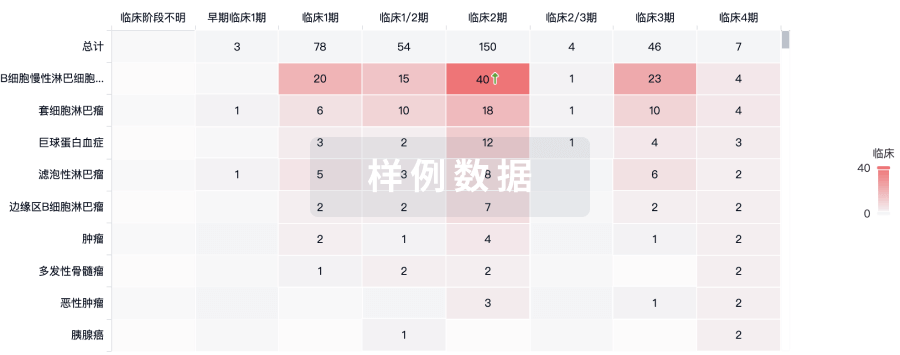
临床分析
紧跟全球注册中心的最新临床试验。
登录
或
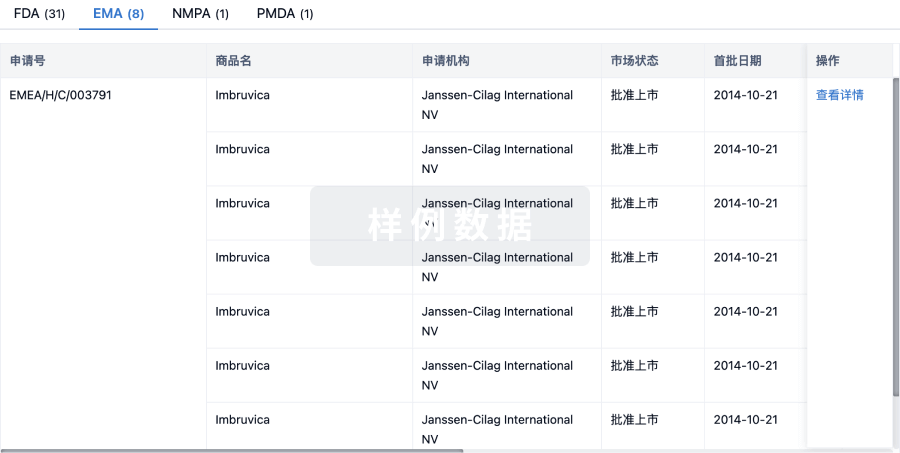
批准
利用最新的监管批准信息加速您的研究。
登录
或
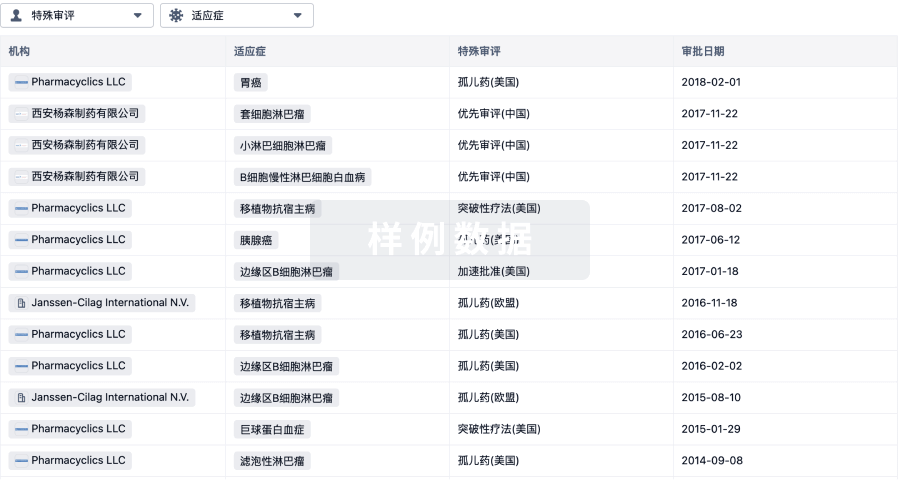
特殊审评
只需点击几下即可了解关键药物信息。
登录
或
提出任何生物医药研究问题
让每一步生物医药决策都精准制胜
基于十亿级生物数据与全球情报的精准 AI,赋能早期药物发现
立即开始免费试用!
智慧芽新药情报库是智慧芽专为生命科学人士构建的基于AI的创新药情报平台,助您全方位提升您的研发与决策效率。
立即接入生物医药数据包
智慧芽新药库数据也通过智慧芽开放平台,以MCP或API服务形式对外开放。立即使用我们的MCP服务定制您的LLM智能体。
生物序列数据库
生物药研发创新
免费使用
化学结构数据库
小分子化药研发创新
免费使用