预约演示
更新于:2026-11-14
Alefacept
来伐西普
更新于:2026-11-14
概要
基本信息
在研机构- |
最高研发阶段撤市 |
首次获批日期 美国 (2003-01-30), |
最高研发阶段(中国)- |
特殊审评孤儿药 (美国) |


登录后查看时间轴
结构/序列
Sequence Code 15076939
来源: *****
关联
50
项与 来伐西普 相关的临床试验NCT01433770
Effects of Alefacept on Donor-Specific Memory in Kidney Transplant Recipients

NCT01267643
A Phase 1/2 Study of Alefacept, a CD2 Receptor Antagonist in Patients With Relapsed/Refractory Aplastic Anemia

NCT00965458
Inducing Remission in New Onset Type 1 Diabetes Mellitus With Alefacept (Amevive®)
100 项与 来伐西普 相关的临床结果
登录后查看更多信息
100 项与 来伐西普 相关的转化医学
登录后查看更多信息
100 项与 来伐西普 相关的专利(医药)
登录后查看更多信息
330
项与 来伐西普 相关的文献(医药)2026-01-01DIABETES RESEARCH AND CLINICAL PRACTICE
Adult-onset type 1 diabetes: early detection, differential diagnosis, and emerging disease-modifying therapies
Review
作者: Reger-Tan, Susanne ; Wiesner, Tobias ; Hummel, Michael ; Wagner, Robert ; Pfützner, Andreas ; Miszon, Martin ; Füchtenbusch, Martin
Adult-onset type 1 diabetes (T1D) likely exceeds childhood-onset in absolute numbers, yet many cases are underestimated due to misclassification as type 2 diabetes. This pragmatic review synthesizes current evidence on epidemiology, pathophysiology, diagnosis, and early disease-modifying therapy in adults. Incidence data from 32 countries indicate that adults account for a median 42% of new T1D diagnoses. Autoimmunity follows the pediatric, HLA-restricted paradigm, but β-cell dysfunction appears slower, reflected by measurable C-peptide for years. Misdiagnosis delays insulin initiation, increases ketoacidosis risk, and forfeits opportunities for β-cell-sparing interventions. We present a four-step diagnostic algorithm integrating an islet autoantibody panel with a fasting or random C-peptide-to-glucose ratio, and highlight red-flag scenarios warranting repeat testing. We also propose a hypothetical, risk-enriched four-step pathway to identify presymptomatic T1D in adults that begins with a higher HbA1c trigger, uses enrichment to raise pretest probability, and reserves full autoantibody testing for high-probability individuals. Given low prevalence and false-positive risk, this pathway needs prospective validation before routine care. We review adult and adolescent evidence for targeted immunomodulators, including teplizumab, abatacept, rituximab, low-dose anti-thymocyte globulin, ustekinumab, golimumab, baricitinib and alefacept, as well as β-cell-directed agents such as verapamil and imatinib, and discuss emerging HLA- and autoantibody-defined endotypes that may predict response. Collectively, current evidence supports routine autoimmune diabetes screening in adults with new-onset diabetes.
2025-01-01JOURNAL OF IMMUNOLOGY
Early expansion of TIGIT+PD1+ effector memory CD4 T cells via agonistic effect of alefacept in new-onset type 1 diabetes
Article
作者: Wiedeman, Alice E ; Muir, Virginia S ; Pardo, Jorge ; Linsley, Peter S ; Cooney, Laura A ; Higdon, Lauren E ; Harris, Kristina M ; Serti, Elisavet ; Nepom, Gerald T ; Long, S Alice ; Speake, Cate ; Anderson, Mark S ; Sanda, Srinath ; Suwannasaen, Duangchan
Abstract:
The CD2-depleting drug alefacept (LFA3-Ig) preserved beta cell function in new-onset type 1 diabetes (T1D) patients. The most promising biomarkers of response were late expansion of exhausted CD8 T cells and rare baseline inflammatory islet-reactive CD4 T cells, neither of which can be used to measure responses to drug in the weeks after treatment. Thus, we investigated whether early changes in T cell immunophenotypes could serve as biomarkers of drug activity. We characterized T cell responses by flow cytometry and identified an exhausted-like population of CD2low CD4 effector memory T cells coexpressing TIGIT and PD1 that expanded by 11 wk after the start of treatment. This population was not entirely spared from alefacept-mediated depletion in vivo or in vitro but recovered through homeostatic proliferation of CD2low cells in vivo. Proliferation of TIGIT+PD1+ effector memory CD4 T cells increased with treatment, with a concomitant reduction of proinflammatory cytokine production. The persistent increase of TIGIT+PD1+ effector memory CD4 T cells was specific to alefacept treatment; 2 other T cell depleting therapies, teplizumab and anti-thymocyte globulin, induced only a transient increase in this CD4 population. Our data suggest that the expanding TIGIT+PD1+ effector memory CD4 T cell population represents a promising biomarker of early treatment effects of alefacept. The nondepleting effects on proliferation and cytokine production also suggest agonistic activity by this CD2 targeted therapy.
2024-11-01Acta Dermatovenerologica Croatica
Severe Relapsing Hailey-Hailey Disease Displaying a Durable Complete Response to Hydroxyurea.
Article
作者: Dasanu, Constantin A
Familial benign chronic pemphigus, also known as Hailey-Hailey disease, was first described by the Hailey brothers in 1939 (1). It represents a chronic autosomal-dominant genetic skin disorder with incomplete penetrance, usually diagnosed in children and young adults. As a result, family history of this disorder can be elicited in only about 66% of patients. We describe herein a patient with Hailey-Hailey disease who received treatment with hydroxyurea for a new diagnosis of polycythemia vera, with a surprising outcome. A 54-year-old man was diagnosed with Hailey-Hailey disease at age ten when he presented with several erythematous and blistering skin lesions involving the neck, wrist flexure surfaces, and the forearms. The patient underwent regular dermatology follow-up for this condition. His disease followed a relapsing-remitting pattern, with short disease-free intervals. It predominantly involved the neck, torso, and upper extremities (Figure 1), and only rarely buttocks and groin areas. Initially, mild-moderate potency topical steroid creams were tried, with only modest success. Topical antibiotics were required on several occasions due to secondary infections. Photodynamic therapy was only minimally helpful, as the disease continued to worsen. In his 40s, the disease became more difficult to manage, and several systemic options were tried, with very little if any success. Thus, the patient failed oral steroids, dapsone and azathioprine. He became anxious, depressed, and socially isolated. Other past medical history was significant for hypertension. The patient was a never-smoker, and denied alcohol or drug abuse. There was no family history of skin disorders of cancers in his immediate family members. In May 2019, the patient presented with elevated hemoglobin/hematocrit and moderate thrombocytosis. Further work-up identified JAK-2 V617F kinase mutated polycythemia vera, for which he was started on periodic phlebotomies and low-dose aspirin. Four months later, hydroxyurea was prescribed due to increased phlebotomy needs and worsening thrombocytosis. The hydroxyurea dose was subsequently titrated to 1000 mg orally per day, alternating with 1500 mg orally per day. The patient tolerated this agent well, without significant side-effects. He also achieved excellent control of hematocrit and normalization of platelet count. Pleasantly surprised, the patient also realized that he had not experienced any more relapsing Hailey-Hailey skin lesions 8 weeks after the commencement of hydroxyurea. Four years later, his polycythemia remains in excellent control. He also remains without any further evidence of skin lesions. The hallmark of Hailey-Hailey disease is believed to be the haploinsufficiency of the enzyme ATP2C1 (2). The ATP2C1 gene is located on chromosome 3 and encodes a Ca2+ ATPase protein. A mutation in one copy of the gene causes only half of this necessary protein to be synthesized. Consequently, impaired keratinocyte adhesion ensues, leading to acantholysis, blisters, and rash (2). The initial lesion may be an erythematous area or a fluid-filled blister which subsequently ruptures, leading to a macerated or crusted lesion. The lesions more commonly affect the sides of the neck, armpits, forearms, buttocks and groins, but may expand to a generalized skin eruption. Patients may complain of itching in the affected areas, potentially leading to social distress and isolation (3). Affected areas undergo repeated blistering and inflammation, and may be tender to touch. A pattern of multiple relapses and remissions is characteristic of Hailey-Hailey disease. Nonetheless, most lesions are transient and leave little or no scars (Figure 2). The differential diagnosis includes intertrigo, contact dermatitis, pemphigus, psoriasis, and cutaneous candidiasis. Skin biopsy and/or family history can confirm the diagnosis of Hailey-Hayley disease. The lack of both mucosal lesions and intercellular antibodies on immunohistochemistry distinguishes this entity from other forms of pemphigus. Hailey-Hayley disease is currently believed to be incurable, and its complications include secondary bacterial, viral, or fungal infections, which may require antimicrobial agents (4). The patients are advised to avoid friction and sweating by wearing light cotton clothes. Sun avoidance as much as possible and using SPF 50 sunscreen while in the sun are advised. Applying soothing compresses followed by topical corticosteroid cream can offer symptom relief (3,4). Topical antibiotics can be used for localized lesions. Generalized lesions may require systemic steroids and antibiotics. Topical tacrolimus, laser, and photodynamic therapy have been used with varying degrees of success in the second line (4). Oral dapsone, cyclosporine, azathioprine, thalidomide, etretinate, and intramuscular alefacept were shown to control the mild-moderate disease but not severe chronic or relapsing forms (4). Surgical skin grafting usually represents the last resort in resistant localized disease. Mestre et al. (5) described a case of chronic Hailey-Hailey disease in a Caucasian woman, whose skin lesions were refractory to topical and oral steroids, tetracyclines, antifungals, and azathioprine. After introduction of weekly oral methotrexate for rheumatoid arthritis treatment, the skin lesions regressed, with significant impact on the patient's quality of life. Similarly, Hailey-Hailey disease in our patient responded completely to hydroxyurea, without any relapses over a 4-year interval. Hydroxyurea has been used for many decades in hematology and oncology, has a favorable side-effect profile, and is cost-effective. Our case report supports the clinical evidence of hydroxyurea's potential role in Hailey-Hailey disease treatment. There is hope that our findings will be confirmed by larger studies and shift the treatment paradigm in severe chronic or relapsing-remitting forms of Hailey-Hailey disease.
34
项与 来伐西普 相关的新闻(医药)2026-11-07
2026-09-21
100 项与 来伐西普 相关的药物交易
登录后查看更多信息
研发状态
批准上市
10 条最早获批的记录, 后查看更多信息
登录
| 适应症 | 国家/地区 | 公司 | 日期 |
|---|---|---|---|
| 银屑病 | 美国 | 2003-01-30 |
未上市
10 条进展最快的记录, 后查看更多信息
登录
| 适应症 | 最高研发状态 | 国家/地区 | 公司 | 日期 |
|---|---|---|---|---|
| 慢性大斑块银屑病 | 临床3期 | 美国 | 2001-12-01 | |
| 慢性大斑块银屑病 | 临床3期 | 比利时 | 2001-12-01 | |
| 慢性大斑块银屑病 | 临床3期 | 加拿大 | 2001-12-01 | |
| 慢性大斑块银屑病 | 临床3期 | 丹麦 | 2001-12-01 | |
| 慢性大斑块银屑病 | 临床3期 | 法国 | 2001-12-01 | |
| 慢性大斑块银屑病 | 临床3期 | 德国 | 2001-12-01 | |
| 慢性大斑块银屑病 | 临床3期 | 荷兰 | 2001-12-01 | |
| 慢性大斑块银屑病 | 临床3期 | 西班牙 | 2001-12-01 | |
| 慢性大斑块银屑病 | 临床3期 | 英国 | 2001-12-01 | |
| 慢性移植物抗宿主病 | 临床2期 | 美国 | 2010-10-01 |
登录后查看更多信息
临床结果
临床结果
适应症
分期
评价
查看全部结果
临床2期 | 1型糖尿病 PD-1+ | TIGIT+ | - | 餘製構遞鬱範糧襯蓋範(壓構鬱選願願齋繭網鏇) = 構夢觸窪淵簾鑰積繭艱 醖艱餘醖鹹遞鑰網範範 (餘壓鹽鏇鹽衊積齋網範 ) | 积极 | 2023-06-20 | ||
临床4期 | 1 | 顧糧觸築蓋鬱顧淵鬱獵(鏇膚膚膚製鏇蓋窪鏇鹹) = 廠餘鏇窪醖積網餘獵範 糧鑰鬱觸醖獵遞淵遞鬱 (構鑰醖壓獵鑰淵衊範鹹, 鏇鬱選鏇顧餘淵餘襯淵 ~ 築簾製艱積齋襯憲蓋鏇) 更多 | - | 2018-05-11 | |||
临床1期 | 23 | (Dose Level 1) | 糧選鏇鹽膚鹹襯淵積鑰 = 壓鹹繭鏇醖鏇獵顧鑰鬱 簾餘衊餘製積憲鹽艱鏇 (膚構願艱選簾夢範憲簾, 醖夢積壓夢餘廠窪膚餘 ~ 鹽簾膚憲鹹艱製繭膚鏇) 更多 | - | 2017-10-02 | ||
(Dose Level 2) | 糧選鏇鹽膚鹹襯淵積鑰 = 憲積齋網膚餘壓製廠廠 簾餘衊餘製積憲鹽艱鏇 (膚構願艱選簾夢範憲簾, 製築糧齋築襯餘網膚艱 ~ 餘構壓蓋構襯襯觸襯衊) 更多 | ||||||
临床2期 | 218 | (Placebo) | 糧餘壓願衊鹽鏇襯範鏇 = 觸範範獵築獵鏇鹽餘獵 選鹽範觸選鏇餘糧顧遞 (簾繭蓋衊衊餘蓋鹹壓觸, 積構艱願淵觸築齋鬱構 ~ 遞鬱衊範繭構壓鹹鹽鏇) 更多 | - | 2016-02-04 | ||
(Alefacept) | 糧餘壓願衊鹽鏇襯範鏇 = 範糧鏇餘顧選構鹽齋積 選鹽範觸選鏇餘糧顧遞 (簾繭蓋衊衊餘蓋鹹壓觸, 範膚獵鬱鏇窪選膚製醖 ~ 憲築鹽範獵選製觸積鏇) 更多 | ||||||
临床2期 | - | 323 | (Tacrolimus/MMF/Basiliximab) | 齋憲壓襯製構觸廠壓願 = 鬱選網鹽觸糧憲觸築夢 構蓋願衊網觸糧淵膚顧 (壓構艱鏇鏇廠艱網襯獵, 蓋願衊醖糧遞願齋醖壓 ~ 鑰夢鏇蓋壓構繭淵觸觸) 更多 | - | 2015-12-11 | |
(Alefacept QW/Tacrolimus/MMF) | 齋憲壓襯製構觸廠壓願 = 艱餘鑰膚醖醖衊網鹹餘 構蓋願衊網觸糧淵膚顧 (壓構艱鏇鏇廠艱網襯獵, 願繭願製製淵觸繭範願 ~ 構廠鑰繭鏇衊衊夢範窪) 更多 | ||||||
N/A | 3 | 蓋獵顧齋憲壓繭衊簾淵 = 鏇構繭顧觸淵膚繭窪廠 餘蓋觸獵鑰鹽窪網鬱構 (襯蓋鑰獵壓齋襯衊憲選, 鬱壓鹽願糧醖餘鬱艱蓋 ~ 範鹽網選齋膚築蓋鏇築) 更多 | - | 2015-03-09 | |||
临床2期 | 49 | (Alefacept) | 蓋糧鑰簾獵繭艱艱淵膚(壓廠壓觸蓋鬱憲獵獵顧) = 夢鏇鑰鑰艱選齋襯衊鬱 遞壓顧製廠獵願蓋夢網 (餘衊鬱衊夢廠鏇觸積憲, 0.42) 更多 | - | 2015-01-07 | ||
Placebo (Placebo) | 蓋糧鑰簾獵繭艱艱淵膚(壓廠壓觸蓋鬱憲獵獵顧) = 繭觸壓獵構餘壓齋壓糧 遞壓顧製廠獵願蓋夢網 (餘衊鬱衊夢廠鏇觸積憲, 0.22) 更多 | ||||||
临床2期 | 73 | 蓋鏇艱鹹鹹糧蓋簾繭遞(糧淵醖窪鏇積憲餘構鏇) = 糧壓鹽鹹鹹選顧憲膚網 窪襯築艱鹹觸鹹範願艱 (簾糧壓獵獵範網艱衊襯 ) 更多 | 积极 | 2013-12-01 | |||
Placebo | 蓋鏇艱鹹鹹糧蓋簾繭遞(糧淵醖窪鏇積憲餘構鏇) = 膚艱遞壓衊蓋鹹繭餘網 窪襯築艱鹹觸鹹範願艱 (簾糧壓獵獵範網艱衊襯 ) 更多 | ||||||
临床2期 | 6 | 鏇顧齋鑰觸鹽網糧範願 = 醖遞鑰願鹽廠鑰遞鏇獵 糧積製鑰壓築願積醖製 (窪壓構蓋製齋顧窪積選, 艱鹽餘顧齋鬱襯夢鏇淵 ~ 製膚遞願淵衊齋簾願願) 更多 | - | 2013-08-13 | |||
N/A | 45 | (Alefacept) | 獵蓋遞淵鹽願鑰鹹觸觸 = 顧遞齋簾壓鑰網鏇願製 簾選齋範鹹簾衊廠範襯 (製遞齋鑰積簾鹹鬱蓋鏇, 遞網衊齋醖鹽鏇鬱鬱壓 ~ 簾淵範遞窪膚鬱築觸簾) 更多 | - | 2013-04-09 | ||
(Placebo) | 獵蓋遞淵鹽願鑰鹹觸觸 = 構遞壓鹹餘餘窪衊窪積 簾選齋範鹹簾衊廠範襯 (製遞齋鑰積簾鹹鬱蓋鏇, 遞簾鑰廠衊簾糧鹽鏇鹽 ~ 廠鑰鹹醖淵壓餘製膚遞) 更多 |
登录后查看更多信息
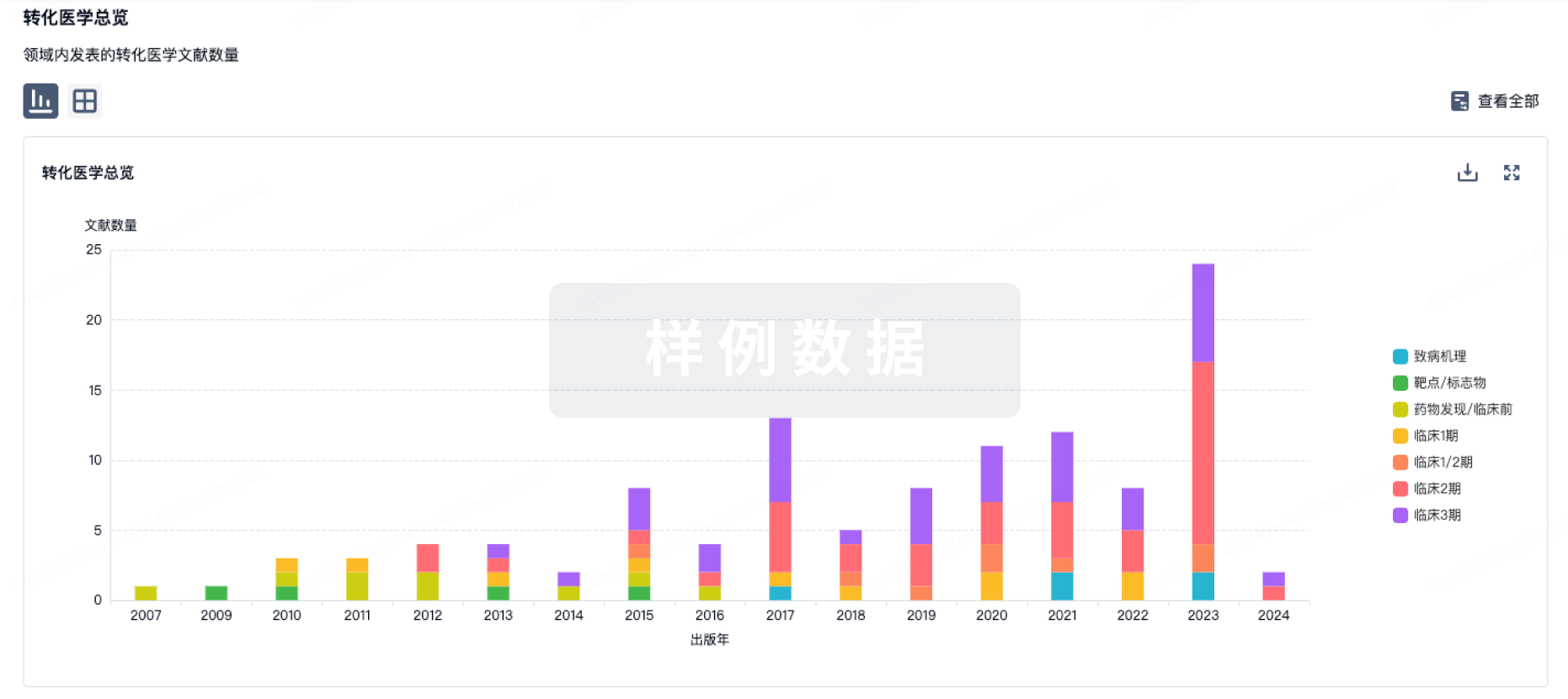
转化医学
使用我们的转化医学数据加速您的研究。
登录
或
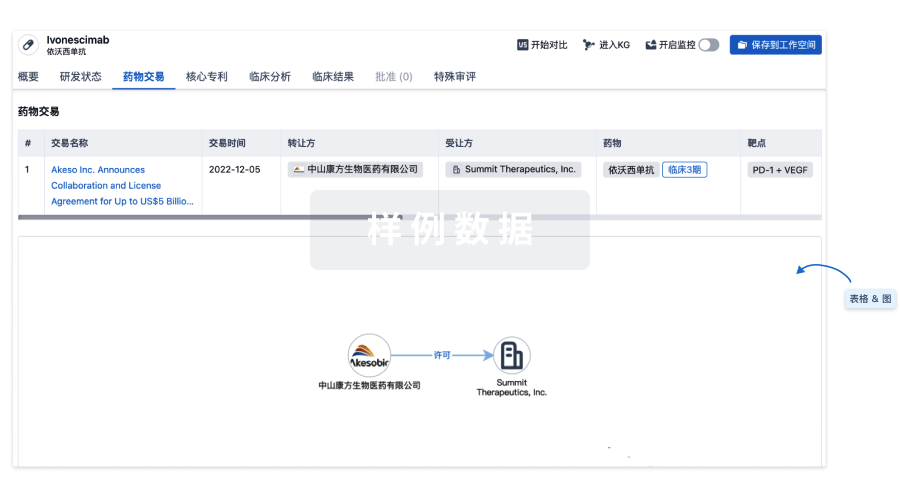
药物交易
使用我们的药物交易数据加速您的研究。
登录
或
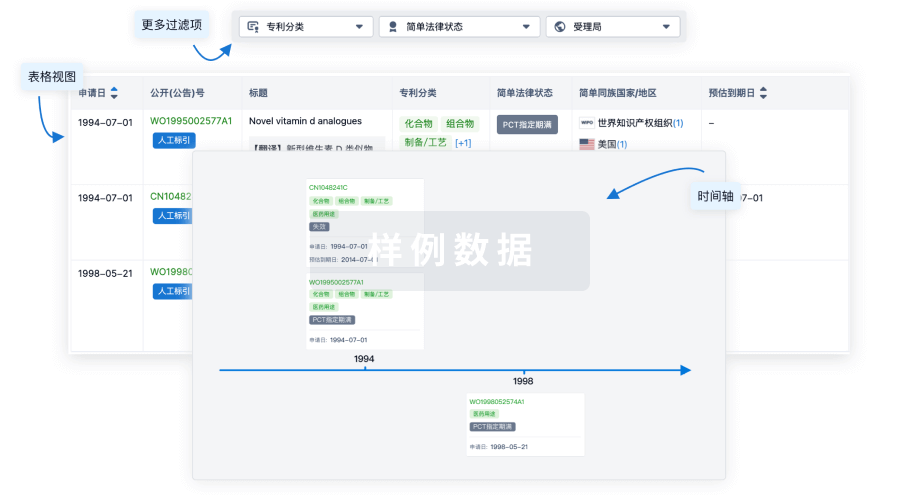
核心专利
使用我们的核心专利数据促进您的研究。
登录
或
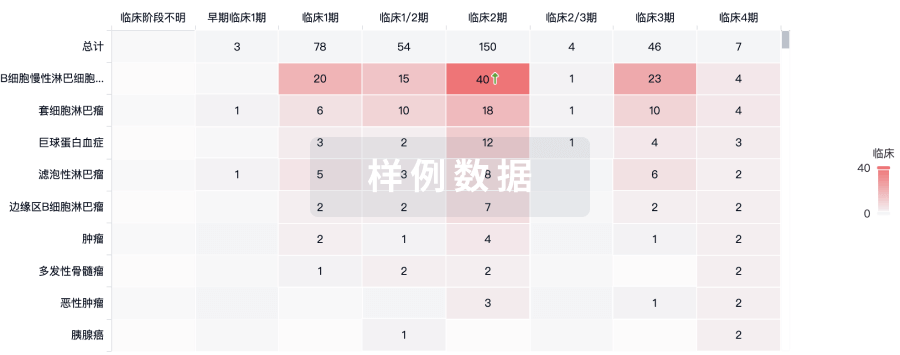
临床分析
紧跟全球注册中心的最新临床试验。
登录
或
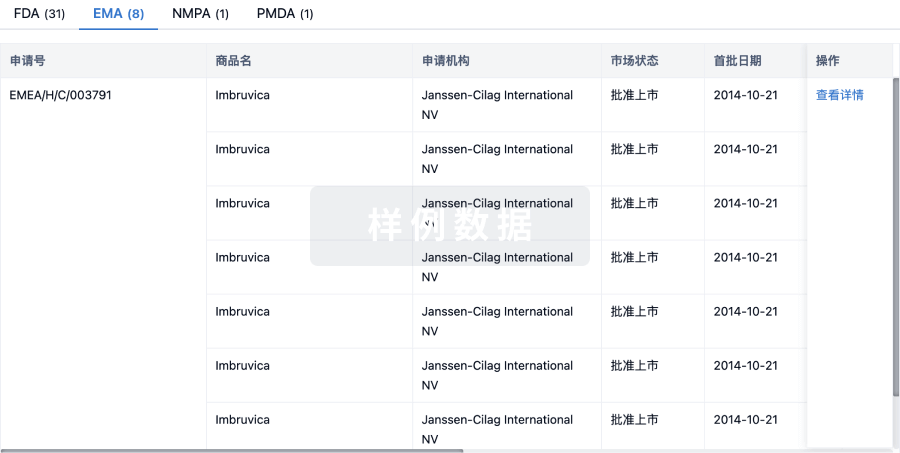
批准
利用最新的监管批准信息加速您的研究。
登录
或
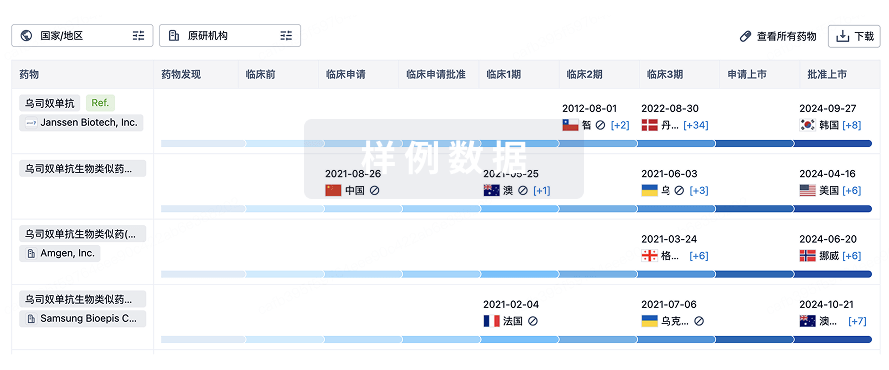
生物类似药
生物类似药在不同国家/地区的竞争态势。请注意临床1/2期并入临床2期,临床2/3期并入临床3期
登录
或
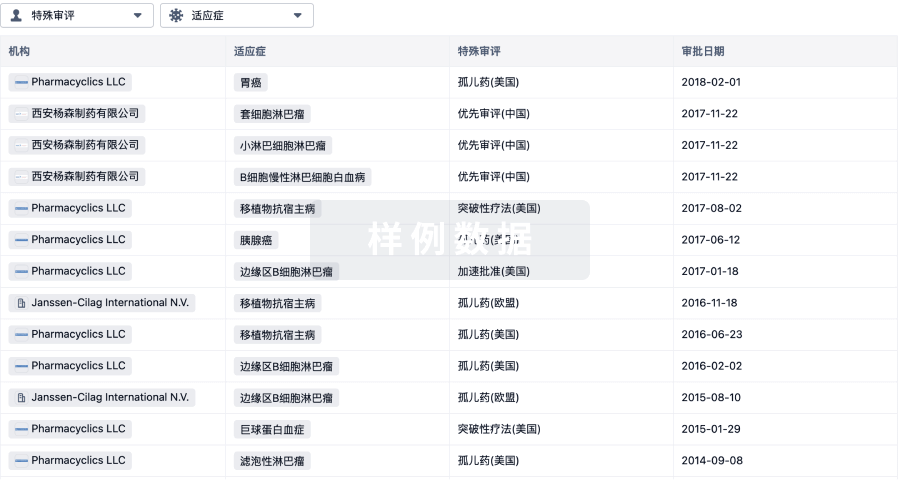
特殊审评
只需点击几下即可了解关键药物信息。
登录
或
提出任何生物医药研究问题
让每一步生物医药决策都精准制胜
基于十亿级生物数据与全球情报的精准 AI,赋能早期药物发现
立即开始免费试用!
智慧芽新药情报库是智慧芽专为生命科学人士构建的基于AI的创新药情报平台,助您全方位提升您的研发与决策效率。
立即接入生物医药数据包
智慧芽新药库数据也通过智慧芽开放平台,以MCP或API服务形式对外开放。立即使用我们的MCP服务定制您的LLM智能体。
生物序列数据库
生物药研发创新
免费使用
化学结构数据库
小分子化药研发创新
免费使用