预约演示
更新于:2026-06-16

Beijing University of Traditional Chinese Medicine
更新于:2026-06-16
概览
标签
神经系统疾病
其他疾病
心血管疾病
小分子化药
中药
多糖药物
疾病领域得分
一眼洞穿机构专注的疾病领域

技术平台
公司药物应用最多的技术
靶点
公司最常开发的靶点
关联
靶点 |
作用机制 |
在研机构 |
原研机构 |
在研适应症 |
非在研适应症 |
最高研发阶段 |
首次获批国家/地区 |
首次获批日期 |

靶点 |
作用机制 |
在研机构 |
原研机构 |
在研适应症 |
非在研适应症 |
最高研发阶段 |
首次获批国家/地区 |
首次获批日期 |
靶点 |
作用机制 |
在研机构 |
原研机构 |
在研适应症 |
非在研适应症 |
最高研发阶段 |
首次获批国家/地区 |
首次获批日期 |
NCT07620743
Key Technology Research on Non-invasive Early Diagnosis of Colorectal Cancer Based on Odor-targeted Capture, Instant Detection, and Intelligent Analysis
ITMCTR2026000306
Infrared thermography and EEG mechanisms of the Xu technique in the Liuzijue Qigong for its liver-soothing effects
ITMCTR2026000218
The Effect of Multimedia Traditional Chinese Medicine Health Education Based on Response-Adaptive Randomization on Functional Dyspepsia and Study on Key Techniques
100 项与 北京中医药大学 相关的临床结果
登录后查看更多信息
登录后查看更多信息
2026-12-31Human Vaccines & Immunotherapeutics
Economic evaluation of 22 HPV vaccination strategies to minimize the risk of penile, anal, and oropharyngeal cancers in Chinese males: A Markov model analysis
Article
作者: Zhang, Xin ; Zhou, Liangru ; Qin, Ruixi ; Chai, Peipei ; Wang, Di ; Xu, Gan ; Luo, Weihua ; Liu, Bingjie
Males can benefit significantly from human papillomavirus (HPV) vaccination. This study developed a decision-Markov model to evaluate the lifetime effectiveness and cost-effectiveness of 22 HPV vaccination strategies for preventing penile, anal, and oropharyngeal cancers. From a healthcare system perspective, vaccination strategies targeting males aged 14 and 40 were compared against no vaccination. Key parameters, including disease progression probabilities, cancer incidence, health state utilities, and direct medical costs, were sourced from the published literature and national databases. We calculated the number of cancer cases and deaths under different strategies and compared their cost-effectiveness. Results demonstrated that male vaccination is highly cost-effective. Vaccinating 14-y-old males averted between 73,724 and 416,654 cancer cases and between 1,102 and 6,229 deaths, depending on the vaccine valency and coverage rate. Similarly, strategies targeting 40-y-old males demonstrated substantial benefits. Overall, 20 of the 22 strategies were deemed highly cost-effective against a willingness-to-pay threshold of three times the national gross domestic product per capita. Sensitivity analysis confirmed the results' robustness. This study provides economic evidence to inform national HPV vaccination policies, demonstrating that including males, particularly adolescents, in vaccination programs represents a cost-effective investment for reducing the burden of HPV-associated cancers in China.
2026-12-31AUTOIMMUNITY
The trilateral nexus of autoimmune thyroiditis: integrating immunological triggers, endocrine disruption, and gut microbiome alterations for treatment strategies
Review
作者: Yu, Xiaotong ; Li, Hongjiao ; Hao, Rui ; Meng, Xiangkun ; Wu, Bangtai ; Liu, Ke ; An, Cheng ; Zhang, Ying ; Zhang, Pei ; Li, Min ; Tong, Xiaolin
The pathogenesis of autoimmune thyroiditis (AIT) is intricately linked to immune dysregulation, endocrine imbalance, and gut microbiota dysbiosis. The immune system drives autoimmune attacks against thyroid tissue through Th1/Th2 cell imbalance, Treg dysfunction, and excessive release of proinflammatory cytokines. Thyroid hormone regulation primarily occurs via the hypothalamic-pituitary-thyroid (HPT) axis. Elevated levels of TPOAb and TgAb in AIT patients can lead to hypothyroidism by affecting the HPT feedback loop. Thyroid hormone regulation of immune cell metabolism and differentiation, in turn, affects immune homeostasis, forming a bidirectional regulatory network. Recent studies further reveal that the gut microbiota influences systemic immune tolerance by regulating intestinal barrier integrity and metabolites (e.g. short-chain fatty acids and secondary bile acids). Abnormal abundance of specific genera (e.g. Bacteroides and Prevotella) can promote the production of thyroid autoantibodies (TPOAb/TgAb), and increased intestinal permeability caused by microbiota dysbiosis may facilitate cross-reactivity between microbial antigens and thyroid antigens. Furthermore, the gut microbiota indirectly regulates thyroid function through the HPT axis. This review aims to summarize the current knowledge regarding the specific molecular mechanisms of gut microbiota-immune-endocrine interactions in AIT, offer important references for researching the treatment directions of AIT.
2026-12-31AUTOIMMUNITY
Research progress on animal models of autoimmune gastritis
Review
作者: Tao, Jinna ; Zhang, Zhongmian ; Wang, Lan ; He, Baixiang ; Li, Zhihong ; Wang, Jiaqi ; Zhang, Xiyan ; Zhao, Yiyuanzi
Autoimmune gastritis (AIG) is an autoimmune disease characterized primarily by the destruction of gastric parietal cell structure and atrophy of the gastric fundic and body mucosa. The global prevalence of AIG is approximately 3.85%. Its main complications include pernicious anemia, gastric neuroendocrine tumors, and gastric cancer, which pose significant health risks. Currently, targeted treatment options for AIG are lacking worldwide. Animal models of AIG are crucial for investigating its pathogenesis and for developing drug therapies. However, reproducible methods for establishing AIG animal models remain scarce. This article provides a systematic review of internationally employed methods for modeling AIG in animals. These methods are categorized and discussed based on the modeling approaches and mechanisms, including neonatal thymectomy, genetically modified animals such as TxA23 and Ctox mice, inducer-based methods such as H⁺/K⁺-ATPase immunization, viral infection, and combined modeling strategies. In addition, the types of modeling agents and the time required for model establishment are also examined. This review highlights existing challenges, such as the lack of uniform modeling standards and evaluation criteria, and aims to provide a foundation for further exploration of AIG.
100 项与 北京中医药大学 相关的药物交易
登录后查看更多信息
100 项与 北京中医药大学 相关的转化医学
登录后查看更多信息
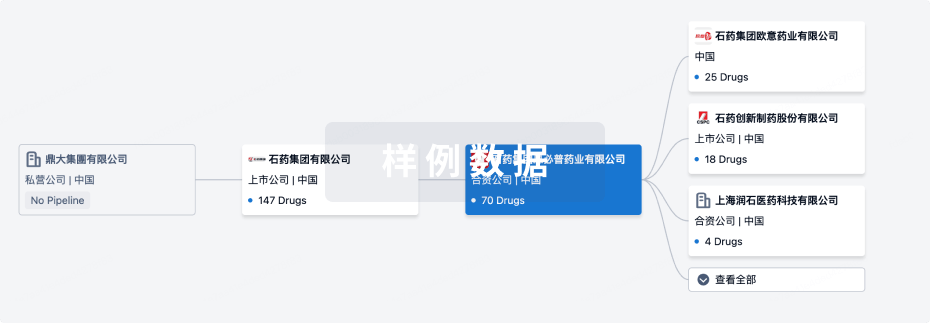
组织架构
使用我们的机构树数据加速您的研究。
登录
或
管线布局
2026年10月16日管线快照
管线布局中药物为当前组织机构及其子机构作为药物机构进行统计,早期临床1期并入临床1期,临床1/2期并入临床2期,临床2/3期并入临床3期
药物发现
2
23
临床前
临床申请批准
1
1
临床2期
临床3期
2
4
其他
登录后查看更多信息
当前项目
登录后查看更多信息
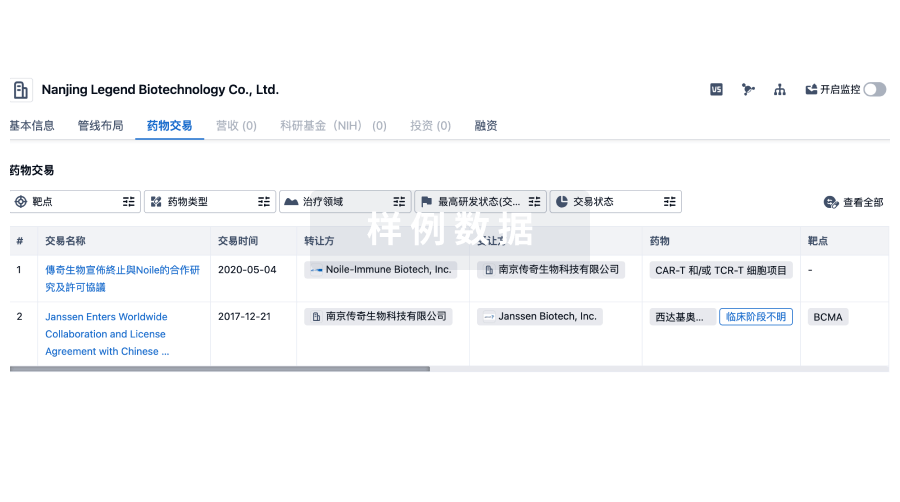
药物交易
使用我们的药物交易数据加速您的研究。
登录
或
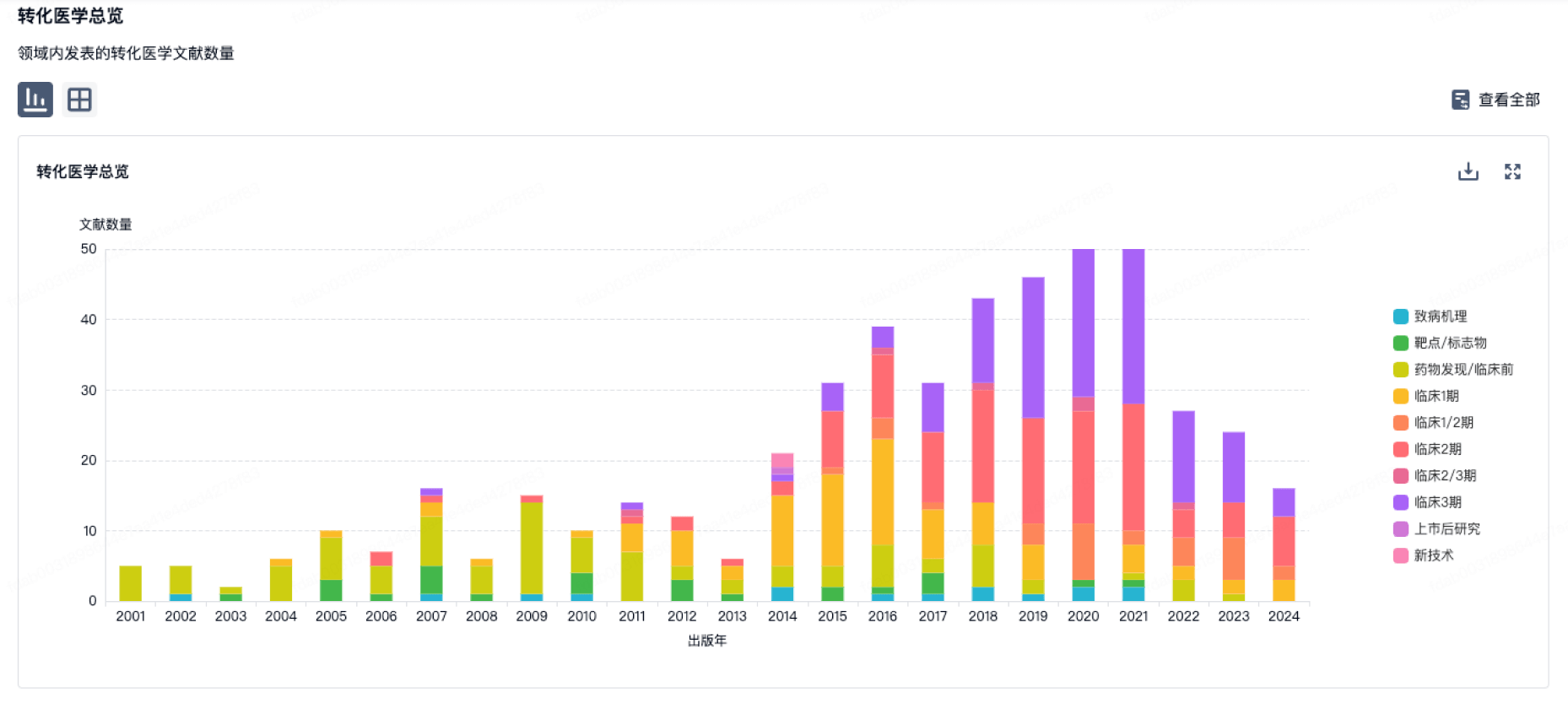
转化医学
使用我们的转化医学数据加速您的研究。
登录
或
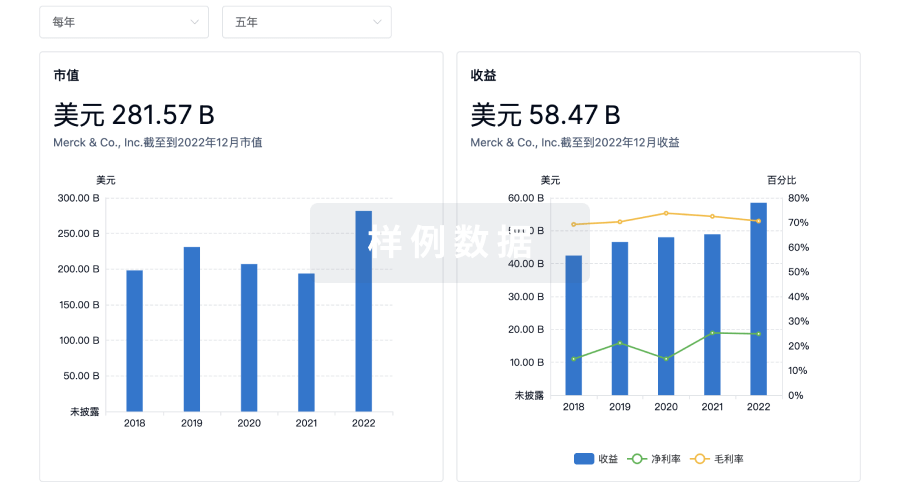
营收
使用 Synapse 探索超过 36 万个组织的财务状况。
登录
或
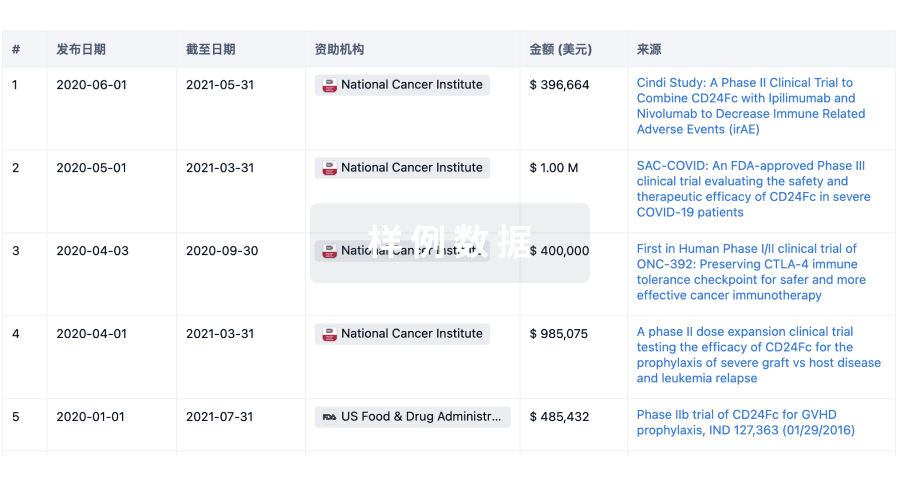
科研基金(NIH)
访问超过 200 万项资助和基金信息,以提升您的研究之旅。
登录
或
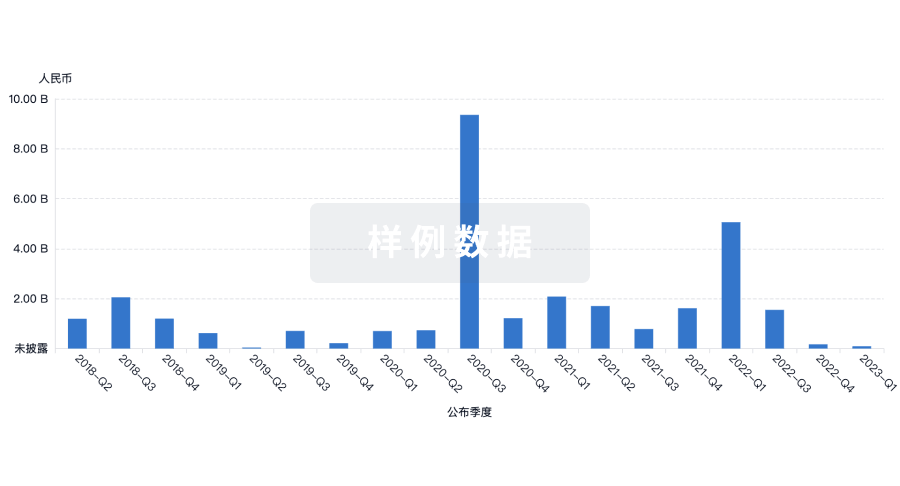
投资
深入了解从初创企业到成熟企业的最新公司投资动态。
登录
或
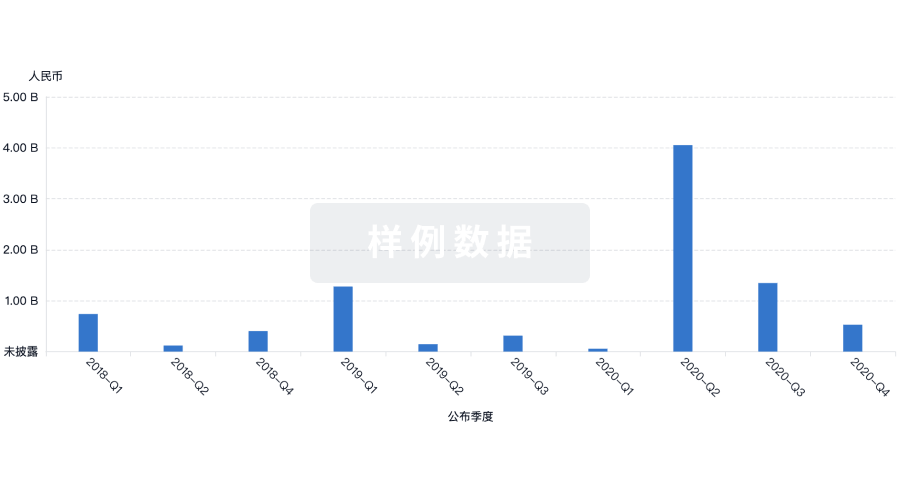
融资
发掘融资趋势以验证和推进您的投资机会。
登录
或
提出任何生物医药研究问题
让每一步生物医药决策都精准制胜
基于十亿级生物数据与全球情报的精准 AI,赋能早期药物发现
立即开始免费试用!
智慧芽新药情报库是智慧芽专为生命科学人士构建的基于AI的创新药情报平台,助您全方位提升您的研发与决策效率。
立即接入生物医药数据包
智慧芽新药库数据也通过智慧芽开放平台,以MCP或API服务形式对外开放。立即使用我们的MCP服务定制您的LLM智能体。
生物序列数据库
生物药研发创新
免费使用
化学结构数据库
小分子化药研发创新
免费使用