预约演示
更新于:2026-06-01

Odyssey Therapeutics, Inc.
更新于:2026-06-01
概览
标签
免疫系统疾病
皮肤和肌肉骨骼疾病
消化系统疾病
小分子化药
Fc融合蛋白
融合蛋白
疾病领域得分
一眼洞穿机构专注的疾病领域

技术平台
公司药物应用最多的技术
靶点
公司最常开发的靶点
关联
靶点 |
作用机制 |
在研机构 |
原研机构 |
在研适应症 |
非在研适应症 |
最高研发阶段 |
首次获批国家/地区 |
首次获批日期 |
靶点 |
作用机制 |
在研机构 |
原研机构 |
在研适应症 |
非在研适应症 |
最高研发阶段 |
首次获批国家/地区 |
首次获批日期 |
靶点 |
作用机制 |
在研机构 |
原研机构 |
在研适应症 |
非在研适应症 |
最高研发阶段 |
首次获批国家/地区 |
首次获批日期 |
NCT06850727
A Phase 2a, Two-Part, Open-Label and Randomized Study to Evaluate the Safety and Efficacy of OD-07656 and of Subsequent Vedolizumab Therapy in Patients With Moderately to Severely Active Ulcerative Colitis
NCT06206811
A Four-part, Phase 1, Double-blind Study to Investigate the Safety, Tolerability, Pharmacokinetics (PK) and Pharmacodynamics (PD) with Single and Multiple Ascending Oral Doses of OD-07656 in Healthy, Adult Male and Female Participants
100 项与 Odyssey Therapeutics, Inc. 相关的临床结果
登录后查看更多信息
登录后查看更多信息
2024-03-01Nature structural & molecular biology
Structural basis for RNA polymerase II ubiquitylation and inactivation in transcription-coupled repair
Article
作者: van der Weegen, Yana ; Wondergem, Annelotte P ; van der Meer, Paula J ; Chernev, Aleksandar ; Kokic, Goran ; Fianu, Isaac ; van den Heuvel, Diana ; Yakoub, George ; Cramer, Patrick ; Lorenz, Sonja ; Luijsterburg, Martijn S ; Fokkens, Thornton J ; Urlaub, Henning
Abstract:
During transcription-coupled DNA repair (TCR), RNA polymerase II (Pol II) transitions from a transcriptionally active state to an arrested state that allows for removal of DNA lesions. This transition requires site-specific ubiquitylation of Pol II by the CRL4CSA ubiquitin ligase, a process that is facilitated by ELOF1 in an unknown way. Using cryogenic electron microscopy, biochemical assays and cell biology approaches, we found that ELOF1 serves as an adaptor to stably position UVSSA and CRL4CSA on arrested Pol II, leading to ligase neddylation and activation of Pol II ubiquitylation. In the presence of ELOF1, a transcription factor IIS (TFIIS)-like element in UVSSA gets ordered and extends through the Pol II pore, thus preventing reactivation of Pol II by TFIIS. Our results provide the structural basis for Pol II ubiquitylation and inactivation in TCR.
2021-08-01Natural products and bioprospecting4区 · 化学
Screening and Purification of Natural Products from Actinomycetes that Induce a “Rounded” Morphological Phenotype in Fission Yeast
4区 · 化学
Article
作者: Devi, Jenileima ; Green, Katherine ; Allenby, Nicholas Edward Ellis ; Errington, Jeff ; Hopkins, Adam ; Lewis, Richard Alexander ; Li, Juanjuan ; Hayles, Jacqueline ; Nurse, Paul
Abstract:
This study was designed to identify and investigate bioactive natural product compounds that alter the cellular shape of the fission yeastSchizosaccharomyces pombeand induce a “rounded” or “small” cellular morphological phenotype. Bioassays using a range of antifungal agents against a multidrug-sensitive fission yeast strain, SAK950 showed that many induced a “rounded” phenotype. We then investigated whether 46 of the actinomycete strains identified in our previous study as inducing a similar phenotype produced antifungal agents of similar classes. We show that five of the strains produced streptothricin and that 26 strains produced polyenes, including fungichromin, filipin and candicidin, the last of which was produced by 24 strains. A taxonomic study of the strains indicated that the majority of the candicidin only producers wereStreptomyces hydrogenansandS. albidoflavuswhilst those that additionally produced streptothricin were related toS. enissocaesilis. A follow-up study to investigate the natural products made by related strains indicated that they followed a similar pattern. The identification of several compounds from the actinomycete strains similar to the antifungal agents initially tested confirm the validity of an approach using theS. pombemorphological phenotype and actinomycete taxonomy as a predictive tool for natural product identification.Graphic Abstract
2018-10-01Molecular cell1区 · 生物学
Mode of Action of Kanglemycin A, an Ansamycin Natural Product that Is Active against Rifampicin-Resistant Mycobacterium tuberculosis
1区 · 生物学
Article
作者: Mosaei, Hamed ; Yuzenkova, Yulia ; Perry, John David ; Ceccaroni, Lucia ; Moon, Christopher William ; Kepplinger, Bernhard ; Zenkin, Nikolay ; Molodtsov, Vadim ; Bacon, Joanna ; Marrs, Emma Claire Louise ; Allenby, Nicholas Edward Ellis ; Murakami, Katsuhiko S ; Jeeves, Rose Elizabeth ; Harbottle, John ; Errington, Jeff ; Shin, Yeonoh ; Hall, Michael John ; Morton-Laing, Stephanie ; Wills, Corinne ; Clegg, William
Antibiotic-resistant bacterial pathogens pose an urgent healthcare threat, prompting a demand for new medicines. We report the mode of action of the natural ansamycin antibiotic kanglemycin A (KglA). KglA binds bacterial RNA polymerase at the rifampicin-binding pocket but maintains potency against RNA polymerases containing rifampicin-resistant mutations. KglA has antibiotic activity against rifampicin-resistant Gram-positive bacteria and multidrug-resistant Mycobacterium tuberculosis (MDR-M. tuberculosis). The X-ray crystal structures of KglA with the Escherichia coli RNA polymerase holoenzyme and Thermus thermophilus RNA polymerase-promoter complex reveal an altered-compared with rifampicin-conformation of KglA within the rifampicin-binding pocket. Unique deoxysugar and succinate ansa bridge substituents make additional contacts with a separate, hydrophobic pocket of RNA polymerase and preclude the formation of initial dinucleotides, respectively. Previous ansa-chain modifications in the rifamycin series have proven unsuccessful. Thus, KglA represents a key starting point for the development of a new class of ansa-chain derivatized ansamycins to tackle rifampicin resistance.

100 项与 Odyssey Therapeutics, Inc. 相关的药物交易
登录后查看更多信息
100 项与 Odyssey Therapeutics, Inc. 相关的转化医学
登录后查看更多信息
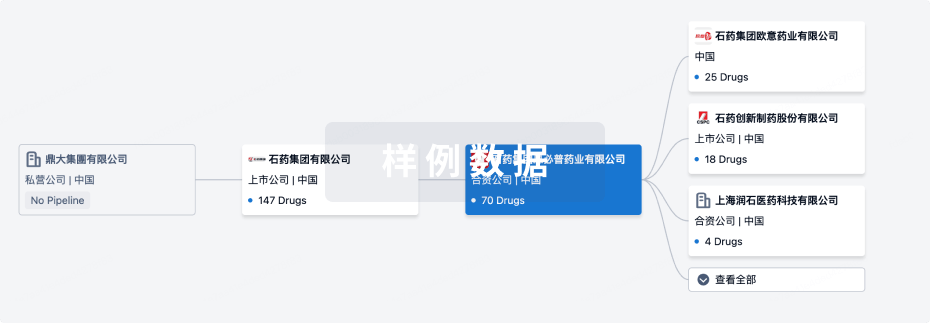
组织架构
使用我们的机构树数据加速您的研究。
登录
或
管线布局
2026年10月17日管线快照
管线布局中药物为当前组织机构及其子机构作为药物机构进行统计,早期临床1期并入临床1期,临床1/2期并入临床2期,临床2/3期并入临床3期
药物发现
5
5
临床前
临床2期
1
10
其他
登录后查看更多信息
当前项目
登录后查看更多信息
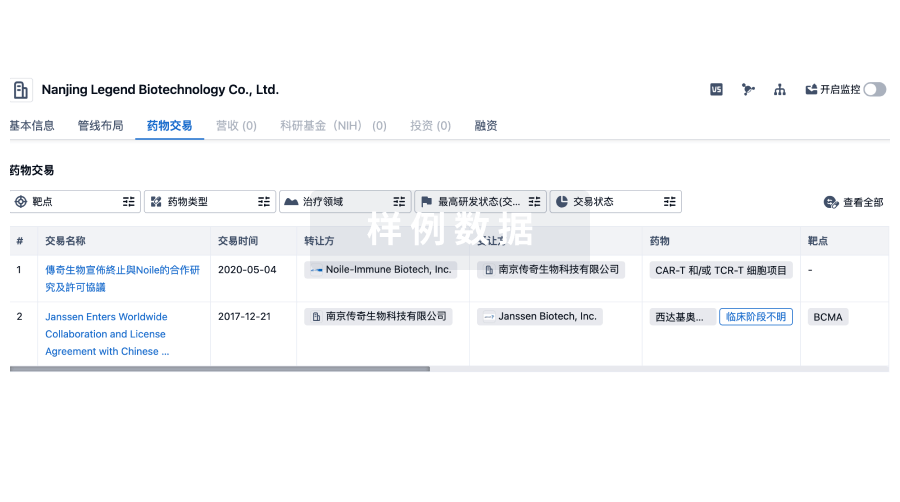
药物交易
使用我们的药物交易数据加速您的研究。
登录
或
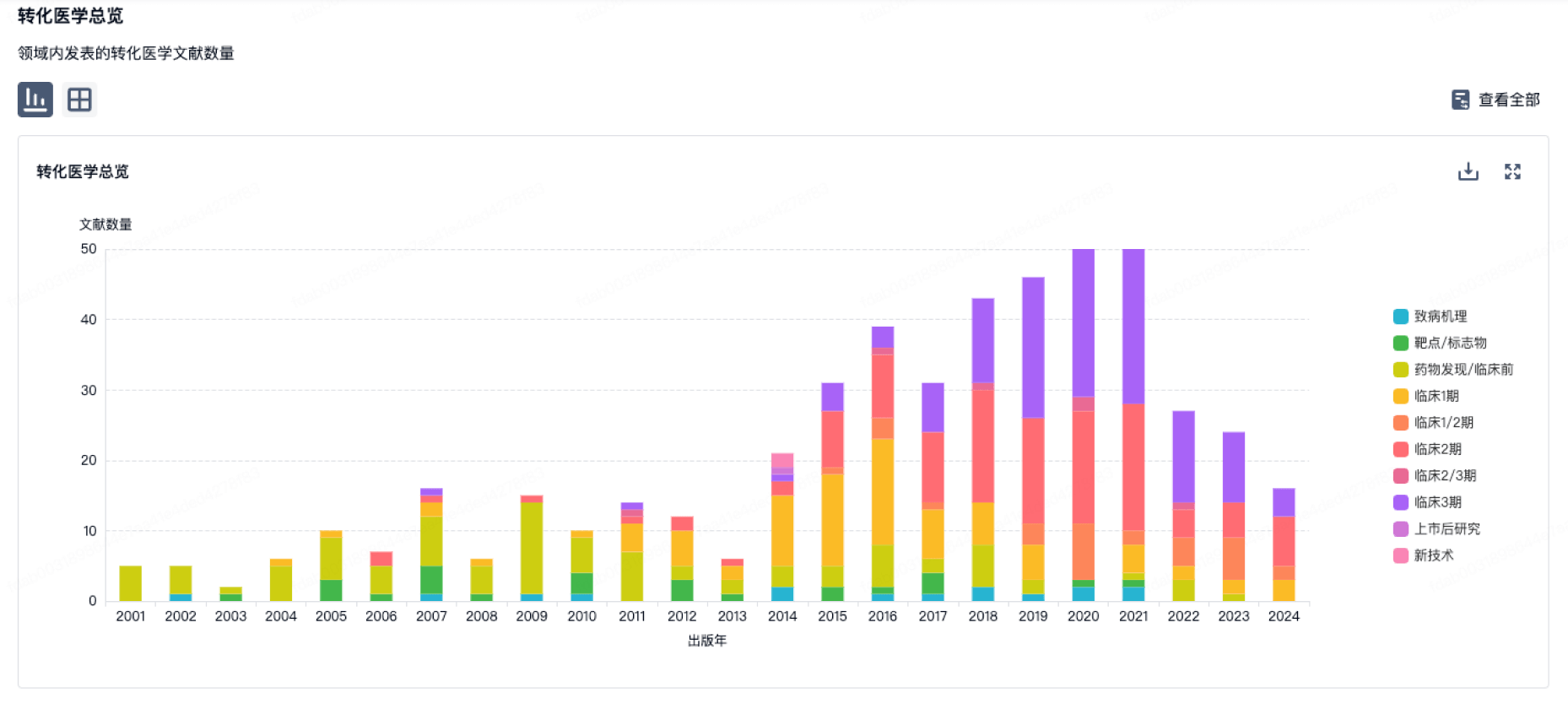
转化医学
使用我们的转化医学数据加速您的研究。
登录
或
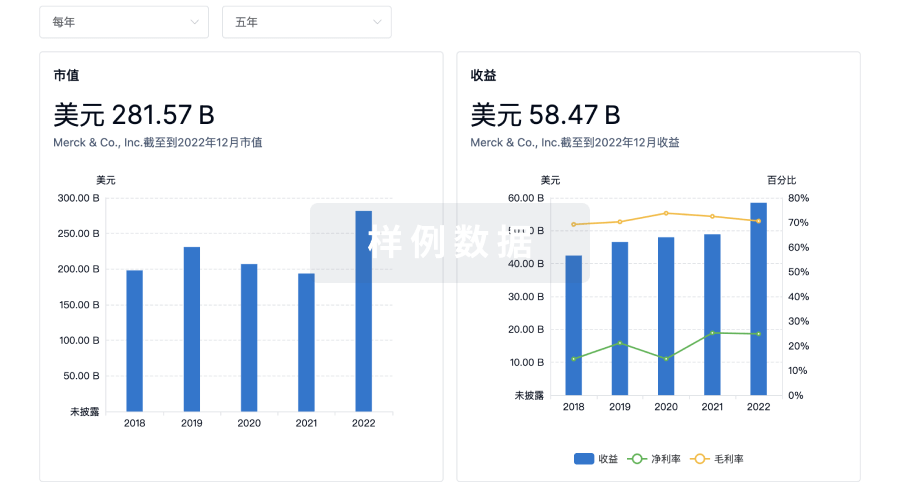
营收
使用 Synapse 探索超过 36 万个组织的财务状况。
登录
或
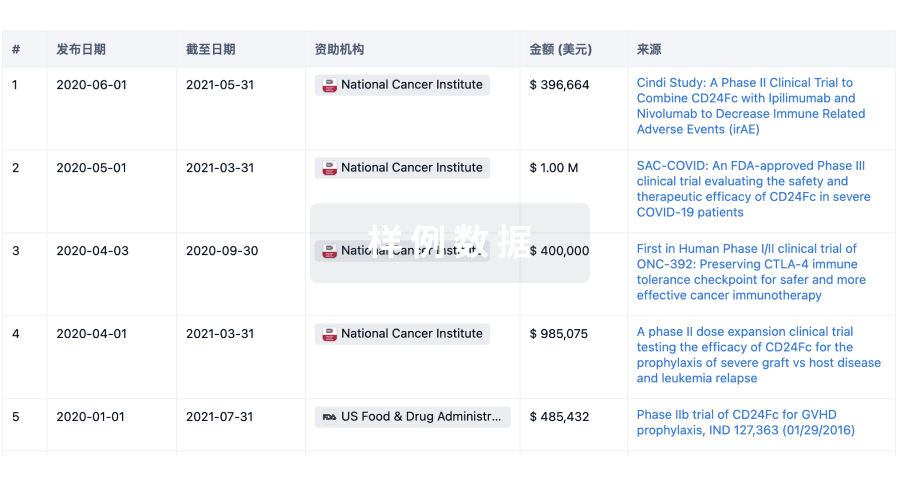
科研基金(NIH)
访问超过 200 万项资助和基金信息,以提升您的研究之旅。
登录
或
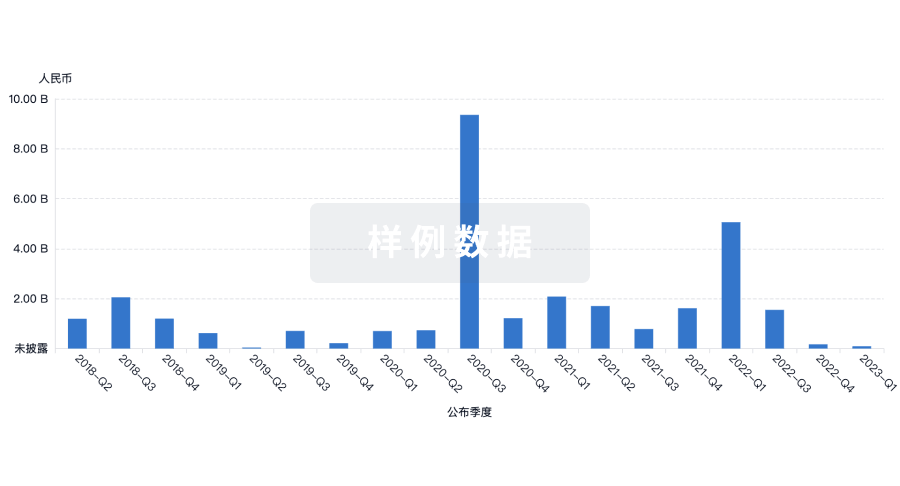
投资
深入了解从初创企业到成熟企业的最新公司投资动态。
登录
或
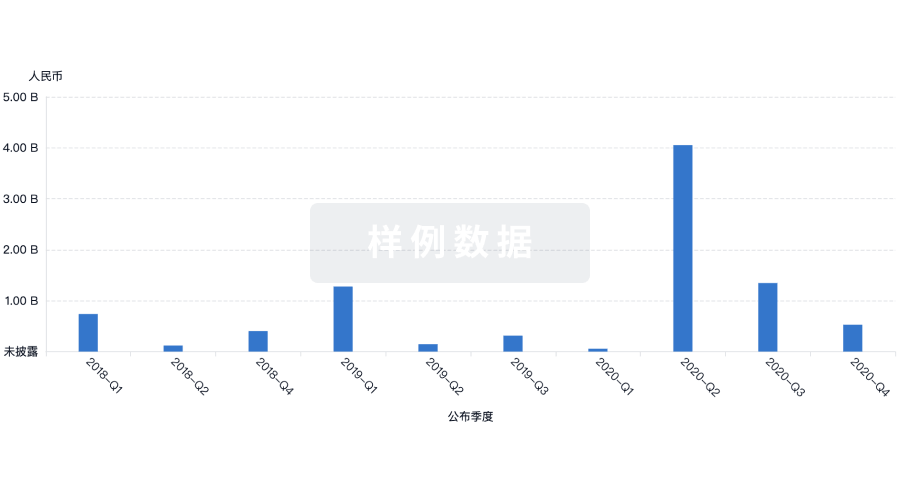
融资
发掘融资趋势以验证和推进您的投资机会。
登录
或
提出任何生物医药研究问题
让每一步生物医药决策都精准制胜
基于十亿级生物数据与全球情报的精准 AI,赋能早期药物发现
立即开始免费试用!
智慧芽新药情报库是智慧芽专为生命科学人士构建的基于AI的创新药情报平台,助您全方位提升您的研发与决策效率。
立即接入生物医药数据包
智慧芽新药库数据也通过智慧芽开放平台,以MCP或API服务形式对外开放。立即使用我们的MCP服务定制您的LLM智能体。
生物序列数据库
生物药研发创新
免费使用
化学结构数据库
小分子化药研发创新
免费使用