预约演示
更新于:2026-10-09
Guangzhou Baiyunshan Pharmaceutical Holdings Co., Ltd.
更新于:2026-10-09
概览
标签
神经系统疾病
肿瘤
其他疾病
小分子化药
中药
疾病领域得分
一眼洞穿机构专注的疾病领域

技术平台
公司药物应用最多的技术
靶点
公司最常开发的靶点
关联
靶点 |
作用机制 |
在研机构 |
原研机构 |
在研适应症 |
非在研适应症 |
最高研发阶段 |
首次获批国家/地区 |
首次获批日期 |

靶点 |
作用机制 |
在研机构 |
原研机构 |
在研适应症 |
非在研适应症 |
最高研发阶段 |
首次获批国家/地区 |
首次获批日期 |

靶点 |
作用机制 |
在研机构 |
原研机构 |
在研适应症 |
非在研适应症 |
最高研发阶段 |
首次获批国家/地区 |
首次获批日期 |


CTR20261263
评价养阴舒肝颗粒治疗早发性卵巢功能不全(肾虚肝郁证)有效性和安全性的多中心、随机、双盲、安慰剂平行对照Ⅱ期临床试验

CTR20255250
铝镁匹林片(Ⅱ)在中国健康受试者中进行的单中心的随机、开放、单次给药、两周期、双交叉、空腹/餐后生物等效性试验

CTR20254213
克感利咽口服液治疗急性咽炎(外感风热证)的随机、双盲、安慰剂平行对照、多中心Ⅲ期临床试验

100 项与 广州白云山医药集团股份有限公司 相关的临床结果
登录后查看更多信息
登录后查看更多信息
2026-11-01JOURNAL OF ETHNOPHARMACOLOGY
Corrigendum to “Naoxinqing tablet protects against cerebral ischemic/reperfusion injury by regulating ampkα/NAMPT/SIRT1/PGC-1α pathway” [J. Ethnopharmacol. 322 (2024) 117672]
作者: Guo, Haibiao ; Zhang, Zhixiu ; Li, Chuyuan ; Luo, Yun ; Sun, Xiao ; Sun, Xiaobo ; Pan, Yunfeng ; Wang, Deqin
2026-10-01JOURNAL OF ETHNOPHARMACOLOGY
Corrigendum to “Naoxinqing tablet protects against cerebral ischemic/reperfusion injury by regulating ampkα/NAMPT/SIRT1/PGC-1α pathway” [J. Ethnopharmacol. 322 (2024) 117672]
作者: Guo, Haibiao ; Zhang, Zhixiu ; Li, Chuyuan ; Luo, Yun ; Sun, Xiao ; Sun, Xiaobo ; Pan, Yunfeng ; Wang, Deqin
2026-09-01PHYTOMEDICINE
Oral Chinese patent medicine alleviates atopic dermatitis by regulating ALOX15-derived oxylipins disorder
Article
作者: He, Rong-Rong ; Wang, Hua-Jun ; Kurihara, Hiroshi ; Cao, Yun-Feng ; Liang, Lei ; Xu, Hui ; Ouyang, Shu-Hua ; Ning, Na ; Sun, Wan-Yang ; Yang, Qian ; Wu, Ya-Ping ; Li, Zi-Xuan ; Li, Yi-Fang ; Guo, Ming-Zhen ; Tan, Hong-Li ; Ru, Nan ; Wang, Rong ; Wu, Yan-Ping ; Huang, Qiu-Ling ; Zheng, Xiao-Fei
BACKGROUND:
Atopic dermatitis (AD) is a chronic inflammatory skin disease often exacerbated by psychological stress, yet the underlying mechanisms remain unclear. Wushe Zhiyang Pills (WZP), an oral Chinese patent medicine, is clinically used for dermatological conditions, but its efficacy and mechanisms in stress-aggravated AD have not been defined.
PURPOSE:
This study aims to evaluate the protective effects of WZP against AD under stress conditions, elucidate its molecular mechanisms, and identify its bioactive compounds.
METHODS:
A murine AD model was established using repeated DNCB application, with or without chronic restraint stress to simulate psychological stress exposure. AD-like phenotypic severity, immune dysfunction, and inflammatory responses were comprehensively assessed. Targeted oxylipin lipidomics was performed to profile lipid mediator alterations, while molecular docking, molecular dynamics simulations, and cellular thermal shift assays (CETSA) were employed to identify and validate the direct target and active components of WZP.
RESULTS:
WZP treatment significantly ameliorated AD-like symptoms, restored the Th1/Th2 immune balance, reduced mast cell infiltration and cutaneous inflammatory cytokine expression, and lowered serum IgE levels. Notably, psychological stress exacerbated AD by upregulating ALOX15 expression and disrupting the cutaneous oxylipin profile, with marked elevations in pro-inflammatory mediators such as 15-HETE. WZP effectively reversed these stress-induced oxylipin derangements. Mechanistically, cimifugin, a bioactive component of WZP, was identified as a direct inhibitor of ALOX15, binding stably to the enzyme and suppressing its activity, thereby restoring oxylipin homeostasis.
CONCLUSION:
WZP alleviates stress-aggravated AD by inhibiting ALOX15-mediated oxylipin disruption, with cimifugin as a key active component. This reveals a novel "Stress-ALOX15-oxylipin-inflammation" axis and supports WZP as a promising therapy for stress-associated AD.
100 项与 广州白云山医药集团股份有限公司 相关的药物交易
登录后查看更多信息
100 项与 广州白云山医药集团股份有限公司 相关的转化医学
登录后查看更多信息
组织架构
使用我们的机构树数据加速您的研究。
登录
或
管线布局
2026年10月16日管线快照
管线布局中药物为当前组织机构及其子机构作为药物机构进行统计,早期临床1期并入临床1期,临床1/2期并入临床2期,临床2/3期并入临床3期
药物发现
2
1
临床前
临床申请
1
1
临床1期
临床2期
2
1
临床3期
批准上市
19
6
其他
登录后查看更多信息
当前项目
登录后查看更多信息
药物交易
使用我们的药物交易数据加速您的研究。
登录
或
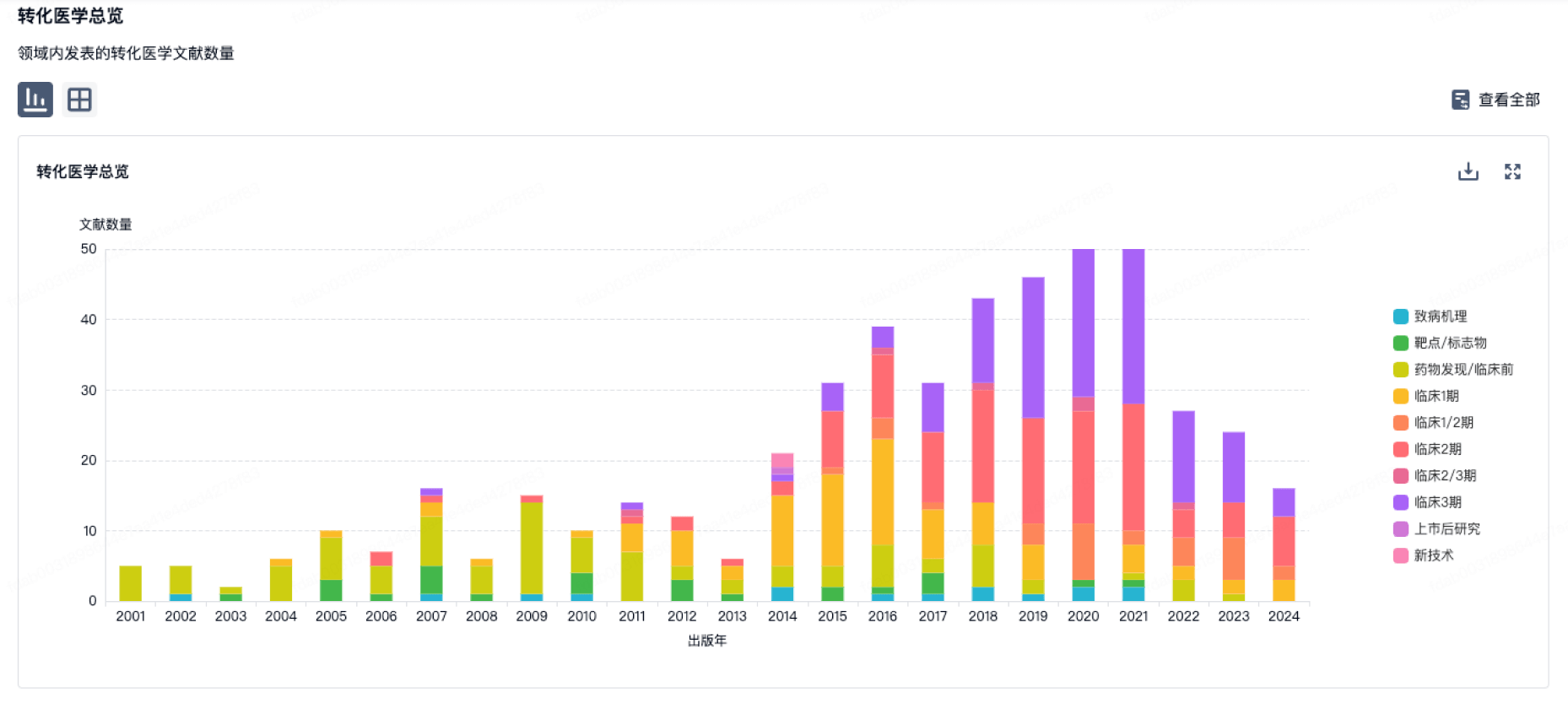
转化医学
使用我们的转化医学数据加速您的研究。
登录
或
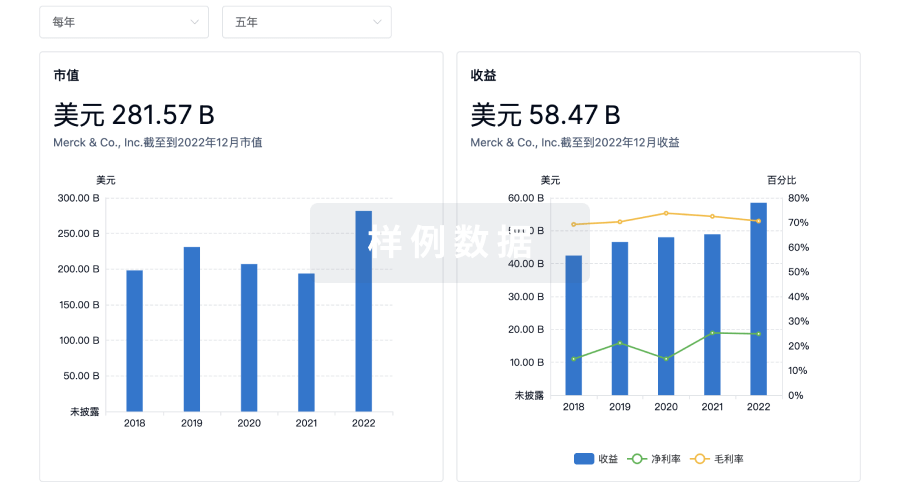
营收
使用 Synapse 探索超过 36 万个组织的财务状况。
登录
或
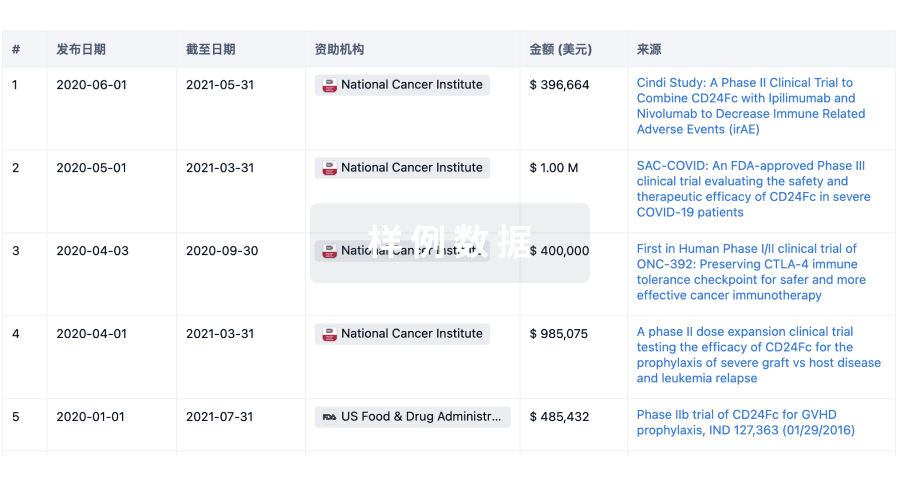
科研基金(NIH)
访问超过 200 万项资助和基金信息,以提升您的研究之旅。
登录
或
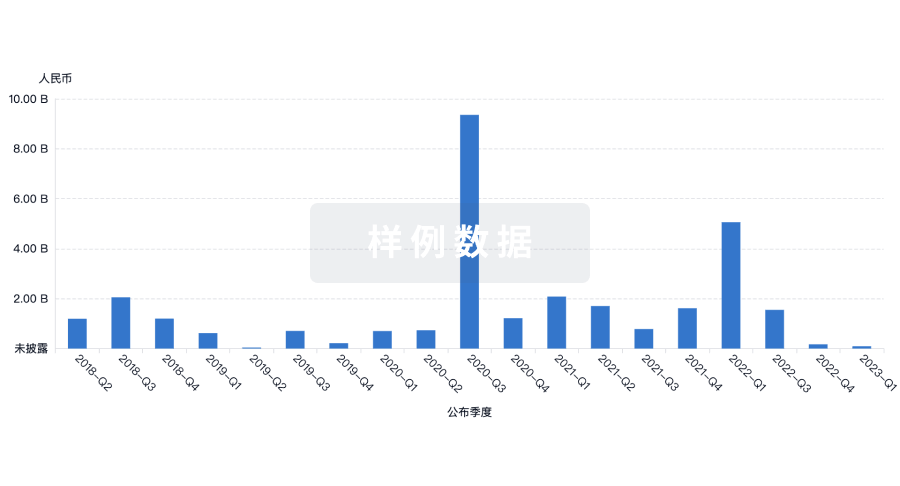
投资
深入了解从初创企业到成熟企业的最新公司投资动态。
登录
或
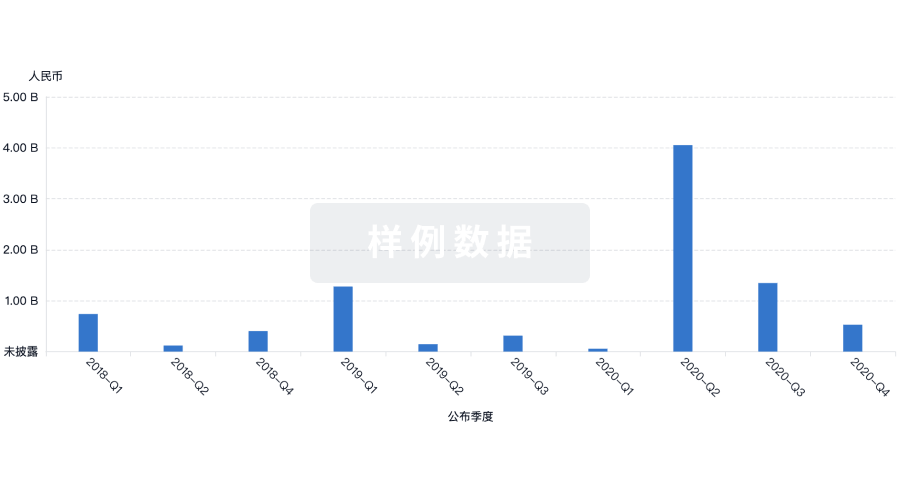
融资
发掘融资趋势以验证和推进您的投资机会。
登录
或
提出任何生物医药研究问题
让每一步生物医药决策都精准制胜
基于十亿级生物数据与全球情报的精准 AI,赋能早期药物发现
立即开始免费试用!
智慧芽新药情报库是智慧芽专为生命科学人士构建的基于AI的创新药情报平台,助您全方位提升您的研发与决策效率。
立即接入生物医药数据包
智慧芽新药库数据也通过智慧芽开放平台,以MCP或API服务形式对外开放。立即使用我们的MCP服务定制您的LLM智能体。
生物序列数据库
生物药研发创新
免费使用
化学结构数据库
小分子化药研发创新
免费使用