预约演示
更新于:2026-02-22

Second Affiliated Hospital of Wenzhou Medical University
温州医科大学附属第二医院(温州医科大学附属育英儿童医院)|中国浙江省
温州医科大学附属第二医院(温州医科大学附属育英儿童医院)|中国浙江省
更新于:2026-02-22
概览
标签
其他疾病
内分泌与代谢疾病
神经系统疾病
小分子化药
化学药
疾病领域得分
一眼洞穿机构专注的疾病领域

技术平台
公司药物应用最多的技术
靶点
公司最常开发的靶点
关联
靶点 |
作用机制 |
在研机构 |
原研机构 |
在研适应症 |
非在研适应症 |
最高研发阶段 |
首次获批国家/地区 |
首次获批日期 |


靶点 |
作用机制 |
在研机构 |
原研机构 |
在研适应症 |
非在研适应症 |
最高研发阶段 |
首次获批国家/地区 |
首次获批日期 |

靶点 |
作用机制 |
在研机构 |
原研机构 |
在研适应症 |
非在研适应症 |
最高研发阶段 |
首次获批国家/地区 |
首次获批日期 |

NCT07346443
Mechanism Study of G Protein-coupled Receptor 81 in Multiple Organ Dysfunction of Heat Stroke
NCT07424040
Study on the Efficacy and Safety of Infliximab Monotherapy or in Combination With Azathioprine in the Treatment of Crohn's Disease in Children
NCT07377955
Combined Volume Guarantee High-Frequency Oscillatory Ventilation (HFOV-VG) Versus Conventional High-Frequency Oscillatory Ventilation (HFOV) on Grade 2 to 3 Bronchopulmonary Dysplasia (BPD) or Death in Preterm Infants <32 Weeks With Respiratory Distress Syndrome (RDS)

100 项与 温州医科大学附属第二医院(温州医科大学附属育英儿童医院) 相关的临床结果
登录后查看更多信息
登录后查看更多信息
2026-02-10Zhonghua yi xue za zhi
[Characteristics of peak expiratory flow and analysis of risk factors for its decline in stroke patients].
Article
作者: Zhou, C Y ; Zhou, X Z ; Li, H Y ; Lin, J J ; Wu, W X ; Yu, J Y
Objective: To analyze the characteristics of peak expiratory flow (PEF) and the risk factor for its decline in stroke patients. Methods: This was a case-control study. A total of 809 stroke patients hospitalized in the Department of Rehabilitation of the First Affiliated Hospital of Wenzhou Medical University from January 2020 to December 2022 were prospectively enrolled as the stroke group, and 801 age-and sex-matched healthy subjects from the hospital's Physical Examination Center during the same period served as the control group. The measured PEF was detected using an adult peak flow meter. The predicted PEF and PEF% (measured/predicted PEF×100%) were calculated based on age, sex, and height. The stroke group was further divided into a normal PEF group (PEF%≥80%) and a decreased PEF group (PEF%<80%). PEF metrics were compared within and between the stroke and control groups. A multivariate logistic regression was used to analyze risk factors for PEF decline in the stroke group. Results: The stroke group (539 males, 270 females) aged (63.2±11.9) years and the control group (498 males, 303 females) aged (63.5±12.1) years. The measured PEF in the stroke group was lower than its predicted value [(243.89±139.38) vs (390.45±94.30) L/min, P<0.001], while no significant difference was found between the measured and predicted PEF values in the control group (P>0.05). Compared with the control group, the stroke group had lower measured PEF [(243.89±139.38) vs (371.52±114.78) L/min] and PEF% [(61.80±30.79)% vs (98.14±22.48)%], but higher predicted PEF [(390.45±94.30) vs (379.21±84.78) L/min] and a higher proportion of severe PEF% decline [48.6% (393/809) vs 4.5% (36/801)] (all P<0.05). Within the stroke group, the decreased PEF group had higher proportions of smoking, alcohol drinking, atrial fibrillation, total anterior circulation infarction, higher NIHSS and mRS scores and a higher proportion of dysphagia compared with the normal PEF group (all P<0.05). The decreased PEF group had a lower proportion of partial anterior circulation infarction, Barthel index score, and independent standing (all P<0.05). Multivariate logistic regression identified smoking (OR=1.466, 95%CI: 1.014-2.118), increased NIHSS score (OR=1.072, 95%CI: 1.003-1.145), dysphagia (OR=1.691, 95%CI: 1.161-2.463), and increased mRS score (OR=2.286, 95%CI: 1.263-4.137) as risk factors for PEF decline in stroke patients. Conclusions: Stroke patients exhibit decreased measured PEF and PEF%, along with higher predicted PEF and a higher proportion of severe PEF% decline. Smoking, neurological dysfunction, impaired mobility, and dysphagia are risk factors for PEF decline in stroke patients.
2026-02-01Materials Today Bio
Microfluidic 3D-printed MSC-laden bioactive hydrogel for intrauterine adhesion prevention and endometrial regeneration
Article
作者: Zhou, Yujia ; Song, Yizuo ; Zhu, Xueqiong ; Hua, Ying ; Ma, Rong ; Shang, Luoran ; Yi, Baozhu ; Zhou, Qingfeng ; Li, Xiaosheng
Increasing occurrence of intrauterine adhesion (IUA) is a serious threat to the reproductive health of women in recent years. However, treatment options remain limited. Mesenchymal stem cell (MSC)-based therapies have shown a promising regenerative capacity of injured endometrium but have limited effectiveness by the low survival duration of transplanted cells. Herein, we present a bioactive hydrogel scaffold loaded with adipose tissue-derived MSC (AT-MSC) by using a three-dimensional (3D) bioprinting technology, which combines the characteristics of the synthetic thermos-responsive material PF-127 and the natural-derived, photo-polymerizable material GelMA. The composite hydrogel scaffold shows enhanced mechanical as well as biocompatibility. In addition, the porous structure endows the 3D-printed scaffold with a favorable growing environment for MSC and increase the retention rate of cells. Finally, the dual repair effects of the MSC-laden gel scaffold on endometrial damage and regeneration are validated in a rat IUA model. This study demonstrates that the composite system could improve neovascularization, increase number of glands, and ameliorate fibrotic formation of endometrium. Thus, it is believed that such bioactive MSC-loaded scaffold is a promising candidate for prevention of IUA with reliable endometrial regeneration properties.
2026-02-01COMPLEMENTARY THERAPIES IN MEDICINE
Corrigendum to “Therapeutic effect of focused-extracorporeal shockwave therapy on muscular and adjacent tissue stiffness and pain changes in myofascial pain syndrome: A randomized controlled trial study” [Complem Ther Med 92 (2025), 103203]
作者: Luangpon, Nongnuch ; Klarod, Kultida ; Werasirirat, Phurichaya ; Kiatkulanusorn, Sirirat ; Muanjai, Pornpimol ; Zhang, Yong-Hui ; Wang, Xue-Qiang ; Namsawang, Juntip ; Vasvit, Pijakkana ; Sukkho, Oranat
100 项与 温州医科大学附属第二医院(温州医科大学附属育英儿童医院) 相关的药物交易
登录后查看更多信息
100 项与 温州医科大学附属第二医院(温州医科大学附属育英儿童医院) 相关的转化医学
登录后查看更多信息
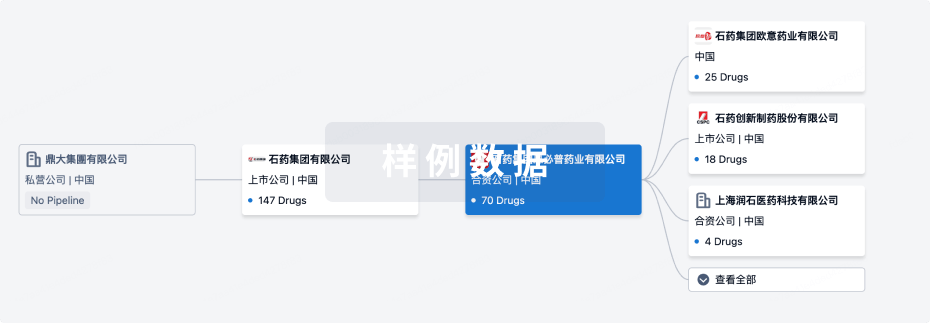
组织架构
使用我们的机构树数据加速您的研究。
登录
或
管线布局
2026年10月12日管线快照
管线布局中药物为当前组织机构及其子机构作为药物机构进行统计,早期临床1期并入临床1期,临床1/2期并入临床2期,临床2/3期并入临床3期
临床前
7
登录后查看更多信息
当前项目
登录后查看更多信息
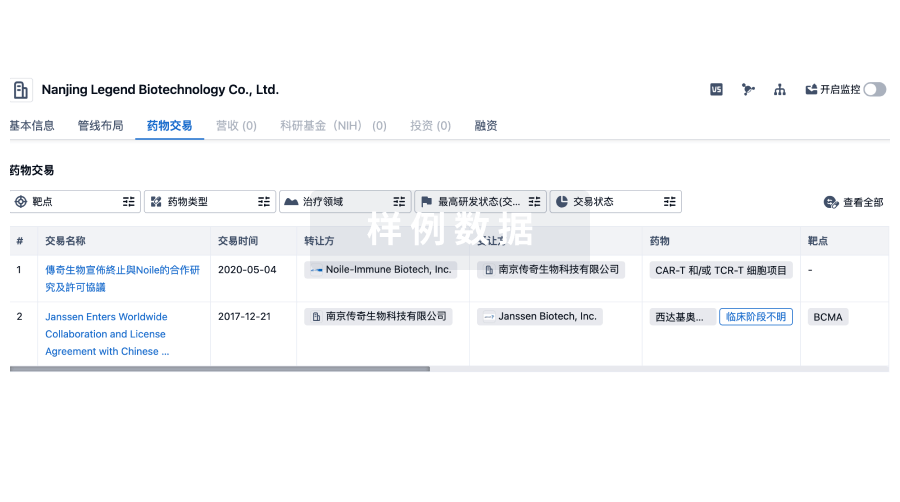
药物交易
使用我们的药物交易数据加速您的研究。
登录
或
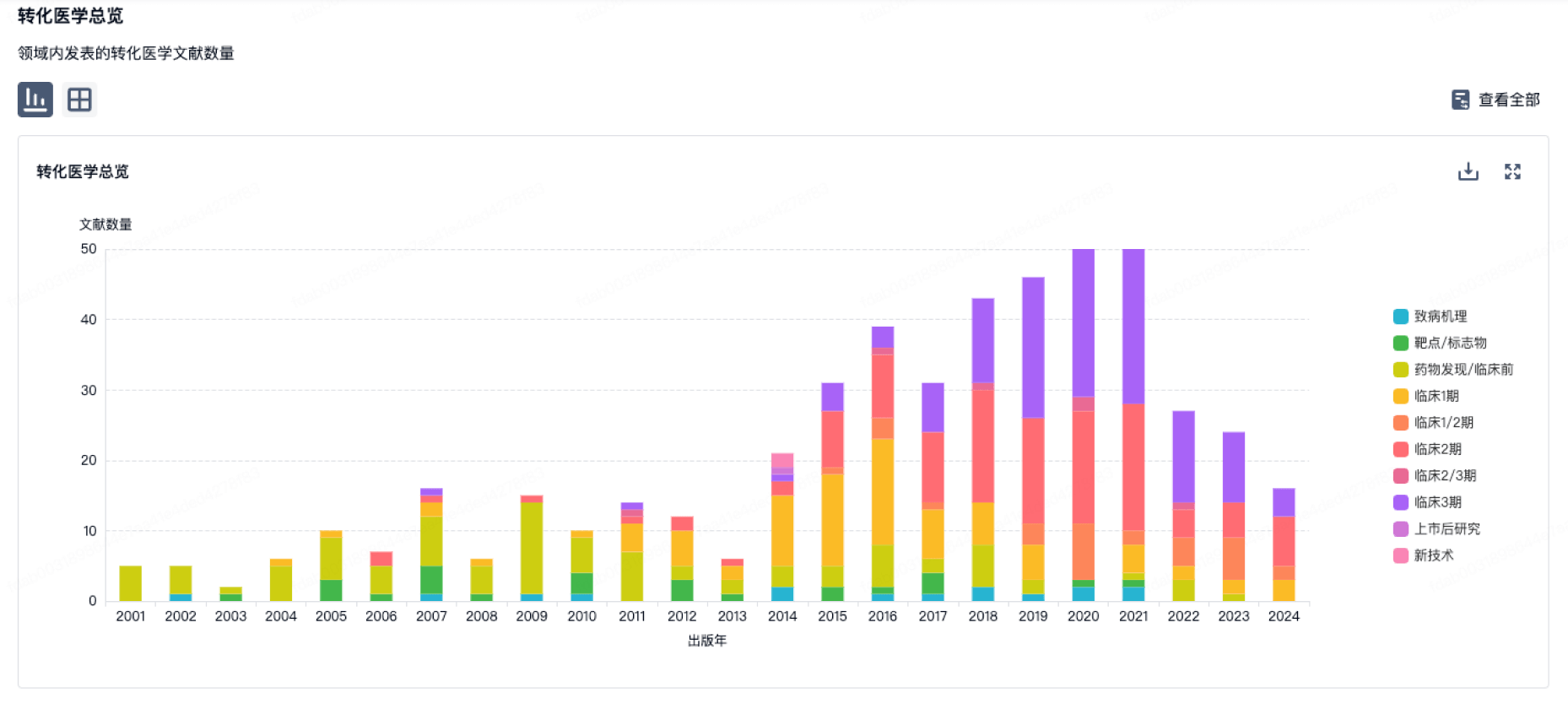
转化医学
使用我们的转化医学数据加速您的研究。
登录
或
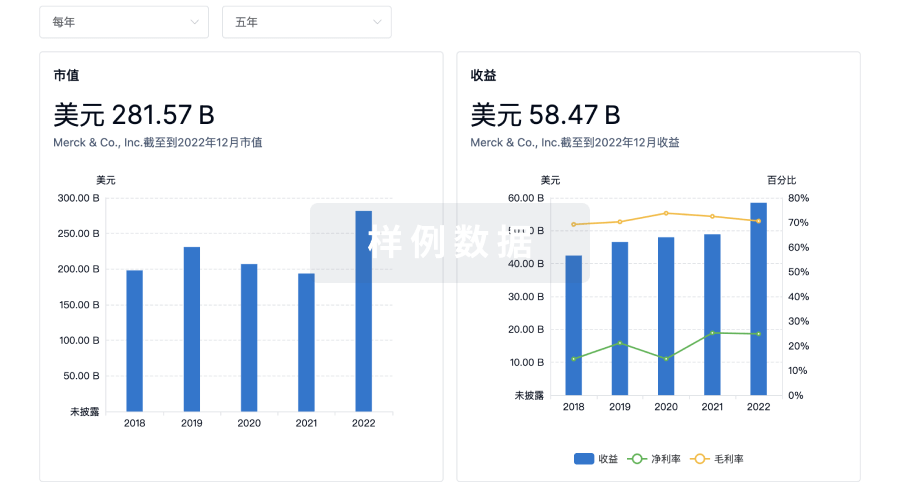
营收
使用 Synapse 探索超过 36 万个组织的财务状况。
登录
或
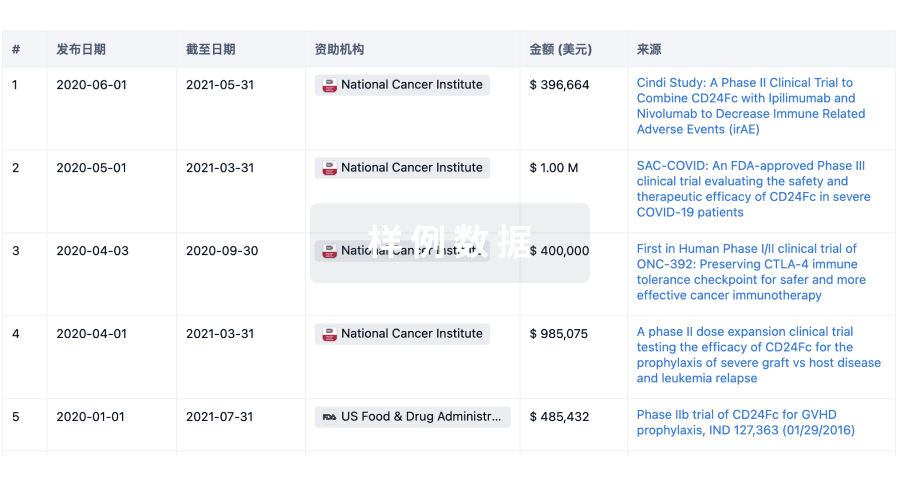
科研基金(NIH)
访问超过 200 万项资助和基金信息,以提升您的研究之旅。
登录
或
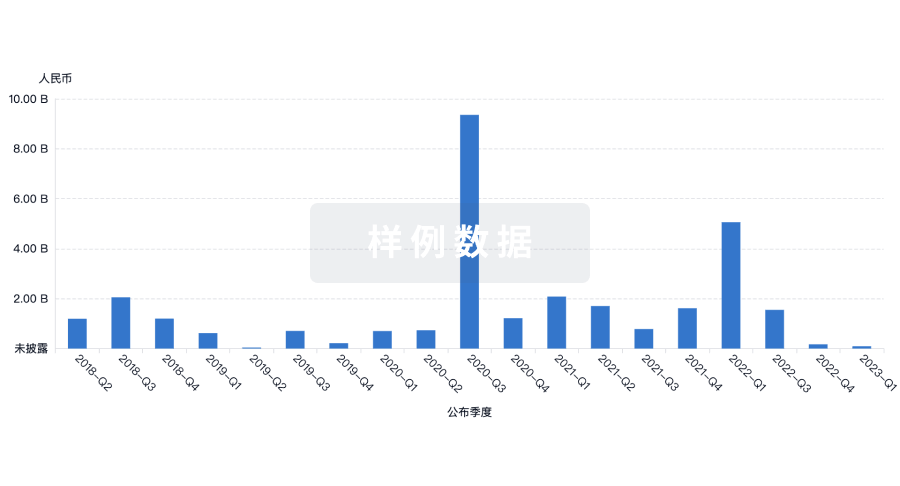
投资
深入了解从初创企业到成熟企业的最新公司投资动态。
登录
或
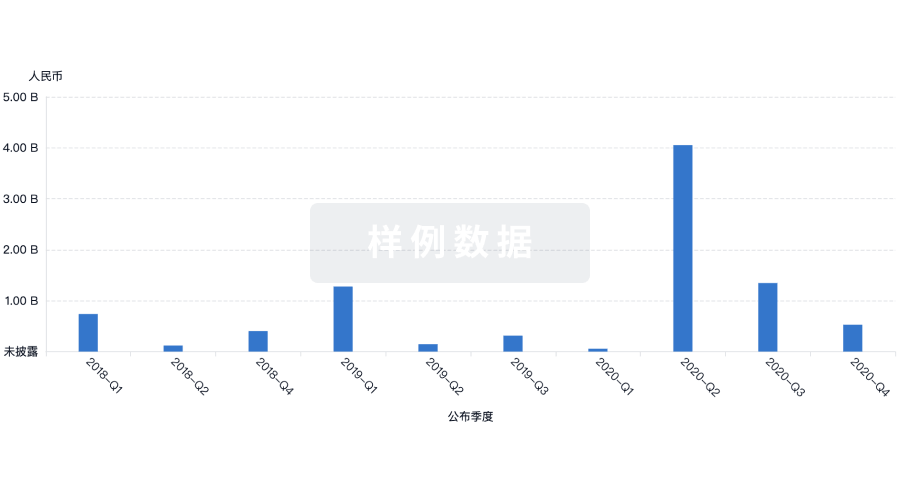
融资
发掘融资趋势以验证和推进您的投资机会。
登录
或
提出任何生物医药研究问题
让每一步生物医药决策都精准制胜
基于十亿级生物数据与全球情报的精准 AI,赋能早期药物发现
立即开始免费试用!
智慧芽新药情报库是智慧芽专为生命科学人士构建的基于AI的创新药情报平台,助您全方位提升您的研发与决策效率。
立即接入生物医药数据包
智慧芽新药库数据也通过智慧芽开放平台,以MCP或API服务形式对外开放。立即使用我们的MCP服务定制您的LLM智能体。
生物序列数据库
生物药研发创新
免费使用
化学结构数据库
小分子化药研发创新
免费使用