预约演示
更新于:2026-06-13

Ironwood Pharmaceuticals, Inc.
更新于:2026-06-13
概览
标签
其他疾病
消化系统疾病
心血管疾病
合成多肽
环肽药物
小分子化药
疾病领域得分
一眼洞穿机构专注的疾病领域

技术平台
公司药物应用最多的技术
靶点
公司最常开发的靶点
关联
靶点 |
作用机制 |
在研机构 |
原研机构 |
在研适应症 |
非在研适应症 |
最高研发阶段 |
首次获批国家/地区 |
首次获批日期 |
靶点 |
作用机制 |
在研机构 |
原研机构 |
在研适应症 |
非在研适应症 |
最高研发阶段 |
首次获批国家/地区 |
首次获批日期 |

靶点 |
作用机制 |
在研机构 |
原研机构 |
在研适应症 |
非在研适应症 |
最高研发阶段 |
首次获批国家/地区 |
首次获批日期 |

NCT05796388
A Pilot Study to Evaluate the Efficacy and Safety of Virtual Reality in Combination With Linaclotide for the Treatment of Adults With IBS and Constipation Predominance

NCT06002555
A Randomized Open-label, Single Dose, 3-Period, 6-Sequence, Cross-Over Trial With Washout Periods of at Least 14 Days to Investigate the Relative Bioavailability of Apraglutide in Dual Chamber Syringes Versus the Reference Formulation in Vials Following Subcutaneous Administrations in Healthy Subjects
NCT05760313
A Phase 2 Dose Finding Study Evaluating the Safety and Efficacy of Linaclotide in Pediatric Subjects 6 Months to Less Than 2 Years of Age With Functional Constipation (FC).
100 项与 Ironwood Pharmaceuticals, Inc. 相关的临床结果
登录后查看更多信息
登录后查看更多信息
2026-01-01Clinical Pharmacology in Drug Development
Pharmacokinetics and Safety of Single‐Dose Apraglutide in Individuals with Normal and Impaired Hepatic Function: A Phase 1, Open‐Label Trial
Article
作者: Hay, Justin ; Boules, Mena ; Masior, Tomasz ; Greig, Gerard ; Valencia, Patricia
Abstract:
Intestinal failure‐associated liver disease occurs in 20% to 30% of patients with short bowel syndrome and intestinal failure (SBS‐IF). Apraglutide is a glucagon‐like peptide‐2 (GLP‐2) analog in clinical development for the treatment of patients with SBS‐IF. This study assessed the potential for changes in exposure of apraglutide in individuals with impaired hepatic function versus healthy volunteers. In this Phase 1, open‐label, nonrandomized, single‐dose trial, apraglutide 3.5 mg was administered to participants with moderate hepatic impairment (Child‐Pugh B) or normal hepatic function. Primary pharmacokinetic endpoints were area under the plasma concentration–time curve (AUC) from time 0 to infinity (AUC
inf
) or AUC from time 0 to last quantifiable concentration (AUC
last
) if AUC
inf
could not be reliably estimated, AUC
0–168 h
, and maximum observed plasma concentration (C
max
). Secondary endpoints included safety and tolerability. Each group comprised eight participants. No increased apraglutide exposure was observed in individuals with moderate hepatic impairment. A lower C
max
and AUC
inf
of apraglutide was observed in individuals with moderate hepatic impairment versus those with normal hepatic function (C
max
= 58.7 vs 71.3 ng/mL; AUC
inf
= 4086 vs 5351 h ng/mL, respectively). The respective geometric mean ratios were 0.835 and 0.936 for C
max
and AUC
inf
, and the upper bounds of their 90% confidence intervals indicate that participants with moderate hepatic impairment were not overexposed to apraglutide versus those with normal hepatic function. Adverse events were mild or moderate in severity. The results of this trial suggest that apraglutide does not require dose alteration in patients with mild and moderate hepatic impairment.
2025-10-01JOURNAL OF BIOLOGICAL CHEMISTRY
Catalytic region mimetics in Na+/H+ exchanger regulatory factor 4 suppress guanylate cyclase 2C activity to regulate enterotoxin triggered diarrhea
Article
作者: Porollo, Aleksey ; Huang, Yunjie ; Ramananda, Yashaswini ; Hannig, Gerhard ; Naren, Anjaparavanda P ; Liyanage, Pramodha ; Arora, Kavisha
Guanylate cyclase 2C (GCC) upon binding to the bacterial heat-stable enterotoxin ST, generates excessive cGMP, driving intestinal chloride and fluid secretion that manifests as diarrhea. We investigated the regulatory mechanism of GCC through its interactions with scaffolding proteins sodium-hydrogen exchanger regulatory factor (NHERF)1 to 4. PSD95, Dlg1, ZO-1 (PDZ) domain in NHERF4 inhibited GCC catalytic activity, while NHERF1-3 binary binding had no impact. NHERF4-mediated inhibition was mimicked by two synergistically acting peptides, (N4-110 [NH2-LERPRFCLL-COOH] and N4-195 [NH2-RHAHDVARAQL-COOH]), localized in close proximity within the PDZ1 domain. These peptides, which showed high sequence homology to the GCC catalytic domain, were mapped via 3-D structural modeling to the GCC dimer interface. Fluorescence resonance energy transfer (FRET) analysis confirmed that NHERF4-PDZ1 domain binding interfered with GCC oligomerization. In mouse and human enteroid models, NHERF4 peptides dose-dependently reduced GCC-mediated fluid secretion. Additionally, NHERF4-GCC interaction was enhanced upon ST stimulation, suggesting that NHERF4 functions as a negative regulator of aberrant GCC activity during enterotoxin-induced diarrhea. Furthermore, we described a macromolecular complex of GCC with multi-drug resistance protein 4 (MRP4), a cAMP/cGMP efflux transporter, in the regulation of fluid secretion through NHERF3-mediated assembly. Overall, our findings reveal novel regulatory mechanisms for GCC, offering insights into targeted therapies for enterotoxin-triggered diarrheas.
2025-05-01ADVANCES IN THERAPY
Healthcare Utilization and Costs of Care in Patients With Irritable Bowel Syndrome With Constipation or Chronic Idiopathic Constipation After Initiating Oral Therapies: Real-World Analysis in the US Medicare Population
Article
作者: Kort, Jens ; Boules, Mena ; Lee, Tsung-Ying ; Ando, Masakazu ; Baldwin, Zachary ; Shah, Eric ; Sanchez Gonzalez, Yuri ; Champaloux, Steven W
INTRODUCTION:
Irritable bowel syndrome with constipation (IBS-C) and chronic idiopathic constipation (CIC) are common functional intestinal disorders which impact all age groups, yet there is limited comparative evidence on the economic benefits of treatment of these conditions on the elderly. We assessed differences in healthcare resource utilization (HCRU) and total costs of care among Medicare-insured patients initiating linaclotide, lubiprostone, or plecanatide after 1 year.
METHODS:
Retrospective analysis from the Merative™ MarketScan® Medicare Database (January 2017-September 2023), including adult patients who initiated a qualifying IBS-C/CIC medication (linaclotide, lubiprostone, plecanatide) (index date defined as date of initiation) and had at least 6 months of pre-index and 12 months of post-index continuous benefit coverage under fee-for-service Medicare plans. For HCRU and all-cause total cost (medical + pharmacy) outcomes, 12-month comparisons were characterized via count (for HCRU) or cost ratios between linaclotide and lubiprostone, and linaclotide and plecanatide. Generalized linear regression models adjusting for key baseline patient characteristics and 6-month pre-index HCRU and cost were used to estimate differences in outcomes at 12 months between treatment groups.
RESULTS:
A total of 7916 Medicare patients were included in the analysis, of whom 5773 initiated linaclotide, 1856 initiated lubiprostone, and 287 initiated plecanatide. After adjusting for key patient characteristics and pre-index HCRU, count ratios > 1 demonstrated that patients who received lubiprostone versus linaclotide had significantly greater HCRU (P < 0.05) at 12 months. After 12 months follow-up, adjusted all-cause total costs of care were significantly lower among patients who received linaclotide versus lubiprostone or plecanatide, largely driven by lower all-cause medical costs observed in patients who received linaclotide (P < 0.05).
CONCLUSION:
These findings suggest that linaclotide treatment may be associated with lower total healthcare costs compared to lubiprostone and plecanatide for patients initiating IBS-C/CIC-related drugs in Medicare populations.
100 项与 Ironwood Pharmaceuticals, Inc. 相关的药物交易
登录后查看更多信息
100 项与 Ironwood Pharmaceuticals, Inc. 相关的转化医学
登录后查看更多信息
组织架构
使用我们的机构树数据加速您的研究。
登录
或
管线布局
2026年10月16日管线快照
管线布局中药物为当前组织机构及其子机构作为药物机构进行统计,早期临床1期并入临床1期,临床1/2期并入临床2期,临床2/3期并入临床3期
临床前
4
1
临床1期
临床2期
3
1
申请上市
批准上市
1
14
其他
登录后查看更多信息
当前项目
登录后查看更多信息
药物交易
使用我们的药物交易数据加速您的研究。
登录
或
转化医学
使用我们的转化医学数据加速您的研究。
登录
或
营收
使用 Synapse 探索超过 36 万个组织的财务状况。
登录
或
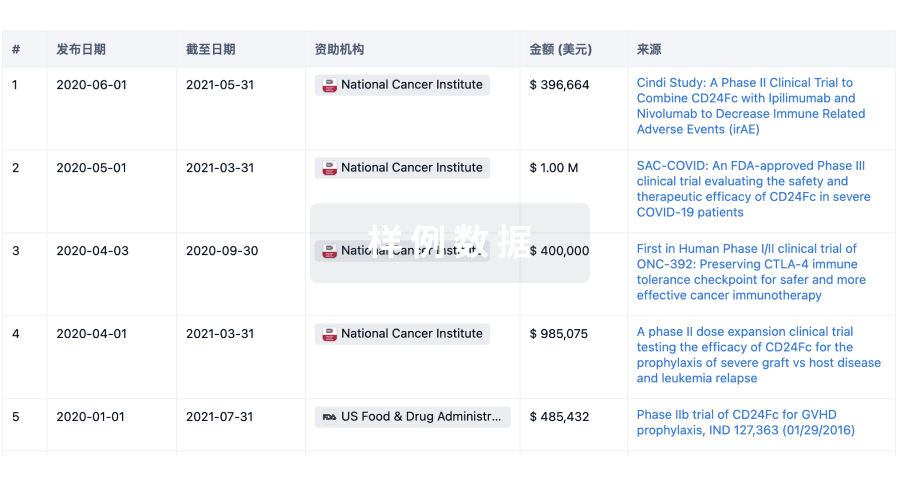
科研基金(NIH)
访问超过 200 万项资助和基金信息,以提升您的研究之旅。
登录
或
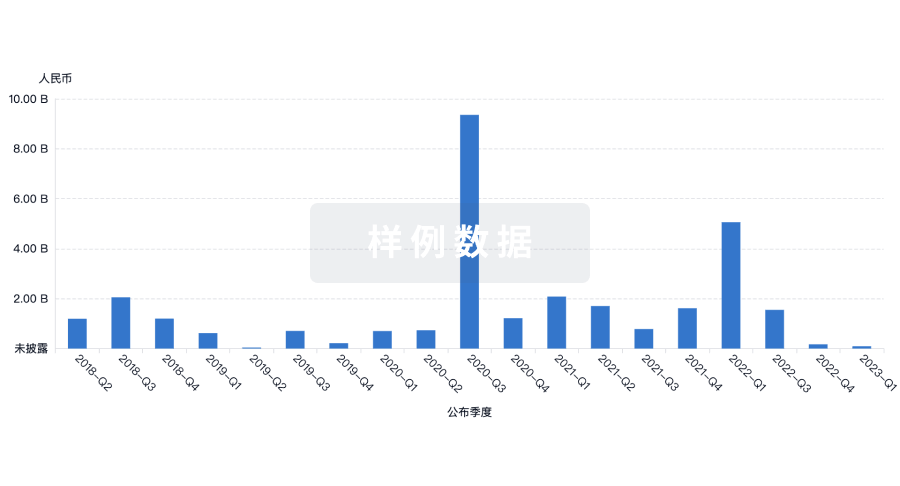
投资
深入了解从初创企业到成熟企业的最新公司投资动态。
登录
或
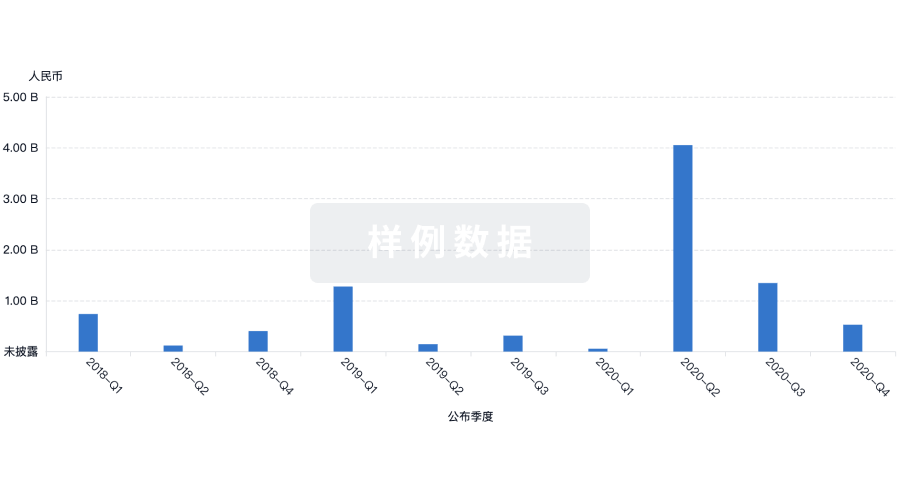
融资
发掘融资趋势以验证和推进您的投资机会。
登录
或
提出任何生物医药研究问题
让每一步生物医药决策都精准制胜
基于十亿级生物数据与全球情报的精准 AI,赋能早期药物发现
立即开始免费试用!
智慧芽新药情报库是智慧芽专为生命科学人士构建的基于AI的创新药情报平台,助您全方位提升您的研发与决策效率。
立即接入生物医药数据包
智慧芽新药库数据也通过智慧芽开放平台,以MCP或API服务形式对外开放。立即使用我们的MCP服务定制您的LLM智能体。
生物序列数据库
生物药研发创新
免费使用
化学结构数据库
小分子化药研发创新
免费使用