预约演示
更新于:2026-08-30

Cosmo NV
更新于:2026-08-30
概览
标签
消化系统疾病
内分泌与代谢疾病
肿瘤
小分子化药
化学药
聚合物
疾病领域得分
一眼洞穿机构专注的疾病领域

技术平台
公司药物应用最多的技术
靶点
公司最常开发的靶点
关联
靶点 |
作用机制 |
在研机构 |
原研机构 |
在研适应症 |
非在研适应症 |
最高研发阶段 |
首次获批国家/地区 |
首次获批日期 |

靶点 |
作用机制 |
在研机构 |
原研机构 |
在研适应症 |
非在研适应症 |
最高研发阶段 |
首次获批国家/地区 |
首次获批日期 |

靶点 |
作用机制 |
在研机构 |
原研机构 |
在研适应症 |
非在研适应症 |
最高研发阶段 |
首次获批国家/地区 |
首次获批日期 |
NCT05914805
A 6-month Phase 3, Multicenter, Prospective, Randomized, Double-Blind, Vehicle-Controlled Study, to Evaluate the Efficacy and Safety of Topically Applied Clascoterone Solution for the Treatment of Androgenetic Alopecia in Males, Followed by a 6-month Single-Blind Treatment With Clascoterone or Vehicle Solution

NCT05910450
A 6-month Phase 3, Multicenter, Prospective, Randomized, Double-Blind, Vehicle-Controlled Study, to Evaluate the Efficacy and Safety of Topically Applied Clascoterone Solution for the Treatment of Androgenetic Alopecia in Males, Followed by a 6-month Single-Blind Treatment With Clascoterone or Vehicle Solution
NCT03863145
Open Label, Multicenter, Phase 1 Study to Evaluate the Maximum Tolerated Dose of Orally Administered CB-03-10 With Dose Expansion Phase, in Subjects With Advanced Solid Tumors
100 项与 Cosmo NV 相关的临床结果
登录后查看更多信息
登录后查看更多信息
2025-07-01AMERICAN JOURNAL OF GASTROENTEROLOGY
A Phase II, Multicentric, Randomized, Double-Blind, Placebo-Controlled, Proof of Concept Study of Efficacy and Safety of Rifamycin SV-MMX 600 mg Tablets Administered Three or Two Times Daily to Patients With Diarrhea-Predominant Irritable Bowel Syndrome
Article
作者: Longo, Luigi ; Basilisco, Guido ; Santos, Javier ; Gentili, Alessandra ; Balsiger, Lukas Michaja ; Moro, Luigi ; Tack, Jan ; Gerloni, Mara ; Mazzetti, Alessandro ; Piessevaux, Hubert ; Baert, Didier ; Serra, Jordi ; Storr, Martin
INTRODUCTION::
Treatment with nonresorbable antibiotics is effective in diarrhea-predominant irritable bowel syndrome (IBS-D). Multimatrix (MMX) formulations ensure targeted drug delivery to the mid-distal small bowel and colon—traditionally considered the origin of IBS symptoms. To assess the efficacy of rifamycin SV-MMX for the treatment of IBS-D.
METHODS::
Randomized controlled trial in patients with IBS-D (Rome IV). Patients received rifamycin SV-MMX 600 mg (b.i.d = 1200 mg/d or t.i.d = 1800 mg/d) or placebo for 2 weeks. Primary end point was responder rate in the first treatment week on the full analysis set (FAS). Response was defined as decrease in average abdominal pain ≥ 30% AND ≥50% reduction of days with stool type 6 or 7 based on daily reporting.
RESULTS::
A total of 279 patients were randomized (=ITT), and 264 of were included in the FAS. More patients with rifamycin SV-MMX b.i.d (22/88, 25.00%) met the primary end point than t.i.d (10/81, 12.35%) or placebo (9/95, 9.47%) in both FAS and ITT. Adjusted odds ratio (AOR) for b.i.d. vs placebo was 3.26 (95% confidence interval (CI): 1.39–7.67; P = 0.007) and for t.i.d. vs b.i.d. 0.40 (95% CI: 0.17–0.92; P = 0.031). After treatment, the percentage of monthly global responders was higher in the b.i.d. group vs placebo in the first month (64.2% vs 46.6%, adjusted odds ratio = 2.14 95% CI: 1.15; 4.00; P = 0.0173) and first 2 months.
DISCUSSION::
Rifamycin SV-MMX 600 mg b.i.d. was more effective than placebo and t.i.d. dosing in the first week of treatment. Two months after treatment, rifamycin SV-MMX 600 mg b.i.d. provided more global symptom relief than placebo.
2020-11-01MOLECULAR CANCER THERAPEUTICS
The Dual Androgen Receptor and Glucocorticoid Receptor Antagonist CB-03-10 as Potential Treatment for Tumors that have Acquired GR-mediated Resistance to AR Blockade
Article
作者: Rosette, Caridad ; Moro, Luigi ; Rosette, Niccolette ; Agan, Frances J. ; Gerloni, Mara ; Mazzetti, Alessandro
Abstract:
CB-03–10 (cortexolone 17α-valerate-21-propionate) is a synthetic steroidal compound derived from cortexolone (11-deoxycortisone), an intermediate in cortisol biosynthesis. Characterization of the activity of CB-03-10 and its main related compound CB-03–05 (cortexolone 17α-valerate) included in vitro binding to the androgen and glucocorticoid receptors (AR and GR), antagonism of AR and GR transcriptional activities, and screening for antitumor activity across a selected panel of human prostate and in triple-negative breast cancer cell lines. CB-03-10 cytotoxic activity in these cancer cell lines was in the low micromolar range and was primarily associated with induction of the apoptotic cascade via activation of caspases. The compound's potential for antitumor activity was verified in a murine xenograft model utilizing the AR-positive LNCaP prostate cancer cell line as well as in an orthotopic model utilizing AR-negative/GR-positive MDA-MB-231 breast cancer cell line. Orally administered CB-03-10 inhibited prostate tumor growth and orthotopically implanted breast tumor growth in these mice and maintained body weight, as compared with vehicle-treated mice. On the basis of AR/GR binding affinities, antagonism of androgen and glucocorticoid-dependent transcriptional activities, and AR/GR mRNA and protein expression, the mechanism of tumor growth suppression is related to AR and GR antagonist activities. Importantly, these compounds lack biologically relevant AR/GR agonist activities. Overall, these preclinical findings support the selection of CB-03-10 for further development as an anticancer agent in cases where resistance to AR-targeted therapy or chemotherapy, via upregulation of GR activity, continues to limit the efficacy and duration of clinical benefit with these interventions.
2019-06-01Drug metabolism and pharmacokinetics4区 · 医学
Rifamycin SV exhibits strong anti-inflammatory in vitro activity through pregnane X receptor stimulation and NFκB inhibition
4区 · 医学
Article
作者: Rosette, Caridad ; Gerloni, Mara ; Agan, Frances J ; Rosette, Niccolette ; Moro, Luigi ; Mazzetti, Alessandro ; Hassan, Cesare
Rifamycin SV (rifamycin), is a member of the ansamycin family of antimicrobial compounds which kills bacteria commonly associated with infectious diarrhea and other enteric infections. Rifamycin has been found to be effective in experimental animal models of gut inflammation and its efficacy in these settings has been attributed partially to immunomodulatory non-bactericidal activities. This study aimed to further evaluate the anti-inflammatory activities of rifamycin by analyzing its effect on two key regulators of inflammation: PXR and NFκB. Rifamycin stimulated PXR transcriptional activity in two PXR reporter cell lines and induced expression of two genes known to be regulated by PXR and are directly involved in cellular detoxification: CYP3A4 and PgP. Moreover, CYP3A4 metabolic activity was induced by rifamycin in HepG2 cells. Rifamycin also antagonized TNFα and LPS-induced NFκB activities and inhibited IL1β-induced synthesis of inflammatory chemokine, IL8. Although reciprocal regulation of PXR and NFkB by rifamycin was not directly addressed, the data suggest that in the absence of PXR, inhibition of NFκB by rifamycin is not dependent on PXR stimulation. Thus, rifamycin exhibits potent anti-inflammatory activities, characterized by in vitro PXR activation and concomitant CYP3A4 and PgP induction, in parallel with potent NFκB inhibition and concomitant IL8 inhibition.
2026-05-09
2026-04-27
2026-04-14
100 项与 Cosmo NV 相关的药物交易
登录后查看更多信息
100 项与 Cosmo NV 相关的转化医学
登录后查看更多信息
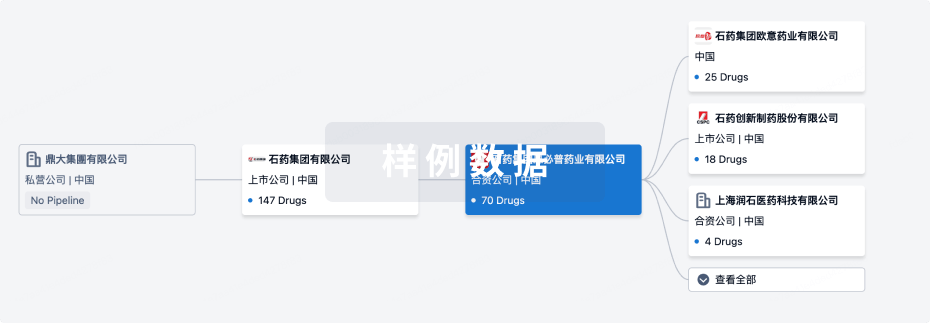
组织架构
使用我们的机构树数据加速您的研究。
登录
或
管线布局
2026年09月13日管线快照
管线布局中药物为当前组织机构及其子机构作为药物机构进行统计,早期临床1期并入临床1期,临床1/2期并入临床2期,临床2/3期并入临床3期
临床1期
1
2
临床2期
批准上市
3
13
其他
登录后查看更多信息
当前项目
登录后查看更多信息
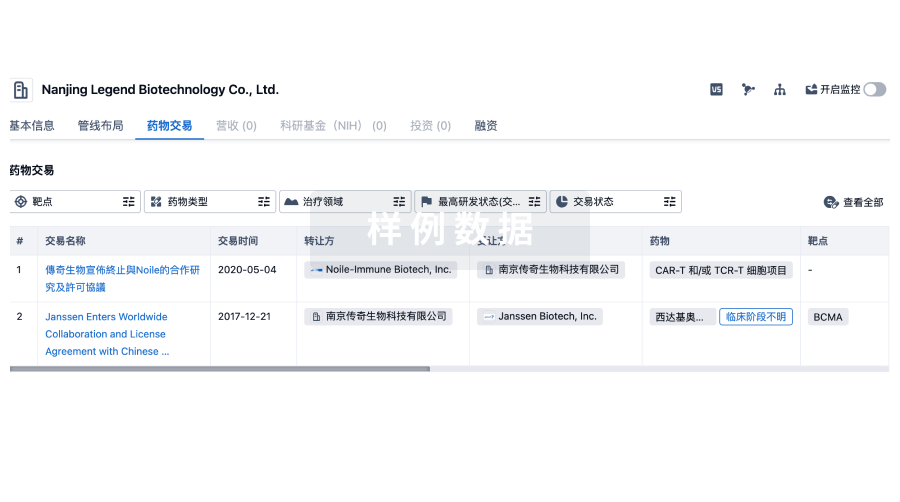
药物交易
使用我们的药物交易数据加速您的研究。
登录
或
转化医学
使用我们的转化医学数据加速您的研究。
登录
或
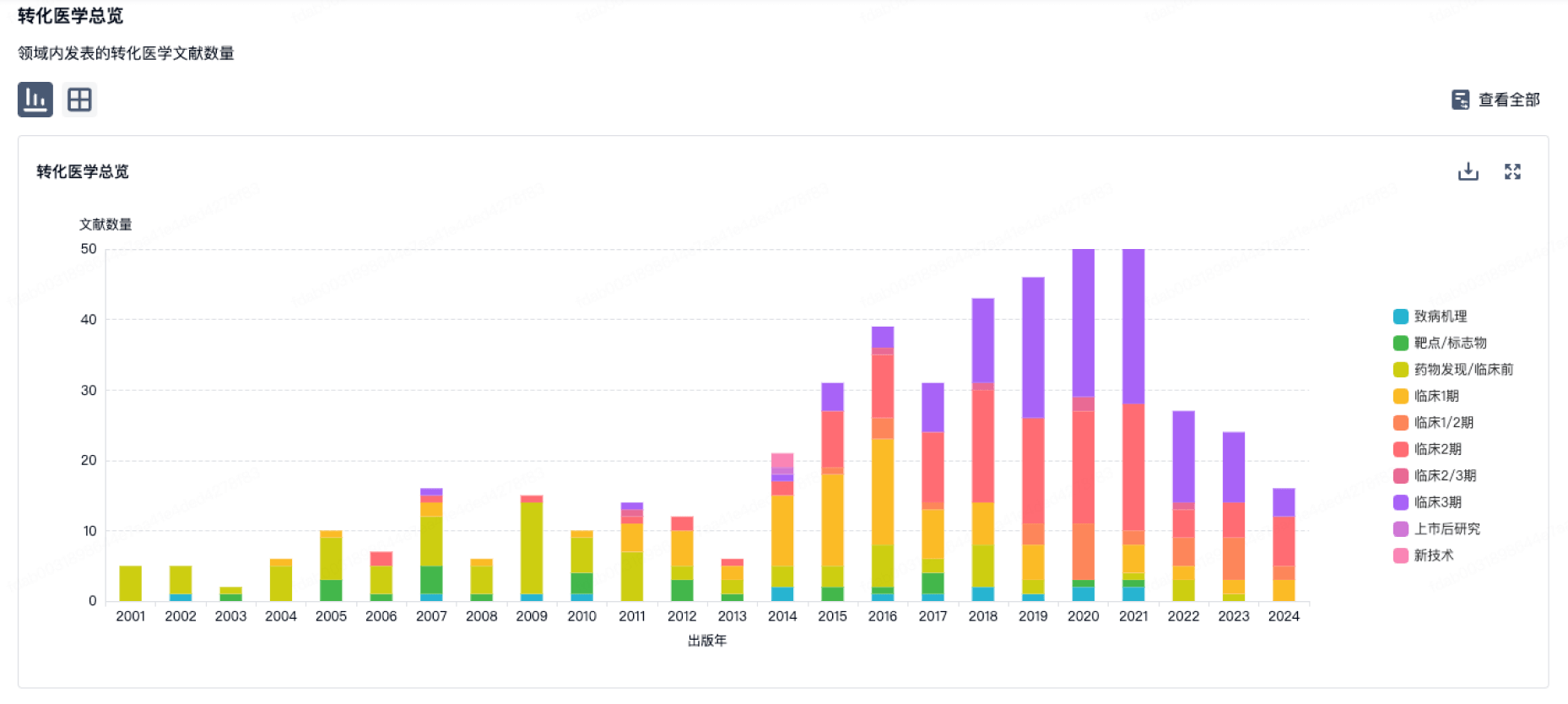
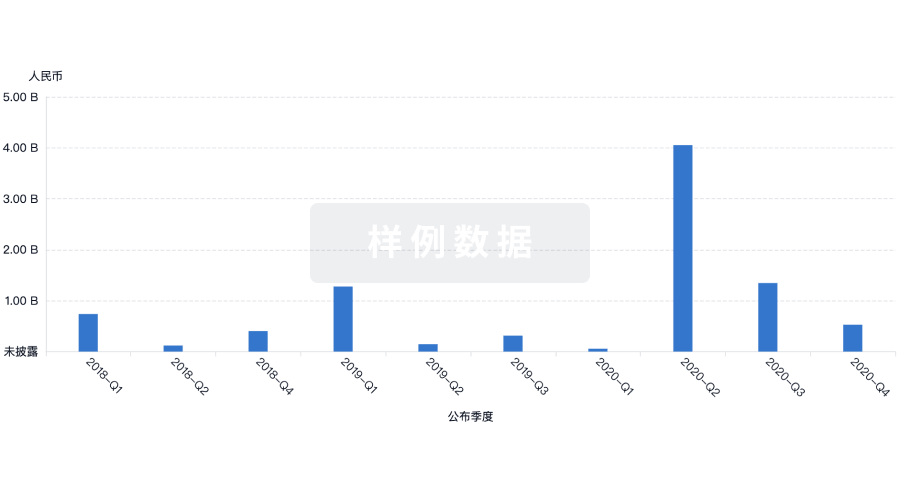
营收
使用 Synapse 探索超过 36 万个组织的财务状况。
登录
或
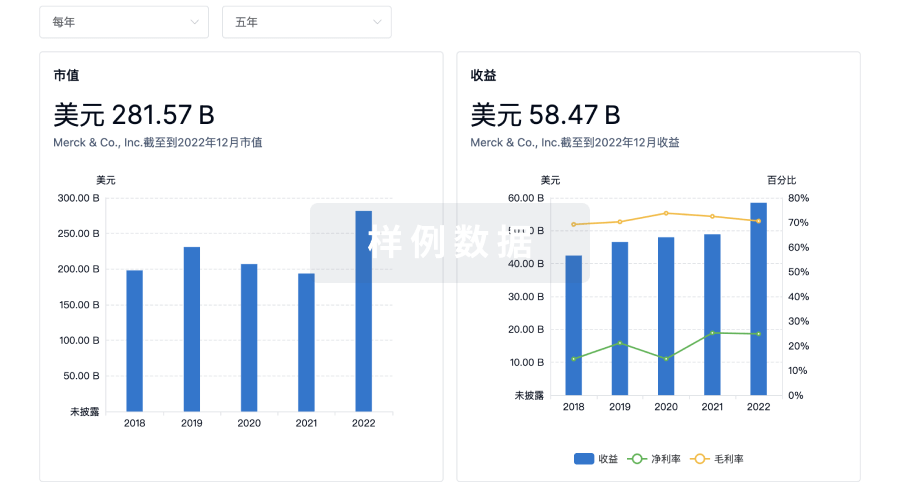
科研基金(NIH)
访问超过 200 万项资助和基金信息,以提升您的研究之旅。
登录
或
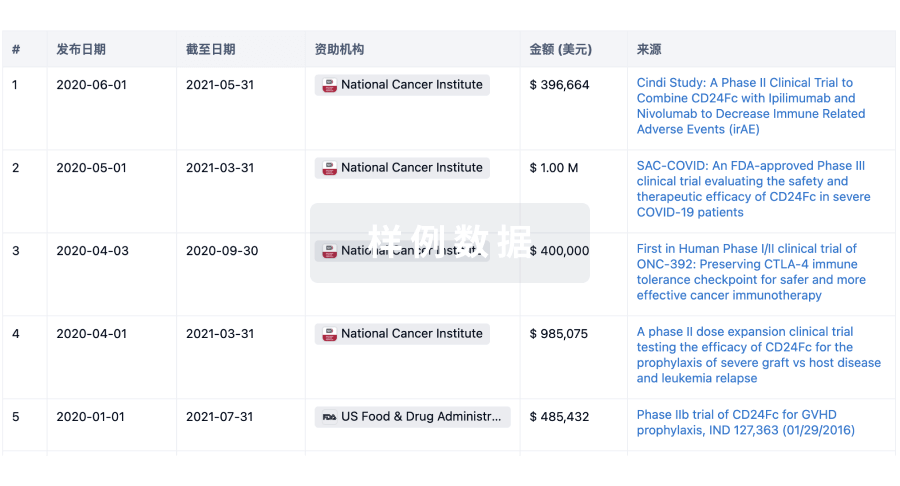
投资
深入了解从初创企业到成熟企业的最新公司投资动态。
登录
或
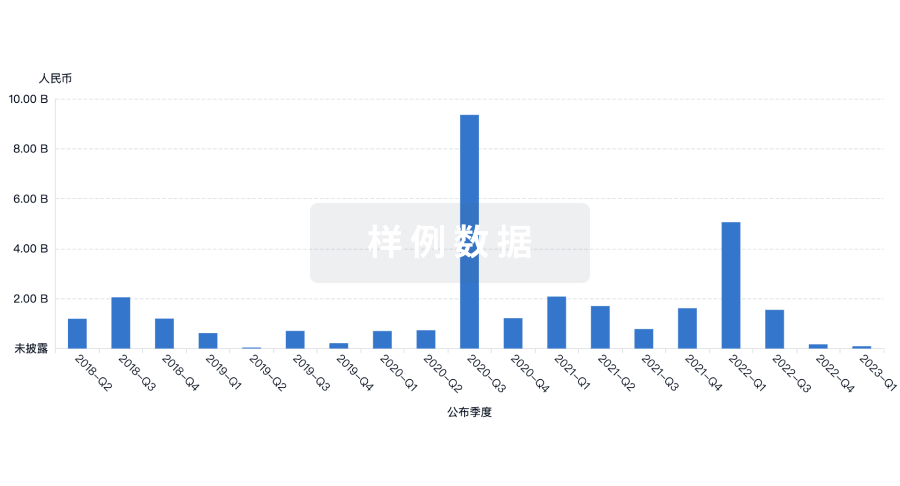
融资
发掘融资趋势以验证和推进您的投资机会。
登录
或
提出任何生物医药研究问题
让每一步生物医药决策都精准制胜
基于十亿级生物数据与全球情报的精准 AI,赋能早期药物发现
立即开始免费试用!
智慧芽新药情报库是智慧芽专为生命科学人士构建的基于AI的创新药情报平台,助您全方位提升您的研发与决策效率。
立即接入生物医药数据包
智慧芽新药库数据也通过智慧芽开放平台,以MCP或API服务形式对外开放。立即使用我们的MCP服务定制您的LLM智能体。
生物序列数据库
生物药研发创新
免费使用
化学结构数据库
小分子化药研发创新
免费使用