预约演示
更新于:2026-05-26

Genzyme Corp.
更新于:2026-05-26
概览
标签
其他疾病
神经系统疾病
免疫系统疾病
小分子化药
siRNA
酶
疾病领域得分
一眼洞穿机构专注的疾病领域

技术平台
公司药物应用最多的技术
靶点
公司最常开发的靶点
关联
靶点 |
作用机制 |
在研机构 |
原研机构 |
在研适应症 |
非在研适应症 |
最高研发阶段 |
首次获批国家/地区 |
首次获批日期 |

靶点 |
作用机制 |
在研机构 |
原研机构 |
在研适应症 |
非在研适应症 |
最高研发阶段 |
首次获批国家/地区 |
首次获批日期 |

靶点 |
作用机制 |
在研机构 |
原研机构 |
在研适应症 |
非在研适应症 |
最高研发阶段 |
首次获批国家/地区 |
首次获批日期 |

NCT07582276
A Multi-institution Prospective Assessment of Bone Health in Patients With Severe Hemophilia A on Factor VIII vs Factor Mimetic Prophylaxis (Efa Emi Bone Health Study)
NCT07087106
Novel Assessment of Glucose Consumption in Multiple Sclerosis Utilizing [F-18]FDG-PET

NCT06666413
A Single-arm, Open-label, Phase 4 Study to Evaluate the Safety and Efficacy of Avalglucosidase Alfa in Chinese Participants With Infantile-onset Pompe Disease (IOPD)
100 项与 Genzyme Corp. 相关的临床结果
登录后查看更多信息
登录后查看更多信息
2025-06-01Osteoporosis and sarcopenia
Advancing muscle aging and sarcopenia research through spatial transcriptomics
Review
作者: Tran, Minh Nhat ; Jayasinghe, Jayasinghage Nirmani Chathurangika ; Kwon, Ki-Sun ; Min, Byeong-Don ; Kim, Doyeong ; Kim, Sang-Yun ; Park, Sang-Min ; Hwang, Chae Young
Sarcopenia, defined as a decline of muscle mass and function with aging, poses significant health challenges. This decline is driven by multiple factors including cellular dysfunction, mitochondrial impairments, oxidative stress, and chronic inflammation, all of which collectively disrupt muscle homeostasis and regeneration. Despite the lack of approved treatments for sarcopenia, the search for effective therapies continues as various pharmacological interventions are currently in the early stage of development. Recent advances in transcriptomics have enhanced our understanding of the molecular and cellular mechanisms underlying skeletal muscle aging. In particular, spatial transcriptomics (ST) has revolutionized the field of sarcopenia research by capturing the spatial context of gene expression to uncover site-specific regulation and cellular interactions within tissues. In this review, we explore the current knowledge of sarcopenia, the mechanisms underlying muscle aging, and recent developments in therapeutic strategies. Furthermore, we examine recent studies employing ST that have provided critical insights into the spatial heterogeneity of muscle aging and atrophy, revealing novel cellular and molecular targets for intervention. By connecting muscle pathophysiology with spatial information, ST holds promise for guiding the development of novel sarcopenia therapies, ultimately improving outcomes for aging populations worldwide.
2025-05-01BIOCHIMICA ET BIOPHYSICA ACTA-GENERAL SUBJECTS
High glucose induces FABP3-mediated membrane rigidity via downregulation of SIRT1
Article
作者: Shin, Yeo Jin ; Ryu, Dongryeol ; Kwon, Ki-Sun ; Suh, Jae Myoung ; Kwak, Ju Yeon ; Lee, Kwang-Pyo ; Lee, Seung-Min ; Lee, Younglang ; Yang, Yong Ryoul
High glucose induces an atypical lipid composition in skeletal muscle, leading to loss of muscle mass and strength. However, the mechanisms underlying this glucose toxicity are not fully understood. Analysis of genes associated with a phenotype using the BXD phenome resource revealed that increased Fabp3 expression in skeletal muscle correlated with hyperglycemia. FABP3 expression was also increased in hyperglycemic mouse models such as leptin-deficient ob/ob, Ins2Akita, and high-fat fed mice, as well as in aged mice. In cultured myotubes, high glucose elevated the mRNA and protein levels of FABP3, which contributes to decreased membrane fluidity, along with other mechanisms. FABP3 expression was dependent on the NAD+/NADH ratio and SIRT1 activity, suggesting a mechanism by which FABP3 is upregulated in hyperglycemic conditions. Our findings propose that FABP3 links hyperglycemia to atypical membrane physicochemical properties, which may weaken contractile and metabolic function, particularly in skeletal muscle.
2023-10-01Experimental gerontology
Human primary myoblasts derived from paraspinal muscle reflect donor age as an experimental model of sarcopenia
Article
作者: Son, Young Hoon ; Lee, Kwang-Pyo ; Kwon, Ki-Sun ; Kim, Whoan Jeang ; Lee, Seung Hoon ; Kim, Kap Jung ; Lee, Bora ; Shin, Yeo Jin ; Lee, Seung-Min
BACKGROUND:
Low back pain is a general phenomenon of aging, and surgery is an unavoidable choice to relieve severe back pain. The discarded surgical site during surgery is of high value for muscle and muscle-related research. This study investigated the age-dependent properties of patients' paraspinal muscles at the cellular level.
METHODS:
To define an association of paraspinal muscle degeneration with sarcopenia, we analyzed lumbar paraspinal muscle and myoblasts isolated from donors of various ages (25-77 years). Preoperative evaluations were performed by bioimpedance analysis using the InBody 720, magnetic resonance (MR) imaging of the lumbar spine, and lumbar extension strength using a lumbar extension dynamometer. In addition, the growth and differentiation capacity of myoblasts obtained from the donor was determined using proliferation assay and western blotting.
RESULTS:
The cross-sectional area of the lumbar paraspinal muscle decreased with age and was also correlated with the appendicular skeletal muscle index (ASM/height2). Human primary myoblasts isolated from paraspinal muscle preserved their proliferative capacity in vitro, which tended to decrease with donor age. The age-dependent decline in myoblast proliferation was correlated with levels of cell cycle inhibitory proteins (p16INK4a, p21CIP1, and p27KIP1) associated with cellular senescence. Primary myoblasts isolated from younger donors differentiated into multinucleate myotubes earlier and at a higher rate than those from older donors in vitro. Age-dependent decline in myogenic potential of the isolated primary myoblasts was likely correlated with the inactivation of myogenic transcription factors such as MyoD, myogenin, and MEF2c.
CONCLUSIONS:
Myoblasts isolated from human paraspinal muscle preserve myogenic potential that correlates with donor age, providing an in vitro model of sarcopenia.
2026-05-21
100 项与 Genzyme Corp. 相关的药物交易
登录后查看更多信息
100 项与 Genzyme Corp. 相关的转化医学
登录后查看更多信息
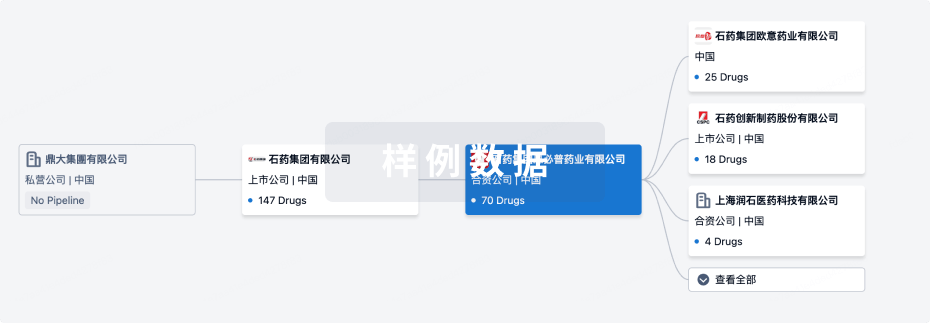
组织架构
使用我们的机构树数据加速您的研究。
登录
或
管线布局
2026年10月14日管线快照
管线布局中药物为当前组织机构及其子机构作为药物机构进行统计,早期临床1期并入临床1期,临床1/2期并入临床2期,临床2/3期并入临床3期
药物发现
7
11
临床前
临床2期
7
1
临床3期
批准上市
46
261
其他
登录后查看更多信息
当前项目
登录后查看更多信息
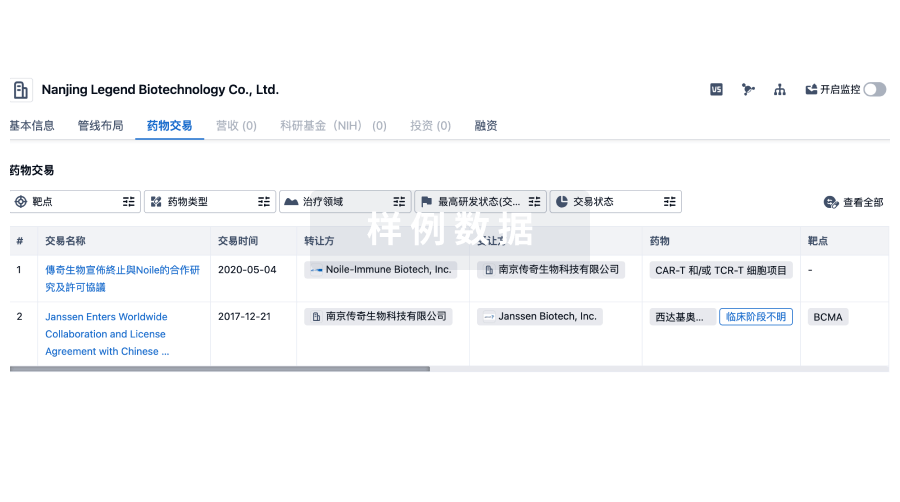
药物交易
使用我们的药物交易数据加速您的研究。
登录
或
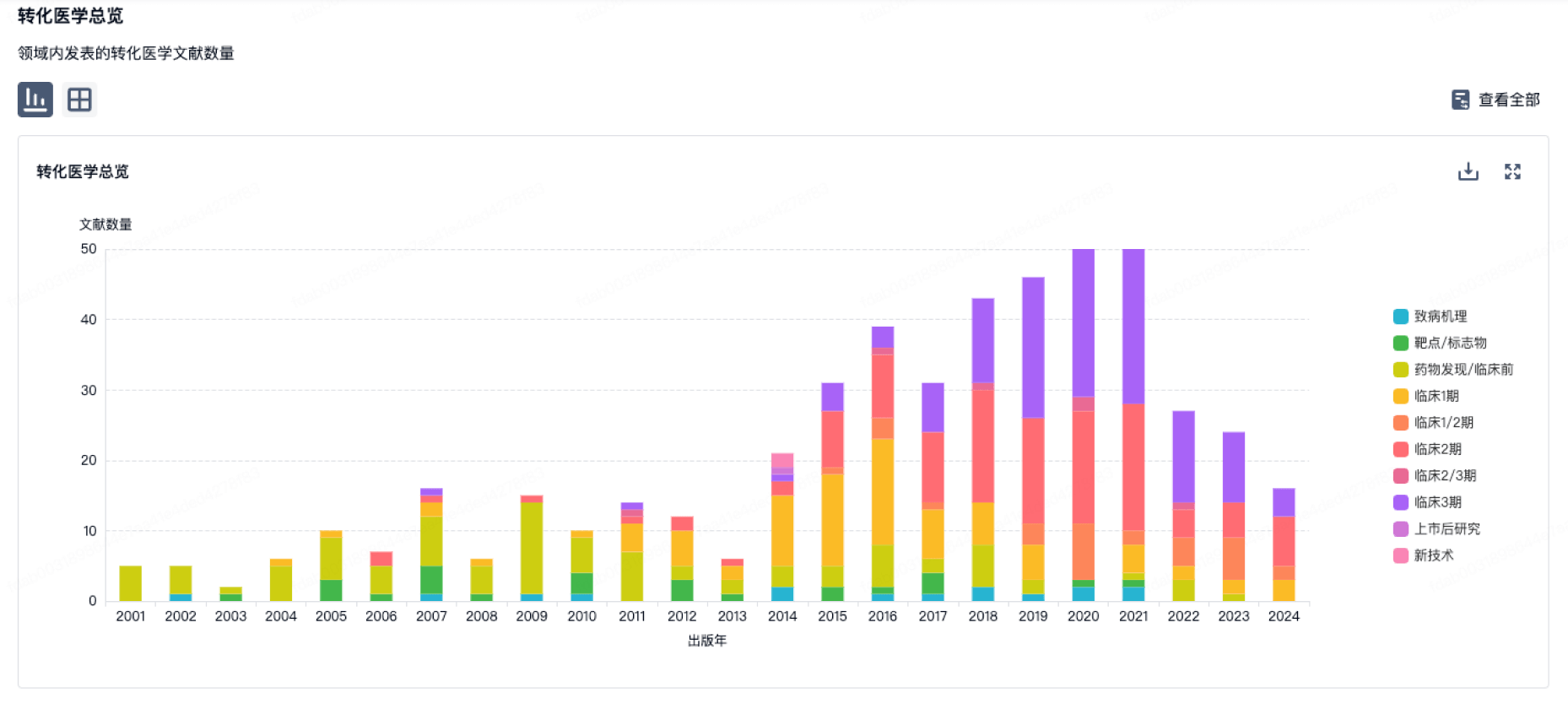
转化医学
使用我们的转化医学数据加速您的研究。
登录
或
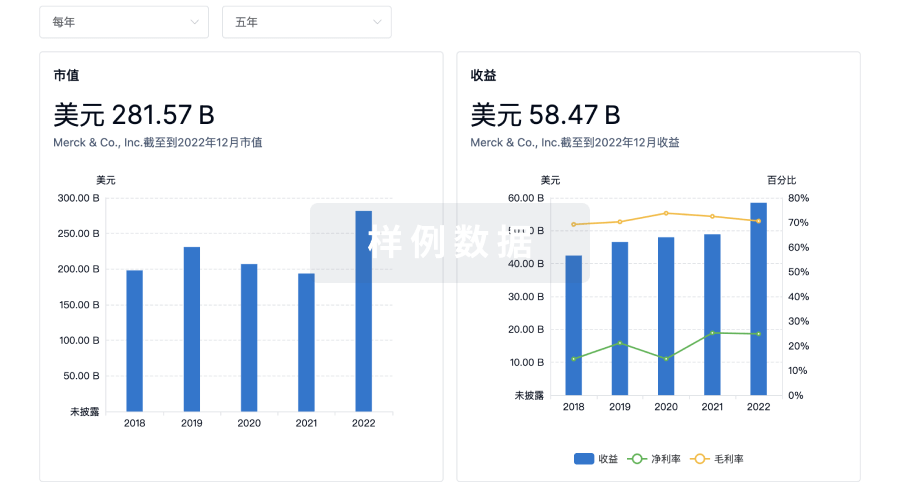
营收
使用 Synapse 探索超过 36 万个组织的财务状况。
登录
或
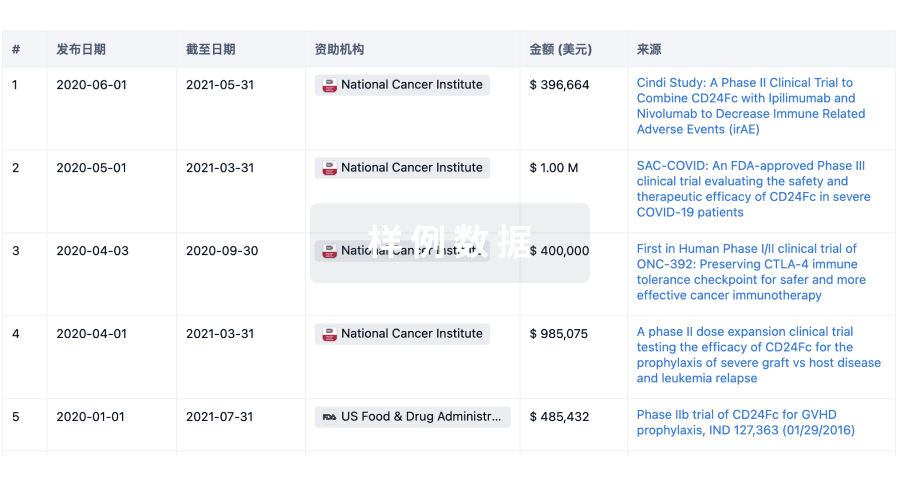
科研基金(NIH)
访问超过 200 万项资助和基金信息,以提升您的研究之旅。
登录
或
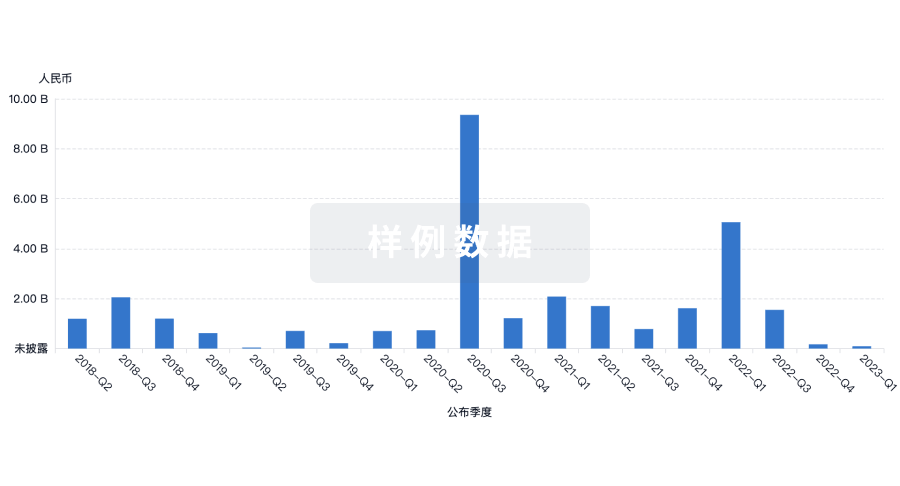
投资
深入了解从初创企业到成熟企业的最新公司投资动态。
登录
或
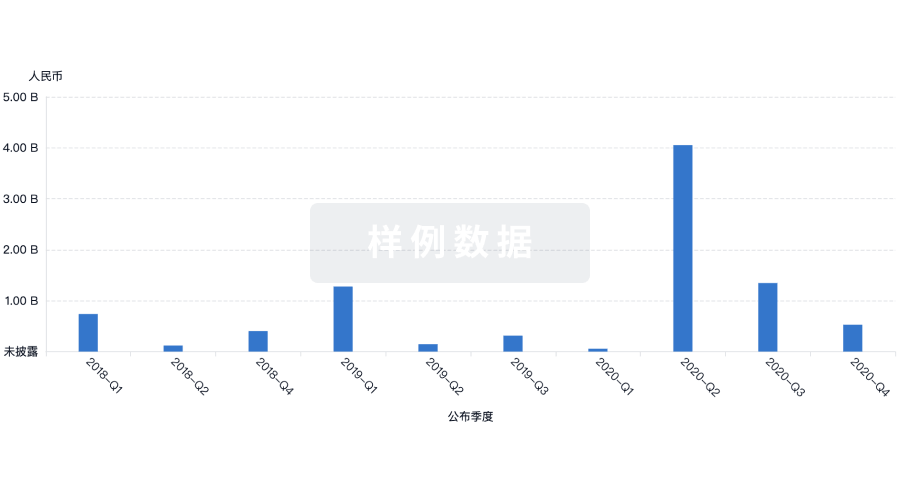
融资
发掘融资趋势以验证和推进您的投资机会。
登录
或
提出任何生物医药研究问题
让每一步生物医药决策都精准制胜
基于十亿级生物数据与全球情报的精准 AI,赋能早期药物发现
立即开始免费试用!
智慧芽新药情报库是智慧芽专为生命科学人士构建的基于AI的创新药情报平台,助您全方位提升您的研发与决策效率。
立即接入生物医药数据包
智慧芽新药库数据也通过智慧芽开放平台,以MCP或API服务形式对外开放。立即使用我们的MCP服务定制您的LLM智能体。
生物序列数据库
生物药研发创新
免费使用
化学结构数据库
小分子化药研发创新
免费使用