预约演示
更新于:2026-06-28

Guangdong Medical University
更新于:2026-06-28
概览
标签
肿瘤
其他疾病
神经系统疾病
小分子化药
化学药
适配体
疾病领域得分
一眼洞穿机构专注的疾病领域

技术平台
公司药物应用最多的技术
靶点
公司最常开发的靶点
关联
靶点 |
作用机制 |
在研机构 |
原研机构 |
在研适应症 |
非在研适应症 |
最高研发阶段 |
首次获批国家/地区 |
首次获批日期 |
靶点 |
作用机制 |
在研机构 |
原研机构 |
在研适应症 |
非在研适应症 |
最高研发阶段 |
首次获批国家/地区 |
首次获批日期 |

靶点 |
作用机制 |
在研机构 |
原研机构 |
在研适应症 |
非在研适应症 |
最高研发阶段 |
首次获批国家/地区 |
首次获批日期 |


ChiCTR2500101975
Study on the mechanism of gut microbiota and its metabolic product short-chain fatty acids in the comprehensive intervention-mediated improvement of childhood obesity complicated with hypertension
ChiCTR2400082189
MRI-based imaging histology predicts extra-mural vascular invasion in rectal cancer
ChiCTR2300073906
Incidence rate and molecular mechanism of peripheral PICC tube insertion combined with venous thromboembolism in patients with nasopharyngeal carcinoma
100 项与 广东医科大学 相关的临床结果
登录后查看更多信息
登录后查看更多信息
2026-12-01MOLECULAR BIOLOGY REPORTS
Targeting the USP7-PGAM5 axis overcomes oxaliplatin resistance in colorectal cancer
Article
作者: He, Yaoming ; Ma, Yongfeng ; Wang, Chengxing ; Zhou, Chaorong ; Liang, Weijun ; Zhao, Jinglin ; He, Canxiu
2026-09-01JOURNAL OF ETHNOPHARMACOLOGY
Mechanisms of Wu Zhuyu Decoction in the treatment of hepatocellular carcinoma: An integrative review of ethnopharmacology, pharmacological actions, and clinical potential
Review
作者: Lu, Wanni ; Cui, Wei ; He, Xin ; Luo, Yuhong ; Sun, Yihao ; Wang, Rui-Qi ; Jiang, Sunlu ; Zhang, Ying ; Li, Hong ; Zhao, Jing-Yuan ; Dong, Jia-Mei
ETHNOPHARMACOLOGICAL RELEVANCE:
Wu Zhuyu Decoction (WZYD) is a classical formula in traditional Chinese medicine (TCM) that has been historically prescribed for conditions characterized by coldness in the Middle Jiao, such as astrict cold-induced vomiting and anorexia. Beyond its traditional indications, WZYD has been integrated into various ethnomedical systems, including Tibetan and Mongolian medicine-and is increasingly recognized for its anti-inflammatory, antioxidant, and potential antitumor properties.
AIM OF THE REVIEW:
This review aims to explore the mechanisms of WZYD in HCC treatment, including its effects on the gut-liver axis and its clinical potential, which provides a basis for its application in HCC therapy.
MATERIALS AND METHODS:
The relevant literature on WZYD and HCC was obtained from multiple databases, including Google Scholar, Web of Science, PubMed, CNKI and other sources.
RESULTS:
WZYD and its active components may exert synergistic antitumor effects against HCC through multiple pathways. These mechanisms include inhibition of the EGF-EGFR- ERK1/2-HIF-1α signaling axis, modulation of the NOX2/Src/MAPK pathway, and regulation of the gut microbiota. This multi-target action may collectively suppresses tumor growth and metastasis, and potentially alleviate symptoms associated with HCC.
CONCLUSIONS:
WZYD shows potential multi-level, multi-target effects against HCC. However, current evidence is largely preliminary, derived from non-HCC models or in vitro studies, and direct clinical evidence in HCC patients is lacking. Future HCC-specific studies and clinical trials are needed to validate its therapeutic potential. Research efforts should focus on elucidating WZYD 's specific mechanisms of action against HCC and exploring evidence-based application in HCC treatment.
2026-07-01Practical Laboratory Medicine
A complete blood count-based machine learning model for rapid differentiation of aplastic anemia, immune thrombocytopenia, and myelodysplastic syndromes in routine clinical practice
Article
作者: Wang, Xiaohan ; Huang, Jian ; Xi, Jingwen ; Yuan, Yu ; Liu, Huan
Background:
Accurate differentiation of common hematologic disorders remains challenging in routine clinical practice and often requires invasive diagnostic procedures. Although complete blood count (CBC) testing is widely available, its diagnostic value for early disease triage has not been fully understood.
Methods:
Retrospectively, among 165,181 routine blood test records collected between October 2011 and June 2025, 4056 samples with confirmed diagnoses were included for model development and validation after exclusion of cases lacking definitive diagnostic information. Patients were classified into aplastic anemia (AA), immune thrombocytopenia (ITP), myelodysplastic syndrome (MDS), and other hematologic conditions. Machine learning models were developed using routinely available CBC parameters. Model performance was assessed using one-vs-rest receiver operating characteristic (ROC) curves, area under the curve (AUC), and class-specific precision, recall, and F1-scores. Model interpretability was evaluated using Shapley Additive exPlanations (SHAP).
Results:
Baseline demographic and hematologic parameters differed significantly among diagnostic groups (all P < 0.001). Among the evaluated models, LightGBM demonstrated robust overall performance, achieving one-vs-rest AUCs of 0.920 for AA, 0.970 for ITP, 0.788 for MDS, and 0.870 for other conditions, with an overall accuracy of 0.82. While AA and ITP were identified with favorable precision and recall, MDS showed lower recall, reflecting substantial overlap in routine laboratory features. SHAP analysis identified platelet count, red blood cell count, and white blood cell count as the most influential predictors.
Conclusions:
A machine learning model based on routinely available CBC parameters can support non-invasive differentiation of common hematologic disorders. This approach may serve as a practical screening and triage tool at the outpatient or pre-bone marrow stage, helping optimize the use of invasive diagnostic procedures.
2026-06-27
细胞疗法免疫疗法基因疗法核酸药物
2026-06-25
·广东医谷
100 项与 广东医科大学 相关的药物交易
登录后查看更多信息
100 项与 广东医科大学 相关的转化医学
登录后查看更多信息
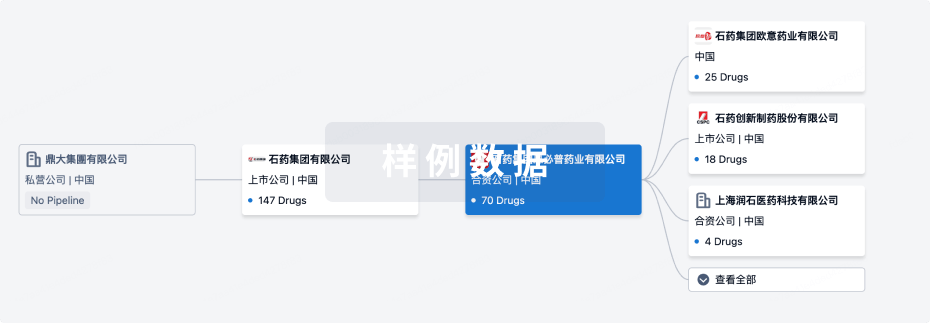
组织架构
使用我们的机构树数据加速您的研究。
登录
或
管线布局
2026年10月13日管线快照
管线布局中药物为当前组织机构及其子机构作为药物机构进行统计,早期临床1期并入临床1期,临床1/2期并入临床2期,临床2/3期并入临床3期
药物发现
9
25
临床前
登录后查看更多信息
当前项目
登录后查看更多信息
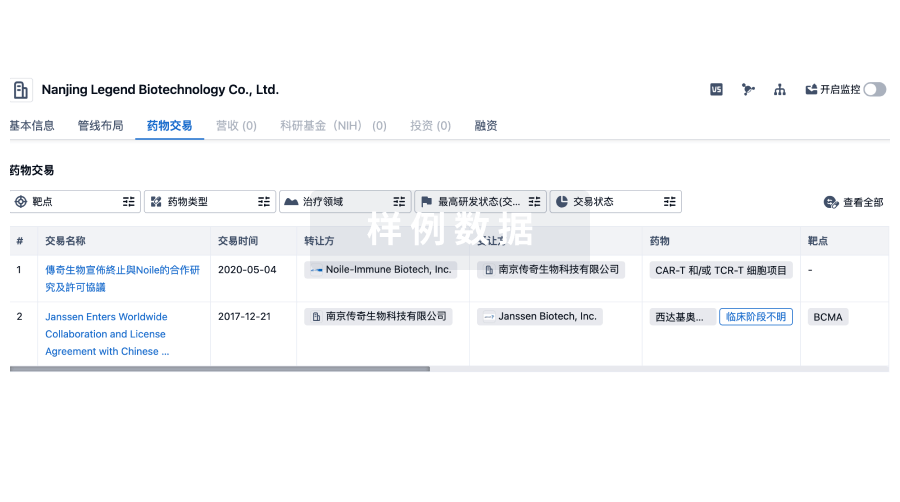
药物交易
使用我们的药物交易数据加速您的研究。
登录
或
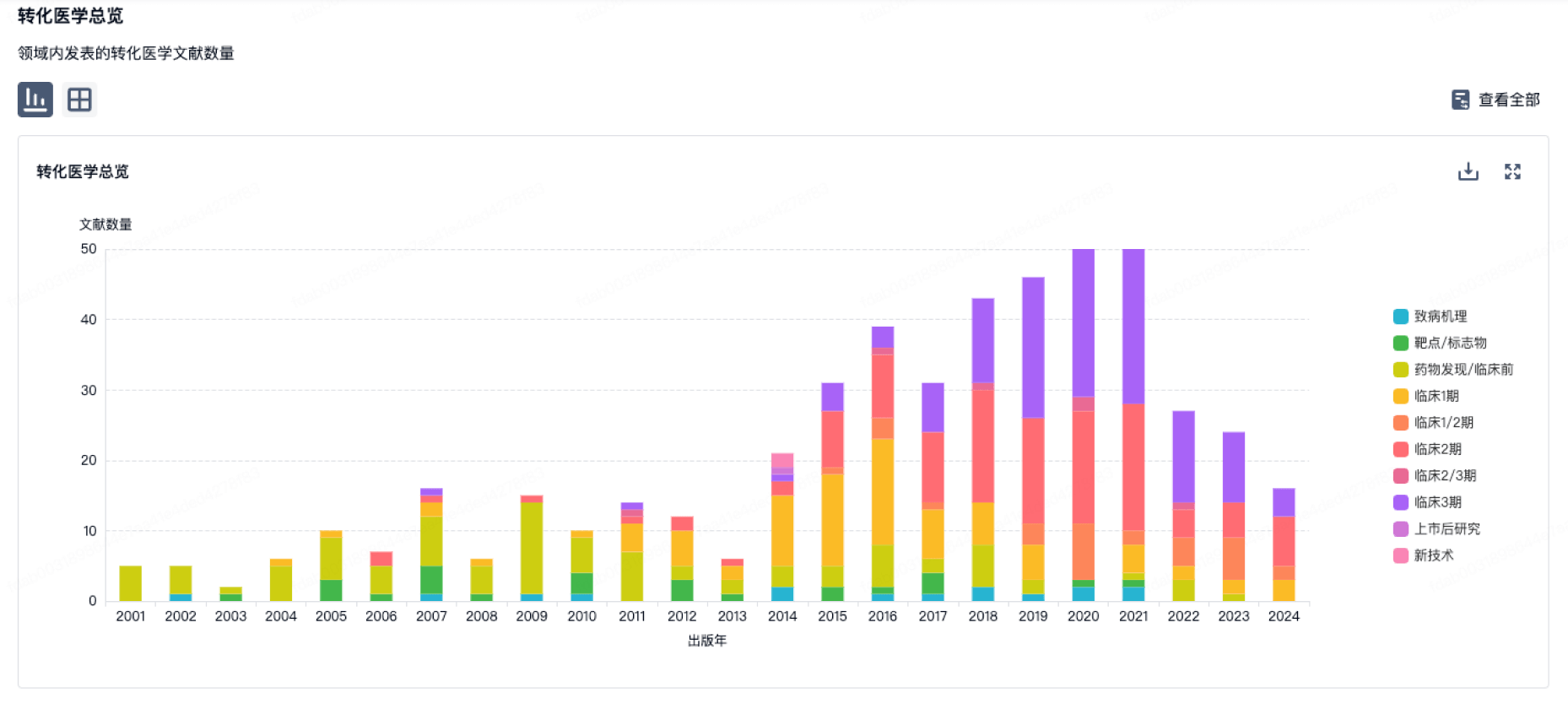
转化医学
使用我们的转化医学数据加速您的研究。
登录
或
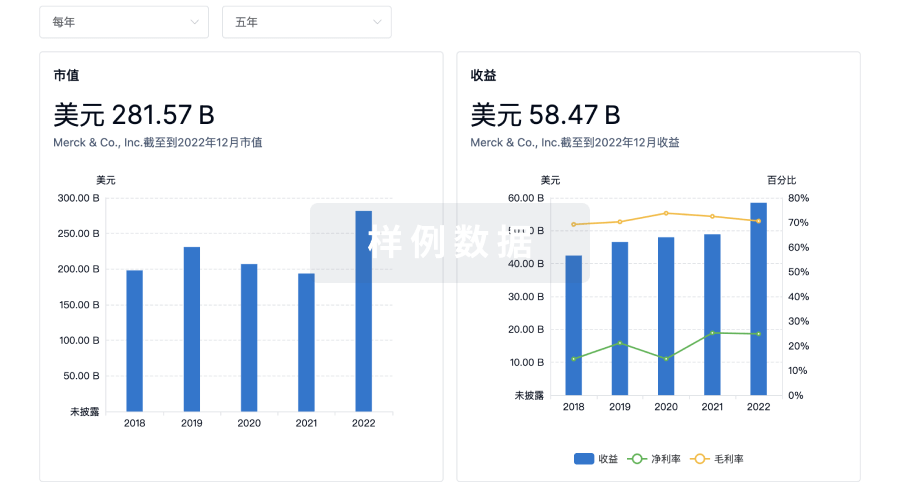
营收
使用 Synapse 探索超过 36 万个组织的财务状况。
登录
或
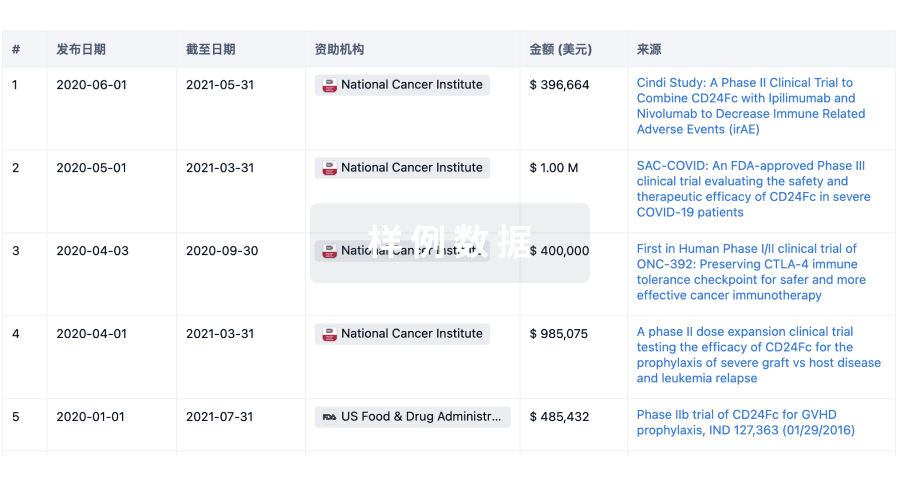
科研基金(NIH)
访问超过 200 万项资助和基金信息,以提升您的研究之旅。
登录
或
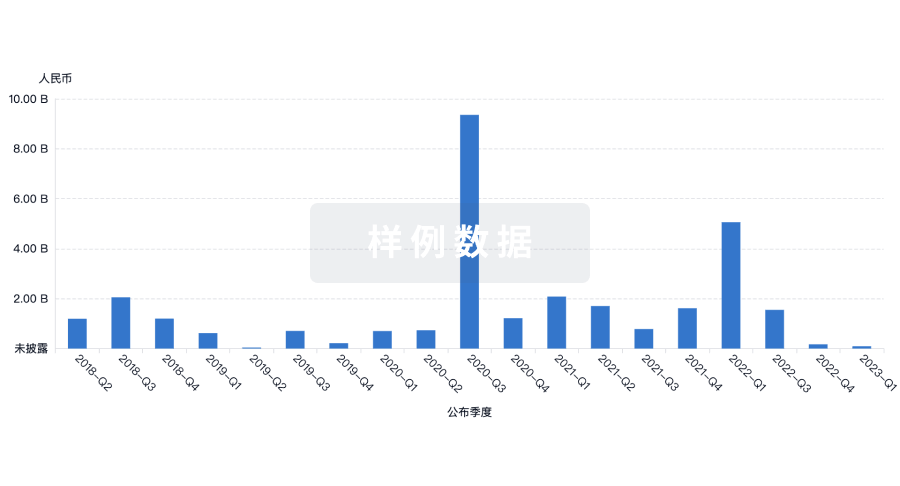
投资
深入了解从初创企业到成熟企业的最新公司投资动态。
登录
或
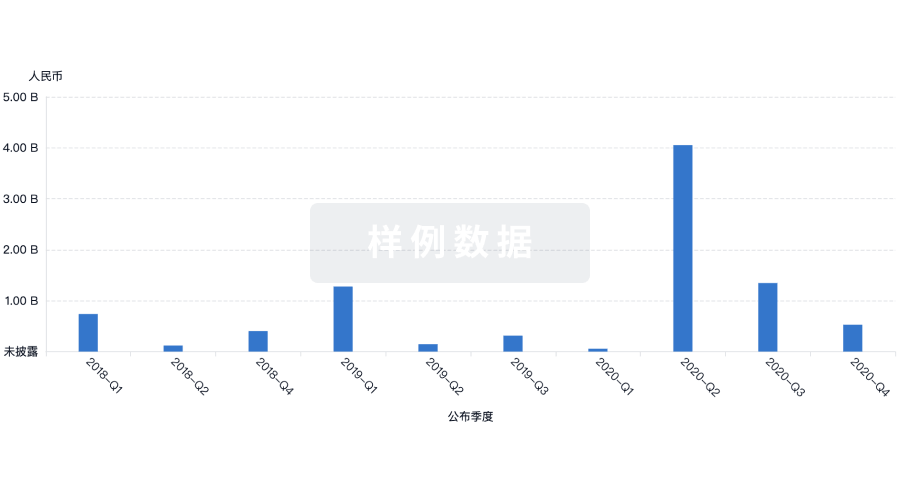
融资
发掘融资趋势以验证和推进您的投资机会。
登录
或
提出任何生物医药研究问题
让每一步生物医药决策都精准制胜
基于十亿级生物数据与全球情报的精准 AI,赋能早期药物发现
立即开始免费试用!
智慧芽新药情报库是智慧芽专为生命科学人士构建的基于AI的创新药情报平台,助您全方位提升您的研发与决策效率。
立即接入生物医药数据包
智慧芽新药库数据也通过智慧芽开放平台,以MCP或API服务形式对外开放。立即使用我们的MCP服务定制您的LLM智能体。
生物序列数据库
生物药研发创新
免费使用
化学结构数据库
小分子化药研发创新
免费使用