预约演示
更新于:2026-02-01

Chengdu University of Traditional Chinese Medicine
更新于:2026-02-01
概览
标签
其他疾病
消化系统疾病
呼吸系统疾病
小分子化药
化学药
中药
疾病领域得分
一眼洞穿机构专注的疾病领域

技术平台
公司药物应用最多的技术
靶点
公司最常开发的靶点
关联
靶点 |
作用机制 |
在研机构 |
原研机构 |
在研适应症 |
非在研适应症 |
最高研发阶段 |
首次获批国家/地区 |
首次获批日期 |

靶点 |
作用机制 |
在研机构 |
原研机构 |
在研适应症 |
非在研适应症 |
最高研发阶段 |
首次获批国家/地区 |
首次获批日期 |
靶点 |
作用机制 |
在研机构 |
原研机构 |
在研适应症 |
非在研适应症 |
最高研发阶段 |
首次获批国家/地区 |
首次获批日期 |

NCT07355751
The Effect of Acupuncture Treatment on Cognitive Functions and Brain Networks for Long COVID: a Multimodal Magnetic Resonance Imaging Study
NCT07357688
The Effect of Acupuncture Therapy on Cognitive Function in Post-COVID-19 Myalgic Encephalomyelitis/Chronic Fatigue Syndrome: A Study With Multimodal Magnetic Resonance Imaging
NCT07277218
Title: Drug-coated Balloons Versus Drug-eluting Stents for the Treatment of Femoropopliteal In-Stent Restenosis: A Prospective, Multicenter, Cohort Study (The Defier Study)
100 项与 成都中医药大学 相关的临床结果
登录后查看更多信息
登录后查看更多信息
2026-12-31ANNALS OF MEDICINE
Comparative effects of pharmacological interventions in the prophylactic treatment of tension-type headache: systematic review and network meta-analysis
Review
作者: Zheng, Hui ; Hua, Can ; Li, Xin-Yu ; Pantila, Kulachai ; Chen, Bo-Zhu ; Xie, Chao-Rong ; Lin, Li ; Mou, Jian-Jiao ; Wang, Zhen-Zhi ; Tao, Qing-Feng
BACKGROUND:
Tension-type headache (TTH) is the most common neurological disorder. The comparative effect of pharmacological interventions for TTH prophylaxis remains unclear. We aimed to assess the comparative effects of pharmacological interventions in the prophylactic treatment of TTH.
METHODS:
Ovid Medline, Embase, and Cochrane were searched from inception to 12 December, 2025. Randomized controlled trials (RCTs) of medications compared to placebo or another medication for preventing TTH were included. The primary outcome was headache days per month. A Bayesian random-effect model was employed as the primary analysis of chronic TTH.
RESULTS:
Thirty-five RCTs were included, 33 (88.6%) RCTs involved chronic TTH patients, and 24 RCTs provided available data for meta-analysis. Amitriptyline 100 mg presented more reduction of monthly headache days than placebo at 4 and 8 weeks (4 weeks: MD -6.59, 95% CrI -11.22 to -0.64; 8 weeks: MD -6.14, 95% CrI -10.27 to -0.87). BTX-A 100 U can reduce monthly headache days (MD -3.79, 95% CrI -7.16 to -0.33). Amitriptyline 100 mg was the highest-ranked treatment for monthly headache days at 4 (SUCRA 0.85), 8 (SUCRA 0.85), and 24 (SUCRA 0.87) weeks; 12 weeks was lidocaine 25 ml (SUCRA 0.75). Amitriptyline 100 mg and BTX-A 500 U showed a higher adverse event rate than placebo.
CONCLUSION:
Amitriptyline 100 mg and BTX-A 100 U may be options to reduce monthly headache days in patients with chronic TTH. Given the low to very low certainty of evidence, high risk of bias, and high heterogeneity, more studies are needed.
TRIAL REGISTRATION:
PROSPERO (CRD42025639586).
2026-12-01MOLECULAR BIOLOGY REPORTS
Brown adipocytes from pluripotent stem cells: a promising therapy for obesity
Review
作者: Ma, Xiaoju ; Hu, Tingting ; Huang, Yan ; Rao, Chaolong ; Jiang, Jialuo ; Leng, Tian ; Chen, Yan ; Ha, Minggui
The identification of functional brown adipose tissue (BAT) and beige adipose tissue with significant thermogenic capabilities in adults has opened new avenues in the battle against obesity and its associated comorbidities.However, although obesity can be alleviated through strategies such as increasing physical activity, improving diet, and drug intervention, these methods all have inherent limitations, such as low compliance and obvious side effects. Consequently, there is an urgent need to investigate novel and effective methods for combating obesity. With ongoing advancements in stem cell technology, stem cell therapy has emerged as a promising strategy. Recent studies have demonstrated that certain pluripotent stem cells can differentiate into BAT under specific conditions and, when transplanted into mice, can elevate the animals' body temperature and metabolic rate. This suggests that pluripotent stem cells may represent a viable therapeutic option for addressing metabolic disorders such as obesity and diabetes. Owing to their distinct advantages, pluripotent stem cells have become the preferred choice for stem cell therapy in the treatment of obesity. This article will mainly focus on the differentiation process of pluripotent stem cells into brown adipocytes, as well as the application of gene editing technology in this field.
2026-04-01TISSUE & CELL
The protective effect and mechanism of phycocyanin on diabetic retinopathy in rats
Article
作者: Li, Han ; Huang, Hongli ; Liu, Jinshen ; Shi, Fuju ; Zuo, Jiehui ; Wang, Linhong
Phycocyanin (PC), a bioactive pigment extracted from Spirulina, possesses multiple biological activities, including anti-inflammatory, antioxidant, and anticancer effects. The present study aimed to investigate the protective role of PC on the retina of diabetic rats and to elucidate its underlying mechanisms.Diabetes mellitus (DM) was induced in the model group (DM group) and the treatment group (PC group) by a single intraperitoneal injection of streptozotocin (STZ) at a dose of 55 mg/kg. After model establishment, the PC group received PC solution by daily oral gavage at a dose of 300 mg/kg for 12 consecutive weeks.Diabetic status was assessed by monitoring fasting blood glucose(FBG) levels, body weight, and general condition of the rats. Retinal histopathological changes were evaluated using hematoxylin and eosin H&E staining. Oxidative stress parameters, including catalase (CAT), superoxide dismutase (SOD), and glutathione (GSH), were measured using commercial biochemical assay kits. Reactive oxygen species (ROS) levels were determined by enzyme-linked immunosorbent assay (ELISA). Additionally, the expression of NRF2 and HO-1 proteins in retinal tissue was assessed by immunohistochemistry and Western blot analysis, while NRF2 and HO-1 mRNA expression levels were quantified using Real-Time PCR.The results indicated that PC administration did not significantly improve FBG or body weight in diabetic rats. However, PC markedly enhanced the activities of CAT, SOD, and GSH, reduced ROS accumulation, upregulated NRF2 and HO-1 protein expression, and attenuated oxidative stress-induced retinal injury in diabetic rats.
100 项与 成都中医药大学 相关的药物交易
登录后查看更多信息
100 项与 成都中医药大学 相关的转化医学
登录后查看更多信息
组织架构
使用我们的机构树数据加速您的研究。
登录
或
管线布局
2026年10月10日管线快照
管线布局中药物为当前组织机构及其子机构作为药物机构进行统计,早期临床1期并入临床1期,临床1/2期并入临床2期,临床2/3期并入临床3期
药物发现
4
28
临床前
临床申请批准
2
1
临床2期
其他
1
登录后查看更多信息
当前项目
登录后查看更多信息
药物交易
使用我们的药物交易数据加速您的研究。
登录
或
转化医学
使用我们的转化医学数据加速您的研究。
登录
或
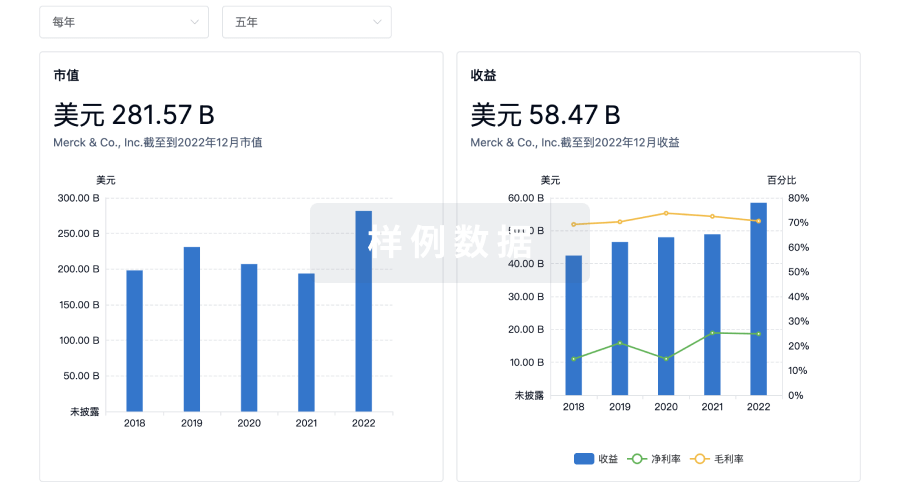
营收
使用 Synapse 探索超过 36 万个组织的财务状况。
登录
或
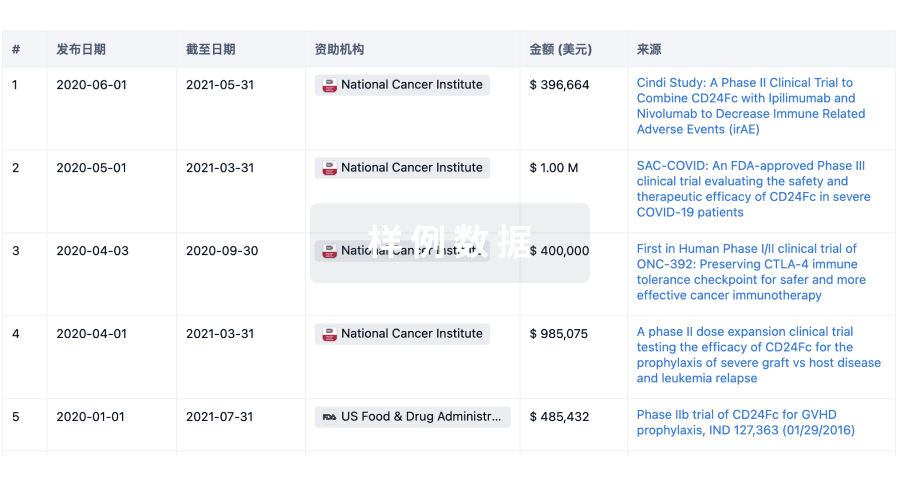
科研基金(NIH)
访问超过 200 万项资助和基金信息,以提升您的研究之旅。
登录
或
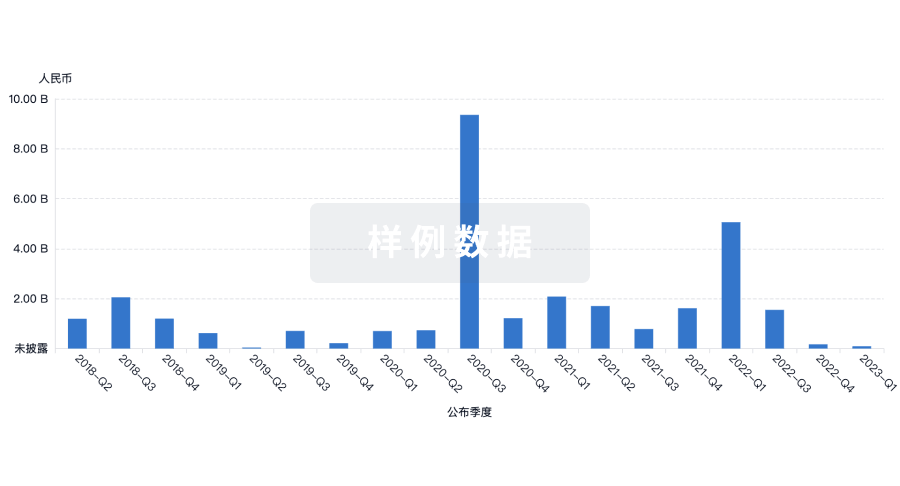
投资
深入了解从初创企业到成熟企业的最新公司投资动态。
登录
或
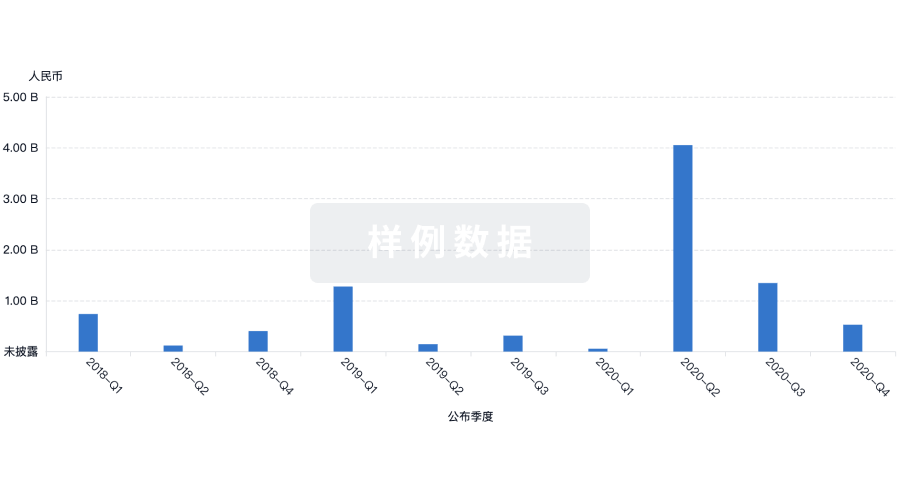
融资
发掘融资趋势以验证和推进您的投资机会。
登录
或
提出任何生物医药研究问题
让每一步生物医药决策都精准制胜
基于十亿级生物数据与全球情报的精准 AI,赋能早期药物发现
立即开始免费试用!
智慧芽新药情报库是智慧芽专为生命科学人士构建的基于AI的创新药情报平台,助您全方位提升您的研发与决策效率。
立即接入生物医药数据包
智慧芽新药库数据也通过智慧芽开放平台,以MCP或API服务形式对外开放。立即使用我们的MCP服务定制您的LLM智能体。
生物序列数据库
生物药研发创新
免费使用
化学结构数据库
小分子化药研发创新
免费使用