预约演示
更新于:2026-07-07

Pharmaron Beijing Co., Ltd.
更新于:2026-07-07
概览
标签
肿瘤
血液及淋巴系统疾病
其他疾病
小分子化药
化学药
疾病领域得分
一眼洞穿机构专注的疾病领域

技术平台
公司药物应用最多的技术
靶点
公司最常开发的靶点
关联
靶点 |
作用机制 |
在研机构 |
原研机构 |
在研适应症 |
非在研适应症 |
最高研发阶段 |
首次获批国家/地区 |
首次获批日期 |

靶点 |
作用机制 |
在研机构 |
原研机构 |
在研适应症 |
非在研适应症 |
最高研发阶段 |
首次获批国家/地区 |
首次获批日期 |

靶点 |
作用机制 |
在研机构 |
原研机构 |
在研适应症 |
非在研适应症 |
最高研发阶段 |
首次获批国家/地区 |
首次获批日期 |

NCT06896136
Phase 1, Randomized, Placebo-Controlled, Blinded Study in Healthy Adults Challenged With Enterotoxigenic Escherichia Coli, of the Safety, Tolerability and Anti-Diarrheal Activity of VENBETA6890, an Orally Administered, Human Monoclonal IgA
NCT05103345
A Phase I/IIa, Open-label, Dose Escalation and Dose-Expansion Study to Evaluate the Safety and Tolerability of Modified Salmonella Typhimurium SGN1 Administered Via Intratumoral Injection in Patients With Advanced Solid Tumors

CTR20221278
中国健康受试者单次和多次口服Obicetrapib片的药代动力学、药效学和安全性的随机、平行分组、开放、单中心I期临床试验。

100 项与 康龙化成(北京)新药技术股份有限公司 相关的临床结果
登录后查看更多信息
登录后查看更多信息
2026-06-01Journal of Translational Autoimmunity
Ruxolitinib reverses alopecia areata via a triple mechanism: JAK-STAT inhibition, localized oxidative stress attenuation and selective apoptosis modulation
Article
作者: Wang, Bo ; Zhang, Liyuan ; Wang, Tong ; Han, Mengting ; Mu, Hao ; Liang, Feng ; Ma, Zhao ; Zhu, Meiling ; Nie, Xiaopan
Alopecia areata (AA) is an autoimmune hair loss disorder driven by the IFN-γ-JAK-STAT signaling and cytotoxic T-cell attack. Although JAK inhibitors like ruxolitinib show clinical efficacy, their integrated mechanism remains unclear. This study elucidated ruxolitinib's therapeutic actions in a C3H/HeJ mouse model of AA induced by adoptive transfer of activated lymph node cells. Mice were treated daily with ruxolitinib or vehicle for 98 days, with weekly clinical scoring of hair loss. Comprehensive analyses quantified systemic and skin cytokines (IFN-γ, TNF-α, IL-5, IL-6, IL-10, and CXCL1/KC), oxidative stress markers (malondialdehyde [MDA] and superoxide dismutase), apoptosis (cleaved caspase-3), autophagy (LC3-II), immune infiltration (CD3+, CD4+, CD8+ T cells), and JAK-STAT activation (phosphorylated-STAT1/3). Ruxolitinib significantly improved hair regrowth from day 85 onward, suppressed key inflammatory cytokines in serum and skin, reduced T-cell infiltration and STAT phosphorylation, attenuated local oxidative stress (lower MDA), and decreased keratinocyte apoptosis, without affecting autophagy or systemic oxidative markers. These results demonstrate that ruxolitinib reverses AA through a coordinated triple mechanism: upstream inhibition of the JAK-STAT pathway, downstream alleviation of local oxidative stress and apoptosis, and disruption of the self-amplifying inflammatory cycle. The findings provide a mechanistic foundation for JAK inhibitor's clinical efficacy and support the development of targeted topical therapies.
2026-01-23ORGANIC LETTERS
Asymmetric Synthesis of KRAS G12C Inhibitor MK-1084 via a Crystallization-Induced Diastereomer Transformation (CIDT)
Article
作者: Kwan, Eugene E. ; Johnson, Heather C. ; Wen, Xin ; Kong, Jongrock ; Xu, Jing ; Nawrat, Christopher C. ; Chen, Yonggang ; Yuan, Yongpeng ; Shang, Gao ; He, Cyndi Qixin ; Wan, Baoqiang ; Belyk, Kevin M. ; Xiao, Kai-Jiong ; Hughes, Jonathan M. E. ; Song, Zhiguo J. ; Song, Zhiyan ; Li, Hongming ; Maddess, Matthew ; Sather, Aaron C. ; Zhang, Jin ; Yin, Jingjun ; Liu, Guiquan ; Tan, Lushi ; Fan, Chao ; Lam, Yu-hong
MK-1084 is a potent KRAS G12 inhibitor characterized by a complex macrocyclic ring system incorporating two atropisomeric axes from a restricted rotation around both C-C and N-C bonds. Herein, we report an efficient synthetic approach to manufacture MK-1084 to enable clinical trials. By leveraging the in-depth understanding of the inherent properties of axial chirality, we discovered and developed a one-pot crystallization-induced diastereomer transformation (CIDT)/carbonylation process to establish the unique and challenging macrocyclic core with double axial chiral centers from a racemic advanced precursor and readily available raw materials.
2026-01-08ACS Medicinal Chemistry Letters
Discovery and Characterization of Diverse Non-nucleotide Inhibitors of DNPH1 Using an Integrated Hit Finding Strategy
Article
作者: Northall, Sarah ; Patel, Saleha ; Wang, Aquan ; Stubbs, Christopher J. ; Spencer, Jonathan A. ; Barlaam, Bernard ; Argyrou, Argyrides ; Pahlén, Sara ; Kitching, Linda ; Stead, Darren ; Carlino, Luca ; Nikkilä, Jenni ; Edwards, Alex ; Astles, Peter ; Milbradt, Alexander G. ; Anderson, Niall A. ; Schade, Markus ; Li, Yaqin ; Collie, Gavin W. ; Cadogan, Elaine B. ; Savory, Wendy ; Whitehurst, Benjamin C. ; Wang, Wenxin
DNPH1 is a hydrolase enzyme that degrades the noncanonical nucleotide 5-hydroxymethyl-2'-deoxyuridine 5'-monophosphate (hmdUMP), thus acting as a nucleotide pool sanitizer by preventing its aberrant incorporation into DNA. Recent studies have shown that loss of DNPH1 enhances the sensitivity of homologous recombination repair-deficient cancer cells to PARP inhibitors, highlighting its potential as an attractive therapeutic target. Herein we report the design and prosecution of an integrated hit finding strategy combining high-throughput screening, DNA-encoded library screening, and fragment-based lead generation which enabled the discovery of the first non-nucleotide ligands for DNPH1. We compare four hit compounds which differ markedly in their chemical structures, physicochemical properties, and binding modes and summarize parallel hit-to-lead workup efforts. We also provide discussion of the merits of an integrated approach for hit discovery when applied to challenging novel targets such as DNPH1.
100 项与 康龙化成(北京)新药技术股份有限公司 相关的药物交易
登录后查看更多信息
100 项与 康龙化成(北京)新药技术股份有限公司 相关的转化医学
登录后查看更多信息
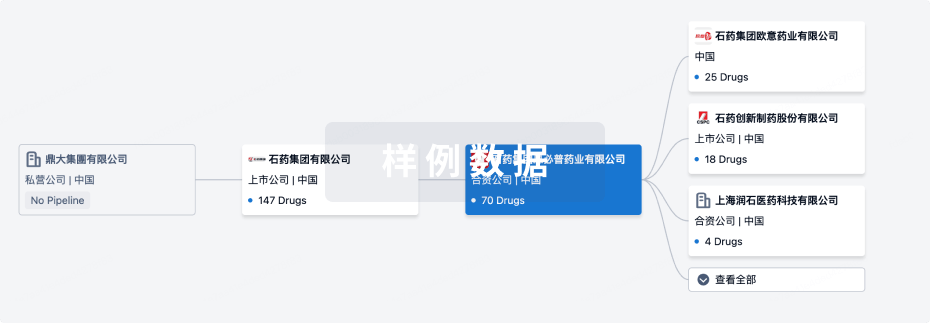
组织架构
使用我们的机构树数据加速您的研究。
登录
或
管线布局
2026年10月10日管线快照
管线布局中药物为当前组织机构及其子机构作为药物机构进行统计,早期临床1期并入临床1期,临床1/2期并入临床2期,临床2/3期并入临床3期
药物发现
1
4
临床前
临床1期
2
1
临床3期
申请上市
1
3
其他
登录后查看更多信息
当前项目
登录后查看更多信息
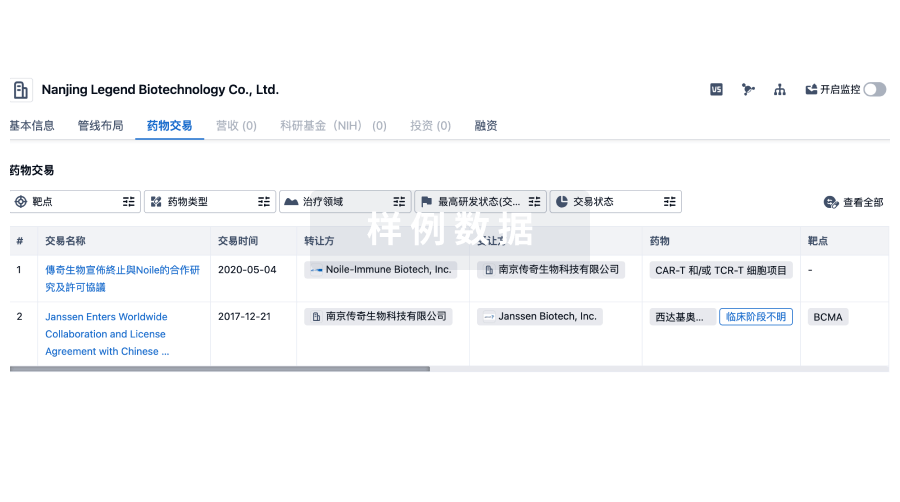
药物交易
使用我们的药物交易数据加速您的研究。
登录
或
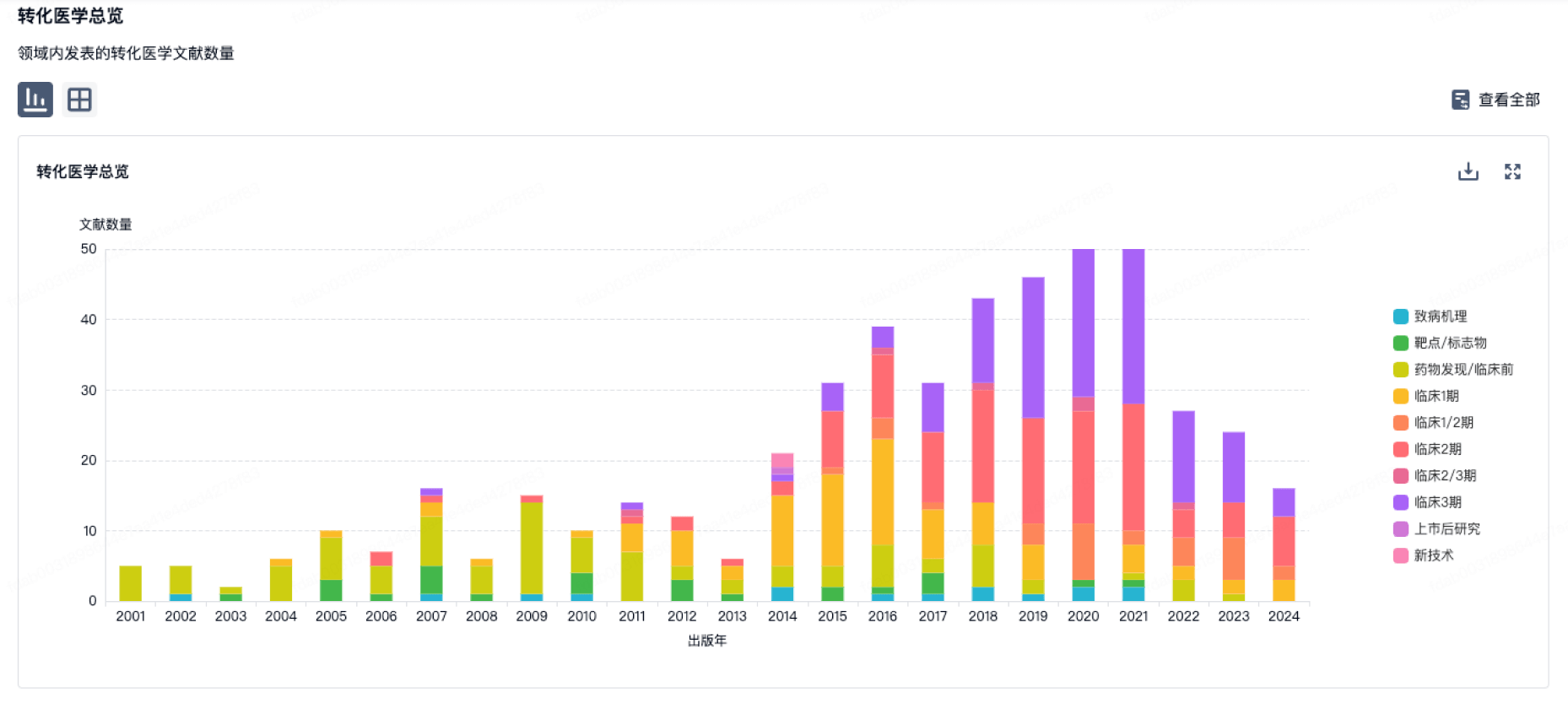
转化医学
使用我们的转化医学数据加速您的研究。
登录
或
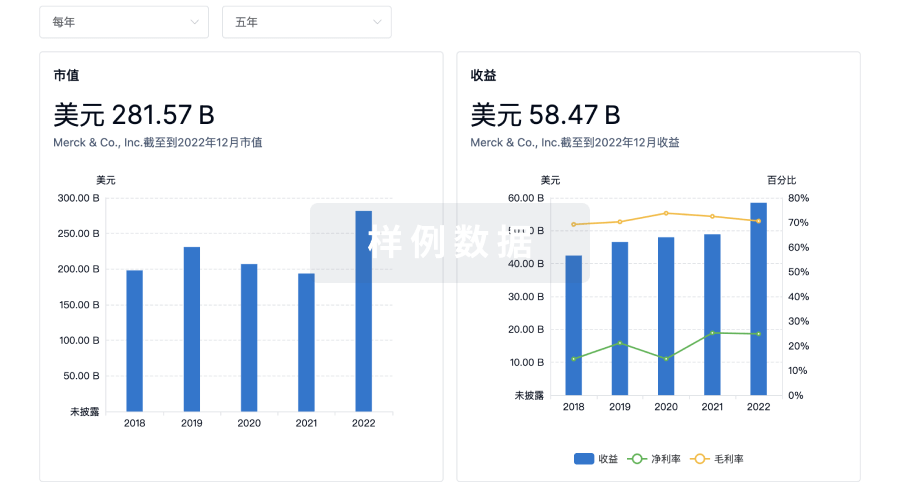
营收
使用 Synapse 探索超过 36 万个组织的财务状况。
登录
或
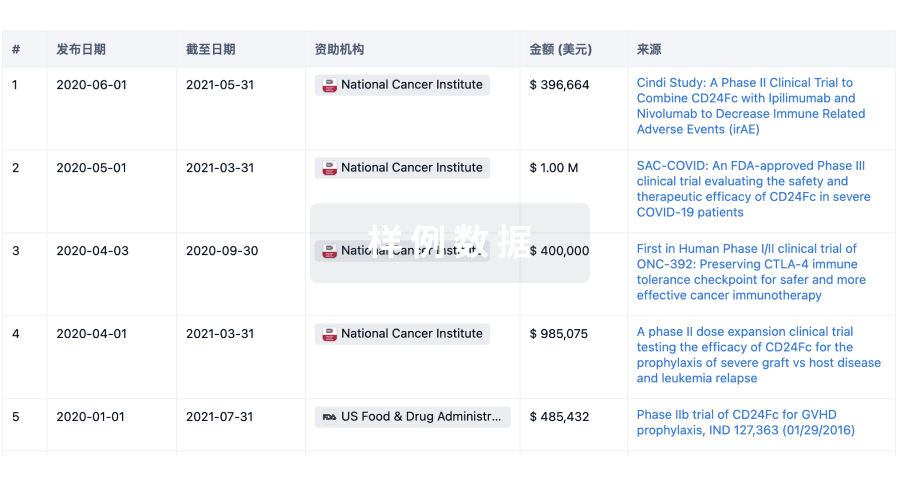
科研基金(NIH)
访问超过 200 万项资助和基金信息,以提升您的研究之旅。
登录
或
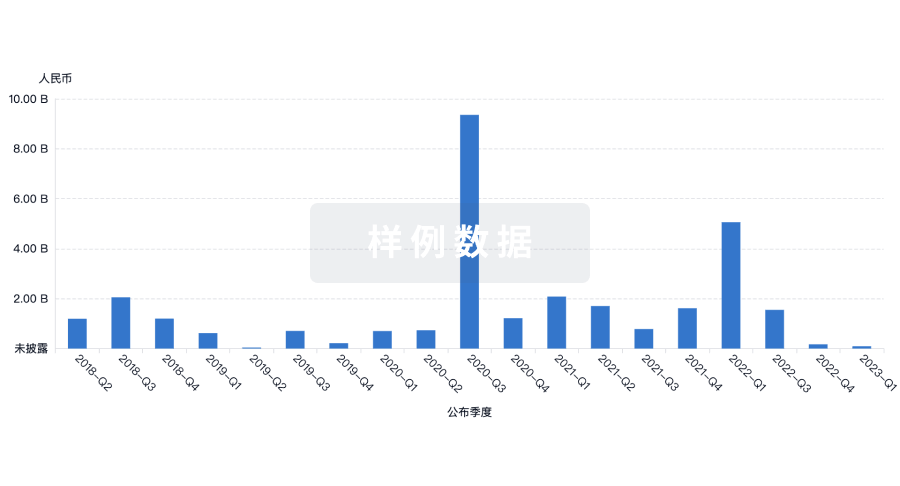
投资
深入了解从初创企业到成熟企业的最新公司投资动态。
登录
或
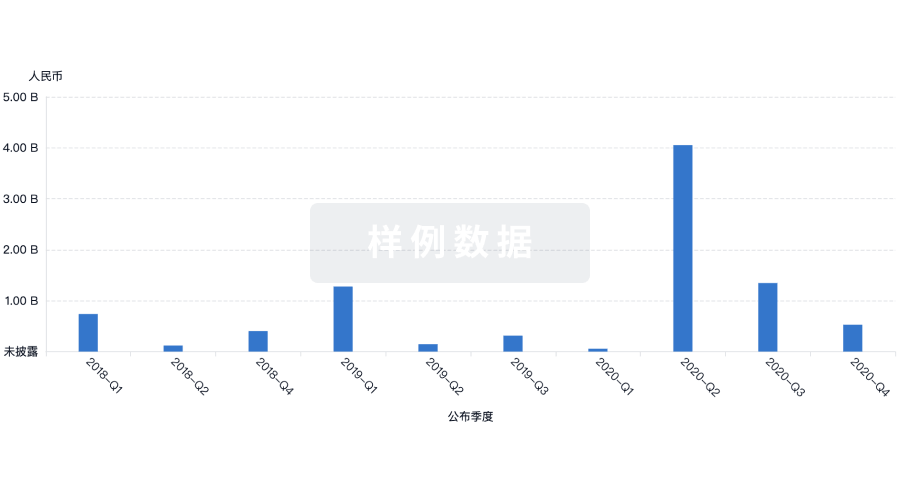
融资
发掘融资趋势以验证和推进您的投资机会。
登录
或
提出任何生物医药研究问题
让每一步生物医药决策都精准制胜
基于十亿级生物数据与全球情报的精准 AI,赋能早期药物发现
立即开始免费试用!
智慧芽新药情报库是智慧芽专为生命科学人士构建的基于AI的创新药情报平台,助您全方位提升您的研发与决策效率。
立即接入生物医药数据包
智慧芽新药库数据也通过智慧芽开放平台,以MCP或API服务形式对外开放。立即使用我们的MCP服务定制您的LLM智能体。
生物序列数据库
生物药研发创新
免费使用
化学结构数据库
小分子化药研发创新
免费使用