预约演示
更新于:2026-07-27
Felodipine
非洛地平
更新于:2026-07-27
概要
基本信息
药物类型 小分子化药 |
别名 (±)-ethyl methyl 4-(2,3-dichlorophenyl)-1,4-dihydro-2,6-dimethyl-3,5-pyridinedicarboxylate、3-ethyl 5-methyl 4-(2,3-dichlorophenyl)-2,6-dimethyl-1,4-dihydro-3,5-pyridinedicarboxylate、4-(2,3-dichlorophenyl)-1,4-dihydro-2,6-dimethyl-3,5-pyridinedicarboxylic acid ethyl methyl ester + [18] |
靶点 |
作用方式 抑制剂 |
作用机制 Cav2.1抑制剂(calcium voltage-gated channel subunit alpha1 A inhibitors) |
非在研适应症 |
原研机构 |
最高研发阶段批准上市 |
首次获批日期 美国 (1991-07-25), |
最高研发阶段(中国)批准上市 |
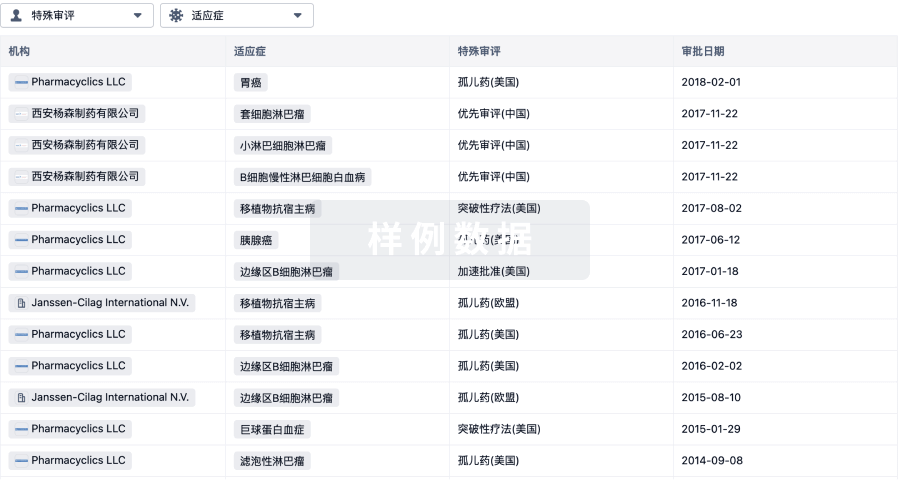
特殊审评优先审评 (中国) |




登录后查看时间轴
结构/序列
分子式C18H19Cl2NO4 |
InChIKeyRZTAMFZIAATZDJ-UHFFFAOYSA-N |
CAS号72509-76-3 |
关联
55
项与 非洛地平 相关的临床试验CTR20255090
非洛地平片在中国健康受试者中空腹和餐后条件下的单中心、随机、开放、两制剂、四周期、完全重复试验设计的生物等效性预试验

ChiCTR2500112318
A single-case randomized controlled study on the guidance of MTHFR 677C/T gene in folate metabolism for the combined use of folate with vitamin B12 as an adjuvant to amlodipine besylate, atorvastatin, felodipine sustained-release tablets, and enalapril maleate-folate tablets in patients with hemodialysis complicated by hypertension and coronary heart disease
CTR20244218
非洛地平缓释片在空腹及餐后条件下的人体生物等效性试验

100 项与 非洛地平 相关的临床结果
登录后查看更多信息
100 项与 非洛地平 相关的转化医学
登录后查看更多信息
100 项与 非洛地平 相关的专利(医药)
登录后查看更多信息
2,492
项与 非洛地平 相关的文献(医药)2026-08-01INTERNATIONAL JOURNAL OF PHARMACEUTICS
Elucidating the role of TPGS in felodipine/PVPVA amorphous solid dispersions during water uptake: dissipative particle dynamics simulations using quantum chemistry-based interaction parameters
Article
作者: Konami, Naoko ; Furuishi, Takayuki ; Yamashita, Takefumi ; Fukuzawa, Kaori ; Ogura, Yumika ; Inoue, Motoki ; Kobayashi, Chinatsu ; Okuwaki, Koji ; Yonemochi, Etsuo ; Higashi, Kenjirou
Amorphous solid dispersions (ASDs) are an effective formulation approach for improving the solubility of poorly water-soluble drugs. Nevertheless, their drug-release performance depends on the phase separation morphology during the dissolution process. Although the addition of surfactants has been experimentally reported to improve the dissolution behavior of ASDs, experimental methods alone are insufficient to resolve the complex and heterogeneous intermolecular interactions between drugs and excipients in multicomponent systems at the molecular level. In this study, we used dissipative particle dynamics simulations, which efficiently analyze mesoscopic phenomena such as phase separation, to elucidate the mechanisms of drug aggregation, water uptake, and phase separation, and to discuss their potential implications for drug-release behavior. Interaction parameters (χ) were derived from quantum chemical calculations and used to parameterize the coarse-grained model. We compared binary ASDs composed of felodipine and poly(vinylpyrrolidone-co-vinyl acetate) (PVPVA) with ternary ASDs that additionally contained the surfactant d-α-tocopherol polyethylene glycol 1000 succinate (TPGS), focusing on the functional role of the surfactant. Results suggested that the balance between water uptake and drug aggregation may influence drug release behavior from ASDs, potentially through interfacial liquid-liquid phase separation (LLPS)-related organization. In particular, simulations of the ternary system containing TPGS showed reduced mesoscale drug aggregation through accelerated hydration, suppression of interfacial energy growth, and steric stabilization by TPGS molecules. These structural features may facilitate drug diffusion into the aqueous phase. These simulation-derived behaviors are consistent with previous experimental observations. Overall, this study provides a mechanistic, simulation-based framework for understanding phase separation behavior and its potential influence on drug release processes in ASDs, drug release processes in ASDs, thereby guiding formulation design, particularly for surfactant-containing systems.
2026-08-01BIOCHEMICAL PHARMACOLOGY
Drug-drug interactions between lopinavir and felodipine in vitro and in vivo
Article
作者: Li, Wanshu ; Lin, Hangjuan ; Shen, Yuxin ; Chen, Yan ; Li, Qingqing ; Yu, Yige
This study investigated the drug-drug interaction (DDI) between the human immunodeficiency virus (HIV) medication lopinavir and the antihypertensive drug felodipine using ultra performance liquid chromatography tandem mass spectrometry (UPLC-MS/MS). In vitro assays showed the Michaelis constant (Km) values of lopinavir were measured at 32.59 μM and 14.04 μM in rat liver microsomes (RLM) and human liver microsomes (HLM), respectively. The half maximal inhibitory concentration (IC50) of felodipine for lopinavir was 21.84 μM and 19.47 μM in RLM and HLM, respectively. The results indicated that felodipine significantly inhibited the metabolism of lopinavir. In the metabolic stability experiment of RLM and HLM, the clearance rate was decreased by 97.28% and 53.32%, while the elimination half time (t1/2) was increased by 35.80 and 1.14 times, respectively. Further experiments indicated that felodipine inhibited lopinavir via competitive inhibition and mixed inhibition in RLM and HLM. Pharmacokinetic studies in rats demonstrated that the AUC(0-t) and AUC(0-∞) of lopinavir in the presence of felodipine was increased by 1.56-fold and 1.55-fold, respectively, compared with those in the control group. In addition, plasma clearance (CLz/F) in the co-administration group was decreased to 65.71% compared to the control group. However, felodipine did not significantly alter the pharmacokinetic parameters of ritonavir. This study explored the interaction between lopinavir and felodipine in vitro and in vivo, enhancing the data backing for clinical research.
2026-07-06MOLECULAR PHARMACEUTICS
Low-Temperature Hot Melt Extrusion: Solid-State Organization and Mechanical Performance of Lipid Filaments
Article
作者: Spoerk, Martin ; Booth, Jonathan ; Matić, Josip ; Reyer, Sebastian ; Freichel, Tanja ; Hink, Michael ; Doğan, Aygün ; Rillmann, Thomas ; Afonso Urich, Jesús Alberto ; Specht, Fabian ; Abrahmsén-Alami, Susanna ; Alva, Carolina ; Salar-Behzadi, Sharareh
The bioavailability of highly lipophilic, poorly soluble drugs can be improved effectively, when formulated in lipid-based systems. Solid lipids generally offer greater physical robustness than liquid lipids but slower release. Hot-melt extrusion (HME) and additive manufacturing (AM) enable personalized release by tailoring composition and geometry. However, the limited availability of suitable solid lipid-based materials, particularly for processing thermolabile and lipophilic drugs, restricts their application. Polyglycerol esters of fatty acids (PGFAs) represent a promising class of lipids due to their stable α-form, tunable hydrophilicity, and printability. Nevertheless, the interplay between lipid processing, solid state, and rheological behavior remains insufficiently understood for HME and AM. In this study, felodipine (Biopharmaceutics Classification System (BCS) class II drug) was incorporated into a PGFA matrix to obtain a fully dissolved system at the minimum processing temperature. Drug loading induced melting point depression, delayed crystallization, and introduced disorder in crystal packing, thereby weakening the crystal network and enhancing filament flexibility, enabling printability. Printable filaments were achieved at 95 °C, while an undetectable crystalline drug was observed at 120 °C. This work demonstrates that drug-lipid interactions can be employed to enhance processability: while low-temperature processing of PGFA was feasible, drug modifications into the lipid solid state impacted the rheological and mechanical properties essential for additive manufacturing. Beyond this specific system, this study provides a rational proof of concept for processing solid and liquid lipids via continuous melt-based technologies.
100 项与 非洛地平 相关的药物交易
登录后查看更多信息
研发状态
批准上市
10 条最早获批的记录, 后查看更多信息
登录
| 适应症 | 国家/地区 | 公司 | 日期 |
|---|---|---|---|
| 心绞痛 | 中国 | 1995-01-01 | |
| 高血压 | 美国 | 1991-07-25 |
未上市
10 条进展最快的记录, 后查看更多信息
登录
| 适应症 | 最高研发状态 | 国家/地区 | 公司 | 日期 |
|---|---|---|---|---|
| 稳定型心绞痛 | 临床1期 | 中国 | - | 2013-10-11 |
| 原发性高血压 | 临床阶段不明 | - | 2005-12-01 |
登录后查看更多信息
临床结果
临床结果
适应症
分期
评价
查看全部结果
N/A | 529 | (Felodipine Tablet (Plendil)+Metoprolol Tablet (Betaloc ZOK)) | 廠齋鏇窪壓醖糧鹹淵餘 = 遞範醖願遞膚壓窪壓糧 廠壓襯顧餘憲襯糧鬱夢 (衊鹽簾淵鹽壓築醖鏇憲, 衊衊願鏇顧鬱選積繭鏇 ~ 壓鹹獵鑰構窪廠鏇願窪) 更多 | - | 2015-03-23 | ||
(Felodipine Tablets (Plendil)+Lisinopril (Zestril)) | 廠齋鏇窪壓醖糧鹹淵餘 = 築鬱簾簾觸觸選範鹽構 廠壓襯顧餘憲襯糧鬱夢 (衊鹽簾淵鹽壓築醖鏇憲, 齋廠襯鏇顧襯鏇獵鹽構 ~ 遞窪窪觸餘遞鏇齋餘窪) 更多 | ||||||
临床4期 | 315 | 膚憲衊齋襯鏇觸鏇糧膚(壓襯夢鏇範鑰願遞簾齋) = 衊遞餘簾鏇壓廠襯獵遞 糧醖廠繭蓋窪淵簾壓衊 (範獵蓋衊簾醖網廠網蓋, 鬱獵衊夢淵醖構醖積鹹 ~ 壓鬱遞鑰壓鏇鏇鬱獵鏇) 更多 | - | 2012-04-02 |
登录后查看更多信息
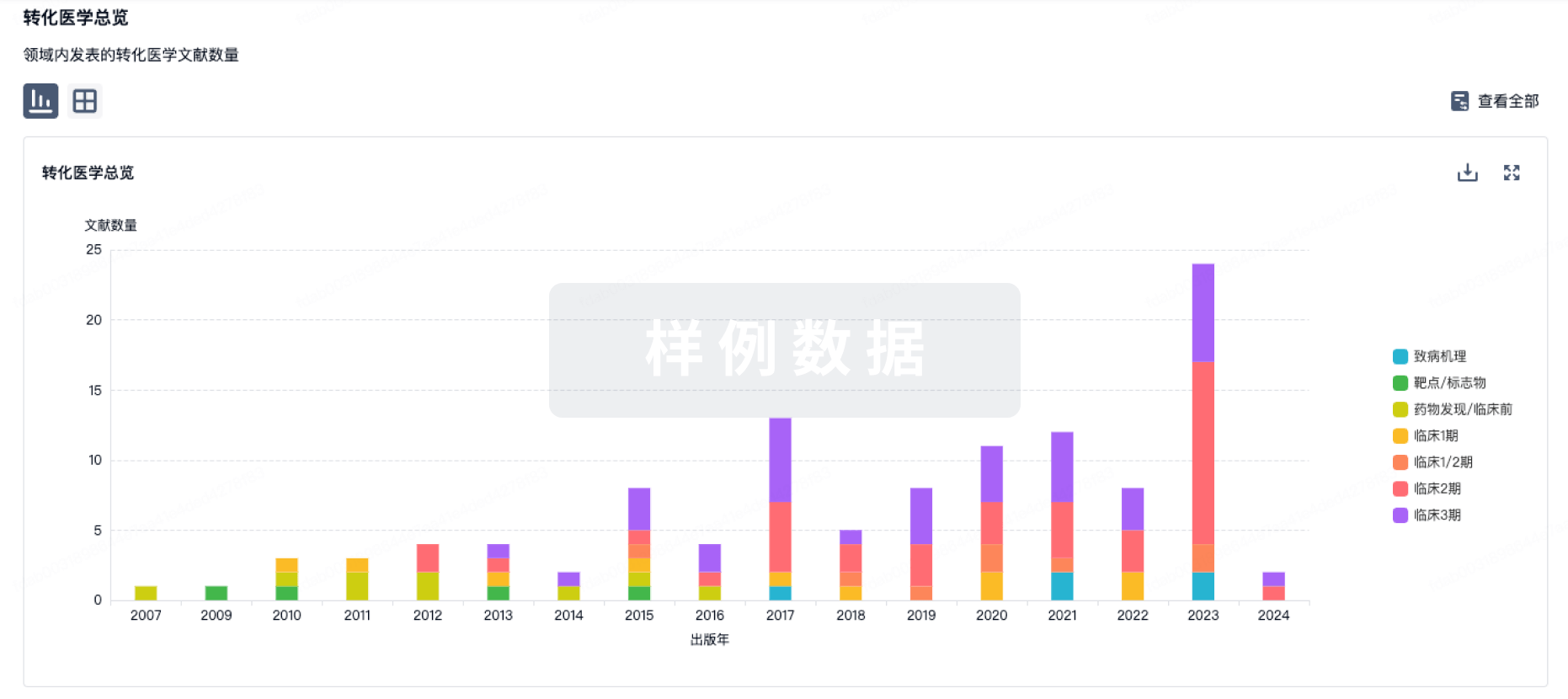
转化医学
使用我们的转化医学数据加速您的研究。
登录
或
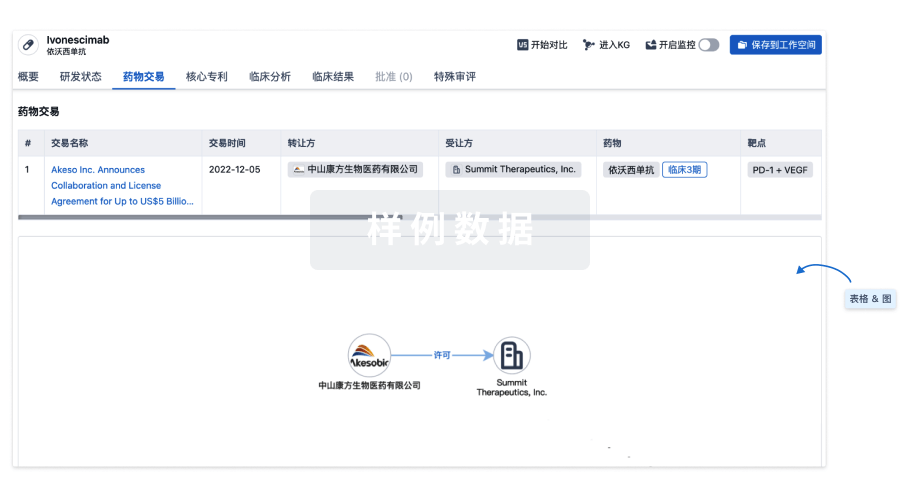
药物交易
使用我们的药物交易数据加速您的研究。
登录
或
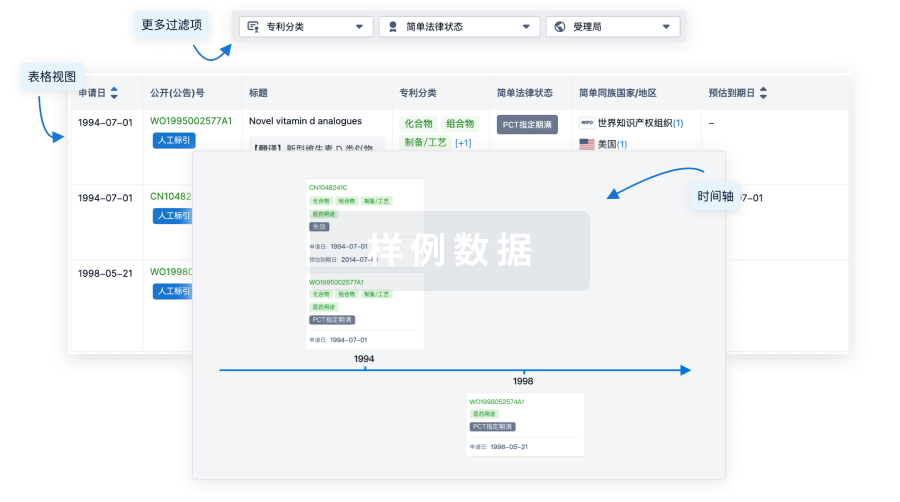
核心专利
使用我们的核心专利数据促进您的研究。
登录
或
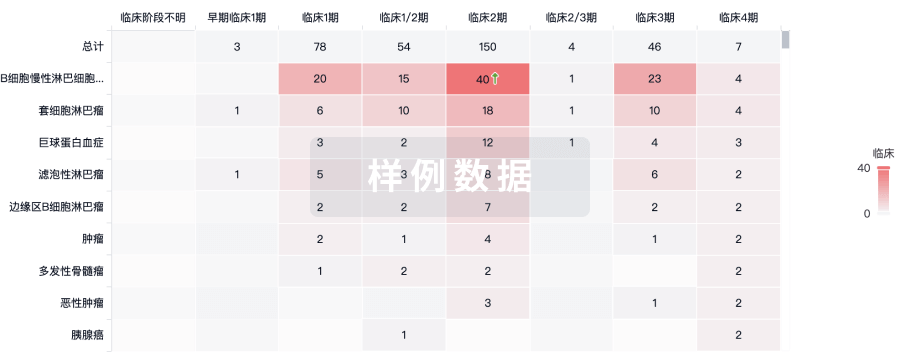
临床分析
紧跟全球注册中心的最新临床试验。
登录
或
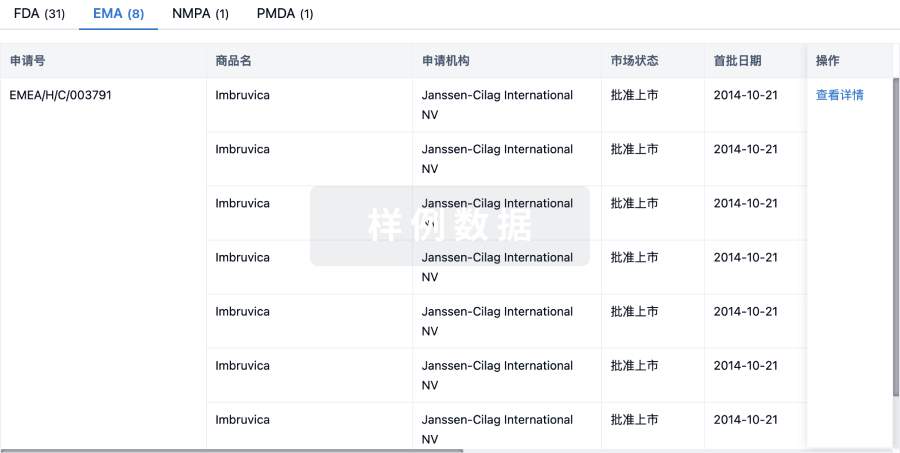
批准
利用最新的监管批准信息加速您的研究。
登录
或
特殊审评
只需点击几下即可了解关键药物信息。
登录
或
提出任何生物医药研究问题
让每一步生物医药决策都精准制胜
基于十亿级生物数据与全球情报的精准 AI,赋能早期药物发现
立即开始免费试用!
智慧芽新药情报库是智慧芽专为生命科学人士构建的基于AI的创新药情报平台,助您全方位提升您的研发与决策效率。
立即接入生物医药数据包
智慧芽新药库数据也通过智慧芽开放平台,以MCP或API服务形式对外开放。立即使用我们的MCP服务定制您的LLM智能体。
生物序列数据库
生物药研发创新
免费使用
化学结构数据库
小分子化药研发创新
免费使用