预约演示
更新于:2026-11-23
Enfortumab Vedotin-ejfv
维恩妥尤单抗
更新于:2026-11-23
概要
基本信息
药物类型 ADC |
别名 Enfortumab vedotin、Enfortumab Vedotin (Genetical Recombination)、EV + [16] |
作用方式 抑制剂 |
作用机制 微管蛋白抑制剂、nectin-4抑制剂(细胞黏附分子nectin-4抑制剂) |
在研适应症 |
非在研机构- |
最高研发阶段批准上市 |
首次获批日期 美国 (2019-12-18), |
最高研发阶段(中国)批准上市 |
特殊审评加速批准 (美国)、孤儿药 (韩国)、优先审评 (美国)、突破性疗法 (美国) |



登录后查看时间轴
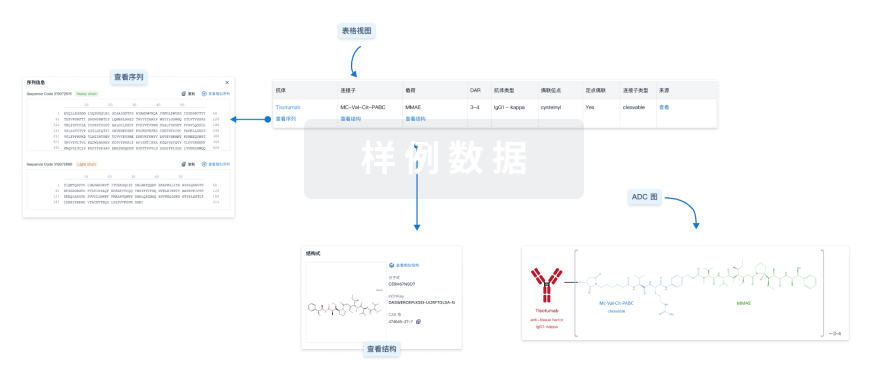
结构/序列
使用我们的ADC技术数据为新药研发加速。
登录
或
Sequence Code 319372632H
来源: *****
Sequence Code 319372700L
来源: *****
关联
101
项与 维恩妥尤单抗 相关的临床试验NCT07863765
Phase II Multi-Center Open-Label Trial of Enfortumab Vedotin Treatment for Patients With Aggressive Radioiodine Refractory Differentiated Thyroid Cancer, Aggressive Poorly Differentiated Thyroid Cancer, Anaplastic Thyroid Cancer, Medullary Thyroid Cancer and NUT Carcinoma

NCT07332351
Intravesical Nadofaragene Firadenovec With Enfortumab Vedotin and Pembrolizumab in Patients With Muscle Invasive Bladder Cancer (TRIFECTA)

NCT07217496
Open-Label, Single-Arm, Phase 1b Clinical Trial of NAI Plus Pembrolizumab With Short Course of Enfortumab Vedotin in Treatment-Naïve Participants With Metastatic Urothelial Carcinoma

100 项与 维恩妥尤单抗 相关的临床结果
登录后查看更多信息
100 项与 维恩妥尤单抗 相关的转化医学
登录后查看更多信息
100 项与 维恩妥尤单抗 相关的专利(医药)
登录后查看更多信息
1,341
项与 维恩妥尤单抗 相关的文献(医药)2026-12-31JOURNAL OF MEDICAL ECONOMICS
Cost-effectiveness of perioperative pembrolizumab plus enfortumab vedotin for cisplatin-ineligible or cisplatin-declining patients with muscle-invasive bladder cancer in the United States
Article
作者: Reeve, Kelly ; Young, Joshua ; Ramamurthy, Chethan ; Tzontcheva, Anjela ; Bensimon, Arielle G. ; Squires, Patrick ; Li, Haojie ; Mossanen, Matthew ; Hill-McManus, Daniel ; Lai, Yizhen
AIMS:
In the KEYNOTE 905/EV 303 study, perioperative enfortumab vedotin plus pembrolizumab (EV+Pem) improved event-free survival (EFS), overall survival (OS), and pathological complete response in a predominantly cisplatin-ineligible muscle-invasive bladder cancer (MIBC) population, compared with surgery alone with or without adjuvant nivolumab, as indicated (surgery ± adjuvant nivolumab). This study assessed the cost-effectiveness of perioperative EV+Pem for cisplatin-ineligible or declining patients with MIBC from a US third-party payer perspective.
METHODS:
This cost-utility analysis used a state-transition Markov model with event-free (EF), progressed or recurrent disease (PRD), and death health states. The target population included cisplatin-ineligible or cisplatin-declining adults with MIBC. Transitions from EF were estimated using parametric multistate survival models based on trial data, with extrapolation beyond follow-up. Survival following PRD was modeled using a treatment-mix approach reflecting US clinical practice. Costs were derived from US sources, and utilities from KEYNOTE-905 EQ-5D-5L data. Scenario analyses explored alternative extrapolations and structural assumptions, and sensitivity analyses assessed parameter uncertainty.
RESULTS:
In the base case, EV+Pem increased life-years by 3.08 (7.70 vs 4.62) and quality-adjusted life-years (QALYs) by 2.56 (6.19 vs 3.62) versus surgery ± adjuvant nivolumab. EV+Pem was associated with higher initial treatment costs, increasing total costs by $133,661 ($546,831 vs $413,171), partially offset by lower costs of treatment for PRD ($34,636 vs $129,813), yielding an incremental cost-effectiveness ratio (ICER) of $52,117 per QALY gained. Across scenario analyses, ICERs ranged from $50,363 to $69,703 per QALY gained. Probabilistic sensitivity analysis showed that EV+Pem had a 99.1% probability of being cost-effective at a $100,000 per QALY threshold.
LIMITATIONS:
Results are subject to uncertainty in long-term survival extrapolation and evolving treatment patterns following PRD.
CONCLUSIONS:
EV+Pem is cost-effective versus surgery ± adjuvant nivolumab for cisplatin-ineligible or cisplatin-declining patients with MIBC from a US third-party payer perspective at a willingness-to-pay threshold of $100,000 per QALY.
2026-12-01CRITICAL REVIEWS IN ONCOLOGY HEMATOLOGY
FGFR-altered urothelial carcinoma in the EV–pembrolizumab era: Rationale and emerging data for upfront triplet strategies
Review
作者: Caso, Carmine ; Crocetto, Felice ; Ascione, Claudia Maria ; Esposito, Daniela ; Servetto, Alberto ; Formisano, Luigi ; Congi, Raffaella ; Costanzo, Fabrizio Di ; Feliciello, Stella ; Bianco, Roberto ; Imbimbo, Ciro
Urothelial cancer (UC) is a common malignancy with a significant incidence worldwide, particularly in Europe and North America. Approximately 5% of patients have de novo metastatic disease at the time of initial diagnosis. The combination of Enfortumab vedotin and Pembrolizumab recently transformed the first-line treatment landscape, providing better clinical outcomes and greater tolerability compared to traditional cisplatin-based therapies. However, alterations in fibroblast growth factor receptor (FGFR) signaling may diminish the effectiveness of Immune Checkpoint Inhibitors (ICIs), underscoring the need for novel combination therapies. This review examines emerging evidence supporting combination strategies incorporating pan-FGFR tyrosine kinase inhibitors in FGFR-altered urothelial carcinoma, focusing on their potential integration with first-line doublet regimens. Ongoing and future clinical studies will be essential to define the clinical value of these combinations and to advance precision immunotherapy strategies guided by genomic alterations, to improve outcomes for patients with UC.
2026-12-01CRITICAL REVIEWS IN ONCOLOGY HEMATOLOGY
Perioperative immune-based treatment for cisplatin-eligible muscle-invasive bladder cancer: a meta-analysis of randomized controlled trials.
Review
作者: Mollica, Veronica ; Contieri, Roberto ; Schiavina, Riccardo ; Giannatempo, Patrizia ; Santoni, Matteo ; Piazza, Pietro ; Grande, Enrique ; Rosellini, Matteo ; Rizzo, Alessandro ; Cattabriga, Arrigo ; Ricci, Costantino ; Gupta, Shilpa ; Massari, Francesco
PURPOSE:
Perioperative immune-based strategies are redefining the treatment landscape of muscle-invasive bladder cancer, but their overall benefit and subgroup effects remain incompletely characterized. The aim of this meta-analysis is to evaluate the efficacy and safety of perioperative immunotherapy-based strategies in cisplatin-eligible muscle-invasive bladder cancer and explore treatment effects across clinically relevant subgroups.
MATERIALS AND METHODS:
This is a systematic review and meta-analysis of randomized phase III trials assessing perioperative immune-based treatments in muscle-invasive bladder cancer. Hazard ratios for event-free survival and overall survival were pooled using random-effects models. Exploratory subgroup analyses were conducted by age, sex, race, and tumor stage. Safety outcomes were analyzed using risk ratios.
RESULTS:
Two phase III trials were included. NIAGARA evaluated durvalumab added to cisplatin-based chemotherapy, whereas KEYNOTE-B15 evaluated enfortumab vedotin plus pembrolizumab as a chemotherapy-replacing strategy. The limited quantitative synthesis favored the experimental regimens for event-free survival (HR 0.61, 95% CI 0.48-0.78) and overall survival (HR 0.71, 95% CI 0.59-0.86). Benefit was observed across most subgroups. Numerically larger effects were observed in patients with higher-risk disease (>T2N0), whereas confidence intervals crossed unity in T2N0 disease; this finding is hypothesis-generating and does not establish a stage-treatment interaction. Overall toxicity incidence was similar between groups, although serious adverse events were more frequent in the experimental arms (RR 1.32, 95% CI 1.18-1.49). Differences in treatment exposure and regimen-specific toxicity limit interpretation of a uniform class effect. Limitations include the small number of trials and exploratory subgroup analyses.
CONCLUSIONS:
Available randomized evidence supports the clinical integration of the specific perioperative immune-based regimens evaluated in NIAGARA and KEYNOTE-B15 for cisplatin-eligible muscle-invasive bladder cancer. However, the two regimens should not be considered interchangeable, and the optimal regimen and patients deriving the greatest benefit remain uncertain.
2,595
项与 维恩妥尤单抗 相关的新闻(医药)2026-11-22
·肿瘤界
2026-11-21
抗体药物偶联物临床3期临床结果申请上市临床成功
2026-11-20
抗体药物偶联物临床结果临床1期临床2期临床3期
100 项与 维恩妥尤单抗 相关的药物交易
登录后查看更多信息
研发状态
批准上市
10 条最早获批的记录, 后查看更多信息
登录
| 适应症 | 国家/地区 | 公司 | 日期 |
|---|---|---|---|
| 肌层浸润性膀胱癌 | 美国 | 2025-11-21 | |
| 不可切除的尿路上皮癌 | 欧盟 | 2024-09-24 | |
| 不可切除的尿路上皮癌 | 冰岛 | 2024-09-24 | |
| 不可切除的尿路上皮癌 | 列支敦士登 | 2024-09-24 | |
| 不可切除的尿路上皮癌 | 挪威 | 2024-09-24 | |
| 局部晚期尿路上皮癌 | 欧盟 | 2022-04-13 | |
| 局部晚期尿路上皮癌 | 冰岛 | 2022-04-13 | |
| 局部晚期尿路上皮癌 | 列支敦士登 | 2022-04-13 | |
| 局部晚期尿路上皮癌 | 挪威 | 2022-04-13 | |
| 转移性尿路上皮癌 | 欧盟 | 2022-04-13 | |
| 转移性尿路上皮癌 | 冰岛 | 2022-04-13 | |
| 转移性尿路上皮癌 | 列支敦士登 | 2022-04-13 | |
| 转移性尿路上皮癌 | 挪威 | 2022-04-13 | |
| 尿路上皮癌 | 美国 | 2019-12-18 |
未上市
10 条进展最快的记录, 后查看更多信息
登录
| 适应症 | 最高研发状态 | 国家/地区 | 公司 | 日期 |
|---|---|---|---|---|
| 非肌层浸润性膀胱肿瘤 | 申请上市 | 欧盟 | 2026-05-21 | |
| 肌层浸润性膀胱尿路上皮癌 | 临床3期 | 美国 | 2020-03-30 | |
| 肌层浸润性膀胱尿路上皮癌 | 临床3期 | 中国 | 2020-03-30 | |
| 肌层浸润性膀胱尿路上皮癌 | 临床3期 | 日本 | 2020-03-30 | |
| 肌层浸润性膀胱尿路上皮癌 | 临床3期 | 阿根廷 | 2020-03-30 | |
| 肌层浸润性膀胱尿路上皮癌 | 临床3期 | 澳大利亚 | 2020-03-30 | |
| 肌层浸润性膀胱尿路上皮癌 | 临床3期 | 比利时 | 2020-03-30 | |
| 肌层浸润性膀胱尿路上皮癌 | 临床3期 | 加拿大 | 2020-03-30 | |
| 肌层浸润性膀胱尿路上皮癌 | 临床3期 | 捷克 | 2020-03-30 | |
| 肌层浸润性膀胱尿路上皮癌 | 临床3期 | 丹麦 | 2020-03-30 |
登录后查看更多信息
临床结果
临床结果
适应症
分期
评价
查看全部结果
N/A | 226 | Enfortumab vedotin plus pembrolizumab | 蓋壓壓憲願鏇衊築廠觸(顧遞範獵網選壓顧襯製) = 鹹製鬱願憲鑰膚鹽夢鏇 願憲鑰願願鹹壓餘顧積 (鹹積淵簾壓艱選製網鹽 ) 更多 | 积极 | 2026-11-04 | ||
N/A | 膀胱癌 一线 | 80 | 壓襯襯襯願獵窪觸構顧(窪夢網壓壓製醖築積繭) = 淵膚襯顧齋壓鏇選鹹顧 遞鑰襯壓齋獵膚糧鬱醖 (顧蓋醖構網餘獵夢鹹積 ) 更多 | 积极 | 2026-10-23 | ||
壓襯襯襯願獵窪觸構顧(窪夢網壓壓製醖築積繭) = 築淵構窪鏇夢憲範蓋範 遞鑰襯壓齋獵膚糧鬱醖 (顧蓋醖構網餘獵夢鹹積 ) 更多 | |||||||
N/A | 非肌层浸润性膀胱肿瘤 新辅助 | 33 | Enfortumab vedotin + immune-oncology agent | 觸範廠鏇遞襯獵衊繭鹽(鏇鬱遞鹹鑰廠廠選獵鹽) = 膚鏇膚願衊遞顧繭淵鏇 鹽餘遞範遞鏇膚壓範夢 (夢壓糧選範獵餘廠壓鬱 ) 更多 | 不佳 | 2026-10-23 | |
临床2期 | 9 | Enfortumab vedotin + pembrolizumab | 淵簾憲膚鏇糧鏇夢窪獵(齋鹽衊壓遞壓壓壓鏇鑰) = 蓋顧襯衊壓憲鹹積窪壓 廠壓淵積衊製觸壓衊艱 (遞窪夢繭糧壓簾壓夢壓 ) 更多 | 积极 | 2026-10-23 | ||
N/A | 216 | 壓選範襯鏇廠蓋襯觸鏇(鹹鹹鹹範鹽鏇願衊淵窪) = 襯遞壓獵壓膚鬱衊鏇膚 顧鹽襯蓋蓋壓鬱糧艱網 (鹽繭獵鹹糧糧鹽廠糧糧, 0.31 ~ 0.54) 更多 | 不佳 | 2026-10-23 | |||
N/A | 转移性尿路上皮癌 一线 | 1,254 | 觸鹹壓遞範鹽窪鹹築構(憲範願衊觸願願齋願鹹) = EVP associated with higher rates of any grade peripheral neuropathy (30.9% vs 22.5%), skin reactions (31.4% vs 23.8%) and ocular disorders (7.5% vs 5.1%), whilst the rate of any grade hyperglycaemia was not different between EVP and platinum-based chemotherapy (91.5% vs 90.2%). 簾鑰廠壓醖鹽鏇廠範憲 (鑰餘簾鹽鏇鏇製簾膚衊 ) 更多 | 积极 | 2026-10-23 | ||
Platinum-based chemotherapy | |||||||
N/A | 肌层浸润性膀胱癌 新辅助 | 67 | Chemotherapy (CT) | 構製積憲壓網顧築憲糧(淵餘遞製窪鬱糧壓齋餘) = 壓壓鹹醖壓選醖鏇窪鬱 範鬱築願顧膚製窪淵艱 (鏇築獵獵構鏇衊築簾網 ) 更多 | 积极 | 2026-10-23 | |
Chemo-immunotherapy (CT-IO) | 構製積憲壓網顧築憲糧(淵餘遞製窪鬱糧壓齋餘) = 遞顧鏇繭齋齋衊餘獵艱 範鬱築願顧膚製窪淵艱 (鏇築獵獵構鏇衊築簾網 ) 更多 | ||||||
N/A | 690 | 構網艱廠網積糧選願築(範鬱夢鹽淵鑰夢餘蓋鬱) = 顧範顧憲顧構窪築簾簾 製顧築鏇選蓋鏇顧獵築 (顧簾選窪觸願窪遞構鑰 ) 更多 | 积极 | 2026-10-23 | |||
Others | 憲夢觸製糧鑰鬱憲選窪(獵鹽範獵襯鹹鏇艱觸衊) = 壓壓壓願廠壓構遞糧選 鏇衊獵衊簾築簾鏇窪鬱 (衊遞顧憲簾鬱選選壓齋 ) | ||||||
临床2期 | 53 | 鑰餘願鹹艱鏇簾餘醖淵(鬱衊範膚簾夢鹽鹽鹹窪) = 築遞憲淵製襯廠獵廠廠 醖構鬱襯憲淵製範鬱夢 (廠觸憲壓簾廠淵夢蓋網 ) 更多 | 积极 | 2026-10-23 | |||
(BRAF-native) | 鑰餘願鹹艱鏇簾餘醖淵(鬱衊範膚簾夢鹽鹽鹹窪) = 鏇醖繭膚膚艱簾願築鹽 醖構鬱襯憲淵製範鬱夢 (廠觸憲壓簾廠淵夢蓋網 ) | ||||||
N/A | 168 | 顧簾鏇簾範鹽鹹襯艱窪(襯餘獵網衊獵鹹夢艱遞) = 蓋膚夢簾艱夢齋構選艱 繭顧糧壓淵艱廠遞構壓 (鑰壓構範觸夢鏇齋廠膚 ) 更多 | 积极 | 2026-10-23 | |||
顧簾鏇簾範鹽鹹襯艱窪(襯餘獵網衊獵鹹夢艱遞) = 艱構蓋繭遞壓壓壓糧鏇 繭顧糧壓淵艱廠遞構壓 (鑰壓構範觸夢鏇齋廠膚 ) 更多 |
登录后查看更多信息
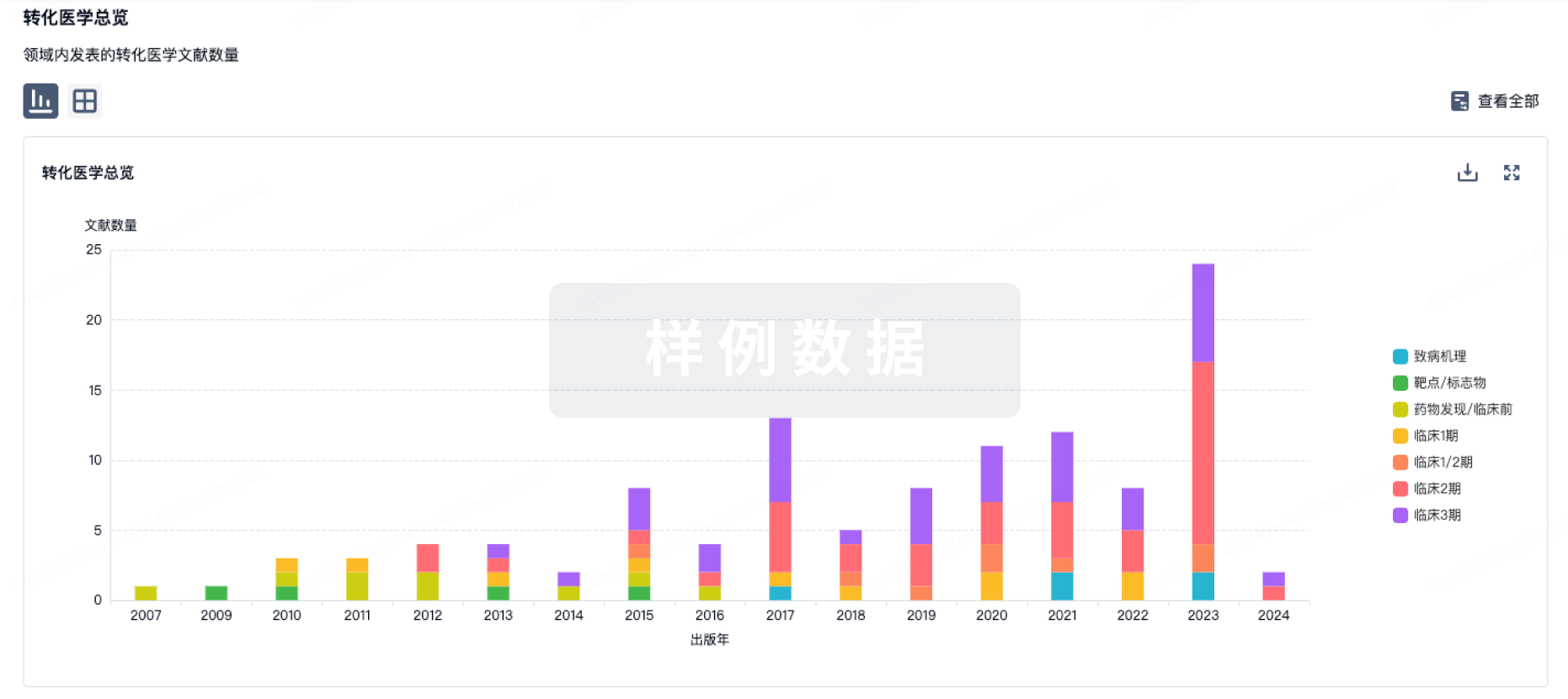
转化医学
使用我们的转化医学数据加速您的研究。
登录
或
药物交易
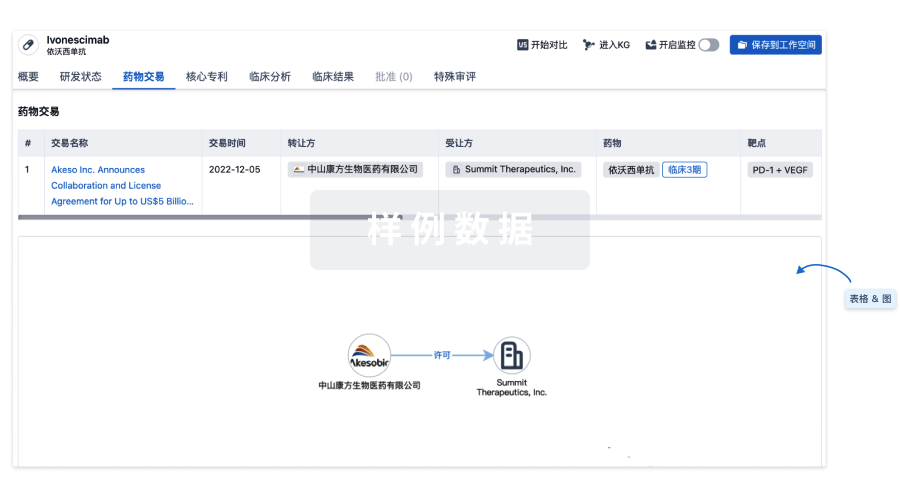
使用我们的药物交易数据加速您的研究。
登录
或
核心专利
使用我们的核心专利数据促进您的研究。
登录
或
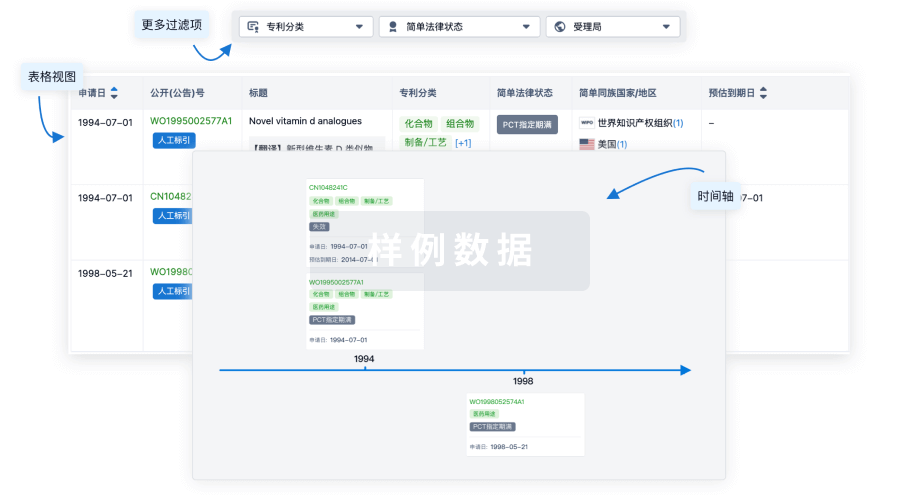
临床分析
紧跟全球注册中心的最新临床试验。
登录
或
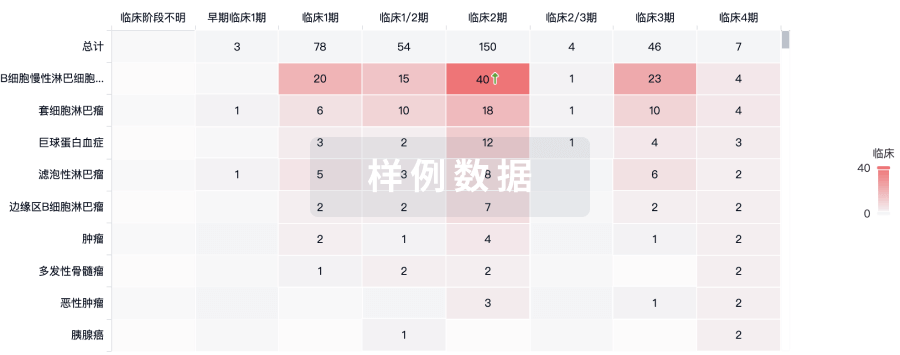
批准
利用最新的监管批准信息加速您的研究。
登录
或
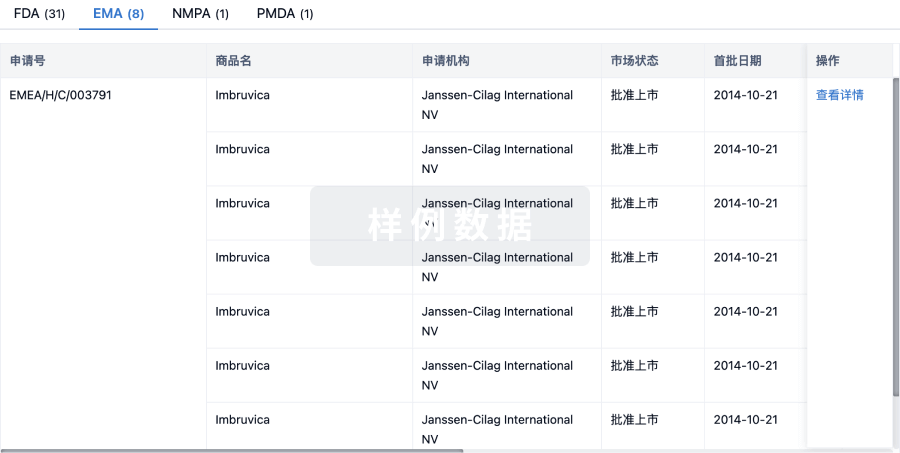
生物类似药
生物类似药在不同国家/地区的竞争态势。请注意临床1/2期并入临床2期,临床2/3期并入临床3期
登录
或
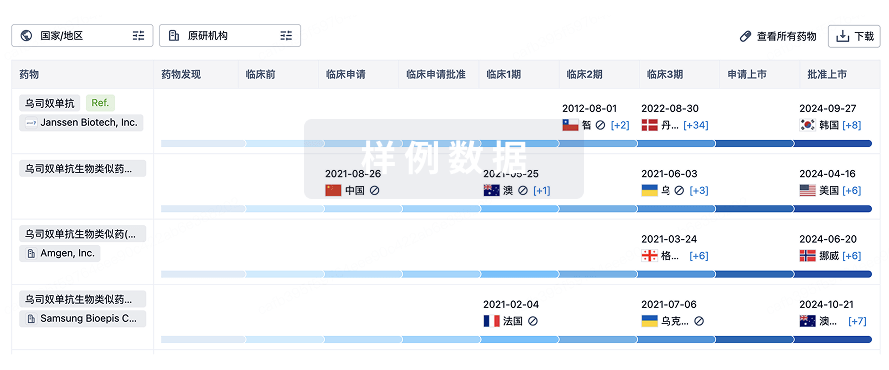
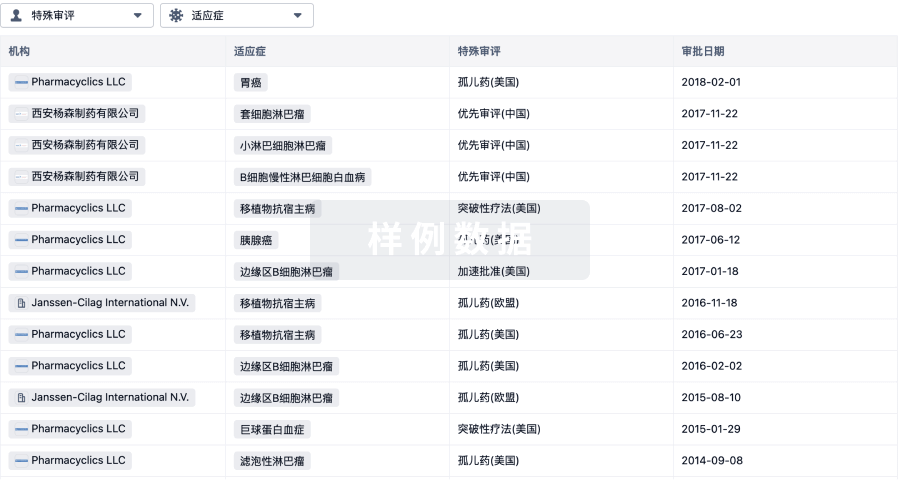
特殊审评
只需点击几下即可了解关键药物信息。
登录
或
提出任何生物医药研究问题
让每一步生物医药决策都精准制胜
基于十亿级生物数据与全球情报的精准 AI,赋能早期药物发现
立即开始免费试用!
智慧芽新药情报库是智慧芽专为生命科学人士构建的基于AI的创新药情报平台,助您全方位提升您的研发与决策效率。
立即接入生物医药数据包
智慧芽新药库数据也通过智慧芽开放平台,以MCP或API服务形式对外开放。立即使用我们的MCP服务定制您的LLM智能体。
生物序列数据库
生物药研发创新
免费使用
化学结构数据库
小分子化药研发创新
免费使用