预约演示
更新于:2026-08-19

Juno Therapeutics, Inc.
更新于:2026-08-19
概览
标签
免疫系统疾病
血液及淋巴系统疾病
其他疾病
自体CAR-T
通用型CAR-T
CAR-T
疾病领域得分
一眼洞穿机构专注的疾病领域

技术平台
公司药物应用最多的技术
靶点
公司最常开发的靶点
关联
靶点 |
作用机制 |
在研机构 |
原研机构 |
在研适应症 |
非在研适应症 |
最高研发阶段 |
首次获批国家/地区 |
首次获批日期 |


靶点 |
作用机制 |
在研机构 |
原研机构 |
在研适应症 |
非在研适应症 |
最高研发阶段 |
首次获批国家/地区 |
首次获批日期 |


靶点 |
作用机制 |
在研机构 |
原研机构 |
在研适应症 |
非在研适应症 |
最高研发阶段 |
首次获批国家/地区 |
首次获批日期 |
NCT07603557
A Phase 2, Multicenter, Open-Label Study of Zolacabtagene Autoleucel (BMS-986353), CD19-Targeted NEX-T CAR T Cells, in Participants With Chronic Immune Thrombocytopenia (cITP) and Autoimmune Hemolytic Anemia (AIHA)
NCT07335562
A Phase 3, Randomized, Open-label, Multicenter Study to Compare the Efficacy and Safety of BMS-986353, CD19-targeted NEX-T CAR T Cells, Versus Standard of Care in Participants With Active Systemic Sclerosis (Breakfree-SSc)
NCT07015242
The CAROLYN Trial: Lisocabtagene Maraleucel as First-Line Therapy for Primary Central Nervous System Lymphoma (PCNSL) in Transplant-Ineligible Patients
100 项与 Juno Therapeutics, Inc. 相关的临床结果
登录后查看更多信息
登录后查看更多信息
2020-01-01Journal of pharmaceutical sciences
Control of Antibody Impurities Induced by Riboflavin in Culture Media During Production
Article
作者: Trimble, Stephen ; Eakin, Catherine ; Allen, Martin ; Reddy, Pranhitha ; Valliere-Douglass, John F ; Balland, Alain ; Wallace, Alison ; Treuheit, Michael J
During the manufacturing of protein biologics, product variability during cell culture production and harvest needs to be actively controlled and monitored to maintain acceptable product quality. To a large degree, variants that have previously been described are covalent in nature and are easily analyzed by a variety of techniques. Here, we describe a noncovalent post translational modification of recombinantly expressed antibodies, containing variable domain tryptophans, that are exposed to culture media components and ambient laboratory light. The modified species, designated as conformer, can be monitored by hydrophobic interaction chromatography and often exhibits reduced potency. We studied conformer formation and identified key elements driving its accelerated growth using an IgG2 monoclonal antibody. Conformer is a result of a noncovalent interaction of the antibody with riboflavin, an essential vitamin added to many production cell culture formulations. Chemical and physical factors that influence the impact of riboflavin are identified, and methods for process control of this product quality attribute are addressed in order to prevent loss of antibody potency and potential safety issues. Identifying therapeutic antibody drug candidates with the potential to form conformers can be performed early in development to avoid this undesirable product quality propensity.
2019-12-12Blood1区 · 医学
Preemptive mitigation of CD19 CAR T-cell cytokine release syndrome without attenuation of antileukemic efficacy
1区 · 医学
Article
作者: Li, Daniel H. ; Finney, Olivia C. ; Gardner, Rebecca A. ; Rivers, Julie ; Cooper, Todd M. ; Annesley, Colleen ; Brakke, Hannah ; Ceppi, Francesco ; Park, Julie R. ; Tarlock, Katherine ; Taraseviciute, Agne ; Jensen, Michael C. ; Leger, Kasey J. ; Gust, Juliane ; Summers, Corinne
Gardner et al report that early intervention with tocilizumab and steroids at the first signs of mild cytokine release syndrome (CRS) following CD19 chimeric antigen receptor (CAR) T-cell infusion for B-cell acute lymphocytic leukemia reduces the development of life-threatening severe CRS without having a negative impact on antileukemic effect.
2018-04-01Supportive care in cancer : official journal of the Multinational Association of Supportive Care in Cancer2区 · 医学
NOLAN: a randomized, phase 2 study to estimate the effect of prophylactic naproxen or loratadine vs no prophylactic treatment on bone pain in patients with early-stage breast cancer receiving chemotherapy and pegfilgrastim
2区 · 医学
Article
作者: Maxwell, Cathy L ; McDonald, Maxwell C ; Kirshner, Jeffrey J ; Vanni, Linda ; Garcia, Jacob ; Kruter, Flavio ; Upchurch, Terry E ; Guinigundo, Andrew S ; Reiner, Maureen ; Morrow, Phuong Khanh
PURPOSE:
Mild-to-moderate bone pain is a commonly reported adverse event (AE) associated with pegfilgrastim. We evaluated the effect of prophylactic naproxen or loratadine vs no prophylactic treatment on pegfilgrastim-associated bone pain.
METHODS:
In this open-label study (NCT01712009), women ≥ 18 years of age with newly diagnosed stage I-III breast cancer and an ECOG performance status ≤ 2 who were planning ≥ 4 cycles of adjuvant or neoadjuvant chemotherapy with pegfilgrastim support starting in cycle 1 were randomized 1:1:1 to receive naproxen, loratadine, or no treatment to prevent pegfilgrastim-associated bone pain. The primary endpoint was all-grade bone pain in cycle 1 from AE reporting. Secondary endpoints included bone pain in cycles 2-4 and across all cycles from AE reporting and patient-reported bone pain by cycle and across all cycles.
RESULTS:
Six hundred patients were enrolled. Most patients (83.0%) were white, and mean (SD) age was 54.2 (11.1) years. The percentage of patients with all-grade bone pain in cycle 1 from AE reporting in the naproxen, loratadine, and no prophylaxis groups was 40.3, 42.5, and 46.6%, respectively; differences between the treatment groups were not statistically significant. Maximum, mean, and area under the curve for patient-reported bone pain were consistently lower in the naproxen and loratadine groups than in the no prophylaxis group; some of these differences were significant. Loratadine was associated with fewer treatment-related AEs and discontinuations than naproxen.
CONCLUSIONS:
Given its tolerability, its ease of administration, and its potential benefit, treatment with loratadine should be considered to help prevent bone pain in patients receiving chemotherapy and pegfilgrastim.
CLINICAL TRIAL REGISTRATION:
ClinicalTrials.gov ; NCT01712009.
100 项与 Juno Therapeutics, Inc. 相关的药物交易
登录后查看更多信息
100 项与 Juno Therapeutics, Inc. 相关的转化医学
登录后查看更多信息
组织架构
使用我们的机构树数据加速您的研究。
登录
或
管线布局
2026年10月27日管线快照
管线布局中药物为当前组织机构及其子机构作为药物机构进行统计,早期临床1期并入临床1期,临床1/2期并入临床2期,临床2/3期并入临床3期
临床1期
6
1
临床2期
临床3期
2
1
批准上市
其他
11
登录后查看更多信息
当前项目
登录后查看更多信息
药物交易
使用我们的药物交易数据加速您的研究。
登录
或
转化医学
使用我们的转化医学数据加速您的研究。
登录
或
营收
使用 Synapse 探索超过 36 万个组织的财务状况。
登录
或
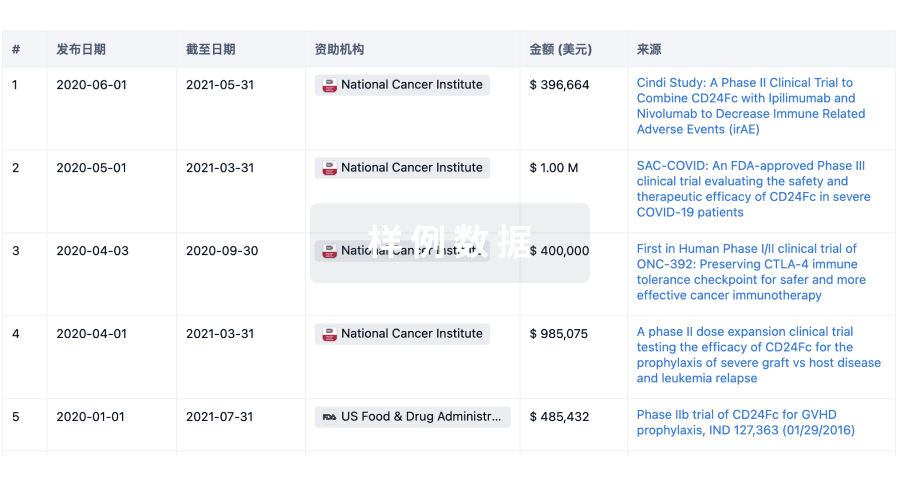
科研基金(NIH)
访问超过 200 万项资助和基金信息,以提升您的研究之旅。
登录
或
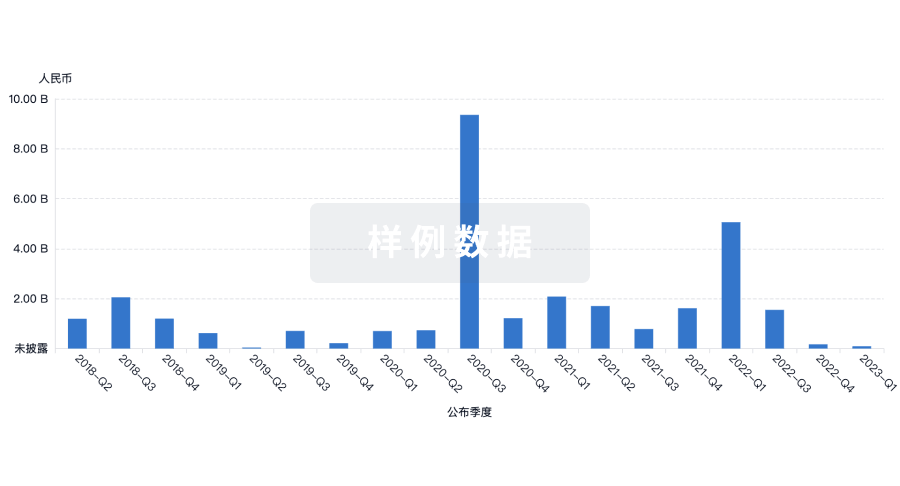
投资
深入了解从初创企业到成熟企业的最新公司投资动态。
登录
或
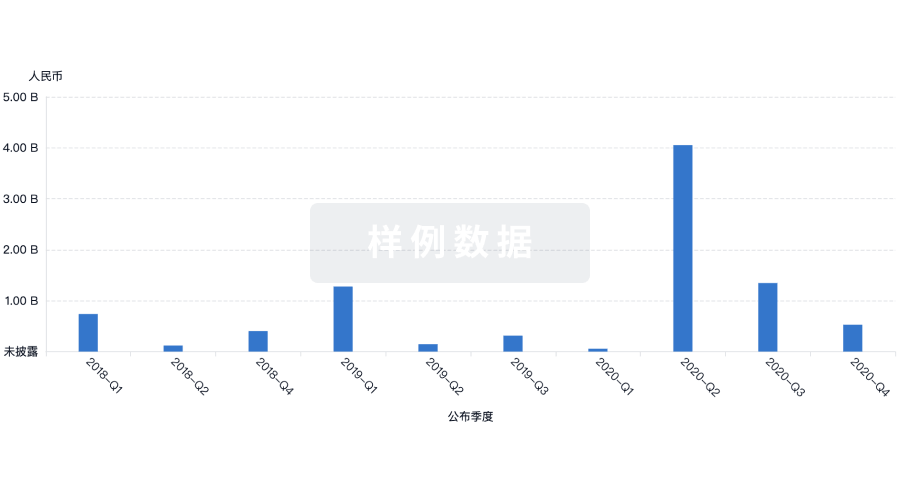
融资
发掘融资趋势以验证和推进您的投资机会。
登录
或
提出任何生物医药研究问题
让每一步生物医药决策都精准制胜
基于十亿级生物数据与全球情报的精准 AI,赋能早期药物发现
立即开始免费试用!
智慧芽新药情报库是智慧芽专为生命科学人士构建的基于AI的创新药情报平台,助您全方位提升您的研发与决策效率。
立即接入生物医药数据包
智慧芽新药库数据也通过智慧芽开放平台,以MCP或API服务形式对外开放。立即使用我们的MCP服务定制您的LLM智能体。
生物序列数据库
生物药研发创新
免费使用
化学结构数据库
小分子化药研发创新
免费使用