预约演示
更新于:2026-06-16

Guangzhou Medical University
更新于:2026-06-16
概览
标签
肿瘤
感染
消化系统疾病
小分子化药
合成多肽
生物药
疾病领域得分
一眼洞穿机构专注的疾病领域

技术平台
公司药物应用最多的技术
靶点
公司最常开发的靶点
关联
靶点 |
作用机制 |
在研机构 |
原研机构 |
在研适应症 |
非在研适应症 |
最高研发阶段 |
首次获批国家/地区 |
首次获批日期 |

靶点 |
作用机制 |
在研机构 |
原研机构 |
在研适应症 |
非在研适应症 |
最高研发阶段 |
首次获批国家/地区 |
首次获批日期 |

靶点 |
作用机制 |
在研机构 |
原研机构 |
在研适应症 |
非在研适应症 |
最高研发阶段 |
首次获批国家/地区 |
首次获批日期 |

NCT07567911
A Prospective Observational Cohort Study Protocol for Disease Severity Stratification and Prognosis Assessment in Patients With Pneumonia
NCT07569094
Research Plan for Early Disease Screening Biomarkers in Healthy Individuals
ChiCTR2600122956
A Retrospective Study Based on the Comparison of the Implementation of the "Student Physical Fitness Improvement Program" at Guangzhou Medical University Before and After 2020-2024
100 项与 广州医科大学 相关的临床结果
登录后查看更多信息
登录后查看更多信息
2026-10-01SPECTROCHIMICA ACTA PART A-MOLECULAR AND BIOMOLECULAR SPECTROSCOPY
A novel fluorescent probe based on 3-hydroxyphthalic anhydride for the differential detection of ClO−, Al3+ and Zn2+ and its application in biological imaging
Article
作者: Liu, Bo ; Li, Zhixue ; Song, Yan ; Yang, Qingbiao ; Shen, Renshun ; Fan, Zixuan ; Xu, Dejun ; Bai, Yutong ; Wu, Liangqiang ; Xu, Hai
Hypochlorite (ClO-), a commonly used disinfectant in food processing, can pose health risks if there is excessive residue. Aluminum ions (Al3+) and zinc ions (Zn2+) are closely related to human health, and an imbalance in their concentrations can lead to neurological diseases and metabolic disorders. We used 3-hydroxyphthalic anhydride derivatives as the fluorescent matrix and constructed a new type of multi-functional fluorescent probe BHD by introducing an aminothiazole group. By utilizing the differential interaction mechanisms between the probe and target ions (ClO- initiates oxidative quenching, and Al3+/Zn2+ form coordination complexes), the differential detection of three types of ions can be achieved. BHD has good selectivity and can specifically respond in complex environments to achieve differential detection of ClO-/Al3+/Zn2+ at different wavelengths. The probe also has good biocompatibility. Biological experiments have proven that the probe BHD has low cytotoxicity and can achieve the visualization imaging of ClO-/Al3+/Zn2+ in living cells, providing a new tool for environmental monitoring and biomedical research.
2026-09-01Genes & Diseases
Variants in ARHGAP21, encoding a Rho GTPase-activating protein, are associated with focal epilepsy and neurodevelopmental disorders
Article
作者: Shi, Yiwu ; Li, Bingmei ; He, Yunhua ; Wang, Jie ; Xie, Longshan ; Lu, Xinguo ; Chen, Yongjun ; Liao, Weiping ; Fei, Lingxia ; Ye, Zilong
2026-09-01JOURNAL OF AFFECTIVE DISORDERS
Longitudinal relationships between maternal depressive symptoms, perceived social support, and sleep problems across mid-pregnancy to 6 weeks postpartum: A cross-lagged panel network analysis
Article
作者: Zhang, Shuai ; Deng, Yongfang ; Lin, Yan ; Dai, Ying
BACKGROUND:
Maternal depressive symptoms, sleep problems, and social support are interrelated during the perinatal period, but their temporal and symptom-level interactions remain poorly understood. This study examined the longitudinal interrelationships among these three domains from pregnancy to postpartum.
METHODS:
A prospective cohort of 3376 women was assessed at 24 gestational weeks (T1), 32 gestational weeks (T2), 1 week postpartum (T3), and 6 weeks postpartum (T4). Depressive symptoms were measured with the Edinburgh Postnatal Depression Scale (EPDS), sleep quality with the Pittsburgh Sleep Quality Index (PSQI), and social support with the Social Support Rating Scale (SSRS). Cross-lagged panel network (CLPN) models were estimated for three intervals (T1 → T2, T2 → T3, T3 → T4).
RESULTS:
High depressive symptoms (EPDS ≥10) ranged from 21.6% to 31.8%, and sleep problems (PSQI ≥5) increased to 74.8% at T4. CLPN models revealed strong autoregressive pathways and dynamic within-community reinforcement among depressive and sleep symptoms. Support utilization increasingly predicted subsequent subjective support, strengthening from mid-pregnancy (β = 0.27) to early postpartum (β = 0.69). Cross-community effects varied by stage: difficulty coping and reduced enjoyment predicted lower subjective support during pregnancy, daytime dysfunction predicted anxious symptoms from late pregnancy to postpartum, and postpartum sleep disturbance was the strongest predictor of reduced subjective support (β = -0.36).
CONCLUSIONS:
Depressive symptoms, sleep problems, and social support interact dynamically at the symptom level across the perinatal period. Stage-specific interventions targeting coping, sleep, and help-seeking behavior may improve maternal mental health outcomes.
100 项与 广州医科大学 相关的药物交易
登录后查看更多信息
100 项与 广州医科大学 相关的转化医学
登录后查看更多信息
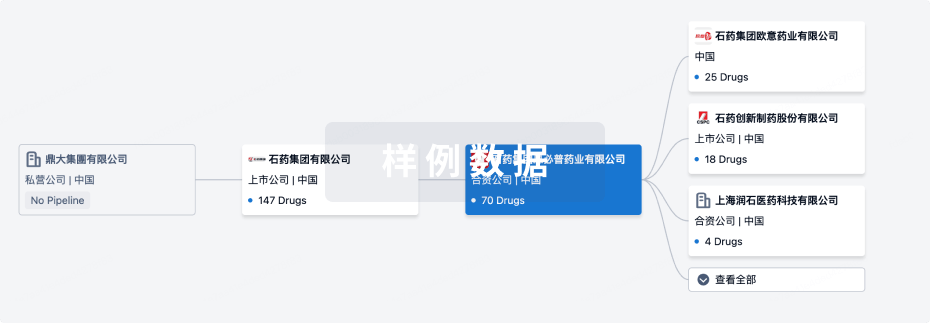
组织架构
使用我们的机构树数据加速您的研究。
登录
或
管线布局
2026年10月11日管线快照
管线布局中药物为当前组织机构及其子机构作为药物机构进行统计,早期临床1期并入临床1期,临床1/2期并入临床2期,临床2/3期并入临床3期
药物发现
13
40
临床前
临床1期
2
2
其他
登录后查看更多信息
当前项目
登录后查看更多信息
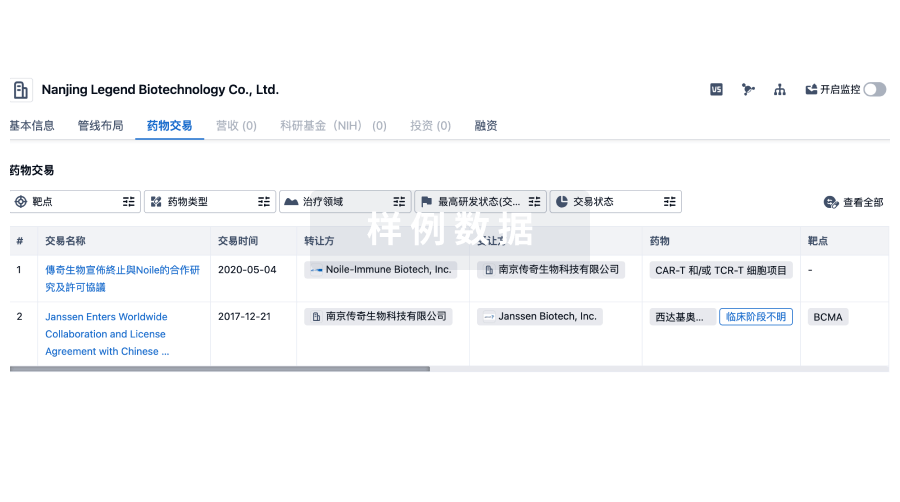
药物交易
使用我们的药物交易数据加速您的研究。
登录
或
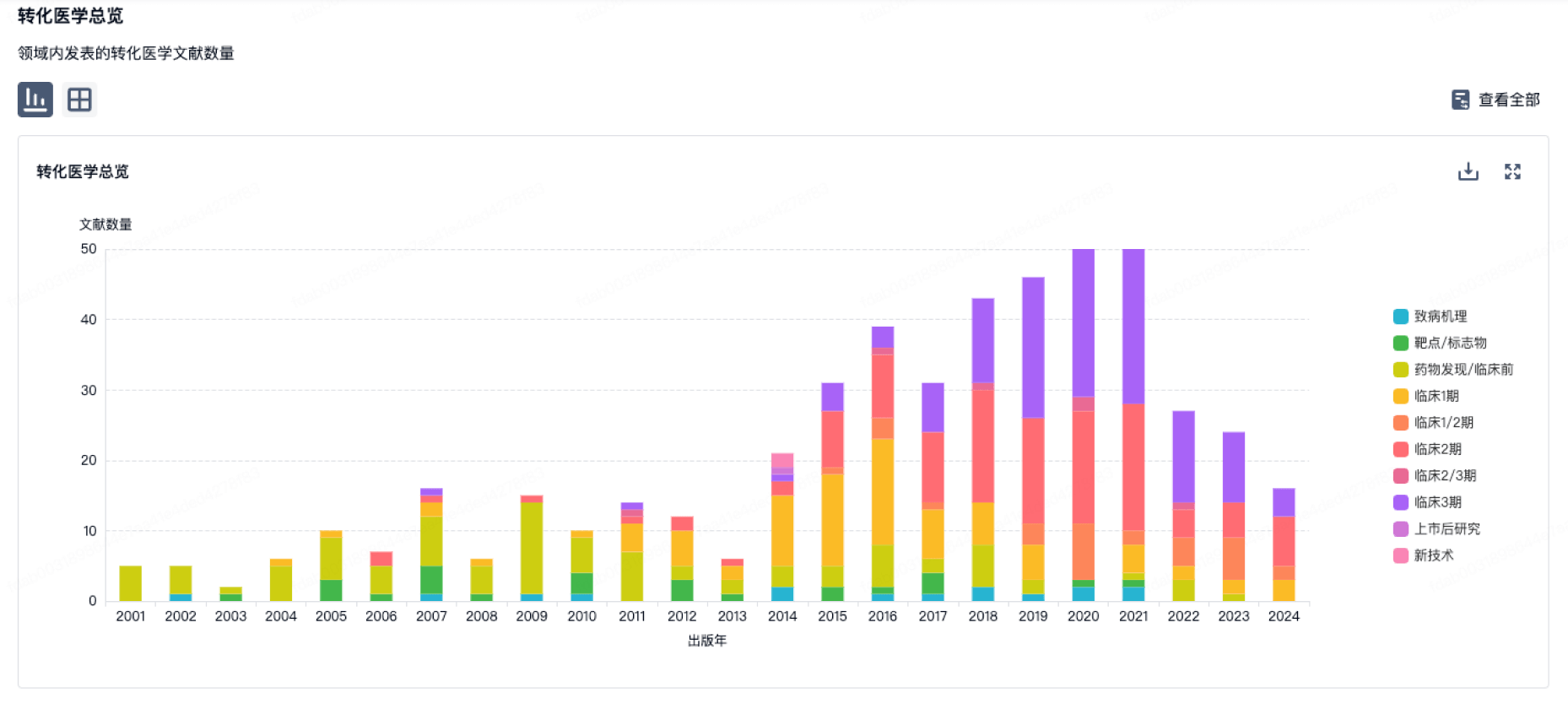
转化医学
使用我们的转化医学数据加速您的研究。
登录
或
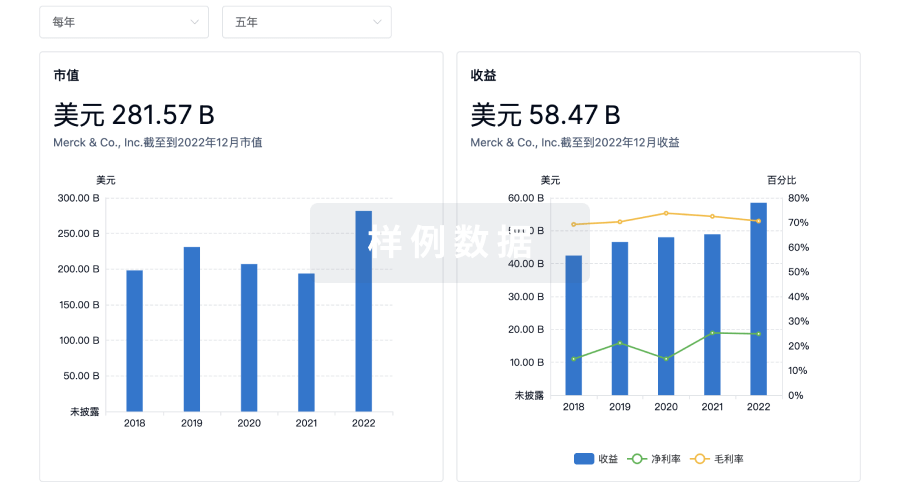
营收
使用 Synapse 探索超过 36 万个组织的财务状况。
登录
或
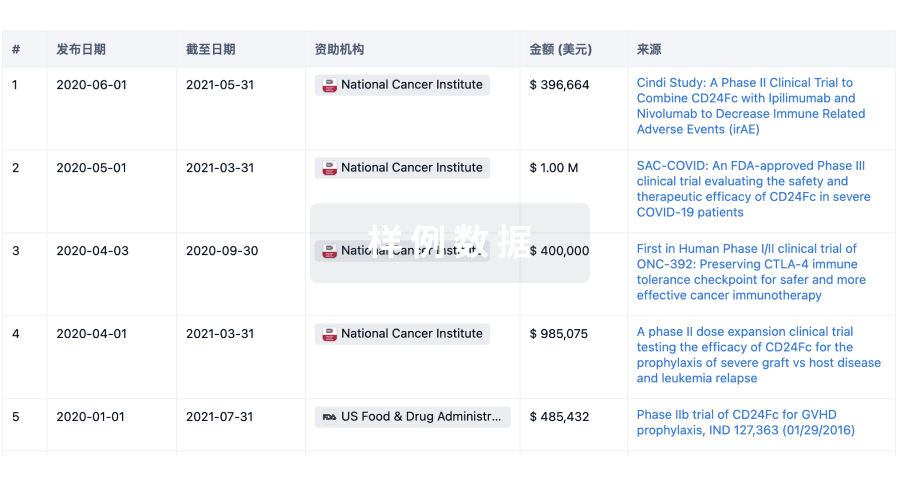
科研基金(NIH)
访问超过 200 万项资助和基金信息,以提升您的研究之旅。
登录
或
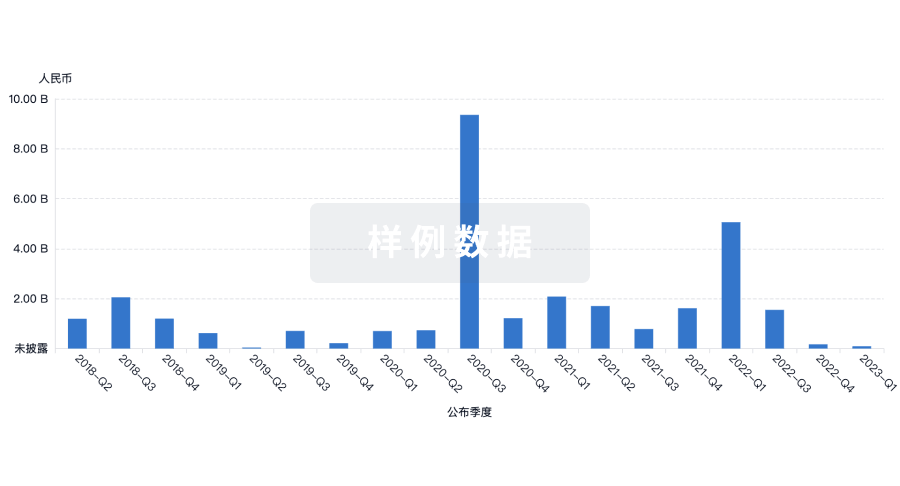
投资
深入了解从初创企业到成熟企业的最新公司投资动态。
登录
或
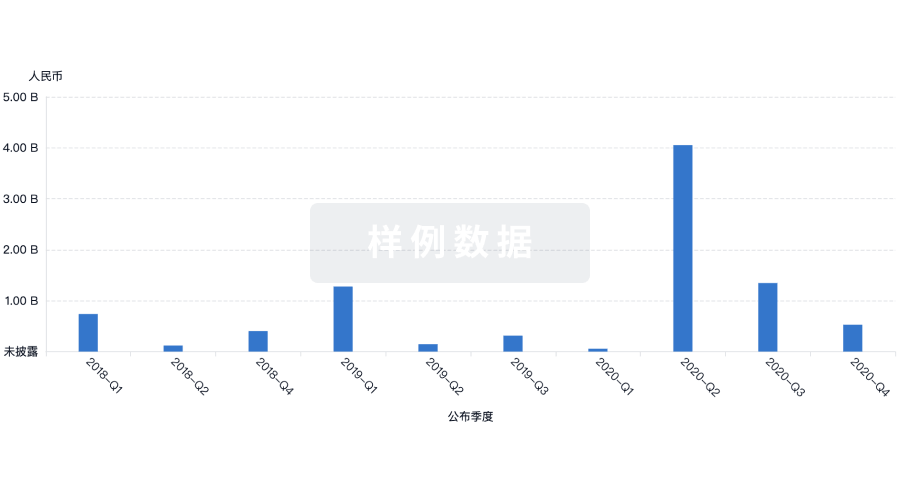
融资
发掘融资趋势以验证和推进您的投资机会。
登录
或
提出任何生物医药研究问题
让每一步生物医药决策都精准制胜
基于十亿级生物数据与全球情报的精准 AI,赋能早期药物发现
立即开始免费试用!
智慧芽新药情报库是智慧芽专为生命科学人士构建的基于AI的创新药情报平台,助您全方位提升您的研发与决策效率。
立即接入生物医药数据包
智慧芽新药库数据也通过智慧芽开放平台,以MCP或API服务形式对外开放。立即使用我们的MCP服务定制您的LLM智能体。
生物序列数据库
生物药研发创新
免费使用
化学结构数据库
小分子化药研发创新
免费使用