预约演示
更新于:2026-03-04

Quotient Sciences Ltd.
更新于:2026-03-04
概览
标签
其他疾病
免疫系统疾病
神经系统疾病
小分子化药
化学药
mRNA
疾病领域得分
一眼洞穿机构专注的疾病领域

技术平台
公司药物应用最多的技术
靶点
公司最常开发的靶点
关联
靶点 |
作用机制 |
在研机构 |
原研机构 |
在研适应症 |
非在研适应症 |
最高研发阶段 |
首次获批国家/地区 |
首次获批日期 |


靶点 |
作用机制 |
在研机构 |
原研机构 |
在研适应症 |
非在研适应症 |
最高研发阶段 |
首次获批国家/地区 |
首次获批日期 |

靶点 |
作用机制 |
在研机构 |
原研机构 |
在研适应症 |
非在研适应症 |
最高研发阶段 |
首次获批国家/地区 |
首次获批日期 |
NCT07220954
A Phase I, Single-Dose, Open-Label, Sequential, Randomised, Crossover Study to Assess the Relative Bioavailability of Different Subcutaneous Formulations of AZD6234 in Participants Living With Overweight or Obesity

NCT07011511
A First-in-Human, Single-Centre, Single Ascending Dose Study to Assess the Safety, Tolerability and Pharmacokinetics of Intramuscular Injection(s) of Long-Acting Injectable Formulations of MMV055 Alone (Part A) and in Combination With MMV371 (Part B) in Healthy Participants

NCT06989983
An Open-Label, Two-Period Study Designed to Assess the Mass Balance Recovery, Absorption, Metabolism, Excretion of [14C]AZD5462 and the Absolute Bioavailability of AZD5462 in Healthy Male Participants
100 项与 Quotient Sciences Ltd. 相关的临床结果
登录后查看更多信息
登录后查看更多信息
2025-11-05ANTIMICROBIAL AGENTS AND CHEMOTHERAPY
Mass balance, pharmacokinetics, metabolism, and excretion of radiolabeled acoziborole, a potential novel treatment for human African trypanosomiasis, following single microtracer oral dose to humans
Article
作者: Launay, Delphine ; Wauthier, Valérie ; Pelay-Gimeno, Marta ; Tarral, Antoine ; Gillon, Jean-Yves ; Loyau, Sabrina ; Andel, Lotte van ; Sidhu, Sharan ; Louis, Mathieu ; Rembry, Sandra ; Weinling, Estelle ; Simon, François
ABSTRACT:
Acoziborole is an oxaborole 6-carboxamide active against
Trypanosoma brucei gambiense
and
rhodesiense
, the parasites responsible for human African trypanosomiasis. This open-label, phase I study in six healthy male participants evaluated the mass balance, pharmacokinetics, metabolism pathways, and excretion of a single oral 960 mg dose of [
14
C]-acoziborole. Blood, plasma, and feces were collected for 120 days and urine for 16 days. The excretion balance and systemic exposure of total circulating radioactivity were determined using accelerator mass spectrometry. Metabolism profiling was performed in pools of plasma, urine, and feces. Liquid chromatography coupled with tandem mass spectrometry quantified acoziborole and its metabolite SCYX-3109 in plasma and urine. By Day 60, 87.3% of the total radioactivity had been recovered (10.9% and 74.2% of the total dose in urine and in feces, respectively), with an excretion increment of <1% between Days 59 and 61. Mean ratios of total radioactivity indicated an equivalent distribution between blood cells and plasma. The concentration-time profiles of total radioactivity and acoziborole in plasma were similar. In plasma, acoziborole accounted for 95.1%, an oxidized form of acoziborole for 2.3% of the total radioactivity, while SCYX-3109 was not detected. Seven metabolites (oxidative deboronation, glucuronidation, and mono-oxidation) were detected in urine with individual abundances relative to the dose of 0.1–2.1%; unchanged acoziborole accounted for 0.6%. In feces, acoziborole, SCYX-3109, and two other oxidized or deboronated forms of acoziborole represented 33.6%, 12.3%, and 2.3% of the dose, respectively. Acoziborole showed good absorption, limited metabolism, minimal urinary elimination, and predominant but slow biliary-fecal elimination.
2025-03-19Bioanalysis
Feedback from a workshop by the European Bioanalysis Forum on assay validation requirements for
in vitro
assays following the publication of ICH M12 guideline – a plea for context-of-use over ICH M10 standards
Article
作者: McDougall, Stuart ; Laurén, Anna ; Adcock, Neil ; Verhaeghe, Tom ; Hughes, Richard ; Ferrari, Luca ; Nelson, Robert ; White, Steve ; Goodwin, Lee ; Cowan, Kyra ; Wright, Michael ; Timmerman, Philip ; Arfvidsson, Cecilia ; Ivanova, Tsvetelina ; Golob, Michaela ; van de Merbel, Nico ; Barfield, Matthew
The release of the ICH M12 Guideline on Drug Interaction Studies has reignited discussions around assay validation requirements for in vitro assays such as plasma protein-binding studies. Even though the ICH M12 does not directly reference the ICH M10 Guideline on Bioanalytical Method Validation and Sample Analysis, its release prompted further discussions on assay validation requirements for these studies during the 17th European Bioanalysis Forum Open Symposium held in Barcelona, Spain, from 19 to 21 November 2024, where we advocated for a Context-of-Use driven approach over rigid adherence to ICH M10 standards. Context-of-Use driven validation ensures assays are tailored to the specific scientific and regulatory needs, optimizing resource allocation and innovation in drug development. This short opinion paper explores the potential and undesired implications of ICH M12 on bioanalytical validation practices, highlights the distinction between exploratory assays and assays having a clinical impact, and underscores the necessity for tailored validation strategies.
2025-01-17Bioanalysis
Perspective on LC-MS(/MS) for biotherapeutic and biomarker proteins in research and regulated Bioanalysis: a consolidation of more than a decade of experience across the European Bioanalysis Forum community (Part 2: “The How”)
Article
作者: Wheller, Rob ; de Merbel, Nico van ; Wilson, Amanda ; Fusetti, Fabrizia ; Muccio, Stephane ; Gnoth, Mark Jean ; Sporring, Sune Hove ; Timmerman, Philip ; Love, Iain ; Barfield, Matthew ; Jordan, Gregor ; Blackburn, Michael ; Ingelse, Benno ; Blattmann, Peter
Following up on our most recent discussion paper focussing on the continued regulatory challenges for bioanalysis of biotherapeutic and biomarker proteins with LC-MS/MS, the European Bioanalysis Forum reports back on their internal discussions on and experience with method development for biotherapeutic and biomarker proteins in research and regulated Bioanalysis. Due to the broad array of topics discussed, this information is spread over two research papers, where one focusses on the fundamental principles on which the technology is built (i.e., the what) and another on the practical considerations (i.e., the how). In this paper, we discuss 'the how'. Both papers should be helpful for the bioanalytical community to better understand the challenges and provide an insight on why bioanalysis of biotherapeutic and biomarker proteins with LC-MS/MS should not be compared with the more traditional LC-MS/MS assay for small molecules or ligand binding assays for biotherapeutics.
2026-02-28

100 项与 Quotient Sciences Ltd. 相关的药物交易
登录后查看更多信息
100 项与 Quotient Sciences Ltd. 相关的转化医学
登录后查看更多信息
组织架构
使用我们的机构树数据加速您的研究。
登录
或
管线布局
2026年10月17日管线快照
管线布局中药物为当前组织机构及其子机构作为药物机构进行统计,早期临床1期并入临床1期,临床1/2期并入临床2期,临床2/3期并入临床3期
药物发现
1
3
临床前
临床申请
1
4
临床1期
临床3期
1
1
申请上市
登录后查看更多信息
当前项目
登录后查看更多信息
药物交易
使用我们的药物交易数据加速您的研究。
登录
或
转化医学
使用我们的转化医学数据加速您的研究。
登录
或
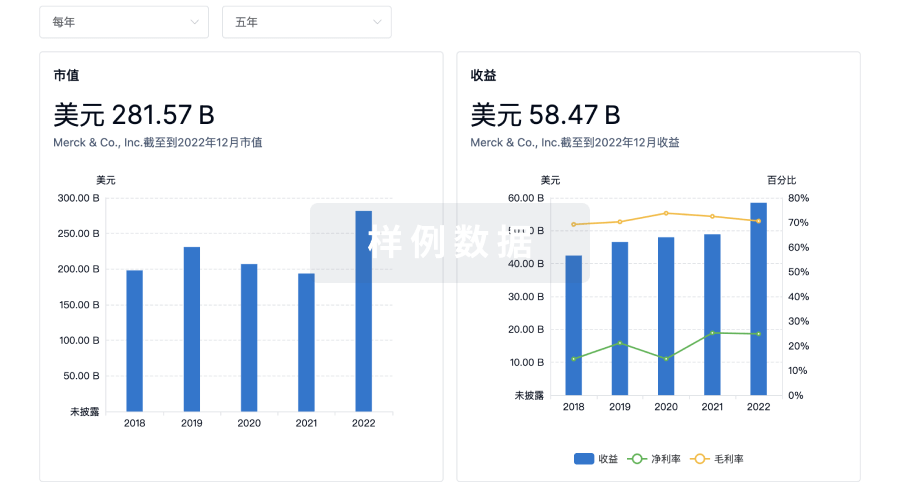
营收
使用 Synapse 探索超过 36 万个组织的财务状况。
登录
或
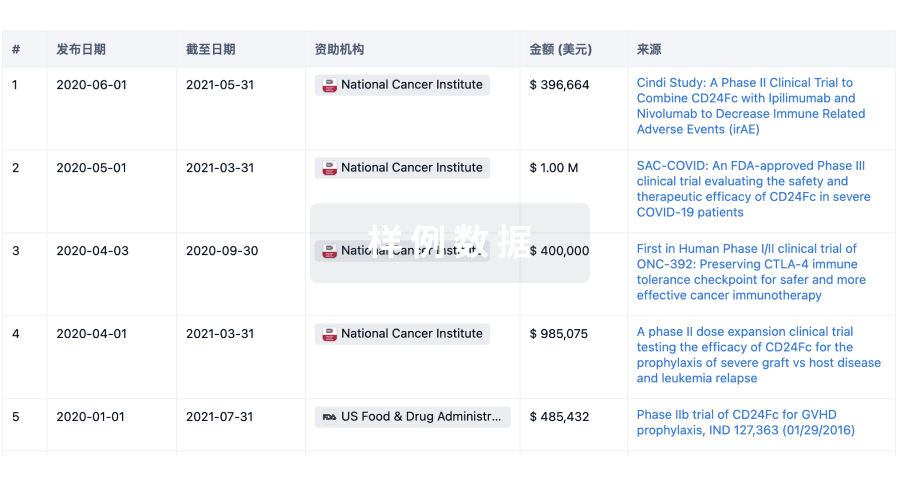
科研基金(NIH)
访问超过 200 万项资助和基金信息,以提升您的研究之旅。
登录
或
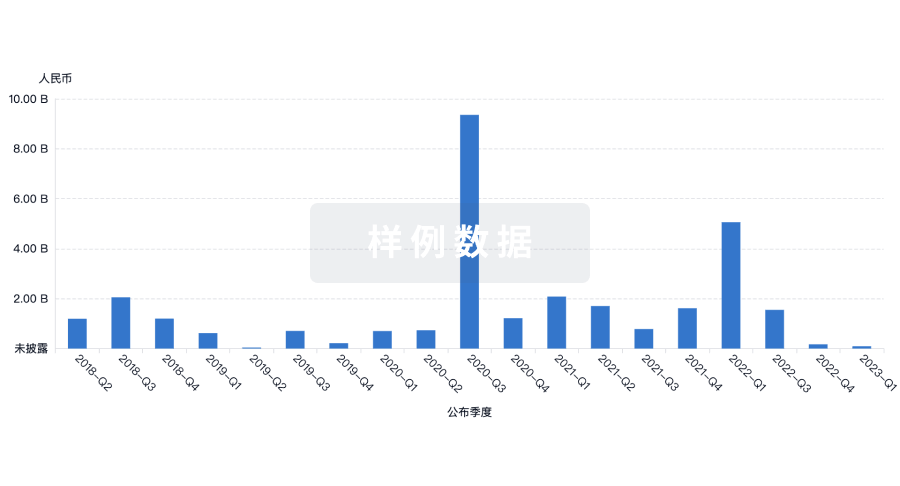
投资
深入了解从初创企业到成熟企业的最新公司投资动态。
登录
或
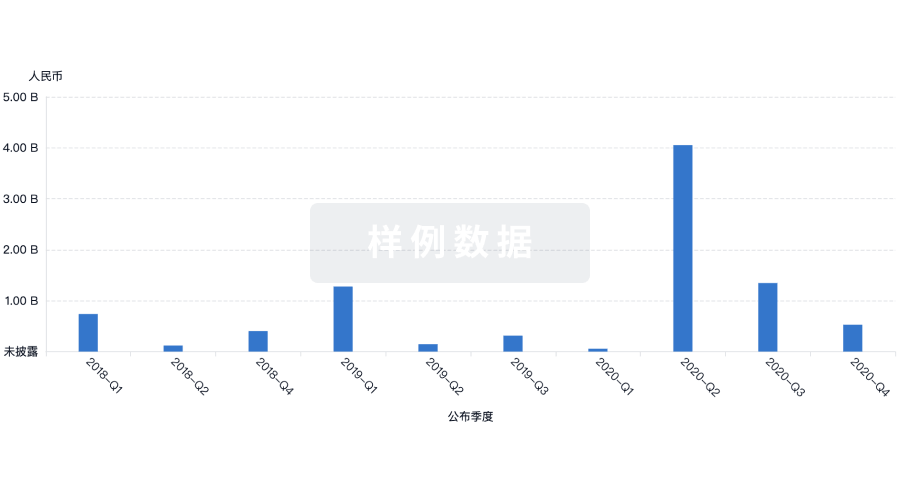
融资
发掘融资趋势以验证和推进您的投资机会。
登录
或
提出任何生物医药研究问题
让每一步生物医药决策都精准制胜
基于十亿级生物数据与全球情报的精准 AI,赋能早期药物发现
立即开始免费试用!
智慧芽新药情报库是智慧芽专为生命科学人士构建的基于AI的创新药情报平台,助您全方位提升您的研发与决策效率。
立即接入生物医药数据包
智慧芽新药库数据也通过智慧芽开放平台,以MCP或API服务形式对外开放。立即使用我们的MCP服务定制您的LLM智能体。
生物序列数据库
生物药研发创新
免费使用
化学结构数据库
小分子化药研发创新
免费使用