预约演示
更新于:2026-05-30

Sanford Burnham Prebys Medical Discovery Institute
更新于:2026-05-30
概览
标签
肿瘤
感染
心血管疾病
小分子化药
化学药
siRNA
疾病领域得分
一眼洞穿机构专注的疾病领域

技术平台
公司药物应用最多的技术
靶点
公司最常开发的靶点
关联
靶点 |
作用机制 |
在研机构 |
原研机构 |
在研适应症 |
非在研适应症 |
最高研发阶段 |
首次获批国家/地区 |
首次获批日期 |

靶点 |
作用机制 |
在研机构 |
原研机构 |
在研适应症 |
非在研适应症 |
最高研发阶段 |
首次获批国家/地区 |
首次获批日期 |


靶点 |
作用机制 |
在研机构 |
原研机构 |
在研适应症 |
非在研适应症 |
最高研发阶段 |
首次获批国家/地区 |
首次获批日期 |
NCT04199000
Clinical and Basic Investigations Into Congenital Disorders of Glycosylation

NCT03032627
Identifying Targets of Maladaptive Metabolic Responses in Heart Failure
NCT02728635
Epigenetic Regulation of Human Adipose Tissue Distribution
100 项与 Sanford Burnham Prebys Medical Discovery Institute 相关的临床结果
登录后查看更多信息
登录后查看更多信息
2026-06-01MOLECULAR AND CELLULAR ENDOCRINOLOGY
Crosstalk between adipocytes and osteoblasts in regulating bone differentiation
Article
作者: Pessoa, Adriano de Souza ; Carvalho, Emanuelle Pangoni de ; Santesso, Mariana Rodrigues ; Iano, Flávia Godoy ; Buzalaf, Marília Rabelo ; Oliveira, Rodrigo Cardoso de ; Ventura, Talita ; Thomassian, Larissa Tercília Grizzo ; Tokuhara, Cintia Kazuko ; Sanches, Mariana Liessa Rovis ; Oliveira, Flávia Amadeu de
Bone homeostasis is strongly influenced by adipose tissue, since both cell types coexist in the bone marrow and communicate through soluble mediators. This interaction may create an osteo-adipogenic imbalance that favors adipogenesis over osteogenesis, contributing to conditions such as osteoporosis, often associated with increased marrow adiposity. In this study, we examined the effects of adipocyte-conditioned medium (CM) on osteoblasts. Although CM did not induce cytotoxicity and even increased cell viability, it markedly impaired osteoblastic function. CM-treated cells showed an absence of calcium deposition and significantly reduced alkaline phosphatase (ALP) activity, indicating a blockade in differentiation. Proteomic analysis revealed downregulation of key extracellular matrix proteins, including fibronectin, asporin, and periostin, which are essential for matrix organization and mineralization. Conversely, proteins related to inflammation and oxidative stress, such as GAPDH, vimentin, and the acidic 60S ribosomal protein, were upregulated. STRING network analysis identified clusters enriched in stress response, protein folding, and cytoskeletal remodeling, while matrix-associated proteins appeared fragmented and underrepresented. Long exposure to late CM showed further enrichment of ribosomal and translational proteins, suggesting a shift toward stress adaptation rather than matrix production. Hemoglobin overexpression and reduced histone isoforms indicated NF-κB activation, oxidative stress, and adverse epigenetic alterations. Overall, these findings indicate that the adipocyte secretome creates a microenvironment detrimental to osteoblast differentiation, marked by impaired mineralization, inflammatory signaling, oxidative stress, and cytoskeletal and epigenetic dysfunction. These insights highlight potential molecular pathways that may be targeted to restore osteogenesis under pathological conditions.
2026-06-01JOURNAL OF BIOLOGICAL CHEMISTRY
A proximity-labeling map of PI5P4K phosphoinositide kinases interaction networks
Article
作者: Emerling, Brooke M ; Maurya, Svetlana ; Eron, Scott ; Chapagain, Pratima ; Goodman, Krista ; Portillo, Benji ; Murad, Rabi ; Ye, Guosen ; Huluka, Hundaol ; Loughran, Ryan M ; Blind, Raymond D ; Llorente, Alicia ; Crabtree, Sophia ; Arora, Gurpreet K
Phosphatidylinositol-5-phosphate 4-kinases (PI5P4Ks) have emerged as candidate drug targets in cancer, neurological, inflammatory, and infectious diseases. Although their canonical function is to phosphorylate PI(5)P to generate PI(4,5)P2, growing evidence points to additional catalytic-independent roles, but how these functions are organized within protein interaction networks remains unclear. Here, we use proximity-dependent biotin identification (BioID) in HeLa cells to map isoform-resolved interactomes of human PI5P4Kα, PI5P4Kβ, and PI5P4Kγ. This approach captures PI5P4K-proximal proteins in intact cells and reveals interaction networks positioning these kinases within trafficking-associated signaling modules. Importantly, BioID analysis indicates that PI5P4Kγ has the most extensive set of proximal interactors among the three PI5P4Ks, consistent with its comparatively low catalytic activity and a prominent scaffold-like function. Among PI5P4Kγ-enriched partners, we highlight the endosomal cargo adaptor SNX17 as a proximal interactor that links PI5P4Kγ to β1-integrin recycling and to cell migration and invasion. By providing a proximity map for all three PI5P4Ks, this study offers a framework to help define contexts in which targeted protein degradation may offer advantages over catalytic inhibition and provides a resource for future mechanistic studies on these phosphoinositide kinases.
2026-05-01JHEP Reports
Single-cell fixed RNA profiling uncovers SEMA4D and LMCD1 as therapeutic targets in a liver fibrosis model
Article
作者: Fujii, Hideki ; Oikawa, Daisuke ; Ikenaga, Hiroko ; Iwakiri, Yasuko ; Yoshida, Kanako ; Matsubara, Tsutomu ; Huyen, Vu Thuong ; Yamagishi, Ryota ; Tokunaga, Fuminori ; Gracia-Sancho, Jordi ; Kisseleva, Tatiana ; Kawada, Norifumi ; Ha, Nguyen Thi ; Cheng, Yi ; Ohtani, Naoko ; Enomoto, Masaru ; Van Bao, Tran ; Brenner, David A ; Duc, Pham Minh ; Thuy, Le Thi Thanh ; Anh, Pham Tuan ; Uchida-Kobayashi, Sawako ; Hai, Hoang ; Yuasa, Hideto
BACKGROUND & AIMS:
Single-cell fixed RNA profiling (FLEX) is a novel technique that captures RNA expression in frozen tissues at a single-cell resolution. We applied FLEX to mouse model of liver fibrosis progression and regression to identify novel antifibrotic targets.
METHODS:
Mice were administered intraperitoneal thioacetamide for 10 weeks to induce fibrosis, regression was assessed 2 weeks after cessation. The livers were fixed, dissociated, and analysed using FLEX. Molecular validation included immunoblotting, immunohistochemistry, gene silencing/overexpression, cytokine/phosphokinase arrays, and human liver samples.
RESULTS:
Approximately 40,000 liver cells were profiled, integrated, and annotated into 10 major cell types using lineage-specific markers. Pericentral signature restoration in hepatocytes, scar-resolving genes (Mmp14 and Ctsl), fenestrae restoration in liver sinusoidal endothelial cells, anti-inflammatory Kupffer cells, reduced fibrogenic cholangiocytes, and recovery-associated immune cell subsets were observed. During fibrosis, monocyte-derived macrophages secrete semaphorin-4D (SEMA4D), which binds to Plexin B2 on hepatic stellate cells (HSCs). SEMA4D+ cells were upregulated in mouse fibrotic livers (n = 6, p <0.05). Recombinant SEMA4D induces type I collagen in HSCs, whereas humanised monoclonal IgG4 SEMA4D blockade (VX15/2503) attenuates fibrosis in vivo (n = 5, p <0.05). LIM and cysteine-rich domains 1 (LMCD1) was enriched in fibrotic HSCs and suppressed during regression. LMCD1 knockdown reduced the expression of fibrotic protein, while LMCD1 overexpression promoted the expression of fibrotic protein via AKT/mTOR signalling. LMCD1 and SEMA4D are localised in the fibrotic septa and are correlated with the fibrotic stage of MASLD (n = 34, p <0.05) and HCV (n = 76, p <0.05) in humans.
CONCLUSIONS:
This FLEX-based single-cell atlas revealed critical transcriptional programs and cell-cell interactions, identifying SEMA4D and LMCD1 as promising therapeutic targets for liver fibrosis.
IMPACT AND IMPLICATIONS:
In this study, we applied a novel technique, single-cell fixed RNA profiling, to profile 38,136 cells obtained from control, thioacetamide-induced liver fibrosis, and regression-phase mouse livers, generating a high-resolution atlas of liver fibrosis progression and regression. We identified the transcriptomic patterns of regressed cell subpopulations and uncovered two key therapeutic targets: the macrophage-derived factor semaphorin-4D (SEMA4D) and the hepatic stellate cell-specific transcription factor LIM and cysteine-rich domains 1 (LMCD1). Treatment with a humanised monoclonal IgG4 antibody against SEMA4D significantly alleviated liver fibrosis in the thioacetamide-induced mouse model. SEMA4D and LMCD1 expression correlated with the metabolic dysfunction-associated steatotic liver disease-related fibrosis stage, and the attenuation of SEMA4D and LMCD1 after HCV-sustained virologic response reduced the risk of progression to hepatocellular carcinoma.
100 项与 Sanford Burnham Prebys Medical Discovery Institute 相关的药物交易
登录后查看更多信息
100 项与 Sanford Burnham Prebys Medical Discovery Institute 相关的转化医学
登录后查看更多信息
组织架构
使用我们的机构树数据加速您的研究。
登录
或
管线布局
2026年10月16日管线快照
管线布局中药物为当前组织机构及其子机构作为药物机构进行统计,早期临床1期并入临床1期,临床1/2期并入临床2期,临床2/3期并入临床3期
药物发现
7
24
临床前
临床1期
1
1
临床2期
其他
42
登录后查看更多信息
当前项目
登录后查看更多信息
药物交易
使用我们的药物交易数据加速您的研究。
登录
或
转化医学
使用我们的转化医学数据加速您的研究。
登录
或
营收
使用 Synapse 探索超过 36 万个组织的财务状况。
登录
或
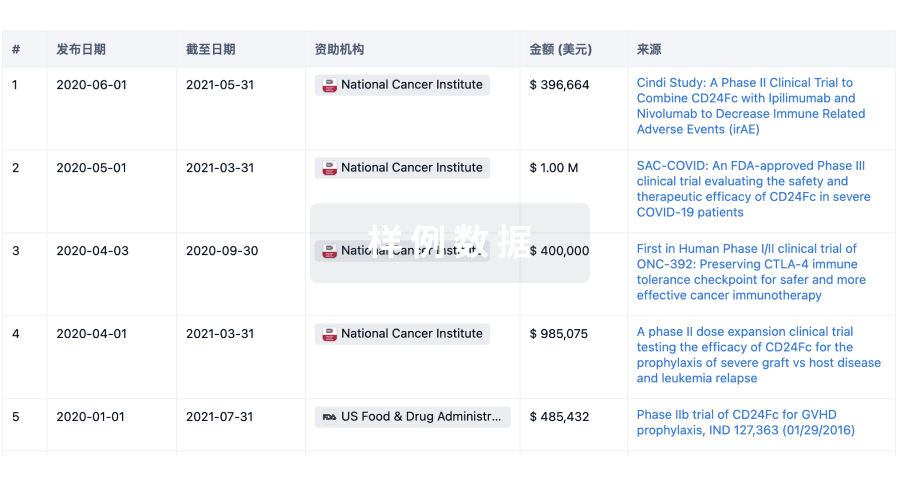
科研基金(NIH)
访问超过 200 万项资助和基金信息,以提升您的研究之旅。
登录
或
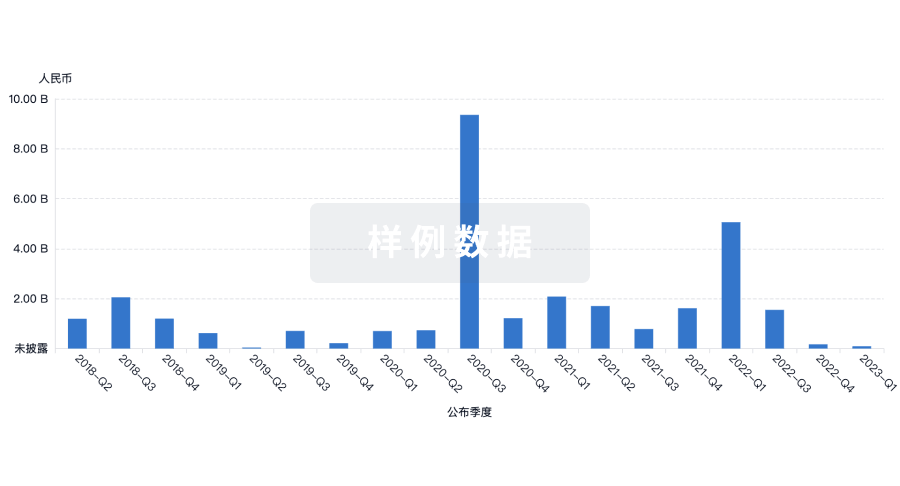
投资
深入了解从初创企业到成熟企业的最新公司投资动态。
登录
或
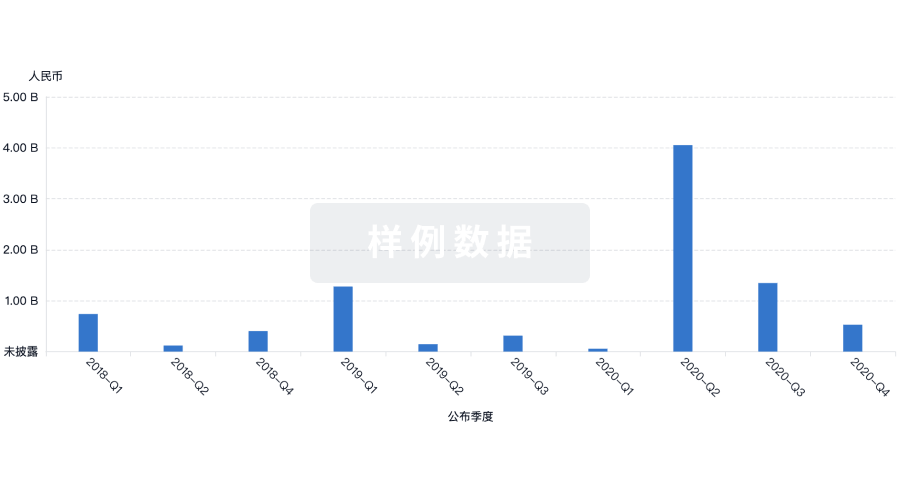
融资
发掘融资趋势以验证和推进您的投资机会。
登录
或
提出任何生物医药研究问题
让每一步生物医药决策都精准制胜
基于十亿级生物数据与全球情报的精准 AI,赋能早期药物发现
立即开始免费试用!
智慧芽新药情报库是智慧芽专为生命科学人士构建的基于AI的创新药情报平台,助您全方位提升您的研发与决策效率。
立即接入生物医药数据包
智慧芽新药库数据也通过智慧芽开放平台,以MCP或API服务形式对外开放。立即使用我们的MCP服务定制您的LLM智能体。
生物序列数据库
生物药研发创新
免费使用
化学结构数据库
小分子化药研发创新
免费使用