预约演示
更新于:2026-03-08
Icahn School of Medicine at Mount Sinai
更新于:2026-03-08
概览
标签
肿瘤
其他疾病
皮肤和肌肉骨骼疾病
蛋白水解靶向嵌合体(PROTAC)
小分子化药
单克隆抗体
疾病领域得分
一眼洞穿机构专注的疾病领域

暂无数据
技术平台
公司药物应用最多的技术
暂无数据
靶点
公司最常开发的靶点
暂无数据
| 排名前五的药物类型 | 数量 |
|---|---|
| 蛋白水解靶向嵌合体(PROTAC) | 127 |
| 小分子化药 | 41 |
| 单克隆抗体 | 6 |
| 治疗性疫苗 | 3 |
| 溶瘤病毒 | 2 |
关联
193
项与 Icahn School of Medicine at Mount Sinai 相关的药物靶点 |
作用机制 DHFR抑制剂 |
在研机构 |
原研机构 |
在研适应症 |
非在研适应症 |
最高研发阶段批准上市 |
首次获批国家/地区 日本 |
首次获批日期1968-02-01 |




靶点 |
作用机制 GLA刺激剂 |
在研适应症 |
非在研适应症- |
最高研发阶段申请上市 |
首次获批国家/地区- |
首次获批日期- |


1,194
项与 Icahn School of Medicine at Mount Sinai 相关的临床试验NCT05402384
Evaluation of Efficacy and Safety of D-galactose Supplementation in SLC35A2-CDG, a Disorder of Hypogalactosylation
This is a multicenter, randomized, double-blind, placebo-controlled, cross-over study to evaluate the efficacy and safety of AVTX-801 in subjects with SLC35A2-CDG
开始日期2027-01-01 |
申办/合作机构 |
NCT06648460
Multimodal Differences in Effort-based Decision-Making in Depression - - Brain Behavior Quantification and Synchronization
Major depressive disorder (MDD) is a serious condition that causes long-term symptoms such as feeling sad, losing interest in activities, and having thoughts of self-harm. Difficulty in making an effort is a key factor in functional impairment. Current methods to evaluate this difficulty use clinical assessments and computer-based tasks, but there is a gap between the measurements and real-life behavior. To address this, the study team proposes creating an instrumented behavioral test, HORMES, to objectively assess reduced motivation during everyday activities and measure physiological responses. The study will examine differences in brain activity, autonomic system function, and metabolic energy expenditure in patients with major depression during a decision-making task that involves physical effort.
开始日期2026-08-01 |
申办/合作机构 |

NCT07440641
A Pilot Randomized Controlled Trial of Remote Exercise to Improve Physical Function in World Trade Center (WTC) Responders With Prostate Cancer
People who responded to the World Trade Center (WTC) disaster on September 11, 2001 were exposed to toxic dust and smoke and have higher rates of certain health problems, including prostate cancer. Many WTC Responders with prostate cancer experience ongoing physical limitations, fatigue, and reduced quality of life, even after completing cancer treatment. Regular exercise can improve strength, balance, physical function, and well-being in people with cancer, but many men with prostate cancer do not meet recommended physical activity levels. Barriers such as travel, health concerns, and lack of access to tailored programs can make it difficult to participate in exercise programs.
This pilot study will test whether a remotely delivered, supervised group exercise program is feasible and acceptable for WTC Responders with prostate cancer. The exercise program is delivered live by videoconference and is based on an established, evidence-based program for older adults. It includes aerobic, strength, balance, and flexibility exercises and is designed to be safe, supportive, and accessible to people living in different locations.
A total of 40 WTC Responders with a history of prostate cancer will take part in this study. Participants will be randomly assigned to either (1) a 16-week remote exercise program or (2) a waitlist control group that receives usual care during the study period and is offered the exercise program after completing all study assessments. Participants in the exercise group will attend three one-hour exercise sessions per week using videoconferencing.
The main goals of this study are to determine whether participants can be successfully recruited and retained, whether they attend and complete the exercise sessions, and whether they find the program acceptable and helpful. The study will also explore whether the exercise program improves physical function, physical activity, and quality of life. Physical function will be measured using simple movement tests performed remotely, and physical activity will be measured using a wearable activity monitor. Participants will also complete questionnaires about their health, physical functioning, and experiences with the program.
In addition, this study will evaluate whether it is feasible for participants to collect saliva samples at home and return them by mail for future research. A subset of participants will be invited to complete interviews to share their experiences and provide feedback on how the program could be improved.
Results from this pilot study will help inform the design of a larger future trial aimed at improving physical function and quality of life for WTC Responders with prostate cancer through accessible, remotely delivered exercise programs.
This pilot study will test whether a remotely delivered, supervised group exercise program is feasible and acceptable for WTC Responders with prostate cancer. The exercise program is delivered live by videoconference and is based on an established, evidence-based program for older adults. It includes aerobic, strength, balance, and flexibility exercises and is designed to be safe, supportive, and accessible to people living in different locations.
A total of 40 WTC Responders with a history of prostate cancer will take part in this study. Participants will be randomly assigned to either (1) a 16-week remote exercise program or (2) a waitlist control group that receives usual care during the study period and is offered the exercise program after completing all study assessments. Participants in the exercise group will attend three one-hour exercise sessions per week using videoconferencing.
The main goals of this study are to determine whether participants can be successfully recruited and retained, whether they attend and complete the exercise sessions, and whether they find the program acceptable and helpful. The study will also explore whether the exercise program improves physical function, physical activity, and quality of life. Physical function will be measured using simple movement tests performed remotely, and physical activity will be measured using a wearable activity monitor. Participants will also complete questionnaires about their health, physical functioning, and experiences with the program.
In addition, this study will evaluate whether it is feasible for participants to collect saliva samples at home and return them by mail for future research. A subset of participants will be invited to complete interviews to share their experiences and provide feedback on how the program could be improved.
Results from this pilot study will help inform the design of a larger future trial aimed at improving physical function and quality of life for WTC Responders with prostate cancer through accessible, remotely delivered exercise programs.
开始日期2026-06-01 |
申办/合作机构 |

100 项与 Icahn School of Medicine at Mount Sinai 相关的临床结果
登录后查看更多信息
0 项与 Icahn School of Medicine at Mount Sinai 相关的专利(医药)
登录后查看更多信息
46,550
项与 Icahn School of Medicine at Mount Sinai 相关的文献(医药)2026-12-31·JOURNAL OF DERMATOLOGICAL TREATMENT
Long-term efficacy and tolerability of clindamycin phosphate 1.2%/adapalene 0.15%/benzoyl peroxide 3.1% gel for acne: pooled results from two 6-month studies
Article
作者: Tanghetti, Emil A. ; Wroblewski, Karol ; Ghannoum, Mahmoud ; Harper, Julie C. ; Kircik, Leon H. ; Baldwin, Hilary ; Draelos, Zoe D. ; Gold, Linda Stein
AIM:
Given the chronic nature of acne, two 6-month studies were conducted to evaluate the long-term efficacy and tolerability of clindamycin phosphate 1.2%/adapalene 0.15%/benzoyl peroxide (BPO) 3.1% gel (CAB)-the only approved triple-combination acne topical-and its effects on scarring/dyspigmentation in participants with moderate to severe acne.
MATERIALS AND METHODS:
Data were pooled from 2 identical, open-label, single-center studies conducted in participants (N = 50) aged ≥12 years with Investigator's Global Assessment (IGA) score of 3/4. Endpoints included change from baseline in IGA score, inflammatory/noninflammatory lesions, skin appearance (dryness, postinflammatory hyperpigmentation [PIH], postinflammatory erythema [PIE]), and scarring. Adverse events and tolerability (itching, burning, redness, swelling) were assessed.
RESULTS:
At week 24, 67% of participants achieved treatment success, and significant reductions from baseline in inflammatory (88%) and noninflammatory (68%) lesions were observed (p < 0.001, both). Significant reductions in scarring (33%), investigator- and participant-assessed PIH (71%; 78%, respectively), and PIE (77%; 77%, respectively) were demonstrated (p < 0.001, all). Most participants (>70%) reported no tolerability issues throughout the studies. Seven adverse events occurred; 4 were related to CAB, and 3 led to study discontinuation (BPO allergy [n = 2], irritant contact dermatitis to BPO [n = 1]).
CONCLUSIONS:
These findings suggest that CAB is an appropriate and effective topical option for the long-term treatment of acne vulgaris.
2026-12-31·ANNALS OF HUMAN BIOLOGY
The challenges of optimising the treatment of children diagnosed with idiopathic short stature
Article
作者: Romero, Christopher J. ; Rapaport, Robert
Physicians who treat children with idiopathic short stature (ISS) are challenged in deciding whether the intervention to improve final height is truly efficacious, given the heterogeneity of the diagnosis of ISS. There are numerous studies and reviews that have attempted to assess and demonstrate the benefit of various interventions, such as growth hormone therapy and aromatase inhibitors. Recently, Zhang et al. published a well-written meta-analysis entitled "Comparative effects of growth hormone, testosterone, and aromatase inhibitors on height gain in children and adolescents with idiopathic short statures: a network meta-analysis," attempting to stratify the benefit of several interventions. Our commentary seeks to highlight the importance of more research needed in this field and the complexities of treating children with ISS.
2026-12-01·Journal of Clinical Sleep Medicine
Correcting melanin-dependent errors in pulse oximetry for more accurate assessments of sleep-disordered breathing
Letter
作者: Rea, Mark
1,203
项与 Icahn School of Medicine at Mount Sinai 相关的新闻(医药)2026-03-06
·生物谷
来自西奈山伊坎医学院等机构的科学家们通过研究终于在婴儿期的免疫系统中找到了那个关键的“开关”。
深夜,宝宝又在挠痒了,小胳膊小腿上红通通一片,哭闹声划破寂静,一家人跟着揪心。这不是哪个家庭的专属记忆—大约每四个孩子里,就有一个会在某个阶段被湿疹困扰。而更让人揪心的是,这个看似只是“皮肤问题”的小毛病,往往只是开端。很多孩子从湿疹出发,沿着一条被称为“特应性进行曲”的路径,一步步走向哮喘、食物过敏等更棘手的过敏性疾病。
为什么偏偏是孩子?为什么过敏的“多米诺骨牌”往往从皮肤开始倒下?数十年来,科学家们一直在寻找答案。如今,一篇发表在国际杂志Nature上题为“Peripheral immune-inducer dendritic cells drive early-life allergic inflammation”的研究报告中,来自西奈山伊坎医学院等机构的科学家们通过研究终于在婴儿期的免疫系统中找到了那个关键的“开关”。
皮肤里的“哨兵”太敬业,反而闯了祸
想象一下,你的皮肤是一座城堡,免疫细胞是巡逻的哨兵。正常情况下,遇到可疑分子(比如尘螨、霉菌),哨兵会适度反应,驱逐入侵者后迅速恢复平静。但在婴儿的皮肤里,哨兵却是一群“过度敬业”的家伙—它们反应神速,强度拉满,而且一旦开火就停不下来。这项研究中,研究人员揭开了这群“过度敬业哨兵”的真实身份:一种特殊的树突状细胞。他们给幼年小鼠暴露日常生活中常见的过敏原,发现它们的皮肤免疫反应与成年小鼠截然不同—婴儿小鼠出现了强烈的皮肤炎症,而成年小鼠则风平浪静。
追根溯源,问题出在树突状细胞身上。在幼年时期,这些细胞获得了一种特殊状态,研究人员称之为“外周免疫诱导者”状态。它们不需要像通常那样先迁移到淋巴结“请示汇报”,直接在皮肤里就能激活一群叫“γδT细胞17”的免疫细胞,引发炎症反应。更关键的是,这种状态只在婴儿期存在,成年后就会消失。
激素的“缺席”给了过敏可乘之机
为什么婴儿的树突状细胞会如此“亢奋”?研究团队发现了更深层的原因:一个与神经内分泌系统相关的发育检查点。我们知道,人体内有套“下丘脑-垂体-肾上腺”轴,它像一个精密的恒温器,调控着压力激素(糖皮质激素)的水平,而糖皮质激素恰恰是免疫系统的“刹车”之一。研究发现,婴儿期的这套系统尚未发育成熟,体内天然缺乏足够水平的糖皮质激素。正是这种生理性的“刹车不足”,给了树突状细胞“放飞自我”的机会。
当研究人员通过基因手段敲除树突状细胞上的糖皮质激素受体,成年小鼠的皮肤也重现了婴儿期的过度免疫反应。反过来,这也印证了那个朴素的观点:孩子不是缩小版的大人,他们的免疫系统遵循着一套完全不同的规则。
从实验室到诊室:人类婴儿身上也有同样痕迹
这项研究最有说服力的部分,来自与临床的结合,研究人员分析了患有早期湿疹的儿童皮肤样本,发现了与小鼠实验中高度一致的免疫活性信号,而在成人湿疹患者中,这个信号却并不明显。这意味着,小鼠身上发现的这个“婴儿期免疫窗口”,在人类身上同样存在。这项发现的意义远不止解释了“为什么婴儿容易得湿疹”这么简单,它指向了一种可能性:如果我们能在这个免疫窗口期进行干预,是否就能阻断后续的一系列过敏反应?
研究人员通过实验证实,当阻断树突状细胞的这条免疫通路后,幼年小鼠不再对过敏原产生皮肤炎症。更重要的是,这种早期干预还影响了远端的器官—那些原本在二次接触过敏原时会爆发剧烈肺部炎症的小鼠,症状明显减轻了。换句话说,皮肤或许是过敏战役的第一战场,但胜负可能在更早的时候就已注定。如果能在皮肤这个源头掐灭过敏的“火种”,或许就能阻止它蔓延到肺部(哮喘)、消化道(食物过敏)等其他器官。
这项研究或许是对“儿童免疫”这个概念的重新认识,长期以来,我们习惯用成人的标准去衡量孩子,认为他们的免疫系统只是“尚未成熟”的成人版。但这项研究表明,婴儿期的免疫系统不是“不成熟”,而是“不同”—它有自己的运作规则,有自己的发育时间表,也有自己独特的脆弱窗口。
正如研究者所说,孩子不是缩小版的大人。他们的免疫系统遵循着一套独特的规则,认识到这种差异,对于理解并最终预防那些始于童年的过敏性和免疫介导疾病至关重要。当然,从发现机制到开发预防策略,还有很长的路要走。但至少现在,当看到宝宝挠痒的夜晚,我们已经知道该往哪个方向去寻找答案。(生物谷Bioon.com)
参考文献:
Xing, Y., Reznikov, I., Ahmed, A.N. et al. Peripheral immune-inducer dendritic cells drive early-life allergic inflammation. Nature (2026). doi:10.1038/s41586-026-10162-x
细胞疗法
2026-03-04
单细胞组学
1. Self-reinforcing IL-1b signaling accelerates the development and recurrence of TCF3::HLF-positive B-ALL.
IL-1β信号通路驱动TCF3::HLF阳性B细胞急性淋巴细胞白血病进展。TCF3::HLF融合蛋白定义的白血病亚型极具侵袭性且难以治愈。研究利用新型小鼠模型和单细胞测序发现,IL-1β自强化信号网络是驱动疾病进展和骨破坏的核心因素。该研究揭示了白血病传播的关键机制,并提出阻断IL-1β为该难治性白血病的潜在治疗策略。
B细胞急性淋巴细胞白血病 | IL-1β信号通路, TCF3::HLF | 单细胞RNA测序
Suzuki Aisa · … · Ikawa Tomokatsu · · 2026/03/03
该研究由东京理科大学Ikawa Tomokatsu团队完成 Blood
原文链接:https://doi.org/10.1182/blood.2025031521
2. Effect of platelet-rich plasma in refractory vitiligo by promoting the differentiation of dermal melanocyte progenitors via IGFBP-2/RhoA/YAP pathway.
富血小板血浆促进难治性白癜风黑色素再生。肢端白癜风因缺乏毛囊而治疗困难,亟需探索非毛囊依赖的黑色素细胞再生策略。研究通过临床试验和单细胞测序发现,PRP通过IGFBP-2/RhoA/YAP通路诱导真皮黑色素祖细胞分化,显著改善复色效果。该研究确立了真皮黑色素祖细胞的新来源,为难治性白癜风提供了有效的治疗方案。
白癜风 | 黑色素细胞分化, IGFBP-2/RhoA/YAP通路 | 单细胞RNA测序, 富血小板血浆治疗
Zhu Yijian · … · Jiang Min · · 2026/03/01
该研究由复旦大学附属华山医院姜民团队完成 Journal of advanced research
原文链接:https://doi.org/10.1016/j.jare.2026.02.057
3. GITR activation potentiates anti-tumor immunity of tumor-infiltrating lymphocytes expanded from glioblastoma by rescuing exhaustion.
GITR激活增强胶质瘤TIL疗效。TIL疗法在胶质母细胞瘤中受限于T细胞耗竭和免疫抑制。研究通过单细胞测序发现GITR在耗竭性CD8+ TIL中高表达,激活GITR可直接增强其活性并逆转Treg介导的抑制。这种双重作用机制与PD-1阻断协同,显著增强了小鼠体内的肿瘤控制。该发现确立了GITR作为抗肿瘤免疫的关键调节因子,为改进胶质瘤TIL疗法提供了新策略。
胶质母细胞瘤, T细胞耗竭 | GITR, NF-κB/KALRN轴, 免疫突触 | 单细胞RNA测序, TIL疗法
Zhou Jiayi · … · Wu Dinglan · · 2026/03/04
该研究由香港中文大学吴丁兰团队完成 Oncogene
原文链接:https://doi.org/10.1038/s41388-026-03705-z
4. L1TD1 promotes colorectal mucinous adenocarcinoma progression by enhancing ABCC3 mRNA stability.
L1TD1促进结直肠粘液腺癌进展。结直肠粘液腺癌(MAC)以大量粘液产生为特征,其调控机制尚不明确。单细胞分析发现L1TD1在MAC中高表达,并能通过增强ABCC3 mRNA的稳定性来促进粘液产生和肿瘤转移。机制上,L1TD1结合ABCC3的3'-UTR并激活MAPK信号通路。该研究揭示了L1TD1-ABCC3轴在MAC进展中的核心作用,为该亚型癌症提供了新的治疗靶点。
结直肠粘液腺癌 (MAC) | L1TD1, ABCC3, mRNA稳定性 | 单细胞RNA测序, RNA结合蛋白分析
He Haoqing · … · Yang Hui · · 2026/03/03
该研究由山东第一医科大学杨慧团队完成 Oncogene
原文链接:https://doi.org/10.1038/s41388-026-03716-w
5. ACSL4-mediated astrocyte ferroptosis augments neuroinflammation and exacerbates NMOSD pathology.
ACSL4介导星形胶质细胞铁死亡加重NMOSD。视神经脊髓炎谱系疾病(NMOSD)是一种星形胶质细胞病,但其功能障碍机制尚不明确。研究通过单核RNA测序发现ACSL4介导的星形胶质细胞铁死亡加剧了神经炎症和脱髓鞘病变。在小鼠模型中,抑制ACSL4可减轻病理损伤并改善预后。这一发现证明了铁死亡在NMOSD进展中的作用,为该病提供了针对星形胶质细胞的新治疗策略。
视神经脊髓炎谱系疾病 (NMOSD) | ACSL4, 铁死亡, 星形胶质细胞 | 单核RNA测序, siRNA干扰
Wen Haixia · … · Wang Honghao · · 2026/03/03
该研究由广州市第一人民医院王洪华团队完成 Cell death and differentiation
原文链接:https://doi.org/10.1038/s41418-026-01692-y
6. HIV-seq reveals gene expression differences between HIV-transcribing cells from viremic and suppressed people with HIV.
HIV-seq揭示病毒转录细胞的基因表达差异。HIV转录细胞在抗病毒治疗期间持续存在,但因频率极低而难以通过常规单细胞测序研究。研究开发了“HIV-seq”技术,发现治疗抑制者的HIV转录细胞具有独特的抗炎特征,涉及TGF-β升高和IFN信号减弱。该技术为理解HIV在治疗期间的持久性机制提供了有力工具。
HIV持久性 | 抗炎特征, TGF-β信号, IFN信号 | HIV-seq, 单细胞RNA测序
Frouard Julie · … · Yukl Steven A · · 2026/03/03
该研究由加州大学旧金山分校Steven A. Yukl团队完成 Nature communications
原文链接:https://doi.org/10.1038/s41467-026-68797-3
7. Pharmacological stabilization of hypoxia-inducible factor 1-α dampens the interferon response and promotes glycolysis in Aicardi-Goutières syndrome.
稳定HIF-1α可抑制AGS综合征的干扰素反应。AGS是一种遗传性干扰素介导的疾病,其代谢特征尚不明确。研究通过单细胞转录组学发现AGS患者单核细胞中HIF-1α活性缺失,导致代谢模式转向氧化磷酸化。通过药物稳定HIF-1α可逆转代谢切换并显著降低炎症反应。该研究为AGS提供了新的代谢干预治疗思路。
Aicardi-Goutières综合征 (AGS) | HIF-1α, 干扰素反应, 代谢切换 | 单细胞转录组学, 靶向代谢组学
Batignes Maxime · … · Ménager Mickaël M · · 2026/03/03
该研究由巴黎大学Mickael M. Ménager团队完成 Nature communications
原文链接:https://doi.org/10.1038/s41467-026-69979-9
空间组学
1. A data-driven framework linking the connectome to spatial gene expression gradients inspired by chemoaffinity theory.
数据驱动框架揭示空间基因表达梯度与脑网络连接的关联。理解神经环路如何通过遗传编码构建是神经科学的核心问题。研究开发了SPERRFY框架,将全脑连接组数据与空间转录组图谱整合,推导出潜在的轴突布线位置梯度。该研究扩展了经典的化学亲和学说,为理解大脑连接的遗传逻辑提供了统一框架。
脑连接组构建 | 化学亲和学说, 基因梯度 | 空间转录组学, SPERRFY框架
Koike Jigen · … · Naoki Honda · · 2026/03/03
该研究由广岛大学Naoki Honda团队完成 Proceedings of the National Academy of Sciences of the United States of America
原文链接:https://doi.org/10.1073/pnas.2516572123
2. Early-activated extracellular matrix proteins shape the metabolic and spatial dynamics of the kidney fibrotic microenvironment.
早期基质蛋白重塑肾纤维化微环境。肾纤维化受细胞串扰和代谢重编程影响,但早期激活的基质蛋白作用不明。研究发现ECM1通过调节整合素α2β1-RhoC-YAP轴抑制线粒体氧化磷酸化,敲除ECM1可减轻肾纤维化。该研究揭示了力学-代谢信号通路在纤维化中的作用,为肾病治疗提供了新靶点。
肾纤维化 | ECM1, YAP信号通路, 线粒体氧化磷酸化 | 空间转录组学, 蛋白质组学, AAV介导的基因敲低
Gui Yuan · … · Zhou Dong · Nature metabolism · 2026/03/03
⭐ 该研究由康涅狄格大学医学院周东团队完成
原文链接:https://doi.org/10.1038/s42255-026-01458-3
基因组或者转录组学
1. Genomic evolution and re-emergence of a multidrug-resistant Clostridioides difficile RT027 clone with reduced vancomycin susceptibility driving a prolonged hospital outbreak.
多重耐药艰难梭菌RT027克隆的基因组进化驱动医院感染爆发。高风险RT027菌株在葡萄牙再次出现并引起长期爆发,其耐药性演变值得关注。研究通过全基因组测序发现该菌株携带罕见的万古霉素敏感性降低突变,并具有广泛的耐药表型。该研究强调了加强基因组监测和感染控制对遏制超毒力耐药菌株传播的必要性。
艰难梭菌感染 (CDI) | 万古霉素耐药性, 基因组进化 | 全基因组测序 (WGS)
Isidro Joana · … · Oleastro Mónica · · 2026/03/03
该研究由葡萄牙国家卫生研究所Mónica Oleastro团队完成 Emerging microbes & infections
原文链接:https://doi.org/10.1080/22221751.2026.2640707
2. METTL3-mediated N6-methyladenosine modification of Dnajb1 modulates cardiomyocyte ferroptosis during myocardial infarction.
METTL3调控心肌梗死中心肌细胞铁死亡。心肌梗死中铁死亡是关键死亡途径,但m6A修饰在其中的调控作用尚不明确。研究发现METTL3通过m6A修饰降低Dnajb1 mRNA的稳定性,进而削弱GPX4介导的抗氧化防御并促进铁死亡。过表达DNAJB1可显著改善心梗小鼠的心脏功能并减少梗死面积。该研究揭示了心肌损伤的表观转录组机制,为心梗治疗提供了新靶点。
心肌梗死, 铁死亡 | METTL3, Dnajb1, m6A修饰 | MeRIP-seq, RNA-seq
Zhang Shuchen · … · Zhou Xiang · · 2026/03/03
该研究由南京医科大学Xiang Zhou团队完成 Proceedings of the National Academy of Sciences of the United States of America
原文链接:https://doi.org/10.1073/pnas.2529187123
3. Feline Cancers: Cat-aloging the Mutational Landscape.
家猫癌症:编目突变图谱。通过对近500份家猫肿瘤及其配对正常组织的样本进行全基因组测序,研究揭示了猫与人类肿瘤基因组的高度相似性。研究发现TP53等基因是多种猫肿瘤类型的共同驱动因子,这是首次全面表征家猫的肿瘤基因组。这些发现支持将猫作为比较肿瘤学的重要模型,以促进跨物种的癌症研究。该研究为利用自然发生的动物模型开发人类癌症疗法提供了依据。
比较肿瘤学 | TP53, 驱动突变 | 全基因组测序
Cancer discovery · 2026/03/03
原文链接:https://doi.org/10.1158/2159-8290.CD-NW2026-0022
4. Shenkangling alleviates renal fibrosis induced by renal ischemia-reperfusion injury by mitigating mitochondrial damage through modulation of the STING signaling pathway.
肾康灵通过调节STING通路减轻肾缺血再灌注诱导的肾纤维化。肾缺血再灌注损伤(RIRI)易进展为慢性肾病,中药肾康灵(SKL)虽有疗效但机制不明。研究发现SKL能显著改善小鼠肾纤维化,其主要活性成分梓醇和罗通苷能抑制STING表达并修复线粒体功能。实验证实抑制STING可减轻线粒体损伤,从而缓解纤维化进程。该研究为SKL治疗慢性肾病提供了科学依据,并确定了STING作为潜在治疗靶点。
肾纤维化, 肾缺血再灌注损伤 | STING通路, 线粒体功能 | 转录组测序, 分子对接
Mao Yinhui · … · Zhou Hao · · 2026/02/26
该研究由浙江大学Hao Zhou团队完成 Phytomedicine : international journal of phytotherapy and phytopharmacology
原文链接:https://doi.org/10.1016/j.phymed.2026.158020
5. A lineage-based model of scalable positional information in vertebrate brain development.
脊椎动物大脑发育中可扩展位置信息的谱系模型。大脑发育需要细胞在长距离内组织成精确模式,传统的扩散分子信号难以满足大规模扩展需求。研究通过分析小鼠和斑马鱼的发育表达数据,提出位置信息是通过细胞谱系继承而非仅靠胞外信号传递。研究发现主特征基因跨越多个空间尺度且在物种间保守,可由少量基因解码。该发现为理解组织模式形成提供了一个补充扩散机制的新框架。
大脑发育模式 | 细胞谱系, 位置信息 | 基因共表达分析, 计算建模
Kerstjens Stan · … · Zador Anthony M · · 2026/03/02
该研究由冷泉港实验室Anthony M Zador团队完成 Neuron
原文链接:https://doi.org/10.1016/j.neuron.2025.12.043
6. The modifiers that cause changes in gene essentiality.
导致基因必需性变化的修饰因子研究。突变表型在不同遗传背景下常有差异,理解其原因对解析基因型-表型关系至关重要。研究在18种天然酵母菌株中鉴定了39个必需性发生变化的基因,并定位了负责这些差异的遗传变异。发现这些变异通常发生在修饰基因中,通过间接补偿功能缺失来改变基因的必需性。该研究揭示了自然群体中基因必需性的普遍演化轨迹,对理解人类疾病的遗传背景效应具有重要意义。
遗传背景效应 | 基因必需性, 遗传修饰因子 | 遗传图谱绘制, 酵母自然菌株分析
Batté Amandine · … · van Leeuwen Jolanda · · 2026/03/02
该研究由马萨诸塞大学Jolanda van Leeuwen团队完成 Cell systems
原文链接:https://doi.org/10.1016/j.cels.2025.101515
7. Competition and compromise between exogenous probiotics and native microbiota.
益生菌与肠道原位菌群的竞争策略。益生菌干预能调节肠道微生物群,但其与原位菌群的竞争机制尚不明确。研究通过宏基因组和全基因组测序发现,高纤维饮食促进动物双歧杆菌V9定植,并揭示其与帕拉拟杆菌在菊粉利用上的竞争与妥协。该研究填补了生态位竞争理解的空白,为精准益生菌干预提供了理论依据。
肠道微生物群 | 生态位竞争, 营养代谢 | 宏基因组测序, 全基因组测序
Han Zhe · … · Zhang Jiachao · · 2026/03/02
该研究由海南大学张家超团队完成 Cell systems
原文链接:https://doi.org/10.1016/j.cels.2025.101516
8. TCR sequencing in cancer immunology and immunotherapy: what, when, where, why, and how.
TCR测序在癌症免疫学中的应用综述。T细胞受体(TCR)的多样性对免疫监视至关重要,TCR测序已成为表征适应性免疫库的强大工具。本综述探讨了不同TCR测序平台的优劣,以及其在追踪克隆动态、预测抗原特异性和分析组织微环境中的应用。随着计算方法的进步,TCR测序将进一步推动癌症免疫治疗的精准化发展。
免疫库多样性 | T细胞克隆动态 | TCR测序, 生物信息学分析
Nose Yohei · … · Gnjatic Sacha · · 2026/03/03
该研究由西奈山伊坎医学院Sacha Gnjatic团队完成 Journal for immunotherapy of cancer
原文链接:https://doi.org/10.1136/jitc-2025-013499
9. Integrative epigenomic landscape of Alzheimer's Disease brains reveals oligodendrocyte molecular perturbations associated with tau.
阿尔茨海默病脑整合表观基因组图谱揭示少突胶质细胞异常。捕捉与阿尔茨海默病(AD)病理变异相关的表观遗传因素有助于揭示其发病机制。研究通过对472个AD大脑进行全表观基因组关联分析,发现Tau蛋白水平与少突胶质细胞基因(如BIN1、MBP)的甲基化异常密切相关。该研究揭示了Tau相关的少突胶质细胞损伤是多种Tau蛋白病的共同致病机制。
阿尔茨海默病 | DNA甲基化, 少突胶质细胞 | 全表观基因组关联分析
Oatman Stephanie R · … · Ertekin-Taner Nilüfer · · 2026/03/03
该研究由梅奥医学中心Nilüfer Ertekin-Taner团队完成 Nature communications
原文链接:https://doi.org/10.1038/s41467-026-68864-9
10. Clonal evolutionary analysis reveals patterns of malignant transformation of Intraductal Papillary Mucinous Neoplasms of the pancreas.
克隆进化分析揭示胰腺IPMN的恶性转化模式。胰腺导管内乳头状黏液性肿瘤(IPMN)是胰腺癌的关键前体,其演化过程对早期检测至关重要。研究通过多区域全基因组和转录组测序,识别出单祖先和多祖先克隆两种不同的演化轨迹,并描绘了免疫景观的变化。这些发现揭示了IPMN异质性及进展的复杂分子动力学,有助于完善早期诊断策略。
胰腺癌前病变 | 克隆进化, 恶性转化 | 全基因组测序, 转录组测序
Pea Antonio · … · Chang David K · · 2026/03/04
该研究由格拉斯哥大学David K. Chang团队完成 Nature communications
原文链接:https://doi.org/10.1038/s41467-026-69762-w
11. Mitotic microhomology-mediated break-induced replication promotes chromoanasynthesis.
有丝分裂MM-BIR促进染色体碎裂。染色体碎裂是癌症中常见的复杂染色体重排,但其生成机制尚不明确。研究开发了单分子长读段测序方法,发现在有丝分裂中发生的微同源介导断裂诱导复制(MM-BIR)是关键驱动力。该通路涉及MMEJ蛋白启动的Polδ依赖性复制,极易发生模板切换。这一发现解释了染色体碎裂的极端致突变性,对理解癌症起源具有重要意义。
染色体碎裂, 基因组不稳定性 | MM-BIR, MMEJ, Polδ | 单分子长读段DNA测序
Ngo Greg H P · … · Baird Duncan M · · 2026/03/03
该研究由卡迪夫大学Baird Duncan M团队完成 Nature communications
原文链接:https://doi.org/10.1038/s41467-026-70086-y
蛋白质组学
1. Pathogenic Role of SERPINB3-positive Neutrophils in Reinforcing Thrombus Stiffening during Ischemic Stroke.
SERPINB3阳性中性粒细胞促进缺血性卒中血栓硬化。免疫细胞对卒中血栓机械性能的影响尚不清楚。研究通过蛋白质组学发现血栓中富集的SERPINB3中性粒细胞与预后不良相关,并证实其通过TGFβ1通路增强血栓硬度。该研究确定了SERPINB3作为卒中预后标志物及改善溶栓效率的潜在治疗靶点。
缺血性卒中 | SERPINB3, 中性粒细胞 | 激光捕获蛋白质组学
Zang Jiankun · … · Lu Dan · · 2026/03/03
该研究由暨南大学附属第一医院陆丹团队完成 Blood
原文链接:https://doi.org/10.1182/blood.2025029516
2. Low-input deep learning platform for citrullinated peptide identification, autoantigen discovery and rheumatoid arthritis treatment stratification.
深度学习平台助力类风湿关节炎诊疗。瓜氨酸化蛋白是类风湿关节炎(RA)的关键自身抗原,但其检测手段受限。研究开发了Iseq-Cit平台,实现了低样本量下的全球瓜氨酸化谱分析,发现其与RA严重程度密切相关。此外,研究构建了预测治疗反应的模型,并筛选出19个具有诊断潜力的候选肽段。该工作为RA的自身抗原发现和分层治疗提供了新策略。
类风湿关节炎 (RA) | 瓜氨酸化蛋白, 自身抗原 | Iseq-Cit平台, 深度学习, 蛋白质组学
Hu Meng · … · Dai Lunzhi · Nature biomedical engineering · 2026/03/03
⭐ 该研究由四川大学华西医院代伦志团队完成
原文链接:https://doi.org/10.1038/s41551-026-01628-4
3. Proteomics-based machine learning model for predicting secondary infection in HBV-related liver failure.
蛋白质组学模型预测HBV相关肝衰竭继发感染。乙肝相关肝衰竭患者极易继发感染,但早期预测工具匮乏。研究通过血浆蛋白质组学识别出LYZ、CALM1等关键蛋白,构建了具有高区分度的感染风险评估模型。该模型在预测28天死亡率方面表现优异,为肝衰竭患者的早期临床干预提供了可靠支持。
HBV相关肝衰竭, 继发感染 | 炎症与凝血通路, LYZ, CALM1 | 血浆蛋白质组学, 机器学习建模
Xiong Feixiang · … · Hou Yixin · · 2026/03/03
该研究由首都医科大学附属北京地坛医院侯艺馨团队完成 Nature communications
原文链接:https://doi.org/10.1038/s41467-026-69075-y
4. Subcellular proteomics reveals a blueprint for endosymbiont integration in trypanosomatid Angomonas deanei.
亚细胞蛋白质组学揭示内共生体整合蓝图。内共生体的获取是真核生物进化的关键,但其整合机制仍需深入研究。研究对含有内共生菌的德氏昂单胞菌进行了深度亚细胞蛋白质组分析,解析了数千个宿主和共生体蛋白的定位。该数据集为研究细菌整合过程及宿主与共生体间的代谢相互作用提供了重要基础。
内共生整合, 进化生物学 | 代谢相互作用, 蛋白亚细胞定位 | 亚细胞蛋白质组学, 遗传操纵
Hammond Michael · … · Yurchenko Vyacheslav · · 2026/03/03
该研究由俄斯特拉发大学Vyacheslav Yurchenko团队完成 Nature communications
原文链接:https://doi.org/10.1038/s41467-026-70084-0
代谢组学
1. Single-cell thiol profiling enabled by live-cell labeling reveals metabolic heterogeneity in ferroptosis.
单细胞硫醇谱分析揭示铁死亡中的代谢异质性。硫醇在氧化还原稳态中至关重要,但由于其含量低且易氧化,在单细胞水平进行多组分分析极具挑战。研究结合活细胞标记与有机质谱流式技术,实现了单细胞内27种硫醇及数百种代谢物的同步定量,揭示了铁死亡中谷胱甘肽代谢的异质性。该整合方法为监测代谢网络动态和研究细胞异质性提供了强有力的工具。
铁死亡 | 硫醇代谢, 谷胱甘肽 | 单细胞代谢组学, 质谱流式
Miao Daiyu · … · Bai Yu · · 2026/03/03
该研究由北京大学白玉团队完成 Nature communications
原文链接:https://doi.org/10.1038/s41467-026-70336-z
2. Downfield magnetic resonance signals serve as endogenous imaging biomarkers of nucleotide metabolism in glioma.
磁共振低场信号可作为胶质瘤核苷酸代谢的内源性生物标志物。胶质瘤具有显著的代谢改变,但传统磁共振波谱中低场信号的代谢来源及临床意义尚不明确。研究通过整合MRS与非靶向代谢组学,发现多个低场峰值与ATP相关的核苷酸代谢密切相关并能预测肿瘤生长。该框架为无创监测胶质瘤代谢重编程及预测疾病进展提供了新手段。
胶质瘤 | 核苷酸代谢, ATP | 磁共振波谱(MRS), 代谢组学
Zhu Xinyi · … · Wang Min · · 2026/03/03
该研究由浙江大学Wang Min团队完成 Communications biology
原文链接:https://doi.org/10.1038/s42003-026-09780-y
多组学
1. Lacticaseibacillus paracasei 36 attenuates D-GalN/LPS-induced acute liver injury in mice via suppressing the TLR4/NF-κB/MAPK pathway and NLRP3 inflammasome activation through modulating the intestinal microbiota.
副干酪乳酪杆菌36缓解小鼠急性肝损伤。急性肝损伤死亡率高,益生菌通过肠肝轴调节炎症和氧化应激被视为潜在疗法。研究发现该菌株通过抑制TLR4/NF-κB通路和NLRP3炎性体,并调节肠道菌群及代谢物,显著减轻肝脏病理损伤。该研究为急性肝损伤的预防和治疗提供了新的益生菌策略。
急性肝损伤 | TLR4/NF-κB通路, 肠道微生物群 | 转录组学, 代谢组学
Wang Fei · … · Li Weifen · · 2026/03/01
该研究由浙江大学李卫芬团队完成 Journal of advanced research
原文链接:https://doi.org/10.1016/j.jare.2026.02.052
2. Matrix stiffness-induced YEATS2 drives HCC progression via epigenetic activation of the TGFBR2-TAZ-AKT pathway.
基质硬度诱导的YEATS2驱动肝癌进展。YEATS2在多种癌症中高表达,但其在肝癌中的作用尚不明确。研究发现增加的基质硬度通过HIF-1α诱导YEATS2表达,进而通过表观遗传激活TGFBR2-TAZ-AKT通路。YEATS2与KAT2A相互作用,增加TGFBR2启动子区的组蛋白乙酰化,促进有氧糖酵解和肿瘤转移。该研究揭示了连接物理微环境与代谢重编程的新信号轴,提示YEATS2是潜在治疗靶点。
肝细胞癌 (HCC) | YEATS2, 基质硬度, 组蛋白乙酰化 | 染色质免疫共沉淀 (ChIP), 质谱分析
Zhang Yueqin · … · Dou Changwei · · 2026/03/03
该研究由浙江省人民医院窦昌伟团队完成 Cell death and differentiation
原文链接:https://doi.org/10.1038/s41418-026-01697-7
生物信息软件
1. Disentangled Multi-modal Learning of Histology and Transcriptomics for Cancer Characterization.
解耦多模态学习框架提升癌症组织学与转录组学整合分析。整合病理图像与转录组数据面临模态异质性和对配对数据依赖的挑战。研究提出一种解耦多模态框架,通过子空间优化和知识蒸馏实现高效的癌症诊断与预后预测。该方法在多种癌症任务中表现优异,为多模态生物医学数据融合提供了先进的计算工具。
癌症诊断与预后 | 多模态异质性 | 深度学习, 多模态融合
Zhang Yupei · … · Li Chao · · 2026/03/03
该研究由Li Chao团队完成 IEEE transactions on medical imaging
原文链接:https://doi.org/10.1109/TMI.2026.3669968
2. Deep learning in biology faces a transferability crisis.
生物学深度学习模型面临严重的迁移性危机。构建通用模型是深度学习的目标,但误导性的迁移性声明威胁着性能评估的可靠性。文章指出生物科学领域中这一问题的严重性,并探讨了潜在的解决方案。该评论呼吁研究人员在评估生物学AI模型时应采取更严格和透明的标准。
模型可靠性 | 迁移学习 | 深度学习评估
O'Shea-Wheller Thomas A · Murray Katie I · · 2026/03/03
该研究由埃克塞特大学Katie I. Murray团队完成 PLoS biology
原文链接:https://doi.org/10.1371/journal.pbio.3003656
3. Unified protein-small molecule graph neural networks for binding site prediction.
统一的蛋白质-小分子图神经网络提升结合位点预测准确性。准确识别配体结合口袋是结构药物发现的关键挑战。研究开发了YuelPocket模型,通过残基级和坐标级预测实现对结合位点的高精度定位,且在AlphaFold预测结构上表现稳健。该工具为功能注释和结构导向的药物研发提供了可靠的计算框架。
药物结合位点预测 | 蛋白质-配体相互作用 | 图神经网络 (GNN)
Wang Jian · Dokholyan Nikolay V · · 2026/03/03
该研究由弗吉尼亚大学医学院Nikolay V. Dokholyan团队完成 Proceedings of the National Academy of Sciences of the United States of America
原文链接:https://doi.org/10.1073/pnas.2524913123
4. PH2ST: Prompt-guided hypergraph learning for spatial transcriptomics prediction in whole slide images.
PH2ST:用于病理图像空间转录组预测的提示引导超图学习。空间转录组(ST)技术成本高且覆盖有限,限制了其临床应用。研究提出了PH2ST框架,利用有限的ST信号引导多尺度组织学表征学习,从H&E染色图像中准确预测基因表达。该方法在多个数据集上表现优异,并能实现缺失位点填补和超分辨率预测。PH2ST为大规模、低成本的空间基因表达图谱绘制提供了强有力的工具。
空间基因表达预测 | 组织形态与基因关联 | 超图学习, 深度学习
Niu Yi · … · Gao Zeyu · · 2026/02/26
该研究由剑桥大学Zeyu Gao团队完成 Medical image analysis
原文链接:https://doi.org/10.1016/j.media.2026.104008
5. Cross-species gene redesign leveraging ortholog information and generative modeling.
基于生成模型的跨物种基因重新设计。传统的密码子优化仅限于同义替换,难以捕捉自然进化中非同义突变带来的功能适应性。研究开发了OrthologTransformer模型,通过学习大规模同源基因数据,实现了保留蛋白质功能的跨物种基因优化设计。该AI引导的基因设计方法显著提升了异源基因的表达产量和酶性能。
异源基因表达 | 基因序列优化 | Transformer模型, 深度学习
Akiyama Manato · … · Sakakibara Yasubumi · · 2026/03/03
该研究由庆应义塾大学/北里大学Yasubumi Sakakibara团队完成 Nature communications
原文链接:https://doi.org/10.1038/s41467-026-69966-0
6. Integrated computational and experimental immunoengineering of adeno-associated virus capsid T cell epitopes in mice.
计算与实验整合优化AAV衣壳表位。AAV载体的免疫原性限制了基因治疗的长期疗效和重复给药。研究开发了EMMP管线,通过计算预测和实验验证系统性地修改AAV9衣壳中的T细胞表位。筛选出的R312Q突变体在保持转导效率的同时,显著降低了T细胞激活和抗体产生。该理性设计方法为提高基因治疗的安全性和有效性提供了新途径。
基因治疗免疫原性 | T细胞表位, MHC呈递 | EMMP管线, AAV衣壳工程
Bing Sojin · … · Mazor Ronit · · 2026/03/03
该研究由美国食品药品监督管理局(FDA)Ronit Mazor团队完成 Nature communications
原文链接:https://doi.org/10.1038/s41467-026-69917-9
7. iAODE for benchmarking and continuum modeling of single-cell chromatin accessibility.
iAODE用于单细胞染色质可及性建模。单细胞染色质数据极其稀疏,反映了连续的发育轨迹。研究引入了iAODE,一种结合了神经ODE和变分自编码器的模型,旨在学习生成性的、时间连续的潜在空间。通过对数百个数据集的基准测试,iAODE在轨迹结构和鲁棒性方面优于现有方法。该工具为单细胞组学数据的连续发育建模提供了标准化基准和评估体系。
细胞发育轨迹 | 染色质可及性 | 神经ODE, 变分自编码器, scATAC-seq
Fu Zeyu · … · Chen Shilei · · 2026/03/03
该研究由陆军军医大学陈士磊团队完成 Communications biology
原文链接:https://doi.org/10.1038/s42003-026-09768-8
8. Uncovering evolutionarily remote and highly potent antimicrobial peptides with protein language models.
蛋白质语言模型挖掘高效抗菌肽。发现进化上遥远的抗菌肽(AMPs)对于应对抗生素耐药性至关重要。研究引入了HMD-AMP模型,从数千万个预测序列中实验验证了具有强抗菌活性的肽段,其中许多与已知AMPs同源性极低。最有效的肽段在小鼠大肠杆菌感染模型中显示出治疗功效且毒性较低。该研究为从宏基因组数据中挖掘新型临床候选药物提供了高效策略。
抗生素耐药性, 细菌感染 | 抗菌肽 (AMPs) | 蛋白质语言模型, HMD-AMP, 宏基因组挖掘
Yu Qinze · … · Li Yu · Nature biomedical engineering · 2026/03/03
⭐ 该研究由香港中文大学李玉团队完成
原文链接:https://doi.org/10.1038/s41551-026-01630-w
9. An ophthalmic video foundation model for surgical recognition and navigation with wet-lab porcine eye validation.
眼科视频基础模型助力手术导航。人工智能基础模型在术中应用受限于数据稀缺和实时性挑战。研究开发了OVFM模型,通过110万个手术视频剪辑训练,学习眼科手术的时空特征。该模型在手术识别和导航等任务中表现优异,并通过知识蒸馏实现了在显微镜单元上的实时部署。在猪眼模拟手术中,OVFM显著提升了医生的操作表现,展示了其在术中应用的巨大潜力。
白内障手术, 手术导航 | 时空特征学习 | 视频基础模型 (OVFM), 知识蒸馏, 自监督学习
Tu Puxun · … · Chen Xiaojun · Nature biomedical engineering · 2026/03/03
⭐ 该研究由上海交通大学陈晓军团队完成
原文链接:https://doi.org/10.1038/s41551-026-01622-w
10. LLM-assisted systematic review of large language models in clinical medicine.
大语言模型在临床医学中的系统评价。自2022年起,LLM在医学领域的评估迅速增加,但证据基础仍不透明。研究利用LLM辅助分析了4609项研究,发现仅极少数为前瞻性随机试验,多数集中在模拟场景。ChatGPT占据了主导地位,且LLM在约三分之一的比较中优于人类。该评价强调了目前高质量、以患者为中心的证据依然匮乏,临床采用前需更多大规模临床试验。
临床决策支持 | 模型性能评估 | 大语言模型 (LLM), 系统评价
Chen Sully F · … · Oermann Eric K · Nature medicine · 2026/03/03
⭐ 该研究由纽约大学朗格尼医学中心Eric K. Oermann团队完成
原文链接:https://doi.org/10.1038/s41591-026-04229-5
11. Bayesian machine learning enables discovery of risk factors for hepatosplenic multimorbidity related to schistosomiasis.
贝叶斯机器学习助力发现血吸虫病肝脾共病风险因素。肝脾多病共存的风险因素尚不明确,尤其是在慢性感染背景下。研究利用贝叶斯多任务学习框架分析了乌干达队列数据,识别出年龄、血红蛋白水平及门静脉纤维化是食管静脉曲张的关键风险因素。该模型提升了对肝脾共病的预测能力,为传染病监测和分诊提供了科学依据。
曼氏血吸虫病, 肝脾共病 | 风险因素识别, 门静脉纤维化 | 贝叶斯多任务学习, 超声检查
Zhi Yin-Cong · … · Chami Goylette F · · 2026/03/03
该研究由牛津大学Goylette F. Chami团队完成 Nature communications
原文链接:https://doi.org/10.1038/s41467-026-69528-4
12. Contrast-free identification of glioma blood-brain barrier status via generative diffusion AI and non-contrast MRI.
生成式扩散AI实现无造影剂评估胶质瘤血脑屏障。非增强MRI在评估血脑屏障(BBB)状态方面潜力巨大,可避免造影剂带来的不良反应。研究开发了基于扩散AI的CBSI模型,利用非增强图像高精度识别BBB状态,表现优于传统模型。该技术简化了临床工作流程,为胶质瘤的精准诊断和分级提供了安全高效的方案。
胶质瘤, 血脑屏障 (BBB) 状态 | 图像合成, 肿瘤异质性 | 生成式扩散AI, 非增强MRI
Zheng Kaiyi · … · Zhong Liming · · 2026/03/03
该研究由南方医科大学钟黎明团队完成 Nature communications
原文链接:https://doi.org/10.1038/s41467-026-69578-8
声明:本文使用了AI进行翻译和总结
临床结果临床研究细胞疗法
2026-03-03
单细胞组学
1. CSF-1R inhibition and lenalidomide synergize to promote myeloma control after autologous stem cell transplantation.
CSF-1R抑制剂与来那度胺协同增强多发性骨髓瘤移植后的疗效。防止自体干细胞移植后复发是骨髓瘤治疗中亟待解决的关键问题。研究发现特定巨噬细胞亚群在复发患者中扩张,并通过免疫检查点抑制T细胞功能。联合使用CSF-1R抑制剂可清除这些抑制性细胞,显著延长动物存活期,为临床转化提供了依据。
多发性骨髓瘤 | CSF-1R, 肿瘤相关巨噬细胞 | 单细胞RNA测序, 联合免疫治疗
Minnie Simone · … · Hill Geoffrey R · · 2026/03/02
该研究由弗雷德·哈钦森癌症中心Hill Geoffrey R团队完成 Blood
原文链接:https://doi.org/10.1182/blood.2025030207
2. BET inhibition blunts antibody production and macrophage-mediated fibrosis to restore lung function in murine cGVHD.
BET抑制剂通过抑制抗体产生和巨噬细胞极化缓解慢性移植物抗宿主病。闭塞性细支气管炎综合征是cGVHD中极具致死性的并发症,现有疗法效果有限。研究发现BET抑制剂能减少肺部致病性抗体沉积,并阻断巨噬细胞向促纤维化表型转化。该发现揭示了BET蛋白在调节cGVHD纤维化中的新机制,为其临床治疗提供了新思路。
慢性移植物抗宿主病 (cGVHD) | BET 蛋白, 巨噬细胞极化 | 单细胞RNA测序, 药理学抑制
Kumar Rathan · … · Ranganathan Parvathi · · 2026/03/02
该研究由俄亥俄州立大学Ranganathan Parvathi团队完成 Blood
原文链接:https://doi.org/10.1182/blood.2025031983
3. RNA isoform diversity, splicing variants and switching in single cells of the Alzheimer's disease brain.
单细胞长读长测序揭示阿尔茨海默病脑中的RNA异构体多样性。RNA剪接失调可能参与AD发病,但单细胞水平的全长异构体研究此前受限。研究利用长读长测序识别了AD患者脑细胞中大量的差异表达和切换异构体。该发现为探索AD及其他脑部疾病的分子机制提供了全新维度。
阿尔茨海默病 (AD) | RNA异构体多样性, 剪接变体 | 单细胞长读长测序 (PacBio Kinnex)
Shahnaee Anis · … · Chun Jerold · · 2026/03/03
该研究由Sanford Burnham Prebys医学发现研究所Jerold Chun团队完成 Communications biology
原文链接:https://doi.org/10.1038/s42003-026-09759-9
4. TRAP5 Inhibition Targeting Scar-Associated Macrophages Ameliorates Acute Kidney Injury to Chronic Kidney Disease Transition.
抑制TRAP5+瘢痕相关巨噬细胞阻断肾脏纤维化进程。急性肾损伤向慢性肾脏病转变的机制尚不明确,且临床上缺乏有效的干预手段。研究通过单细胞测序鉴定出驱动纤维化的TRAP5+巨噬细胞,并证实药理学抑制TRAP5可显著改善肾功能。该研究揭示了肾脏病理性重塑的关键效应细胞,为防治慢性肾脏病提供了新靶点。
急性肾损伤, 慢性肾脏病 | TRAP5, 瘢痕相关巨噬细胞 | 单细胞RNA测序, 药理学抑制
Wang Chenxi · … · Gu Xiangchen · · 2026/03/03
该研究由上海中医药大学附属岳阳中西医结合医院顾向晨团队完成 Advanced science (Weinheim, Baden-Wurttemberg, Germany)
原文链接:https://doi.org/10.1002/advs.202519855
5. Sensing of metabolic signals via GPR183 promotes occupation of lung macrophage niches by monocytes.
氧固醇受体GPR183引导单核细胞填充肺巨噬细胞生态位。当组织驻留巨噬细胞耗竭时,单核细胞会补充该空缺,但其分化信号尚不明确。研究发现肺成纤维细胞产生的氧固醇通过GPR183受体定位单核细胞,诱导其向巨噬细胞分化。该研究确定了氧固醇是指导组织巨噬细胞发育的关键信号,深化了对免疫细胞稳态的理解。
巨噬细胞发育, 组织稳态 | GPR183, 氧固醇 | 单细胞RNA分析, 细胞耗竭模型
Bub Laura · … · Willinger Tim · · 2026/03/03
该研究由卡罗林斯卡学院Willinger Tim团队完成 The Journal of experimental medicine
原文链接:https://doi.org/10.1084/jem.20252667
基因组或者转录组学
1. CARD14-mediated MYC interaction promotes osteoclastogenesis and bone density reduction in adolescent idiopathic scoliosis.
CARD14促进AIS破骨细胞生成。AIS患者常伴有骨密度降低,但其分子机制尚不完全清楚。研究发现AIS患者中CARD14表达升高,通过与MYC相互作用并激活NF-κB/MAPK通路促进破骨细胞分化。靶向CARD14及其相关通路可能成为改善AIS患者骨骼健康的新疗法。
青少年特发性脊柱侧弯 (AIS) | CARD14, MYC, 破骨细胞分化 | RNA测序, 基因敲除小鼠
Luo Hao · … · Cao Kai · · 2026/03/02
该研究由江西省脊柱脊髓疾病重点实验室(南昌大学)Cao Kai团队完成 Journal of bone and mineral research : the official journal of the American Society for Bone and Mineral Research
原文链接:https://doi.org/10.1093/jbmr/zjaf127
2. Hypophosphatasia: low penetrance of pathogenic and likely-pathogenic ALPL variants identified through an unselected biorepository.
生物库揭示ALPL致病变异在HPP中的低外显率。成人杂合子HPP的基因型-表型关联尚不明确,影响了临床管理。通过对3.7万余份基因组分析发现,虽然ALPL致病变异患病率达0.3%,但仅有约13%的携带者符合HPP诊断标准。该研究证实了HPP在成人携带者中的低外显率,有助于优化变异携带者的临床管理。
低磷酸酶症 (HPP) | ALPL变异, 外显率 | 基因组分析, 电子健康档案 (EHR)
Dahir Kathryn M · … · Bastarache Lisa · · 2026/03/02
该研究由范德堡大学医学中心Bastarache Lisa团队完成 Journal of bone and mineral research : the official journal of the American Society for Bone and Mineral Research
原文链接:https://doi.org/10.1093/jbmr/zjaf176
3. Chromosome engineering to correct a complex rearrangement on Chromosome 8 reveals the effects of 8p syndrome on gene expression and neural differentiation.
染色体工程修复8号染色体重排揭示8p综合征病理。8p综合征是一种导致神经发育延迟的罕见病,目前缺乏针对致病染色体的疗法。研究通过两步法消除了异常染色体并恢复了细胞整倍体,发现361个差异表达基因。此外,研究证实患者存在神经分化缺陷,且可通过细胞死亡抑制剂部分挽救,为该病提供了研究平台。
8p综合征 | 染色体工程, 神经分化 | 转录组分析, 非整倍体修复
Lee Sophia N · … · Sheltzer Jason M · · 2026/03/02
该研究由耶鲁大学医学院Sheltzer Jason M团队完成 Genome research
原文链接:https://doi.org/10.1101/gr.280425.125
4. Natural diversity of telomere length distributions across 100 Saccharomyces cerevisiae strains.
100个酿酒酵母菌株端粒长度分布的自然多样性。端粒长度在延伸与缩短间维持动态平衡,但其在物种内的多样性分布尚不清晰。研究开发了基于纳米孔测序的端粒检测方法,分析了100个酵母菌株,发现倍性、亚端粒结构和Y'元件显著影响端粒长度。该研究揭示了塑造端粒长度分布的关键因素,并发现最短端粒长度在物种水平受选择约束。
端粒长度 | 酿酒酵母, 纳米孔测序 | 遗传多样性, 亚端粒结构
Garrido Clotilde · … · Xu Zhou · · 2026/03/02
该研究由索邦大学Xu Zhou团队完成 Genome research
原文链接:https://doi.org/10.1101/gr.281132.125
5. Degrees of convergent evolution in rodent adaptations to arid environments.
啮齿动物适应干旱环境的趋同进化程度研究。适应相似生活方式的物种常发生趋同演化,但其在基因组水平的程度仍存争议。通过分析33种啮齿动物的肾脏转录组,研究发现从整体转录组到单个基因编码序列均存在趋同信号。研究证实趋同进化程度随物种亲缘关系和演化时间的增加而提高,揭示了适应干旱环境存在多种重复选择的遗传路径。
趋同进化 | 啮齿动物, 肾脏转录组 | 干旱适应, 演化生物学
Chalopin Domitille · … · Sémon Marie · · 2026/03/02
该研究由里昂第一大学Sémon Marie团队完成 Genome research
原文链接:https://doi.org/10.1101/gr.280089.124
6. Transposable elements contribute to the evolution of host shift-related genes in cactophilic Drosophila species.
转座元件促进嗜仙人掌果蝇宿主转移相关基因演化。昆虫的宿主转移是物种形成的关键,但转座元件(TEs)在此过程中的贡献尚不明确。研究分析了六种果蝇基因组,发现TEs富集在宿主转移相关基因的启动子区,特别是Helitrons可能发挥顺式调节作用。此外,TEs还参与产生嵌合转录本,证明了其在驱动物种间基因表达差异及宿主适应中的重要作用。
宿主适应 | 转座元件 (TEs), 顺式调节 | 嗜仙人掌果蝇, 嵌合转录本
Siqueira de Oliveira Daniel · … · Marcia Aparecida Carareto Claudia · · 2026/03/02
该研究由圣保罗州立大学Marcia Aparecida Carareto Claudia团队完成 Genome research
原文链接:https://doi.org/10.1101/gr.280463.125
7. Assessing the readiness of Oxford Nanopore sequencing for clinical genomics applications.
纳米孔测序在临床基因组学应用中展现高度潜力。长读长测序虽具优势,但在临床实践中仍面临错误率和流程定制化等挑战。通过对比多种平台,研究证实ONT在检测复杂临床变异方面具有高准确性。这标志着ONT技术已趋于成熟,有望在临床诊断和大规模操作中广泛应用。
遗传病诊断 | 临床变异检测 | 纳米孔测序, 长读长测序
Arres Judith · … · Quilez Javier · · 2026/03/02
该研究由M42机构Quilez Javier团队完成 Genome research
原文链接:https://doi.org/10.1101/gr.280134.124
8. Mapping and quantifying nascent transcript start sites using TT-TSS-seq.
TT-TSS-seq实现新生转录起始位点的精确绘图与定量。准确识别转录起始位点(TSS)对于理解基因表达调控的动态过程至关重要。研究通过优化酶反应和引入分子标签,显著提升了检测不稳定转录本的灵敏度。该技术为深入探索转录动力学和基因调控机制提供了强有力的工具。
转录起始动力学 | 转录起始位点 (TSS) | TT-TSS-seq, 新生转录组测序
Elgood Hunt Eleanor · … · van Werven Folkert J · · 2026/03/02
该研究由弗朗西斯·克里克研究所van Werven Folkert J团队完成 Genome research
原文链接:https://doi.org/10.1101/gr.280726.125
9. Pangenome analysis reveals families of ubiquitin-ligase adaptors as key genomic divergence drivers that lead to hybrid incompatibility.
泛基因组分析揭示泛素连接酶适配器驱动物种分化。基因组差异如何驱动生物多样性是进化生物学中的核心科学问题。研究发现秀丽隐杆线虫近缘种间基因组差异主要源于快速进化的F-box基因家族扩张。该发现强调了蛋白质降解途径在驱动基因组分化及杂种不育中的关键作用。
物种分化与杂种不育 | F-box蛋白, 泛素连接酶 | 泛基因组分析
Xie Dongying · … · Zhao Zhongying · · 2026/03/02
该研究由香港浸会大学Zhao Zhongying团队完成 Genome research
原文链接:https://doi.org/10.1101/gr.280885.125
10. Gene duplication is associated with gene diversification and potential neofunctionalization in lung cancer evolution.
基因重复驱动肺癌进化中的功能多样化与新功能化。肿瘤通过体细胞突变和基因组不稳定进行演化,但基因重复对功能的影响尚不明确。研究利用TRACERx队列开发计算方案,识别出肺腺癌中显著增加的功能影响事件。这些发现表明基因重复为肿瘤适应提供了更广阔的空间,有助于识别潜在驱动事件。
非小细胞肺癌 | 基因重复, 肿瘤进化 | 计算生物学, 蛋白质结构建模
Ashford Paul · … · Orengo Christine A · · 2026/03/02
该研究由伦敦大学学院Orengo Christine A团队完成 Genome research
原文链接:https://doi.org/10.1101/gr.278663.123
11. Nucleotide-resolution mapping of regulatory elements via allelic readout of tiled base editing.
碱基编辑平铺筛选实现调控元件精确定位。传统的CRISPR筛选分辨率较低,难以在核苷酸水平上解析非编码调控序列的功能。研究开发了一种结合密集碱基编辑与内源位点靶向测序的实验及计算管线,成功识别了影响CD19表达的关键核苷酸及转录因子基序。研究证实,MYB和PAX5结合位点的突变会导致CD19表达降低并产生CAR-T疗法耐药。该方法揭示了非编码变体驱动免疫治疗逃逸的机制,为高分辨率基因型-表型映射提供了强有力工具。
免疫治疗耐药, 白血病 | CD19增强子, MYB, PAX5 | 碱基编辑平铺筛选, 靶向测序
Becerra Basheer · … · Pinello Luca · · 2026/03/03
该研究由布罗德研究所Pinello Luca团队完成 Nature communications
原文链接:https://doi.org/10.1038/s41467-026-69918-8
12. Fine-scale structure of a whole regional population through genetics and genealogies.
遗传与家谱分析揭示区域人群的精细结构。群体分层常会干扰遗传关联研究,即使是看似同质的人群也可能存在精细结构。研究整合魁北克地区的基因型与家谱数据,揭示了受历史贡献和迁移模式驱动的精细遗传梯度。该发现强调了在全基因组关联研究中考虑近期群体结构的必要性。
群体分层与遗传关联 | 奠基者效应, 迁移模式 | 家谱记录整合, 亲缘系数计算
Morin Gilles-Philippe · … · Girard Simon L · · 2026/03/02
该研究由魁北克大学希库蒂米分校Simon L Girard团队完成 Nature communications
原文链接:https://doi.org/10.1038/s41467-026-70175-y
13. Systematic analysis of loss-of-function variants across MODY genes demonstrates gene-specific effects and expands the spectrum of INS variants causing MODY.
系统分析MODY基因功能缺失变异揭示INS基因新致病机制。准确解释MODY基因变异对临床诊断至关重要,尤其是逃避无义介导降解(NMD)的变异。研究通过大规模队列分析,证实了NMD状态对变异致病性的影响,并首次发现INS基因的NMD逃避变异是MODY的新病因。该发现完善了MODY的变异解释指南,显著提升了临床诊断的准确性。
青少年发病的成人型糖尿病 (MODY) | INS基因, 无义介导的mRNA降解 (NMD), 功能缺失变异 | 大规模基因组关联分析, 蛋白质建模
Laver Thomas W · … · Patel Kashyap A · · 2026/03/03
该研究由埃克塞特大学Kashyap A. Patel团队完成 Diabetologia
原文链接:https://doi.org/10.1007/s00125-026-06685-7
14. Harnessing genomics for early cancer detection, risk stratification and prevention.
利用基因组学技术推动癌症早期检测、风险分层与预防。早期检测是改善癌症预后的关键,基因组学为识别肿瘤来源的DNA提供了精准手段。综述探讨了体液活检中突变和甲基化模式的应用,以及正常组织中癌相关突变克隆的普遍性。文章强调了建立预后框架以识别高危个体的重要性,旨在实现癌症在癌前或早期阶段的有效拦截。
癌症早期检测 | 体细胞突变, DNA甲基化, 癌前克隆 | 液体活检, 基因组监测
Gu Muxin · … · Vassiliou George S · Nature genetics · 2026/03/02
⭐ 该研究由剑桥大学George S. Vassiliou团队完成
原文链接:https://doi.org/10.1038/s41588-026-02505-1
15. Dynamics of gut bacteriophage in diversity outbred mice studied over lifespan and during extreme caloric restriction.
杂交小鼠寿命期及极端限食下的肠道噬菌体动态研究。脊椎动物肠道微生物组中原噬菌体的复制策略尚不完全清楚。研究通过对913只小鼠的长期纵向监测,鉴定了数千个新型病毒基因组,发现原噬菌体在肠道中占据主导地位。研究揭示了噬菌体丰度随宿主细菌、饮食限制及衰老而发生的动态变化,深化了对肠道病毒组“搭便车”竞争策略的理解。
肠道微生物组动态 | 噬菌体-细菌相互作用, 原噬菌体, 饮食限制 | 宏基因组学, 纵向研究
Merenstein Carter · … · Bushman Frederic D · Microbiome · 2026/03/03
⭐ 该研究由宾夕法尼亚大学Frederic D. Bushman团队完成
原文链接:https://doi.org/10.1186/s40168-026-02362-4
16. Integrative Analyses Identify a cGAS-STING Pathway-Driven Signature With Context-Dependent Roles in Systemic Lupus Erythematosus.
cGAS-STING通路基因特征助力系统性红斑狼疮诊疗。cGAS-STING通路是系统性红斑狼疮的关键驱动力,但缺乏量化评估其活性的有效手段。研究通过整合大规模转录组数据定义了M7core特征,可精准预测患者对STING拮抗剂的治疗反应。该研究为SLE提供了稳健的诊断标志物,并强调了在启动靶向治疗前评估通路活性的必要性。
系统性红斑狼疮 | cGAS-STING通路, ZBP1 | 转录组学分析, 基因特征建模
Zhang Lele · … · Hu Haiyang · · 2026/03/03
该研究由同济大学胡海洋团队完成 Advanced science (Weinheim, Baden-Wurttemberg, Germany)
原文链接:https://doi.org/10.1002/advs.202521560
蛋白质组学
1. Proximity labelling identifies proteins associated with HSV-2 pUL21 at early and late times after infection.
邻近标记技术揭示HSV-2 pUL21在感染各阶段的相互作用组。pUL21是疱疹病毒复制的关键蛋白,但其在感染早晚期的具体作用机制尚不清晰。研究利用miniTurbo邻近标记结合质谱技术,鉴定了大量与pUL21相关的病毒及宿主蛋白。这些发现为深入理解病毒与宿主相互作用提供了全面图谱,助力抗病毒策略研发。
单纯疱疹病毒 (HSV-2) | pUL21 蛋白 | 邻近标记 (BioID), 质谱分析
Holder Safara M · … · Banfield Bruce W · · 2026/03/02
该研究由女王大学Banfield Bruce W团队完成 PLoS pathogens
原文链接:https://doi.org/10.1371/journal.ppat.1014027
2. Ocean warming enhances iron use efficiencies of marine ammonia-oxidizing archaea.
海洋变暖提高氨氧化古菌的铁利用效率。氨氧化古菌(AOA)在海洋氮循环中起核心作用,其生长受温度和微量金属限制。研究发现温度升高5°C可使模型AOA的铁需求降低80%以上,并显著提升其铁利用效率。该机制揭示了气候变暖如何缓解铁限制,进而重塑全球海洋生态系统中的氮循环。
海洋氮循环, 气候变暖响应 | 铁利用效率 (IUE), 电子传递调节 | 全细胞蛋白质组学, 生物地球化学模型
Qin Wei · … · Hutchins David A · · 2026/03/02
该研究由南加州大学Hutchins David A团队完成 Proceedings of the National Academy of Sciences of the United States of America
原文链接:https://doi.org/10.1073/pnas.2531032123
3. ITGA5 as a Dual Regulator of Epithelial-Mesenchymal Transition and Epithelial Cell Anoikis Resistance: Functional Validation and Drug Prediction.
ITGA5调控哮喘上皮间质转化与失巢凋亡。气道重塑是哮喘导致不可逆肺功能损害的关键,但其分子机制尚不完全明确。研究发现ITGA5通过PI3K/Akt通路促进EMT并诱导失巢凋亡抗性,且白藜芦醇可作为其潜在抑制剂。该研究为靶向ITGA5治疗哮喘气道重塑提供了新靶点和候选药物。
哮喘, 气道重塑 | ITGA5, PI3K/Akt通路 | 定量蛋白质组学, 分子对接
Wang Ting · … · Huang Xiufang · · 2026/03/02
该研究由广州中医药大学第一附属医院黄秀芳团队完成 Cell proliferation
原文链接:https://doi.org/10.1111/cpr.70190
4. GNL3 Orchestrates AR Transcriptional Programs to Drive Castration-Resistant Prostate Cancer and Immune Evasion.
GNL3协同AR驱动前列腺癌进展与免疫逃逸。雄激素受体信号是去势抵抗性前列腺癌的核心驱动力,但其调控机制仍需深入探索。研究鉴定出GNL3为AR共调节因子,通过增强AR染色质占位并抑制免疫基因表达促进肿瘤生长。该发现揭示了前列腺癌免疫逃逸的新机制,并提出了联合抑制的潜在治疗策略。
前列腺癌 | GNL3, 雄激素受体, 免疫逃逸 | 蛋白质组学分析, 染色质免疫沉淀
Zhang Cuiting · … · Cheung Edwin · · 2026/03/02
该研究由澳门大学Cheung Edwin团队完成 Advanced science (Weinheim, Baden-Wurttemberg, Germany)
原文链接:https://doi.org/10.1002/advs.202516411
5. An Artificial Antibody-Based Toolbox Accelerates Validation of Hidden Microproteins Encoded by the Dark Genome.
人工抗体工具箱加速暗基因组微蛋白验证。暗蛋白组中微蛋白的鉴定因缺乏高效敏感的验证手段而进展缓慢。研究开发了基于分子印迹聚合物的人工抗体工具箱CLAIMID,结合SERS实现了微蛋白的超灵敏检测。该工具箱为探索微蛋白生物学功能提供了高效平台,有助于开启微蛋白研究的新纪元。
暗基因组, 微蛋白验证 | 肿瘤生物标志物 | 分子印迹聚合物, 表面增强拉曼散射
He Hui · … · Liu Zhen · · 2026/03/03
该研究由南京大学刘震团队完成 Advanced science (Weinheim, Baden-Wurttemberg, Germany)
原文链接:https://doi.org/10.1002/advs.202515707
代谢组学
1. Longitudinal Plasma Metabolomics Guides Dynamic Risk Assessment and Dietary Modulation for Esophageal Squamous Cell Cancer Chemoimmunotherapy.
血浆代谢组学助力食管癌精准免疫治疗。食管鳞癌对化疗联合免疫治疗的反应具有高度异质性,临床亟需动态精准的监测手段。本研究通过对ESCORT-1st试验及独立队列的纵向血浆代谢组学分析,构建了涵盖基线预测、疗效监测及风险分层的整合评估框架,并证实特定饮食代谢物可改善预后。该研究为食管鳞癌的精准免疫治疗提供了首个代谢组学路线图,具有重要的临床指导意义。
食管鳞状细胞癌 | NK细胞浸润, CD8+ T细胞耗竭 | 纵向血浆代谢组学
Qian Zheng-Yu · … · Luo Huiyan · · 2026/03/03
该研究由中山大学肿瘤防治中心Luo Huiyan团队完成 Cancer discovery
原文链接:https://doi.org/10.1158/2159-8290.CD-25-1449
多组学
1. Cell type-specific gene regulatory atlas prioritizes drug targets and repurposable medicines in Alzheimer's disease.
细胞类型特异性基因调节图谱助力AD药物靶点筛选。AD是一种复杂的神经退行性疾病,亟需有效的治疗药物。研究通过整合大规模单细胞转录组和染色质可及性数据,构建了六种主要脑细胞的转录因子调节网络。通过关联GWAS位点,研究确定了141个AD相关基因并筛选出9种潜在的候选药物,为AD治疗提供了全面资源。
阿尔茨海默病 (AD) | 基因调节网络, 药物重定向 | 单细胞多组学, GWAS整合
Ren Yunxiao · … · Cheng Feixiong · · 2026/03/02
该研究由克利夫兰医学中心Cheng Feixiong团队完成 Genome research
原文链接:https://doi.org/10.1101/gr.280436.125
2. Canonical BAF chromatin remodeling complex specifies stem cell fate via cell-type-specific co-factor recruitment.
cBAF复合物通过辅因子招募决定干细胞命运。cBAF染色质重塑复合物如何调节成年干细胞命运及维持干细胞龛尚不清楚。研究以小鼠切牙为模型,通过单细胞多组学分析发现cBAF通过招募特定的转录辅因子(如DLX2和FOXO1)来实现细胞类型特异性的染色质调节。cBAF作为关键“守门人”,平衡了间充质干细胞的自我更新与分化。该发现确立了cBAF在干细胞龛维持中的核心地位,并揭示了辅因子依赖性机制在组织再生中的重要性。
干细胞命运决定, 组织再生 | cBAF复合物, DLX2, FOXO1 | 单细胞多组学, 染色质可及性分析
Zhang Mingyi · … · Chai Yang · · 2026/03/03
该研究由南加州大学Chai Yang团队完成 Nature communications
原文链接:https://doi.org/10.1038/s41467-026-70038-6
3. Single-nucleus multi-omics dissection of dysregulated trophoblast development and disrupted immune microenvironment in complete hydatidiform moles.
单细胞核多组学揭示完全性葡萄胎的滋养层发育异常与免疫环境紊乱。葡萄胎以滋养层异常增生为特征,但其细胞分子异质性尚不明确。研究通过整合snRNA-seq、snATAC-seq和空间转录组,构建了葡萄胎细胞图谱,发现印迹基因失调及滋养层分化障碍。该研究鉴定了RASA1等关键调节因子,为葡萄胎的精准诊断和靶向治疗提供了理论依据。
完全性葡萄胎 (HM) | 滋养层分化, 印迹基因, RASA1, MYCN | 单细胞核转录组测序 (snRNA-seq), 空间转录组
Chen Xueyao · … · Zhao Rusong · · 2026/02/27
该研究由山东大学赵茹松团队完成 Science China. Life sciences
原文链接:https://doi.org/10.1007/s11427-025-3191-5
生物信息软件
1. A spectral component approach leveraging identity-by-descent graphs to address recent population structure in genomic analysis.
利用IBD图谱的光谱分量法解决近期群体结构。群体结构是GWAS中的常见干扰因素,传统主成分分析(PC)难以捕捉精细的非线性模式。研究提出光谱分量法(SPC),利用IBD图谱将局部群体结构转化为连续表示。在英国生物库数据中,SPC在校正精细群体结构和提高罕见变异关联分析准确性方面优于PC。
群体遗传学 | 群体结构, 血缘同源 (IBD) | GWAS, 光谱分量法 (SPC)
Shemirani Ruhollah · … · Kenny Eimear E · · 2026/03/02
该研究由西奈山伊坎医学院Kenny Eimear E团队完成 Genome research
原文链接:https://doi.org/10.1101/gr.280659.125
2. Early feature extraction drives model performance in high-resolution chromatin accessibility prediction.
早期特征提取驱动高分辨率染色质可及性预测性能。从DNA序列预测染色质可及性是建模基因表达的关键,但决定模型分辨率的核心组件尚不明确。研究系统评估了多种架构,发现引入ConvNeXt V2块作为早期特征提取器能显著提升各类模型的预测精度。该发现表明早期特征提取而非下游架构是决定基因组深度学习模型准确性的主因。
染色质可及性 | 深度学习, ConvNeXt V2 | 基因组建模, 特征提取
Grover Aayush · … · Boeva Valentina · · 2026/03/02
该研究由苏黎世联邦理工学院Boeva Valentina团队完成 Genome research
原文链接:https://doi.org/10.1101/gr.281042.125
3. Read-level genotyping of short tandem repeats using long reads and single-nucleotide variation with STRkit.
STRkit:利用长读段和SNV进行STR读段级分型。STR变异与多种疾病相关,但短读段测序难以准确解析。研究开发了STRkit软件,利用邻近SNV提高长读段测序(PacBio/ONT)的STR分型准确性。STRkit在基准测试中表现优异,能输出等位基因和读段级的拷贝数及序列,为研究STR遗传模式提供了新工具。
短串联重复序列 (STR) | 长读段测序, 基因分型 | STRkit, 孟德尔一致性
Lougheed David R · … · Bourque Guillaume · · 2026/03/02
该研究由加拿大计算基因组学中心Bourque Guillaume团队完成 Genome research
原文链接:https://doi.org/10.1101/gr.280766.125
4. Analysis of coding gene expression from small RNA sequencing.
sRNA-seq数据可直接定量蛋白编码基因表达。缺乏配对的总RNA-seq限制了微RNA-基因调控网络分析。研究发现sRNA-seq中的转录本片段可有效衡量基因表达水平,且与总RNA-seq高度相关。该方法为利用现有sRNA-seq数据研究微RNA-mRNA相互作用提供了可靠途径。
基因表达调控 | microRNA-mRNA相互作用 | sRNA-seq数据分析, 生物信息学工具
Azadova Aygun · … · Marco Antonio · · 2026/03/02
该研究由埃塞克斯大学Marco Antonio团队完成 Genome research
原文链接:https://doi.org/10.1101/gr.281364.125
5. EnDeep4mC predicts DNA N 4-methylcytosine sites using a dual-adaptive feature encoding framework in deep ensembles.
EnDeep4mC显著提升DNA N4-甲基胞嘧啶位点预测精度。4mC修饰对DNA修复至关重要,但实验检测受限,现有计算方法仍需优化。该研究提出双自适应深度学习框架,在多物种验证中表现优于现有工具。该成果揭示了物种进化中4mC序列的功能差异,为表观遗传研究提供新工具。
表观遗传修饰 | N4-甲基胞嘧啶 (4mC) | 深度学习, 序列预测算法
Zhang Shuyu · … · Luo Ximei · · 2026/03/02
该研究由电子科技大学Luo Ximei团队完成 Genome research
原文链接:https://doi.org/10.1101/gr.280977.125
6. Robust and efficient annotation of cell states through gene signature scoring.
ANS算法显著提升单细胞数据中细胞状态标注的准确性。基因特征评分是单细胞分析的核心,但现有方法在不同实验条件下缺乏稳定性。研究开发了调整邻域评分(ANS)算法,通过优化对照基因选择实现了更稳健的评分分布。该工具为单细胞研究中细胞类型和状态的精确鉴定提供了可靠框架。
细胞状态异质性 | 基因特征评分 | 单细胞RNA测序分析, ANS算法
Ciernik Laure · … · Boeva Valentina · · 2026/03/02
该研究由苏黎世联邦理工学院Boeva Valentina团队完成 Genome research
原文链接:https://doi.org/10.1101/gr.280926.125
7. Raw signal segmentation for estimating RNA modification from Nanopore direct RNA sequencing data.
SegPore算法显著提升纳米孔测序中RNA修饰的检测精度。从纳米孔原始信号中估算RNA修饰极具挑战,现有方法常因信号分割不准而受限。研究开发的SegPore模型利用分子抖动易位假设,大幅减少了原始信号中的结构噪声。该方法在m6A识别等任务中表现优异,为RNA修饰研究提供了高解释性工具。
RNA修饰检测 | m6A 甲基化 | 纳米孔测序, 信号分割算法
Cheng Guangzhao · … · Cheng Lu · · 2026/03/02
该研究由阿尔托大学Cheng Lu团队完成 eLife
原文链接:https://doi.org/10.7554/eLife.104618
8. Tomographic Foundation Model-FORCE: Flow-Oriented Reconstruction Conditioning Engine.
FORCE框架显著提升计算机断层扫描图像重建质量。临床CT扫描常因低剂量或金属植入物产生噪声和伪影,影响诊断。研究提出了一种名为FORCE的新型框架,将数据保真度与先进的泊松流生成模型相结合。实验证明,该方法在多种CT成像任务中表现优异,超越了现有的无监督重建技术。
CT图像伪影, 低剂量成像 | 泊松流生成模型 (PFGM++), 数据保真度 | 深度学习重建, FORCE框架
Xia Wenjun · … · Wang Ge · IEEE transactions on medical imaging · 2026/03/02
原文链接:https://doi.org/10.1109/TMI.2026.3669463
9. Efficient sampling of large-scale transition pathways and intermediate conformations in sub-mesoscopic protein complexes.
eBDIMS2算法高效模拟大型蛋白复合物转变。蛋白质构象变化是生物功能的核心,但模拟大型复合物的转变路径在计算上极具挑战。研究推出了eBDIMS2算法,通过优化实现了准线性的计算复杂度,可在个人电脑上模拟兆道尔顿级蛋白组装体(如ATP合酶)的复杂运动。该算法生成的路径与实验观测的中间态高度吻合,且性能媲美耗费巨量计算资源的分子动力学模拟。这一工具为探索亚微观系统的构象空间提供了前所未有的可能性。
蛋白质构象变化 | 亚微观系统动力学 | eBDIMS2算法, 布朗动力学
Scaramozzino Domenico · … · Orellana Laura · · 2026/03/02
该研究由卡罗林斯卡学院Orellana Laura团队完成 Nature communications
原文链接:https://doi.org/10.1038/s41467-026-69809-y
10. Unifying non-Markovian dynamics and agent heterogeneity in scalable stochastic networks.
MOSAIC框架统一异质性随机网络模拟。准确模拟生物、物理等领域的随机过程面临着处理个体异质性和记忆效应的挑战。研究引入了MOSAIC框架,将代理特异性属性直接嵌入动力学模拟中,统一了异质速率、动态交互偏好及非马尔可夫分布。该方法在保持低计算成本的同时,能准确复现复杂系统(如免疫细胞动力学)的经验特征。MOSAIC为模拟具有个体复杂性的异质随机系统提供了一个实用且可扩展的工具。
随机动力学模拟 | 个体异质性, 非马尔可夫动力学 | MOSAIC框架, 随机算法
Pélissier Aurélien · … · Rodríguez Martínez María · · 2026/03/02
该研究由IBM欧洲研究院Rodríguez Martínez María团队完成 Nature communications
原文链接:https://doi.org/10.1038/s41467-026-69817-y
11. Generative modeling enables molecular structure retrieval from Coulomb explosion imaging.
生成模型实现库仑爆炸成像中的分子结构检索。在实时空间捕捉化学反应中的结构变化是理解飞秒化学的前提。研究利用基于扩散的Transformer神经网络,从离子动量分布中成功重建了未知分子几何结构。该方法解决了复杂分子的逆问题,为结构动力学研究提供了强有力工具。
分子结构动力学 | 库仑爆炸成像 (CEI) | 扩散模型, Transformer神经网络
Li Xiang · … · Ho Phay J · · 2026/03/03
该研究由阿贡国家实验室Ho Phay J团队完成 Nature communications
原文链接:https://doi.org/10.1038/s41467-026-70160-5
12. Analysis of isobaric quantitative proteomic data using TMT-Integrator and FragPipe computational platform.
TMT-Integrator提升等重同位素定量蛋白质组学分析。等重质量标签广泛用于蛋白质定量,但数据处理仍面临挑战。研究推出了集成于FragPipe平台的TMT-Integrator工具,可提供多层级的定量报告。该软件在多个基准测试中表现优异,为蛋白质组学研究提供了更稳健的分析方案。
蛋白质定量分析 | 翻译后修饰 (PTM) 定量 | TMT/iTRAQ, FragPipe平台
Chang Hui-Yin · … · Nesvizhskii Alexey I · · 2026/03/02
该研究由密歇根大学Alexey I Nesvizhskii团队完成 Nature communications
原文链接:https://doi.org/10.1038/s41467-026-70118-7
13. ReactionSeek: LLM-powered literature data mining and knowledge discovery in organic synthesis.
ReactionSeek利用大语言模型自动化挖掘有机合成数据。从非结构化文献中获取化学数据是AI驱动化学发现的主要瓶颈。研究开发了ReactionSeek框架,结合LLM与化学信息学工具,实现了高精度的多模态数据提取。该工具为构建AI就绪的化学数据库及知识发现提供了通用解决方案。
化学知识发现 | 自动化数据挖掘 | 大语言模型 (LLM), 化学信息学
Li Jiawei · … · Luo Sanzhong · · 2026/03/02
该研究由清华大学Luo Sanzhong团队完成 Nature communications
原文链接:https://doi.org/10.1038/s41467-026-70180-1
14. DECODE: deep learning-based common deconvolution framework for various omics data.
深度学习框架DECODE实现多组学数据通用反卷积。传统反卷积算法多针对单一组学,限制了在不同队列和组学数据中的通用性。DECODE框架利用深度学习,能跨转录组、蛋白质组和代谢组准确估计细胞类型和状态丰度。该工具显著提升了多组学队列数据在细胞层面的解析能力,具有极高的鲁棒性和应用价值。
细胞类型丰度估计 | 跨组学数据整合 | 深度学习, 反卷积算法, 多组学分析
Zhao Tianyi · … · Wang Yadong · Nature methods · 2026/03/02
⭐ 该研究由哈尔滨工业大学王亚东团队完成
原文链接:https://doi.org/10.1038/s41592-026-03007-y
15. The Biggest Challenge for Prediction of Membrane Permeability of Cyclic Peptides: Scarce Data Availability.
AI模型突破环肽膜渗透性预测难题。环肽药物的开发受限于膜渗透性预测,且缺乏高质量的生物学实验数据。本文评述了利用高通量筛选结合生成式AI设计可渗透环肽的研究,实现了含极性基团环肽的从头设计。该进展展示了AI在克服药物研发数据短缺及优化复杂分子属性方面的巨大潜力。
药物渗透性 | 环肽设计 | 生成式人工智能, 高通量筛选
Lamers Christina · · 2026/03/03
该研究由莱比锡大学Lamers Christina团队完成 Journal of medicinal chemistry
原文链接:https://doi.org/10.1021/acs.jmedchem.6c00507
声明:本文使用了AI进行翻译和总结
100 项与 Icahn School of Medicine at Mount Sinai 相关的药物交易
登录后查看更多信息
100 项与 Icahn School of Medicine at Mount Sinai 相关的转化医学
登录后查看更多信息
组织架构
使用我们的机构树数据加速您的研究。
登录
或
管线布局
2026年10月12日管线快照
管线布局中药物为当前组织机构及其子机构作为药物机构进行统计,早期临床1期并入临床1期,临床1/2期并入临床2期,临床2/3期并入临床3期
药物发现
16
166
临床前
临床1期
8
3
临床2期
其他
60
登录后查看更多信息
当前项目
登录后查看更多信息
药物交易
使用我们的药物交易数据加速您的研究。
登录
或
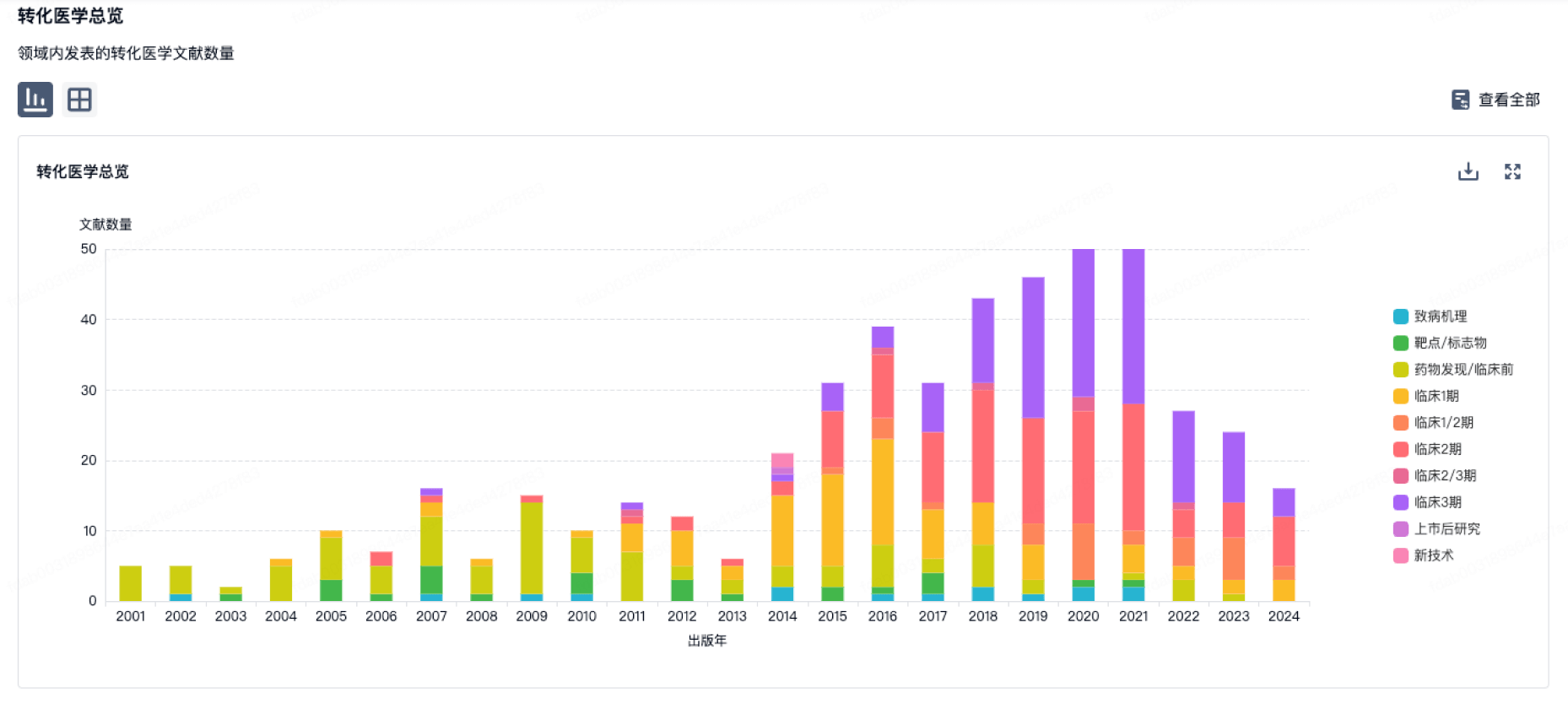
转化医学
使用我们的转化医学数据加速您的研究。
登录
或
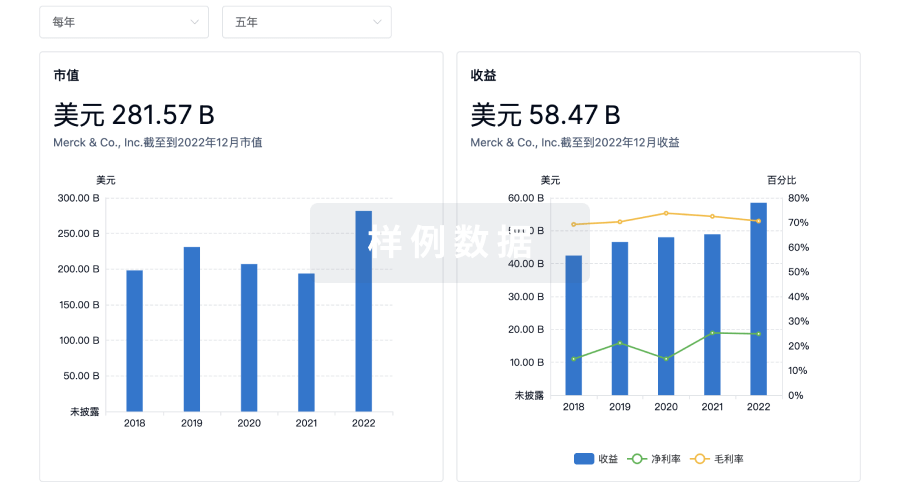
营收
使用 Synapse 探索超过 36 万个组织的财务状况。
登录
或
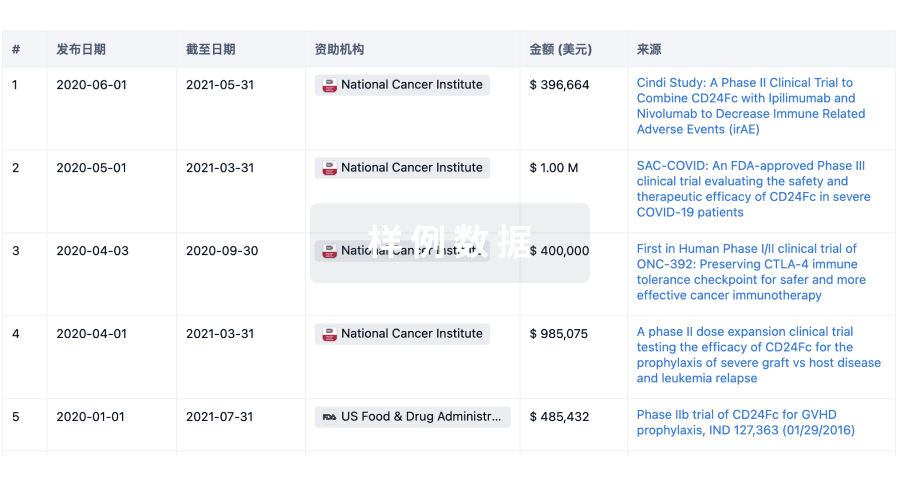
科研基金(NIH)
访问超过 200 万项资助和基金信息,以提升您的研究之旅。
登录
或
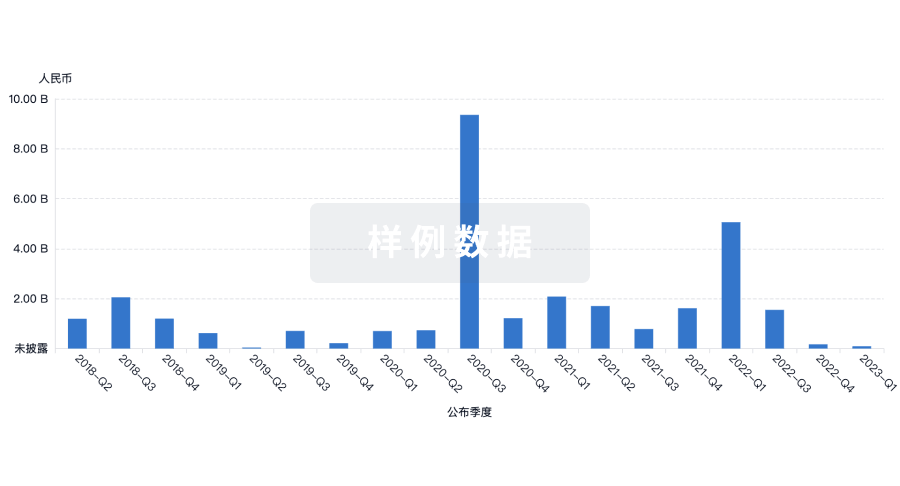
投资
深入了解从初创企业到成熟企业的最新公司投资动态。
登录
或
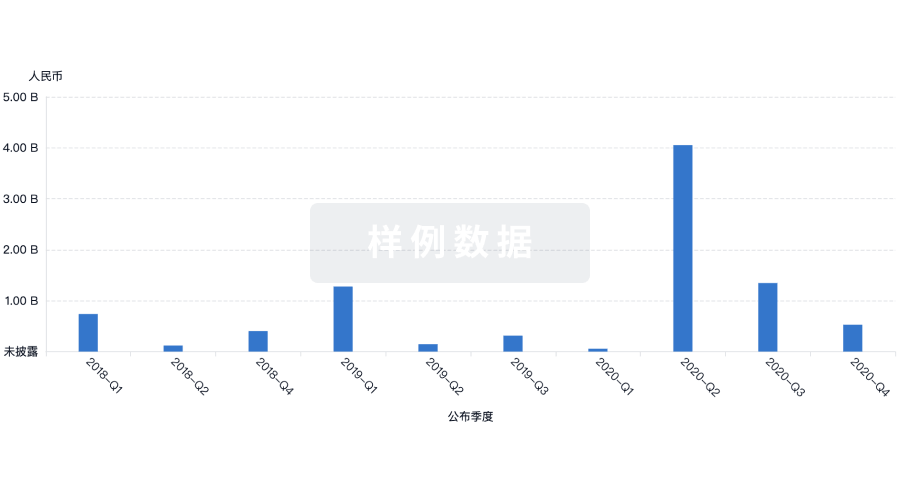
融资
发掘融资趋势以验证和推进您的投资机会。
登录
或
提出任何生物医药研究问题
让每一步生物医药决策都精准制胜
基于十亿级生物数据与全球情报的精准 AI,赋能早期药物发现
立即开始免费试用!
智慧芽新药情报库是智慧芽专为生命科学人士构建的基于AI的创新药情报平台,助您全方位提升您的研发与决策效率。
立即接入生物医药数据包
智慧芽新药库数据也通过智慧芽开放平台,以MCP或API服务形式对外开放。立即使用我们的MCP服务定制您的LLM智能体。
生物序列数据库
生物药研发创新
免费使用
化学结构数据库
小分子化药研发创新
免费使用