预约演示
更新于:2026-06-04
Yuhan Corp.
更新于:2026-06-04
概览
标签
肿瘤
呼吸系统疾病
消化系统疾病
小分子化药
融合蛋白
生物药
疾病领域得分
一眼洞穿机构专注的疾病领域

暂无数据
技术平台
公司药物应用最多的技术
暂无数据
靶点
公司最常开发的靶点
暂无数据
| 排名前五的药物类型 | 数量 |
|---|---|
| 小分子化药 | 48 |
| 生物药 | 13 |
| 未知 | 9 |
| 双特异性抗体 | 8 |
| 单克隆抗体 | 4 |
关联
96
项与 Yuhan Corp. 相关的药物作用机制 AT1R拮抗剂 [+1] |
在研机构 |
原研机构 |
在研适应症 |
非在研适应症- |
最高研发阶段批准上市 |
首次获批国家/地区 韩国 |
首次获批日期2026-03-05 |
作用机制 H1 receptor拮抗剂 [+1] |
在研机构 |
原研机构 |
在研适应症 |
非在研适应症- |
最高研发阶段批准上市 |
首次获批国家/地区 韩国 |
首次获批日期2025-08-06 |
作用机制 COX抑制剂 [+4] |
在研机构 |
原研机构 |
在研适应症 |
非在研适应症- |
最高研发阶段批准上市 |
首次获批国家/地区 韩国 |
首次获批日期2025-05-28 |
133
项与 Yuhan Corp. 相关的临床试验NCT07584304
An Open-label, Randomized, Fasting, Single-dose, Oral Administration, 2-sequence, 4-period, Replicate Crossover Study to Evaluate Bioequivalence Between YHP2508C and YHR2603 in Healthy Subjects
An open-label, randomized, fasting, single-dose, oral administration, 2-sequence, 4-period, replicate crossover study to evaluate bioequivalence between YHP2508C and YHR2603 in healthy subjects
开始日期2026-07-10 |
申办/合作机构 |
NCT07470125
An Open-label, Randomized, Fasting, Single-dose, 2-sequence, 2-period, Crossover Study to Evaluate the Bioequivalence of YHP2511 With YHP2511A in Healthy Adult Volunteers
A randomized, open-label, single-dose, 2-sequence, 2-period, crossover clinical trial to investigate the bioequivalence between YHP2511 and YHP2511A in healthy volunteers
开始日期2026-06-23 |
申办/合作机构 |
NCT07415551
A Multicenter, Randomized, Double-Blind, Placebo-Controlled Phase 2 Study to Evaluate the Efficacy, Safety and Tolerability of Lesigercept in Adult Patients With Chronic Spontaneous Urticaria Who Are Inadequately Controlled by H1-Antihistamines (CLEAR)
This study aims to evaluate the efficacy and safety of lesigercept in approximately 150 participants with CSU. By enrolling participants with an inadequate response to H1-antihistamines, including those previously treated with omalizumab, this study is expected to provide evidence for the clinical utility of lesigercept and to further characterize its benefit-risk profile in the target participant population.
开始日期2026-03-26 |
申办/合作机构 |
100 项与 Yuhan Corp. 相关的临床结果
登录后查看更多信息
0 项与 Yuhan Corp. 相关的专利(医药)
登录后查看更多信息
49
项与 Yuhan Corp. 相关的文献(医药)2026-03-01·Clinical Pharmacology in Drug Development
Pharmacokinetic Comparison Between a Fixed‐Dose Combination of Atorvastatin/Fenofibrate 20/145 mg and the Corresponding Individual Components
Article
作者: Sungyeun Bae ; Juyoung Khwarg ; Dong-Min Park ; Heejung Park ; Seungri Lee ; SeungHwan Lee ; Kyung-Sang Yu
Abstract:
Co‐administration of atorvastatin and fenofibrate has demonstrated clinical benefits in patients with dyslipidemia. To improve convenience and adherence, a fixed‐dose combination (FDC) of the two agents has gained interest. This study aimed to compare the pharmacokinetics (PKs) and safety of an FDC of atorvastatin/fenofibrate 20/145 mg with the corresponding individual components. A randomized, open‐label, single‐dose, two‐sequence, two‐treatment, four‐period full replicated crossover study was conducted. Participants were randomly assigned to one of the two sequences and received FDC or individual components. PK parameters were estimated using a non‐compartmental method. The geometric mean ratio (GMR) and its 90% confidence interval (CI) of the FDC to the individual components were calculated using mixed effect model. A total of 36 participants completed the study. The GMRs (90% CIs) for maximum plasma concentration and area under the time‐concentration curve from zero to the last measurable point were 1.1038 (0.9985‐1.2202) and 1.0148 (0.9745–1.0567) for atorvastatin, 1.0032 (0.9261‐1.0867) and 0.9882 (0.9520–1.0258) for 2‐OH atorvastatin. For fenofibric acid, the corresponding values were 0.9896 (0.8810‐1.1116) and 0.9871 (0.8869‐1.0986), respectively. The FDC of atorvastatin/fenofibrate 20/145 mg showed comparable PK profiles to the corresponding individual components, supporting its potential as an alternative therapeutic option for dyslipidemia with convenience.
2026-01-01·Clinical Lung Cancer
Response to the Letter to the Editor: “Lazertinib in EGFR-Mutated NSCLC with CNS Metastases: Reinforcing the Role of Third-Generation TKIs through Pooled Analysis”
Letter
作者: Cho, Byoung Chul ; Kim, YuKyung
2025-12-01·Clinical Lung Cancer
Central Nervous System Outcomes of Lazertinib Treatment in EGFR-Mutated Advanced NSCLC: Pooled Analysis From LASER201 and LASER301
Article
作者: Zimina, Anastasia ; Kim, Dong-Wan ; Lim, Chun Sen ; Cho, Byoung Chul ; Han, Ji-Youn ; Cho, Hyeonchae ; Lim, Yueh Ni ; Yang, James Ch ; Kwon, Mi-Jung ; Lee, Ki Hyeong ; Lee, Yun-Gyoo ; Ahn, Myung-Ju ; Lee, Hana ; Min, Young Joo ; Lee, Sung Sook ; Kim, YuKyung ; Lee, Kyung-Hee ; Lee, Youngjoo ; Orlov, Sergey ; Kim, Joo-Hang
BACKGROUND:
Lazertinib, a brain-penetrant, third-generation epidermal growth factor receptor (EGFR) tyrosine kinase inhibitor (TKI), significantly improved efficacy in patients with treatment-naïve, EGFR-mutated advanced non-small cell lung cancer (NSCLC) in the clinical trials, LASER201 and LASER301. This analysis evaluated the efficacy and safety of lazertinib in patients with EGFR-mutated NSCLC and CNS metastases using pooled data from LASER201 and LASER301.
PATIENTS AND METHODS:
Patients with treatment-naïve, EGFR-mutated advanced NSCLC and stable CNS metastases who were treated with lazertinib in a cohort of LASER201 and LASER301 were included. Intracranial progression-free survival (iPFS), intracranial objective response rate (iORR), intracranial disease control rate (iDCR), intracranial duration of response (iDoR), and treatment-emergent adverse events (TEAEs) were assessed.
RESULTS:
A total of 64 patients were included in the intracranial full analysis set (iFAS); 24 patients had at least 1 measurable CNS lesion at baseline. The median iPFS was 27.7 months (95% CI: 15.7-32.8) in the iFAS population. For patients with at least 1 measurable CNS lesion at baseline, iORR was 92% and iDCR was 96%. The median iDoR was 26.5 months (95% CI: 8.3-30.1). TEAEs were reported in 98% of patients in the iFAS population, with grade ≥3 TEAEs occurring in 55% of patients. The most common TEAEs were paresthesia (47%), rash (41%), and pruritus (36%).
CONCLUSION:
In this pooled analysis of LASER201 and LASER301, lazertinib demonstrated a clinically meaningful treatment benefit and consistent safety profile in patients with EGFR-mutated advanced NSCLC and CNS metastases.
154
项与 Yuhan Corp. 相关的新闻(医药)2026-06-03
·腾讯网
问AI · 药明生物凭什么赢得全球药企信任?地缘冲突(含关税大棒)是全球医药供应链重塑的“变量”,但无法阻断区域分工协作的滔滔大势。韩国CDMO,拿下1.4亿美元API供应大单Guide View近期,吉利德科学扩大了与韩国生产商柳韩洋行(Yuhan)的合作关系,签署一项价值 2100 亿韩元(1.4 亿美元)的原料药(API)供应协议,涉及一款未公开产品。领域指向抗病毒 / 炎症,市场推测为下一代 HIV 或乙肝药物。该协议有效期至2027年底,已于本周在韩国交易所(KRX)的监管文件中披露。根据披露信息,本次交易金额相当于柳韩洋行2025年总收入的9.6%。该公司在韩国拥有两座原料药生产基地,正处于高速增长阶段,今年一季度海外销售额同比增长21%。吉利德与柳韩洋行此前的合作包括:2018 年签署价值4500万美元的HIV治疗药物原料药供应协议;两年前(2024 年)又签署另一项价值8100万美元的HIV 相关原料药供应合同。据《韩国生物医学评论》报道,本次是吉利德与柳韩洋行达成的第四项原料药合作协议,双方合作总金额已累计达到约 2.7 亿美元。柳韩洋行(Yuhan Corporation),韩国老牌药企(1926 年成立),业务覆盖创新药研发、仿制药、API/CDMO三大板块;2025 年营收约2.19 万亿韩元,旗下柳韩化学(Yuhan Chemical)为核心 API/CDMO 子公司。药明生物捆绑强生潜力大药,再签Biotech大单Guide View5月21日,强生尼卡利单抗注射液获NMPA批准进口上市,这是我国试点生物制品分段生产以来,首个跨境分段生产单抗案例:原液生产企业正是无锡药明生物技术股份有限公司,制剂生产企业为Vetter Pharma-Fertigung GmbH & Co. KG,具有国际影响力的制剂CDMO。尼卡利单抗在欧美市场的生产安排也是如此。该药于2025年4月率先获得美国FDA批准,后续公布的审评报告显示,原液同样由药明生物生产,制剂仍由Vetter负责。尼卡利单抗(Nipocalimab)是一款靶向新生儿 Fc 受体(FcRn)的单抗疗法,原研企业为Momenta Pharmaceuticals。2020年8月,强生以约65亿美元收购这家企业,从而获得尼卡利单抗的研发权益,后续由强生旗下杨森制药(Janssen)负责其全球开发与商业化。目前该药已获批用于治疗重症肌无力,后续有望扩展至母体、胎儿和风湿病等适应症,其市场潜力预计超过 50 亿美元,这一预测基于其全球商业化布局和适应症拓展。图源:华义文随笔5月底,药明生物与美国生物科技公司 Viridian Therapeutics 达成一项为期5年的商业化生产协议,将负责其TED(甲状腺眼病)单抗药物 veligrotug 的商业化生产与供应。Veligrotug是静脉注射抗IGF-1R抗体,针对甲状腺眼病(TED)的活动期和慢性期患者,在III期临床试验中展现出快速起效、显著改善眼球突出和复视症状的疗效,且安全性良好。与现有疗法相比,其给药方案(5次输注、疗程12周)相对便捷,能满足患者对快速缓解症状的需求,尤其对于慢性TED患者,是首个在III期试验中系统性覆盖该群体的药物,填补了市场空白。Veligrotug有望成为TED治疗领域的核心药物之一。Viridian在FDA审批前(PDUFA目标审评日期为2026年6月30日,获批概率较高)提前锁定药明生物,以及强生潜力大药捆绑药明生物,种种信号说明,美国Biotech和MNC没有真正离开中国供应链。药明生物2025年来自北美市场的收入同比增长32.5%;药明康德美国业务收入也同比增长34.3%。5月底,药明生物还确定全球范围内投产第18个生物制剂生产厂。至此,其已在中国、美国、爱尔兰、德国、新加坡布局5个研发中心、10个开发中心和18个生产中心,共计24个原液生产厂和18个制剂生产厂投入运营,为全球客户提供端到端的一体化生产解决方案及服务。截至2025年底,公司累计交付2350余批原液及2260余批制剂,完成46次全球监管机构(含FDA与EMA 的22次)检查,均以零关键发现项和零数据完整性问题100%通过,并在FDA药品上市批准前检查(PLI)中保持100%通过率,彰显了其全球网络一以贯之的高质量交付能力,远超其CDMO端的竟争对手三星生物。结语Guide View地缘扰动未阻断全球医药供应链协作,近期美国药企密集向东亚 CDMO 抛出大额订单。韩国柳韩洋行拿下吉利德超1.4亿美元API大单,双方长期合作持续深化;药明生物接连绑定强生重磅新药、美国 Viridian核心药物订单,依托全球化产能、超高通过率的质检体系与稳定交付能力,持续深耕北美市场获得认可,业绩保持强劲高增,印证中国供应链仍是美国药企绕不开的核心选择。虽然东亚CDMO之间也有订单分流竞争,但中国CRDMO如药明生物做到模式、技术、产能、交付质量、效率与性价比各方面的均衡超群发展,自有其无可比拟的对订单的锁源、转化、深度捆绑优势,具体请关注后续报道:绑定药明与三星,biotech融了88亿、潜力大药将进三期,无论商业化生产是否与药明生物合作,药明生物都有技术许可销售分成收入落袋。参考来源:[1] 盖德视界观察[2] 华义文随笔[3] MedTrend医趋势[4] 外媒制作策划策划:May / 审核校对:Jeff撰写编辑:May / 封面图来源:网络媒体合作 | 微信号:GuideView2021投稿转载 |13291812132(同微信)免责声明:本文仅代表作者个人观点,参考文献如上,如对文中内容有不同意见,欢迎下方留言讨论。如需转载,请邮箱guideview@guidechem.com联系我们。
2026-06-02
2026年5月《Lancet》发表《依沃西单抗联合化疗对比替雷利珠单抗联合化疗治疗晚期鳞状非小细胞肺癌(HARMONi-6):一项在中国开展的随机、双盲、III 期试验的总生存期中期分析》
摘要
背景
靶向程序性死亡 1(PD-1)和血管内皮生长因子(PD-1/VEGF)的双特异性抗体在非小细胞肺癌(NSCLC)中已展现出令人瞩目的疗效。在我们此前报告的 HARMONi-6 研究中,我们旨在评估依沃西单抗联合化疗对比替雷利珠单抗联合化疗作为晚期鳞状 NSCLC 一线治疗的疗效和安全性。依沃西单抗联合化疗相比替雷利珠单抗联合化疗显著延长了无进展生存期。在此,我们报告预设的总生存期中期分析结果。
方法
HARMONi-6 是一项在中国 50 家医院开展的双盲、随机、III 期试验。符合条件的患者为年龄 18–75 岁、既往未经治疗、经病理学证实的不可切除 IIIIB 期、IIIC 期或 IV 期鳞状 NSCLC,且东部肿瘤协作组(ECOG)体能状态评分为 0 或 1 分。符合条件的患者按 1:1 比例随机分配,接受依沃西单抗或替雷利珠单抗,联合紫杉醇和卡铂共四个周期,随后接受依沃西单抗或替雷利珠单抗单药维持治疗。主要终点为按实体瘤疗效评价标准(RECIST)指南(1.1 版)经独立影像学审查委员会(IRRC)评估的所有随机分配患者的无进展生存期。总生存期为关键次要终点;原计划在观察到约 225 例总生存期事件时进行中期分析,但为符合监管时限,在 204 例总生存期事件后触发。安全性(定义为与治疗相关的不良事件和严重不良事件,以及与免疫或 VEGF 阻断相关的不良事件)在所有接受至少一剂指定研究治疗的随机分配患者中进行分析。本研究已在 ClinicalTrials.gov 注册(NCT05840016),已完成入组,目前正在进行治疗和随访。
结果
2023 年 8 月 17 日至 2025 年 1 月 21 日期间,共 761 例患者接受资格评估,经 229 例排除后,共 532 例患者被随机分配(每组 266 例)。494 例(93%)患者为男性,38 例(7%)为女性。中位年龄 64 岁(IQR 59–69)。
数据截止时(2026 年 2 月 27 日),共发生 204 例死亡:依沃西单抗联合化疗组 84 例(32%)患者,替雷利珠单抗联合化疗组 120 例(45%)。中位随访时间为 21.4 个月(95% CI 20.27–21.91),依沃西单抗组中位总生存期为 27.9 个月(95% CI 27.89–无法评估 [NE]),替雷利珠单抗组为 23.7 个月(20.11–NE)(死亡风险比 [HR] 0.66 [95% CI 0.50–0.87];单侧 P=0.0017),达到预设边界(P<0.0049)。依沃西单抗联合化疗的总生存期获益在关键亚组中保持一致。依沃西单抗组 266 例患者中有 184 例(69%)发生 ≥3 级治疗相关不良事件,替雷利珠单抗组 265 例患者中有 156 例(59%)。≥3 级出血发生率分别为 266 例中的 7 例(3%)和 265 例中的 2 例(1%)。
解释
在既往未经治疗的晚期鳞状 NSCLC 患者中,依沃西单抗联合化疗对比替雷利珠单抗联合化疗显示出统计学显著且具临床意义的总生存期改善。该方案可为该患者群体的一线治疗提供一种新的治疗选择。
资助
康方生物(Akeso Biopharma)。
版权所有
© 2026 Elsevier Ltd。保留所有权利,包括文本和数据挖掘、AI 训练及类似技术的相关权利。
引言
非小细胞肺癌(NSCLC)是全球癌症相关死亡的主要原因,鳞状组织学类型约占病例的 25% 至 30% [1]。与非鳞状 NSCLC 相比,晚期鳞状 NSCLC 尤其难以治疗,且预后更差、治疗选择受限 [2]。免疫治疗的出现从根本上改变了治疗格局。多项 III 期试验表明,与单纯化疗相比,基于免疫检查点抑制剂的联合治疗为晚期鳞状 NSCLC 患者带来了显著的临床获益 [3-14]。基于这些试验,多种将 PD-1 抑制剂与化疗联合的方案已被批准作为晚期鳞状 NSCLC 的一线治疗,包括基于帕博利珠单抗(pembrolizumab)和替雷利珠单抗(tislelizumab)的方案。帕博利珠单抗已获美国、欧洲和中国批准,替雷利珠单抗已获欧洲和中国批准。在这些试验中,只有少数试验以总生存期为检验效能目标,并报告了抗 PD-1 免疫治疗联合化疗的显著改善。在 KEYNOTE-407 研究中,帕博利珠单抗联合化疗将中位总生存期延长至 17.2 个月 [14]。在 ASTRUM-004 研究中,斯鲁利珠单抗(serplulimab)联合化疗相比安慰剂联合化疗显著延长了中位总生存期(22.7 个月 vs 18.2 个月)[12]。RATIONALE-307 的最终分析显示,替雷利珠单抗联合化疗组的中位总生存期为 22.8 个月,而单纯化疗组为 20.2 个月。然而,该研究在设计时并未以总生存期优效性为检验效能目标 [13]。因此,延长鳞状 NSCLC 患者的长期生存期仍然是一个未满足的医疗需求。
近年来,靶向 PD-1 和 VEGF(PD-1/VEGF)的双特异性抗体在晚期 NSCLC 的肿瘤缓解和无进展生存期方面已展现出令人瞩目的疗效,得到了 II 期和 III 期研究的支持 [15-20]。依沃西单抗是中国首个获批的抗 PD-1/VEGF 双特异性抗体。在 HARMONi-6 试验的无进展生存期分析中,依沃西单抗联合化疗在晚期鳞状 NSCLC 患者中的无进展生存期几乎是替雷利珠单抗联合化疗的两倍 [18]。基于双特异性抗体的方案是否也能显著改善总生存期,一直是科学界高度关注的问题。在此,我们报告总生存期的预设中期分析结果。
研究背景
本研究之前的证据
截至 2026 年 4 月 27 日,我们检索了 PubMed 数据库 2016 年 1 月 1 日至 2026 年 4 月 23 日发表的文献,使用检索词“PD-1 OR PD-L1 OR CTLA-4 OR VEGF AND metastatic AND first line OR previously untreated AND squamous AND non-small-cell lung cancer OR NSCLC”,并应用临床试验过滤器,共获得 49 条结果。多项随机 III 期研究比较了抗 PD-L1 和抗 PD-1 药物联合化疗对比单纯化疗作为晚期鳞状 NSCLC 一线治疗的疗效,证实了抗 PD-L1 或抗 PD-1 药物联合化疗的附加价值。抗 PD-1 联合化疗已成为标准治疗。然而,在关键的 III 期研究中,仅 KEYNOTE-407 报告了帕博利珠单抗联合化疗对比单纯化疗显著改善了无进展生存期和总生存期。在 IMPOWER 131 研究中,阿替利珠单抗联合化疗显著延长了无进展生存期,但未能显示出总生存期获益。在 ASTRUM-004 研究中,总生存期是统计学检验效能的次要终点,斯鲁利珠单抗联合化疗相比化疗显著延长了中位总生存期。对于大多数其他免疫治疗联合化疗方案,研究设计并未以建立统计学显著的总生存期优效性为检验效能目标。因此,有必要进一步研究来验证新型治疗药物在鳞状 NSCLC 患者中的疗效。
本研究的附加价值
据我们所知,这是首个显示在抗 PD-1 联合化疗基础上增加抗血管生成阻断,通过 PD-1/VEGF 双特异性抗体,在晚期鳞状 NSCLC 患者中获得优于单纯抗 PD-1 联合化疗的总生存期获益的研究。本研究在实现鳞状 NSCLC 患者安全接受抗血管生成治疗的同时,展示了无进展生存期和总生存期的显著改善。≥3 级出血发生率保持在 3%。≥3 级免疫相关不良事件在两组之间具有可比性。
所有现有证据的意义
作为晚期鳞状 NSCLC 患者的一线治疗,依沃西单抗联合化疗对比替雷利珠单抗联合化疗显著改善了总生存期,且具有可控的安全性特征。该方案可为这些患者提供一种新的治疗选择。目前正在进行一项全球 III 期研究,以确定这些发现的泛化能力。
方法
研究设计与入组患者
HARMONi-6 是一项在中国 50 家医院开展的随机、双盲、III 期研究。符合条件的患者为年龄 18–75 岁、经病理学证实的不可切除 IIIIB 期、IIIC 期或 IV 期鳞状 NSCLC(根据美国癌症联合委员会第八版癌症分期手册分类)[18]、未接受过既往全身治疗、ECOG 体能状态评分为 0 或 1 分、且根据 RECIST(1.1 版)至少有 1 个可测量病灶 [21]。排除标准为:入组前 5 年内患有其他恶性肿瘤、存在活动性自身免疫性疾病、或存在需要全身性糖皮质激素治疗的非感染性肺炎或间质性肺疾病。若筛选影像学显示明显的肿瘤坏死或空洞,且研究者判定入组会带来高出血风险,或肿瘤侵犯主要血管,则排除。若患者在首剂前一个月内存在具有临床意义的出血症状(包括咯血 [定义为咳出或吐出 ≥1 茶匙鲜红色血液或小血块,或仅咳血而无痰;允许痰中带血的患者入组]),则排除。所有患者在筛选时均强制检测 EGFR 和 ALK 突变。完整的入排标准见研究方案(附录第 16 页)。本试验已在 ClinicalTrials.gov 注册(NCT05840016),已完成入组,目前正在进行治疗和随访。
研究按照方案和良好临床实践标准进行。试验由独立数据监查委员会(IDMC)监督。试验方案及所有修订均已获各参与中心相应的伦理委员会批准,伦理委员会名称和批准号见附录(第 2–4 页)。所有患者在入组前均提供书面知情同意。任何方案偏离均被记录并报告至当地机构审查委员会进行审核(附录第 5 页)。性别信息基于患者自报收集。我们在入组时记录了所有入组患者自报的种族信息。患者和公众未参与研究设计、实施或报告。试验按照国际协调会议良好临床实践指南的规定进行。所有作者均已审查并批准了手稿。
随机分组与盲法
患者通过交互式网络应答系统按 1:1 比例随机分配至依沃西单抗联合化疗组(以下简称“依沃西单抗组”)或替雷利珠单抗联合化疗组(以下简称“替雷利珠单抗组”)。随机分层因素包括疾病分期(IIIB 或 IIIC vs IV)和 PD-L1 肿瘤比例评分(TPS;≥1% vs <1%)。参与者通过各研究点的研究者使用的交互式网络应答系统进行随机分配。试验期间,参与者和研究者均对分组情况设盲。
操作流程
治疗方案为:依沃西单抗(20 mg/kg)或替雷利珠单抗(200 mg)联合卡铂(AUC 5 mg/mL per min)和紫杉醇(175 mg/m²),每 3 周给药一次,共四个周期,随后接受相同剂量的依沃西单抗或替雷利珠单抗每 3 周一次进行维持治疗。指定的治疗持续最长达 24 个月,或直至研究者判断不再获得临床获益、出现不可接受的毒性、启动新的抗肿瘤治疗,或达到方案规定的其他停药标准,以先发生者为准。治疗决策和不良事件管理的详细信息见方案(附录第 76–87 页)。
肿瘤评估在随机分配后的前 60 周内每 6 周进行一次,之后每 12 周进行一次。
不良事件和实验室异常按美国国家癌症研究所不良事件通用术语标准(CTCAE)5.0 版分级。不良事件监测持续至末次研究治疗(包括维持治疗)后 30 天,或启动新的抗肿瘤治疗时(以先发生者为准)。严重不良事件(SAE)收集至末次研究治疗或启动新的抗肿瘤治疗后 90 天。免疫相关不良事件收集至末次依沃西单抗或替雷利珠单抗治疗后 90 天。实验室检测、生命体征和心电图分析在筛选期间进行,并在整个研究治疗期间定期执行。PD-L1 表达通过免疫组化使用 PD-L1 IHC 22C3 pharmDx 试剂盒(Dako, Agilent Technologies, Santa Clara, CA, USA)在中心或本地实验室进行评估,以 TPS 确定。TPS 定义为任何强度下具有 PD-L1 染色膜阳性的存活肿瘤细胞百分比。
终点
主要终点为按 RECIST 1.1 版经独立影像学审查委员会(IRRC)评估的无进展生存期,定义为从随机分组至疾病进展或因任何原因死亡的时间,以先发生者为准。关键次要终点为总生存期,定义为从随机分组至因任何原因死亡的时间。其他次要终点包括:按 IRRC 根据 RECIST 1.1 版评估的客观缓解率、疾病控制率、缓解持续时间和缓解时间;研究者评估的无进展生存期、客观缓解率、疾病控制率、缓解持续时间和缓解时间;安全性;药代动力学特征;以及免疫原性特征。PD-L1 状态与疗效的相关性也作为次要终点进行分析。另外的探索性终点为健康相关生活质量评估。药代动力学特征和免疫原性特征的次要结果将在另一篇论文中报告。
统计分析
疗效在全分析集(包括所有随机分配患者)中进行评估。2024 年 4 月,考虑到样本量估算中的预期总生存期,方案修订将样本量从 396 调整为 528 例患者。相应地,IRRC 评估的无进展生存期中期分析所需的事件数从 186 例增加至 208 例。
采用 Kaplan-Meier 分析估算总生存期。采用分层 log-rank 检验比较两治疗组间的总生存期。分层风险比(HR)和相关 95% CI 基于分层 Cox 比例风险模型计算,结值事件采用精确法处理。随机分层因素应用于所有分层分析。总生存期的敏感性分析采用非分层 Cox 回归模型进行。在补充分析中,对并发事件采用假设策略,通过在启动新的抗肿瘤治疗之日对总生存期进行删失,以评估在并发事件不发生的假设下两组之间的疗效比较。总生存期的预设亚组分析通过非分层 Cox 模型估算 HR 及相应的 95% CI,以评估治疗效应在关键基线特征中的一致性。未进行正式的交互作用 P 值检验,这与统计分析计划一致。
安全性在安全性分析集(包括所有随机分配并接受至少一剂任何研究治疗的患者,即依沃西单抗或替雷利珠单抗联合紫杉醇和卡铂)中进行评估。
约需 528 例参与者,以单侧 α 水平 0.025,提供 86% 的检验效能以检测无进展生存的 HR 0.70(基于 297 例无进展生存事件),以及 80% 的检验效能以检测总生存的 HR 0.73,均有利于依沃西单抗组优于替雷利珠单抗组。
方案规定了关键次要终点的一次中期分析和一次最终分析。计划在观察到约 225 例总生存期事件时进行总生存期中期分析。为严格控制在单侧 α 水平 0.025 的总体 I 类错误率,采用了分层检验程序。仅当无进展生存期具有显著性时,才对总生存期进行检验。采用 Lan-DeMets 消耗函数和 O'Brien-Fleming 边界控制总生存期在中期和最终分析的 I 类错误率。详细的统计分析见附录(附录第 159 页)。
总生存期中期分析在 204 例总生存期事件后触发,比计划分析时间(225 例事件)稍早进行,以符合监管审查时限。申办方基于新药申请(NDA)时间线做出此决定,以便及时向中国监管机构提供总生存期结果以做出决定。申办方和研究者在做出此决定前对总生存期数据完全设盲,IDMC 未参与此决定。在 204 例事件(占最终分析总生存期事件的 63%)时,该中期分析的更新后 O'Brien-Fleming 单侧显著性边界为 0.0049。总生存期最终分析将在 322 例总生存期事件后触发。由于目前分析已证明总生存期获益具有统计学显著性,最终分析将调查长期总生存期获益,其可能以描述性为主。所有统计分析均使用 SAS 9.4 版进行。
资助方角色
康方生物提供研究药物,参与数据收集与解读,资助数据分析,与所有合著者合作参与手稿的撰写与审查,并决定提交手稿发表。
结果
2023 年 8 月 17 日至 2025 年 1 月 21 日期间,共 761 例患者接受资格评估,经 229 例排除后,共 532 例患者被随机分配(每组 266 例)。数据截止时(2026 年 2 月 27 日)用于总生存期中期分析,中位随访时间为 21.4 个月(95% CI 20.27–21.91);依沃西单抗组中位随访时间为 20.6 个月(19.22–21.91),替雷利珠单抗组为 21.7 个月(20.67–22.64)。数据截止时,依沃西单抗组 60 例患者和替雷利珠单抗组 51 例患者仍在接受指定治疗(图 1)。分别有 206 例和 214 例患者停药。停药的主要原因为影像学疾病进展(依沃西单抗组 112 例,替雷利珠单抗组 134 例)(图 1)。基线人口学和疾病特征见表 1。494 例(93%)患者为男性,38 例(7%)为女性。中位年龄 64 岁(IQR 59–69);491 例(92%)患者为 IV 期疾病,210 例(39%)患者 PD-L1 TPS <1%,165 例(31%)患者有咯血病史,336 例(63%)为中心型鳞状 NSCLC。
数据截止时,依沃西单抗和替雷利珠单抗的中位给药剂量分别为 14.5 剂(IQR 7.0–24.0)和 12.0 剂(6.0–21.0)(附录第 6 页)。在全分析集中,依沃西单抗组 95 例(36%)患者和替雷利珠单抗组 97 例(37%)患者接受了后续全身治疗。在这些患者中,分别有 37 例(14%)和 51 例(19%)接受了后续免疫治疗,分别有 33 例(12%)和 46 例(17%)接受了后续靶向治疗(附录第 7 页)。
数据截止时,共发生 204 例死亡:依沃西单抗组 84 例(32%),替雷利珠单抗组 120 例(45%);两组分别共有 182 例和 146 例患者被删失。数据截止时,无失访病例。依沃西单抗组中位总生存期为 27.9 个月(95% CI 27.89–NE),替雷利珠单抗组为 23.7 个月(95% CI 20.11–NE)(HR 0.66 [95% CI 0.50–0.87];单侧 P=0.0017;图 2A)。Kaplan-Meier 曲线自第 6 个月起明显分离,并在整个随访期间保持分离;如图 2A 所示,依沃西单抗组最后 1 例死亡事件导致 Kaplan-Meier 曲线急剧下降至中位数以下。24 个月时估计总生存率依沃西单抗组为 64.7%(95% CI 57.7–70.8),替雷利珠单抗组为 48.6%(41.1–55.7);18 个月时分别为 70.5%(64.3–75.8)和 61.3%(54.8–67.0),12 个月时分别为 78.9%(73.4–83.3)和 72.2%(66.3–77.1)。总生存期的敏感性和补充分析结果与主要分析结果一致(附录第 8–9 页)。
在此补充分析中,针对这一并发事件,采用了一种假设性策略,即通过在开始新的抗癌治疗之日对总生存期进行删失,以评估在假设并发事件不发生的情况下,两个治疗组之间的疗效比较。
预设亚组分析显示,依沃西单抗联合化疗在关键亚组中总生存期获益保持一致(图 2B)。在 PD-L1 TPS <1% 的患者中,总生存的 HR 为 0.64(95% CI 0.43–0.96;图 3A);PD-L1 TPS ≥1% 的患者中,HR 为 0.68(0.46–0.99;图 3B);PD-L1 TPS 1–49% 的患者中,HR 为 0.67(0.42–1.05;图 3C);PD-L1 TPS ≥50% 的患者中,HR 为 0.64(0.32–1.31;图 3D)。在有和无肝转移的患者中,HR 分别为 0.69(95% CI 0.34–1.41)和 0.68(0.50–0.92)(附录第 15 页)。
依沃西单抗组 264 例(99%)患者和替雷利珠单抗组 263 例(99%)患者发生治疗相关不良事件。依沃西单抗组和替雷利珠单抗组分别有 266 例中的 184 例(69%)和 265 例中的 156 例(59%)发生 ≥3 级治疗相关不良事件。依沃西单抗组和替雷利珠单抗组最常见的 ≥3 级事件分别为:中性粒细胞计数降低(分别为 266 例中的 86 例 [32%] vs 265 例中的 69 例 [26%])、白细胞计数降低(29 例 [11%] vs 25 例 [9%])和贫血(19 例 [7%] vs 13 例 [5%])(表 2)。
导致依沃西单抗或替雷利珠单抗停药的治疗相关不良事件发生率(分别为 266 例中的 14 例 [5%] vs 265 例中的 12 例 [5%])及导致死亡的治疗相关不良事件发生率(分别为 266 例中的 10 例 [4%] vs 265 例中的 11 例 [4%])在两组间相似。
研究者评估的 ≥3 级免疫相关不良事件在依沃西单抗组和替雷利珠单抗组分别发生在 37 例(14%)和 36 例(14%)患者中。任何级别最常见的免疫相关不良事件为蛋白尿(分别为 266 例中的 19 例 [7%] vs 265 例中的 11 例 [4%])、甲状腺功能减退症(17 例 [6%] vs 18 例 [7%])、皮疹(13 例 [5%] vs 12 例 [5%])和免疫介导性肺部疾病(11 例 [4%] vs 10 例 [4%])(表 2)。
被认为可能与 VEGF 抑制相关的不良事件在依沃西单抗组的发生率高于替雷利珠单抗组(分别为 266 例中的 159 例 [60%] vs 265 例中的 70 例 [26%]),尽管大多数为 1 或 2 级(159 例中的 126 例 [79%])。≥3 级 VEGF 相关事件包括:高血压(分别为 266 例中的 10 例 [4%] vs 265 例中的 5 例 [2%])、肾损伤或蛋白尿(18 例 [7%] vs 0)和出血(7 例 [3%] vs 2 例 [1%])。
在基线存在肿瘤空洞的患者中,依沃西单抗组 24 例中有 4 例(17%)和替雷利珠单抗组 23 例中有 1 例(4%)报告了呼吸道出血事件,所有这些事件均为 1–2 级。最常见的不良事件见表 2。最常见的 1–2 级治疗相关不良事件、研究者评估的免疫相关不良事件和可能的抗 VEGF 相关不良事件见附录(第 10–12 页),SAE 及最常见的 SAE 汇总见附录(第 13–14 页)。
讨论
在 HARMONi-6 试验的此次总生存期分析中,依沃西单抗联合化疗作为一线治疗相比替雷利珠单抗联合化疗带来了统计学显著且具临床意义的总生存期改善(HR 0.66 [95% CI 0.50–0.87])。依沃西单抗与替雷利珠单抗的 Kaplan-Meier 曲线明显分离,24 个月估计总生存率分别为 64.7% vs 48.6%,18 个月为 70.5% vs 61.3%,12 个月为 78.9% vs 72.2%。依沃西单抗组最后 1 例死亡事件导致 Kaplan-Meier 曲线急剧下降至中位数以下。若该死亡未发生,依沃西单抗组的中位总生存期将无法达到,因此随着随访时间的延长和总生存期数据的成熟,中位总生存期可能进一步提高。这些结果特别值得注意,因为这是 III 期试验中首次总生存期数据,证明抗 PD-1/VEGF 双特异性抗体联合化疗在鳞状 NSCLC 中优于已确立的 PD-1 抑制剂联合化疗标准方案。结合此前报告的具有临床意义的无进展生存期几乎翻倍的发现,这些结果支持依沃西单抗联合化疗作为该历史性难治性疾病的一种有前景的一线选择 [18]。
HARMONi-2 是首个 III 期试验,证明抗 PD-1/VEGF 双特异性抗体在晚期 NSCLC(包括鳞状和非鳞状 NSCLC)中优于抗 PD-1 单克隆抗体 [19]。这代表了癌症免疫治疗的一个关键里程碑,并提出双特异性抗体可能超越抗 PD-1 单克隆抗体的假说。本次 HARMONi-6 试验中观察到的头对头优效性为该假说增添了新的证据,并将这一概念扩展至化疗免疫治疗领域。
总生存期获益在所有关键亚组中保持一致,包括 PD-L1 阴性肿瘤患者,这与之前报告的无进展生存期获益一致。在 PD-L1 TPS <1% 的亚组分析中,HR 为 0.64(95% CI 0.43–0.96),表明依沃西单抗联合化疗在该人群中相比替雷利珠单抗联合化疗产生更优的疗效。该发现支持在免疫治疗耐药疾病患者中增加 VEGF 阻断的价值。需要注意的是,该亚组分析为描述性,未正式设置检验效能。
本试验的阳性结果表明,通过合理设计和新型工程化改造的双特异性抗体,可以实现鳞状 NSCLC 中 VEGF 阻断的疗效。该方法使得抗血管生成治疗在鳞状 NSCLC 患者中安全递送,此前抗血管生成抗体从未实现这一点。早期尝试将 PD-1 抑制剂与单独的抗血管生成药物(如贝伐珠单抗和仑伐替尼)联合,在该组织学类型中未显示出明确优势,主要原因是毒性特征不利。基于一项随机 II 期试验,贝伐珠单抗禁忌用于鳞状 NSCLC 患者;该研究报告了 6 例患者发生严重危及生命的出血,包括接受贝伐珠单抗联合化疗的 13 例晚期鳞状 NSCLC 患者中的 4 例 [22]。LEAP-007 试验评估了一线仑伐替尼联合帕博利珠单抗对比安慰剂联合帕博利珠单抗在转移性 NSCLC 患者中的疗效,在该试验中仑伐替尼联合帕博利珠单抗被发现有更高的治疗相关不良事件发生率且无总生存期获益后停止 [23]。依沃西单抗的合作结合设计允许在单个四价分子内同时实现 PD-1 和 VEGF 阻断,在增强肿瘤部位局部亲和力的同时最大程度减少全身性 VEGF 抑制 [24]。因此,作为经过合理设计和独特工程化的四价双特异性抗体,依沃西单抗在机制和临床方面与两种单独药物的简单组合截然不同,建立了一种新的免疫肿瘤药物开发范式。
安全性特征与无进展生存期中期分析及其他依沃西单抗研究报告的一致 [18-20]。未出现新的安全性信号。尽管依沃西单抗组观察到更高比例的 ≥3 级不良事件,但因治疗相关不良事件导致的停药率以及免疫相关不良事件发生率在两组间相似。此外,虽然潜在的抗 VEGF 相关不良事件发生率在依沃西单抗组更高,但大多数事件为 1–2 级。更重要的是,作为主要关切的 ≥3 级出血发生率保持在 3%,与之前研究的结果一致。
本研究存在若干局限性。首先,中位总生存期是在最后 1 例单一事件后达到的,生存曲线的长期尾部应谨慎解读。因此,有必要进行更长时间的随访,以充分表征生存曲线的尾部并进一步验证长期生存结局的持久性。其次,本研究入组的女性患者相对较少,且排除了 >75 岁的个体。因此,将疗效结果外推至这些人群时应谨慎。此外,研究人群仅限于中国患者,但目前正在开展一项全球 III 期试验(HARMONi-3, NCT05899608),该试验评估依沃西单抗联合化疗对比帕博利珠单抗联合化疗作为晚期 NSCLC 患者一线治疗的疗效和安全性。该研究旨在进一步验证依沃西单抗联合化疗在更多样化人群中的作用。
总之,HARMONi-6 的阳性总生存期结果表明,通过利用一种更全面靶向免疫抑制和血管生成肿瘤微环境的新型双特异性机制,依沃西单抗联合化疗可以为这种历史上具有挑战性的疾病患者带来有意义的长期结局改善。
作者贡献
SL 为本研究的主要研究者。BL、YL、LS、LW、ZH、YF、YZ、XL、HX、XM、YLiu、ZZ、HL、XuelM、XuezM、QS、ZhongmZ、RY、PW、PP、XA、JL¹、XP、ZW、JF、MH、YH、SG、JuanL、HW、JZhang、QC、XLiu、SY、HW、HS、YJ、MZ、CC、KT、ZL、DL、ZhihZ、JL²、JZhou、HYang、YD、HuiY、JS、HC 和 ZC 负责入组患者和收集数据。DL 和 MHu 负责数据分析。SL、WL、ZMW、BLi 和 MYX 参与了试验设计、结果解读、手稿初稿审查,并直接获取和核实了报告中所述的基础数据。SL 获取并核实了研究中的数据。所有作者均可在需要时获取数据。所有作者审查并批准了文章的提交发表。
利益声明
SL 从阿斯利康、和记黄埔、BMS、恒瑞、百济神州和豪森获得研究资助;从阿斯利康、罗氏、豪森和恒瑞获得演讲费;担任阿斯利康、辉瑞、和记黄埔、再鼎、Yuhan Corporation、Menarini、InventisBio、上海复星医药集团和信达生物制药的顾问和咨询委员;担任信达生物独立董事。WL、DL、MHu、ZMW、BLi 和 MYX 为康方生物员工。所有其他作者声明无竞争利益。
数据共享
该产品的适应症获得主要卫生监管机构(包括中国国家药品监督管理局药品审评中心、美国 FDA 和欧洲 EMA)批准后,将准备共享个体参与者数据。出于学术目的,在试验完成并定稿临床报告后,可从通讯作者处根据合理请求获取支持本研究发现的去标识化参与者数据。具有方法学合理的提案将逐案审议。研究方案见附录(第 16 页)。
2026-05-29
Median overall survival, a secondary endpoint, reached nearly 3.5 years with Johnson & Johnson's RYBREVANT® plus LAZCLUZE® in atypical EGFR-mutated disease
Consistent responses observed across atypical EGFR mutation subgroups, including those historically associated with poorer outcomes
ASCO 2026 results reinforce the significance of RYBREVANT®-based regimens for patients across EGFR mutations
CHICAGO, May 29, 2026 /PRNewswire/ -- Johnson & Johnson (NYSE:JNJ) today announced updated results from the Phase 1/1b CHRYSALIS-2 study evaluating intravenous RYBREVANT® (amivantamab-vmjw) in combination with LAZCLUZE® (lazertinib) in patients with advanced non-small cell lung cancer (NSCLC) with atypical epidermal growth factor receptor (EGFR) mutations. The analysis showed encouraging long-term outcomes with RYBREVANT® plus LAZCLUZE® in this difficult-to-treat population. Median overall survival, a secondary endpoint, was nearly 3.5 years.1 The primary endpoint of objective response rate was previously reported.2 These results add to the growing body of evidence demonstrating the potential of RYBREVANT® plus LAZCLUZE® to deliver durable survival outcomes across both common and atypical EGFR-mutated advanced NSCLC in the first-line setting. Data were presented in an oral session at the 2026 American Society of Clinical Oncology (ASCO) Annual Meeting (Abstract #8501).1
Significant unmet need in patients with atypical EGFR-mutated NSCLC
Patients with atypical EGFR-mutated NSCLC tend to have poorer outcomes than those with common EGFR mutations (exon 19 deletions and L858R substitutions), and effective first-line treatment options remain limited.3,4 These mutations represent approximately 10-20 percent of all EGFR-mutated cases.5 Median overall survival with current standard of care single-agent therapies remains under two years, highlighting a significant unmet need for treatments that can deliver more durable benefit in this setting.6,7 RYBREVANT® is designed to dual target EGFR and mesenchymal-epithelial transition (MET), while engaging the immune system.8,9,10,11 These complementary mechanisms play a central role in tumor growth and treatment resistance and may help address the underlying drivers of disease.
Expert and company perspectives supporting the strength of RYBREVANT® plus LAZCLUZE®
"For patients with non-small cell lung cancer harboring atypical EGFR-mutations, first-line treatment decisions are often clouded by uncertainty regarding the efficacy of currently available EGFR tyrosine kinase inhibitors," said Joel Neal,* M.D., Ph.D., principal investigator of the Phase 1/1b CHRYSALIS-2 study. "The responses we've seen in this trial suggest the potential for more durable disease control, and the overall survival data reinforce that picture. These long-term outcomes begin to change how we think about treatment options in managing this subtype of lung cancer." Neal is also a Professor of Medicine in the Division of Oncology at Stanford Medicine.
"Disease progression and molecular resistance remain critical barriers in EGFR-mutated non-small cell lung cancer," said Yusri Elsayed, M.D., M.H.Sc., Ph.D., Global Therapeutic Area Head, Oncology, Johnson & Johnson. "RYBREVANT-based combinations demonstrate the power of changing the biology by addressing multiple disease drivers from the start rather than relying on single-pathway strategies. With strong outcomes across all known EGFR mutations, this approach is raising the bar for what first-line treatment can achieve."
Detailed
CHRYSALIS-2
study results
In Cohort C of the CHRYSALIS-2 study, RYBREVANT® plus LAZCLUZE® was evaluated as a first-line treatment in patients with atypical EGFR-mutated advanced NSCLC, excluding EGFR exon 20 insertion mutations (n=49). The most common atypical EGFR mutations included G719X (55 percent), S768X (27 percent) and L861X (24 percent), with 35 percent of patients harboring multiple atypical mutations. The study previously reported an objective response rate of 57 percent (primary endpoint).1,2
Median overall survival with RYBREVANT® plus LAZCLUZE® reached nearly 3.5 years (41.0 months; 95 percent confidence interval [CI], 27.7-not estimable) at a median follow-up of 31.3 months. Overall survival rates were 55 percent at three years and 46 percent at four years.1
Consistent clinical activity was observed across atypical EGFR mutation subgroups, as well as across patient and disease characteristics such as central nervous system metastases and TP53 status. Patients were also able to remain on treatment long-term across mutation groups and baseline characteristics. Notably, 41 percent of patients remained on RYBREVANT® for two years or longer, further supporting the durable survival observed with this combination.1
The safety profile of RYBREVANT® plus LAZCLUZE® was consistent with previous reports, with no new safety signals observed with longer follow-up. Most adverse events were Grade 1 or 2. The most common treatment-emergent adverse events occurring in more than 30 percent of patients included paronychia (78 percent), rash (65 percent), hypoalbuminemia (61 percent) and infusion-related reactions (61 percent).1
RYBREVANT®-based regimens are approved for patients with EGFR-mutated advanced NSCLC across common (exon 19 deletions and exon 21 L858R substitution mutations) and exon 20 insertion mutations, including in the first-line setting.12 These results further define long-term outcomes with first-line RYBREVANT® plus LAZCLUZE® for patients with atypical EGFR mutations. Additional data being presented at ASCO 2026 in lung, head and neck, and colorectal cancers underscore the broader potential of RYBREVANT® across tumor types.
About the CHRYSALIS-2 Study
CHRYSALIS-2 (NCT04077463) is an open-label Phase 1/1b study to evaluate the safety and pharmacokinetics of LAZCLUZE®, a third-generation EGFR-TKI, as monotherapy or in combinations with RYBREVANT®, a human bispecific EGFR and cMet antibody in participants with advanced NSCLC. The study enrolled 460 patients with advanced NSCLC.13
Cohort C of the ongoing CHRYSALIS-2 study evaluates patients with atypical EGFR-mutated advanced NSCLC, excluding exon 20 insertion and classical EGFR mutations, who are treatment-naïve or have received up to two prior lines of therapy. Patients received intravenous RYBREVANT® in combination with LAZCLUZE® administered orally once daily.13
About Non-Small Cell Lung Cancer
Worldwide, lung cancer is one of the most common cancers, with NSCLC making up 80 to 85 percent of all lung cancer cases.14,15 The main subtypes of NSCLC are adenocarcinoma, squamous cell carcinoma, and large cell carcinoma.16 Among the most common driver mutations in NSCLC are alterations in EGFR, which is a receptor tyrosine kinase controlling cell growth and division.17 EGFR mutations are present in 10 to 15 percent of Western patients with NSCLC with adenocarcinoma histology and occur in 40 to 50 percent of Asian patients.14,15,18,19,20,21 EGFR ex19del or EGFR L858R mutations are the most common EGFR mutations.22 The five-year survival rate for all people with advanced NSCLC and EGFR mutations treated with EGFR tyrosine kinase inhibitors (TKIs) is less than 20 percent.23,24 EGFR exon 20 insertion mutations are the third-most prevalent activating EGFR mutation.25 Patients with EGFR exon 20 insertion mutations have a real-world five-year overall survival (OS) of eight percent in the frontline setting, which is worse than patients with EGFR ex19del or L858R mutations, who have a real-world five-year OS of 19 percent.26
About RYBREVANT®
RYBREVANT FASPRO™ (amivantamab and hyaluronidase-lpuj) received U.S. FDA approval in December 2025 and is approved in multiple markets worldwide for the treatment of adults with EGFR-mutated non-small cell lung cancer (NSCLC), including those with exon 19 deletions, exon 21 L858R substitution mutations, and exon 20 insertion mutations. It is the only subcutaneous therapy approved in these populations and can be used as monotherapy or in combination with LAZCLUZE® (lazertinib) or chemotherapy in the front- and second-line settings, offering convenient monthly† or bi-weekly dosing. RYBREVANT FASPRO™ is co-formulated with recombinant human hyaluronidase PH20 (rHuPH20), Halozyme's ENHANZE® drug delivery technology.
RYBREVANT® (amivantamab-vmjw), administered intravenously, received U.S. FDA approval in March 2024 and is approved for the same indications as RYBREVANT FASPRO™ across multiple markets. RYBERVANT® is a first-in-class, fully human bispecific antibody targeting EGFR and MET, designed to inhibit tumor growth while engaging the immune system.
The effectiveness of RYBREVANT FASPRO™ is supported by the established clinical profile of RYBREVANT®, including data from multiple Phase 3 studies such as MARIPOSA, which demonstrated improvements in progression-free and overall survival when used in combination with LAZCLUZE® in first-line advanced EGFR-mutated NSCLC.
The National Comprehensive Cancer Network® (NCCN®) Clinical Practice Guidelines in Oncology (NCCN Guidelines®)‡ 27 include amivantamab-vmjw (RYBREVANT®) across its FDA-approved treatment settings, including as a Category 1 preferred option in combination with lazertinib (LAZCLUZE®) for first-line treatment of patients with locally advanced or metastatic NSCLC with EGFR exon 19 deletions or exon 21 L858R mutations. Subcutaneous amivantamab and hyaluronidase-lpuj (RYBREVANT FASPRO™) may be substituted for IV amivantamab-vmjw (RYBREVANT®) where appropriate. See the latest NCCN Guidelines® for NSCLC for complete information.§ ||
The NCCN Guidelines for Central Nervous System Cancers also include amivantamab (RYBREVANT®)-based regimens, including in combination with lazertinib (LAZCLUZE®), as the only NCCN-preferred combination options for patients with EGFR-mutated NSCLC and brain metastases.§ ||
Beyond NSCLC, RYBREVANT-based therapies are being investigated across other solid tumors, including head and neck and colorectal cancers.
The legal manufacturer for RYBREVANT® is Janssen Biotech, Inc. For more information, visit .
About LAZCLUZE®
In 2018, Janssen Biotech, Inc., entered into a license and collaboration agreement with Yuhan Corporation for the development of LAZCLUZE® (marketed as LECLAZA in South Korea). LAZCLUZE® is an oral, third-generation, brain-penetrant EGFR TKI that targets both the T790M mutation and activating EGFR mutations while sparing wild-type EGFR. An analysis of the efficacy and safety of LAZCLUZE® from the Phase 3 LASER301 study was published in The Journal of Clinical Oncology in 2023.28
The legal manufacturer for LAZCLUZE® is Janssen Biotech, Inc. and Yuhan Corporation.
INDICATIONS
RYBREVANT® (amivantamab-vmjw) is indicated:
in combination with LAZCLUZE® (lazertinib) for the first-line treatment of adult patients with locally advanced or metastatic NSCLC with EGFR exon 19 deletions or exon 21 L858R substitution mutations, as detected by an FDA-approved test.
in combination with carboplatin and pemetrexed for the treatment of adult patients with locally advanced or metastatic NSCLC with EGFR exon 19 deletions or exon 21 L858R substitution mutations, whose disease has progressed on or after treatment with an EGFR tyrosine kinase inhibitor.
in combination with carboplatin and pemetrexed for the first-line treatment of adult patients with locally advanced or metastatic NSCLC with EGFR exon 20 insertion mutations, as detected by an FDA-approved test.
as a single agent for the treatment of adult patients with locally advanced or metastatic NSCLC with EGFR exon 20 insertion mutations, as detected by an FDA approved test, whose disease has progressed on or after platinum-based chemotherapy.
IMPORTANT SAFETY INFORMATION FOR RYBREVANT FASPRO™ AND RYBREVANT® 12,29
CONTRAINDICATIONS
RYBREVANT FASPRO™ is contraindicated in patients with known hypersensitivity to hyaluronidase or to any of its excipients.
WARNINGS AND PRECAUTIONS
Hypersensitivity and Administration-Related Reactions with RYBREVANT FASPRO™
RYBREVANT FASPRO™ can cause hypersensitivity and administration-related reactions (ARR); signs and symptoms of ARR include dyspnea, flushing, fever, chills, chest discomfort, hypotension, and vomiting. The median time to ARR onset is approximately 2 hours.
RYBREVANT FASPRO™ with LAZCLUZE®
In PALOMA-3 (n=206), all Grade ARR occurred in 13% of patients, including 0.5% Grade 3. Of the patients who experienced ARR, 89% occurred with the initial dose (Week 1, Day 1).
Premedicate with antihistamines, antipyretics, and glucocorticoids and administer RYBREVANT FASPRO™ as recommended. Monitor patients for any signs and symptoms of administration-related reactions during injection in a setting where cardiopulmonary resuscitation medication and equipment are available. Interrupt RYBREVANT FASPRO™ injection if ARR is suspected. Resume treatment upon resolution of symptoms or permanently discontinue RYBREVANT FASPRO™ based on severity.
Infusion-Related Reactions with RYBREVANT®
RYBREVANT® can cause infusion-related reactions (IRR) including anaphylaxis; signs and symptoms of IRR include dyspnea, flushing, fever, chills, nausea, chest discomfort, hypotension, and vomiting. The median time to IRR onset is approximately 1 hour.
RYBREVANT® with LAZCLUZE®
In MARIPOSA (n=421), IRRs occurred in 63% of patients, including Grade 3 in 5% and Grade 4 in 1% of patients. IRR-related infusion modifications occurred in 54%, dose reduction in 0.7%, and permanent discontinuation of RYBREVANT® in 4.5% of patients.
RYBREVANT® with Carboplatin and Pemetrexed
Based on the pooled safety population (n=281), IRRs occurred in 50% of patients including Grade 3 (3.2%) adverse reactions. IRR-related infusion modifications occurred in 46%, and permanent discontinuation of RYBREVANT® in 2.8% of patients.
RYBREVANT® as a Single Agent
In CHRYSALIS (n=302), IRRs occurred in 66% of patients. IRRs occurred in 65% of patients on Week 1 Day 1, 3.4% on Day 2 infusion, 0.4% with Week 2 infusion, and were cumulatively 1.1% with subsequent infusions. 97% were Grade 1-2, 2.2% were Grade 3, and 0.4% were Grade 4. The median time to onset was 1 hour (range: 0.1 to 18 hours) after start of infusion. IRR-related infusion modifications occurred in 62%, and permanent discontinuation of RYBREVANT® in 1.3% of patients.
Premedicate with antihistamines, antipyretics, and glucocorticoids and infuse RYBREVANT® as recommended. Administer RYBREVANT® via a peripheral line on Week 1 and Week 2 to reduce the risk of IRRs. Monitor patients for signs and symptoms of IRRs in a setting where cardiopulmonary resuscitation medication and equipment are available. Interrupt infusion if IRR is suspected. Reduce the infusion rate or permanently discontinue RYBREVANT® based on severity. If an anaphylactic reaction occurs, permanently discontinue RYBREVANT®.
Interstitial Lung Disease/Pneumonitis
RYBREVANT FASPRO™ and RYBREVANT® can cause severe and fatal interstitial lung disease (ILD)/pneumonitis.
RYBREVANT FASPRO™ with LAZCLUZE®
In PALOMA-3, ILD/pneumonitis occurred in 6% of patients, including Grade 3 in 1%, Grade 4 in 1.5%, and fatal cases in 1.9% of patients. 5% of patients permanently discontinued RYBREVANT FASPRO™ and LAZCLUZE® due to ILD/pneumonitis.
RYBREVANT® with LAZCLUZE®
In MARIPOSA, ILD/pneumonitis occurred in 3.1% of patients, including Grade 3 in 1.0% and Grade 4 in 0.2% of patients. There was one fatal case of ILD/pneumonitis and 2.9% of patients permanently discontinued RYBREVANT® and LAZCLUZE® due to ILD/pneumonitis.
RYBREVANT® with Carboplatin and Pemetrexed
Based on the pooled safety population, ILD/pneumonitis occurred in 2.1% of patients with 1.8% of patients experiencing Grade 3 ILD/pneumonitis. 2.1% discontinued RYBREVANT® due to ILD/pneumonitis.
RYBREVANT® as a Single Agent
In CHRYSALIS, ILD/pneumonitis occurred in 3.3% of patients, with 0.7% of patients experiencing Grade 3 ILD/pneumonitis. Three patients (1%) permanently discontinued RYBREVANT® due to ILD/pneumonitis.
Monitor patients for new or worsening symptoms indicative of ILD/pneumonitis (e.g., dyspnea, cough, fever). Immediately withhold RYBREVANT FASPRO™ or RYBREVANT® and LAZCLUZE® (when applicable) in patients with suspected ILD/pneumonitis and permanently discontinue if ILD/pneumonitis is confirmed.
Venous Thromboembolic (VTE) Events with Concomitant Use with LAZCLUZE®
RYBREVANT FASPRO™ and RYBREVANT® in combination with LAZCLUZE® can cause serious and fatal venous thromboembolic (VTE) events, including deep vein thrombosis and pulmonary embolism. Without prophylactic anticoagulation, the majority of these events occurred during the first four months of treatment.
RYBREVANT FASPRO™ with LAZCLUZE®
In PALOMA-3 (n=206), all Grade VTE occurred in 11% of patients and 1.5% were Grade 3. 80% (n=164) of patients received prophylactic anticoagulation at study entry, with an all Grade VTE incidence of 7%. In patients who did not receive prophylactic anticoagulation (n=42), all Grade VTE occurred in 17% of patients. In total, 0.5% of patients had VTE leading to dose reductions of RYBREVANT FASPRO™ and no patients required permanent discontinuation. The median time to onset of VTEs was 95 days (range: 17 to 390).
RYBREVANT® with LAZCLUZE®
In MARIPOSA (n=421), VTEs occurred in 36% of patients including Grade 3 in 10% and Grade 4 in 0.5% of patients. On-study VTEs occurred in 1.2% of patients (n=5) while receiving anticoagulation therapy. There were two fatal cases of VTE (0.5%), 9% of patients had VTE leading to dose interruptions of RYBREVANT®, and 7% of patients had VTE leading to dose interruptions of LAZCLUZE®; 1% of patients had VTE leading to dose reductions of RYBREVANT®, and 0.5% of patients had VTE leading to dose reductions of LAZCLUZE®; 3.1% of patients had VTE leading to permanent discontinuation of RYBREVANT®, and 1.9% of patients had VTE leading to permanent discontinuation of LAZCLUZE®. The median time to onset of VTEs was 84 days (range: 6 to 777).
Administer prophylactic anticoagulation for the first four months of treatment. The use of Vitamin K antagonists is not recommended.
Monitor for signs and symptoms of VTE events and treat as medically appropriate. Withhold RYBREVANT FASPRO™ or RYBREVANT® and LAZCLUZE® based on severity. Once anticoagulant treatment has been initiated, resume RYBREVANT FASPRO™ or RYBREVANT® and LAZCLUZE® at the same dose level at the discretion of the healthcare provider. In the event of VTE recurrence despite therapeutic anticoagulation, permanently discontinue RYBREVANT FASPRO™ or RYBREVANT®. Treatment can continue with LAZCLUZE® at the same dose level at the discretion of the healthcare provider. Refer to the LAZCLUZE® Prescribing Information for recommended LAZCLUZE® dosage modification.
Dermatologic Adverse Reactions
RYBREVANT FASPRO™ and RYBREVANT® can cause severe rash including toxic epidermal necrolysis (TEN), dermatitis acneiform, pruritus and dry skin.
RYBREVANT FASPRO™ with LAZCLUZE®
In PALOMA-3, rash occurred in 80% of patients, including Grade 3 in 17% and Grade 4 in 0.5% of patients. Rash leading to dose reduction occurred in 11% of patients, and RYBREVANT FASPRO™ was permanently discontinued due to rash in 1.5% of patients.
RYBREVANT® with LAZCLUZE®
In MARIPOSA, rash occurred in 86% of patients, including Grade 3 in 26% of patients. The median time to onset of rash was 14 days (range: 1 to 556 days). Rash leading to dose interruptions occurred in 37% of patients for RYBREVANT® and 30% for LAZCLUZE®, rash leading to dose reductions occurred in 23% of patients for RYBREVANT® and 19% for LAZCLUZE®, and rash leading to permanent discontinuation occurred in 5% of patients for RYBREVANT® and 1.7% for LAZCLUZE®.
RYBREVANT® with Carboplatin and Pemetrexed
Based on the pooled safety population, rash occurred in 82% of patients, including Grade 3 (15%) adverse reactions. Rash leading to dose reductions occurred in 14% of patients, and 2.5% permanently discontinued RYBREVANT® and 3.1% discontinued pemetrexed.
RYBREVANT® as a Single Agent
In CHRYSALIS, rash occurred in 74% of patients, including Grade 3 in 3.3% of patients. The median time to onset of rash was 14 days (range: 1 to 276 days). Rash leading to dose reduction occurred in 5% and permanent discontinuation due to rash occurred in 0.7% of patients. Toxic epidermal necrolysis occurred in one patient (0.3%).
When initiating treatment with RYBREVANT FASPRO or RYBREVANT and LAZCLUZE, prophylactic and concomitant medications are recommended to reduce the risk and severity of dermatologic adverse reactions. Instruct patients to limit sun exposure during and for 2 months after treatment. Advise patients to wear protective clothing and use broad spectrum UVA/UVB sunscreen.
If skin reactions develop, administer supportive care including topical corticosteroids and topical and/or oral antibiotics. For Grade 3 reactions, add oral steroids and consider dermatologic consultation. Promptly refer patients presenting with severe rash, atypical appearance or distribution, or lack of improvement within 2 weeks to a dermatologist. For patients receiving RYBREVANT FASPRO™ or RYBREVANT® in combination with LAZCLUZE®, withhold, reduce the dose, or permanently discontinue both drugs based on severity. For patients receiving RYBREVANT FASPRO™ or RYBREVANT® as a single agent or in combination with carboplatin and pemetrexed, withhold, dose reduce or permanently discontinue RYBREVANT FASPRO™ or RYBREVANT® based on severity
Hepatotoxicity
LAZCLUZE® in combination with amivantamab can cause severe hepatotoxicity (including increased ALT and AST).
RYBREVANT® with LAZCLUZE®
In MARIPOSA, based on adverse reaction data, hepatotoxicity occurred in 49% of patients treated with LAZCLUZE®, including Grade 3 in 9.3% of patients and Grade 4 in 0.5%. LAZCLUZE® was interrupted for an adverse reaction of hepatotoxicity in 8% of patients, the dose was reduced in 1.4% and permanently discontinued in 0.2%.
Perform liver function tests (including ALT, AST, and total bilirubin) before initiation of LAZCLUZE® and during treatment, as clinically indicated. Withhold, reduce the dose, or permanently discontinue LAZCLUZE® and amivantamab based on severity.
Ocular Toxicity
RYBREVANT FASPRO™ and RYBREVANT® can cause ocular toxicity including keratitis, blepharitis, dry eye symptoms, conjunctival redness, blurred vision, visual impairment, ocular itching, eye pruritus and uveitis.
RYBREVANT FASPRO™ with LAZCLUZE®
In PALOMA-3, all Grade ocular toxicity occurred in 13% of patients, including 0.5% Grade 3.
RYBREVANT® with LAZCLUZE®
In MARIPOSA, ocular toxicity occurred in 16%, including Grade 3 or 4 ocular toxicity in 0.7% of patients.
RYBREVANT® with Carboplatin and Pemetrexed
Based on the pooled safety population, ocular toxicity occurred in 16% of patients. All events were Grade 1 or 2.
RYBREVANT® as a Single Agent
In CHRYSALIS, keratitis occurred in 0.7% and uveitis occurred in 0.3% of patients. All events were Grade 1-2.
Promptly refer patients presenting with new or worsening eye symptoms to an ophthalmologist. Withhold, dose reduce or permanently discontinue RYBREVANT FASPRO™ or RYBREVANT® and continue LAZCLUZE® based on severity.
Embryo-Fetal Toxicity
Based on animal models, RYBREVANT FASPRO™, RYBREVANT® and LAZCLUZE® can cause fetal harm when administered to a pregnant woman. Verify pregnancy status of females of reproductive potential prior to initiating RYBREVANT FASPRO™ and RYBREVANT®. Advise pregnant women and females of reproductive potential of the potential risk to the fetus. Advise patients of reproductive potential to use effective contraception during treatment and for 3 months after the last dose of RYBREVANT FASPRO™ or RYBREVANT®, and for 3 weeks after the last dose of LAZCLUZE®.
ADVERSE REACTIONS
RYBREVANT FASPRO™ with LAZCLUZE®
In PALOMA-3 (n=206), the most common adverse reactions (≥20%) were rash (80%), nail toxicity (58%), musculoskeletal pain (50%), fatigue (37%), stomatitis (36%), edema (34%), nausea (30%), diarrhea (22%), vomiting (22%), constipation (22%), decreased appetite (22%), and headache (21%). The most common Grade 3 or 4 laboratory abnormalities (≥2%) were decreased lymphocyte count (6%), decreased sodium (5%), decreased potassium (5%), decreased albumin (4.9%), increased alanine aminotransferase (3.4%), decreased platelet count (2.4%), increased aspartate aminotransferase (2%), increased gammaglutamyl transferase (2%), and decreased hemoglobin (2%).
Serious adverse reactions occurred in 33% of patients, with those occurring in ≥2% of patients including ILD/pneumonitis (6%); and pneumonia, VTE and fatigue (2.4% each). Death due to adverse reactions occurred in 5% of patients treated with RYBREVANT FASPRO™, including ILD/pneumonitis (1.9%), pneumonia (1.5%), and respiratory failure and sudden death (1% each).
RYBREVANT® with LAZCLUZE®
In MARIPOSA (n=421), the most common adverse reactions (ARs) (≥20%) were rash (86%), nail toxicity (71%), infusion-related reactions (IRRs) (RYBREVANT®) (63%), musculoskeletal pain (47%), stomatitis (43%), edema (43%), VTE (36%), paresthesia (35%), fatigue (32%), diarrhea (31%), constipation (29%), COVID-19 (26%), hemorrhage (25%), dry skin (25%), decreased appetite (24%), pruritus (24%), and nausea (21%). The most common Grade 3 or 4 laboratory abnormalities (≥2%) were decreased albumin (8%), decreased sodium (7%), increased ALT (7%), decreased potassium (5%), decreased hemoglobin (3.8%), increased AST (3.8%), increased GGT (2.6%), and increased magnesium (2.6%).
Serious ARs occurred in 49% of patients, with those occurring in ≥2% of patients including VTE (11%), pneumonia (4%), ILD/pneumonitis and rash (2.9% each), COVID-19 (2.4%), and pleural effusion and IRRs (RYBREVANT®) (2.1% each). Fatal ARs occurred in 7% of patients due to death not otherwise specified (1.2%); sepsis and respiratory failure (1% each); pneumonia, myocardial infarction, and sudden death (0.7% each); cerebral infarction, pulmonary embolism (PE), and COVID-19 infection (0.5% each); and ILD/pneumonitis, acute respiratory distress syndrome (ARDS), and cardiopulmonary arrest (0.2% each).
RYBREVANT® with Carboplatin and Pemetrexed
In MARIPOSA-2 (n=130), the most common ARs (≥20%) were rash (72%), IRRs (59%), fatigue (51%), nail toxicity (45%), nausea (45%), constipation (39%), edema (36%), stomatitis (35%), decreased appetite (31%), musculoskeletal pain (30%), vomiting (25%), and COVID-19 (21%). The most common Grade 3 to 4 laboratory abnormalities (≥2%) were decreased neutrophils (49%), decreased white blood cells (42%), decreased lymphocytes (28%), decreased platelets (17%), decreased hemoglobin (12%), decreased potassium (11%), decreased sodium (11%), increased alanine aminotransferase (3.9%), decreased albumin (3.8%), and increased gamma-glutamyl transferase (3.1%).
In MARIPOSA-2, serious ARs occurred in 32% of patients, with those occurring in >2% of patients including dyspnea (3.1%), thrombocytopenia (3.1%), sepsis (2.3%), and PE (2.3%). Fatal ARs occurred in 2.3% of patients; these included respiratory failure, sepsis, and ventricular fibrillation (0.8% each).
In PAPILLON (n=151), the most common ARs (≥20%) were rash (90%), nail toxicity (62%), stomatitis (43%), IRRs (42%), fatigue (42%), edema (40%), constipation (40%), decreased appetite (36%), nausea (36%), COVID-19 (24%), diarrhea (21%), and vomiting (21%). The most common Grade 3 to 4 laboratory abnormalities (≥2%) were decreased albumin (7%), increased alanine aminotransferase (4%), increased gamma-glutamyl transferase (4%), decreased sodium (7%), decreased potassium (11%), decreased magnesium (2%), and decreases in white blood cells (17%), hemoglobin (11%), neutrophils (36%), platelets (10%), and lymphocytes (11%).
In PAPILLON, serious ARs occurred in 37% of patients, with those occurring in ≥2% of patients including rash, pneumonia, ILD, PE, vomiting, and COVID-19. Fatal adverse reactions occurred in 7 patients (4.6%) due to pneumonia, cerebrovascular accident, cardio-respiratory arrest, COVID-19, sepsis, and death not otherwise specified.
RYBREVANT® as a Single Agent
In CHRYSALIS (n=129), the most common ARs (≥20%) were rash (84%), IRR (64%), paronychia (50%), musculoskeletal pain (47%), dyspnea (37%), nausea (36%), fatigue (33%), edema (27%), stomatitis (26%), cough (25%), constipation (23%), and vomiting (22%). The most common Grade 3 to 4 laboratory abnormalities (≥2%) were decreased lymphocytes (8%), decreased albumin (8%), decreased phosphate (8%), decreased potassium (6%), increased alkaline phosphatase (4.8%), increased glucose (4%), increased gamma-glutamyl transferase (4%), and decreased sodium (4%).
Serious ARs occurred in 30% of patients, with those occurring in ≥2% of patients including PE, pneumonitis/ILD, dyspnea, musculoskeletal pain, pneumonia, and muscular weakness. Fatal adverse reactions occurred in 2 patients (1.5%) due to pneumonia and 1 patient (0.8%) due to sudden death.
LAZCLUZE® DRUG INTERACTIONS
Avoid concomitant use of LAZCLUZE® with strong and moderate CYP3A4 inducers. Consider an alternate concomitant medication with no potential to induce CYP3A4.
Monitor for adverse reactions associated with a CYP3A4 or BCRP substrate where minimal concentration changes may lead to serious adverse reactions, as recommended in the approved product labeling for the CYP3A4 or BCRP substrate.
Please see full Prescribing Information for
RYBREVANT FASPRO™
,
RYBREVANT®
and
LAZCLUZE®
.
cp-491009v2
About Johnson & Johnson
At Johnson & Johnson, we believe health is everything. Our strength in healthcare innovation empowers us to build a world where complex diseases are prevented, treated, and cured, where treatments are smarter and less invasive, and solutions are personal. Through our expertise in Innovative Medicine and MedTech, we are uniquely positioned to innovate across the full spectrum of healthcare solutions today to deliver the breakthroughs of tomorrow and profoundly impact health for humanity. Learn more at or at . Follow us at @JNJInnovMed.
Cautions Concerning Forward-Looking Statements
This press release contains "forward-looking statements" as defined in the Private Securities Litigation Reform Act of 1995 regarding product development and the potential benefits and treatment impact of RYBREVANT®-based regimens. The reader is cautioned not to rely on these forward-looking statements. These statements are based on current expectations of future events. If underlying assumptions prove inaccurate or known or unknown risks or uncertainties materialize, actual results could vary materially from the expectations and projections of Johnson & Johnson. Risks and uncertainties include, but are not limited to: challenges and uncertainties inherent in product research and development, including the uncertainty of clinical success and of obtaining regulatory approvals; uncertainty of commercial success; manufacturing difficulties and delays; competition, including technological advances, new products and patents attained by competitors; challenges to patents; product efficacy or safety concerns resulting in product recalls or regulatory action; changes in behavior and spending patterns of purchasers of health care products and services; changes to applicable laws and regulations, including global health care reforms; and trends toward health care cost containment. A further list and descriptions of these risks, uncertainties and other factors can be found in Johnson & Johnson's most recent Annual Report on Form 10-K, including in the sections captioned "Cautionary Note Regarding Forward-Looking Statements" and "Item 1A. Risk Factors," and in Johnson & Johnson's subsequent Quarterly Reports on Form 10-Q and other filings with the Securities and Exchange Commission. Copies of these filings are available online at , , , or on request from Johnson & Johnson. Johnson & Johnson does not undertake to update any forward-looking statement as a result of new information or future events or developments.
###
* Joel W. Neal, M.D., Ph.D., has served as a consultant to Johnson & Johnson; he has not been paid for any media work.
† Once monthly after weekly injections from weeks 1-4.
‡ The NCCN content does not constitute medical advice and should not be used in place of seeking professional medical advice, diagnosis or treatment by licensed practitioners. NCCN makes no warranties of any kind whatsoever regarding their content, use or application and disclaims any responsibility for their application or use in any way.
§ See the NCCN Guidelines for detailed recommendations, including other treatment options.
|| The NCCN Guidelines for NSCLC provide recommendations for certain individual biomarkers that should be tested and recommend testing techniques but do not endorse any specific commercially available biomarker assays or commercial laboratories.
Source: Johnson & Johnson
1 Neal JW, et al. Overall survival of first-line amivantamab plus lazertinib in atypical EGFR-mutated advanced NSCLC: Updated results from the CHRYSALIS-2 study. Presented at: 2026 ASCO Annual Meeting; 2026; Chicago, IL.
2 Tomasini P, Wang Y, Li Y, et al. Amivantamab Plus Lazertinib in Atypical EGFR-Mutated Advanced Non-Small Cell Lung Cancer: Results From CHRYSALIS-2. J Clin Oncol. 2026;44(1):54-65. doi:10.1200/JCO-24-02835
3 Kim EY, Cho EN, Park HS, et al. Compound EGFR mutation is frequently detected with co-mutations of actionable genes and associated with poor clinical outcome in lung adenocarcinoma. Cancer Biol Ther. 2016;17(3):237-245. doi:10.1080/15384047.2016.1139235
4 Patil T, Mushtaq R, Marsh S, et al. Clinicopathologic characteristics, treatment outcomes, and acquired resistance patterns of atypical EGFR mutations and HER2 alterations in stage IV non-small-cell lung cancer. Clin Lung Cancer. 2020;21(3):e191-e204. doi:10.1016/j.cllc.2019.11.008
5 Fabrizio FP, Attili I, de Marinis F. Uncommon and Rare EGFR Mutations in Non-Small Cell Lung Cancer Patients with a Focus on Exon 20 Insertions and the Phase 3 PAPILLON Trial: The State of the Art. Cancers. 2024; 16(7):1331.
6 Yang JC, Sequist LV, Geater SL, et al. Clinical activity of afatinib in patients with advanced non-small-cell lung cancer harbouring uncommon EGFR mutations: a combined post-hoc analysis of LUX-Lung 2, LUX-Lung 3, and LUX-Lung 6. Lancet Oncol. 2015;16(7):830-838. doi:10.1016/S1470-2045(15)00026-1
7 GILOTRIF® (afatinib tablets), for oral use [package insert]. Boehringer Ingelheim Pharmaceuticals, Inc.; 2022.
8 Moores SL, Chiu ML, Bushey BS, et al. A Novel Bispecific Antibody Targeting EGFR and cMet Is Effective against EGFR Inhibitor-Resistant Lung Tumors. Cancer Res. 2016;76(13):3942-3953. doi:10.1158/0008-5472.CAN-15-2833
9 Vijayaraghavan S, Lipfert L, Chevalier K, et al. Amivantamab (JNJ-61186372), an Fc Enhanced EGFR/cMet Bispecific Antibody, Induces Receptor Downmodulation and Antitumor Activity by Monocyte/Macrophage Trogocytosis. Mol Cancer Ther. 2020;19(10):2044-2056. doi:10.1158/1535-7163.MCT-20-0071
10 Yun J, Lee SH, Kim SY, et al. Antitumor Activity of Amivantamab (JNJ-61186372), an EGFR-MET Bispecific Antibody, in Diverse Models of EGFR Exon 20 Insertion-Driven NSCLC. Cancer Discov. 2020;10(8):1194-1209. doi:10.1158/2159-8290.CD-20-0116
11 Asia-Pacific practical consensus in the management of adverse events related to amivantamab-based therapies in non-small cell lung cancer. Lung Cancer. Published online May 22, 2026. doi:10.1016/S0169-5002(26)00466-6.
12 RYBREVANT® Prescribing Information. Horsham, PA: Janssen Biotech, Inc.
13 ClinicalTrials.gov. A Study of Lazertinib as Monotherapy or in Combination With Amivantamab in Participants With Advanced Non-small Cell Lung Cancer (CHRYSALIS-2). Available at: . Accessed May 2026.
14 The World Health Organization. Cancer. . Accessed May 2026.
15 American Cancer Society. What is Lung Cancer? . Accessed May 2026.
16 Oxnard JR, et al. Natural history and molecular characteristics of lung cancers harboring EGFR exon 20 insertions. J Thorac Oncol. 2013 Feb;8(2):179-84. doi: 10.1097/JTO.0b013e3182779d18.
17 Bauml JM, et al. Underdiagnosis of EGFR Exon 20 Insertion Mutation Variants: Estimates from NGS-based Real World Datasets. Abstract presented at: World Conference on Lung Cancer Annual Meeting; January 29, 2021; Singapore.
18 Pennell NA, et al. A phase II trial of adjuvant erlotinib in patients with resected epidermal growth factor receptor-mutant non-small cell lung cancer. J Clin Oncol. 37:97-104.
19 Burnett H, et al. Epidemiological and clinical burden of EGFR exon 20 insertion in advanced non-small cell lung cancer: a systematic literature review. Abstract presented at: World Conference on Lung Cancer Annual Meeting; January 29, 2021; Singapore.
20 Zhang YL, et al. The prevalence of EGFR mutation in patients with non-small cell lung cancer: a systematic review and meta-analysis. Oncotarget. 2016;7(48):78985-78993.
21 Midha A, et al. EGFR mutation incidence in non-small-cell lung cancer of adenocarcinoma histology: a systematic review and global map by ethnicity. Am J Cancer Res. 2015;5(9):2892-2911.
22 American Lung Association. EGFR and Lung Cancer. . Accessed May 2026.
23 Howlader N, et al. SEER Cancer Statistics Review, 1975-2016, National Cancer Institute. Bethesda, MD, , based on November 2018 SEER data submission, posted to the SEER web site.
24 Lin JJ, et al. Five-Year Survival in EGFR-Mutant Metastatic Lung Adenocarcinoma Treated with EGFR-TKIs. J Thorac Oncol. 2016 Apr;11(4):556-65.
25 Arcila, M. et al. EGFR exon 20 insertion mutations in lung adenocarcinomas: prevalence, molecular heterogeneity, and clinicopathologic characteristics. Mol Cancer Ther. 2013 Feb; 12(2):220-9.
26 Girard N, et al. Comparative clinical outcomes for patients with NSCLC harboring EGFR exon 20 insertion mutations and common EGFR mutations. Abstract presented at: World Conference on Lung Cancer Annual Meeting; January 29, 2021; Singapore.
27 Referenced with permission from the NCCN Clinical Practice Guidelines in Oncology (NCCN Guidelines®) for Non-Small Cell Lung Cancer V.3.2026 © National Comprehensive Cancer Network, Inc. All rights reserved. To view the most recent and complete version of the guideline, go online to NCCN.org. Accessed May 2026.
28 Cho BC, et al. Lazertinib versus gefitinib as first-line treatment in patients with EGFR-mutated advanced non-small-cell lung cancer: Results From LASER301. J Clin Oncol. 2023;41(26):4208-4217.
29 LAZCLUZE® Prescribing Information. Horsham, PA: Janssen Biotech, Inc.
SOURCE Johnson & Johnson
21%
more press release views with
Request a Demo
临床结果上市批准引进/卖出ASCO会议临床3期
100 项与 Yuhan Corp. 相关的药物交易
登录后查看更多信息
100 项与 Yuhan Corp. 相关的转化医学
登录后查看更多信息
组织架构
使用我们的机构树数据加速您的研究。
登录
或
管线布局
2026年09月27日管线快照
管线布局中药物为当前组织机构及其子机构作为药物机构进行统计,早期临床1期并入临床1期,临床1/2期并入临床2期,临床2/3期并入临床3期
药物发现
25
38
临床前
临床申请批准
1
9
临床1期
临床2期
6
5
临床3期
批准上市
13
84
其他
登录后查看更多信息
当前项目
| 药物(靶点) | 适应症 | 全球最高研发状态 |
|---|---|---|
盐酸瑞伐拉赞 ( H+/K+ ATPase x Proton pump ) | 十二指肠溃疡 更多 | 批准上市 |
利伐沙班 ( factor Xa ) | 静脉血栓形成 更多 | 批准上市 |
头孢匹胺钠 ( PBPs ) | 咽炎 更多 | 批准上市 |
瑞舒伐他汀钙/替米沙坦 ( AT1R x HMGCR ) | 高血压 更多 | 批准上市 |
苯磺酸氨氯地平/氯噻酮/替米沙坦 ( AT1R x NCC x VDCCs ) | 高血压 更多 | 批准上市 |
登录后查看更多信息
药物交易
使用我们的药物交易数据加速您的研究。
登录
或
转化医学
使用我们的转化医学数据加速您的研究。
登录
或
营收
使用 Synapse 探索超过 36 万个组织的财务状况。
登录
或
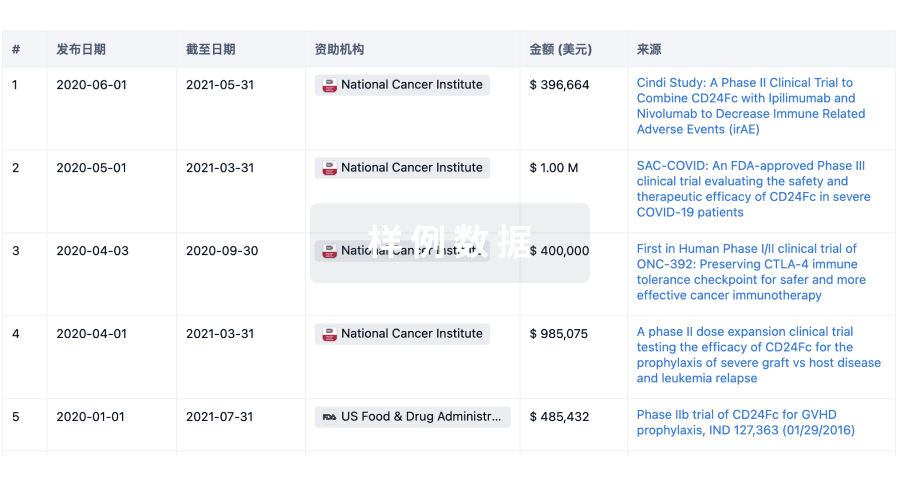
科研基金(NIH)
访问超过 200 万项资助和基金信息,以提升您的研究之旅。
登录
或
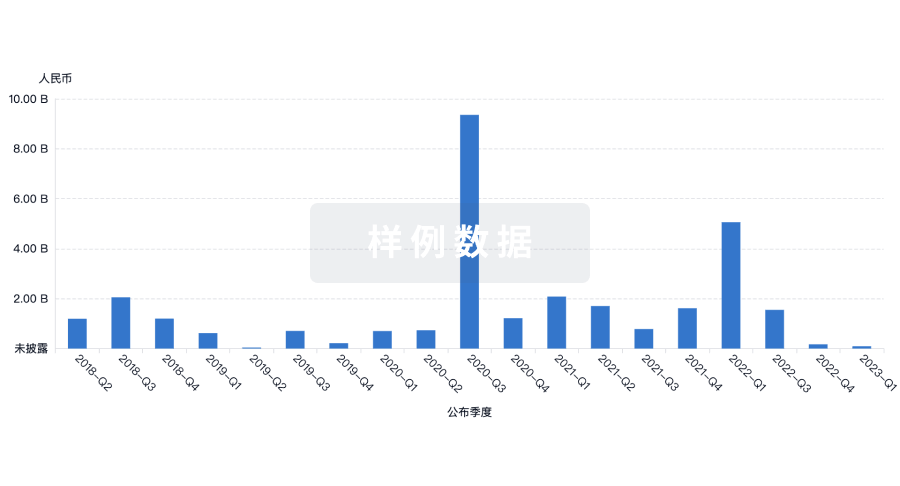
投资
深入了解从初创企业到成熟企业的最新公司投资动态。
登录
或
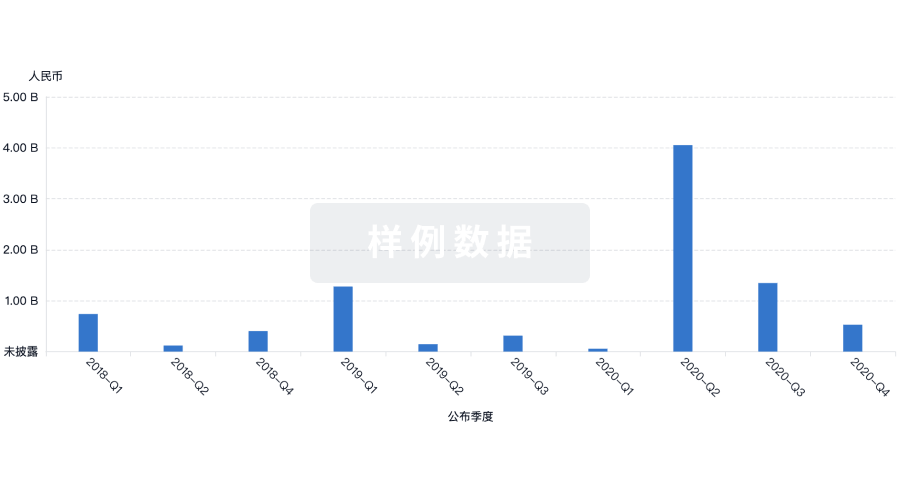
融资
发掘融资趋势以验证和推进您的投资机会。
登录
或
提出任何生物医药研究问题
让每一步生物医药决策都精准制胜
基于十亿级生物数据与全球情报的精准 AI,赋能早期药物发现
立即开始免费试用!
智慧芽新药情报库是智慧芽专为生命科学人士构建的基于AI的创新药情报平台,助您全方位提升您的研发与决策效率。
立即接入生物医药数据包
智慧芽新药库数据也通过智慧芽开放平台,以MCP或API服务形式对外开放。立即使用我们的MCP服务定制您的LLM智能体。
生物序列数据库
生物药研发创新
免费使用
化学结构数据库
小分子化药研发创新
免费使用