预约演示
更新于:2026-11-12

Shanxi Zhendong Pharmaceutical Co., Ltd.
更新于:2026-11-12
概览
标签
肿瘤
消化系统疾病
其他疾病
中药
小分子化药
疾病领域得分
一眼洞穿机构专注的疾病领域

技术平台
公司药物应用最多的技术
靶点
公司最常开发的靶点
关联
靶点 |
作用机制 |
在研机构 |
原研机构 |
在研适应症 |
非在研适应症 |
最高研发阶段 |
首次获批国家/地区 |
首次获批日期 |

靶点 |
作用机制 |
在研机构 |
原研机构 |
在研适应症 |
非在研适应症 |
最高研发阶段 |
首次获批国家/地区 |
首次获批日期 |
靶点 |
作用机制 |
在研机构 |
原研机构 |
在研适应症 |
非在研适应症 |
最高研发阶段 |
首次获批国家/地区 |
首次获批日期 |


CTR20254240
评价5%米诺地尔泡沫剂在成年雄激素性脱发女性受试者中的有效性、安全性的多 中心、双盲、随机、安慰剂平行对照临床试验

CTR20254048
星蒌承气颗粒治疗急性缺血性脑卒中(痰热腑实证)有效性和安全性的随机、双盲、剂量探索、多中心、Ⅱa期临床试验
CTR20253021
盐酸多柔比星脂质体注射液在女性乳腺癌患者中多中心、开放、随机、单剂量、双周期、双交叉的生物等效性试验
100 项与 山西振东制药股份有限公司 相关的临床结果
登录后查看更多信息
登录后查看更多信息
2026-11-04JOURNAL OF PHARMACY AND PHARMACOLOGY
Sophocarpine alleviates cancer-induced bone pain by inhibiting Nav1.7 and NGF-TrkA-SGK1 pathway
Article
作者: Zhang, Xin-Yue ; Zhou, Xin-Le ; Li, An-Ping ; You, Rong-Li ; Zhao, Jing ; Gao, Li ; Du, Wen-Qian ; Cui, Zhan-Shuo
Abstract:
Objectives:
Voltage-gated sodium channel subtype 1.7 (Nav1.7) is a promising target for cancer-induced bone pain (CIBP), but existing inhibitors show limited clinical efficacy. We previously demonstrated that Compound Kushen Injection (CKI) alleviates CIBP in female rats by inhibiting Nav1.7 expression, but its bioactive constituents remained unclear. This study aimed to identify the active constituent in CKI responsible for Nav1.7 inhibition and to elucidate its mechanism of analgesic action in CIBP.
Methods:
CKI constituents were systematically screened for inhibitory activity against Nav1.7 expression, and the analgesic efficacy of sophocarpine (SC) was evaluated in a female rat model of CIBP. Western blot, immunofluorescence, and quantitative real-time PCR were used to investigate the mechanisms of SC in the alleviation of CIBP.
Key findings:
SC was identified as a potent Nav1.7 expression inhibitor, with an IC50 of 0.002 μg/ml, much lower than that of PF-05089771 (IC50 = 0.120 μg/ml). In vivo, SC alleviated nociceptive hypersensitivity and spontaneous pain in female CIBP rats. Furthermore, SC suppressed Nav1.7 expression in spinal cord and dorsal root ganglia, and also downregulated nerve growth factor, tropomyosin receptor kinase A, and serum and glucocorticoid-regulated kinase 1, while inhibiting phosphorylation of neural precursor cell expressed developmentally down-regulated 4-2 and extracellular signal-regulated kinase 1/2.
Conclusions:
This study identifies SC as an inhibitor of Nav1.7 expression, providing a promising lead compound for CIBP treatment.
2026-10-22COMBINATORIAL CHEMISTRY & HIGH THROUGHPUT SCREENING
Integrating Network Pharmacology and Experimental Validation to Elucidate the Anti-neuroinflammatory Mechanism of Hemerocallis citrina Baroni Against Alzheimer’s Disease
Article
作者: Kang, Jiao ; Yan, Tingxu ; Xu, Mengjie ; Jie, Weirong ; Zhang, Yilin
Introduction::
Alzheimer's Disease (AD) is a major global health challenge owing to
its increasing prevalence, devastating clinical consequences, and the lack of therapeutic interventions.
The flower buds of Hemerocallis citrina Baroni (HBF), a traditional herbal medicine and
functional food in China, possess diverse neuroprotective activities. This study aimed to investigate
the potential pharmacological basis and molecular mechanisms underlying the neuroprotective
and anti-AD effects of HBF.
Methods::
The chemical constituents of HBF were characterised using UHPLC-Q-Orbitrap
MS/MS. Potential high-affinity ligands, therapeutic targets, and underlying mechanisms were investigated
through network pharmacology, molecular docking, and molecular dynamics simulations.
Cognitive function was assessed using behavioural tests in AD mice, while histopathological
alterations were evaluated by Haematoxylin and Eosin (H&E) and Nissl staining. The effects
of HBF on Aβ deposition, tau phosphorylation, NLRP3 inflammasome activation, and inflammatory
cytokine expression were further examined using immunohistochemistry, Western blotting,
and Enzyme-Linked Immunosorbent Assay (ELISA). In addition, the selective NLRP3 inhibitor
MCC950 was employed to evaluate the synergistic effects of HBF.
Results::
Twenty-eight chemical constituents were identified in HBF. Behavioural and histopathological
analyses demonstrated that HBF significantly improved cognitive function and alleviated
neuronal damage in AD mice. Mechanistically, HBF reduced Aβ deposition and tau hyperphosphorylation,
suppressed microglial activation, decreased the expression of proinflammatory
cytokines, and inhibited activation of the NF-κB/NLRP3 signalling pathway both
in vivo and in vitro. Molecular docking and molecular dynamics simulations further verified
strong binding of HBF’s potential high-affinity ligands to NLRP3. Moreover, HBF exhibited
synergistic anti-neuroinflammatory effects when combined with the NLRP3 inhibitor MCC950.
Conclusion::
These findings reveal a previously unrecognised neuroprotective mechanism of
HBF mediated by the suppression of neuroinflammation through modulation of the NLRP3 inflammasome
pathway. This study provides experimental evidence supporting the potential development
of HBF as a therapeutic candidate for Alzheimer's disease.
2026-08-01FOOD RESEARCH INTERNATIONAL
Antarctic krill oil Pickering emulsions stabilized by zein/sodium caseinate-xanthan gum nanoparticles: stability, bioaccessibility, and anti-inflammatory activity
Article
作者: Zeng, Yan ; Sun, Quancai ; Zeng, Minmin ; Chai, Jianxin ; Li, Ying ; Hu, Kun ; Peng, Ye ; Chen, Yuchan
Antarctic krill oil (KO) possesses multiple health-promoting effects, but its application in food is limited due to its poor stability and low bioavailability. In this study, zein/sodium caseinate-xanthan gum (Z/SC-XG) nanoparticles were prepared as stabilizers for KO Pickering emulsions. The effects of xanthan gum (XG) on the physicochemical stability of the emulsions were systematically investigated, along with the bioaccessibility of astaxanthin, the release of free fatty acids (FFA) during in vitro digestion, and the anti-inflammatory activity of the emulsions. The results showed that Z/SC-XG nanoparticles could adsorb at the oil-water interface, endowing the emulsions with a weak gel-like structure. Notably, XG effectively inhibited both oiling-off and water separation of the emulsions after centrifugation, and improved the stability of the emulsions during freeze-thaw cycles, with all these effects being dependent on the XG concentration. Furthermore, XG could protect krill oil from oxidation and astaxanthin from degradation in Z/SC-XG0.2 emulsions under heating at 60 °C or ultraviolet radiation exposure. In vitro digestion results showed that Z/SC-XG0.2 emulsions achieved a free fatty acids release rate of 44.25% and astaxanthin bioaccessibility of 65.94%, compared to 27.1% and 14.1% in pure KO, respectively. Additionally, the digesta from Z/SC-XG0.2 emulsions significantly downregulated the mRNA expression of pro-inflammatory factors and meditators including IL-1β, IL-6, TNF-α, and nitric oxide (NO), and upregulated IL-10 in LPS-stimulated RAW 264.7 macrophages by inhibiting NF-κB/MAPK pathway activation. This study confirmed that Z/SC-XG nanoparticles effectively improved KO emulsion stability, nutrient bioaccessibility, and anti-inflammatory activity, offering a promising strategy for functional KO delivery systems in foods.
100 项与 山西振东制药股份有限公司 相关的药物交易
登录后查看更多信息
100 项与 山西振东制药股份有限公司 相关的转化医学
登录后查看更多信息
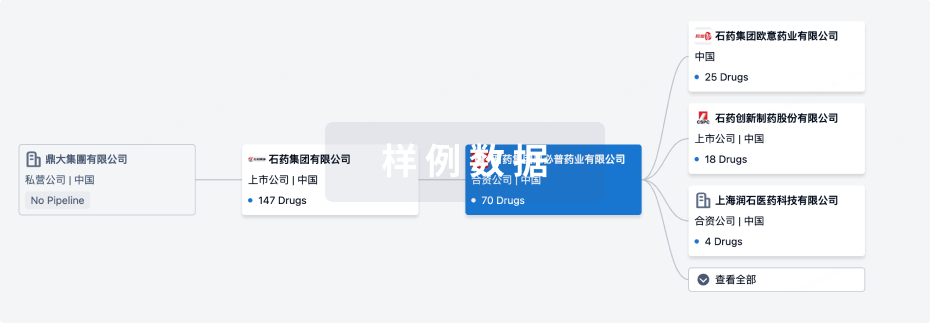
组织架构
使用我们的机构树数据加速您的研究。
登录
或
管线布局
2026年11月20日管线快照
管线布局中药物为当前组织机构及其子机构作为药物机构进行统计,早期临床1期并入临床1期,临床1/2期并入临床2期,临床2/3期并入临床3期
药物发现
2
2
临床前
临床1期
1
3
临床2期
临床3期
1
3
批准上市
其他
2
登录后查看更多信息
当前项目
登录后查看更多信息
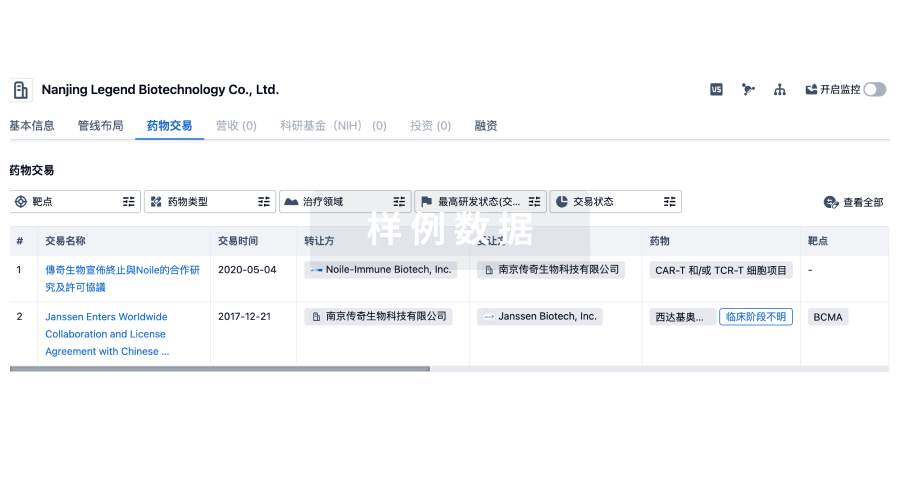
药物交易
使用我们的药物交易数据加速您的研究。
登录
或
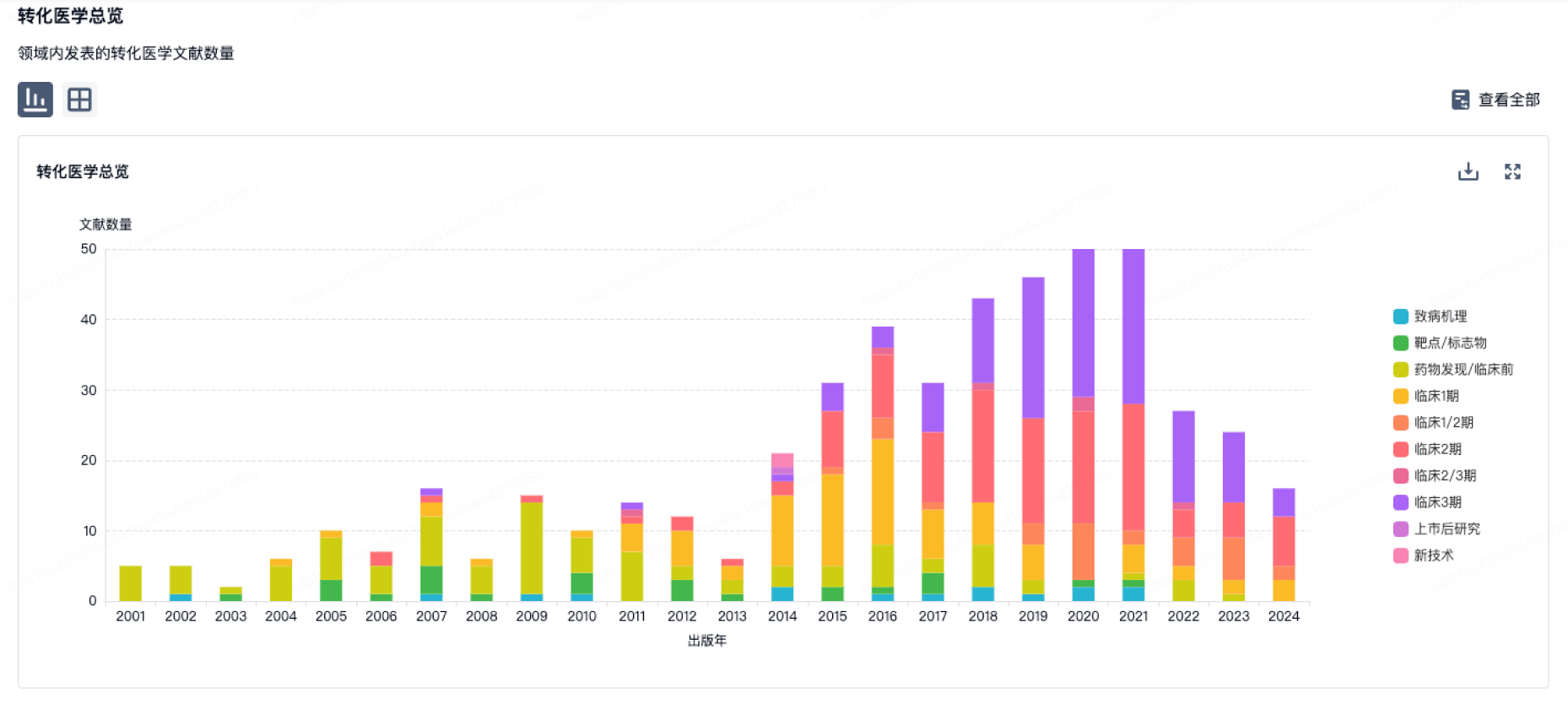
转化医学
使用我们的转化医学数据加速您的研究。
登录
或
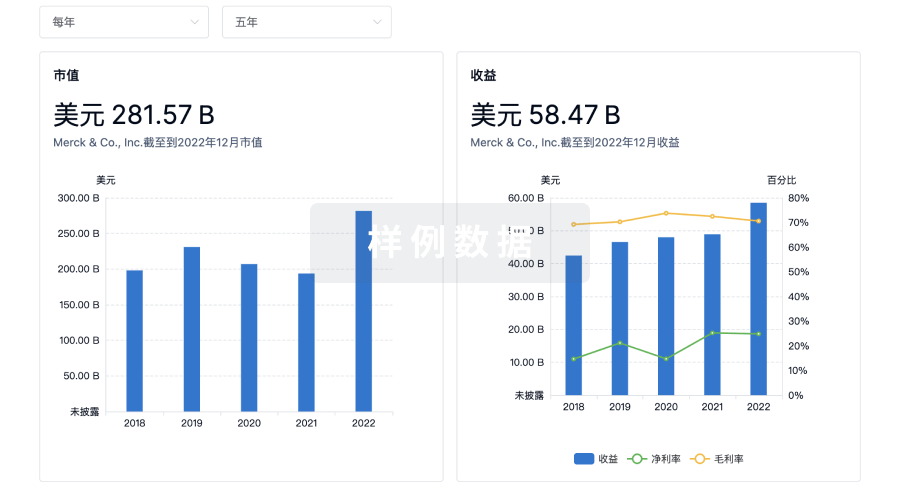
营收
使用 Synapse 探索超过 36 万个组织的财务状况。
登录
或
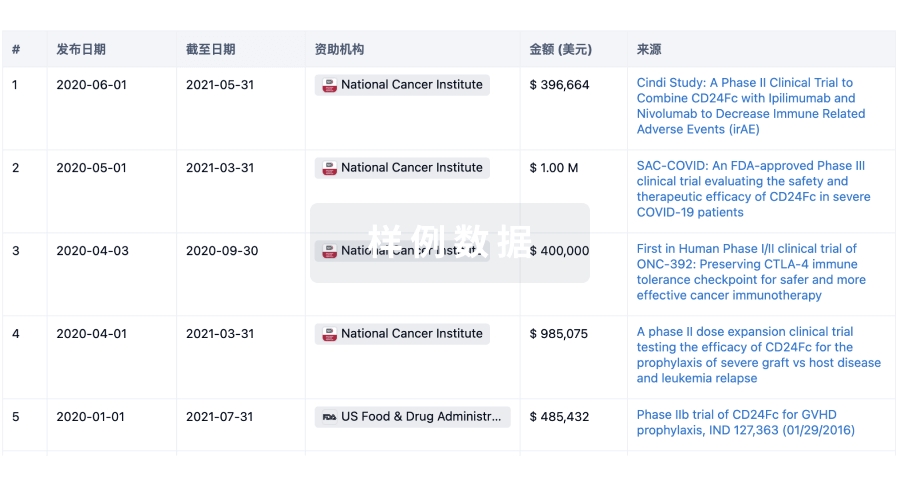
科研基金(NIH)
访问超过 200 万项资助和基金信息,以提升您的研究之旅。
登录
或
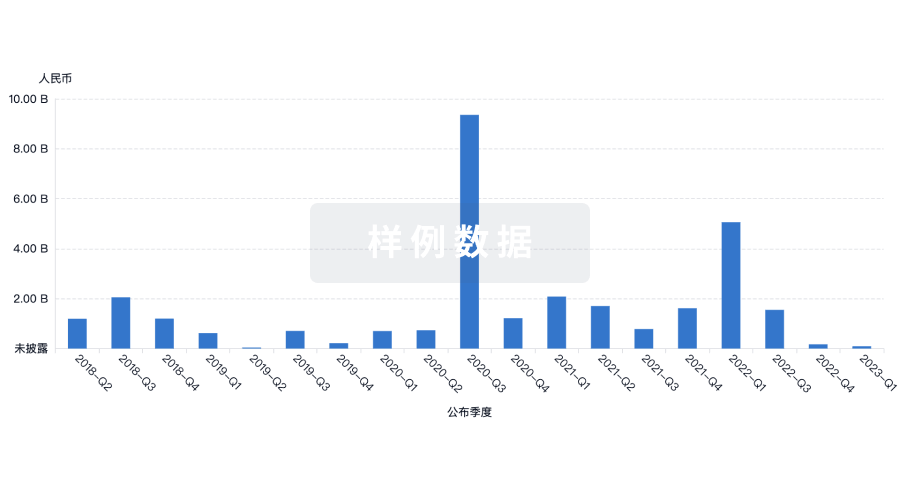
投资
深入了解从初创企业到成熟企业的最新公司投资动态。
登录
或
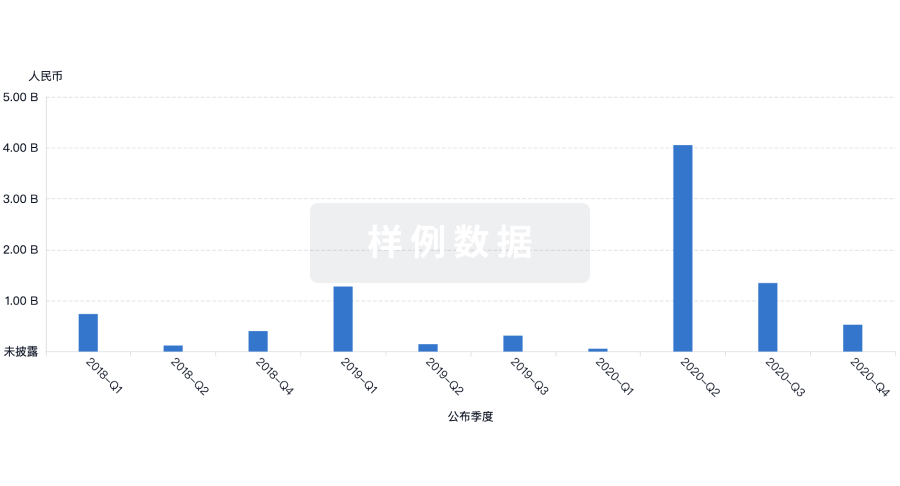
融资
发掘融资趋势以验证和推进您的投资机会。
登录
或
提出任何生物医药研究问题
让每一步生物医药决策都精准制胜
基于十亿级生物数据与全球情报的精准 AI,赋能早期药物发现
立即开始免费试用!
智慧芽新药情报库是智慧芽专为生命科学人士构建的基于AI的创新药情报平台,助您全方位提升您的研发与决策效率。
立即接入生物医药数据包
智慧芽新药库数据也通过智慧芽开放平台,以MCP或API服务形式对外开放。立即使用我们的MCP服务定制您的LLM智能体。
生物序列数据库
生物药研发创新
免费使用
化学结构数据库
小分子化药研发创新
免费使用