预约演示
更新于:2026-02-02
Novo Nordisk, Inc.
更新于:2026-02-02
概览
标签
内分泌与代谢疾病
其他疾病
血液及淋巴系统疾病
重组多肽
多肽激素
小分子化药
疾病领域得分
一眼洞穿机构专注的疾病领域

技术平台
公司药物应用最多的技术
靶点
公司最常开发的靶点
关联
靶点 |
作用机制 |
在研机构 |
原研机构 |
在研适应症 |
非在研适应症 |
最高研发阶段 |
首次获批国家/地区 |
首次获批日期 |

靶点 |
作用机制 |
在研机构 |
原研机构 |
在研适应症 |
非在研适应症 |
最高研发阶段 |
首次获批国家/地区 |
首次获批日期 |

靶点 |
作用机制 |
在研机构 |
原研机构 |
在研适应症 |
非在研适应症 |
最高研发阶段 |
首次获批国家/地区 |
首次获批日期 |
100 项与 Novo Nordisk, Inc. 相关的临床结果
登录后查看更多信息
登录后查看更多信息
2026-12-31JOURNAL OF MEDICAL ECONOMICS
Calculating cost per event avoided using a composite number needed to treat
Article
作者: Wang, Julia ; Bhavsar, Jigish ; Toliver, Joshua ; Sullivan, Sean D.
OBJECTIVE:
Number needed to treat (NNT) and cost per event avoided (CPEA) are measures used to represent the clinical and economic value of chronic treatments and are commonly calculated based on primary endpoints from trials. This approach, although widely used, does not reflect the complete value of a treatment, as it does not consider outcomes beyond the primary endpoints. This research aims to overcome this limitation by developing multiple composite NNTs to derive the CPEA to estimate a total value of semaglutide and dulaglutide in people with established cardiovascular disease.
METHODS:
Two cardiovascular outcomes trials were selected, SELECT (NCT03574597, semaglutide 2.4 mg) and REWIND (NCT01394952, dulaglutide 1.5 mg). NNT was calculated as NNT = 1/ARR where ARR = control event rate - experimental event rate. NNT was estimated for 3-point major adverse cardiovascular events (MACE-3; primary endpoint of the trials), 5-point MACE (MACE-5), and cardiovascular-kidney-metabolic events (CKM). CPEA of MACE-3, MACE-5, and CKM was calculated as NNT*duration of mean follow-up (semaglutide) or duration of median follow-up (dulaglutide)*estimated net price.
RESULTS:
The NNT decreased as the number of outcomes in the composite endpoint increased, where NNTMACE-3, NNTMACE-5, and NNTCKM were 67, 49, and 8 for semaglutide, and 72, 64, and 23 for dulaglutide, respectively. Similarly, the CPEA decreased as the number of outcomes in the composite endpoint increased, where the CPEA for MACE-3, MACE-5 and CKM calculations were $1,662,001, $1,232,417, and $190,387 for semaglutide and $1,884,013, $1,670,366, and $607,886 for dulaglutide.
CONCLUSIONS:
This research illustrates the limitations of using a NNT focused only on the primary endpoint, as it does not capture the total benefit of the treatment. When considering the value of treatments through NNT or CPEA analyses, a composite endpoint capturing broader benefit should be utilized.
2026-01-01Alzheimers & Dementia
Early Alzheimer's diagnosis: U.S. primary care physicians and use of blood biomarkers
Article
作者: Susan Alford ; Martí Jiménez-Mausbach ; Justine Coppinger ; Rosemary Laird ; Jeffrey M. Burns ; Hemant Pandey ; Sutapa Ray
Abstract:
INTRODUCTION:
We aimed to explore primary care physicians’ (PCP) attitudes, perceptions, and barriers toward Alzheimer's disease (AD) diagnosis and incorporating blood biomarker (BBM) tests into the diagnostic workflow.
METHODS:
Remote 60‐min interviews with 20 PCPs were conducted (May 2023). Participants included generalists and geriatricians representing urban, suburban, and rural U.S. practices. Interviews encompassed early AD diagnosis, PCP role, and BBM test implementation.
RESULTS:
Most PCPs view investigating cognitive decline as an important part of their role and are somewhat confident in diagnosing AD. Barriers include the complexity and inefficiency of current diagnostic workflows, lack of effective treatments, and stigma. PCPs consider BBM tests accurate and cost‐effective but have concerns about reimbursement and diagnostic pathway placement.
DISCUSSION:
PCPs are interested in AD diagnosis and receptive toward BBM testing. Education on BBM test use and AD diagnosis may benefit PCPs in the care of individuals with cognitive decline.
Highlights:
Early Alzheimer's disease (AD) diagnosis is crucial for initiating treatmentPrimary care physicians (PCPs) find investigation of cognitive decline importantPCPs consider blood biomarker (BBM) tests accurate and cost‐effectivePCPs seek clarity on reimbursement of BBM tests and their context of useEducation on BBM test interpretation and AD diagnosis may benefit primary care
2025-12-31JOURNAL OF MEDICAL ECONOMICS
Noninvasive tests and diagnostic pathways to MASH diagnosis in the United States: a retrospective observational study
Article
作者: Gbadamosi, Semiu O. ; Evans, Kristin A. ; Hoovler, Anthony ; Brady, Brenna L.
AIM:
Although liver biopsy is considered the most reliable diagnostic tool for metabolic dysfunction-associated steatohepatitis (MASH), it is invasive and can be costly. Clinicians are increasingly relying on routine biomarkers and other noninvasive tests (NITs) for diagnosis. We examined real-world diagnostic pathways for patients newly diagnosed with MASH with a primary focus on NITs.
MATERIALS AND METHODS:
This retrospective, observational study analyzed healthcare claims data (Merative MarketScan Commercial and Medicare Databases) from patients in the United States newly diagnosed with MASH from October 1, 2016, to March 31, 2023. Patients ≥18 years old with ≥12 months of continuous enrollment with medical and pharmacy benefits prior to diagnosis were included. Diagnostic pathways leading up to MASH diagnosis, including NITs (blood-based and imaging-based tests) and liver biopsies were assessed. Prevalence of comorbid conditions, MASH-associated medication use, and the diagnosing physician specialty were also examined.
RESULTS:
A total of 18,396 patients were included in the analysis. Routine laboratory tests (alanine aminotransferase [ALT], albumin, aspartate aminotransferase [AST], cholesterol, complete blood count, and hemoglobin A1c) were performed among ≥70% of patients prior to MASH diagnosis, including 89% of patients with a liver enzyme test (ALT and/or AST). More than 75% of patients had necessary laboratory tests to calculate AST to platelet ratio index (APRI) and fibrosis-4 index (FIB-4) scores. The most common imaging performed was ultrasound (62%); liver biopsy was only performed in 10% of patients. There was a high prevalence of cardio metabolic risk factors such as hyperlipidemia (66%), hypertension (62%), obesity (58%), type 2 diabetes (40%), and cardiovascular disease (21%). Nearly half of the patients (49%) were diagnosed by a primary care physician.
LIMITATIONS AND CONCLUSIONS:
This study highlights real-world diagnostic pathways among patients newly diagnosed with MASH, supporting previous findings that liver biopsies are infrequently used in favor of noninvasive methods.

100 项与 Novo Nordisk, Inc. 相关的药物交易
登录后查看更多信息
100 项与 Novo Nordisk, Inc. 相关的转化医学
登录后查看更多信息
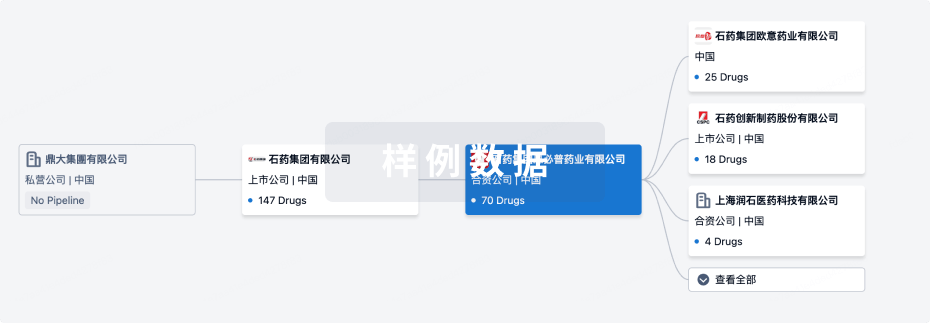
组织架构
使用我们的机构树数据加速您的研究。
登录
或
管线布局
2026年10月12日管线快照
管线布局中药物为当前组织机构及其子机构作为药物机构进行统计,早期临床1期并入临床1期,临床1/2期并入临床2期,临床2/3期并入临床3期
临床3期
1
17
批准上市
其他
10
登录后查看更多信息
当前项目
登录后查看更多信息
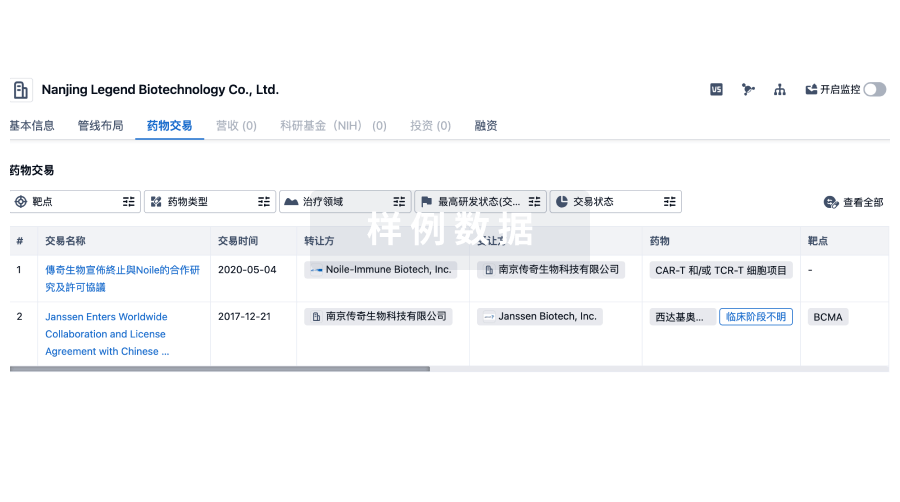
药物交易
使用我们的药物交易数据加速您的研究。
登录
或
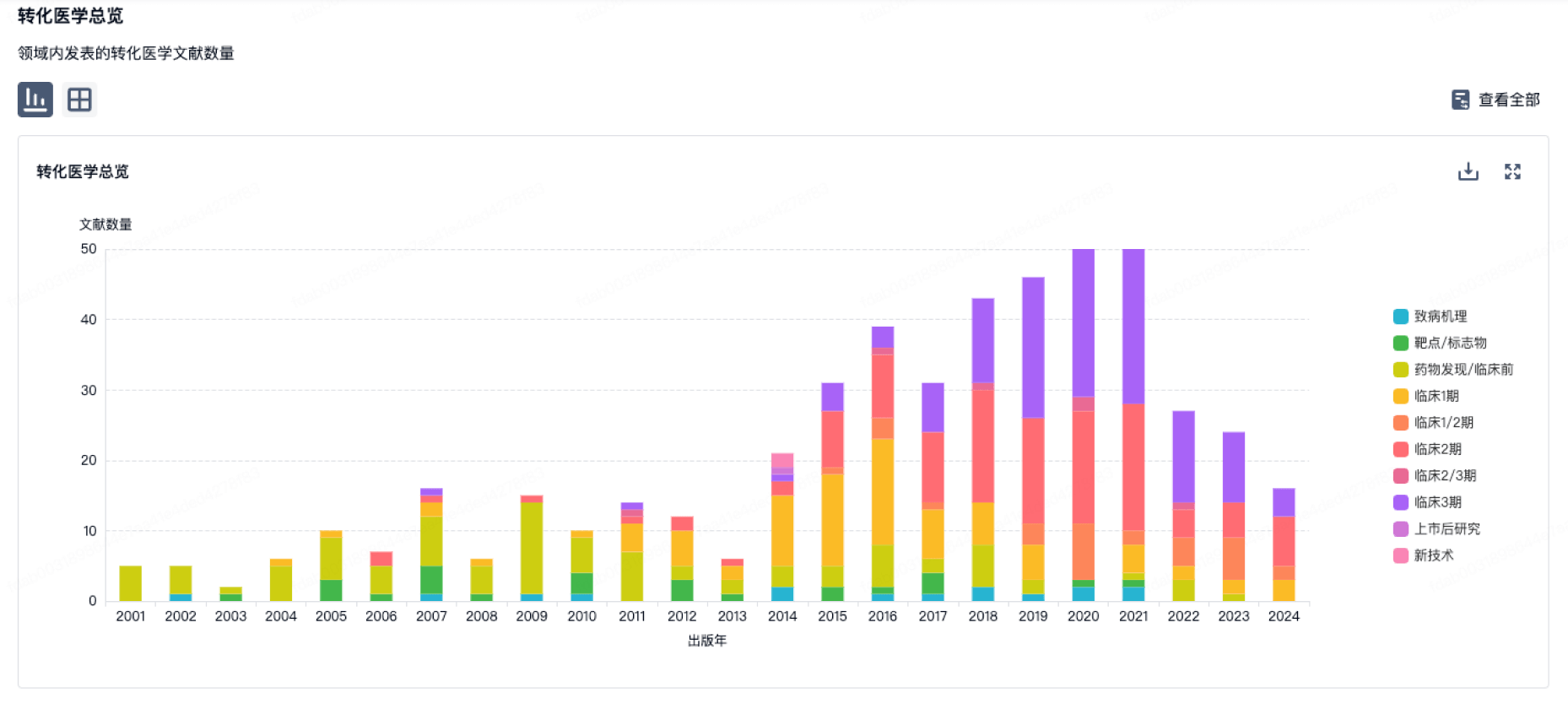
转化医学
使用我们的转化医学数据加速您的研究。
登录
或
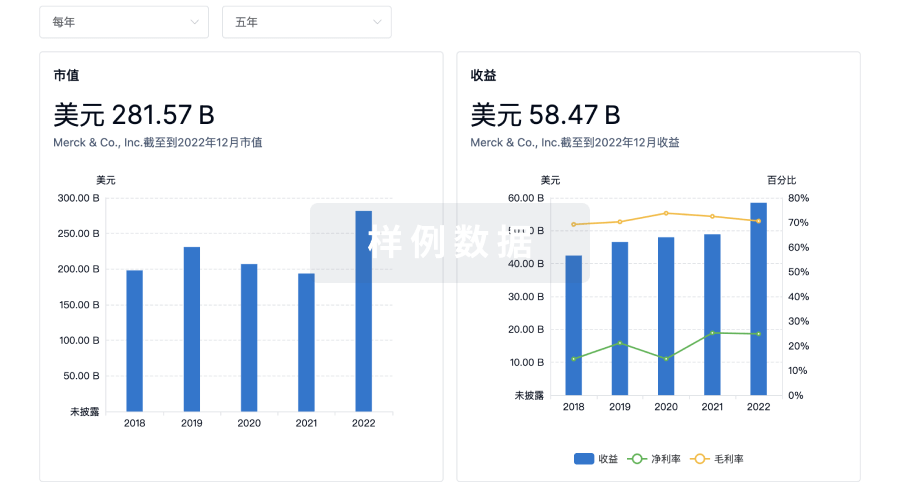
营收
使用 Synapse 探索超过 36 万个组织的财务状况。
登录
或
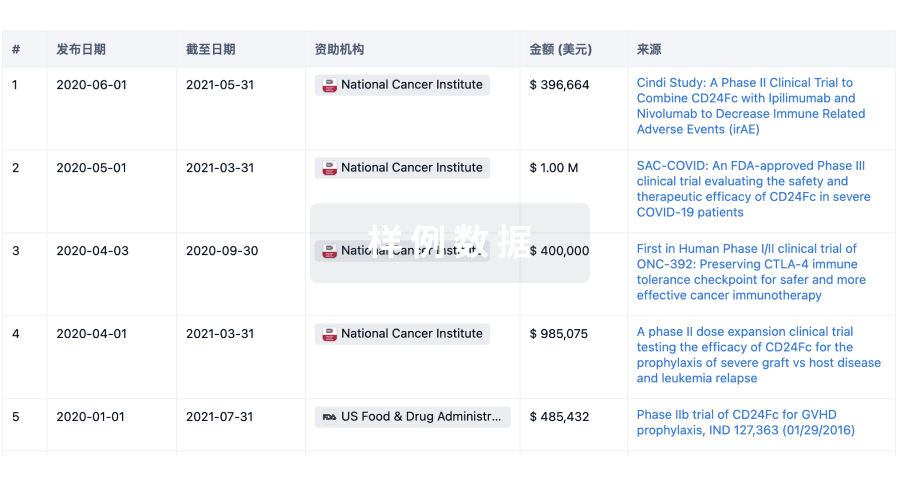
科研基金(NIH)
访问超过 200 万项资助和基金信息,以提升您的研究之旅。
登录
或
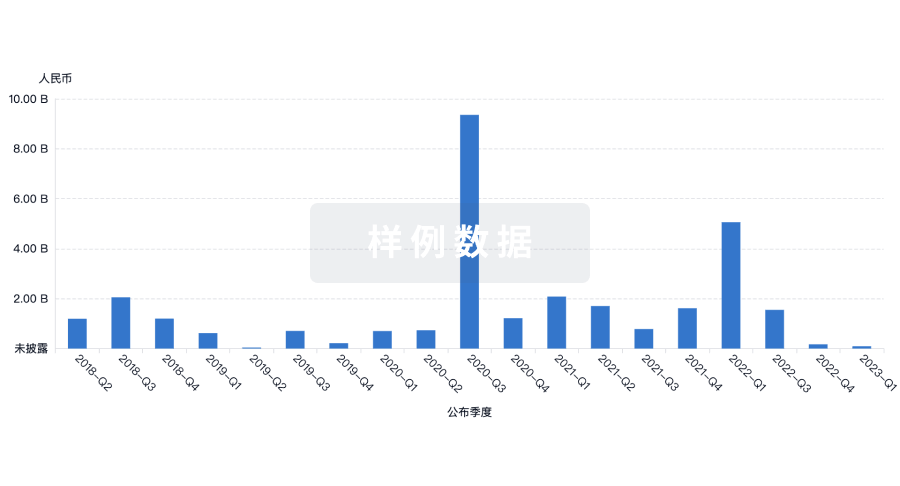
投资
深入了解从初创企业到成熟企业的最新公司投资动态。
登录
或
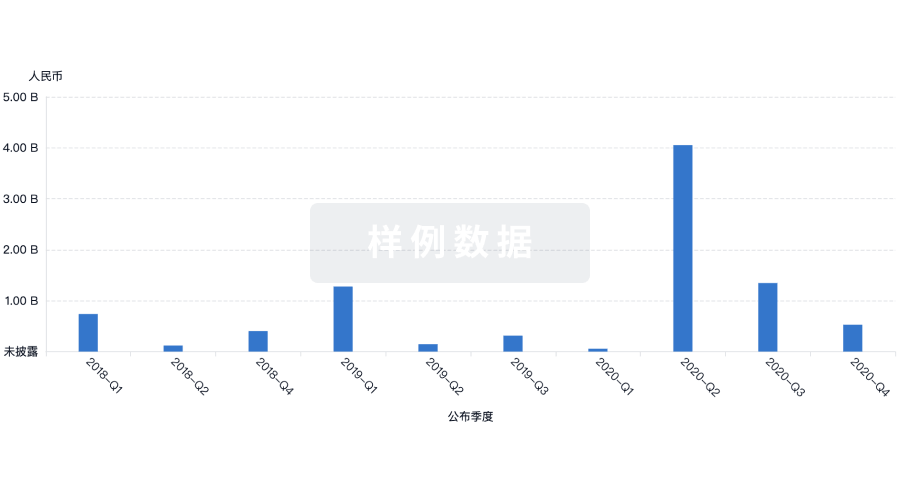
融资
发掘融资趋势以验证和推进您的投资机会。
登录
或
提出任何生物医药研究问题
让每一步生物医药决策都精准制胜
基于十亿级生物数据与全球情报的精准 AI,赋能早期药物发现
立即开始免费试用!
智慧芽新药情报库是智慧芽专为生命科学人士构建的基于AI的创新药情报平台,助您全方位提升您的研发与决策效率。
立即接入生物医药数据包
智慧芽新药库数据也通过智慧芽开放平台,以MCP或API服务形式对外开放。立即使用我们的MCP服务定制您的LLM智能体。
生物序列数据库
生物药研发创新
免费使用
化学结构数据库
小分子化药研发创新
免费使用