预约演示
更新于:2026-09-15

Yichang Dongyang Pharmaceutical Co., Ltd.
更新于:2026-09-15
概览
标签
内分泌与代谢疾病
诱导性多能干细胞
疾病领域得分
一眼洞穿机构专注的疾病领域

技术平台
公司药物应用最多的技术
靶点
公司最常开发的靶点
关联
靶点 |
作用机制 |
在研机构 |
原研机构 |
在研适应症 |
非在研适应症 |
最高研发阶段 |
首次获批国家/地区 |
首次获批日期 |

靶点 |
作用机制 |
在研机构 |
原研机构 |
在研适应症 |
非在研适应症 |
最高研发阶段 |
首次获批国家/地区 |
首次获批日期 |

靶点 |
作用机制 |
在研机构 |
原研机构 |
在研适应症 |
非在研适应症 |
最高研发阶段 |
首次获批国家/地区 |
首次获批日期 |

NCT07341672
The Drug-Drug Interaction Study of Clifutinib
NCT05048368
A Pharmacokinetic Study of Larotinib in Subjects With Mild/Moderate Hepatic Impairment and in Healthy Subjects With Normal Hepatic Function
CTR20262882
评估受试制剂艾司奥美拉唑镁肠溶胶囊(规格:40 mg)与参比制剂NEXIUM®(规格:40 mg)在健康成年试验参与者餐后状态下的单中心、开放、随机、单剂量、四周期、两序列、完全重复交叉生物等效性试验
100 项与 宜昌东阳光药业股份有限公司 相关的临床结果
登录后查看更多信息
登录后查看更多信息
2026-12-31Emerging Microbes & Infections
Preclinical characterization of HEC116094, an oral inhibitor of the influenza A virus polymerase PB2 subunit
Article
作者: Zhang, Lei ; Xie, Yong ; Zuo, Yinglin ; Gu, Baohua ; Chen, Yunfu ; Wang, Pu ; Nie, Longyu ; Li, Jing ; Zhang, Yingjun ; Lin, Kai
Influenza A virus remains a global health threat due to its high mutation rate and its resistance to existing neuraminidase and polymerase inhibitors. The polymerase basic protein 2 (PB2) subunit is a promising target for novel therapeutics due to its critical role in inhibiting viral transcription and replication. Here, we reported the preclinical characterization of HEC116094, a novel PB2 inhibitor, against influenza A virus. HEC116094 exhibited potent in vitro activities against multiple laboratory strains (IC50: 0.012-0.069 nM) and the highly pathogenic avian influenza strains H5N1 and H7N9 (IC50: 0.071-0.122 nM). These activities are more potent than VX-787 (Pimodivir) and oseltamivir. Our studies demonstrated that HEC116094 treatment could reduce the extent of weight loss and maintain a 100% survival rate in BALB/c mice, even when initiated 72 h post-infection. In addition, HEC116094 exerted potent in vitro synergy and in vivo therapeutic benefits when combined with oseltamivir. Furthermore, HEC116094 displayed minimal kinase inhibition and excellent PK characteristics. Superior preclinical activity demonstrated that HEC116094 was a more potent PB2 inhibitor against influenza A virus than VX-787 in this study. Currently, HEC116094 is under evaluation in Phase I clinical studies.
2026-10-01BIOORGANIC CHEMISTRY
Design, synthesis and evaluation of benzo[4,5]thiazolo[3,2-a]pyrimidin-4-one derivatives as novel MTA cooperative PRMT5 inhibitors for the treatment of MTAP-deleted cancers
Article
作者: Hu, Xian-Jing ; Li, Shao-Yan ; Yang, Fang ; Zhuang, Ze ; Liu, Jin-Shan ; Wang, Qian ; Shi, Hui ; Liu, Bing ; Pan, Xiao-Guang ; Kang, Ning ; Zhang, Ying-Jun
Protein arginine methyltransferase 5 (PRMT5) has emerged as a promising therapeutic target due to its critical roles in regulating fundamental cellular processes such as proliferation, migration, and differentiation. Although several PRMT5 inhibitors have been reported, but none have gained clinical approval. Herein, we describe the discovery of a novel series of benzo[4,5]thiazolo[3,2-a]pyrimidin-4-ones derivatives as MTA cooperative PRMT5 inhibitors. Compound 9u exhibited significant antiproliferative activity in MTAP-deleted HCT116 cancer cells, with an IC50 value of 13 nM, exhibiting 70-fold selectivity over MTAP wild type HCT116 cells. Furthermore, 9u displayed robust efficacy across diverse MTAP-deleted cancer cell lines, achieving IC50 values of <1.5-51 nM. Notably, it also showed favorable metabolic stability in both human and mouse liver microsomes. These findings establish a promising lead for the development of PRMT5-MTA inhibitors specifically targeting MTAP-deficient cancers.
2026-08-01BIOORGANIC & MEDICINAL CHEMISTRY LETTERS
Discovery of Pyrazolo[1,5-a]pyridine derivatives as potent RET inhibitors for the treatment of human thyroid and lung Cancer
Article
作者: Hu, Yangxiao ; Tan, Fuxing ; Fang, Qinghong ; Wu, Wanqing ; Xie, Hongming ; Zhang, Yingjun ; Pan, Lin ; Chen, Junyue
Rearranged during transfection (RET) kinase mutations are frequently observed in the context of human thyroid and lung cancer treatment. Moreover, a considerable amount of effort has been dedicated by the scientific community to the identification of highly potent and selective RET inhibitors. In this study, we identified a series of pyrazolo[1,5-a]pyridine derivatives, and compound 9 as a candidate drug that targets both wild-type (wt) RET and RETV804M by structure-activity relationship (SAR) study. In addition, 9 exhibited remarkable antitumor activity at a dose of 10 mg/kg/day, indicating that it completely hindered the growth of tumors induced by BAF3-KIF3B-RET-WT xenografts. In summary, 9 can be demonstrated to act as a potential RET inhibitor, as well as a treatment for RET-related cancers.
100 项与 宜昌东阳光药业股份有限公司 相关的药物交易
登录后查看更多信息
100 项与 宜昌东阳光药业股份有限公司 相关的转化医学
登录后查看更多信息
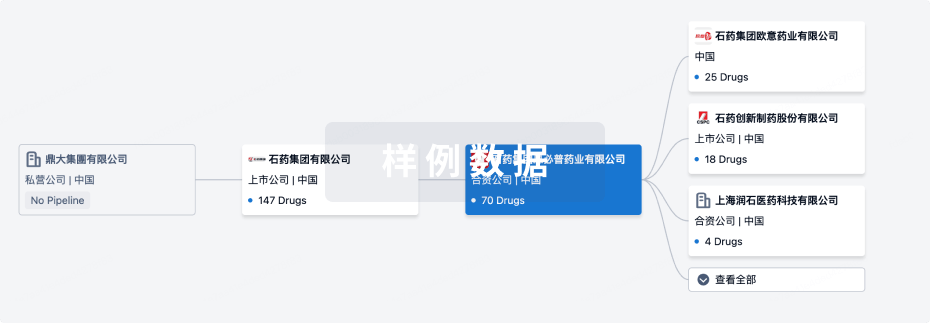
组织架构
使用我们的机构树数据加速您的研究。
登录
或
管线布局
2026年10月14日管线快照
管线布局中药物为当前组织机构及其子机构作为药物机构进行统计,早期临床1期并入临床1期,临床1/2期并入临床2期,临床2/3期并入临床3期
药物发现
18
25
临床前
临床申请批准
9
9
临床1期
临床2期
4
7
临床3期
申请上市
2
2
批准上市
其他
37
登录后查看更多信息
当前项目
登录后查看更多信息
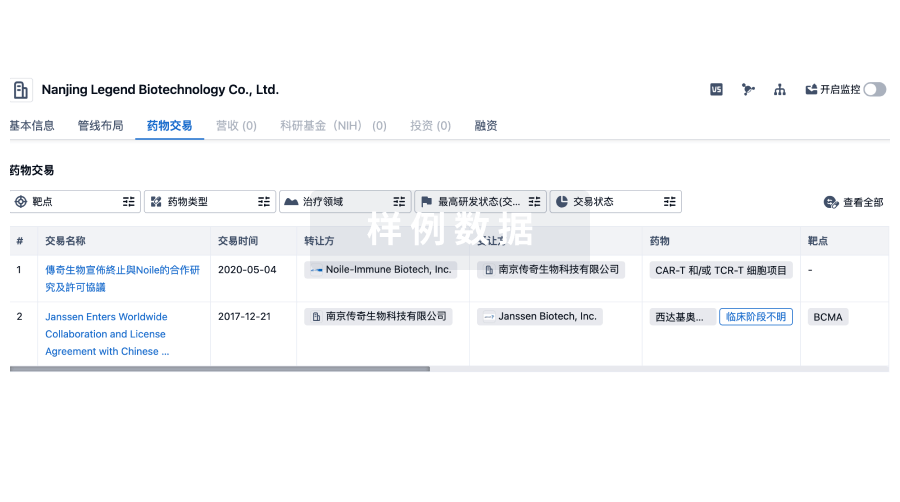
药物交易
使用我们的药物交易数据加速您的研究。
登录
或
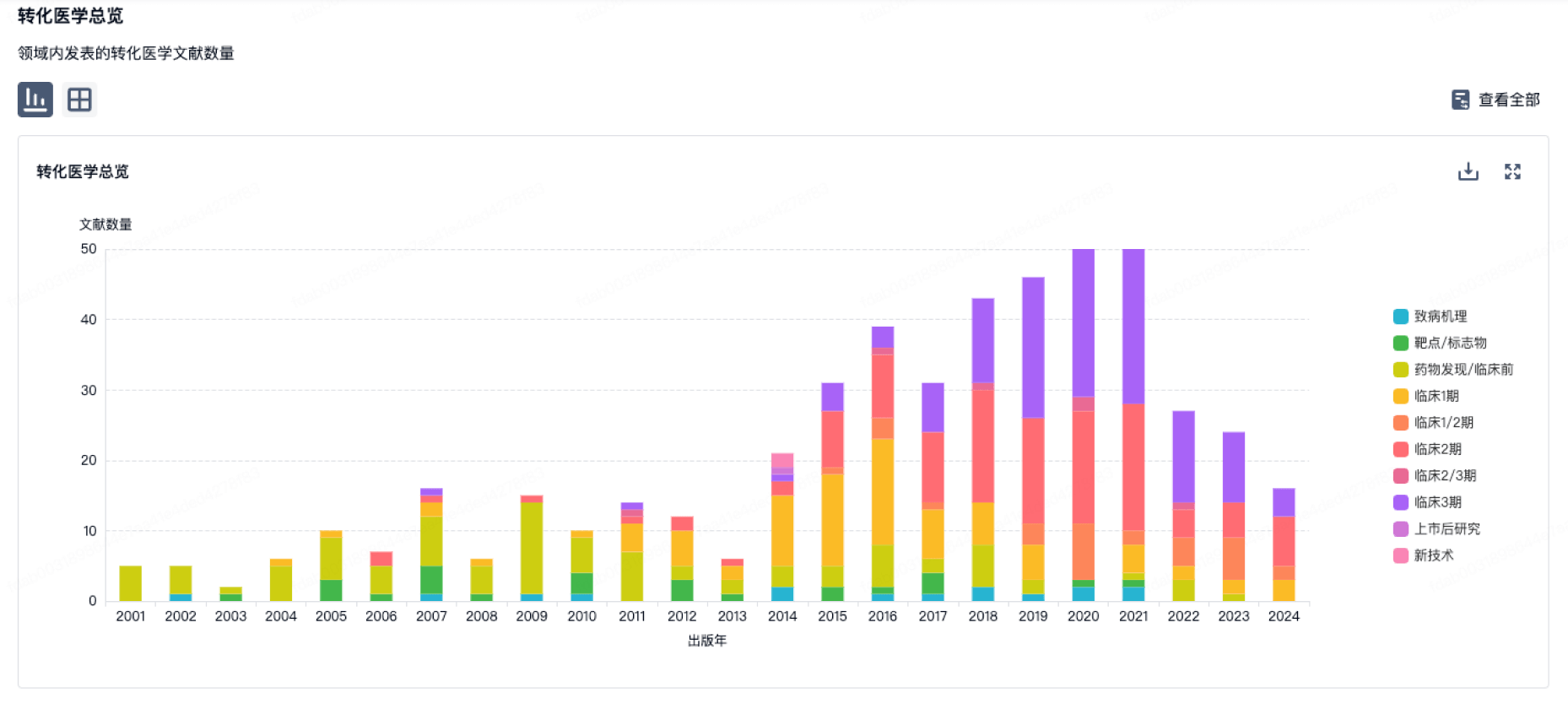
转化医学
使用我们的转化医学数据加速您的研究。
登录
或
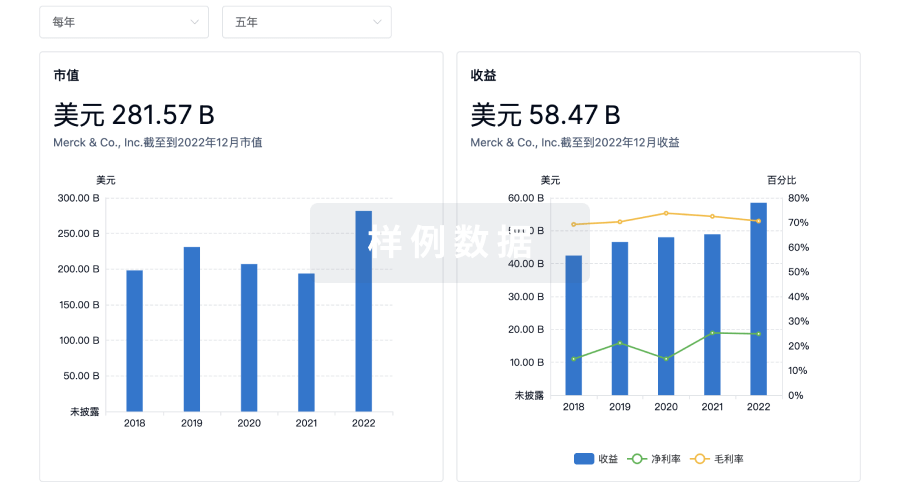
营收
使用 Synapse 探索超过 36 万个组织的财务状况。
登录
或
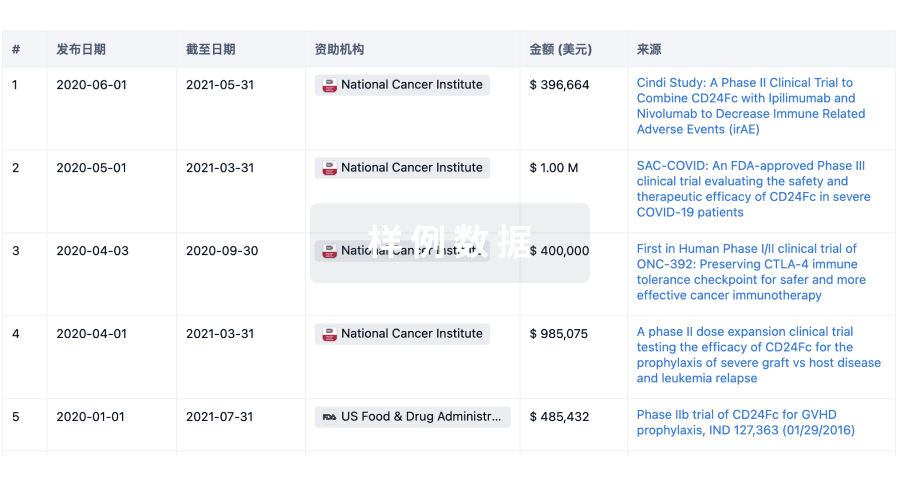
科研基金(NIH)
访问超过 200 万项资助和基金信息,以提升您的研究之旅。
登录
或
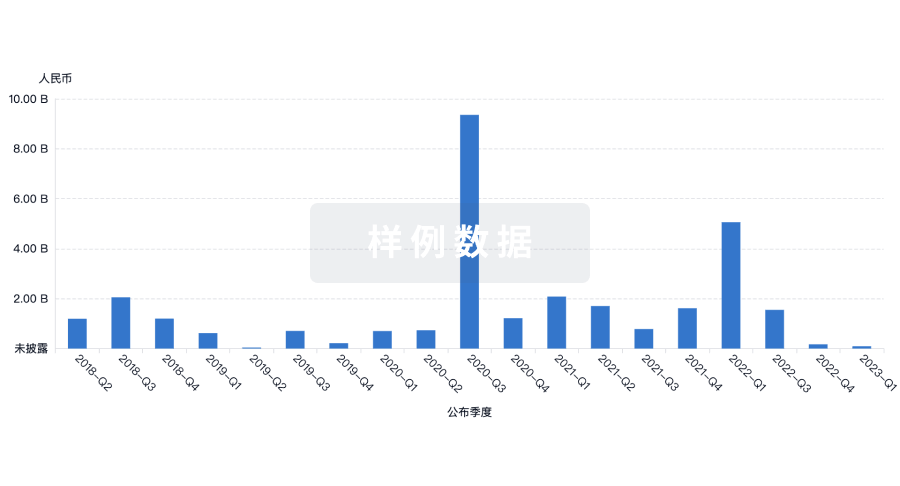
投资
深入了解从初创企业到成熟企业的最新公司投资动态。
登录
或
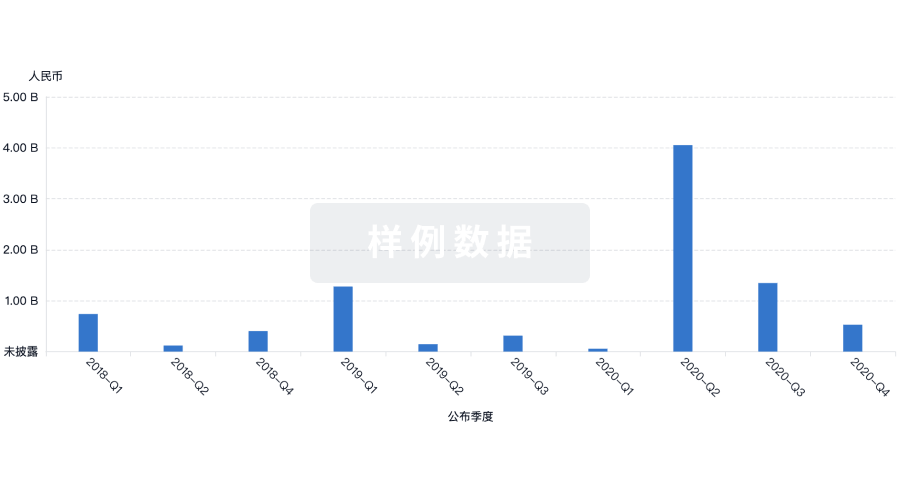
融资
发掘融资趋势以验证和推进您的投资机会。
登录
或
提出任何生物医药研究问题
让每一步生物医药决策都精准制胜
基于十亿级生物数据与全球情报的精准 AI,赋能早期药物发现
立即开始免费试用!
智慧芽新药情报库是智慧芽专为生命科学人士构建的基于AI的创新药情报平台,助您全方位提升您的研发与决策效率。
立即接入生物医药数据包
智慧芽新药库数据也通过智慧芽开放平台,以MCP或API服务形式对外开放。立即使用我们的MCP服务定制您的LLM智能体。
生物序列数据库
生物药研发创新
免费使用
化学结构数据库
小分子化药研发创新
免费使用