预约演示
更新于:2026-05-30

Cullinan Therapeutics, Inc.
更新于:2026-05-30
概览
标签
免疫系统疾病
肿瘤
口颌疾病
抗体
双特异性T细胞结合器
TCR-T细胞疗法
疾病领域得分
一眼洞穿机构专注的疾病领域

技术平台
公司药物应用最多的技术
靶点
公司最常开发的靶点
关联
靶点 |
作用机制 |
在研机构 |
原研机构 |
在研适应症 |
非在研适应症 |
最高研发阶段 |
首次获批国家/地区 |
首次获批日期 |


靶点 |
作用机制 |
在研机构 |
原研机构 |
在研适应症 |
非在研适应症 |
最高研发阶段 |
首次获批国家/地区 |
首次获批日期 |

靶点 |
作用机制 |
在研机构 |
原研机构 |
在研适应症 |
非在研适应症 |
最高研发阶段 |
首次获批国家/地区 |
首次获批日期 |
NCT07041099
A Phase 1b, Open-Label Study of CLN-978 for the Treatment of Active, Moderate to Severe Sjogren's Disease
NCT06994143
A Phase I, Open-Label Study of CLN-978 in Patients With Treatment-Refractory Rheumatoid Arthritis (RA)
NCT06613360
A Phase 1b, Open-label, Pilot Study of CLN-978 for the Treatment of Moderate to Severe Systemic Lupus Erythematosus (SLE)
100 项与 Cullinan Therapeutics, Inc. 相关的临床结果
登录后查看更多信息
登录后查看更多信息
2026-02-01Journal for ImmunoTherapy of Cancer
Dysregulated expression of the tumor suppressor p14ARF in cancer provides an effective target for TCR-T cell therapeutics
Article
作者: Furiya, Kelsey ; Vazquez, Angie ; Paushter, Daniel H ; Sauer, Karsten ; Baeuerle, Patrick A ; Hailemariam, Menna ; Trieu, Lam ; Schmitt, Thomas M ; Black, Cheryl ; Chapuis, Aude G ; Whalen, Kerry A ; Lee, Bo ; Mehta, Naveen K ; Sharma, Jaishree ; Michaelson, Jennifer S ; Rakhra, Kavya ; Greenberg, Philip D ; Lam, Jennifer
Background:
The CDKN2A gene encodes two canonical tumor suppressors, p16INK4A and p14ARF, which safeguard cells from malignant transformation by inducing cell cycle arrest and apoptosis in response to aberrant growth signals. Paradoxically, many cancers overexpress these proteins when downstream effectors that enforce negative feedback regulation are lost or inactivated. For example, p14ARF, which regulates p53 activation, is aberrantly expressed in more than 50% of tumors with inactivating p53 mutations. Here, we evaluated the feasibility of targeting dysregulated p16INK4A and p14ARF expression using TCR-T cell therapeutics.
Methods:
We analyzed a panel of p16INK4A- and p14ARF-derived peptides for HLA-A*02:01-associated presentation and recognition by CD8
+
T cells. Antigen-specific T cell receptors were isolated from healthy donor repertoires and expressed in primary T cells to assess specificity, functional avidity, tumor recognition, and safety using in vitro T cell functional assays, in vivo tumor models, and an in vivo safety model.
Results:
We identified a unique and well-presented p14ARF epitope that was consistently detected in the HLA-A*02:01-associated immunopeptidome of cancer biopsies but not in normal tissues. High-avidity ARF-specific TCRs were isolated from the peripheral repertoire of healthy donors, and TCR-transduced T cells mediated potent tumor cell killing in vitro and in vivo in preclinical models. Furthermore, targeting p14ARF-expressing cells did not result in detectable on-target toxicity in an in vivo safety model.
Conclusions:
These findings demonstrate the feasibility of targeting dysregulated tumor suppressor proteins with TCR-T cell therapeutics and identify p14ARF as a promising target for future therapies.
2023-08-01Journal for immunotherapy of cancer
CLN-978, a novel half-life extended CD19/CD3/HSA-specific T cell-engaging antibody construct with potent activity against B-cell malignancies with low CD19 expression
Article
作者: Michaelson, Jennifer S ; Meetze, Kristan ; London, Timothy B ; Baeuerle, Patrick A ; Mehta, Naveen K ; Li, Bochong ; Patakas, Agapitos ; Findlay, Hannah M
Background:
Despite significant progress in the development of T cell-engaging therapies for various B-cell malignancies, a high medical need remains for the refractory disease setting, often characterized by suboptimal target levels.
Methods:
To address this issue, we have developed a 65-kDa multispecific antibody construct, CLN-978, with affinities tuned to optimize the killing of low-CD19 expressing tumor cells. CLN-978 bound to CD19 on B cells with picomolar affinity, and to CD3ε on T cells with nanomolar affinity. A serum albumin binding domain was incorporated to extend serum half-life. In this setting, we biophysically characterize and report the activities of CLN-978 in cell co-culture assays, multiple mouse models and non-human primates.
Results:
Human T cells redirected by CLN-978 could eliminate target cells expressing less than 300 copies of CD19 on their surface. The half-life extension and high affinity for CD19 led to significant antitumor activity in murine lymphoma models at very low doses of CLN-978. In primates, we observed a long serum half-life, deep and sustained depletion of normal B cells, and remarkable tolerability, in particular, reduced cytokine release when CLN-978 was administered subcutaneously.
Conclusions:
CLN-978 warrants further exploration. An ongoing clinical phase 1 trial is investigating safety, pharmacokinetics, pharmacodynamics, and the initial therapeutic potential of subcutaneously administered CLN-978 in patients with non-Hodgkin’s lymphoma.
2022-09-01Current opinion in oncology
T-cell-engaging antibodies for the treatment of solid tumors: challenges and opportunities
Review
作者: Patrick A. Baeuerle ; Holger Wesche
Purpose of review:
T-cell-engaging antibodies or T-cell engagers (TCEs) can connect a patient's cytotoxic T cells with cancer cells, leading to potent redirected lysis. Until very recently, only one TCE was approved, the CD19/CD3-bispecific blinatumomab. Many new TCEs in late-stage clinical development target various hematopoietic lineage markers like CD20, BCMA, or CD123. Although very compelling single-agent activity of TCEs was observed with various blood-borne cancers, therapy of solid tumor indications has thus far been less successful.
Recent findings:
The approval in 2022 of the gp100 peptide-major histocompatibility complex (MHC)/CD3 bispecific TCE tebentafusp in uveal melanoma confirms that TCEs can also efficiently work against solid tumors. TCEs targeting peptide–MHC complexes will expand the target space for solid tumor therapy to intracellular targets. Likewise, early clinical trial data from TCEs targeting DLL3 in small cell lunger cancer showed promising antitumor activity. Various technologies for conditional activation of TCEs in the tumor microenvironment (TME) may expand the scope of conventional surface targets that suffer from a narrow therapeutic window. Finally, pharmacological enhancements for TCE therapies by engagement of certain costimulatory receptors and cytokines, or blockade of checkpoints, are showing promise.
Summary:
Targeting peptide–MHC complexes, conditional TCE technologies, and concepts enhancing TCE-activated T cells are paving the way towards overcoming challenges associated with solid tumor therapy.
100 项与 Cullinan Therapeutics, Inc. 相关的药物交易
登录后查看更多信息
100 项与 Cullinan Therapeutics, Inc. 相关的转化医学
登录后查看更多信息
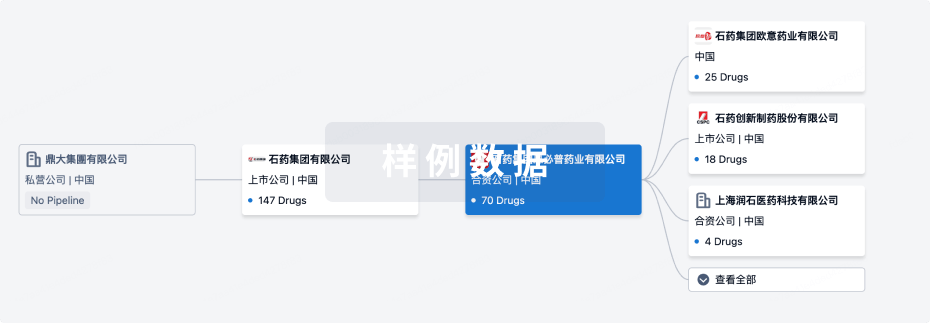
组织架构
使用我们的机构树数据加速您的研究。
登录
或
管线布局
2026年10月22日管线快照
管线布局中药物为当前组织机构及其子机构作为药物机构进行统计,早期临床1期并入临床1期,临床1/2期并入临床2期,临床2/3期并入临床3期
药物发现
2
3
临床前
临床1期
5
1
临床2期
其他
6
登录后查看更多信息
当前项目
登录后查看更多信息
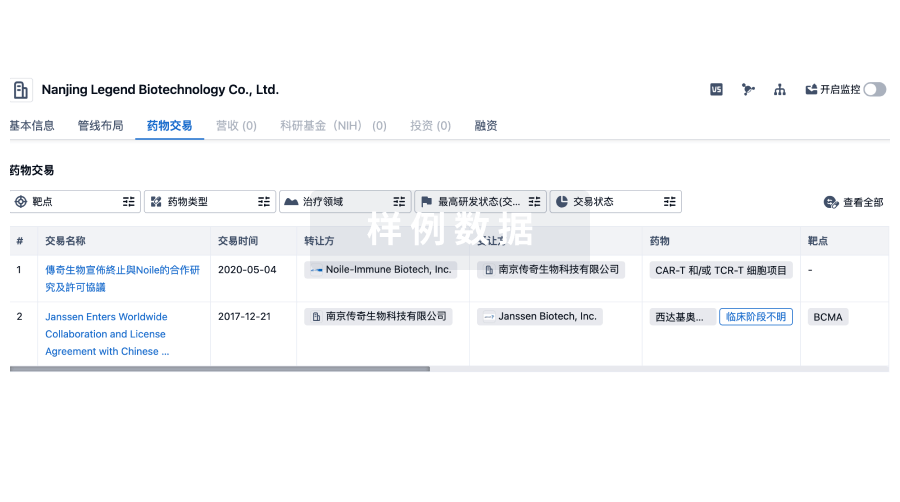
药物交易
使用我们的药物交易数据加速您的研究。
登录
或
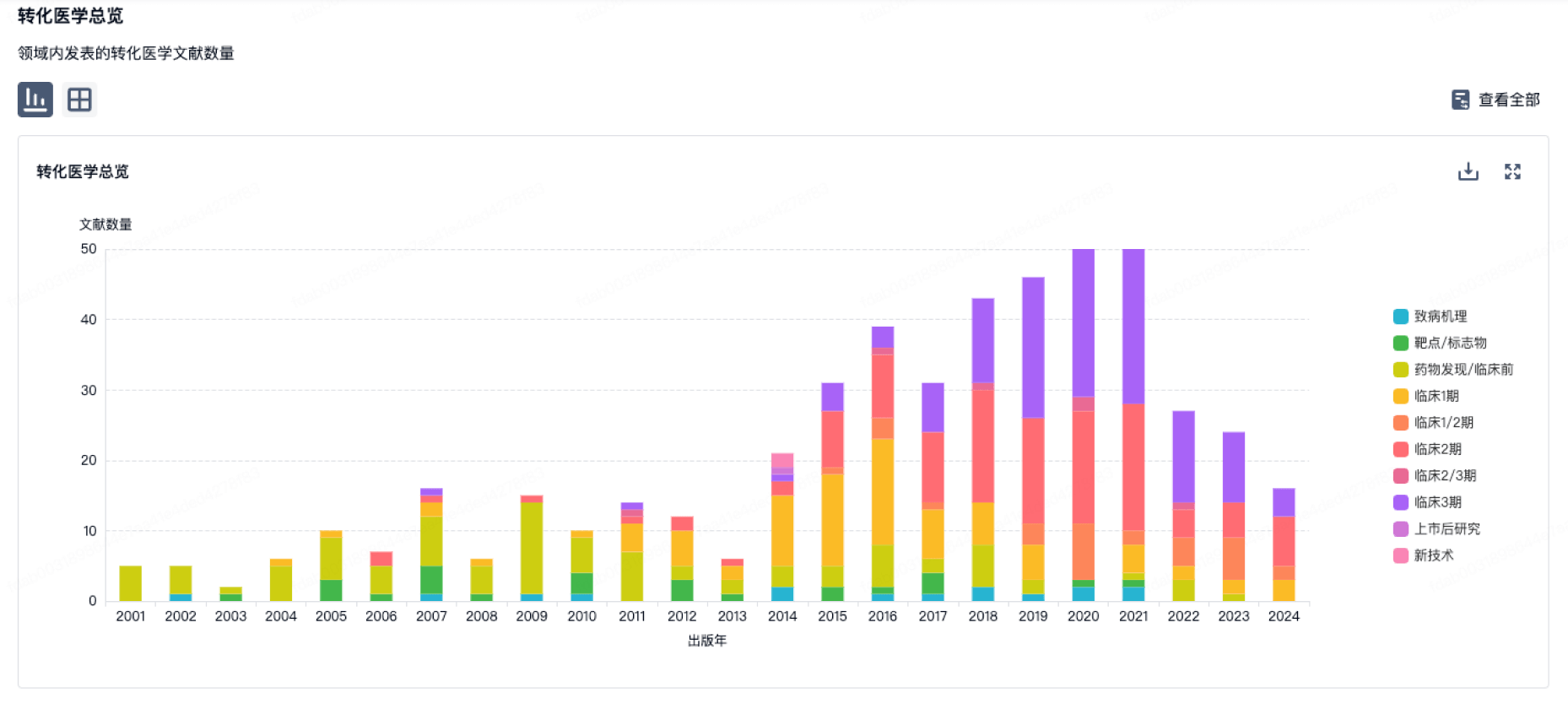
转化医学
使用我们的转化医学数据加速您的研究。
登录
或
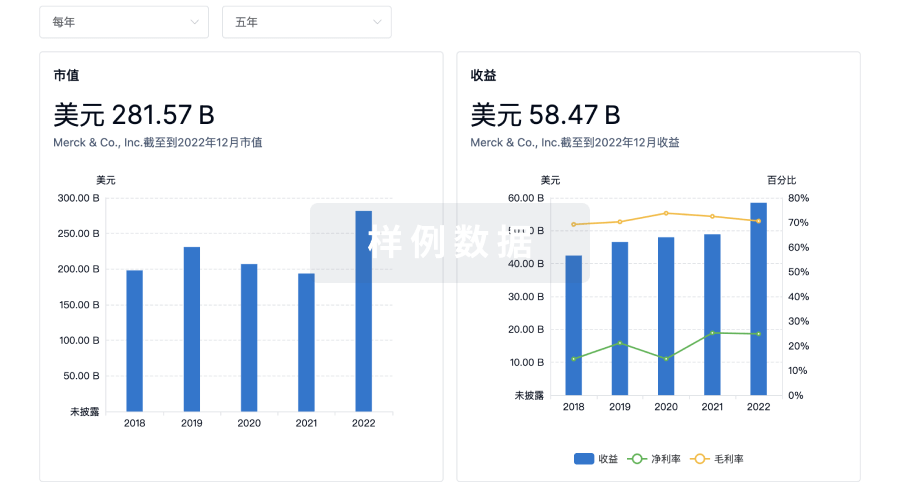
营收
使用 Synapse 探索超过 36 万个组织的财务状况。
登录
或
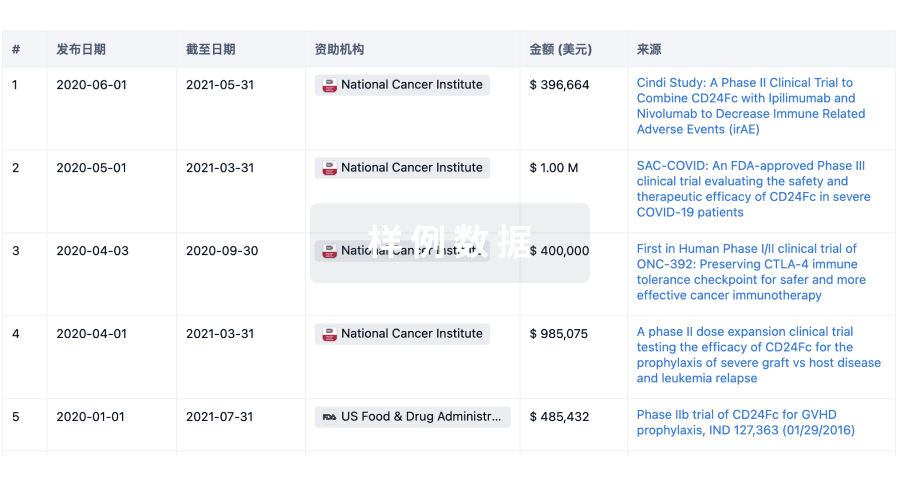
科研基金(NIH)
访问超过 200 万项资助和基金信息,以提升您的研究之旅。
登录
或
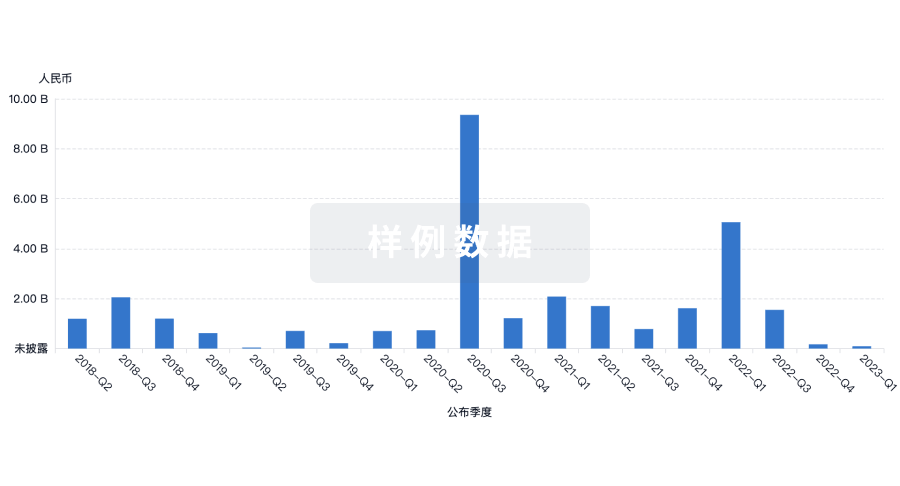
投资
深入了解从初创企业到成熟企业的最新公司投资动态。
登录
或
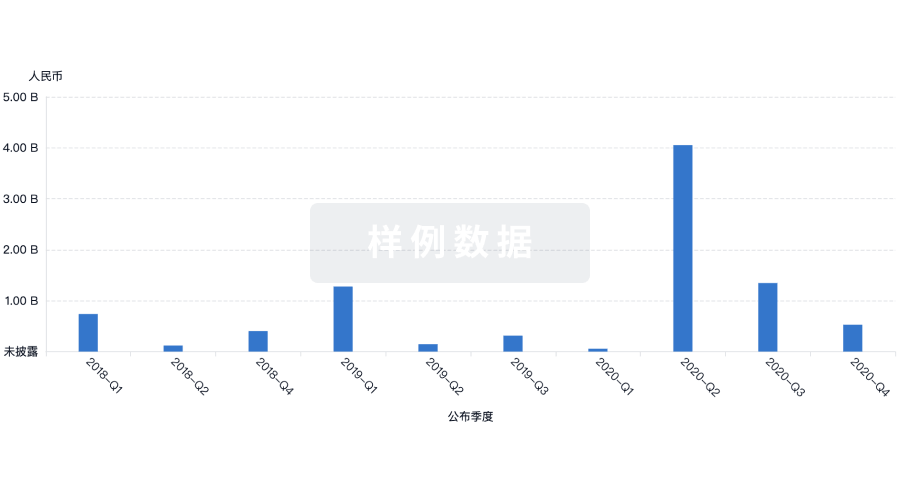
融资
发掘融资趋势以验证和推进您的投资机会。
登录
或
提出任何生物医药研究问题
让每一步生物医药决策都精准制胜
基于十亿级生物数据与全球情报的精准 AI,赋能早期药物发现
立即开始免费试用!
智慧芽新药情报库是智慧芽专为生命科学人士构建的基于AI的创新药情报平台,助您全方位提升您的研发与决策效率。
立即接入生物医药数据包
智慧芽新药库数据也通过智慧芽开放平台,以MCP或API服务形式对外开放。立即使用我们的MCP服务定制您的LLM智能体。
生物序列数据库
生物药研发创新
免费使用
化学结构数据库
小分子化药研发创新
免费使用